Attraction in Wrocław
Wrocław Main Railway Station (Wrocław Główny)
Wrocław's main railway station is a castle-like Tudor neo-Gothic terminus from 1857, and for many arriving travellers it is the first thing they see of the city.
Reviewed and updated July 2026
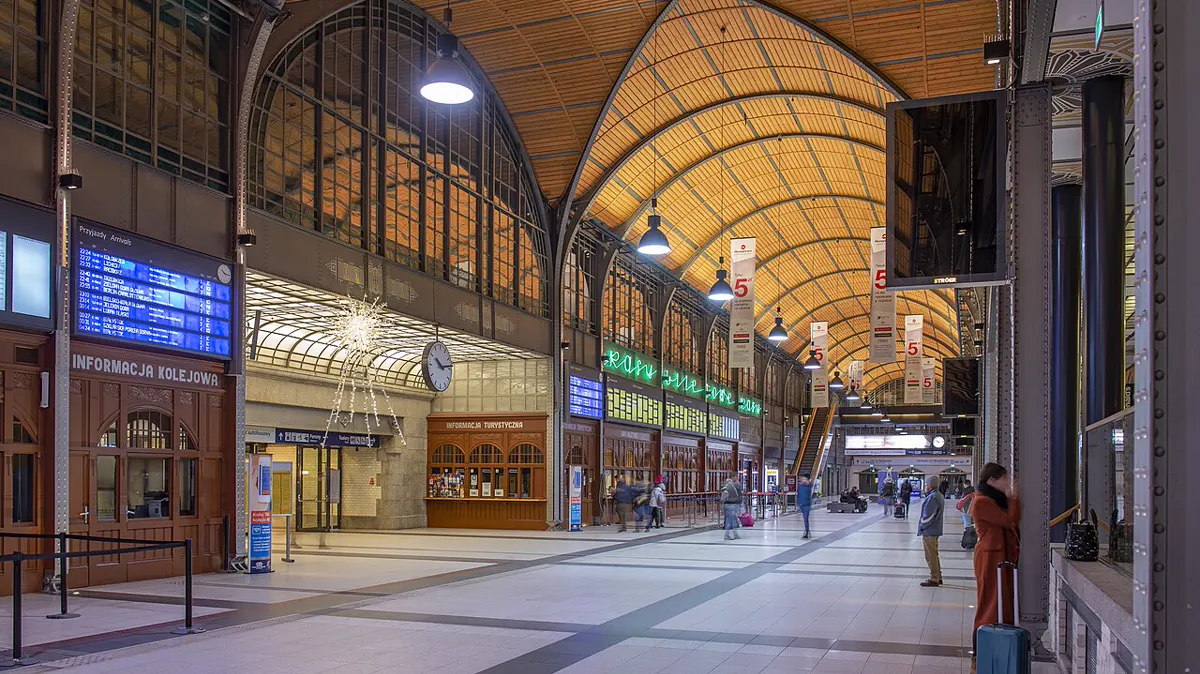
Wrocław Main Railway Station (Wrocław Główny) is the city's principal train terminus, and it is worth a few minutes of your attention even if you are not catching a train. Opened in 1857, it was built in a romantic Tudor and neo-Gothic style that makes the long facade look more like a castle than a transport hub. It was among the largest stations in Europe when it opened, and after a thorough renovation ahead of the UEFA Euro 2012 football tournament it now pairs its historic shell with a modern, well-run interior. For visitors arriving by rail, it is often their first impression of Wrocław.
What to look at
The main draw is the long, ornate facade facing Piłsudskiego street, with its pale stonework, turrets and pointed detailing that give the building its castle-like character. Step inside and the vaulted concourse opens up above the platforms, a large covered hall that rewards a look upward before you move on. The Euro 2012 renovation cleaned and restored these historic elements while adding shops, cafes and clear signage, so the old architecture and everyday station traffic sit side by side.
A station with a long history
Wrocław Główny is one of the oldest surviving railway stations in Poland, dating to 1857, when the city was known as Breslau and part of Prussia. Its scale reflected the ambitions of the railway age, and at the time it counted among the largest stations on the continent. The building has served the city through more than a century and a half of changing borders and names, and it remains in daily use as the region's busiest rail gateway.
Practical visit and who it suits
You do not need a ticket to walk through the concourse and admire the interior, which makes a short stop easy to fit in. The station is a natural fit for architecture enthusiasts, photographers and anyone with time to spare between connections. If you are travelling with a train to catch, allow a little extra time to find your platform, and check current departure boards or official channels for live times rather than relying on a fixed schedule.
How it fits a Wrocław visit
The station sits on Piłsudskiego street, a short walk south of the Old Town, so it works well as either your arrival point or a quick detour on foot. From here you can head north towards the Market Square and the rest of the sights covered in our Wrocław guide. Because so many visitors pass through on arrival, seeing the building first and then walking into the centre is one of the more common ways to begin a trip to the city.
Good to know
You can walk through the concourse and see the architecture for free without a ticket, which makes it an easy stop even if you arrive or leave by other means.
Frequently asked questions
More attractions in Wrocław
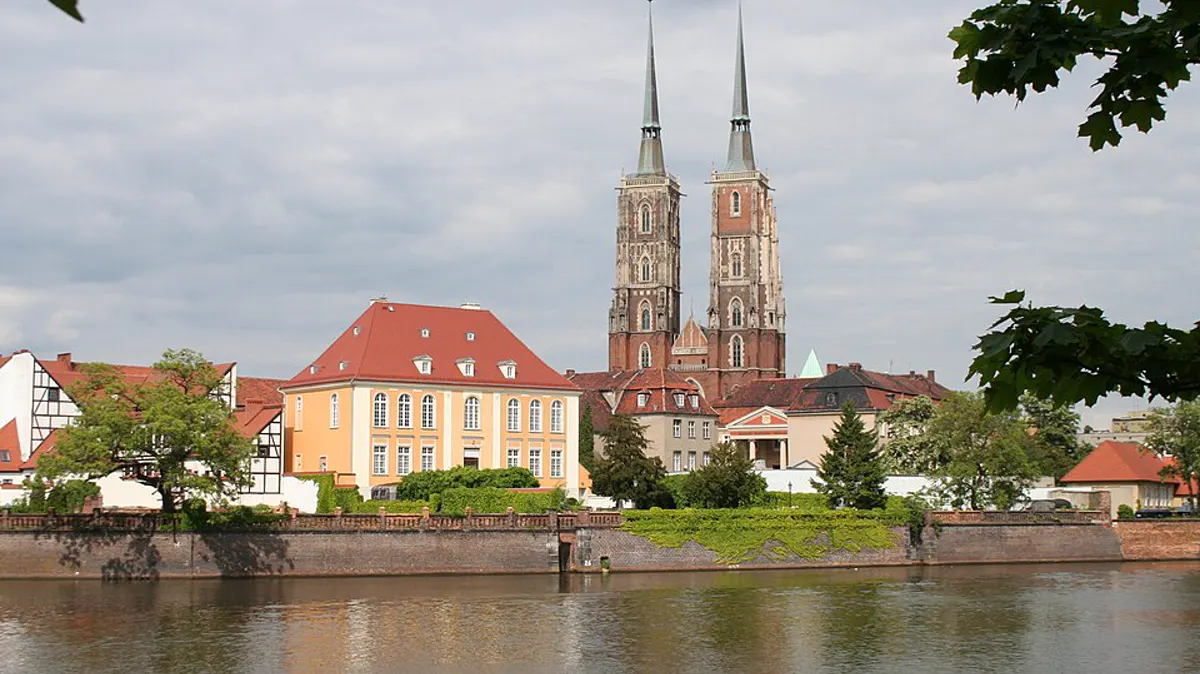
Cathedral Island, Wroclaw
The oldest part of Wroclaw, a cluster of churches on an island in the Oder reached across a romantic iron bridge.
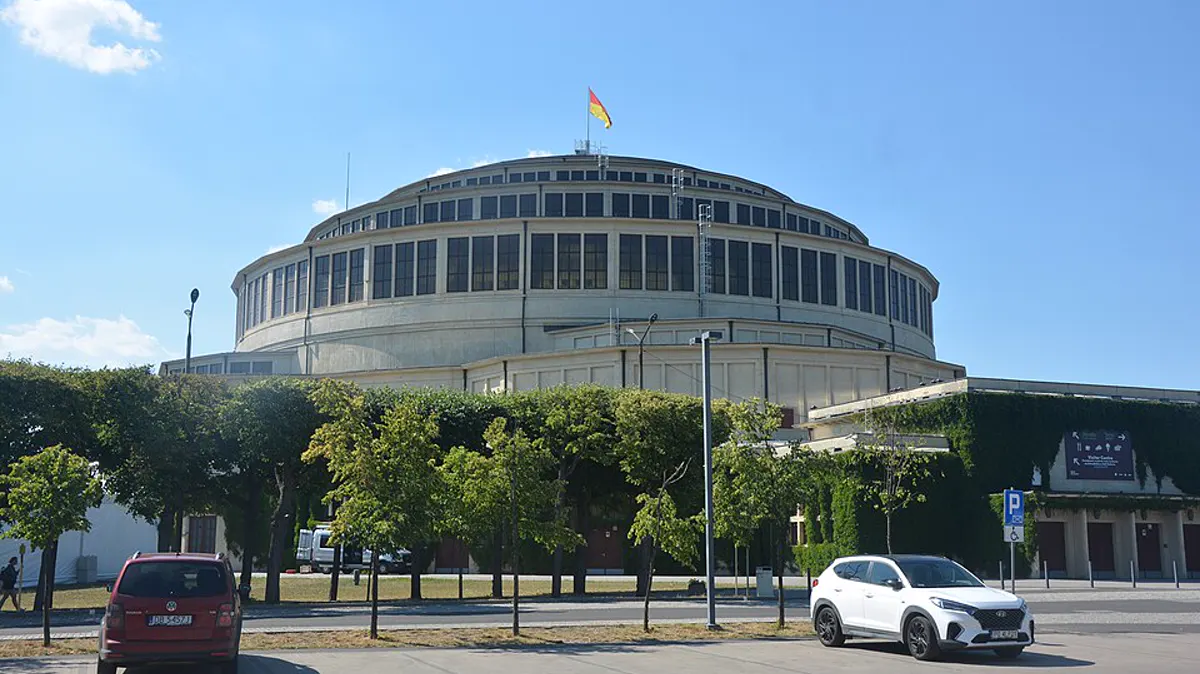
Centennial Hall
A pioneering reinforced-concrete dome from 1913, listed by UNESCO, set in a park with a large multimedia fountain.
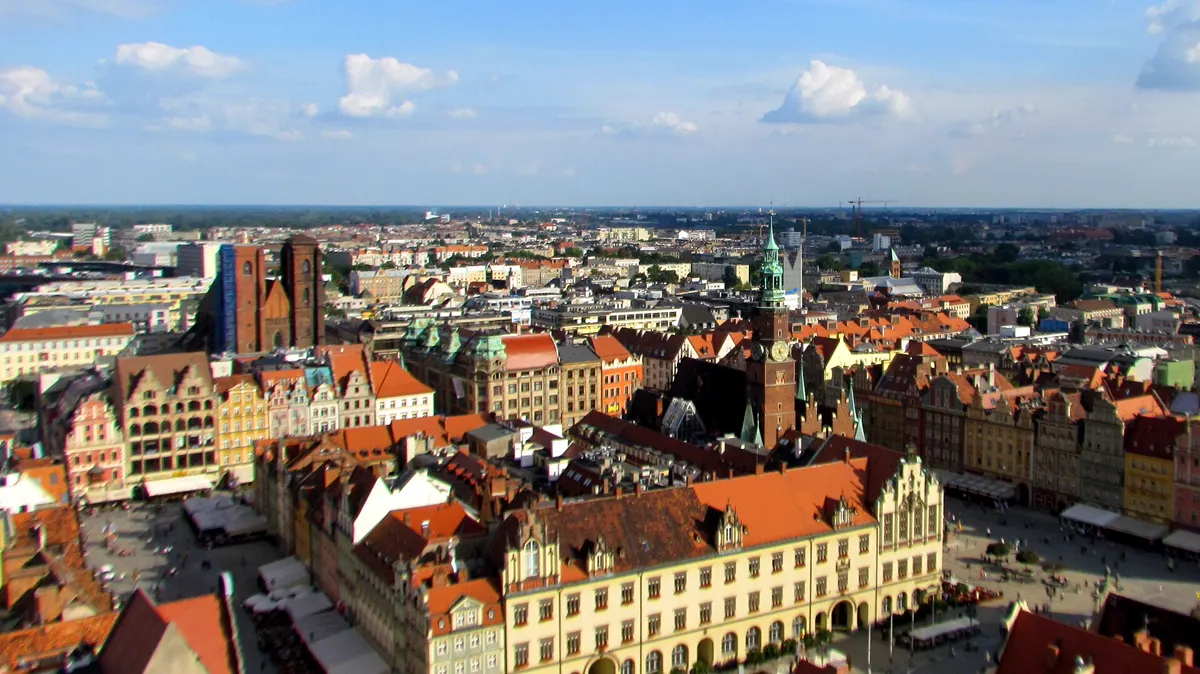
Market Square
One of the largest medieval squares in Poland, ringed by colourful townhouses and centred on an ornate Gothic town hall.
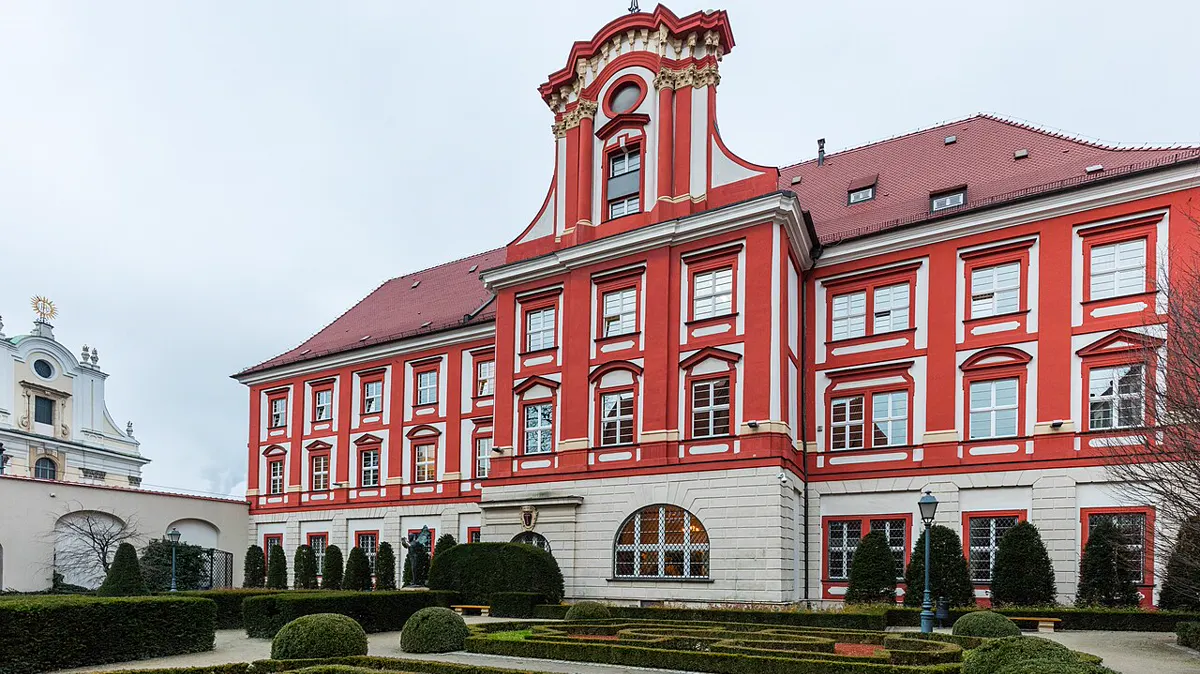
Ossolineum (Ossolinski National Institute)
The Ossolineum is one of Poland's most important national libraries and cultural institutes, holding millions of rare manuscripts, early printed books and archives inside a former Baroque monastery in Wroclaw.
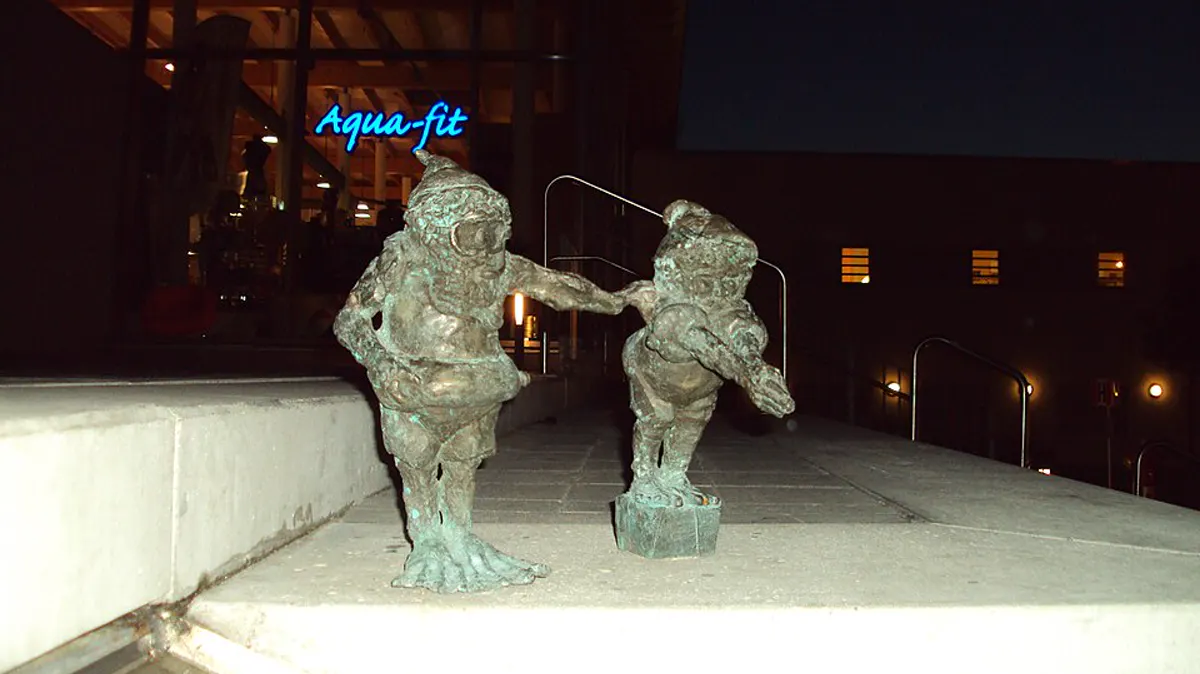
Wroclawskie krasnale
Hundreds of small bronze dwarf figurines scattered across the city, each with its own character and pose. They trace back to the 1980s Orange Alternative anti-communist protest movement.
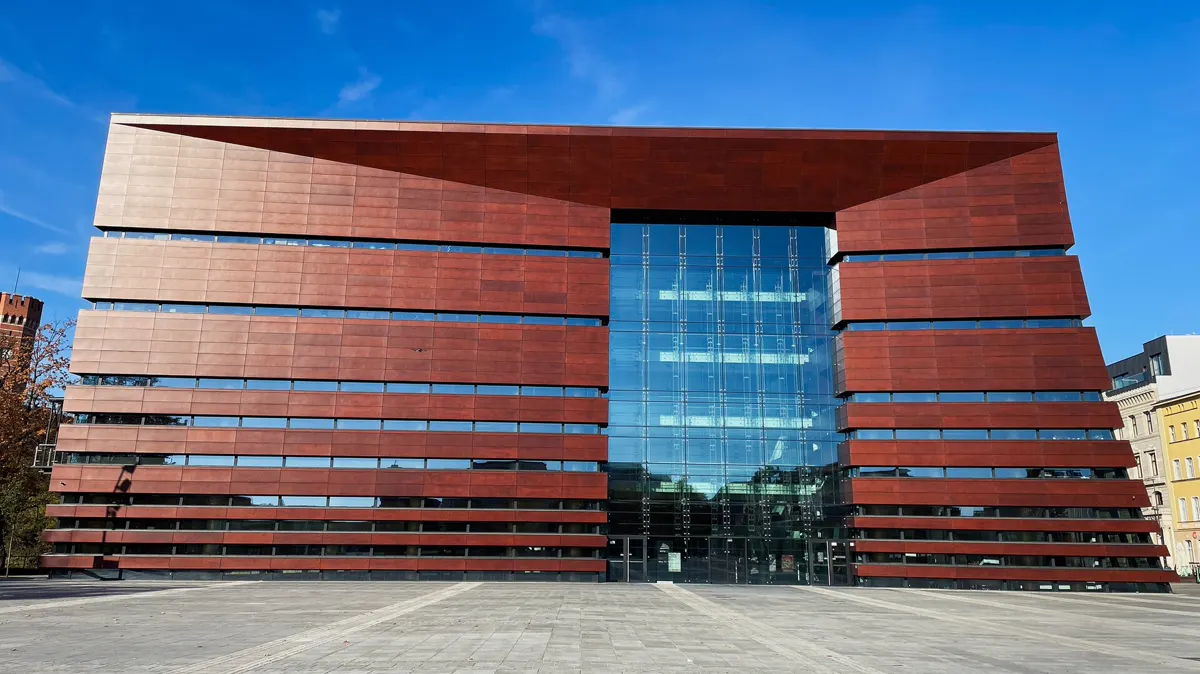
National Forum of Music
A modern concert hall complex on Freedom Square in Wrocław, opened in 2015 and known for the acoustics of its 1,800-seat main auditorium.
More to explore in Wrocław

Restaurant
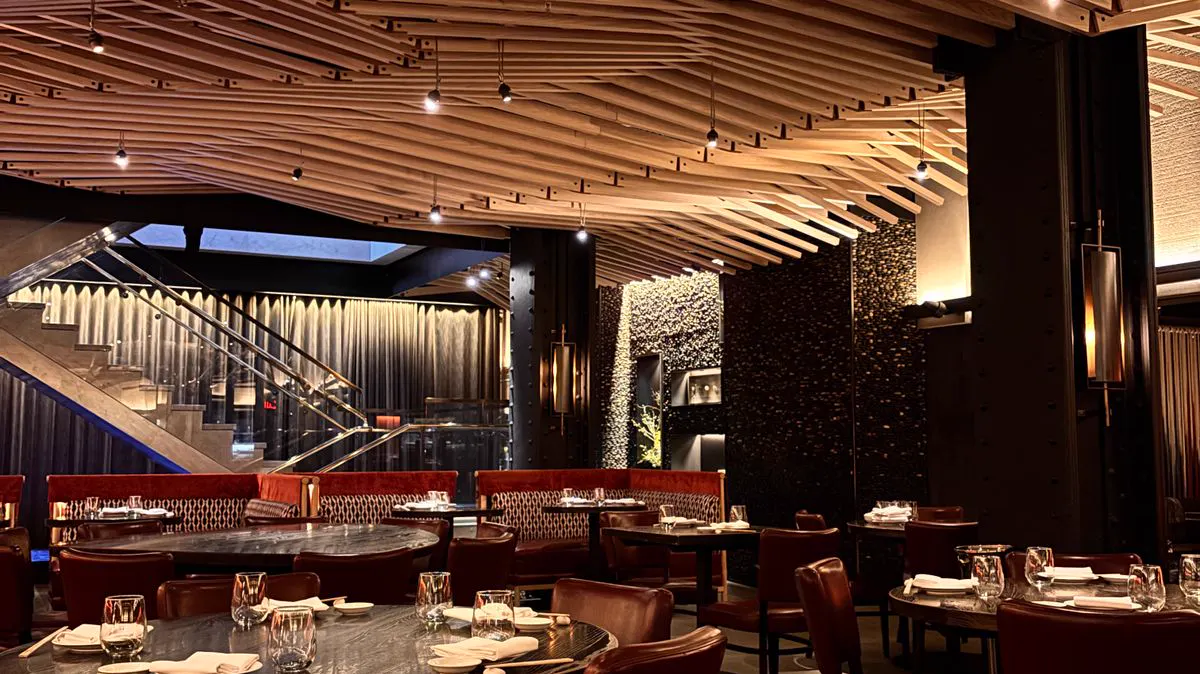
Jadka
An elegant fine-dining room under gothic vaults just off the Rynek, a special-occasion staple.
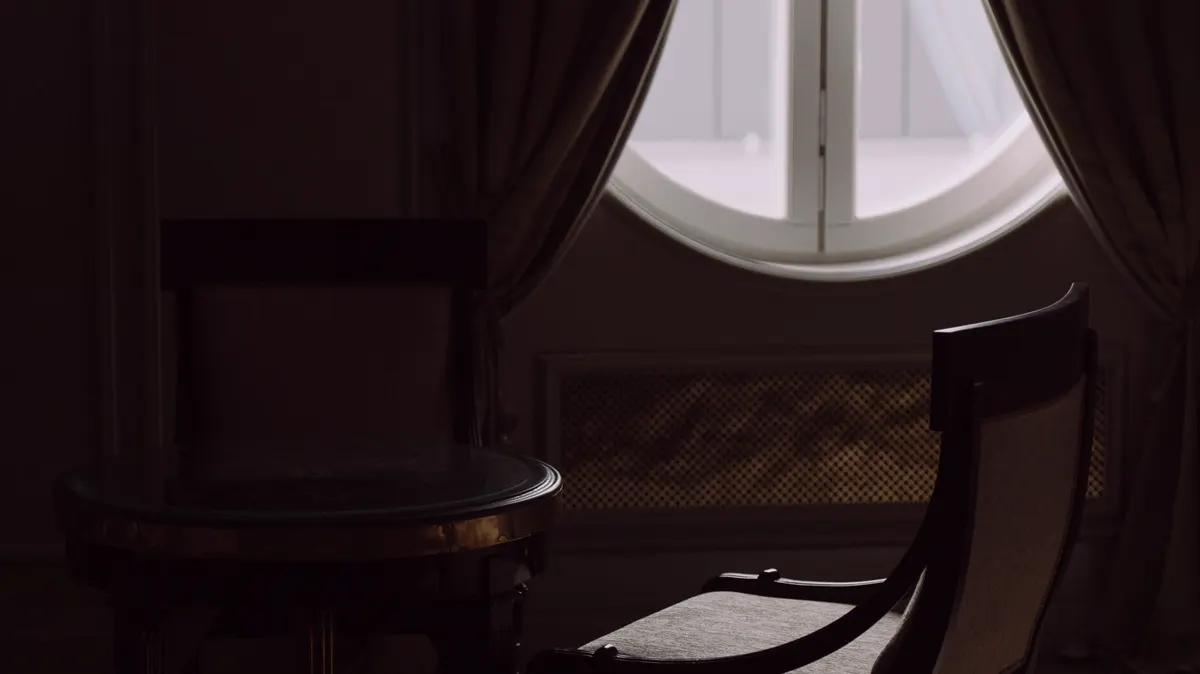
Hotel
Hotel Monopol
A grand Art Nouveau hotel by the opera with a rooftop terrace over the old town and a spa pool.
Restaurant
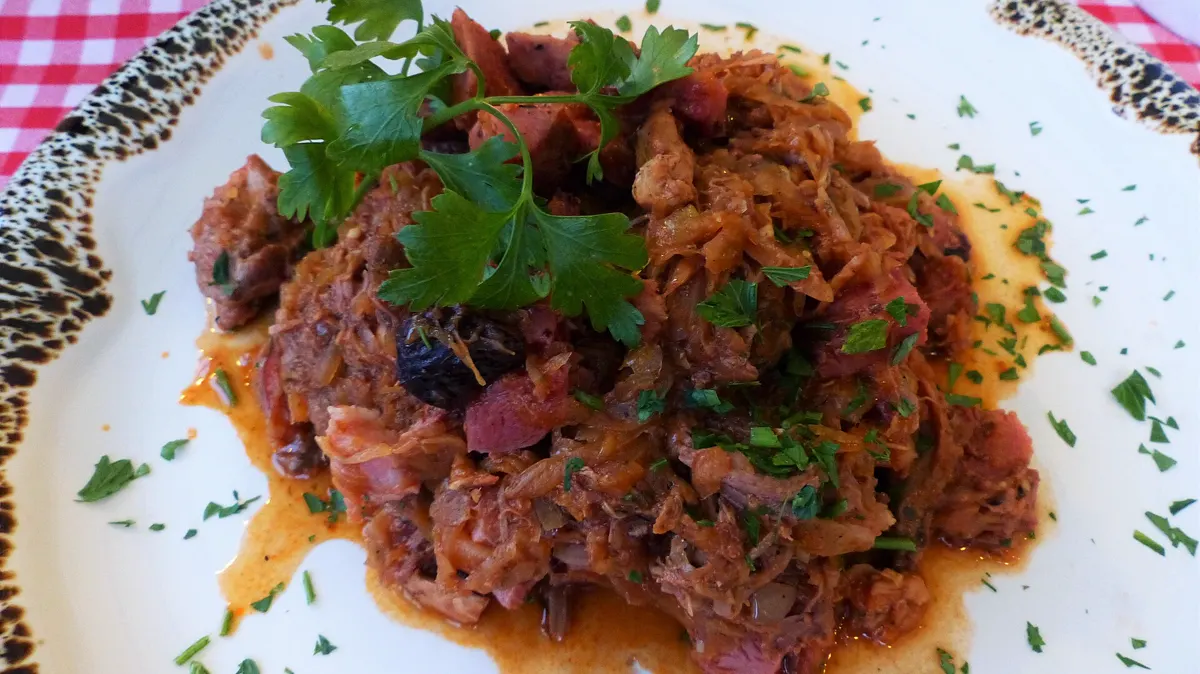
Konspira
A themed restaurant on Solny Square recalling the Solidarity underground, with solid Polish home cooking.
Restaurant
Kurna Chata
A rustic timber room near the Market Square doing filling regional dishes.
Restaurant
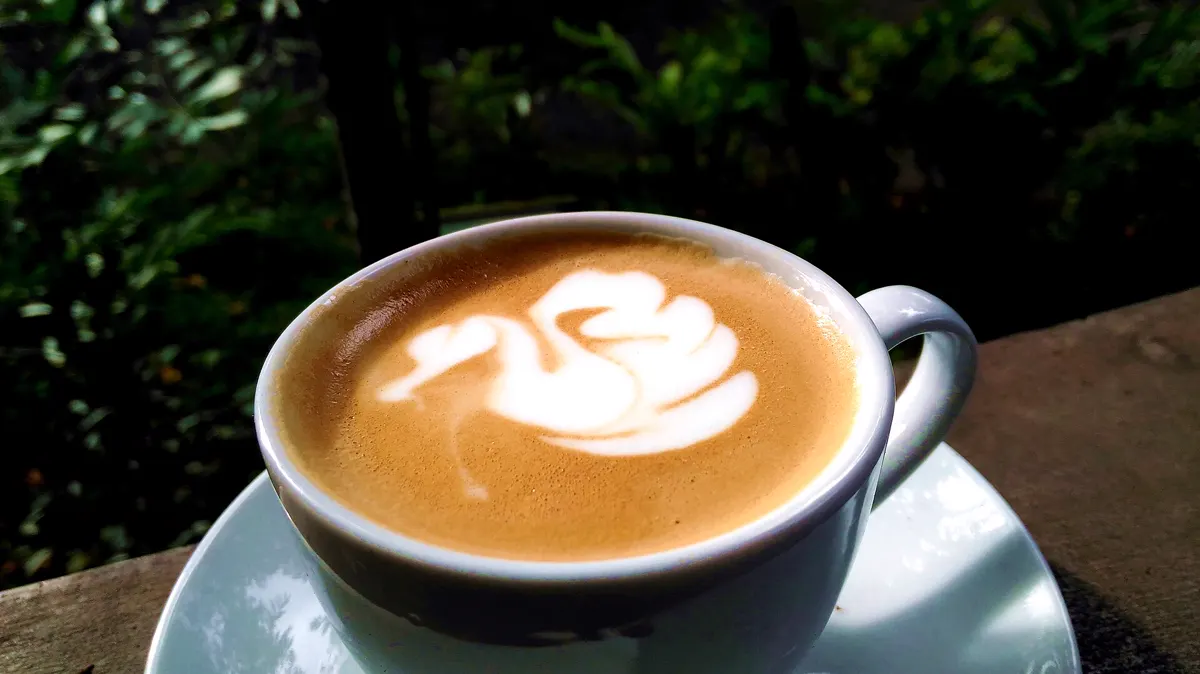
Etno Cafe
A local roaster with cafés across the city pouring dependable speciality coffee.
Restaurant
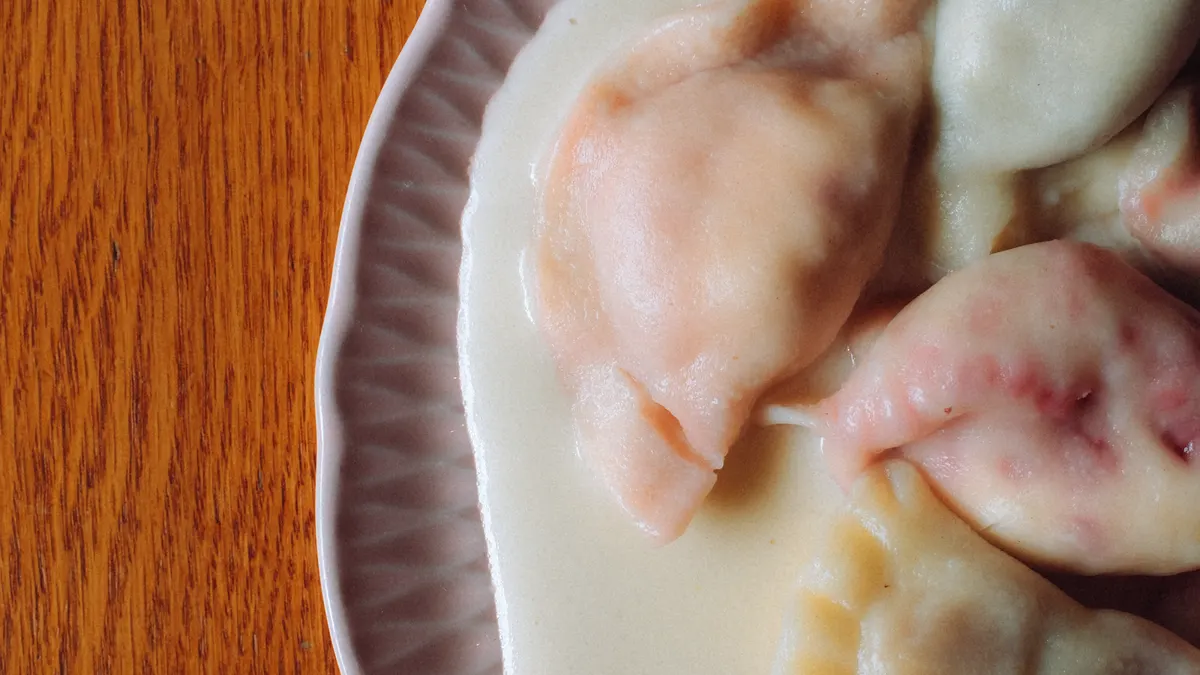
Bar Mis
A classic milk bar (bar mleczny) serving cafeteria-style Polish staples such as pierogi, nalesniki, and soups at very low prices. Cash-friendly and popular with students and locals.