Attraction in Warsaw
Powazki Cemetery
Founded in 1790, Powazki is Warsaw's oldest and most famous cemetery, an open-air gallery of funerary sculpture spread across roughly 43 hectares in the Wola district.
Reviewed and updated July 2026
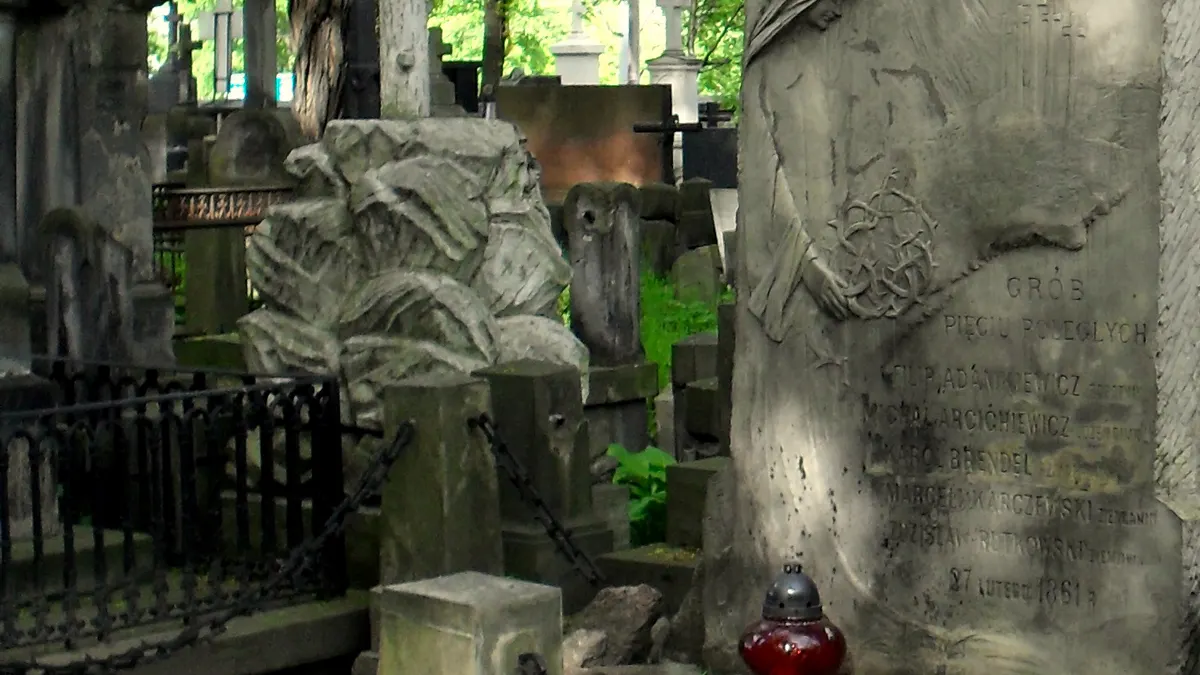
Powazki Cemetery (Cmentarz Powazkowski) is Warsaw's oldest and most famous cemetery, established in 1790 and covering around 43 hectares in the Wola district, and people visit it to walk among elaborate 18th- and 19th-century tombs that amount to an open-air gallery of funerary sculpture. Many of the leading figures of Polish culture, science and politics are buried here, so a slow walk through the older sections doubles as a quiet tour of the country's history.
An open-air gallery of funerary sculpture
The main reason to come is the art. Powazki holds a dense collection of carved memorials from the 18th and 19th centuries, from weeping angels and draped urns to full family chapels and portrait busts. The oldest avenues feel less like a graveyard and more like a sculpture park where every plot was commissioned by someone who wanted to be remembered, and the older stone, softened by moss and shaded by mature trees, gives the place a still, layered atmosphere.
The Avenue of the Distinguished
Created in 1925, the Avenue of the Distinguished (Aleja Zasluzonych) was set aside for eminent Poles, and it remains the part of the cemetery most closely tied to national memory. Walking it, you pass writers, scientists, artists and public figures whose names recur across Polish cultural life. If you have limited time, this avenue and the surrounding older sections are where the significance of Powazki is most concentrated.
Not the same as the Military Cemetery
It helps to know that there are two separate burial grounds with similar names next to each other. Powazki Cemetery is the historic civilian cemetery from 1790; the adjacent Powazki Military Cemetery is a distinct site holding war graves and monuments. Visitors often confuse the two, so check which one you mean before you set off, and consider that seeing both in one visit is possible since they sit side by side.
Fitting it into a Warsaw visit
Powazki sits in Wola, a short trip from the centre, and suits travellers who want a reflective counterpoint to the reconstructed Old Town and the city's museums. It pairs naturally with other Wola sights on a half-day out from the middle of the city. For ideas on combining it with the rest of your trip, see our Warsaw guide.
Good to know
Interest peaks around 1 November (All Saints' Day), when Poles visit family graves and the cemetery fills with candles, so expect large crowds and altered access that day; check official channels for current opening times before you go.
Frequently asked questions
More attractions in Warsaw
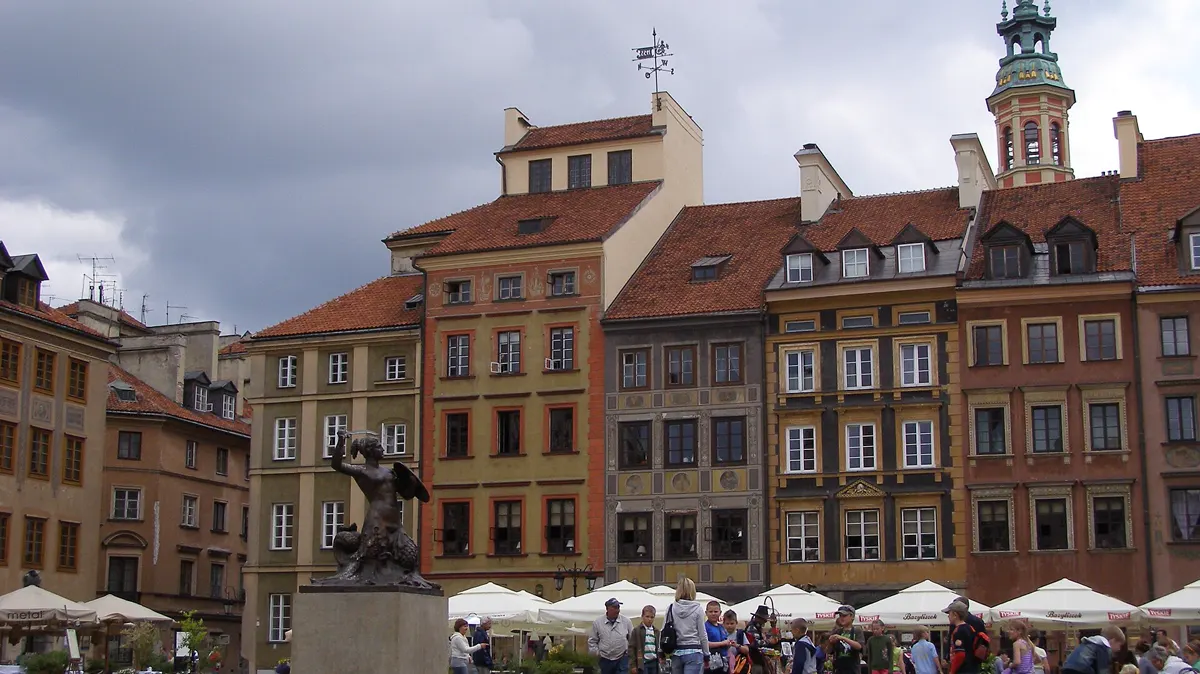
Old Town Market Square
The reconstructed heart of Warsaw Old Town, a UNESCO-listed feat of post-war rebuilding ringed by colourful townhouses.
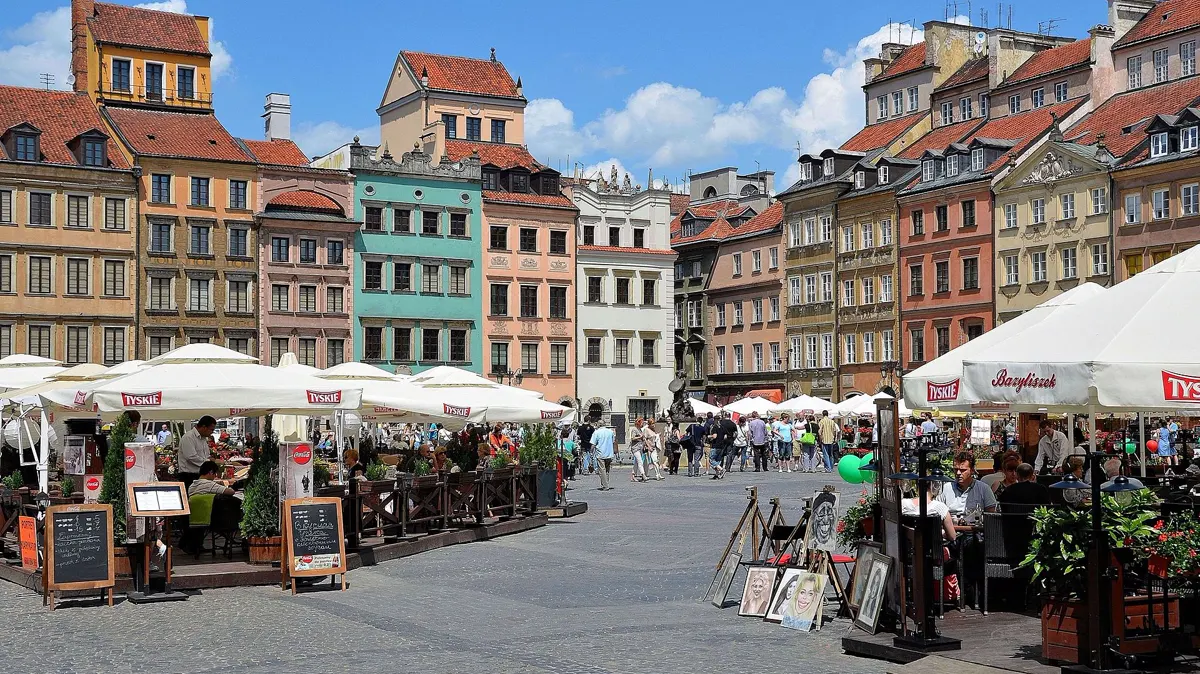
Stare Miasto (Warsaw)
Warsaw's Old Town was rebuilt from rubble after World War II so faithfully that UNESCO added it to the World Heritage list. Its Market Square is lined with pastel merchant houses and centred on the bronze Mermaid statue, the city's symbol.
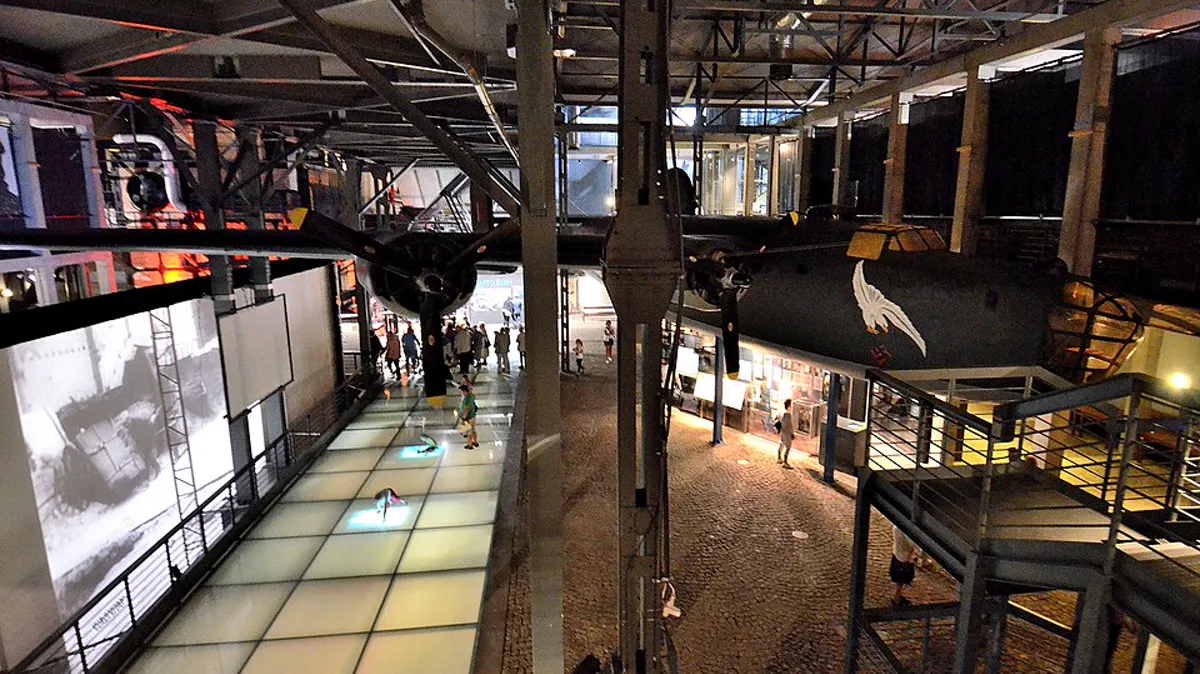
Muzeum Powstania Warszawskiego
The Warsaw Uprising Museum documents the 63-day insurrection of 1944 through survivor recordings, a replica Liberator bomber, and a beating-heart sound installation. It sits in a former tram power station in the Wola district.
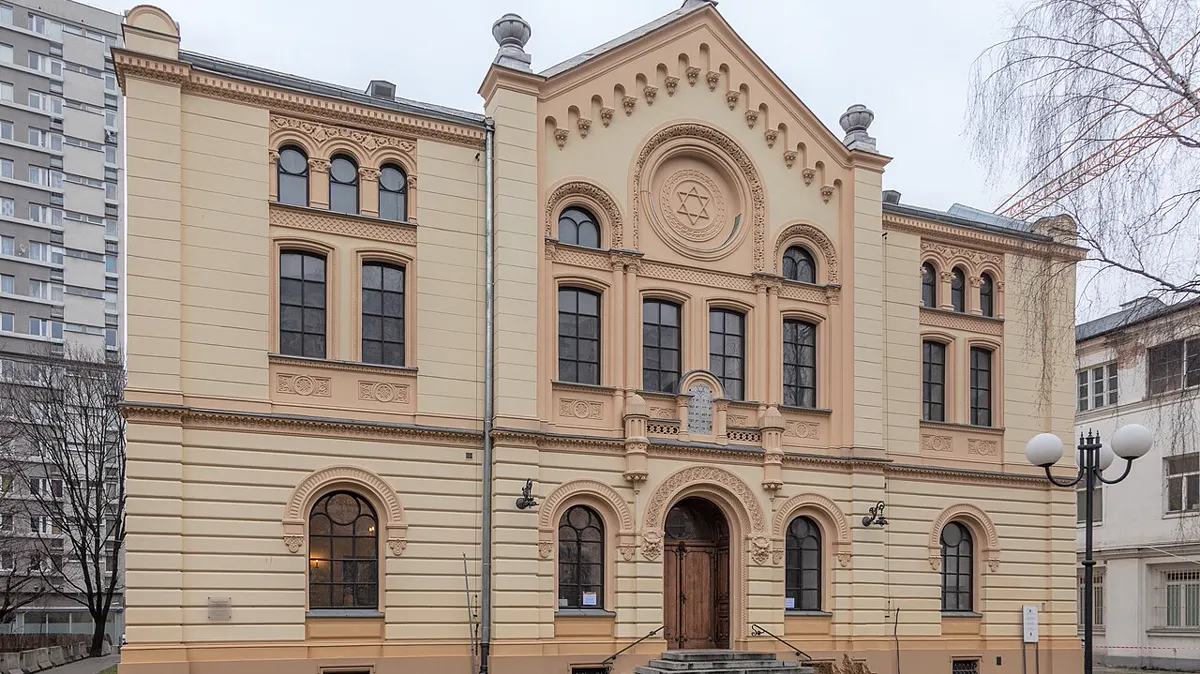
Nozyk Synagogue
The Nozyk Synagogue on Twarda Street is the only pre-war Jewish house of prayer in Warsaw to survive World War II, and it still functions as an active Orthodox synagogue.
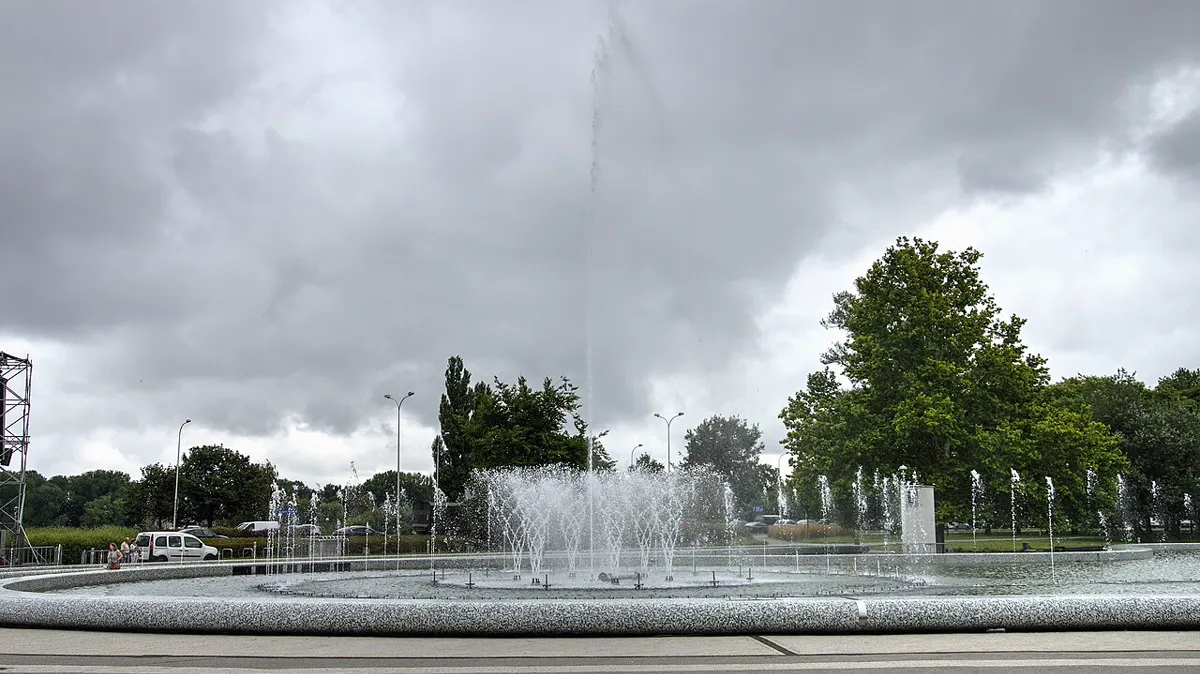
Multimedia Fountain Park
Multimedia Fountain Park sits just north of Warsaw's Old Town near the Vistula, where free summer evening shows combine water, light, laser and music.
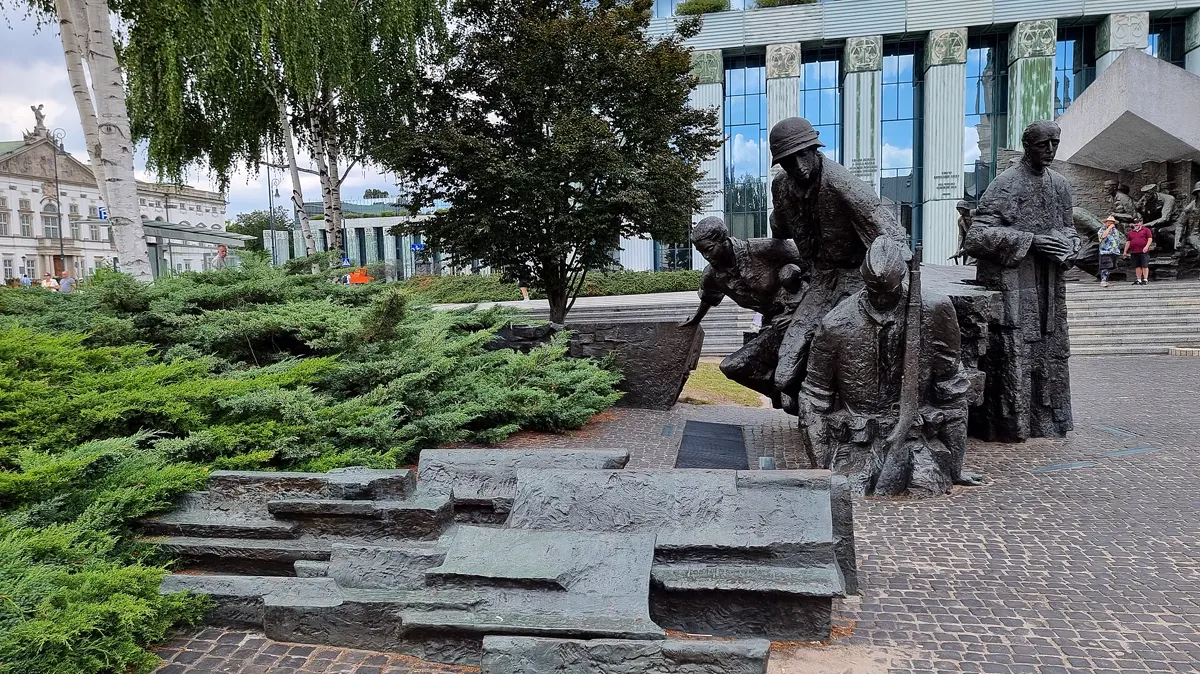
Warsaw Uprising Monument
A large bronze monument on Krasinski Square commemorating the 1944 Warsaw Uprising, the 63-day fight by the Polish resistance against German occupation.
More to explore in Warsaw

Restaurant
Nolita
A Michelin Guide-listed kitchen turning Polish produce into precise modern tasting menus.
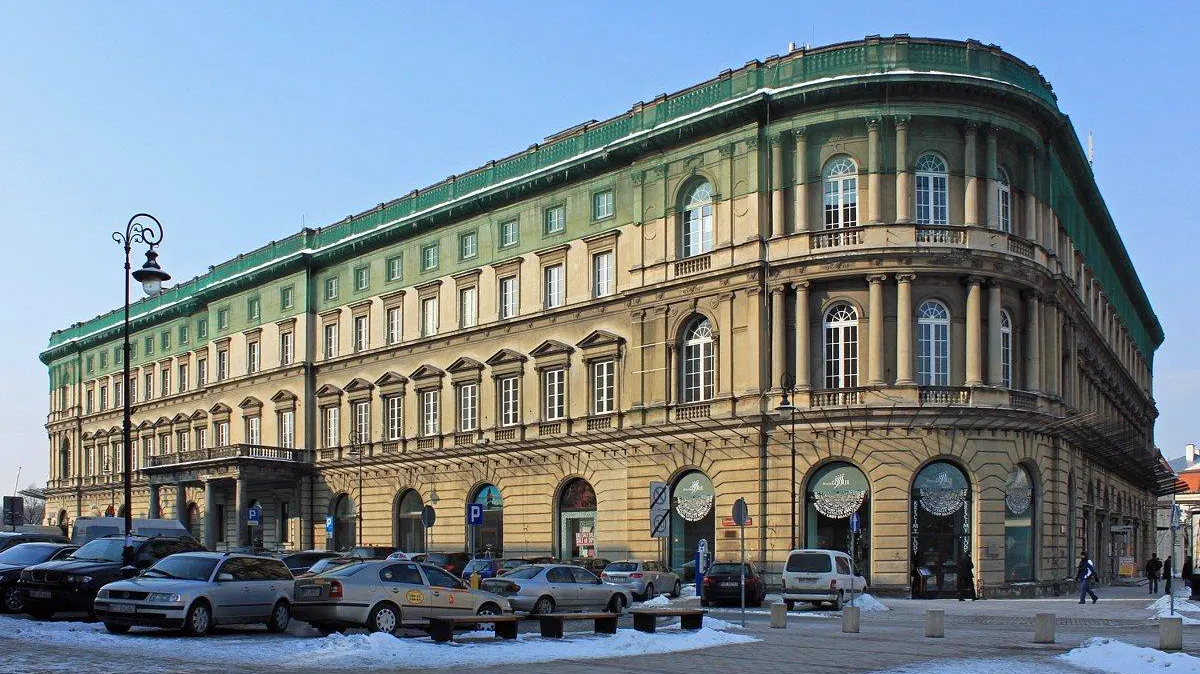
Hotel
Raffles Europejski Warsaw
A landmark 19th-century hotel on the Royal Route, reborn with a serious art collection.
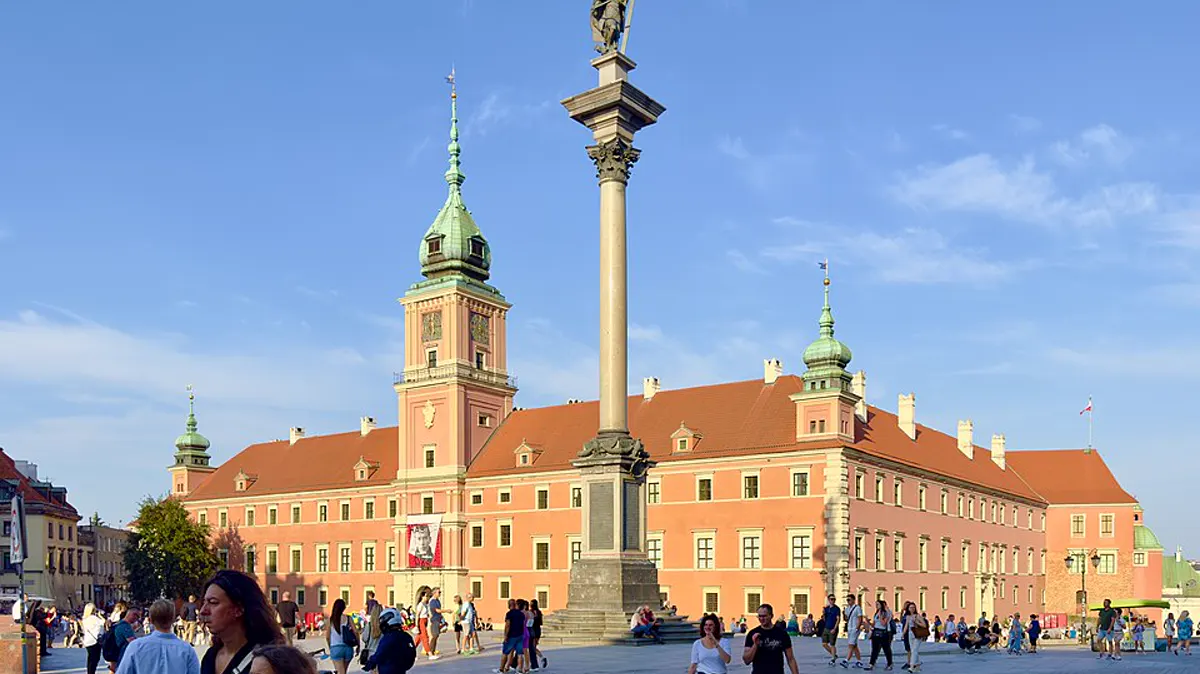
Castle
Royal Castle
The reconstructed seat of Polish kings and parliament on Castle Square, rebuilt from rubble after wartime destruction.
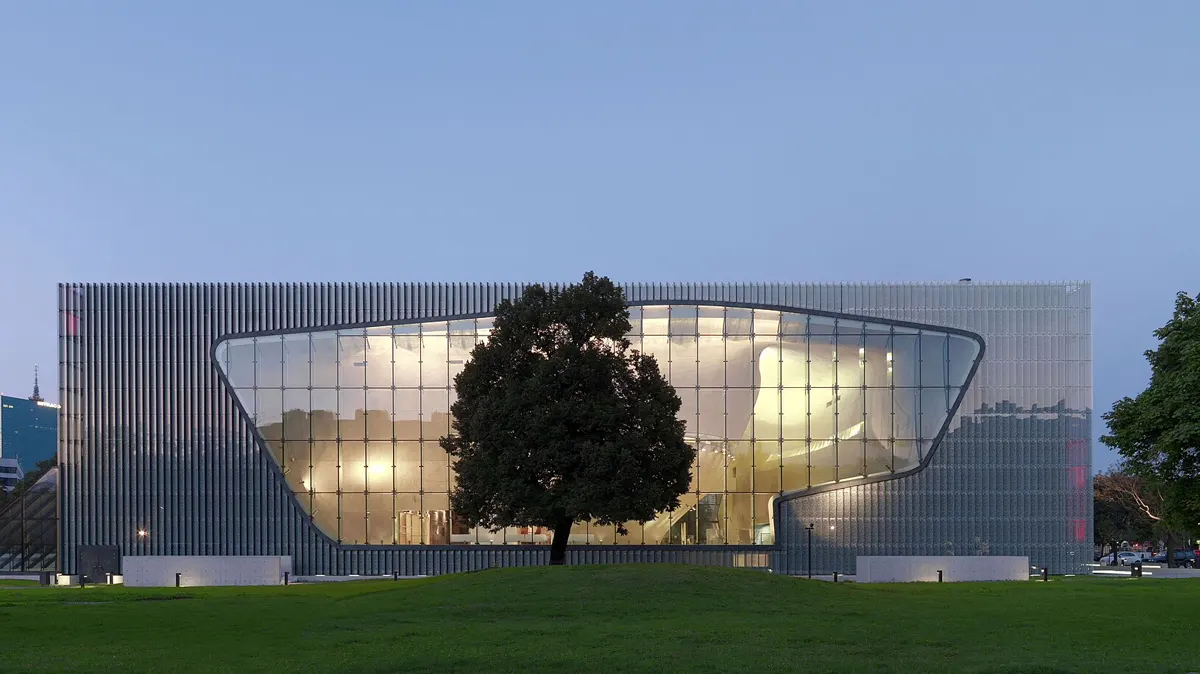
Museum
POLIN Museum of the History of Polish Jews
An award-winning museum tracing a thousand years of Jewish life in Poland, on the site of the former Warsaw Ghetto.

Hotel
Oki Doki Hostel
A colourful, long-running hostel right on Plac Dabrowskiego in the centre.

Restaurant
Relaks
A pioneering third-wave coffee spot in Srodmiescie with a small, focused menu and serious espresso. A neighbourhood favourite for a mid-walk break.