Attraction in Warsaw
Nozyk Synagogue
The Nozyk Synagogue on Twarda Street is the only pre-war Jewish house of prayer in Warsaw to survive World War II, and it still functions as an active Orthodox synagogue.
Reviewed and updated July 2026
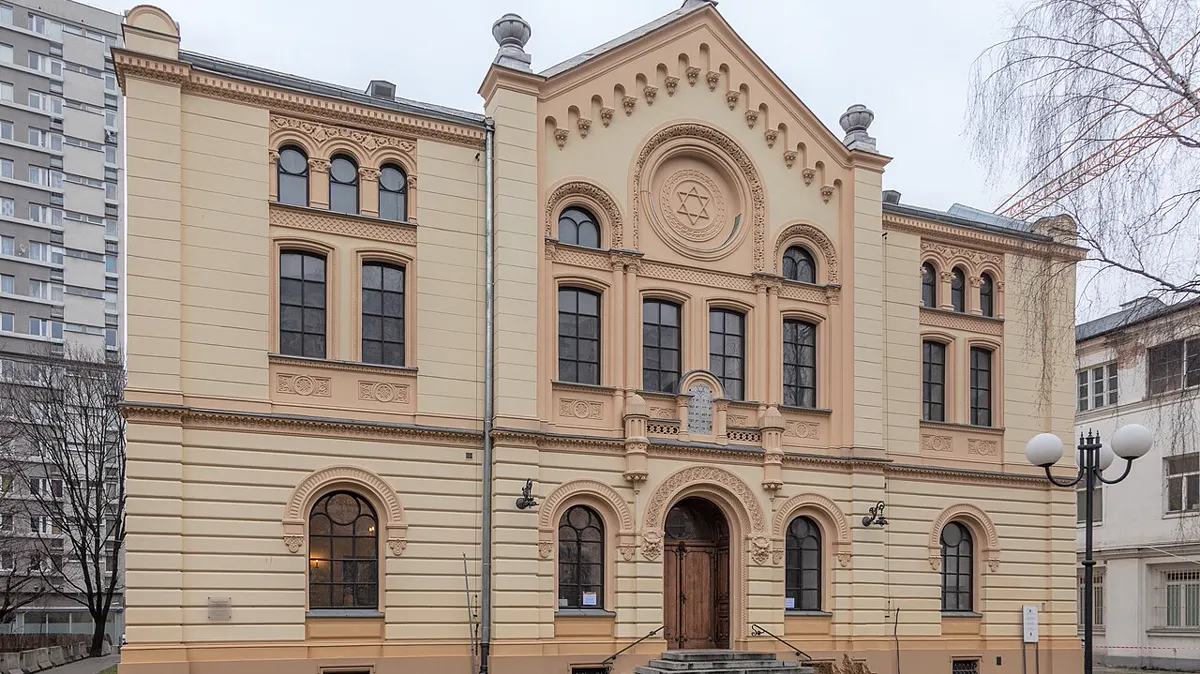
The Nozyk Synagogue is the sole pre-war Jewish house of prayer left standing in Warsaw, and it draws visitors who want to see a rare survivor of a community that once counted hundreds of synagogues across the city. Completed in 1902 and paid for by the merchant Zalman Nozyk and his wife Ryfka, it remains an active Orthodox synagogue on Twarda Street, close to the area of the former ghetto. People come here for its Romanesque Revival architecture, its story of survival, and its place at the centre of Jewish life in Warsaw today.
The architecture on Twarda Street
The synagogue was built in a Romanesque Revival and Rundbogenstil style, the round-arched idiom that shaped many nineteenth-century European synagogues. Round arches frame the windows and doorways, and the building carries the formal, dignified character its founders wanted for a house of prayer serving Warsaw's Jewish merchants and their families. It sits on Twarda Street, a short walk from what was once the ghetto, so the setting itself carries part of the story. Take time to look at the interior, which was restored to its earlier appearance during the works of the late 1970s and early 1980s.
Why it survived the war
Warsaw had hundreds of synagogues and prayer houses before 1939, and the Nozyk Synagogue is the only one to come through World War II. It endured for a grim reason: during the German occupation the building was used as a stable and a store rather than destroyed, which spared the structure even as the community around it was murdered. That accident of survival is exactly why the place matters, standing as a physical link to a world that was otherwise erased. Between 1977 and 1983 it was restored and reopened, returning it to use as a place of worship.
Who it suits and how to visit
This is a working Orthodox synagogue, not only a monument, so it suits travellers interested in Jewish history, religious architecture and the story of wartime Warsaw. Because services take place here, visitors should dress modestly and be prepared to cover their heads, and it is best to check the official channels for current visiting arrangements and any entry fee before you go. Quiet and respectful behaviour is expected, and photography rules may apply inside. Come with the understanding that you are entering a living place of prayer.
Fitting it into a Warsaw trip
The synagogue pairs naturally with the nearby sites of the former ghetto and with the wider Jewish heritage route through the city, making it an easy addition to a day spent on this theme. From Twarda Street you are within reach of Srodmiescie's central sights, so it slots into a broader walk without much detour. For ideas on what else to combine it with, see our Warsaw guide. Allow enough time to sit with the history rather than treating it as a quick stop.
Good to know
As an active Orthodox synagogue, modest dress and a head covering are expected, and you should check official channels for current visiting hours and any entry fee before arriving.
Frequently asked questions
More attractions in Warsaw
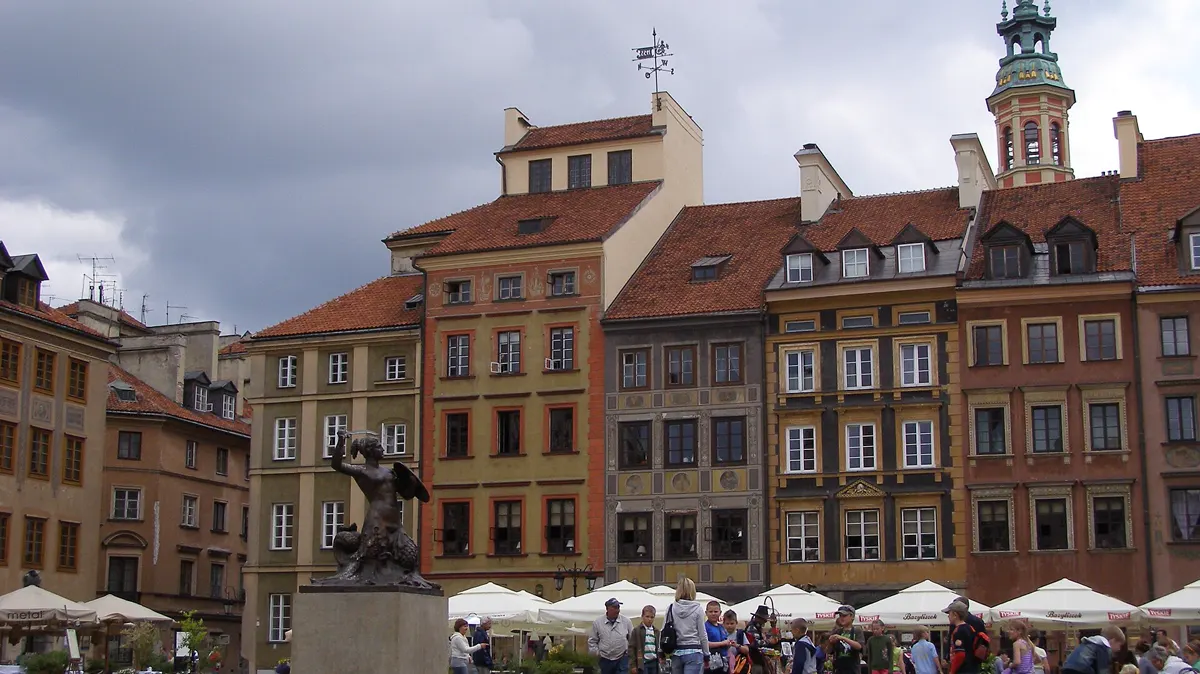
Old Town Market Square
The reconstructed heart of Warsaw Old Town, a UNESCO-listed feat of post-war rebuilding ringed by colourful townhouses.
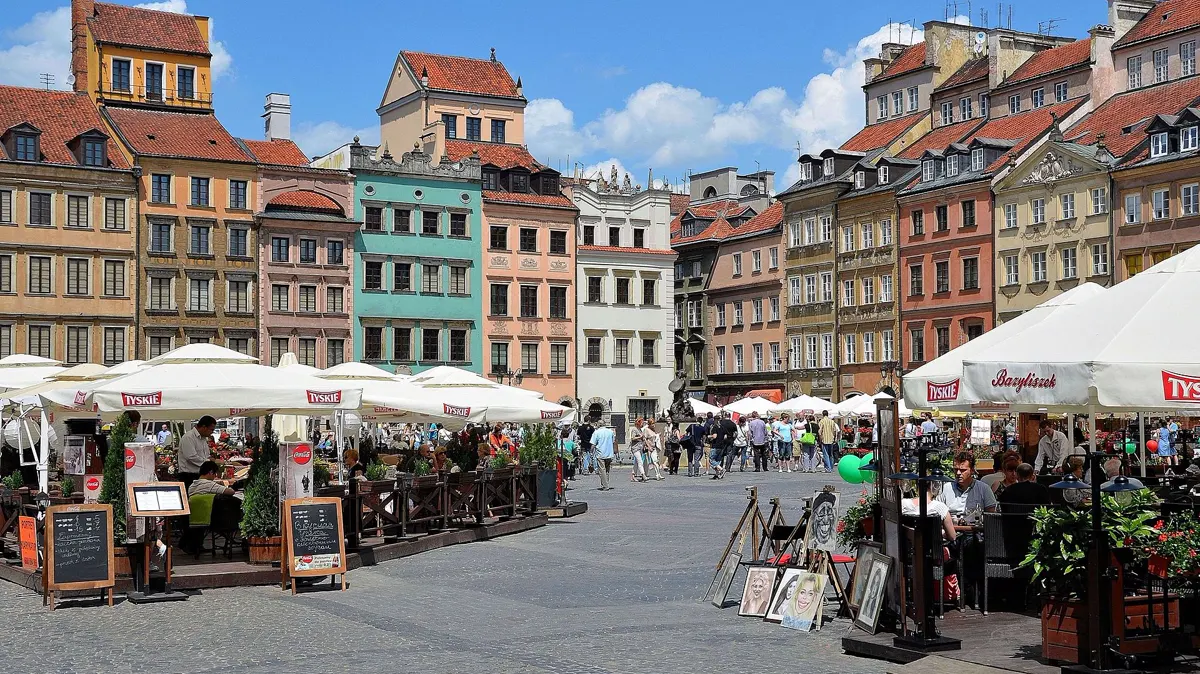
Stare Miasto (Warsaw)
Warsaw's Old Town was rebuilt from rubble after World War II so faithfully that UNESCO added it to the World Heritage list. Its Market Square is lined with pastel merchant houses and centred on the bronze Mermaid statue, the city's symbol.
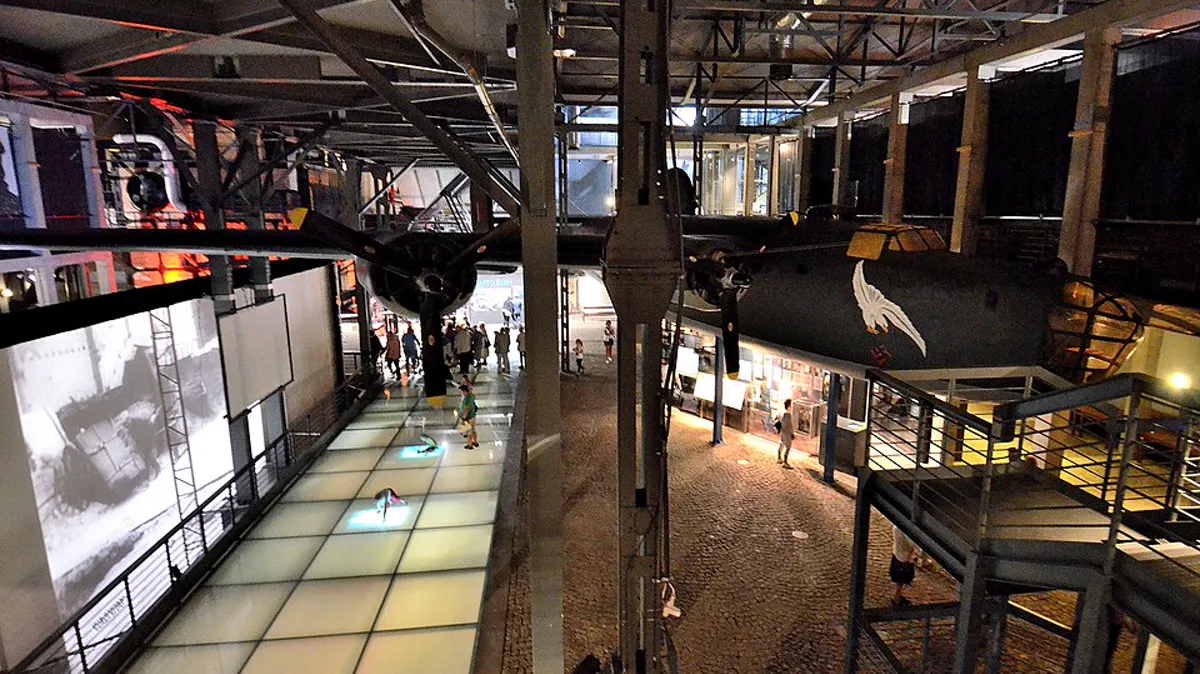
Muzeum Powstania Warszawskiego
The Warsaw Uprising Museum documents the 63-day insurrection of 1944 through survivor recordings, a replica Liberator bomber, and a beating-heart sound installation. It sits in a former tram power station in the Wola district.
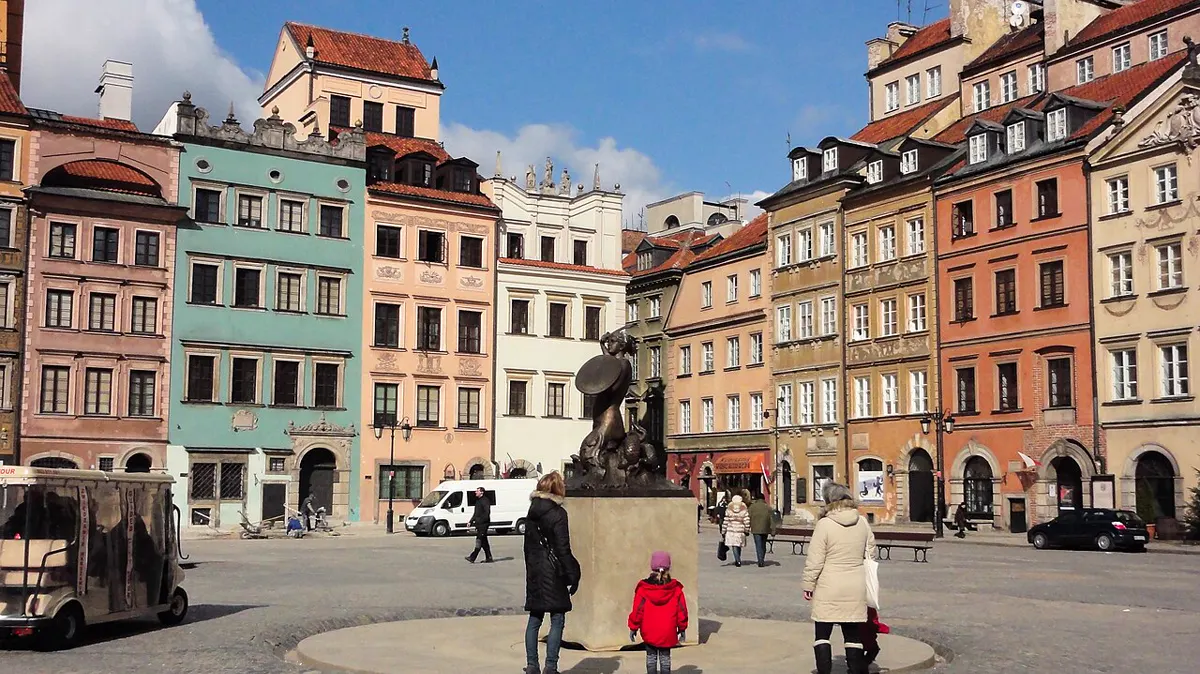
Warsaw Mermaid Statue (Pomnik Syrenki)
The bronze mermaid at the centre of Warsaw's Old Town Market Square is the city's emblem and legendary guardian, shown raising a sword and shield.
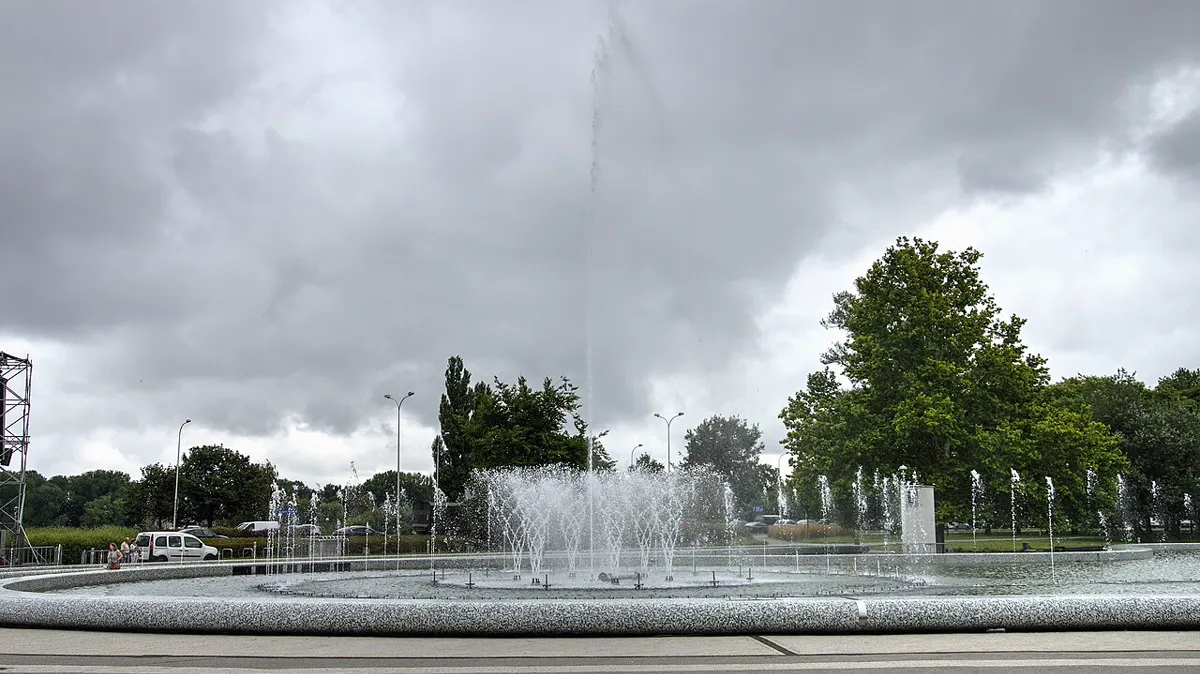
Multimedia Fountain Park
Multimedia Fountain Park sits just north of Warsaw's Old Town near the Vistula, where free summer evening shows combine water, light, laser and music.
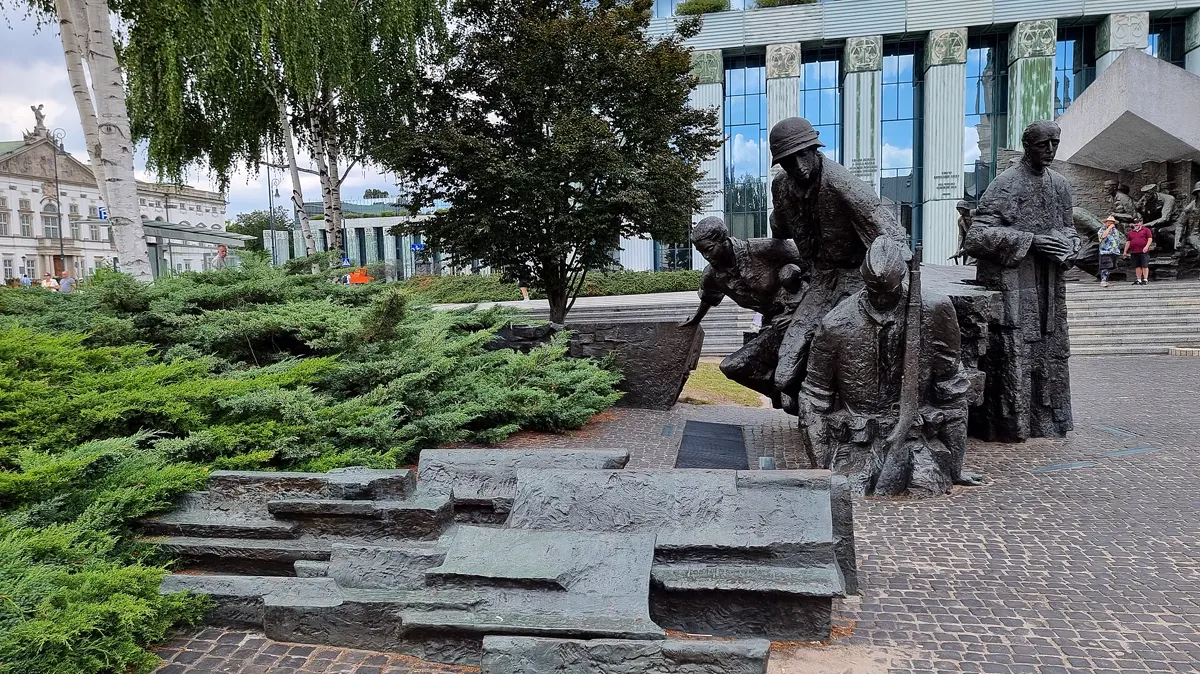
Warsaw Uprising Monument
A large bronze monument on Krasinski Square commemorating the 1944 Warsaw Uprising, the 63-day fight by the Polish resistance against German occupation.
More to explore in Warsaw

Restaurant
Nolita
A Michelin Guide-listed kitchen turning Polish produce into precise modern tasting menus.
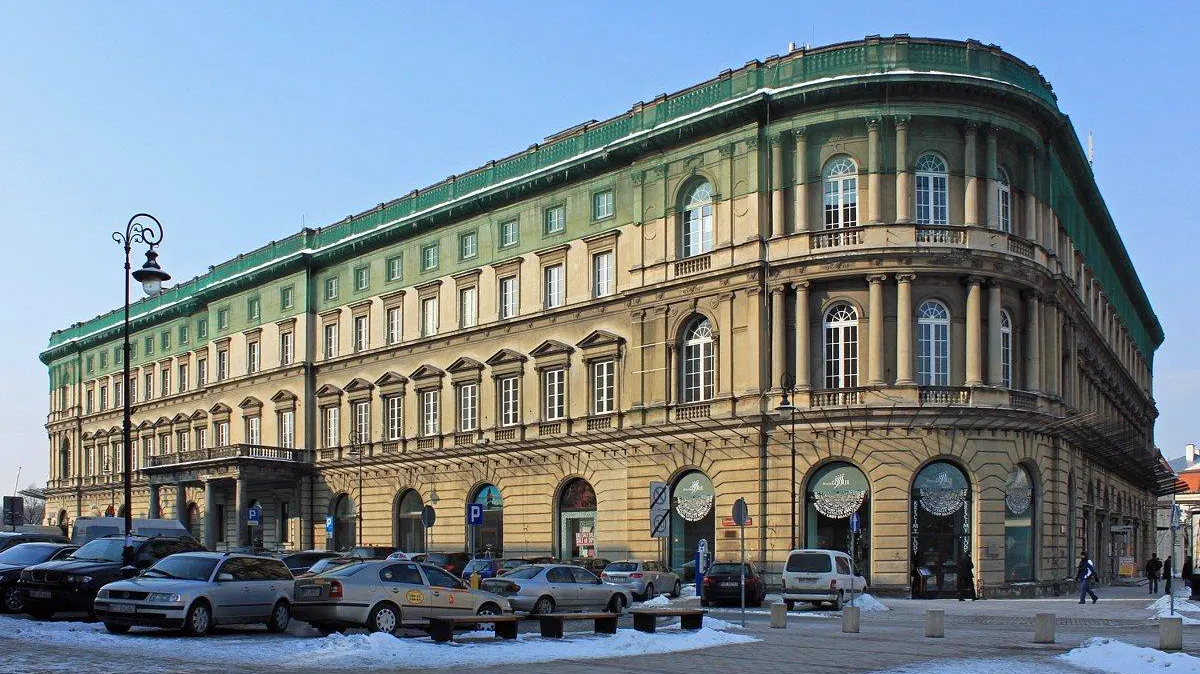
Hotel
Raffles Europejski Warsaw
A landmark 19th-century hotel on the Royal Route, reborn with a serious art collection.
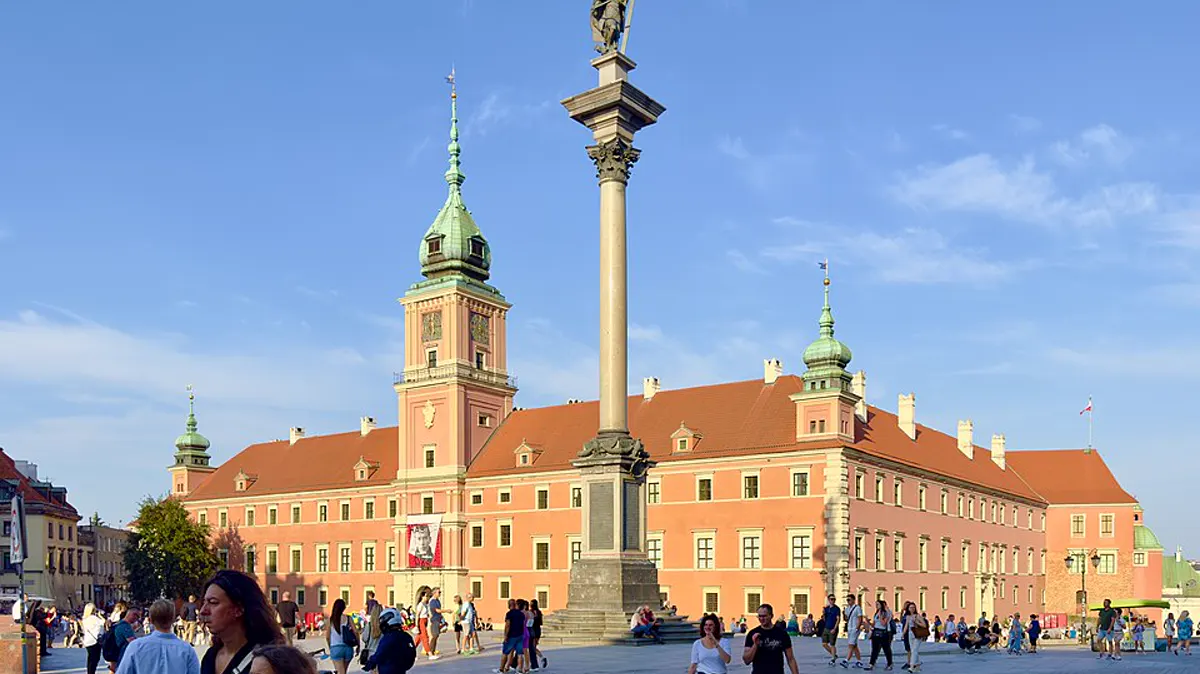
Castle
Royal Castle
The reconstructed seat of Polish kings and parliament on Castle Square, rebuilt from rubble after wartime destruction.
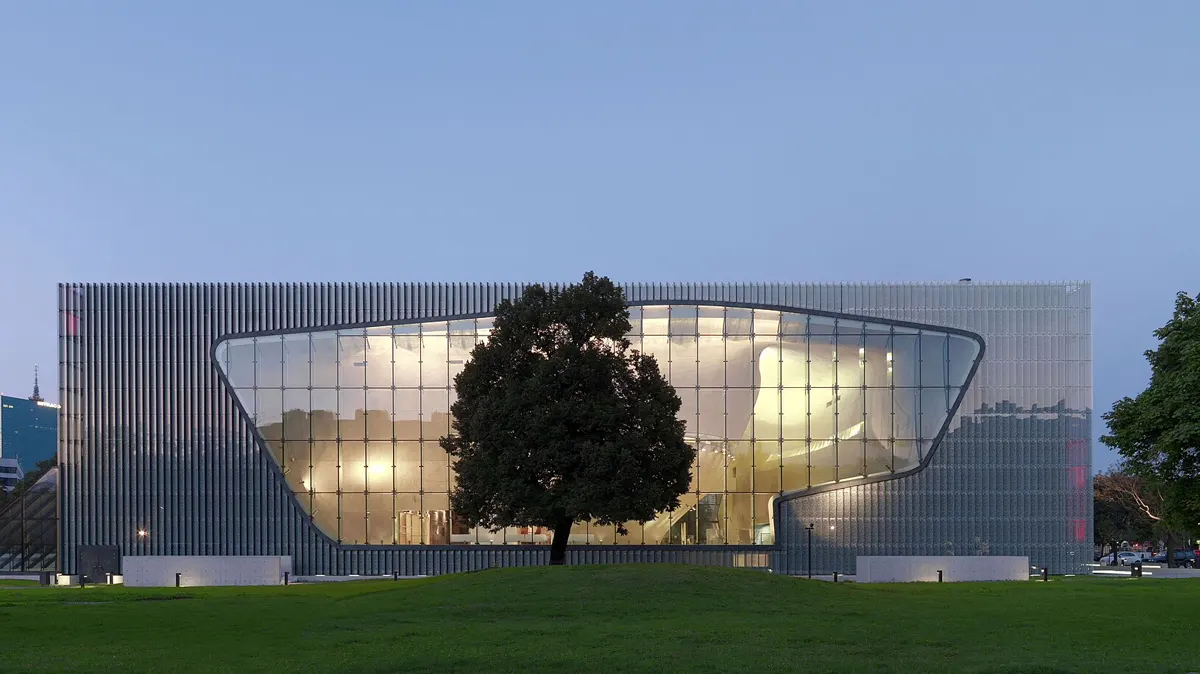
Museum
POLIN Museum of the History of Polish Jews
An award-winning museum tracing a thousand years of Jewish life in Poland, on the site of the former Warsaw Ghetto.
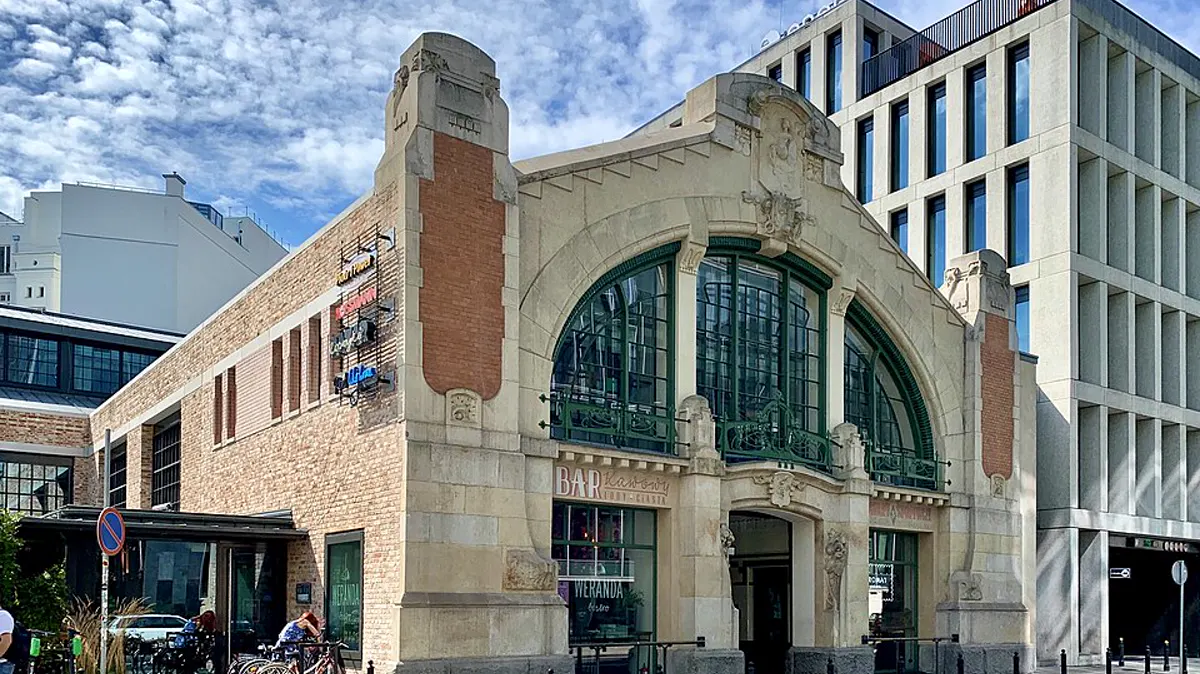
Restaurant
Hala Koszyki
A restored 1909 market hall turned food hall with stalls covering ramen, tacos, Polish grill, and craft beer under one glass roof. Good for groups who cannot agree.
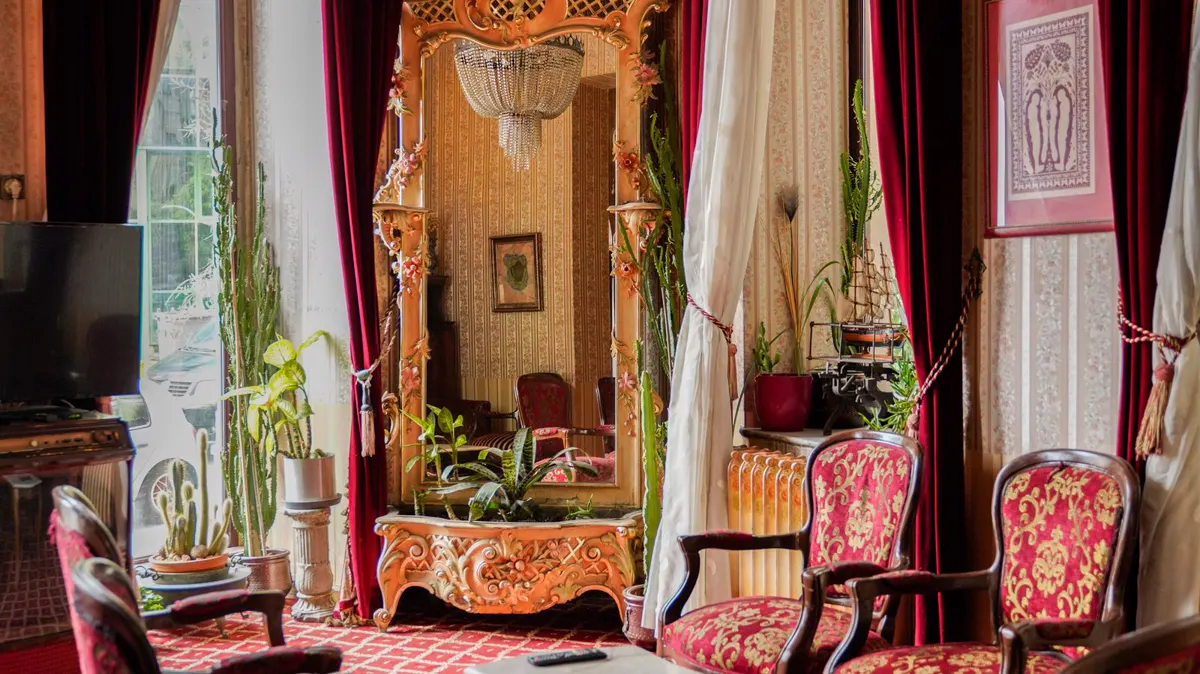
Hotel
PURO Warszawa Centrum
A design hotel by the Palace of Culture with skyline views and a lively lobby bar.