Attractions
Attractions in Poland
The sights worth building a day around.
Poland's attractions run from the medieval market squares of Krakow and Wroclaw to the Wieliczka Salt Mine, the memorial at Auschwitz-Birkenau and the Teutonic castle at Malbork. Each page below covers what the place is, how long to spend and how to get there, grouped by city.
All Attractions in Poland
Zamość
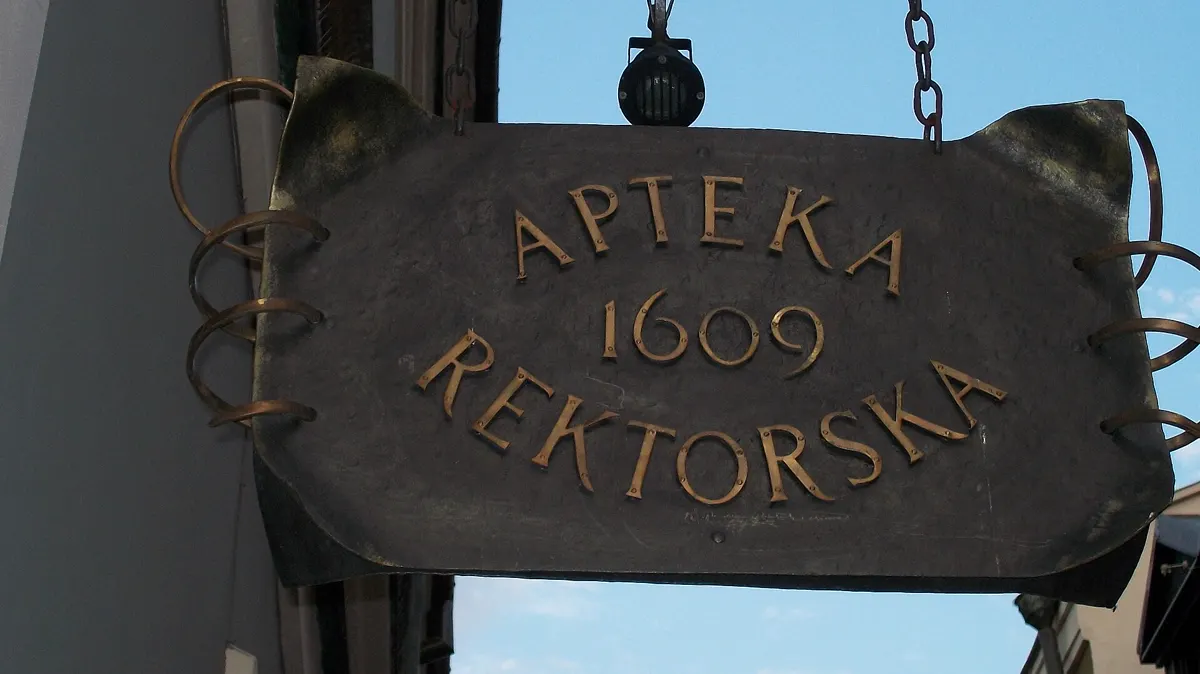
Rector's Pharmacy (Apteka Rektorska)
The Rector's Pharmacy on Zamosc's Great Market Square has been dispensing medicine since 1609, making it the oldest continuously operating pharmacy in Poland.
Białowieża
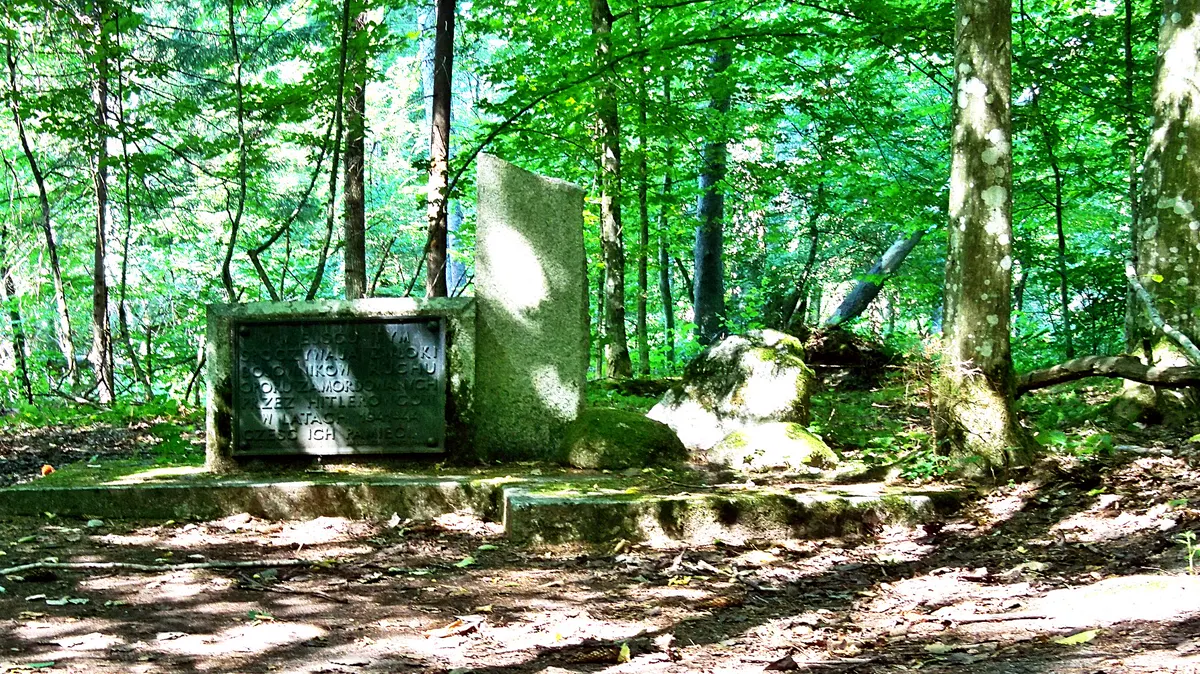
Execution Site Memorial (Miejsce Straceń)
A memorial at a former gravel pit near Białowieża marking the wartime execution of around 500 local people by Nazi German forces. It is one of the village's most important places of remembrance.
Gdańsk
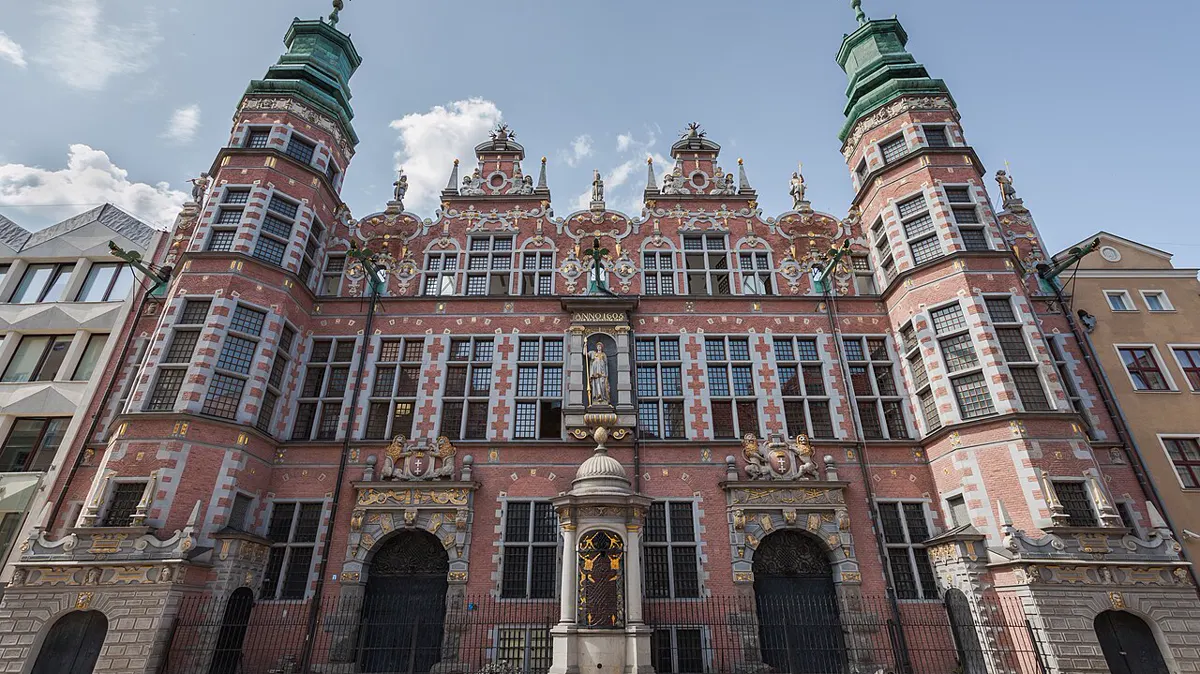
Great Armoury (Wielka Zbrojownia)
The Great Armoury is an ornate former arsenal in Gdansk's Main Town, widely regarded as one of the finest examples of Dutch Mannerist architecture in the city. Its richly decorated facades now front the Academy of Fine Arts and a shopping arcade.
Katowice
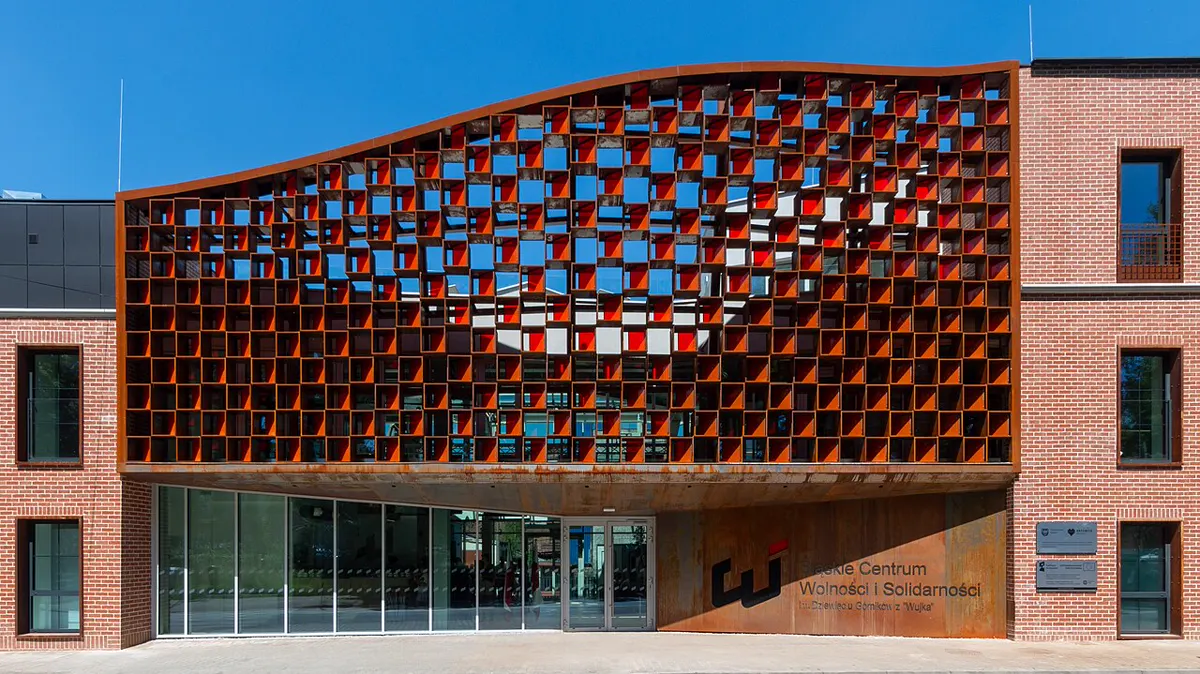
Silesian Centre for Freedom and Solidarity (Wujek Mine Memorial)
A museum beside the Wujek Coal Mine in Katowice that commemorates the nine striking miners shot dead by riot police on 16 December 1981, and tells the wider story of Solidarity's fight against communist rule.
Kraków
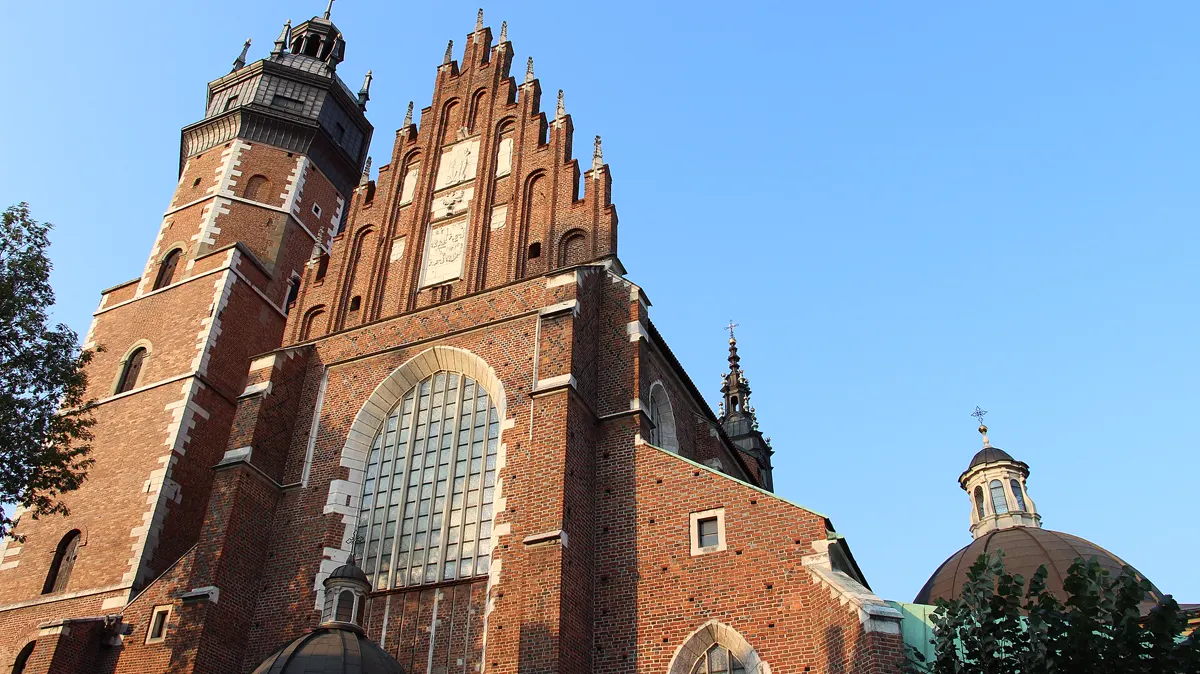
Corpus Christi Basilica
A towering Gothic basilica in Kraków's Kazimierz district, founded by King Casimir III the Great in 1335 and known for its 70-metre tower, five historic bells and a rare boat-shaped Baroque pulpit.
Łódź
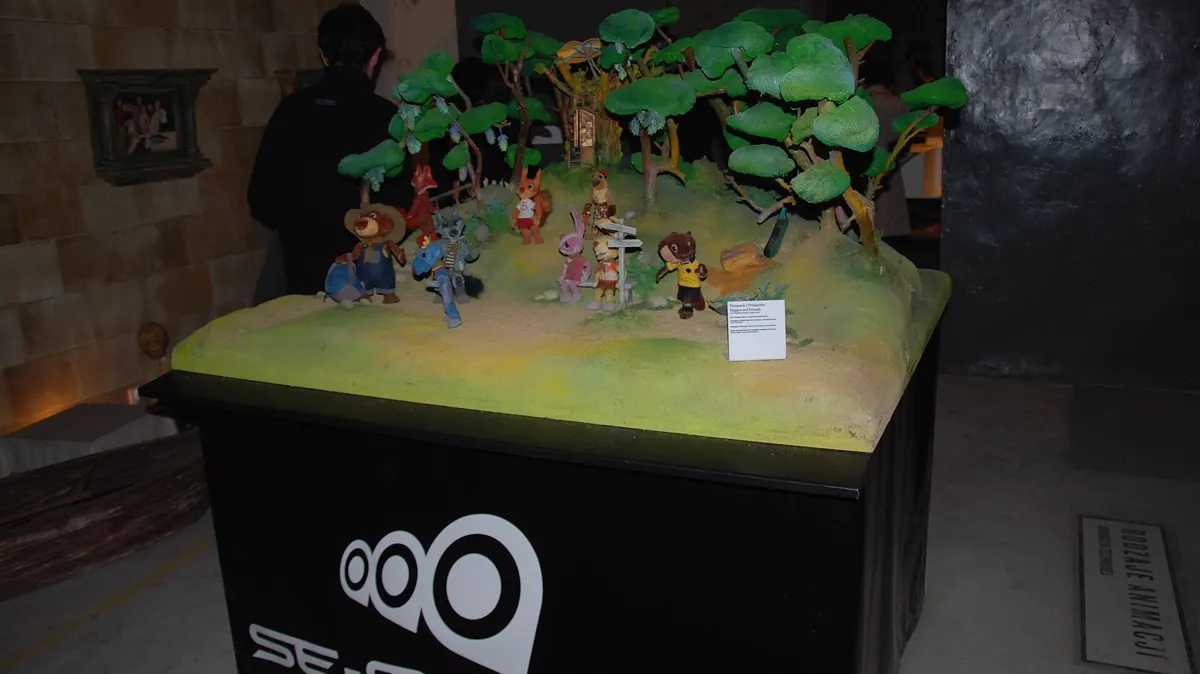
Se-ma-for Animation Museum
A museum in central Łódź devoted to the Se-ma-for studio, home to original puppets, sets and props from classic Polish stop-motion films and the Oscar-winning Peter and the Wolf.
Olsztyn
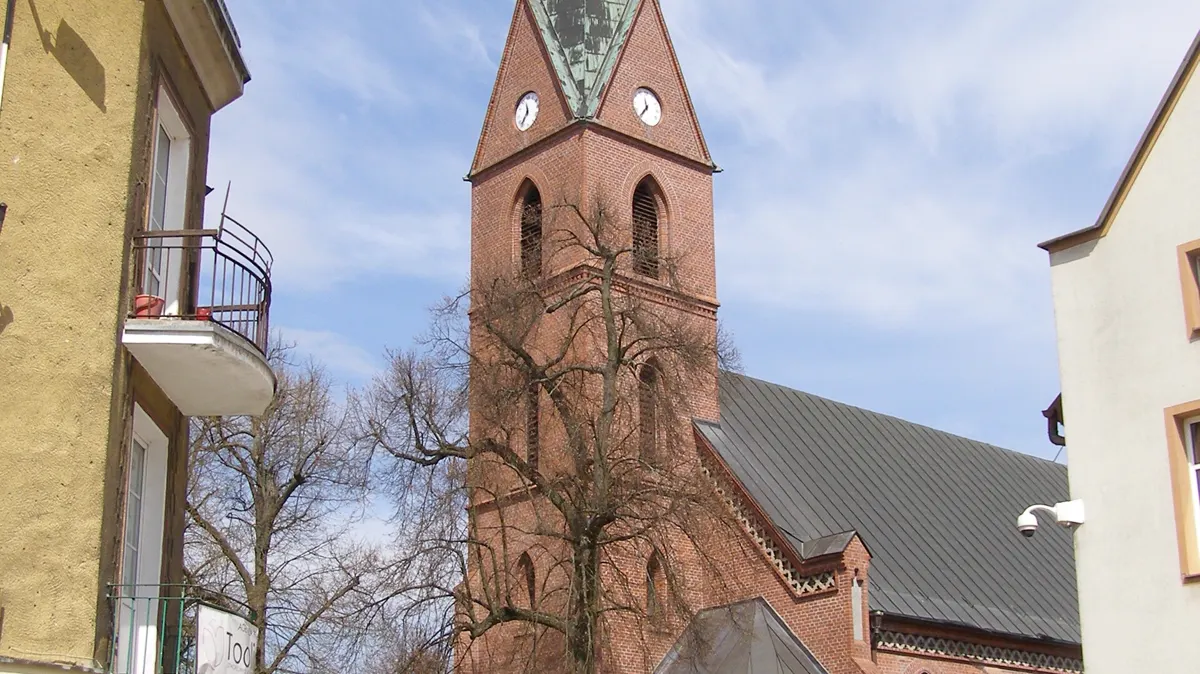
Evangelical Church of Christ the Saviour
A Neo-Gothic Protestant church in central Olsztyn, built in the 1870s to serve the city's Lutheran community and still an active parish today.
Poznań
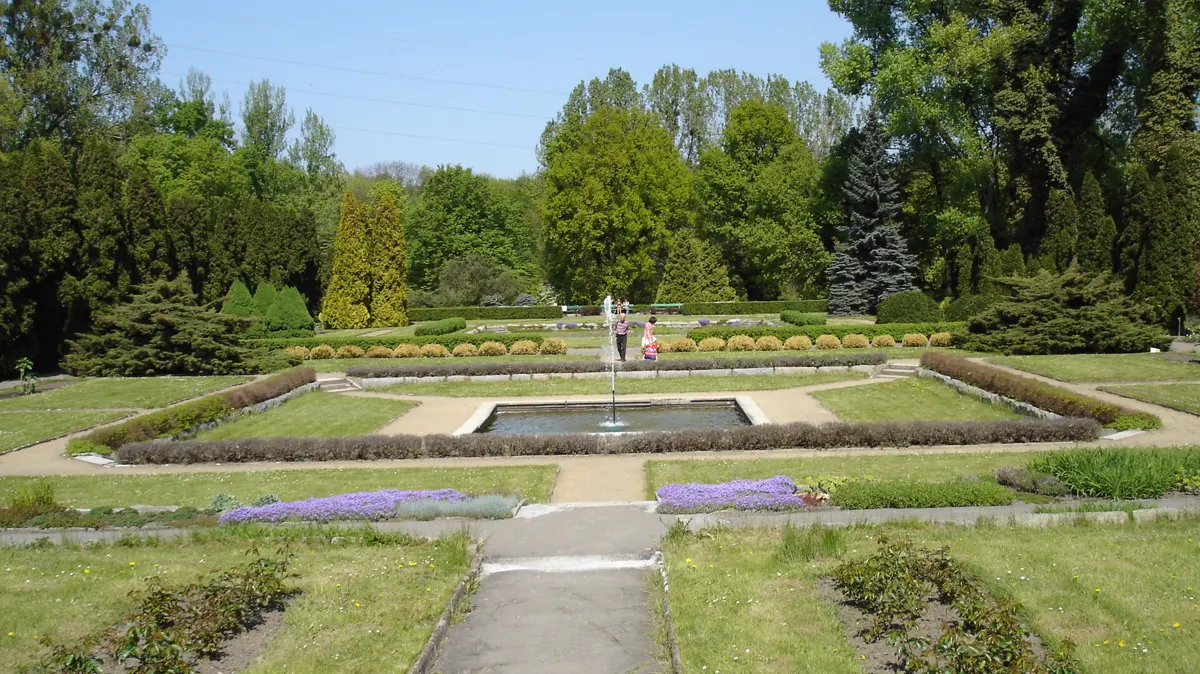
Adam Mickiewicz University Botanical Garden
A 22-hectare university botanical garden in Poznań's Ogrody district, home to around 7,000 plant taxa across roughly ten themed sections and free to walk.
Toruń
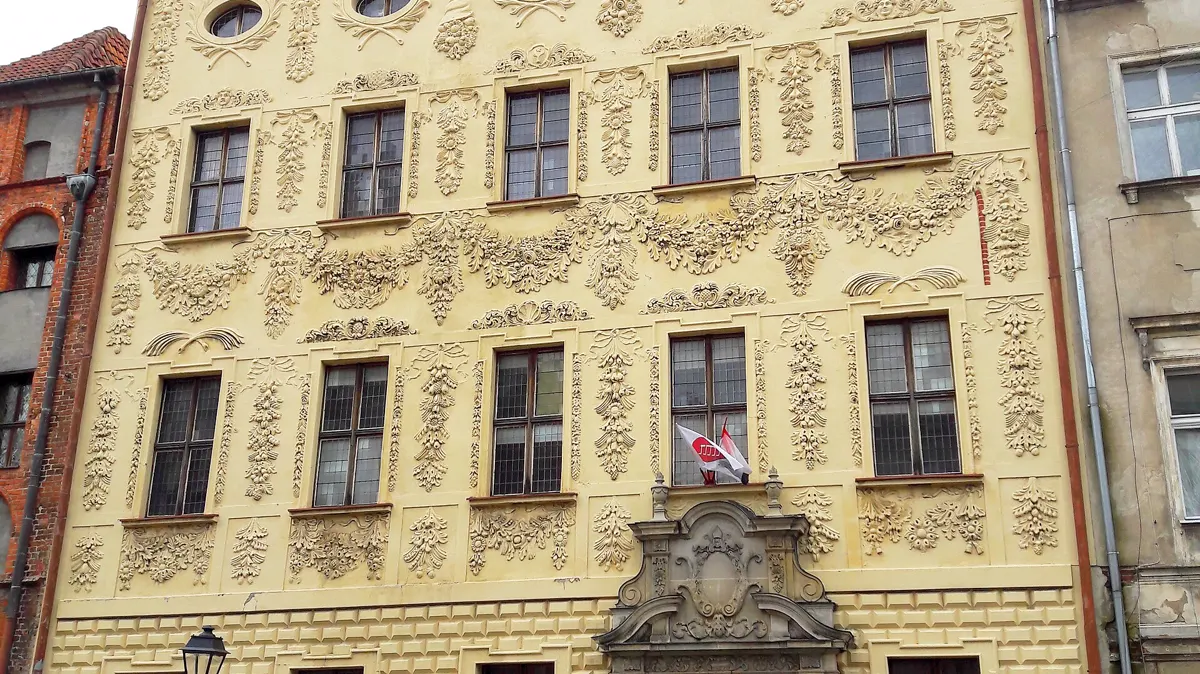
Dąmbski Palace (Pałac Dąmbskich)
A Baroque palace on Żeglarska Street in Toruń's Old Town, built in the late 17th century for a Dąmbski bishop and known for its ornate sculpted façade. It now houses the Kuyavia-Pomerania Music Theatre.
Warsaw
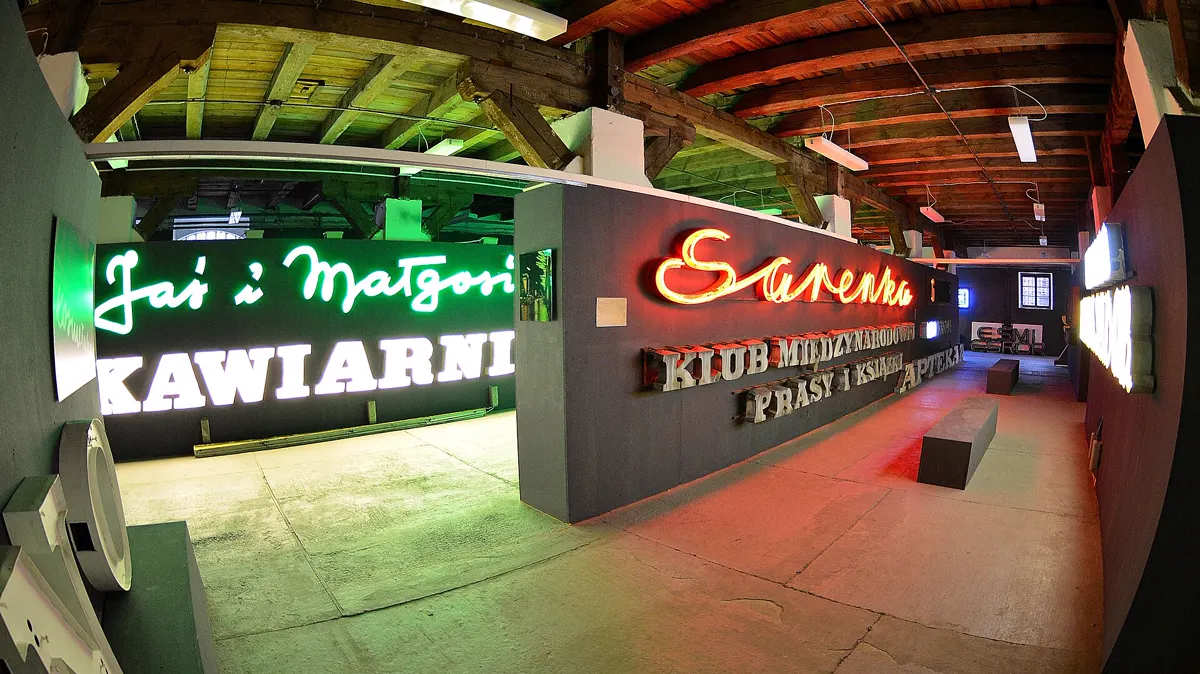
Neon Museum
The Neon Museum in Warsaw preserves the glowing signs of Poland's communist era, with more than 100 restored neons on display at its home in the Palace of Culture and Science.
Wrocław
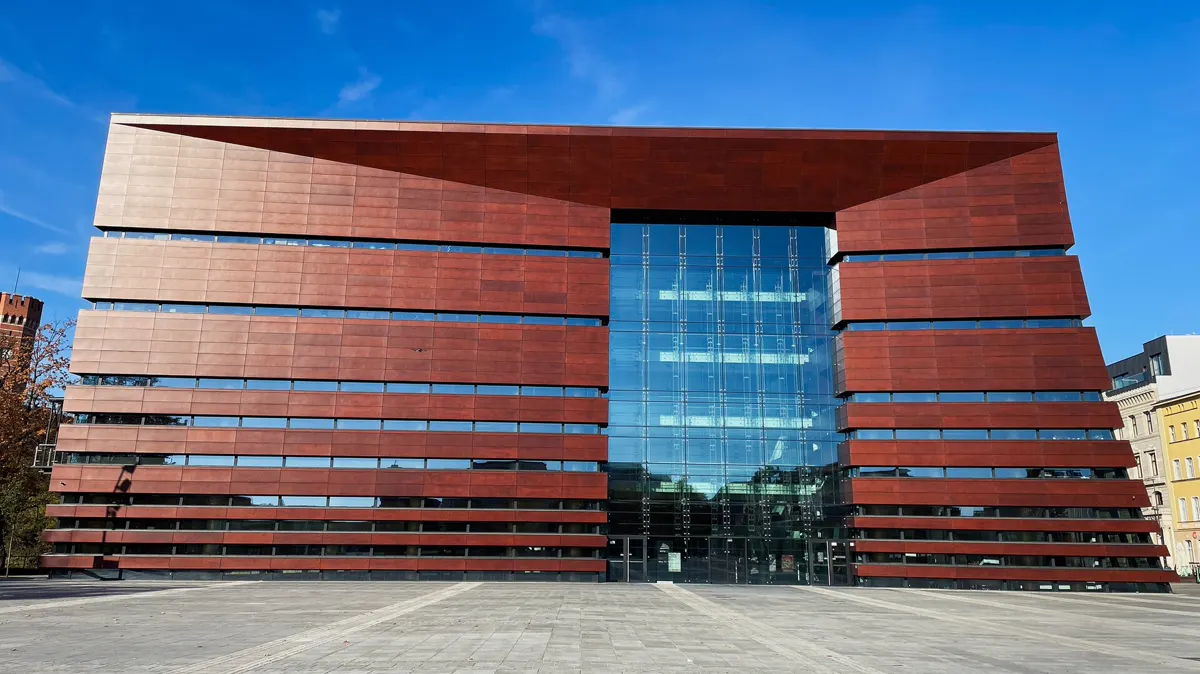
National Forum of Music
A modern concert hall complex on Freedom Square in Wrocław, opened in 2015 and known for the acoustics of its 1,800-seat main auditorium.
Zakopane
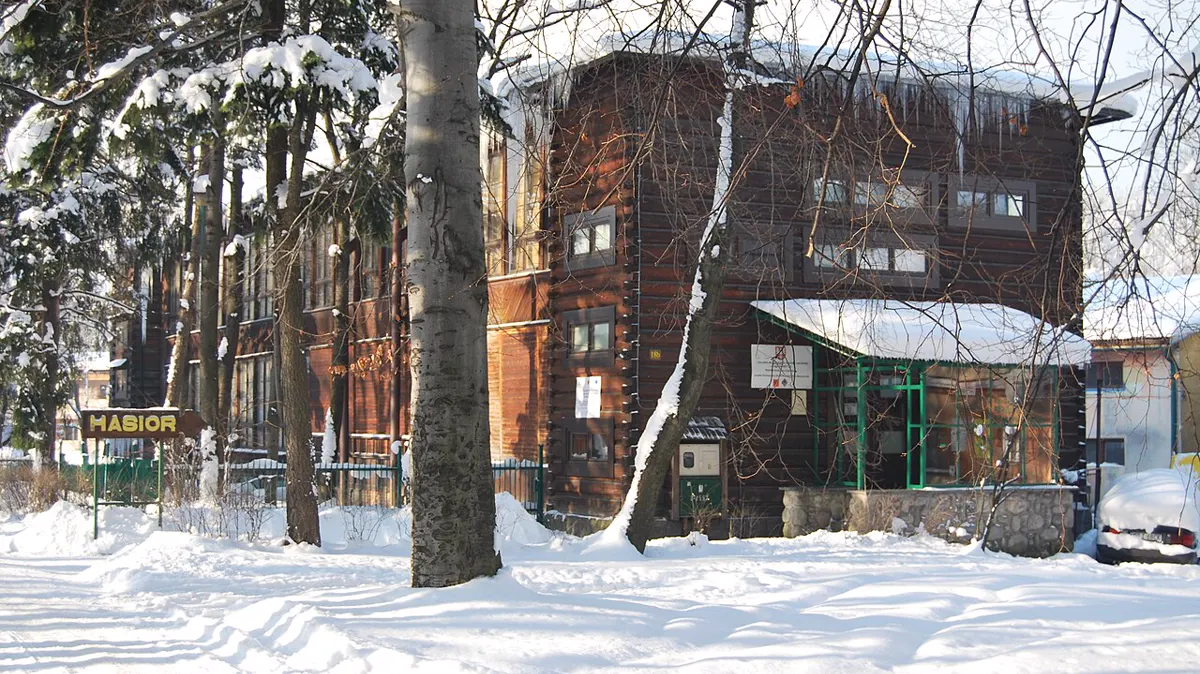
Wladyslaw Hasior Gallery
A branch of the Tatra Museum in Zakopane devoted to avant-garde artist Wladyslaw Hasior, showing his banners, assemblages and sculptures built from found and everyday materials.
Poland fits a lot into one country: medieval market squares, a salt mine carved into underground chapels, the memorial at Auschwitz-Birkenau, mountain trails and a long Baltic coast. Seventeen places hold UNESCO World Heritage status, and most of the headline attractions cluster around the cities you are likely to base yourself in, so a first trip rarely means long transfers.
Top attractions in Krakow, Warsaw and Gdansk
Krakow has the densest cluster: the Main Market Square, laid out in 1257 and among the largest medieval squares in Europe, the underground Wieliczka Salt Mine, and the Auschwitz-Birkenau Memorial within a day trip. Warsaw rebuilt its Old Town from wartime rubble, Gdansk lines the Motlawa with tall merchant houses, and Wroclaw and Torun keep intact Gothic centres. The mountains around Zakopane and the lakes of Masuria add the outdoor side.
Top places to visit on a first trip
Group attractions by the city you are staying in rather than chasing them across the map. Krakow, Warsaw and Gdansk each reward two or three days and put more sights within an easy day trip. For the classic sights that define the country, see the best viewpoints and our city guides.
Do you need to book tickets in advance
The busiest sites use timed entry, so book Wieliczka and the Auschwitz-Birkenau Memorial ahead, especially in summer. Many state museums have one free day a week. Tickets are good value by European standards; our note on costs in Poland has the typical prices.
Attractions by city
Travel guides
Krakow Golf Cart Tours: The Four Routes, Compared
Four electric cart routes cover the Old Town, Kazimierz, the ghetto in Podgorze and Schind...
Best Castles in Poland
From the Teutonic fortress at Malbork to the royal seats at Wawel and Warsaw, the Polish c...
3 Days in Krakow
A practical three-day plan for Krakow, pairing the Old Town and Wawel with Kazimierz and o...
Things to Do in Krakow
The sights, neighbourhoods and day trips that make Krakow worth several days, ranked by ho...