Attractions
Attractions in Poland
The sights worth building a day around.
Poland's attractions run from the medieval market squares of Krakow and Wroclaw to the Wieliczka Salt Mine, the memorial at Auschwitz-Birkenau and the Teutonic castle at Malbork. Each page below covers what the place is, how long to spend and how to get there, grouped by city.
All Attractions in Poland
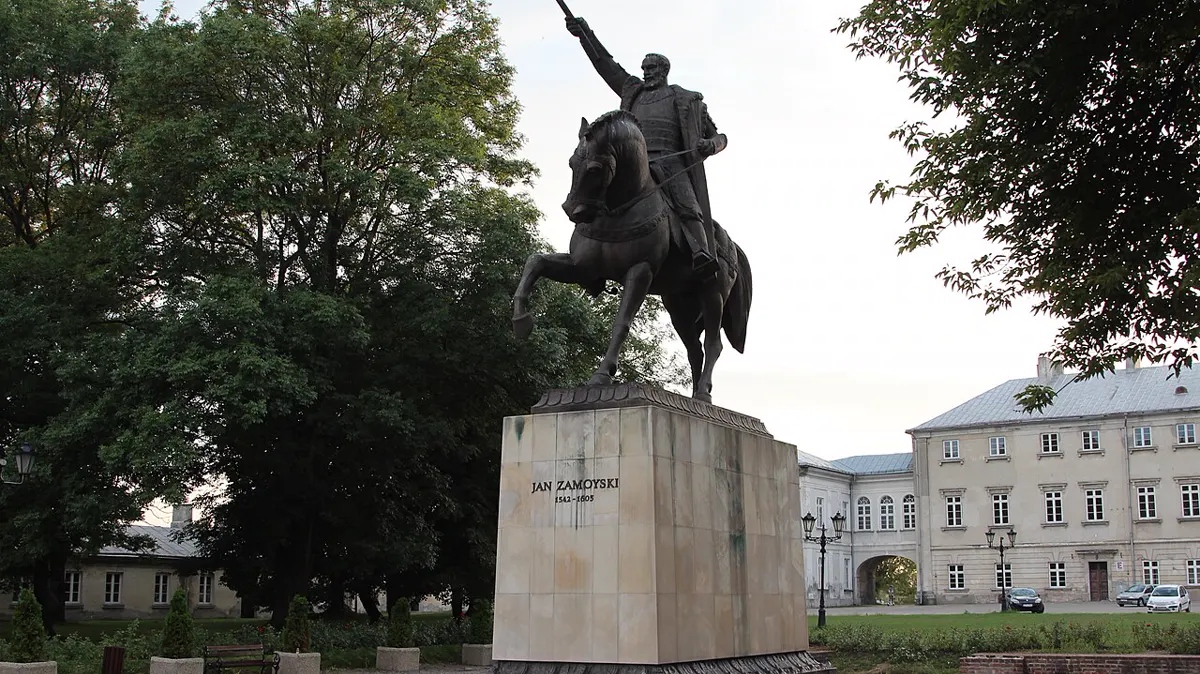
Zamość
Monument to Jan Zamoyski
An equestrian statue of Jan Zamoyski, the Crown Chancellor and Grand Hetman who founded Zamość, standing on the square in front of the Zamoyski Palace.
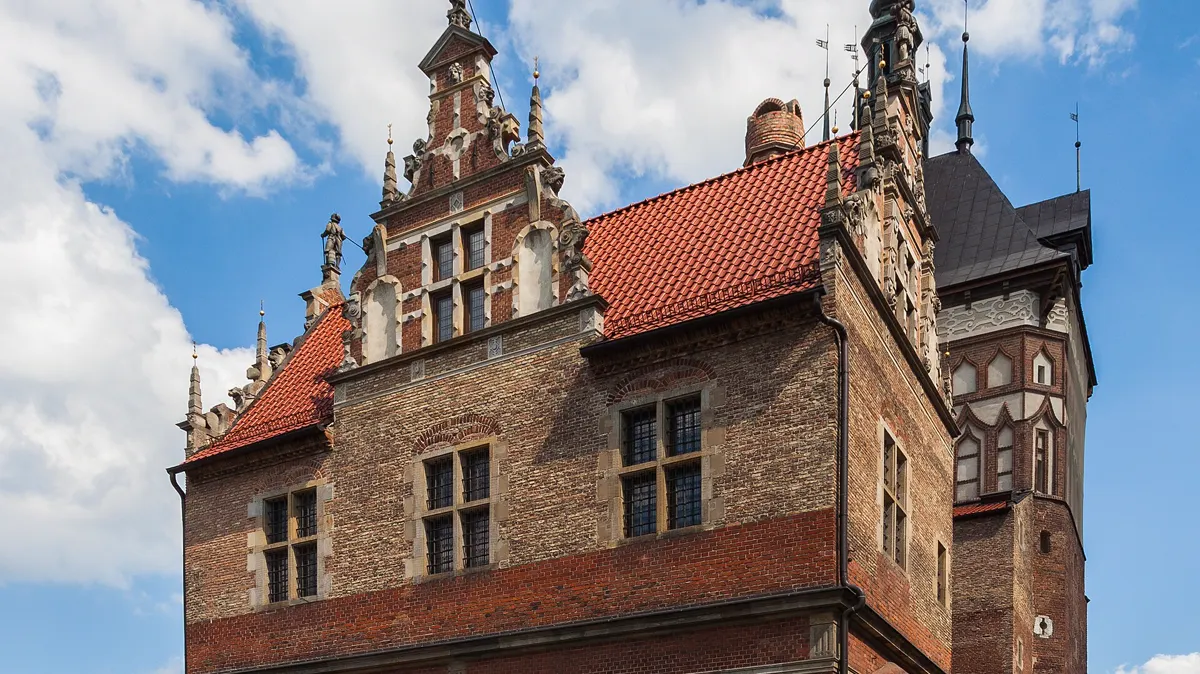
Gdańsk
Prison Tower and Torture Chamber
A 16th-century fortified complex in Gdansk's Main Town that once held prisoners and carried out interrogations, now marking the start of the Royal Route.
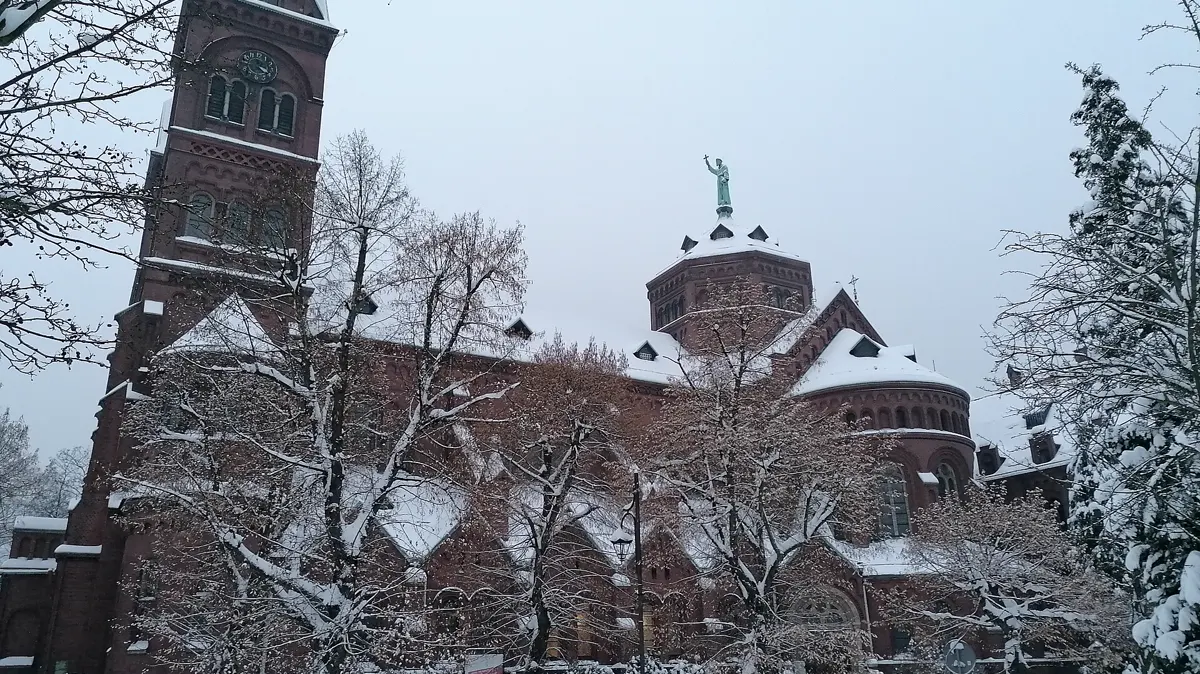
Katowice
Basilica of St. Louis and the Assumption in Panewniki
A large Neo-Romanesque Franciscan basilica in Katowice's Panewniki district, known across the region for one of Poland's biggest Christmas nativity scenes.
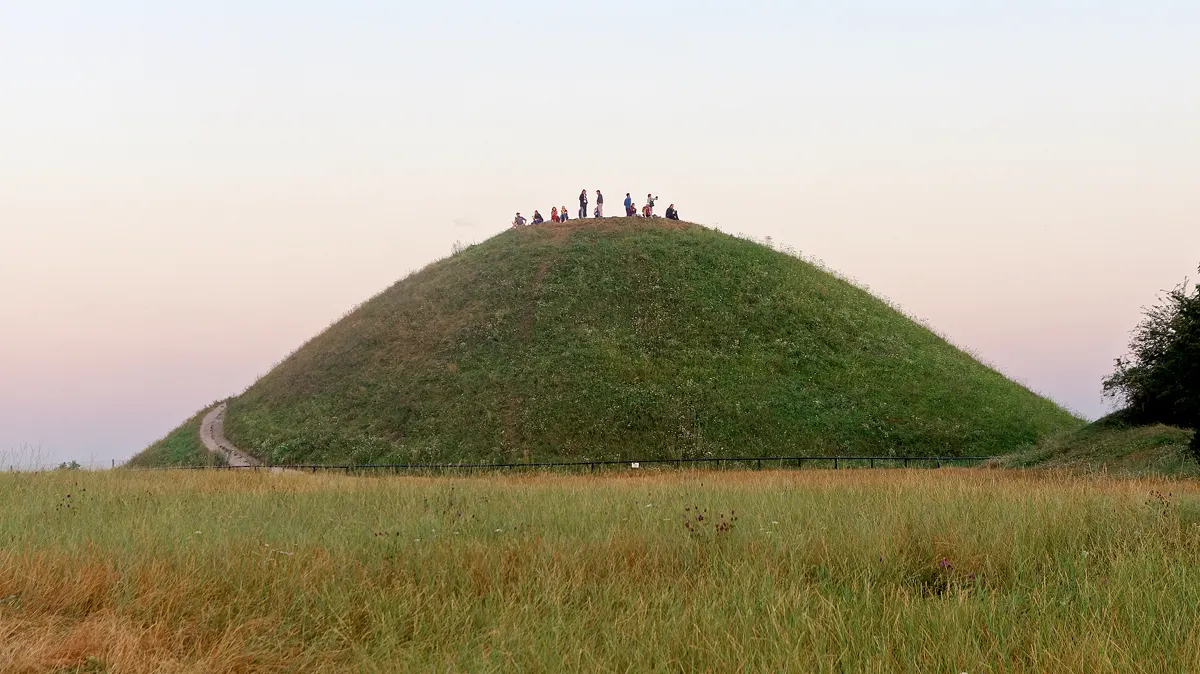
Kraków
Krakus Mound (Kopiec Krakusa)
A prehistoric earthen mound on Lasota Hill in Podgorze, tied to Kraków's legendary founder and one of the best free viewpoints over the city.
Olsztyn
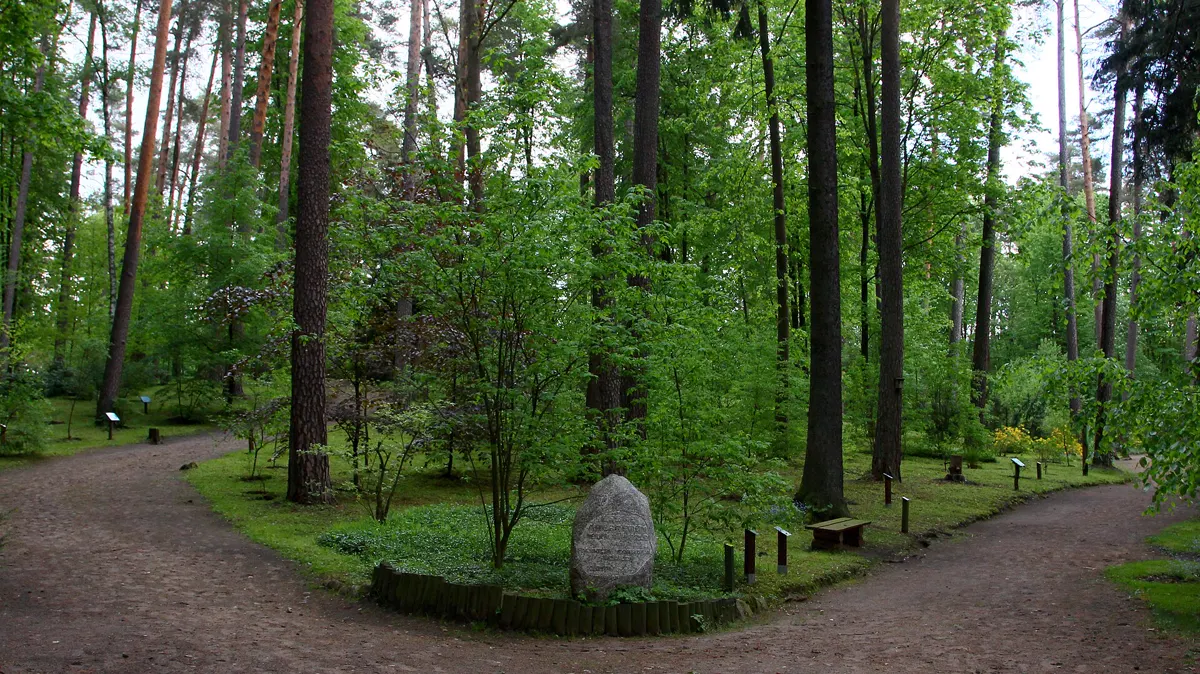
Forest Arboretum of Warmia and Mazury
A 16 hectare forest arboretum in the Kudypy area on the western edge of Olsztyn, home to over 900 plant species along marked educational trails.
Poznań
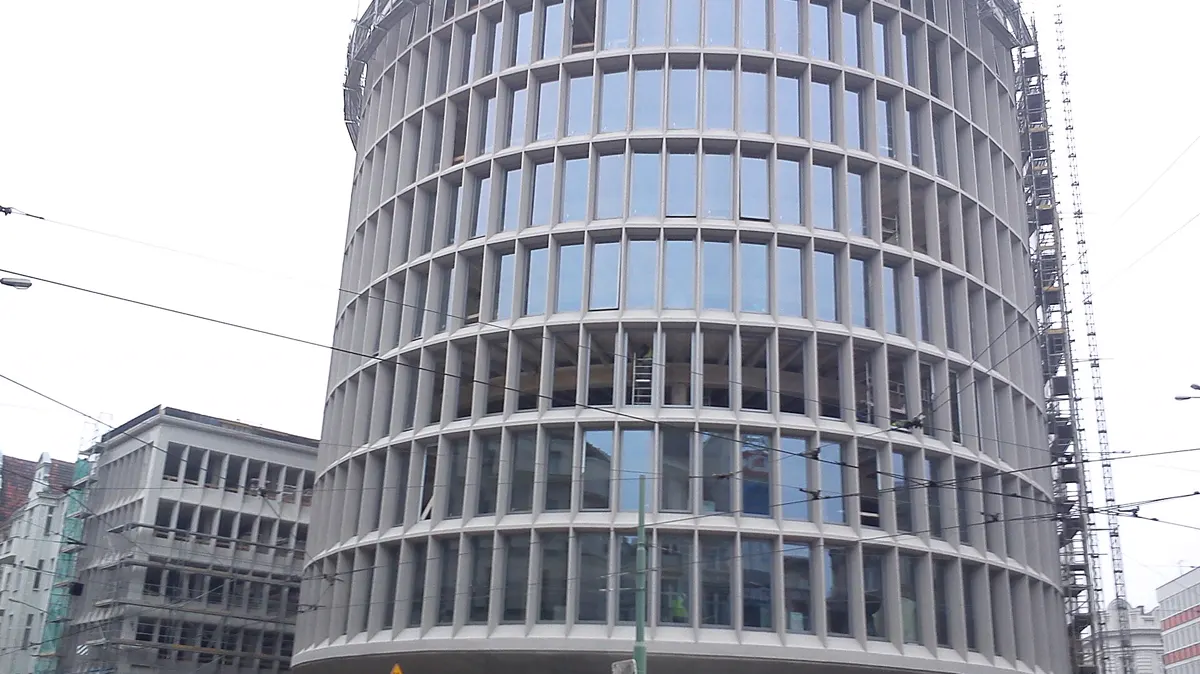
Okrąglak (The Rotunda)
A cylindrical nine-storey landmark of Polish modernism on Mielżyńskiego Street in central Poznań, designed by Marek Leykam and built between 1948 and 1954.
Toruń
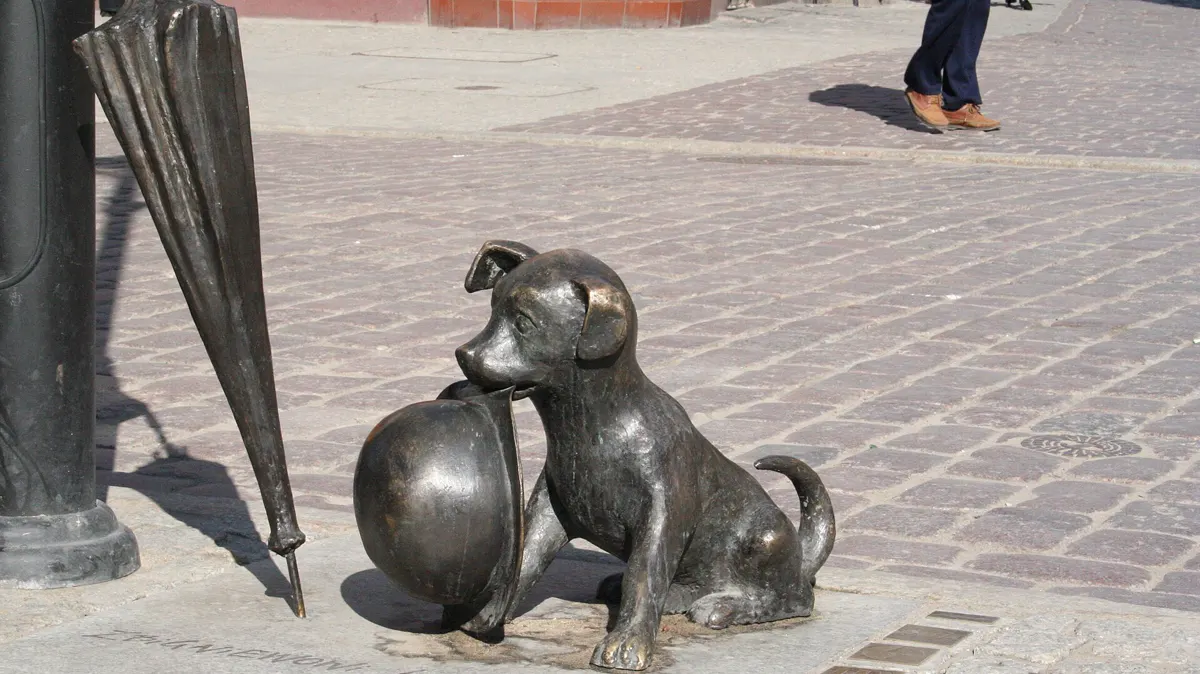
Filuś the Dog Statue
A small bronze statue of Filuś, the cartoon dog from Zbigniew Lengren's drawings, sitting by a lamppost near Toruń's Old Town Square. Rubbing it is a local good-luck custom.
Warsaw
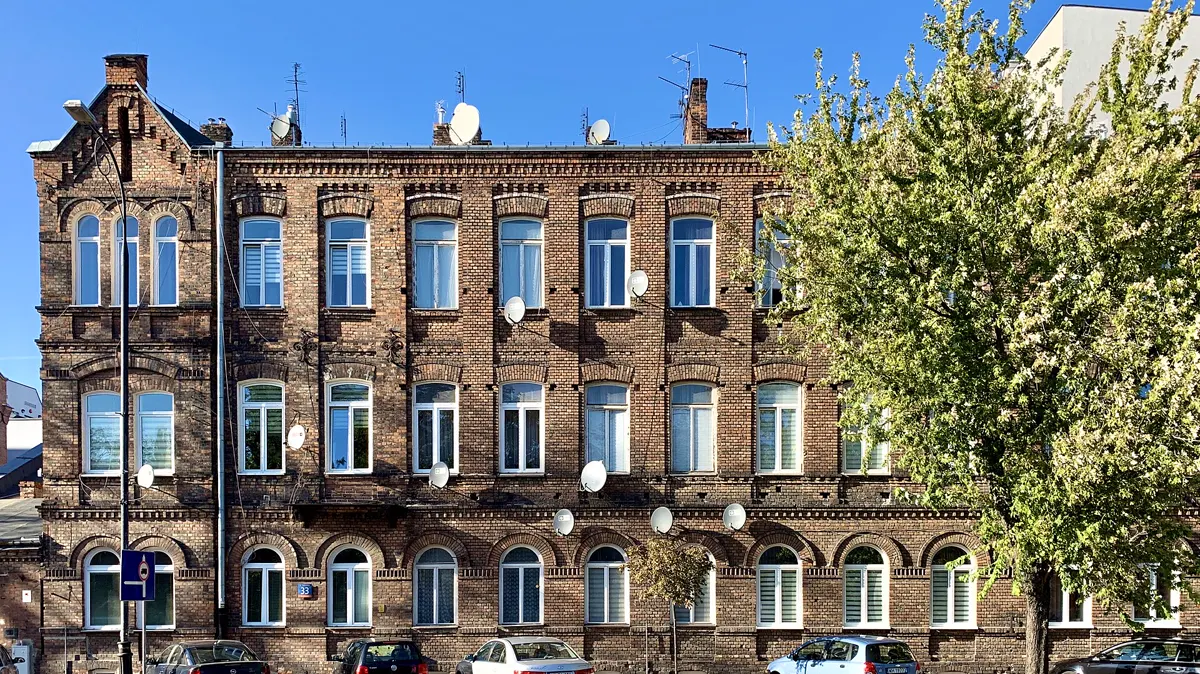
Praga District
Praga is Warsaw's district on the eastern bank of the Vistula, one of the few areas to survive the war intact, now a centre for artists, galleries and nightlife set among genuine pre-war tenements.
Wrocław
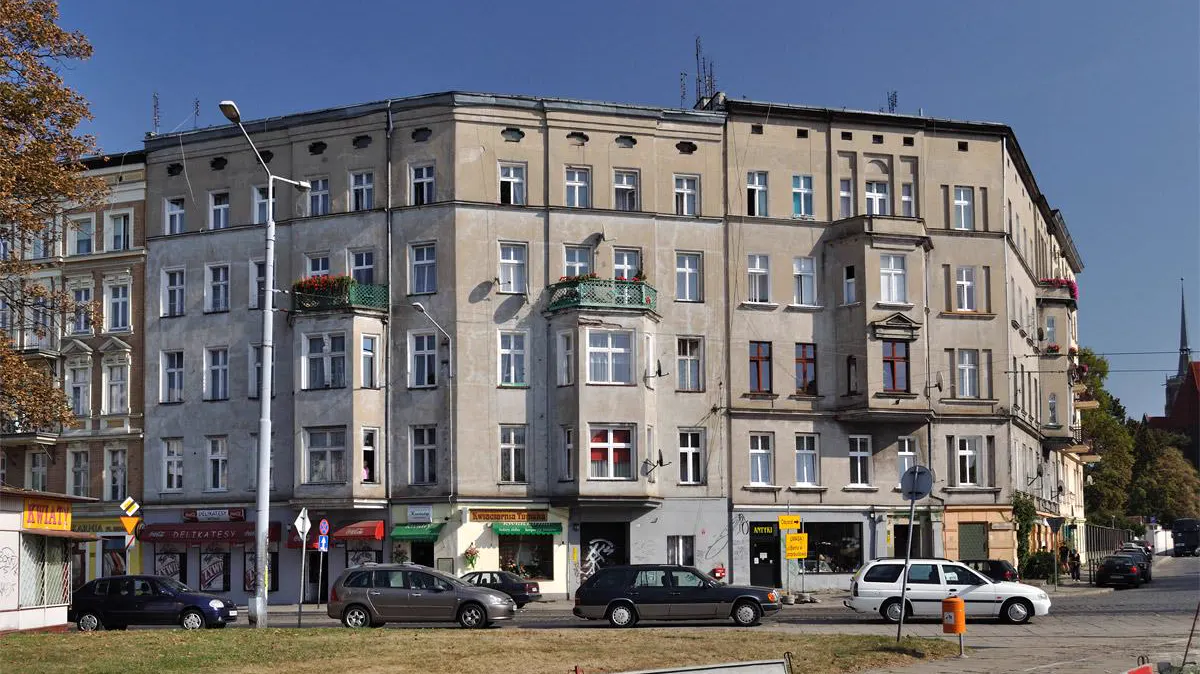
Nadodrze District
Nadodrze is a 19th-century tenement quarter north of the Oder in Wrocław, revitalised into an arts and crafts district known for courtyard murals, artisan workshops and self-guided walks.
Zakopane
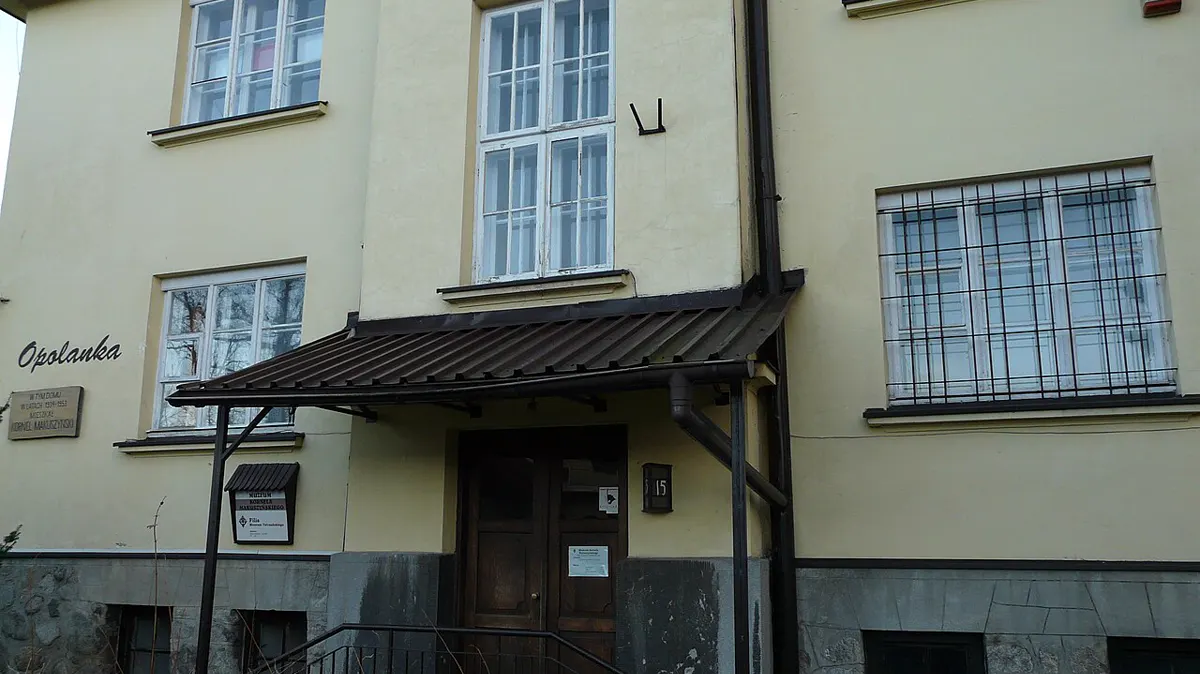
Kornel Makuszynski Museum
A biographical and literary museum in Zakopane devoted to Kornel Makuszynski, the children's author who created the goat character Koziolek Matolek. It occupies the Villa Opolanka, where the writer lived and worked.
Zamość
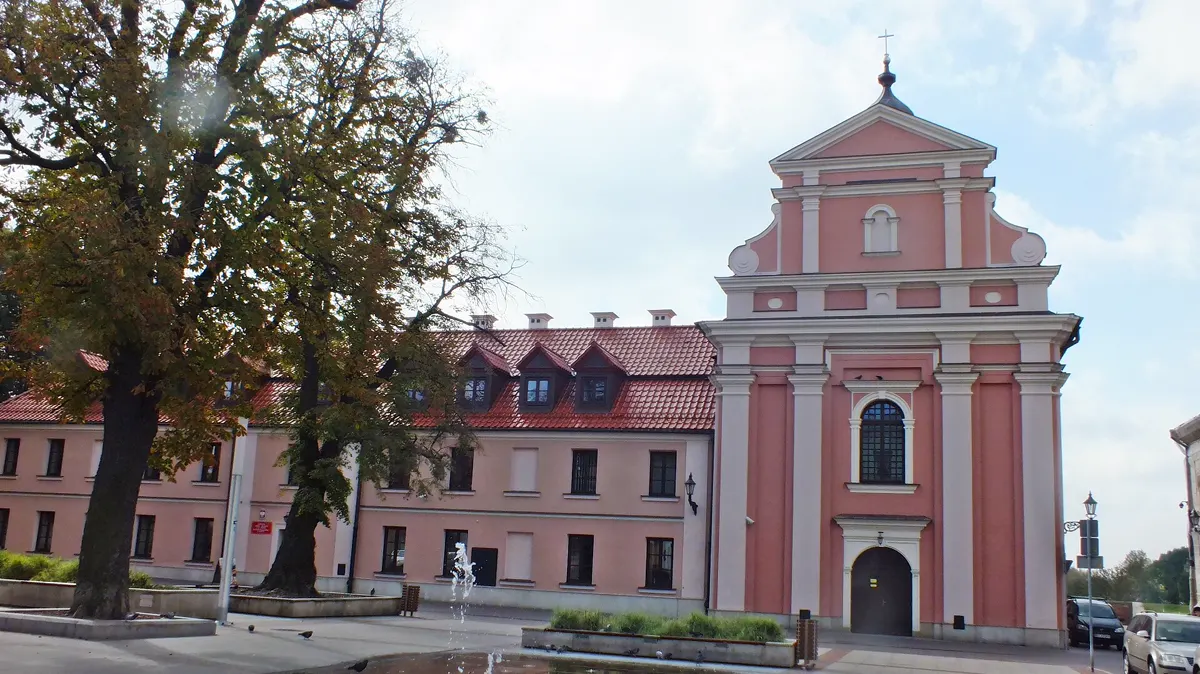
Former Poor Clares Church of St. Anne
A late 17th-century church on the Water Market square in Zamosc's Old Town, built with a Poor Clares convent whose former buildings now house a music school.
Gdańsk
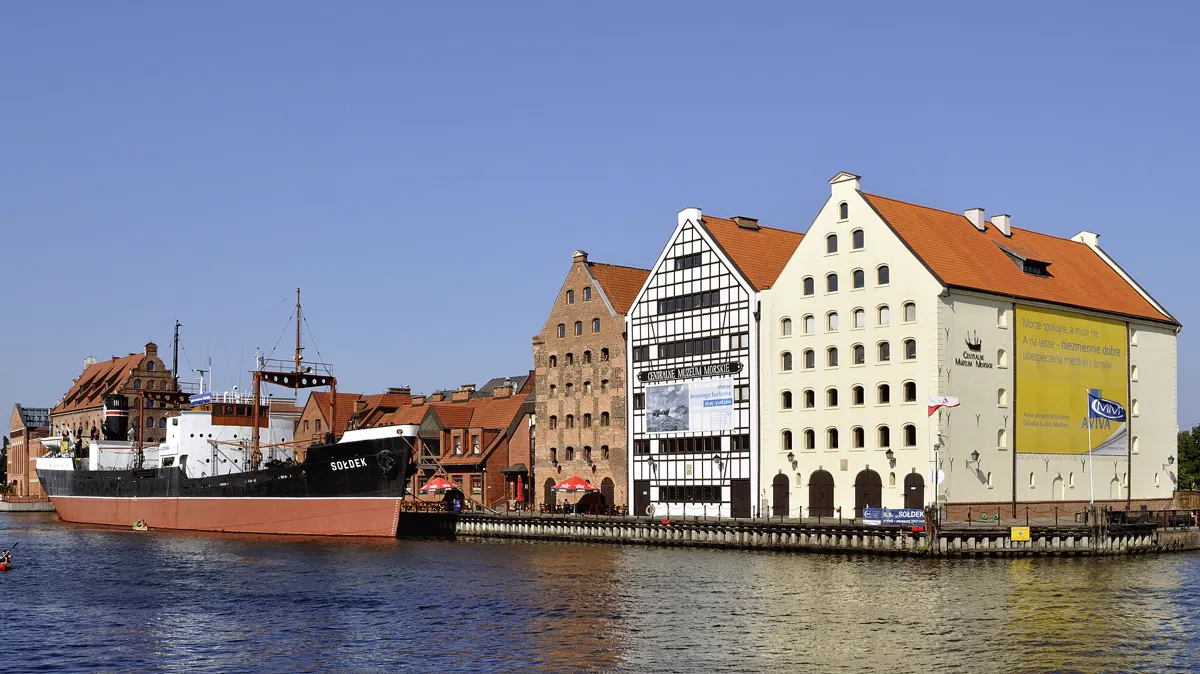
National Maritime Museum and SS Sołdek
Gdańsk's National Maritime Museum spreads across historic granaries on Ołowianka Island and the opposite Motława bank, with the SS Sołdek, a post-war Gdańsk-built cargo ship, moored alongside as a floating museum you can board.
Poland fits a lot into one country: medieval market squares, a salt mine carved into underground chapels, the memorial at Auschwitz-Birkenau, mountain trails and a long Baltic coast. Seventeen places hold UNESCO World Heritage status, and most of the headline attractions cluster around the cities you are likely to base yourself in, so a first trip rarely means long transfers.
Top attractions in Krakow, Warsaw and Gdansk
Krakow has the densest cluster: the Main Market Square, laid out in 1257 and among the largest medieval squares in Europe, the underground Wieliczka Salt Mine, and the Auschwitz-Birkenau Memorial within a day trip. Warsaw rebuilt its Old Town from wartime rubble, Gdansk lines the Motlawa with tall merchant houses, and Wroclaw and Torun keep intact Gothic centres. The mountains around Zakopane and the lakes of Masuria add the outdoor side.
Top places to visit on a first trip
Group attractions by the city you are staying in rather than chasing them across the map. Krakow, Warsaw and Gdansk each reward two or three days and put more sights within an easy day trip. For the classic sights that define the country, see the best viewpoints and our city guides.
Do you need to book tickets in advance
The busiest sites use timed entry, so book Wieliczka and the Auschwitz-Birkenau Memorial ahead, especially in summer. Many state museums have one free day a week. Tickets are good value by European standards; our note on costs in Poland has the typical prices.
Attractions by city
Travel guides
Krakow Golf Cart Tours: The Four Routes, Compared
Four electric cart routes cover the Old Town, Kazimierz, the ghetto in Podgorze and Schind...
Best Castles in Poland
From the Teutonic fortress at Malbork to the royal seats at Wawel and Warsaw, the Polish c...
3 Days in Krakow
A practical three-day plan for Krakow, pairing the Old Town and Wawel with Kazimierz and o...
Things to Do in Krakow
The sights, neighbourhoods and day trips that make Krakow worth several days, ranked by ho...