Attraction in Gdańsk
Uphagen House
Uphagen House is an 18th-century patrician townhouse on Gdansk's Long Street, preserved as a museum of period rooms that show how a wealthy merchant family once lived.
Reviewed and updated July 2026
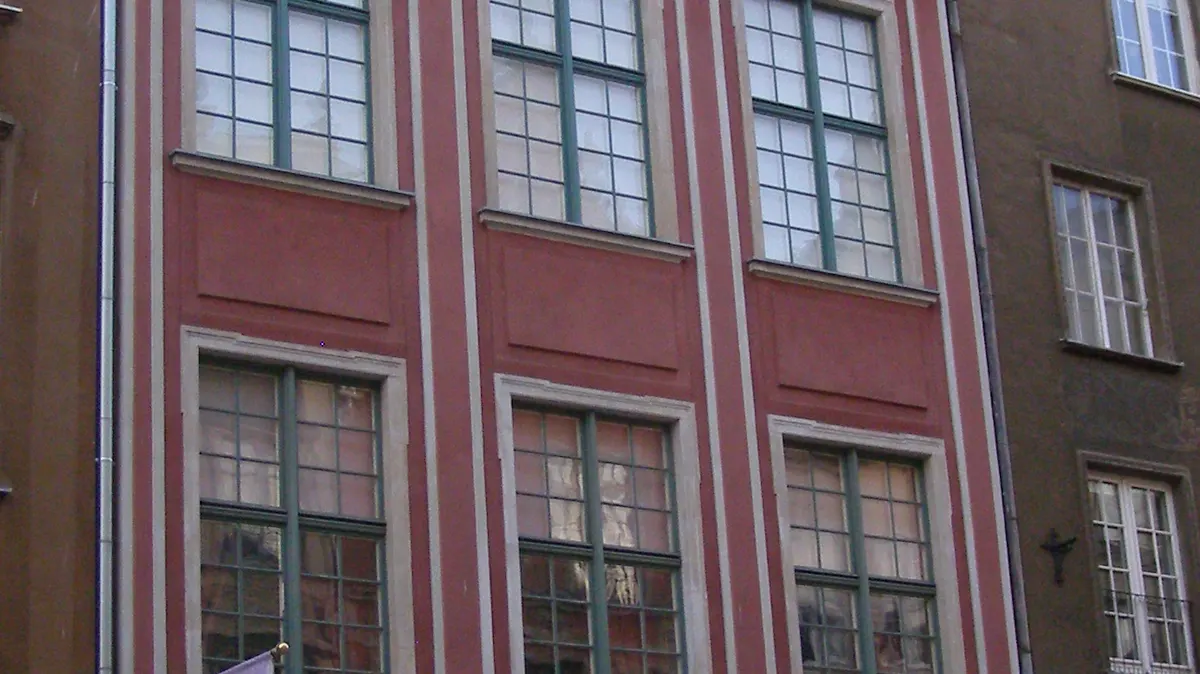
Uphagen House (Dom Uphagena) is an 18th-century patrician townhouse on Long Street (ulica Dluga) that now works as a museum, and it draws visitors because it is one of the very few Gdansk merchant homes whose historic interiors you can actually walk through. Most of the grand facades along this street hide modern offices or shops, so a house furnished in period style, room by room, gives a rare look behind the front door of the old moneyed class. It is named after Johann Uphagen, a city councillor who bought the property in 1775 and had it lavishly furnished.
Rooms of a wealthy Gdansk family
The house is arranged as a sequence of period rooms, each dressed to reflect the taste and comfort of an affluent 18th-century Gdansk family. You move from the reception spaces near the street through to the more private living areas, seeing panelling, furniture, decorative detail and the kind of everyday objects a councillor's household would have owned. Because the point of the museum is the domestic interior itself, the layout does most of the storytelling. It is a slower, more intimate visit than a large gallery.
Johann Uphagen and the house after the war
The property takes its name from Johann Uphagen, the city councillor who bought it in 1775 and paid to have it richly furnished, setting the standard the museum now recreates. Like much of central Gdansk, the building was reconstructed after the wartime destruction, so what you see today is a careful restoration rather than an untouched original. That history is part of the interest: the city rebuilt these Long Street houses to recover a look that had been almost entirely lost. The result lets the interiors read as a period home again.
Who it suits and how to visit
This is a good stop if you like historic interiors, decorative arts or social history, and it rewards a bit of curiosity about how people actually lived rather than only what they built. It operates as a museum branch, so check the official channels for current opening days, ticket prices and any seasonal closures before you go. The visit is compact, which makes it easy to fit around other stops. Families with restless small children may find the quiet, object-focused rooms less engaging than an outdoor site.
Fitting it into a day in Gdansk
Uphagen House sits directly on Long Street, the main promenade through the old core, so it pairs naturally with a walk past the town hall, Neptune's Fountain and the surrounding merchant facades. You can see the interiors, then continue on foot toward the waterfront without backtracking. For where it fits in a wider itinerary, see our Gdansk guide. Treat it as one focused stop among the street's landmarks rather than a half-day on its own.
Good to know
The house is a museum branch, so confirm current opening days and ticket prices on the official museum channels before your visit, as these can change by season.
Frequently asked questions
More attractions in Gdańsk
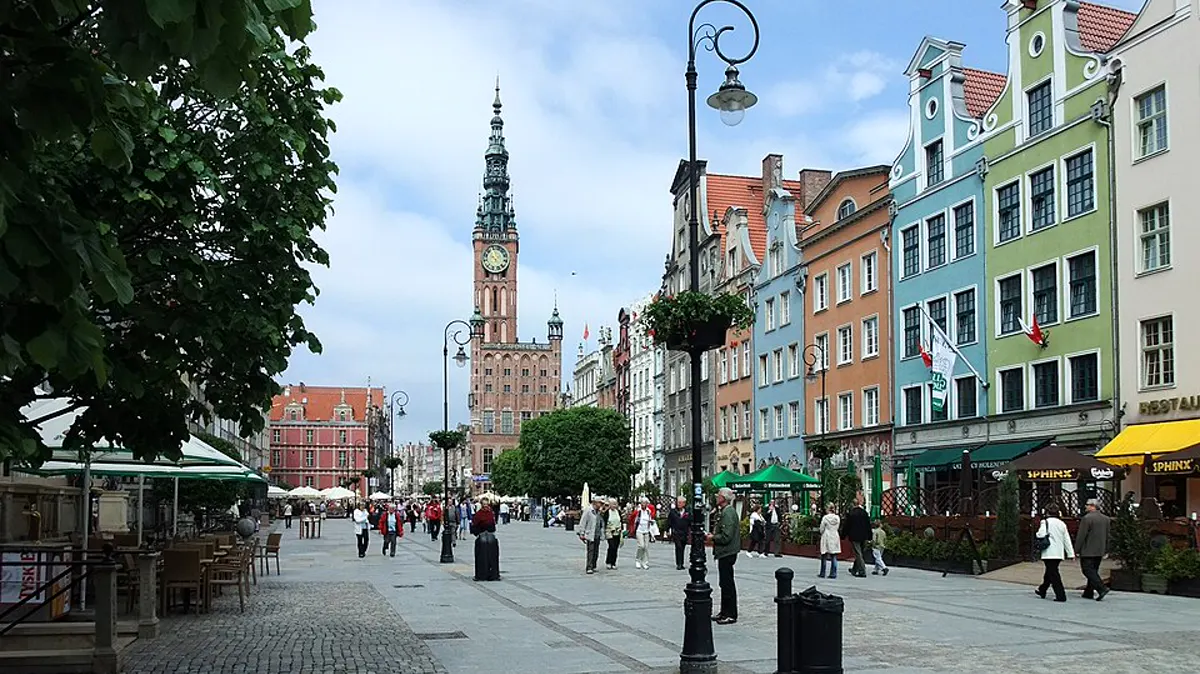
Long Market
The grand main thoroughfare of Gdansk, a wide promenade of merchant facades running from the Golden Gate to the river.
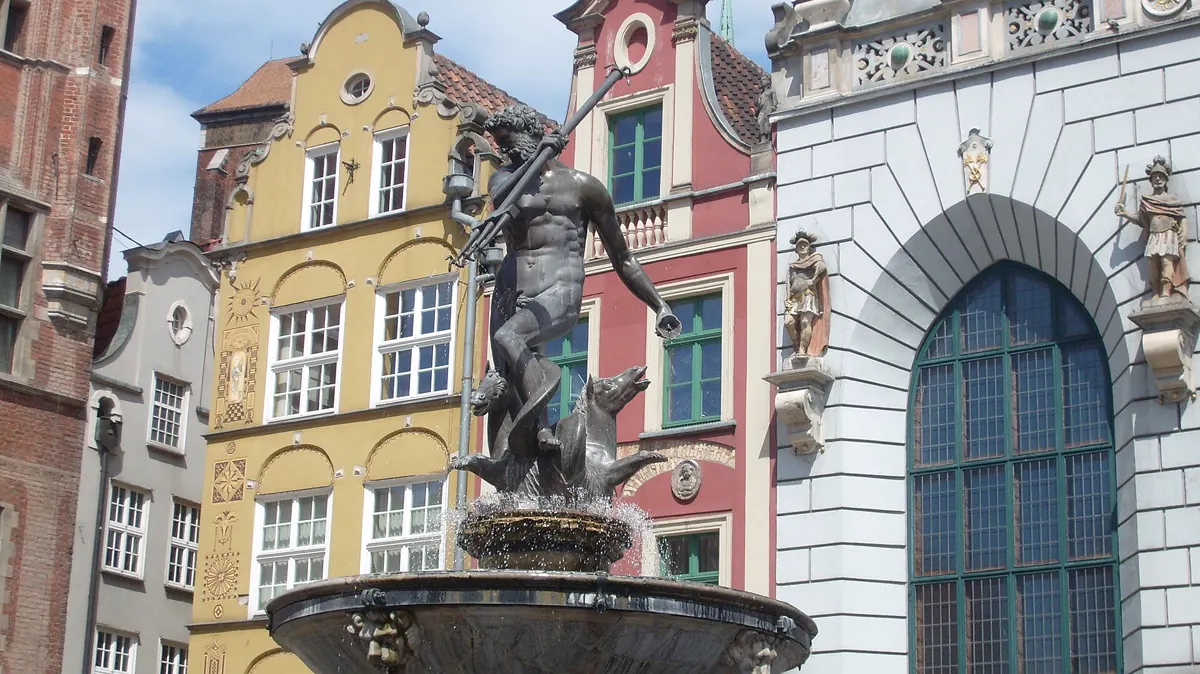
Fontanna Neptuna
The bronze Neptune Fountain, cast in the early 17th century, has stood in front of the Artus Court since 1633 and became the symbol of Gdansk. Local legend claims the god's trident scattered gold flakes into the water, inspiring the herbal liqueur Goldwasser.
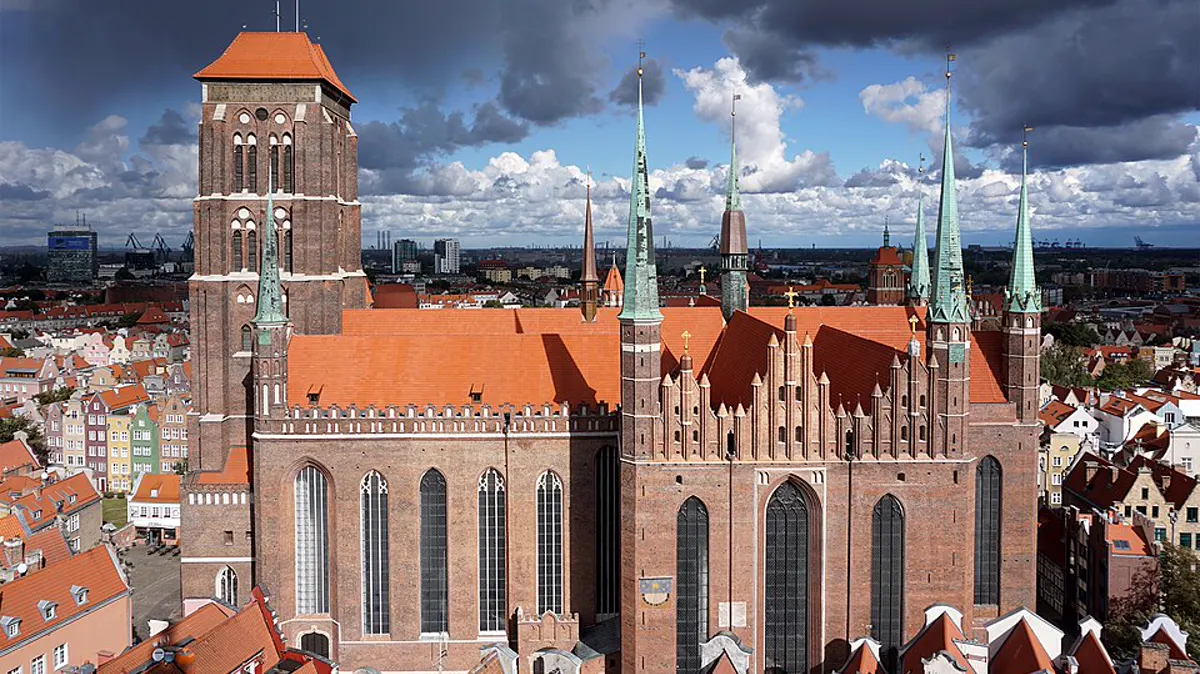
Bazylika Mariacka
One of the largest brick churches in the world, this vast Gothic basilica can hold up to 25,000 people. Climb its 405 steps to a viewing terrace for a sweeping panorama over the red rooftops of the old town.
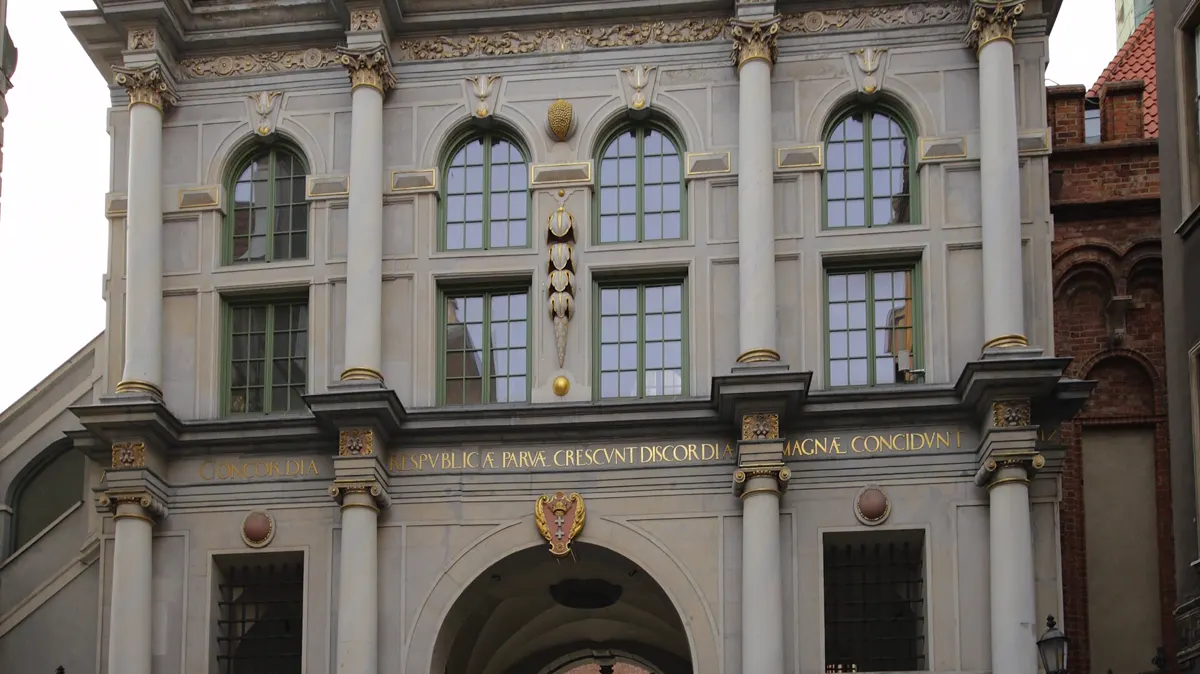
Golden Gate (Zlota Brama)
An ornate 17th-century city gate at the western end of Long Street in Gdansk, marking the start of the Royal Route through the Main Town.
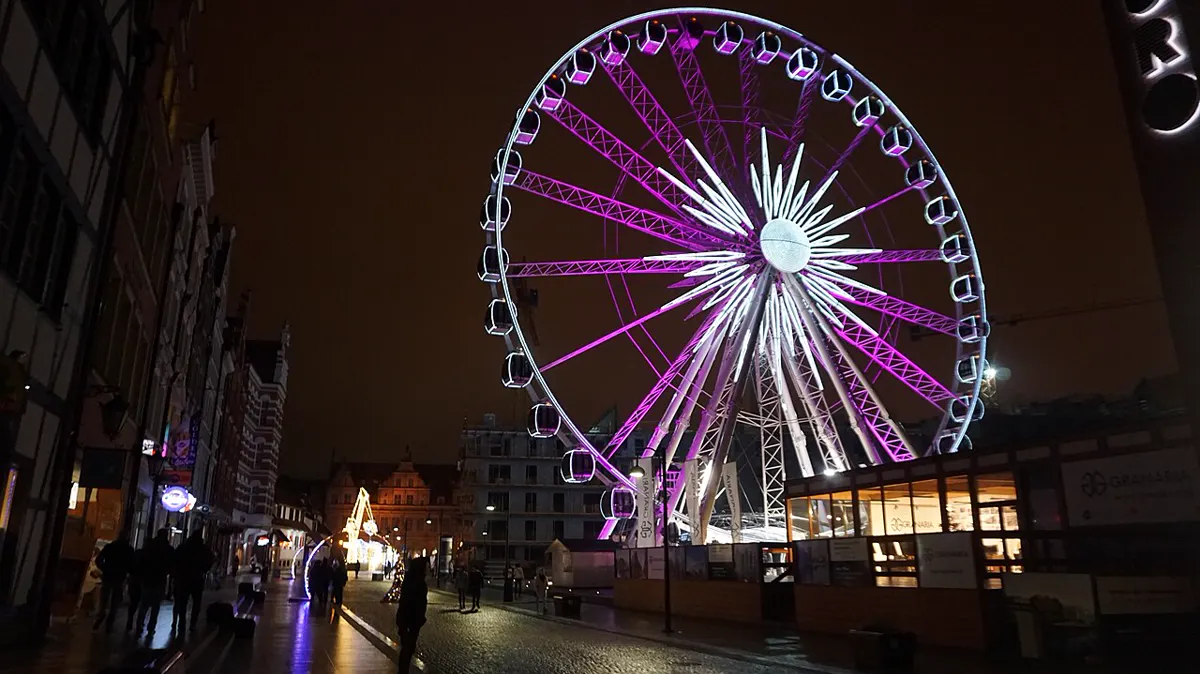
AmberSky Ferris Wheel (Gdańsk Eye)
A large observation Ferris wheel with enclosed, climate-controlled gondolas that lift you above Gdańsk for wide views over the Old Town, waterfront and port.
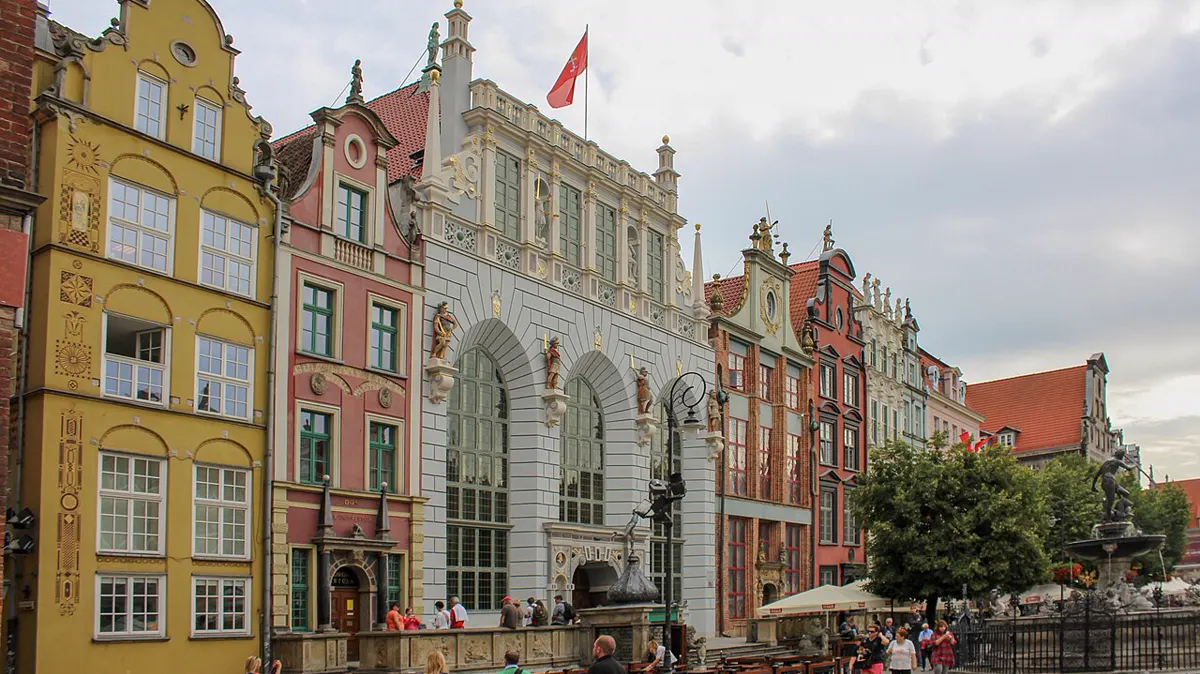
Artus Court (Dwor Artusa)
A grand merchants' meeting hall on Gdansk's Long Market, now a branch of the Museum of Gdansk, home to one of Europe's tallest tiled stoves.
More to explore in Gdańsk

Restaurant
Eliksir
A refined tasting-menu restaurant in the Garnizon district of Wrzeszcz, making the most of Baltic ingredients.
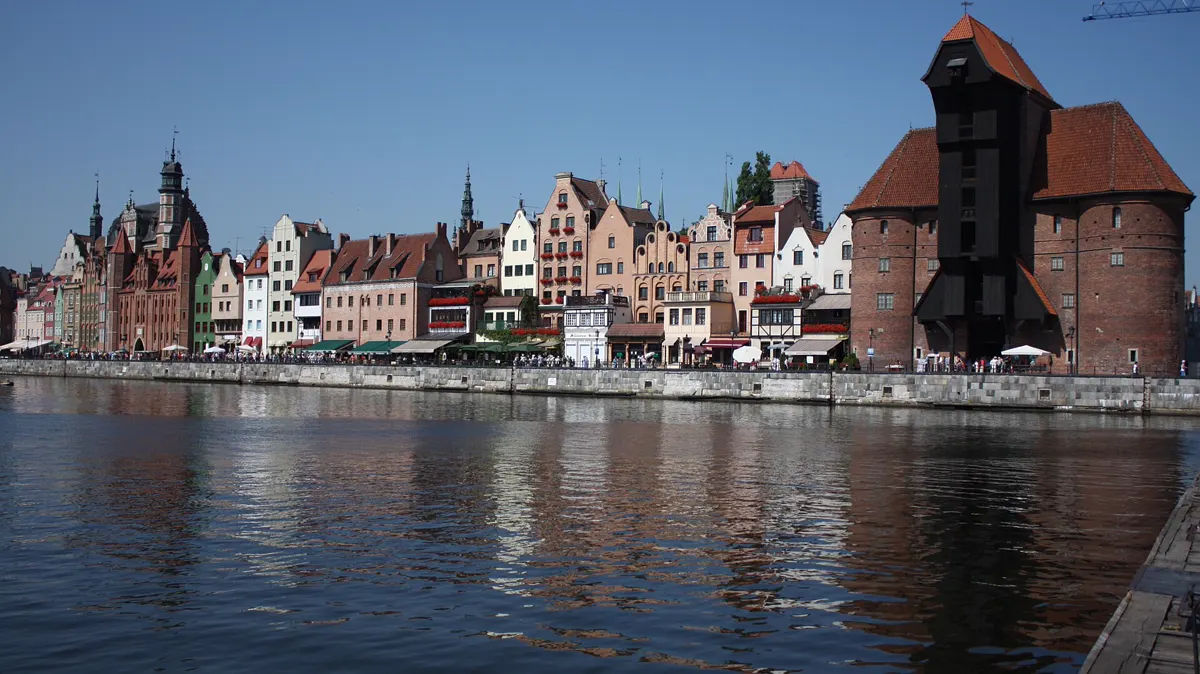
Hotel
Hotel Podewils
A baroque townhouse hotel right on the marina, facing the old crane across the water.
Nature
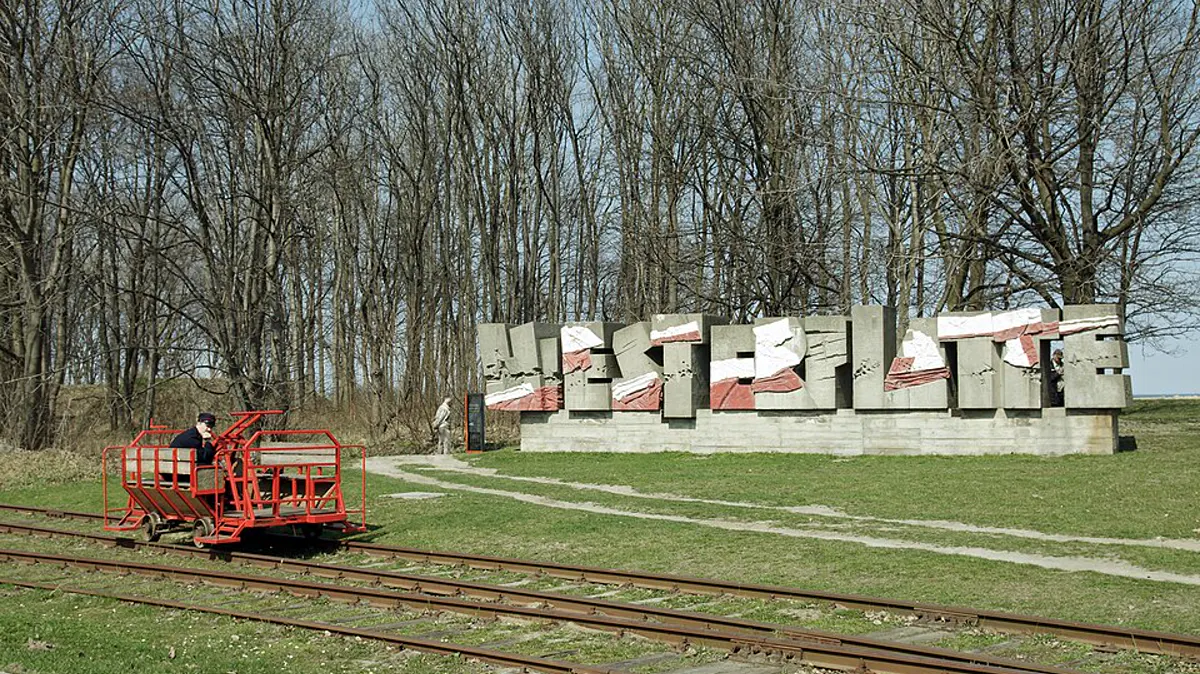
Westerplatte
The seaside peninsula where WWII began, now a memorial park reached by a summer river boat.
Castle
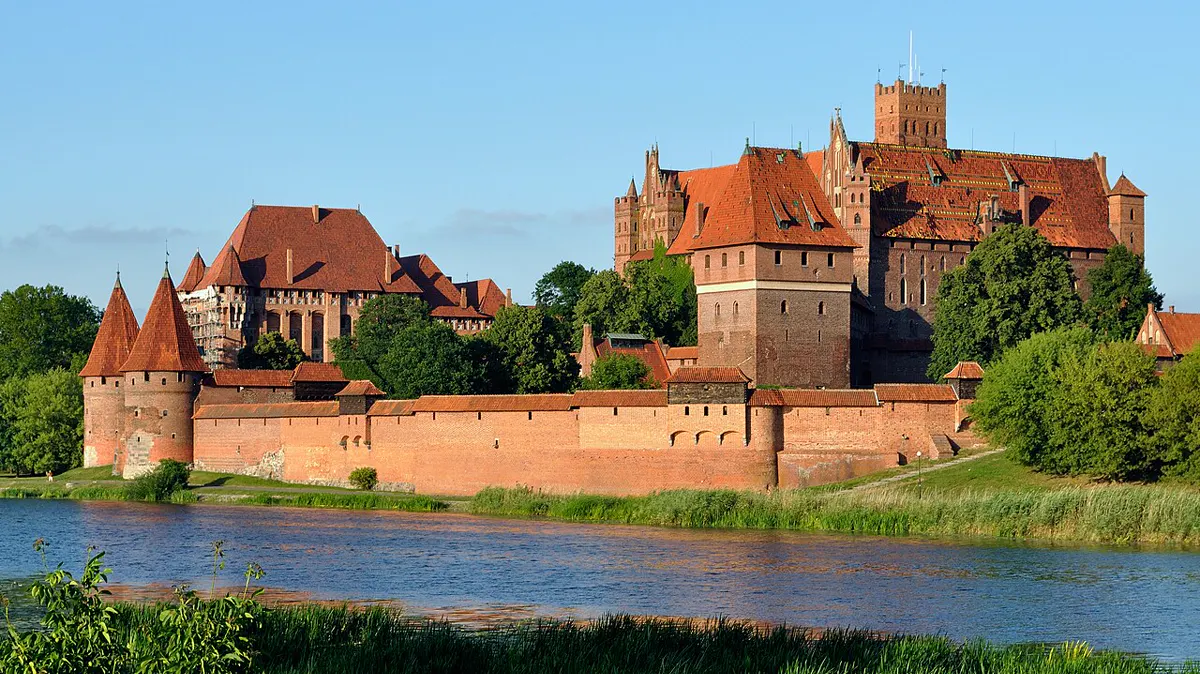
Malbork Castle
The largest castle in the world by land area, a vast red-brick fortress built by the Teutonic Knights on the Nogat river.
Hotel
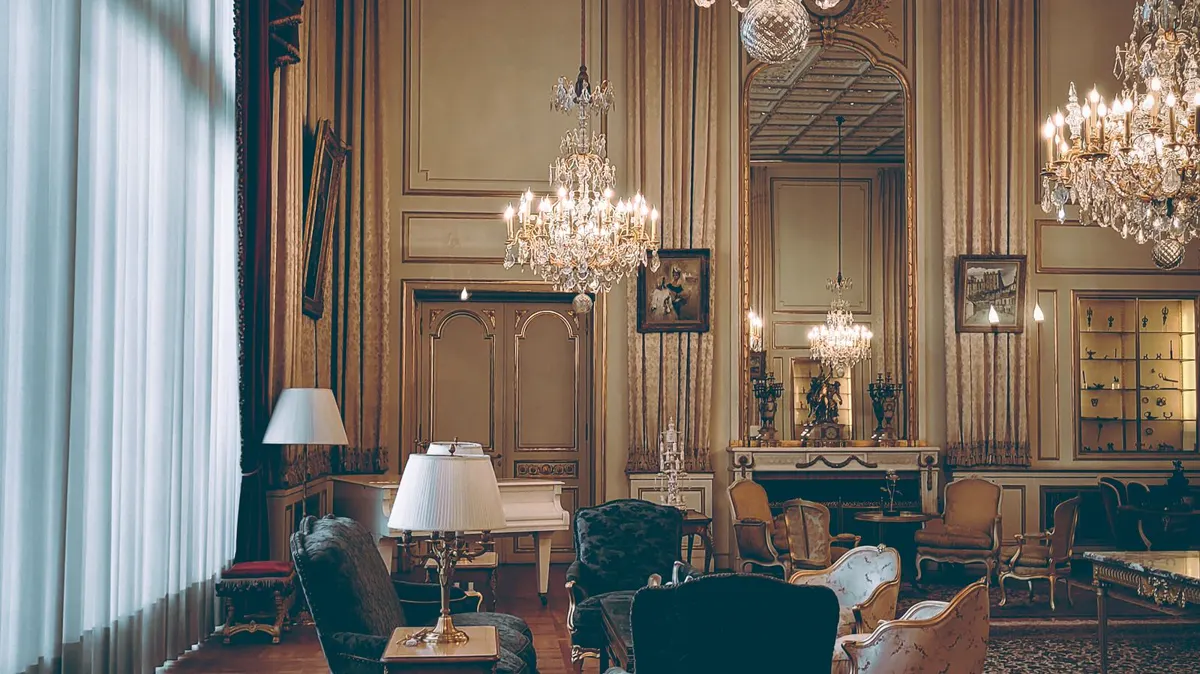
Hotel Hilton Gdansk
A modern five-star on the Motlawa by the old crane, with a rooftop pool and terrace overlooking the river and the Main Town roofline. The best waterfront location in the city.
Hotel
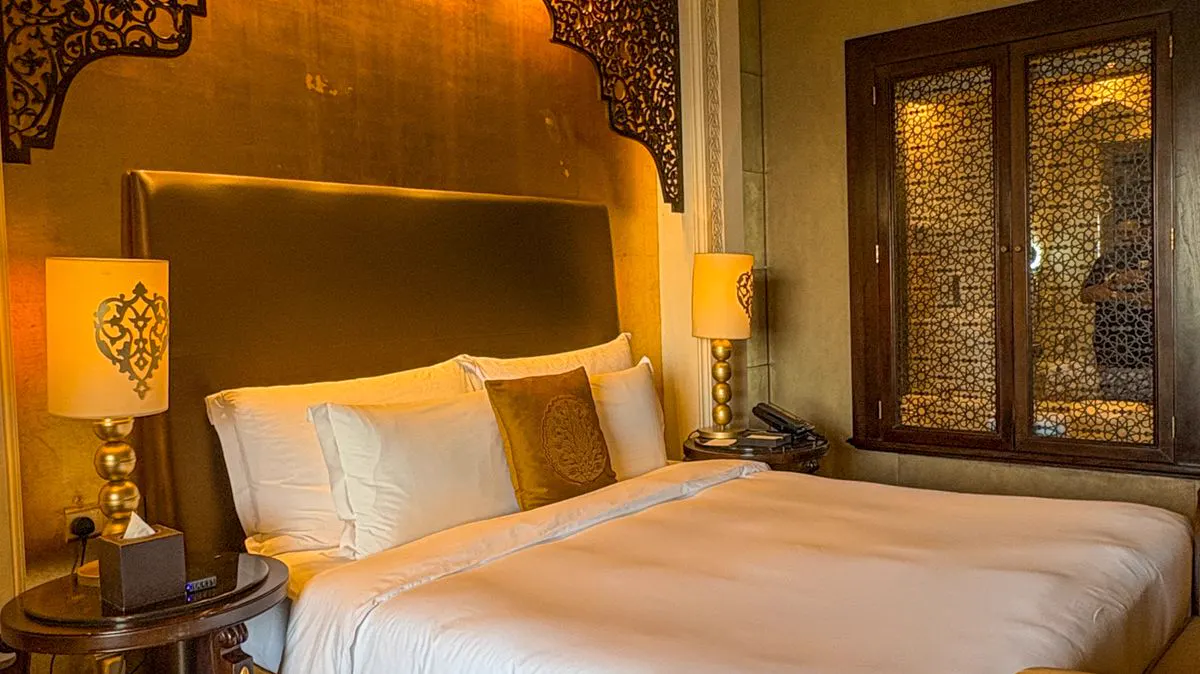
PURO Gdansk Stare Miasto
A design hotel a short walk from the Main Town with a rooftop and bikes.