Attraction in Warsaw
Warsaw Uprising Monument
A large bronze monument on Krasinski Square commemorating the 1944 Warsaw Uprising, the 63-day fight by the Polish resistance against German occupation.
Reviewed and updated July 2026
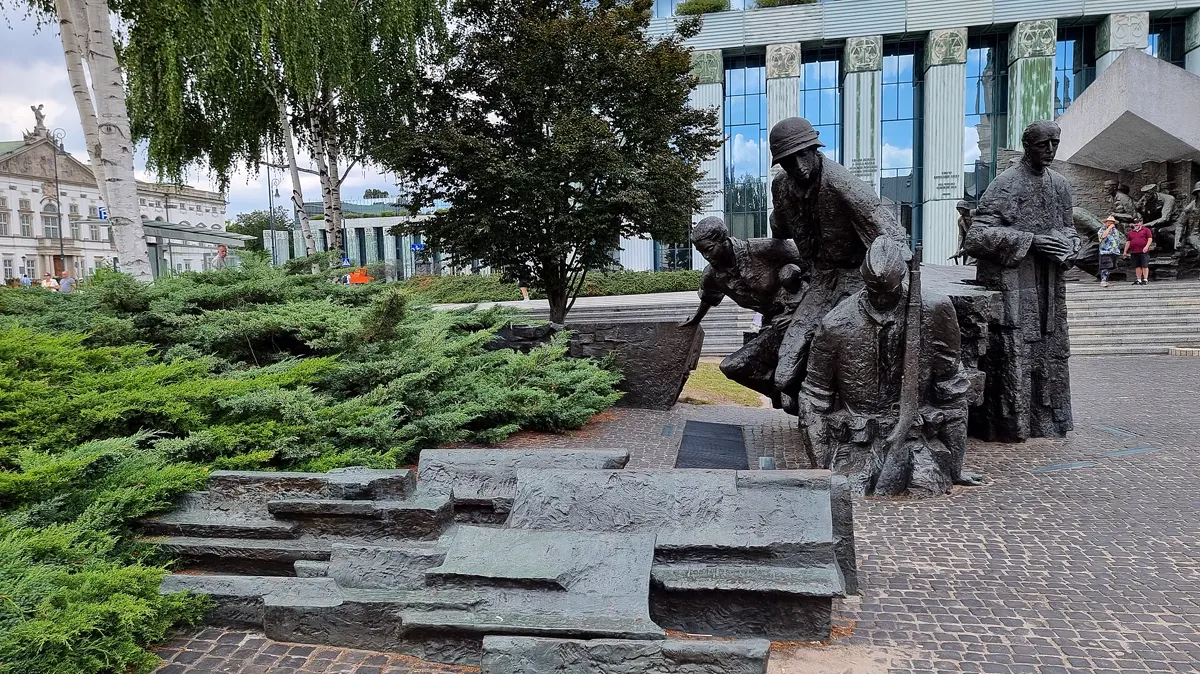
The Warsaw Uprising Monument is a large bronze memorial on Krasinski Square that commemorates the 1944 Warsaw Uprising, the 63-day battle in which the Polish resistance fought the German occupiers. People visit to stand before one of Poland's most direct national memorials, where sculpted figures capture both the charge into open fighting and the grim retreat through the city's sewers. It marks a defining episode in Warsaw's history at the exact kind of civic square where remembrance still gathers.
What the sculpture shows
The monument is built from two connected groups of bronze figures, each telling a different part of the story. One group shows insurgents charging into battle, weapons in hand, caught in forward motion. The second depicts fighters descending into the sewers that the resistance used to move between districts when the streets above were held by German forces. Seeing both together, the assault and the underground escape, gives you a fuller sense of how the fighting actually unfolded across the city.
The 1944 uprising it remembers
The Warsaw Uprising began on 1 August 1944 and lasted 63 days, as Polish resistance fighters took on the German occupiers in a citywide revolt. The monument was designed by sculptor Wincenty Kucma with architect Jacek Budyn, and it was unveiled on 1 August 1989, the 45th anniversary of the outbreak. That date carries weight, since it placed the memorial in public view as Poland moved out of communist rule. Each year the anniversary draws crowds to the square to mark the moment.
Who it suits and how to visit
This is an open-air memorial on a public square, so you can view it at any time without a ticket, and it rewards a slow, quiet visit rather than a rushed photo stop. It suits anyone interested in twentieth-century history, wartime Poland or the story behind the fighting, whether you come alone or with family. The monument is a place of remembrance, not a museum, so there are no exhibits or displays here. For opening details of anything nearby, check official channels before you go.
Fitting it into a Warsaw visit
Krasinski Square sits within walking distance of Warsaw's Old Town and the New Town, so the monument pairs naturally with a wider walk through the historic centre. It is distinct from the Warsaw Rising Museum, which sits elsewhere in the city and tells the fuller story with exhibits, so many visitors pair the two to combine the memorial's emotional weight with the museum's detail. Add it to a day exploring central landmarks, and see our Warsaw guide for more to build around it.
Good to know
The monument stands in the open on Krasinski Square and is free to view at any hour, so no ticket or booking is needed.
Frequently asked questions
More attractions in Warsaw
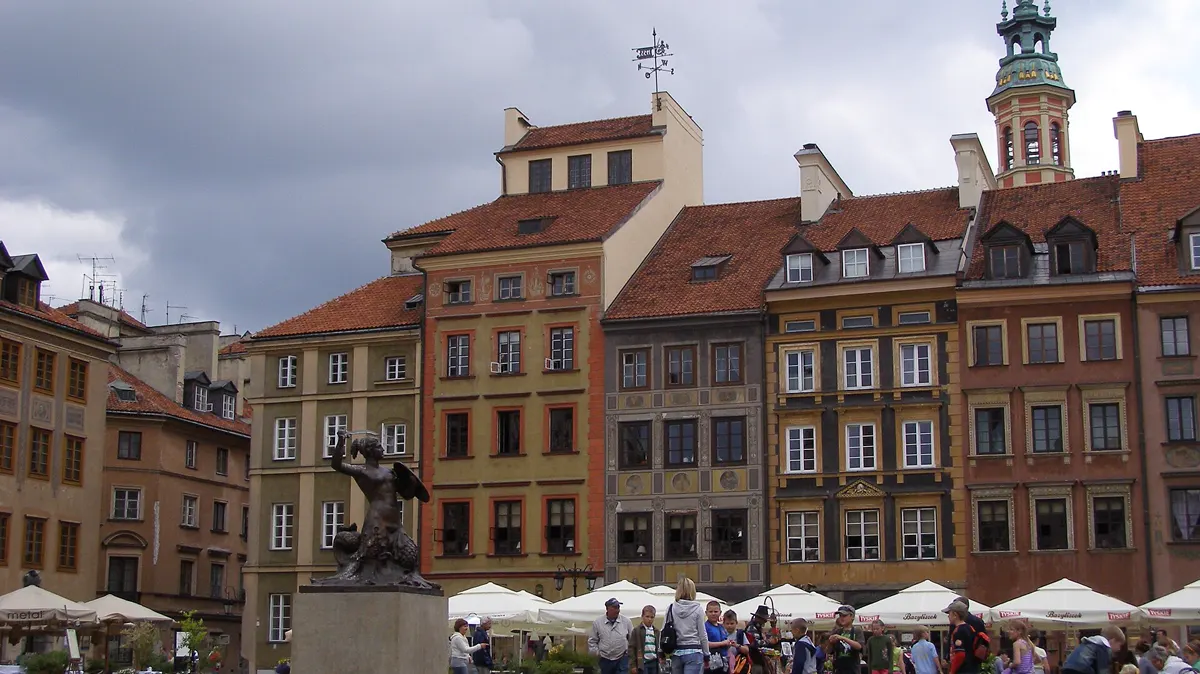
Old Town Market Square
The reconstructed heart of Warsaw Old Town, a UNESCO-listed feat of post-war rebuilding ringed by colourful townhouses.
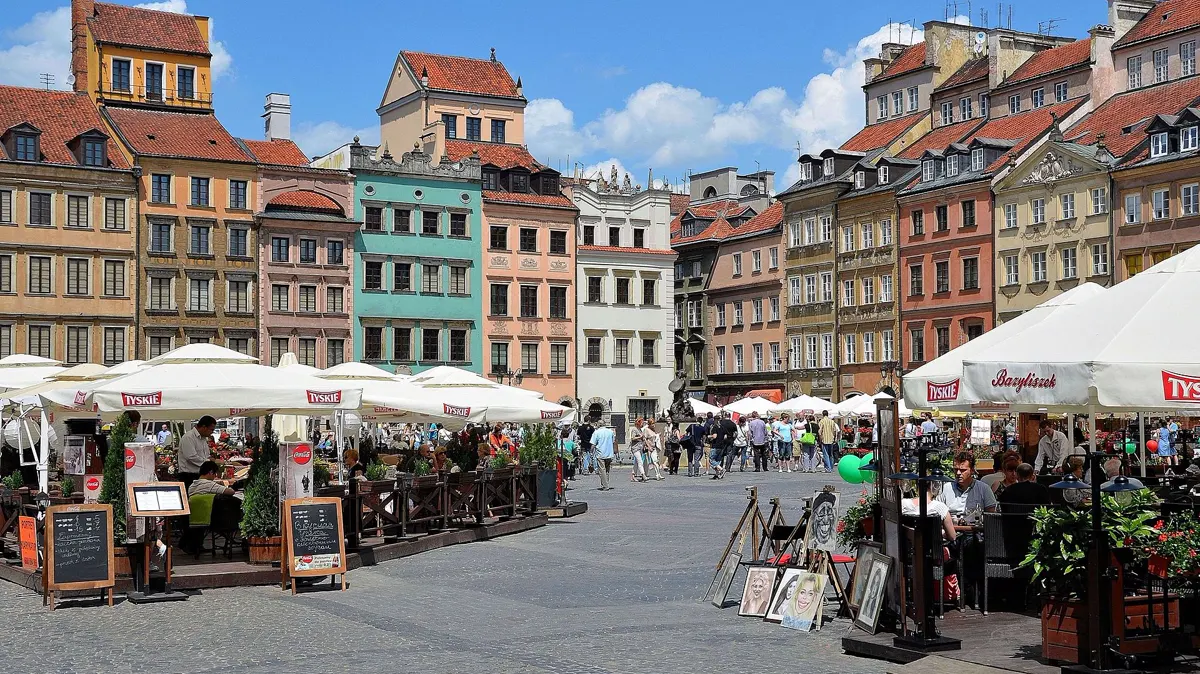
Stare Miasto (Warsaw)
Warsaw's Old Town was rebuilt from rubble after World War II so faithfully that UNESCO added it to the World Heritage list. Its Market Square is lined with pastel merchant houses and centred on the bronze Mermaid statue, the city's symbol.
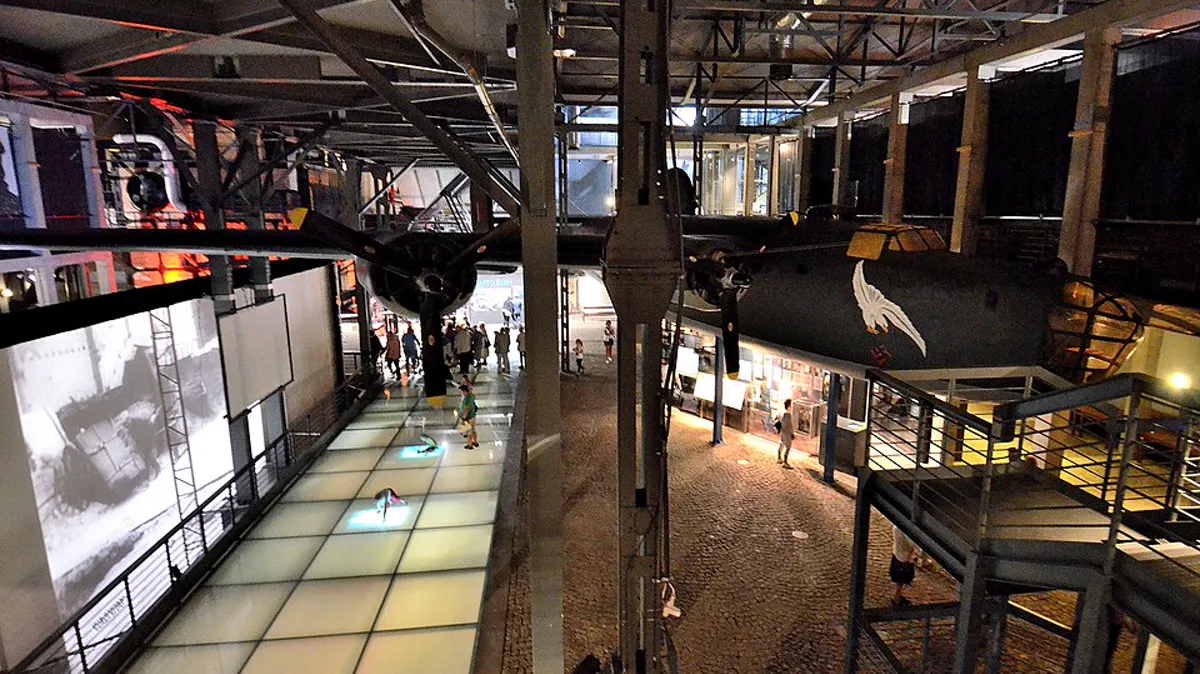
Muzeum Powstania Warszawskiego
The Warsaw Uprising Museum documents the 63-day insurrection of 1944 through survivor recordings, a replica Liberator bomber, and a beating-heart sound installation. It sits in a former tram power station in the Wola district.
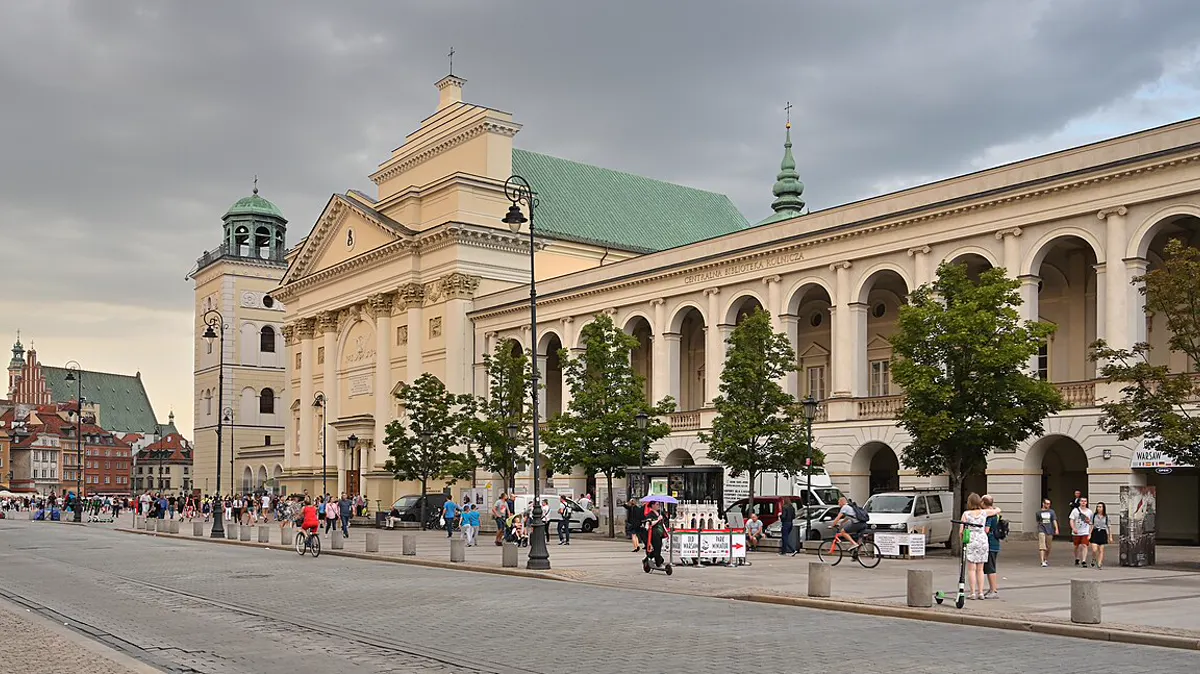
St. Anne's Church
One of Warsaw's finest Baroque churches, set beside Castle Square, with a richly decorated interior and a bell tower you can climb for wide views over the Old Town.
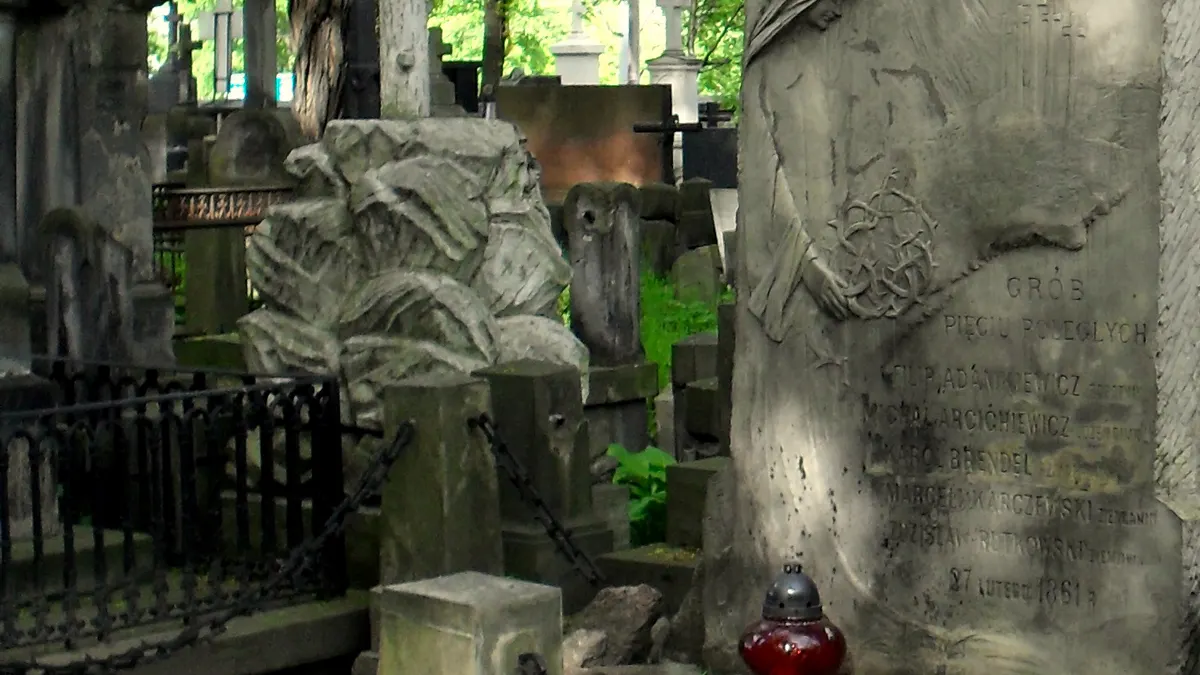
Powazki Cemetery
Founded in 1790, Powazki is Warsaw's oldest and most famous cemetery, an open-air gallery of funerary sculpture spread across roughly 43 hectares in the Wola district.
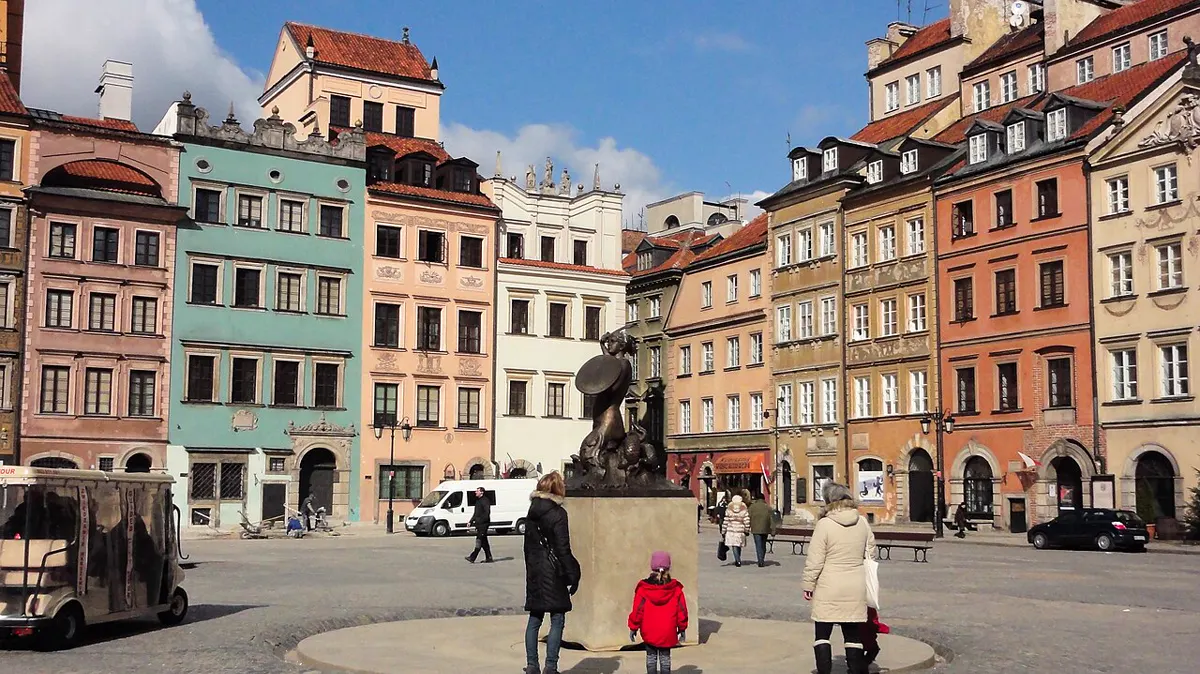
Warsaw Mermaid Statue (Pomnik Syrenki)
The bronze mermaid at the centre of Warsaw's Old Town Market Square is the city's emblem and legendary guardian, shown raising a sword and shield.
More to explore in Warsaw

Restaurant
Nolita
A Michelin Guide-listed kitchen turning Polish produce into precise modern tasting menus.
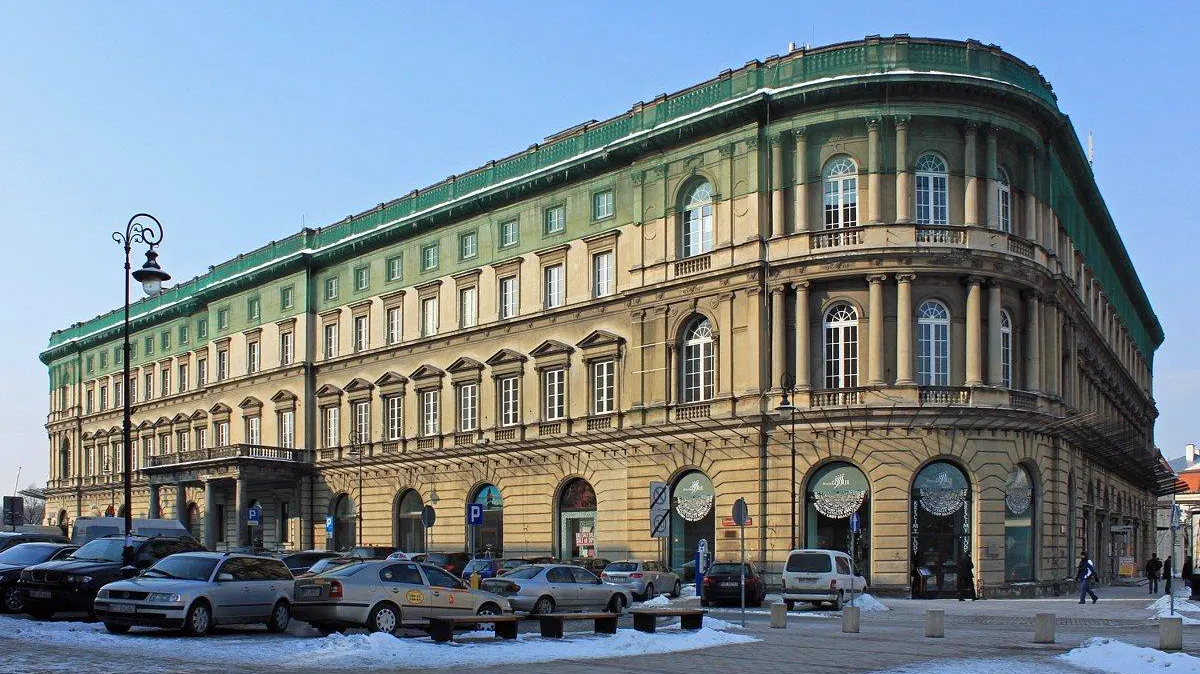
Hotel
Raffles Europejski Warsaw
A landmark 19th-century hotel on the Royal Route, reborn with a serious art collection.
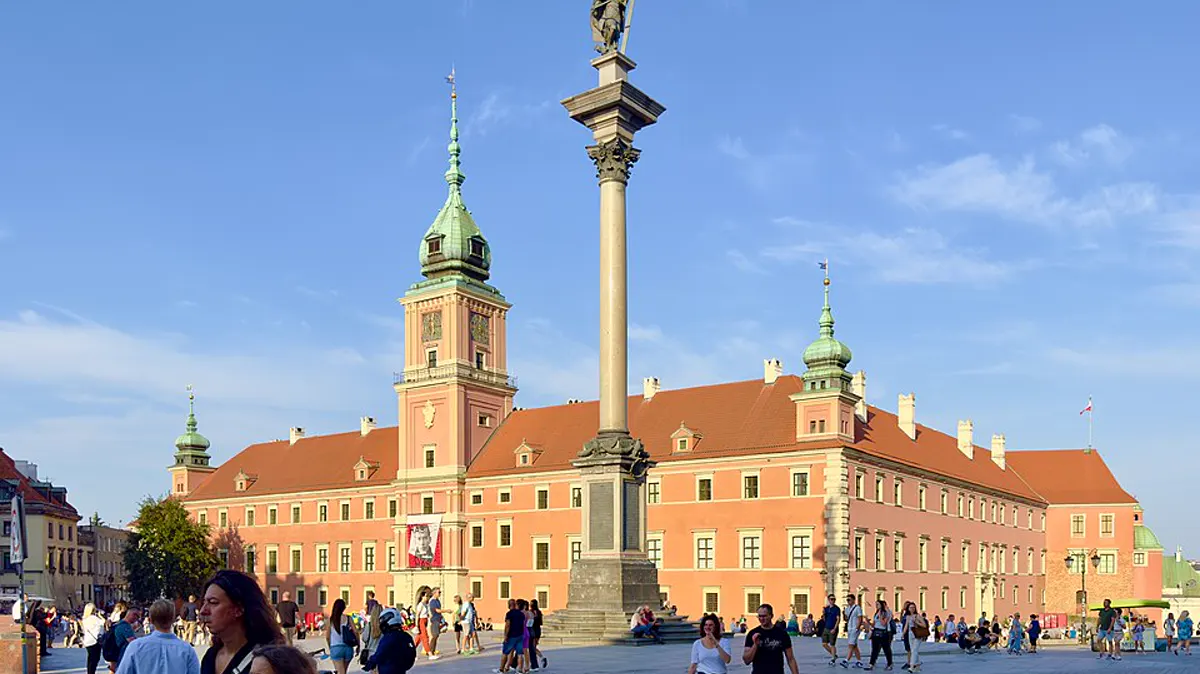
Castle
Royal Castle
The reconstructed seat of Polish kings and parliament on Castle Square, rebuilt from rubble after wartime destruction.
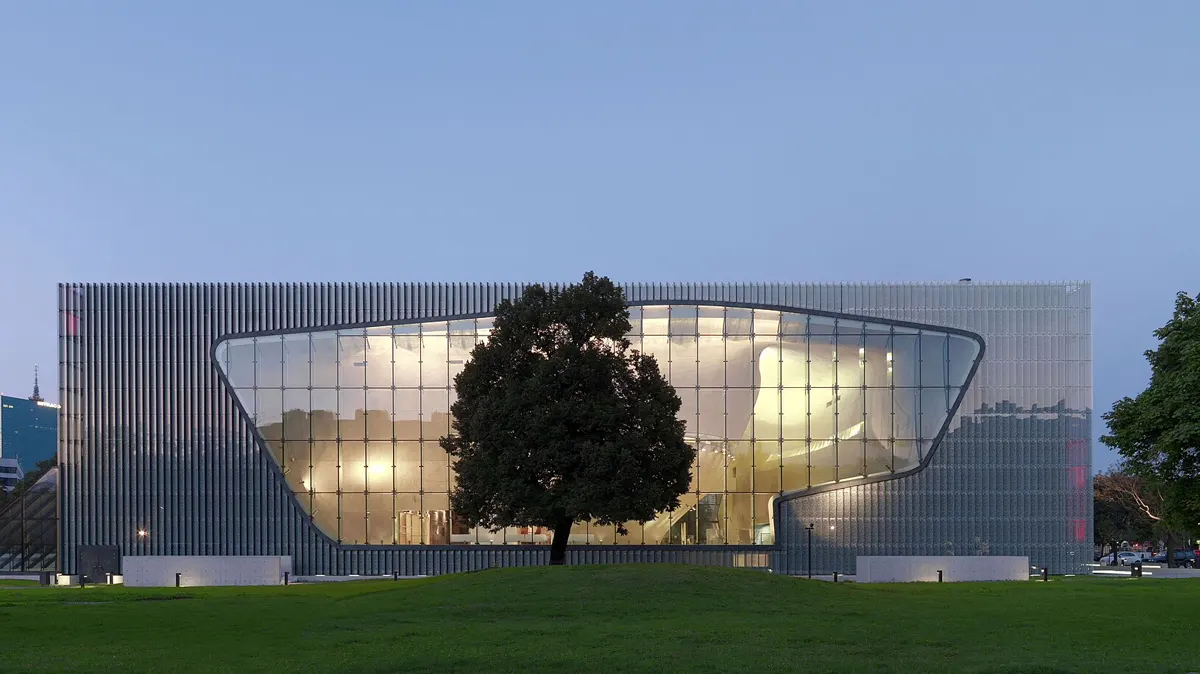
Museum
POLIN Museum of the History of Polish Jews
An award-winning museum tracing a thousand years of Jewish life in Poland, on the site of the former Warsaw Ghetto.
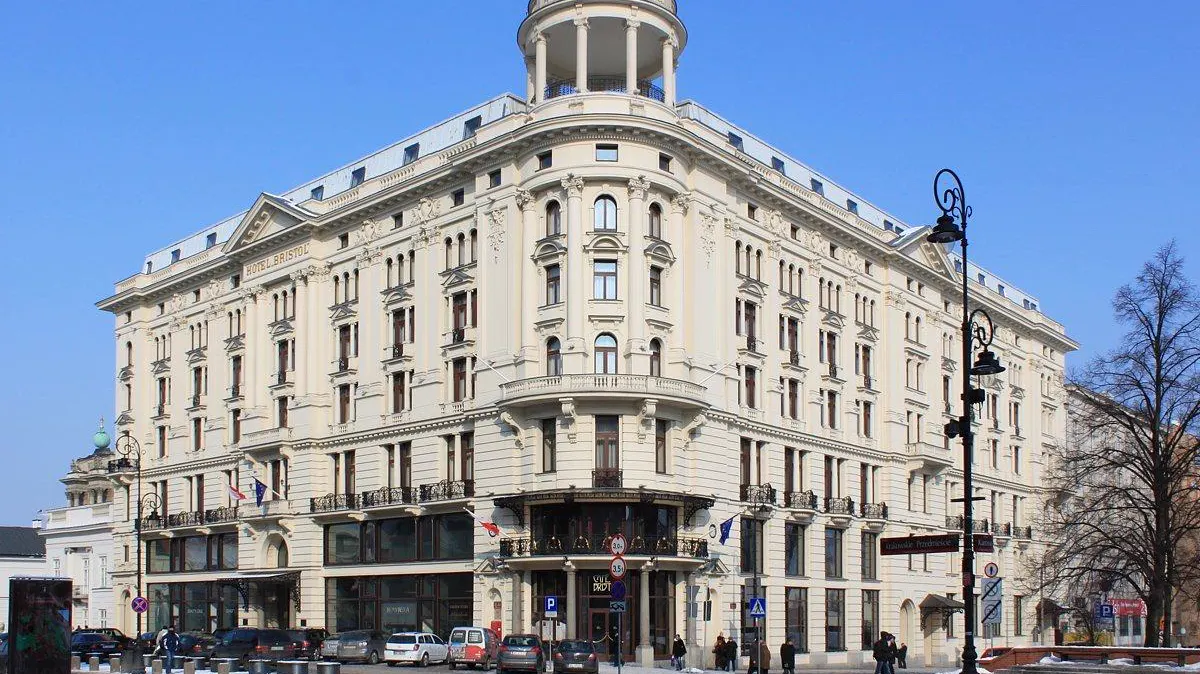
Hotel
Hotel Bristol
The city's grande dame, a grand turn-of-the-century institution next to the Presidential Palace.
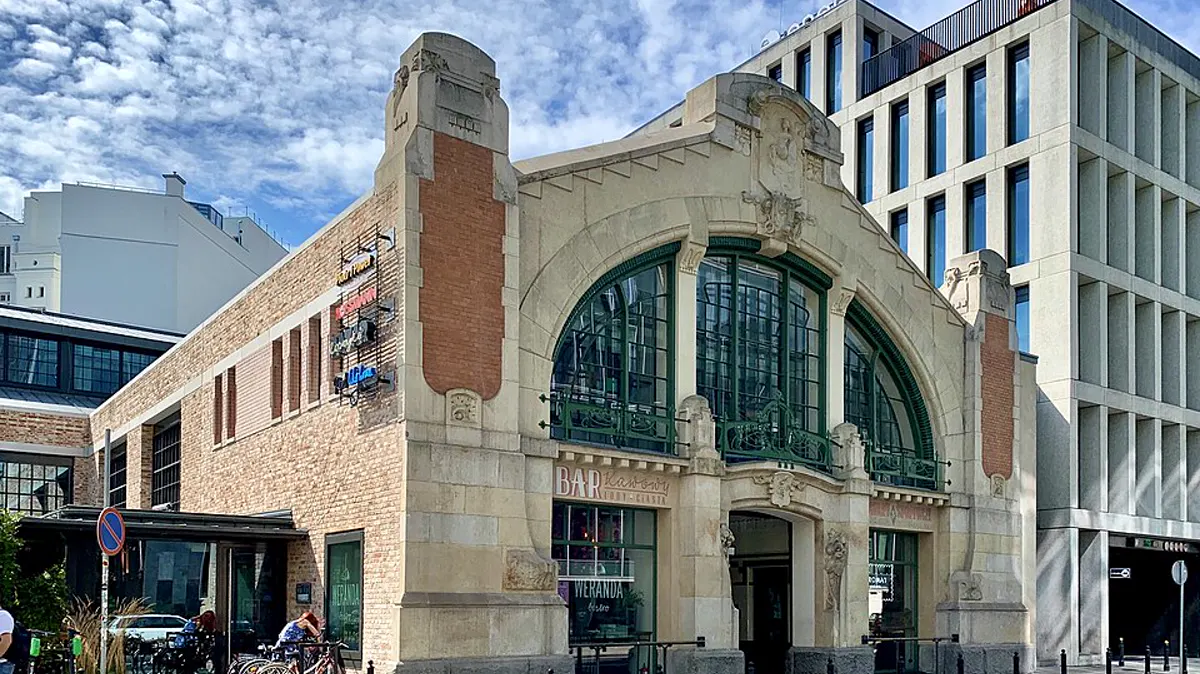
Restaurant
Hala Koszyki
A restored 1909 market hall turned food hall with stalls covering ramen, tacos, Polish grill, and craft beer under one glass roof. Good for groups who cannot agree.