Attractions
Attractions in Poland
The sights worth building a day around.
Poland's attractions run from the medieval market squares of Krakow and Wroclaw to the Wieliczka Salt Mine, the memorial at Auschwitz-Birkenau and the Teutonic castle at Malbork. Each page below covers what the place is, how long to spend and how to get there, grouped by city.
All Attractions in Poland
Katowice
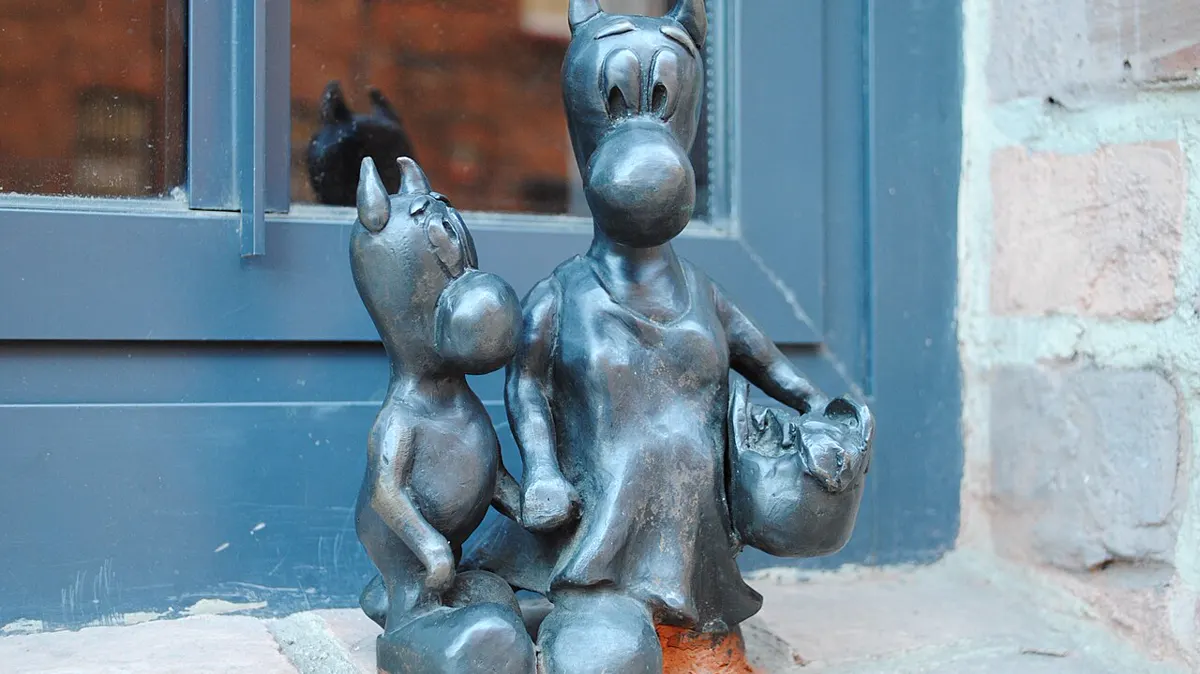
Beboki Figurines
A trail of small bronze goblin figurines scattered across Katowice, based on Silesian folklore, that visitors hunt down street by street.
Kraków
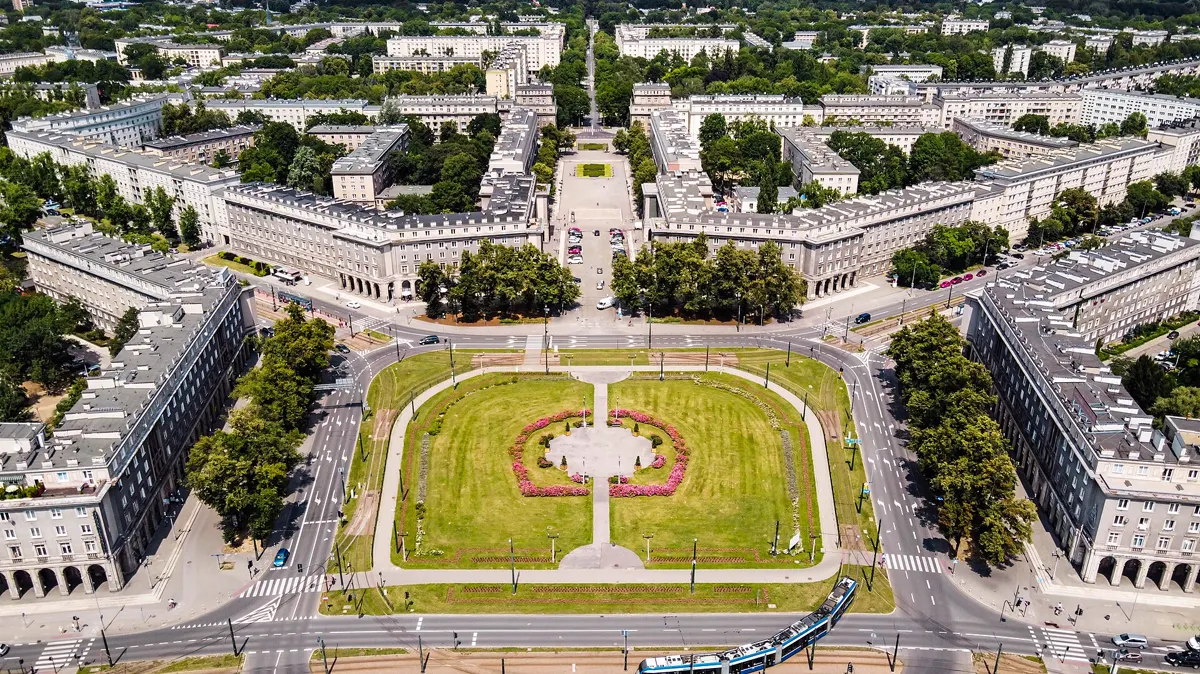
Nowa Huta
Nowa Huta is a planned socialist-realist district in eastern Kraków, begun in 1949 as a model workers' city around the Lenin Steelworks and now toured for its Stalinist architecture and Cold War history.
Toruń
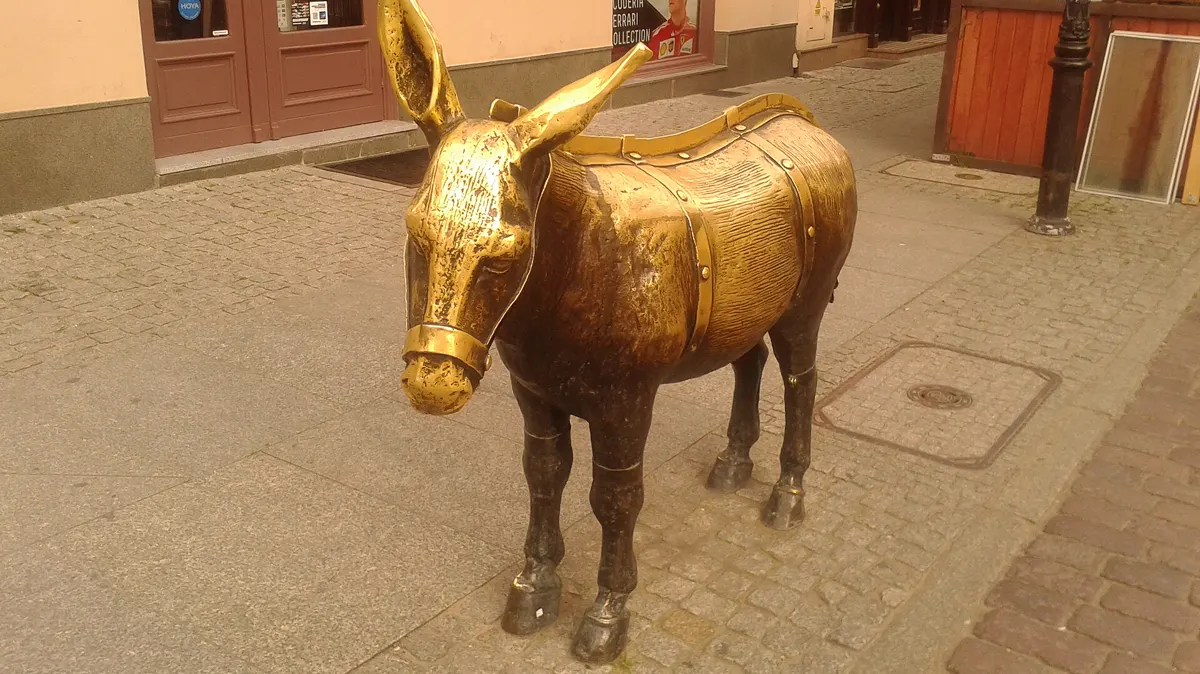
Donkey Statue (Pomnik Osła)
A small metal donkey on Toruń's Old Town Market Square that recalls a real medieval punishment, now a lighthearted photo stop beside the Copernicus monument.
Warsaw
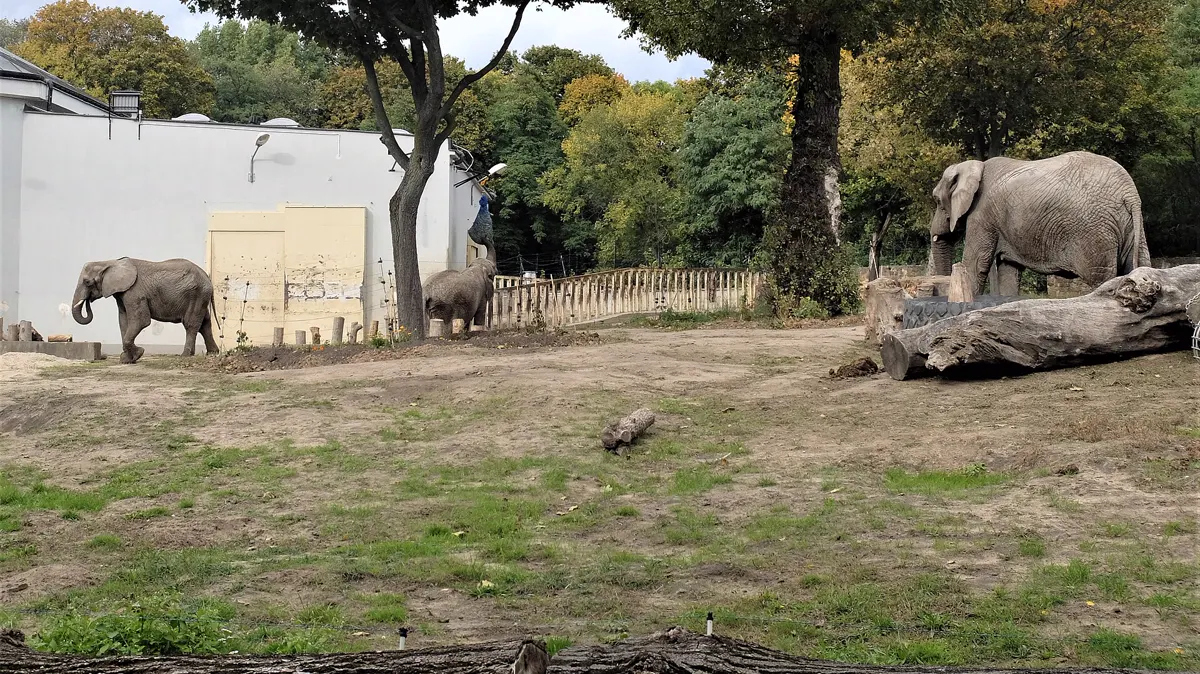
Warsaw Zoo
Warsaw's municipal zoo sits on the Praga bank of the Vistula and is known both for its thousands of animals and for the wartime rescue story behind 'The Zookeeper's Wife'.
Wrocław
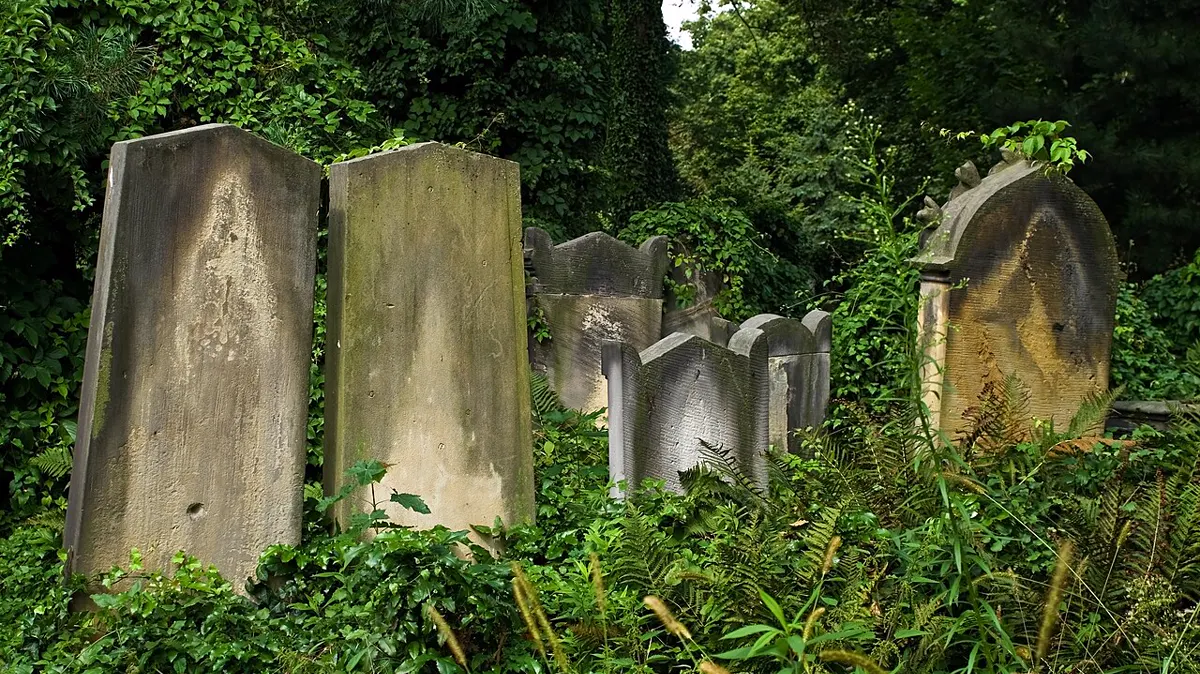
Old Jewish Cemetery, Wrocław
A remarkably well-preserved 19th-century Jewish cemetery on Ślężna street, now a museum branch of the City Museum of Wrocław, where elaborate tombs and carved headstones stand among overgrown greenery.
Zakopane
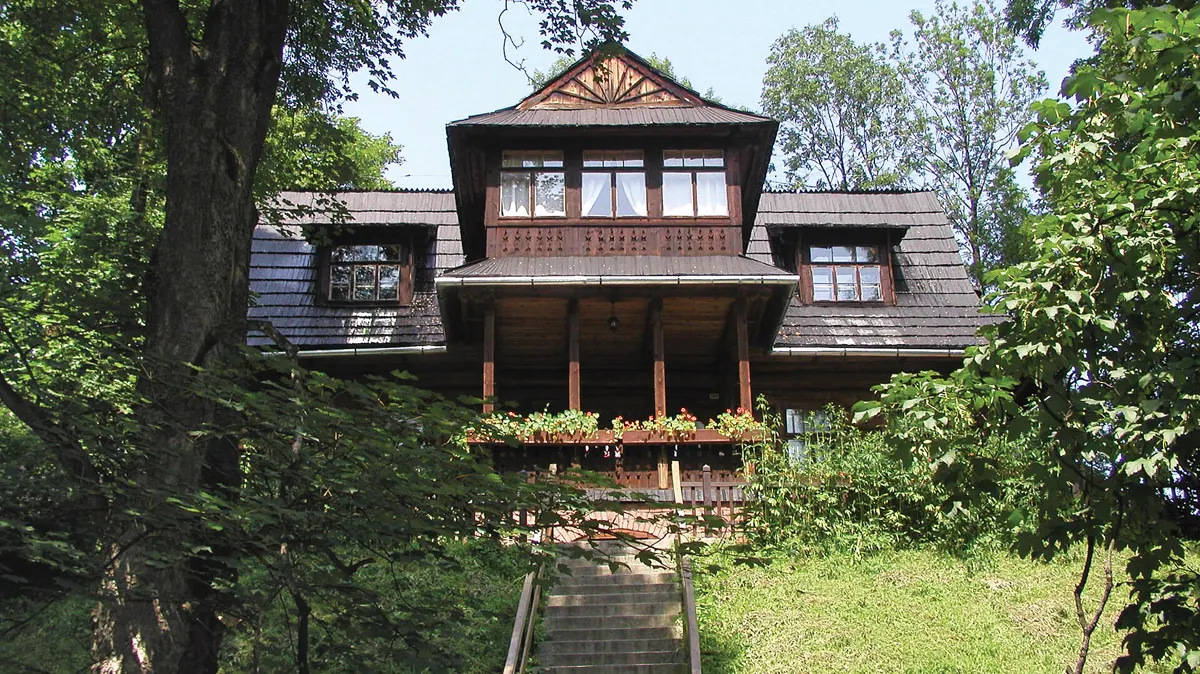
Jan Kasprowicz Museum at Harenda
A biographical museum in the wooden villa where poet Jan Kasprowicz lived until his death in 1926, set at the Kraków-side entrance to Zakopane and preserving his rooms, manuscripts and personal effects.
Zamość
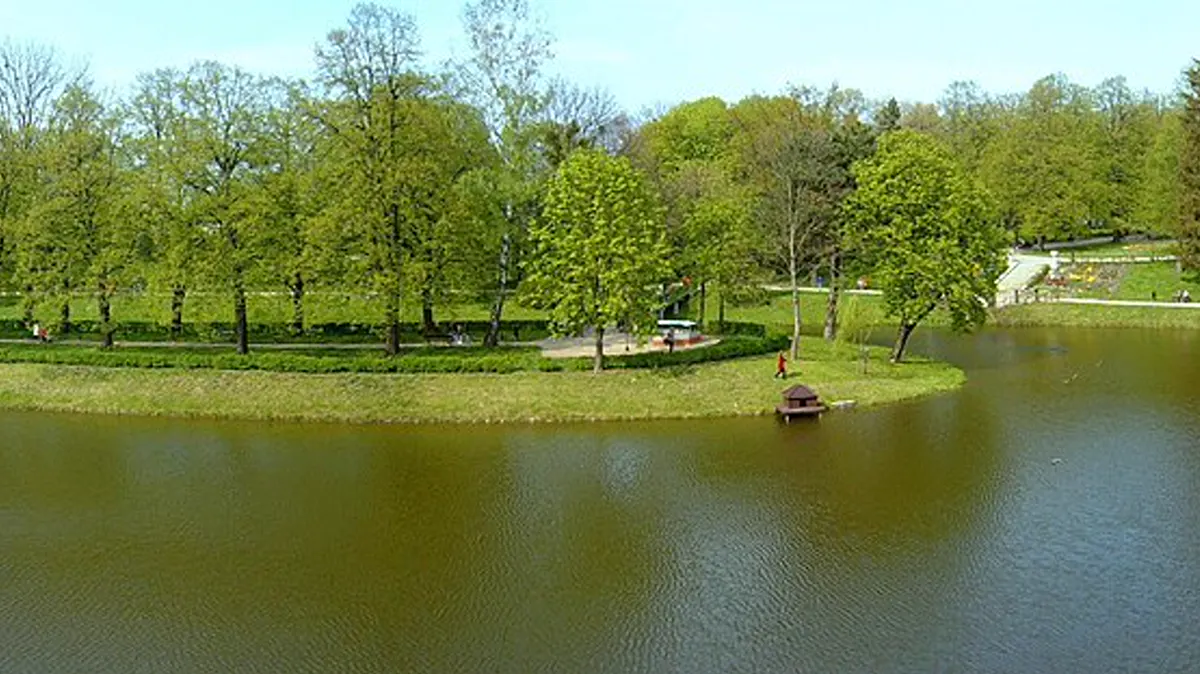
Zamość City Park (Park Miejski)
A landscaped park of about 11 hectares wrapping the northern edge of Zamość's Old Town, laid out in the 1920s on former fortress moats and earthworks. It is a green belt around the historic centre, with a pond and preserved fortification relics.
Gdańsk
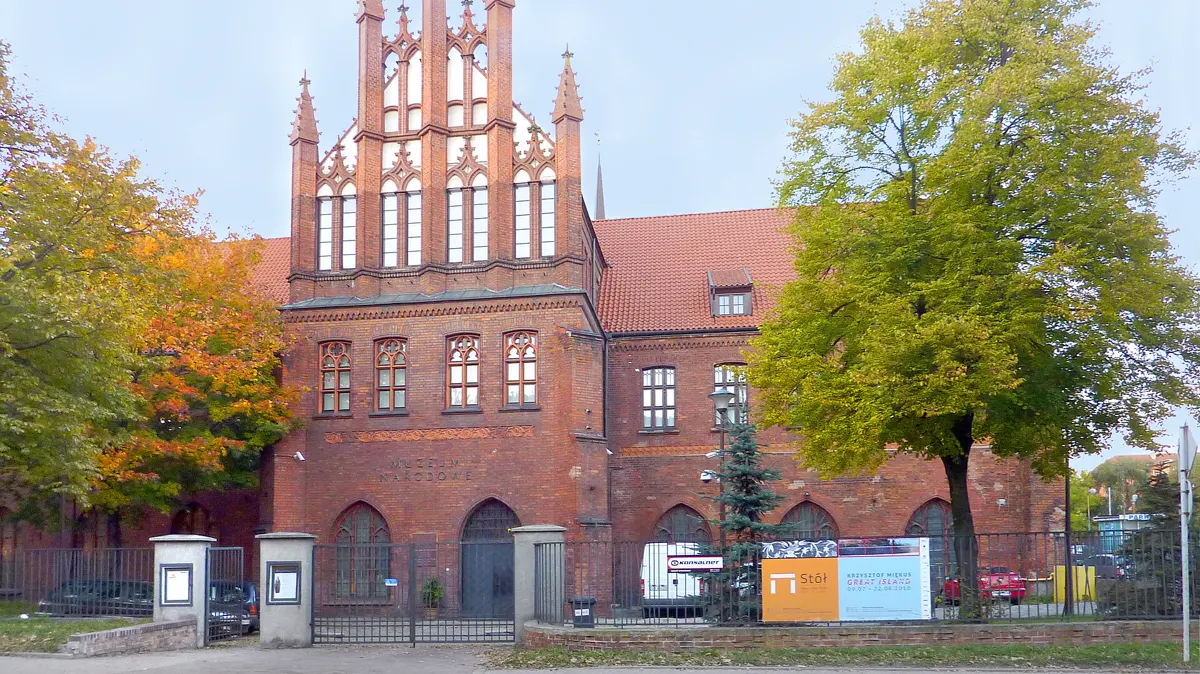
National Museum in Gdańsk (Memling's Last Judgment)
Gdańsk's National Museum, set in a former Franciscan monastery, holds Hans Memling's triptych The Last Judgment, one of the most valuable paintings in any Polish collection.
Katowice
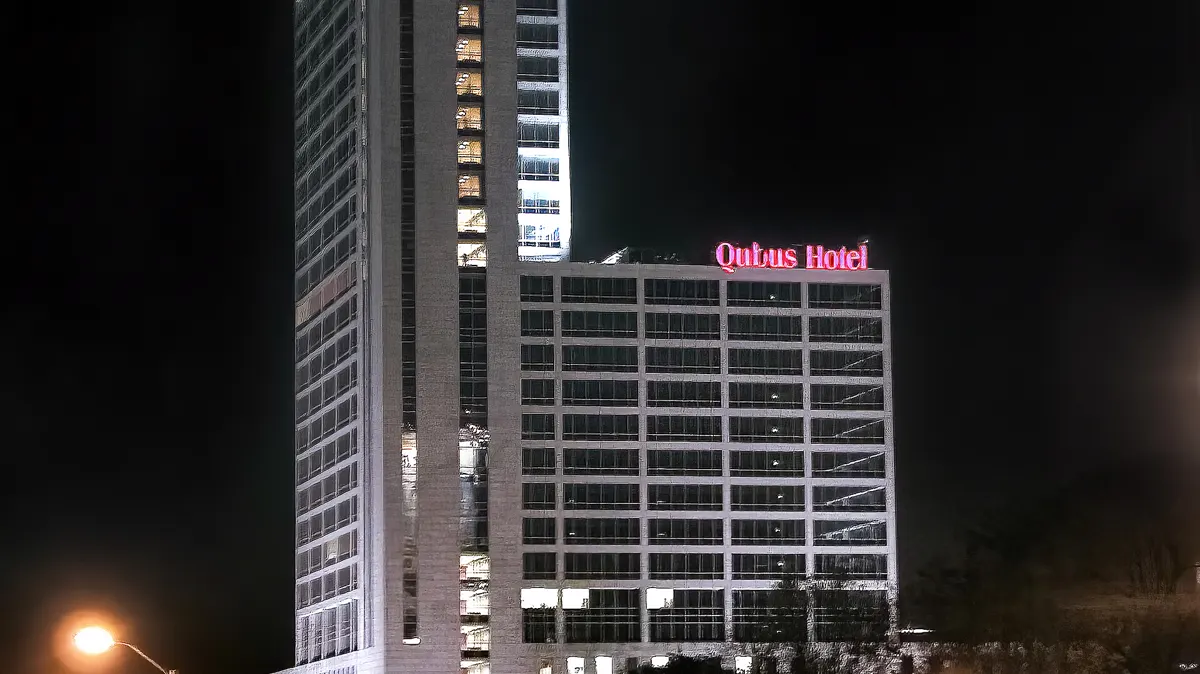
Altus Skyscraper
Altus is one of the tallest buildings in Katowice, a roughly 125 metre mixed-use tower on ul. Uniwersytecka holding offices, shops and a hotel.
Kraków
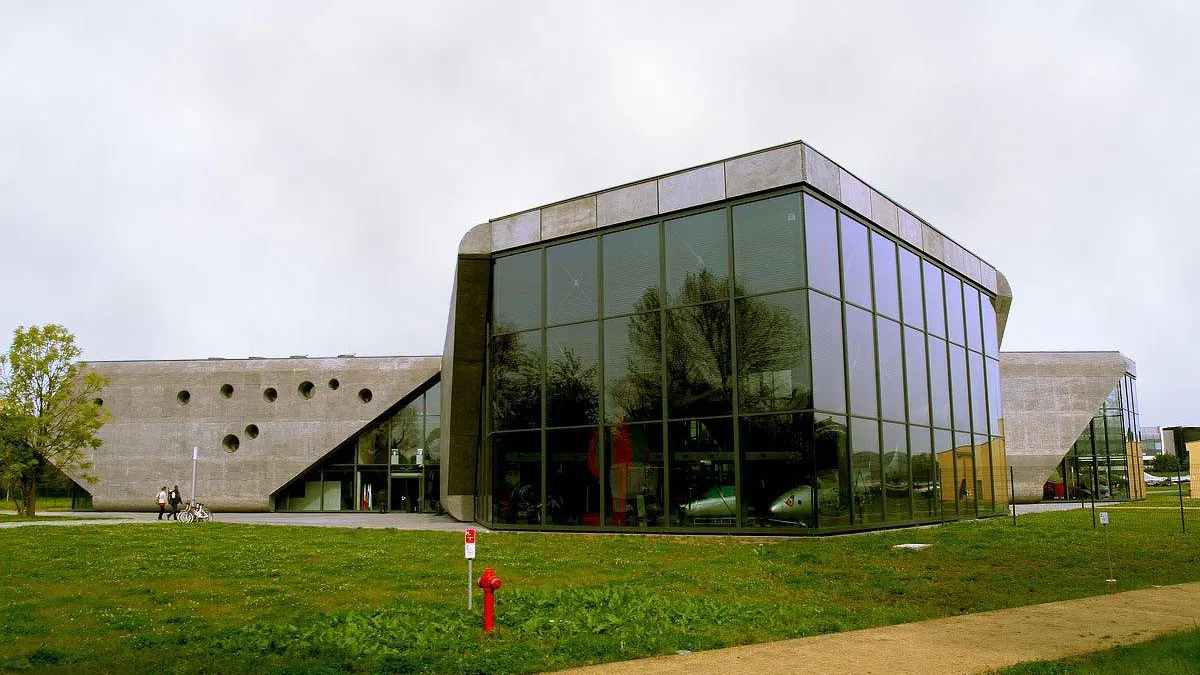
Polish Aviation Museum
One of the largest aviation collections in Europe, set on a historic Kraków airfield, with more than 200 aircraft and around 100 engines on display.
Toruń
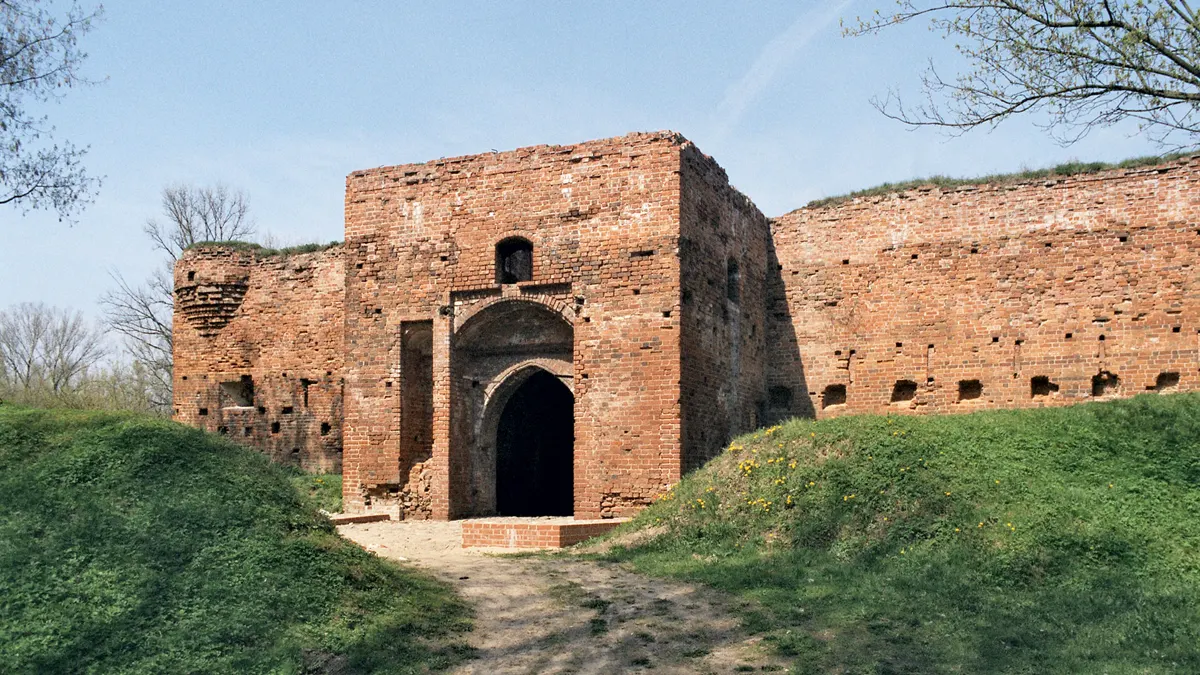
Dybów Castle Ruins
The brick ruins of a 15th-century royal castle on the far bank of the Vistula from Toruń's Old Town, freely open to walk through, with views back across the river to the city skyline.
Warsaw
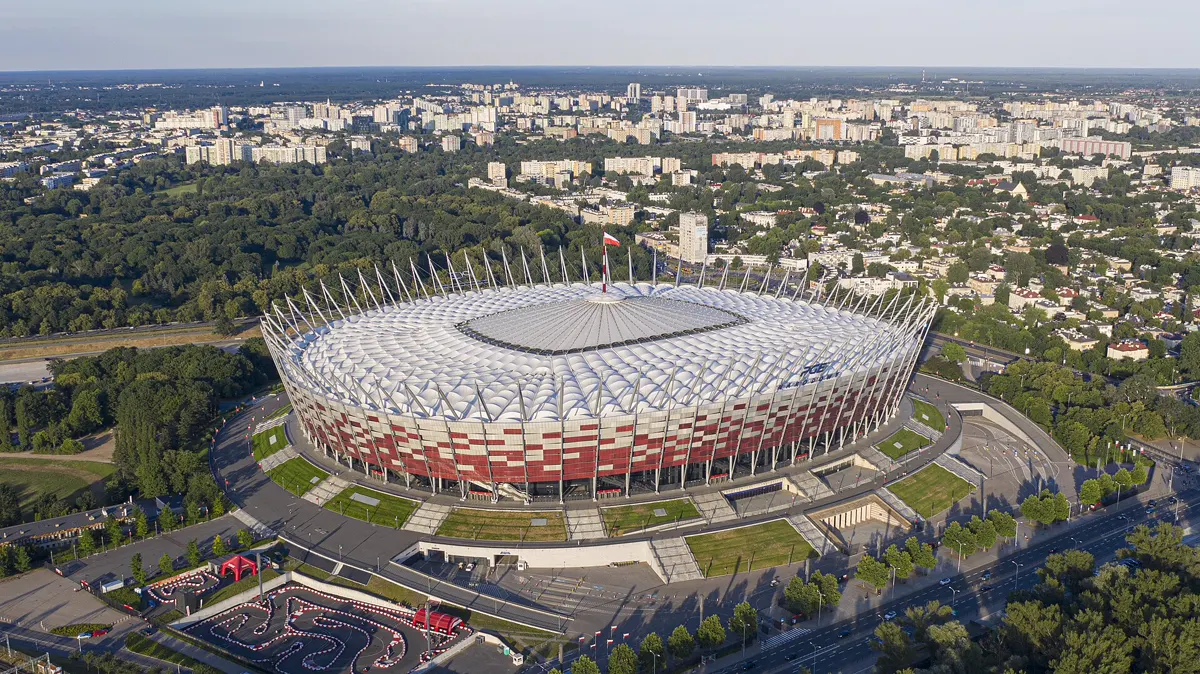
PGE Narodowy (National Stadium)
Warsaw's national stadium is Poland's largest football arena, built for Euro 2012 and known for its red-and-white latticework facade and retractable roof.
Poland fits a lot into one country: medieval market squares, a salt mine carved into underground chapels, the memorial at Auschwitz-Birkenau, mountain trails and a long Baltic coast. Seventeen places hold UNESCO World Heritage status, and most of the headline attractions cluster around the cities you are likely to base yourself in, so a first trip rarely means long transfers.
Top attractions in Krakow, Warsaw and Gdansk
Krakow has the densest cluster: the Main Market Square, laid out in 1257 and among the largest medieval squares in Europe, the underground Wieliczka Salt Mine, and the Auschwitz-Birkenau Memorial within a day trip. Warsaw rebuilt its Old Town from wartime rubble, Gdansk lines the Motlawa with tall merchant houses, and Wroclaw and Torun keep intact Gothic centres. The mountains around Zakopane and the lakes of Masuria add the outdoor side.
Top places to visit on a first trip
Group attractions by the city you are staying in rather than chasing them across the map. Krakow, Warsaw and Gdansk each reward two or three days and put more sights within an easy day trip. For the classic sights that define the country, see the best viewpoints and our city guides.
Do you need to book tickets in advance
The busiest sites use timed entry, so book Wieliczka and the Auschwitz-Birkenau Memorial ahead, especially in summer. Many state museums have one free day a week. Tickets are good value by European standards; our note on costs in Poland has the typical prices.
Attractions by city
Travel guides
Krakow Golf Cart Tours: The Four Routes, Compared
Four electric cart routes cover the Old Town, Kazimierz, the ghetto in Podgorze and Schind...
Best Castles in Poland
From the Teutonic fortress at Malbork to the royal seats at Wawel and Warsaw, the Polish c...
3 Days in Krakow
A practical three-day plan for Krakow, pairing the Old Town and Wawel with Kazimierz and o...
Things to Do in Krakow
The sights, neighbourhoods and day trips that make Krakow worth several days, ranked by ho...