Attraction in Kraków
Ulica Florianska
The elegant medieval street running from the Barbican and Florian Gate down to the main square, part of the historic Royal Route. Lined with townhouses, cafes and shops, it ends at the last surviving Gothic city gate, Brama Florianska.
Reviewed and updated July 2026
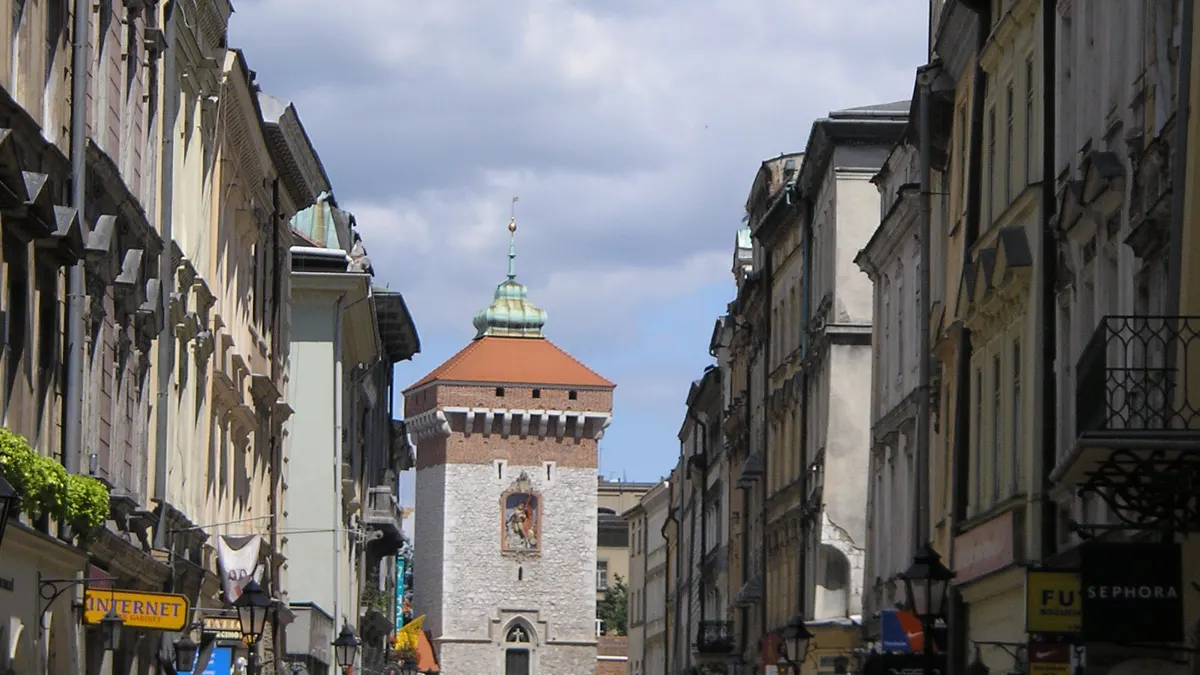
Ulica Florianska is the medieval street that runs from the Florian Gate down to the Main Market Square, part of the historic Royal Route into the Old Town. Lined with townhouses, cafes and shops, it is one of the most walked streets in Krakow. At its northern end stands the Florian Gate, the last surviving Gothic city gate, with the Barbican just beyond it. For centuries this was the way kings entered the city on their way to Wawel.
Why walk Ulica Florianska
Florianska is the natural walk between the station end of the Old Town and the main square, so you will almost certainly use it. It is worth slowing down for: the frontages carry old signs and details above the modern shopfronts, and the street connects several of the city's landmarks in a couple of hundred metres. It is busy, commercial and central, the pulse of the Old Town rather than a quiet corner.
What to see along the street
The Barbican and the Florian Gate anchor the northern end, where a short run of the old city wall still stands and local artists hang paintings for sale along it. Look up as you walk: many of the townhouses keep carved stone doorways, old house signs and painted details from earlier centuries. Among them is the Jama Michalika cafe, a long-standing literary haunt, and the street is thick with cafes, ice-cream counters and shops all the way to the square.
History of the Royal Route
Florianska appears on the grid plan drawn up in 1257, when Krakow was rebuilt after the Mongol raids, and it has kept its line ever since. The Florian Gate at its head dates to the early 14th century and was the city's main entrance in medieval times. As part of the Royal Route, the street carried coronation processions from the gate through the square and on to Wawel. It was among the first streets in the city to be cobbled.
How long to spend
The street is short and takes only a few minutes to walk, but with the gate, the wall and a stop at a cafe you can easily spend half an hour or more on it.
Best time to visit
Early morning is the only time Florianska is quiet, before the shops open and the crowds move through. It is at its busiest in the afternoon and on summer evenings. The street is lit and lively after dark, which makes for a pleasant walk down to the square at night.
Getting to Florianska
Florianska links the northern edge of the Old Town to the Main Market Square. From Krakow Glowny, the main station, walk through the Planty and past the Barbican and you enter the street through the Florian Gate. It is pedestrianised and about a five-minute stroll end to end. See the Krakow guide for wider transport.
Accessibility
The street is flat but laid with cobbles that are uneven for wheelchairs and prams. It is closed to general traffic, though watch for the occasional service vehicle and the horse cabs that use the square. The Florian Gate itself has steps if you climb the wall walk.
Nearby off the main square
Florianska joins several of the Old Town's main sights:
- Barbican and the Florian Gate, at the northern end.
- Main Market Square and St Mary's Basilica, where the street meets the square.
- Hotel Pod Roza, a historic hotel on the street itself.
Good to know
The street is free to walk and open at all hours. Prices in the cafes and shops here reflect the central location, so check before you sit or buy. Climbing the Florian Gate wall walk is ticketed through the Museum of Krakow and runs seasonally.
Common questions
What is the Royal Route?
It is the ceremonial road that kings once followed into Krakow, running from the Florian Gate along Florianska, across the Main Market Square and down Grodzka to Wawel Castle. Florianska is its opening stretch.
Where does Ulica Florianska lead?
It runs from the Florian Gate at the northern edge of the Old Town straight to the Main Market Square, a walk of a few minutes.
Frequently asked questions
More attractions in Kraków
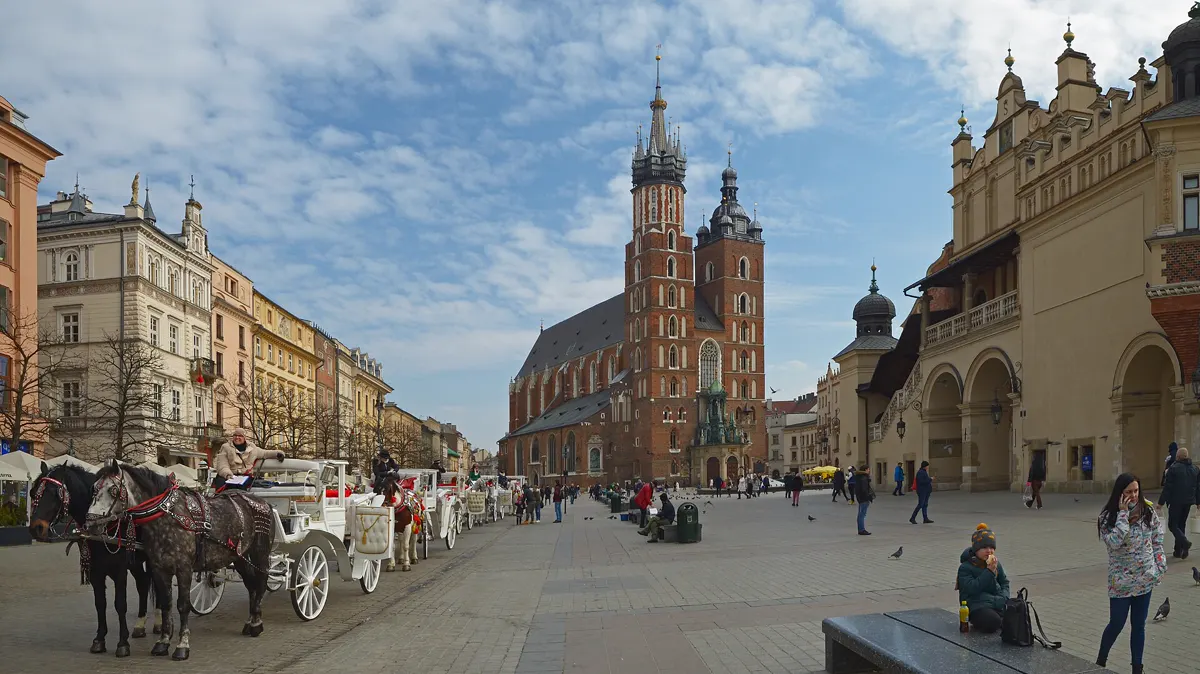
Main Market Square
Europe's largest medieval market square, the social centre of Krakow, with the Cloth Hall running down its middle.
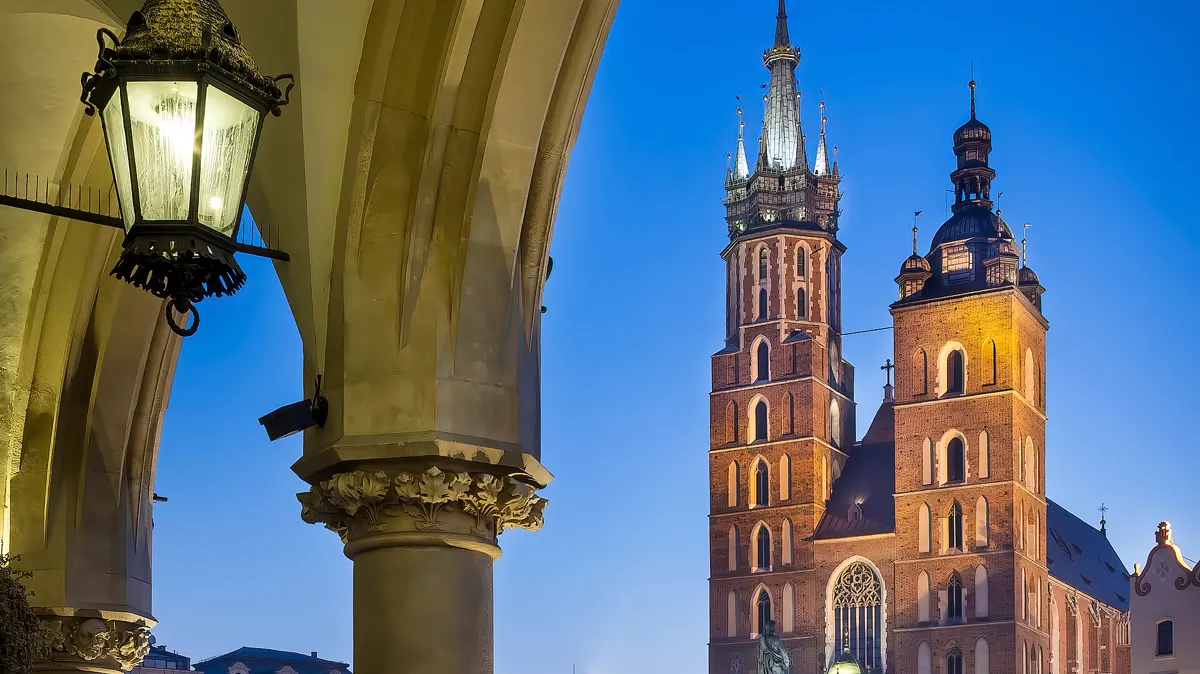
St Mary's Basilica
The brick Gothic church on the main square, famous for its mismatched towers and a carved wooden altarpiece by Veit Stoss.
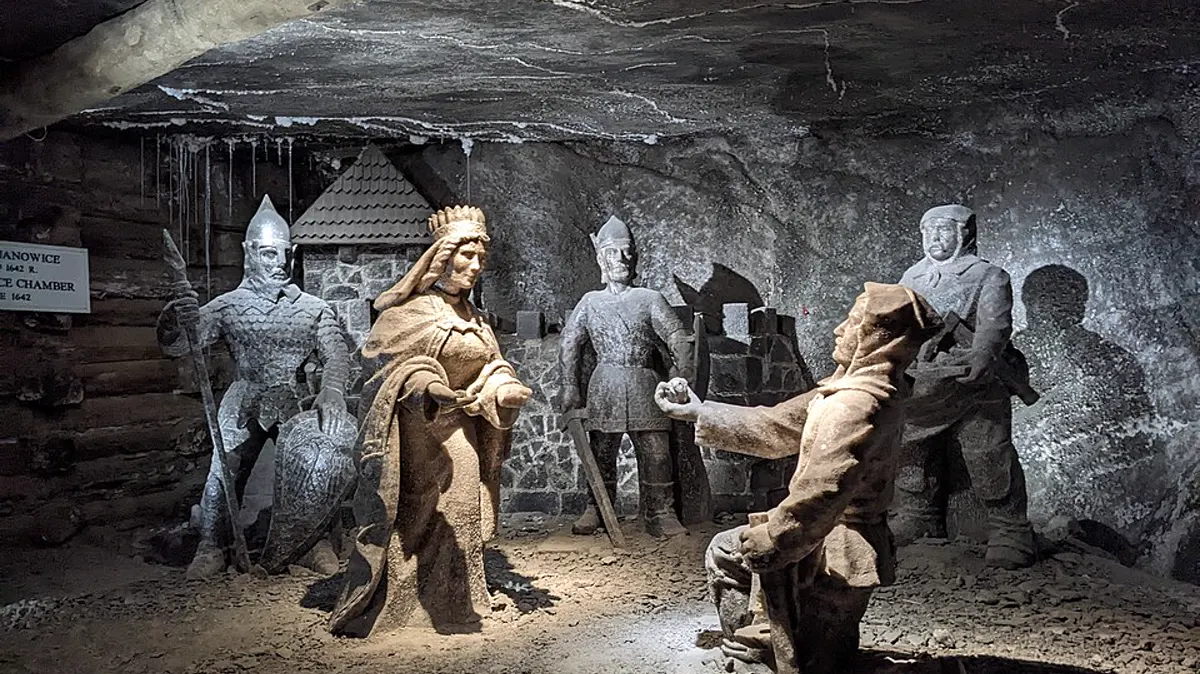
Wieliczka Salt Mine
A UNESCO-listed salt mine worked for seven centuries, with underground chapels, lakes and chambers carved entirely from rock salt.
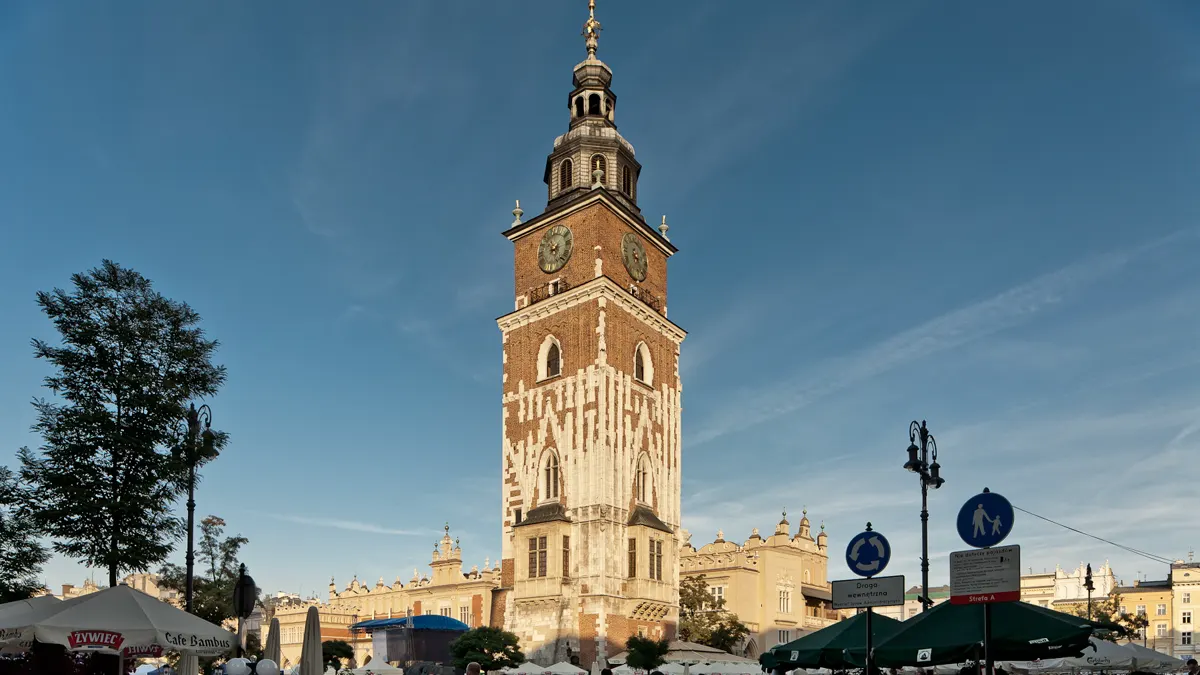
Town Hall Tower (Wieża Ratuszowa)
A 70-metre Gothic tower on Kraków's Main Market Square, the last surviving piece of the medieval town hall, with a climb to an observation deck above the Old Town.
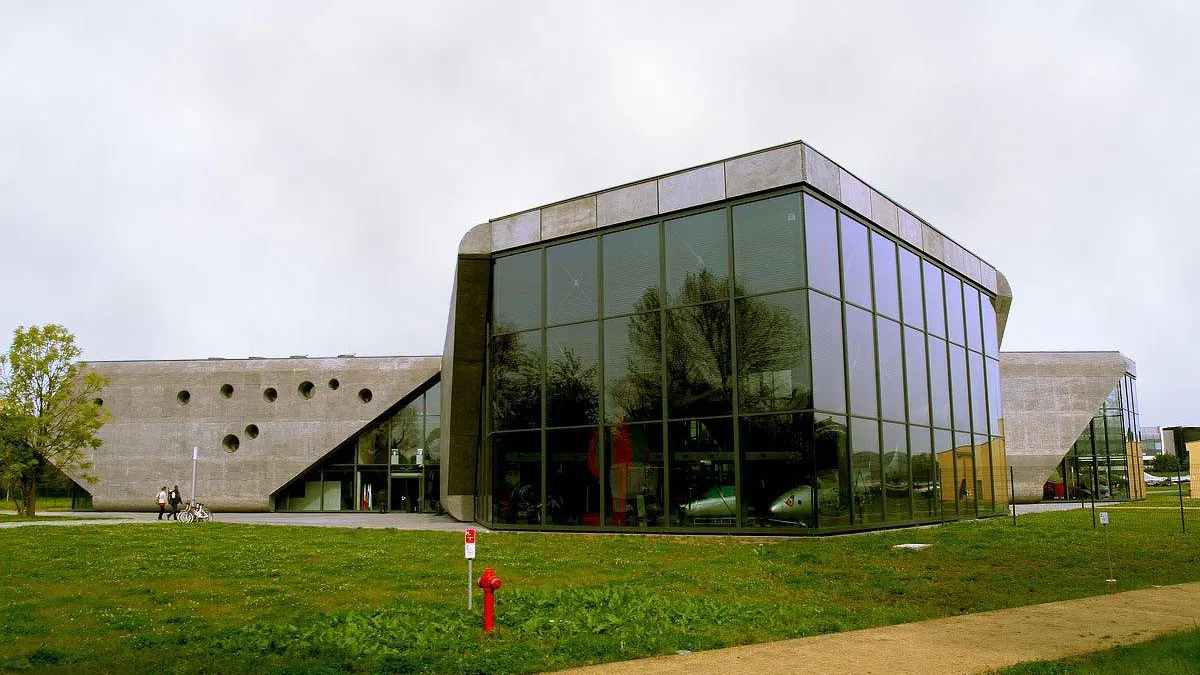
Polish Aviation Museum
One of the largest aviation collections in Europe, set on a historic Kraków airfield, with more than 200 aircraft and around 100 engines on display.
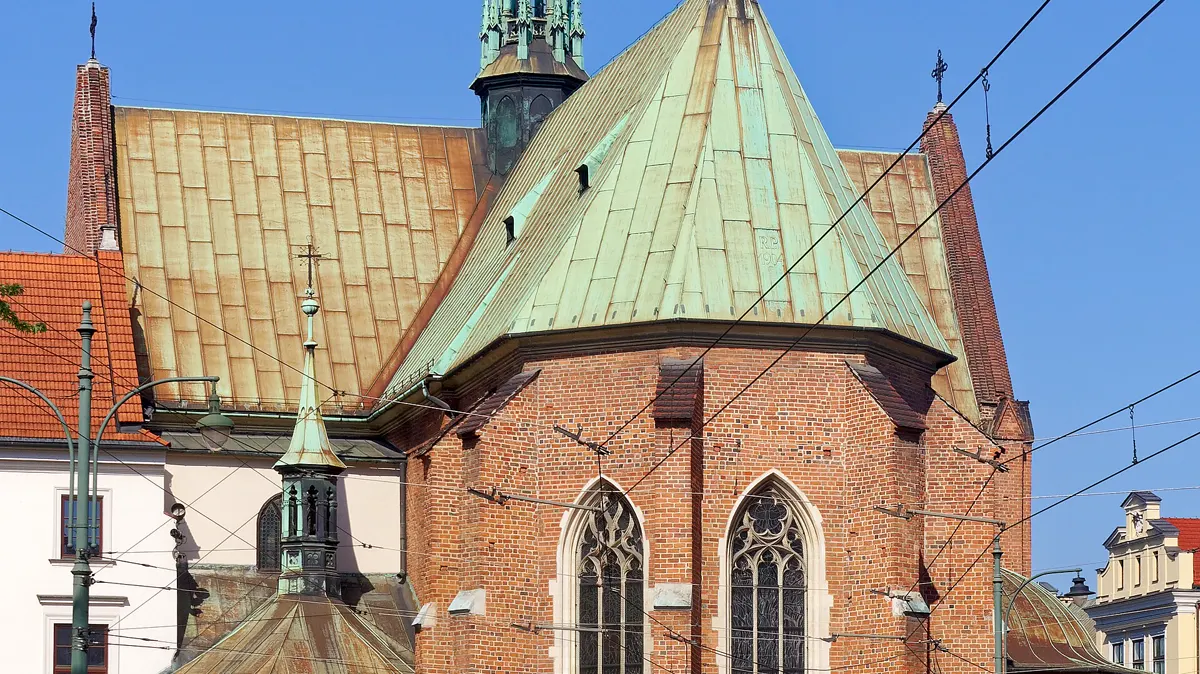
Basilica of St. Francis of Assisi
A 13th-century Franciscan church in Kraków's Old Town, known for its Art Nouveau interior by Stanislaw Wyspianski, including his monumental stained-glass window of God the Father.
More to explore in Kraków
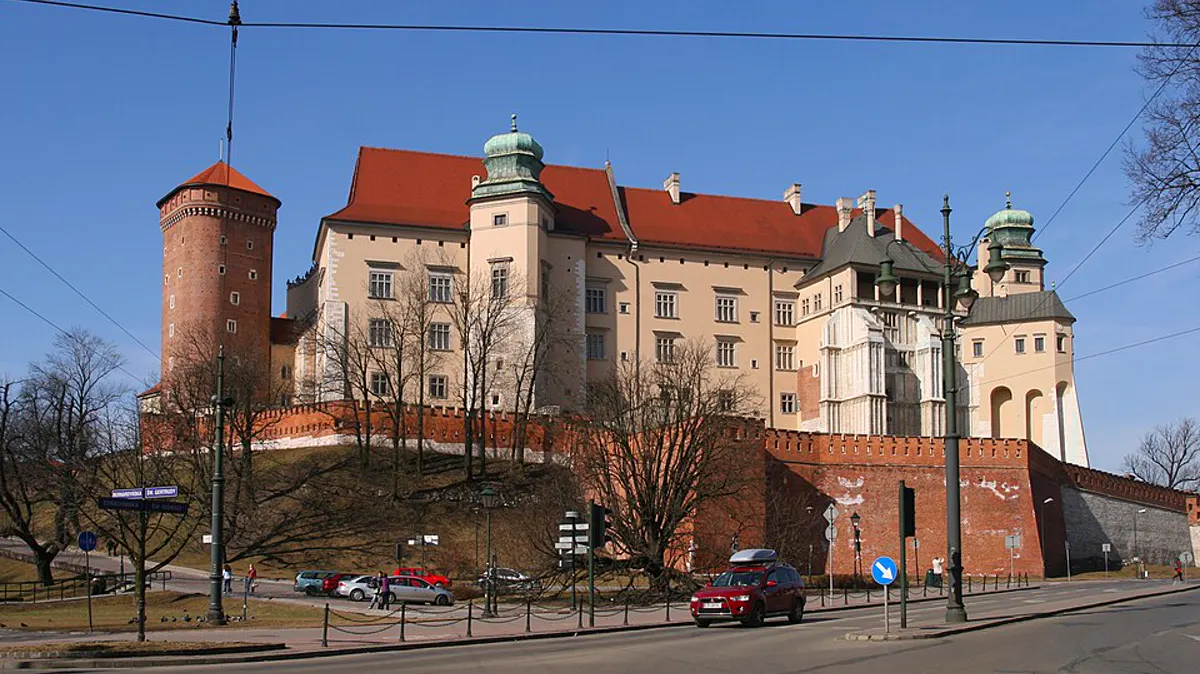
Castle
Wawel Castle
The royal castle and cathedral on the hill above the Vistula, the symbolic heart of the Polish nation for a thousand years.
Restaurant
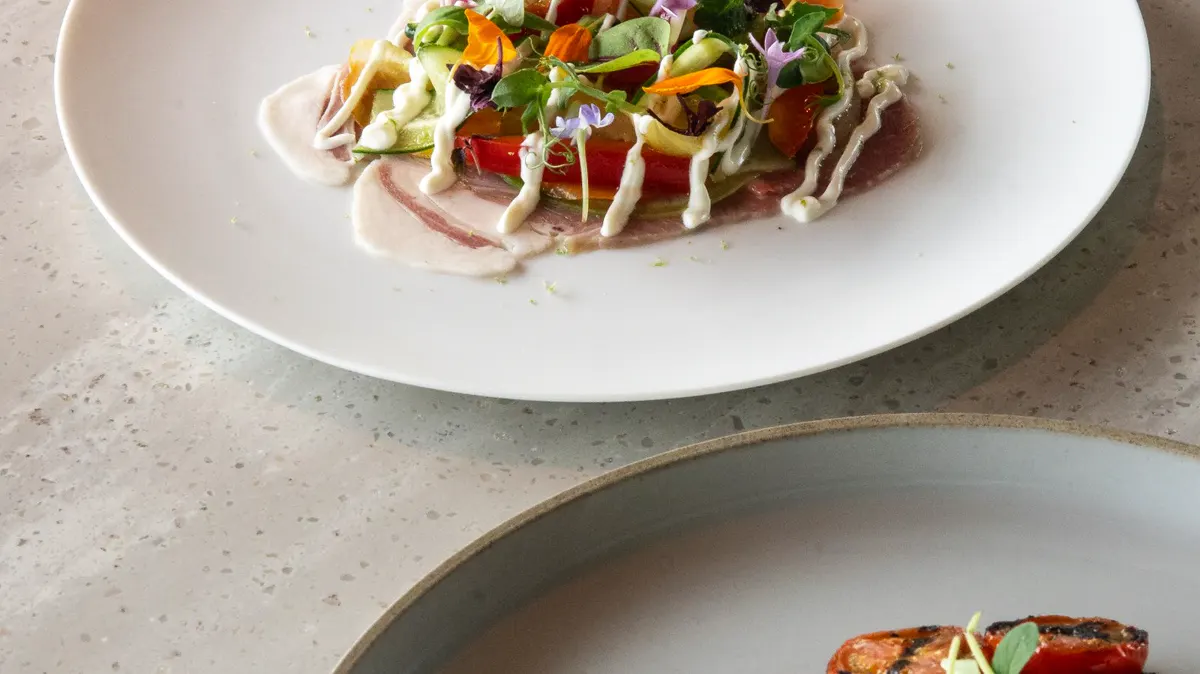
Bottiglieria 1881
Krakow's Michelin-starred tasting-menu room, a modern Polish kitchen paired with a deep wine cellar.
Hotel
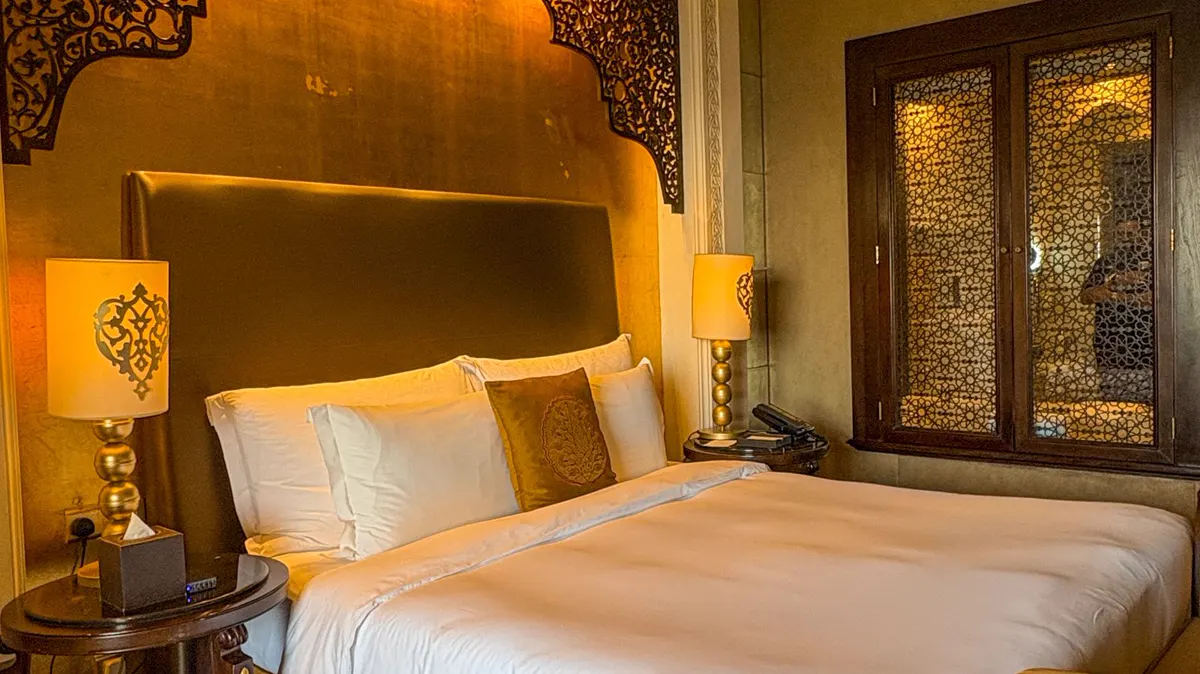
Hotel Copernicus
A Relais & Châteaux townhouse on the oldest street in the city, with a rooftop terrace facing Wawel.
Museum
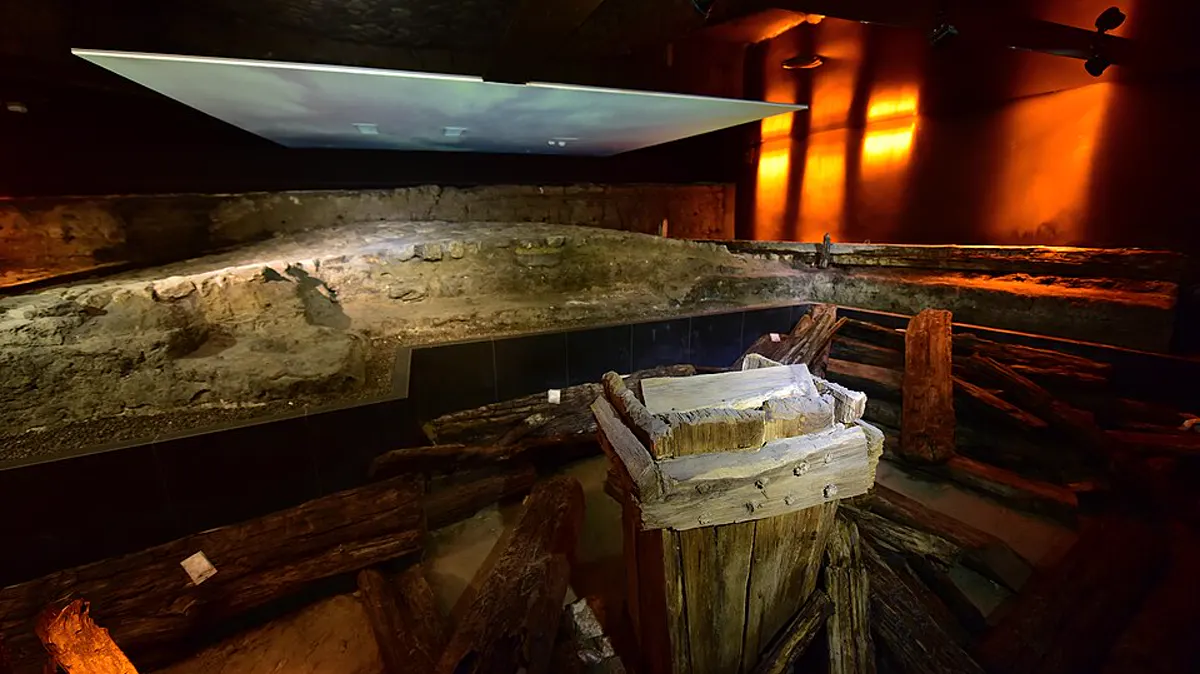
Rynek Underground
An atmospheric archaeology museum beneath the Main Square, walking you through the medieval market on its original cobbles.
Hotel
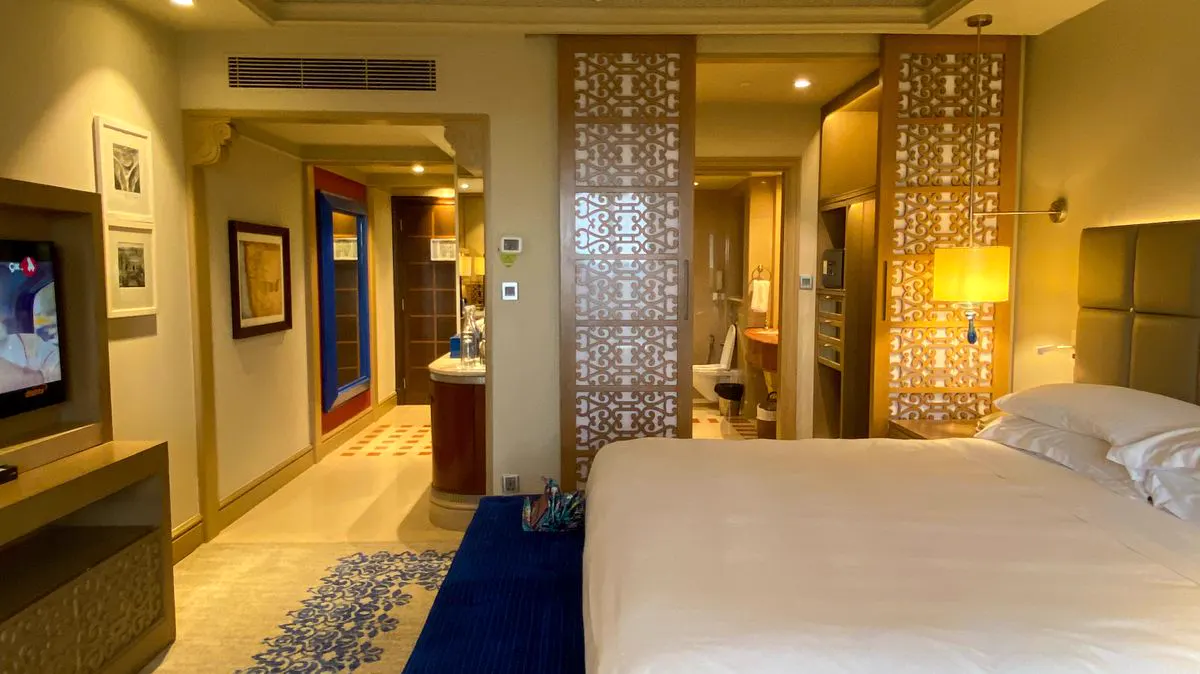
PURO Krakow Kazimierz
A design hotel in the Jewish quarter with a buzzing bar and bikes for guests.
Nature
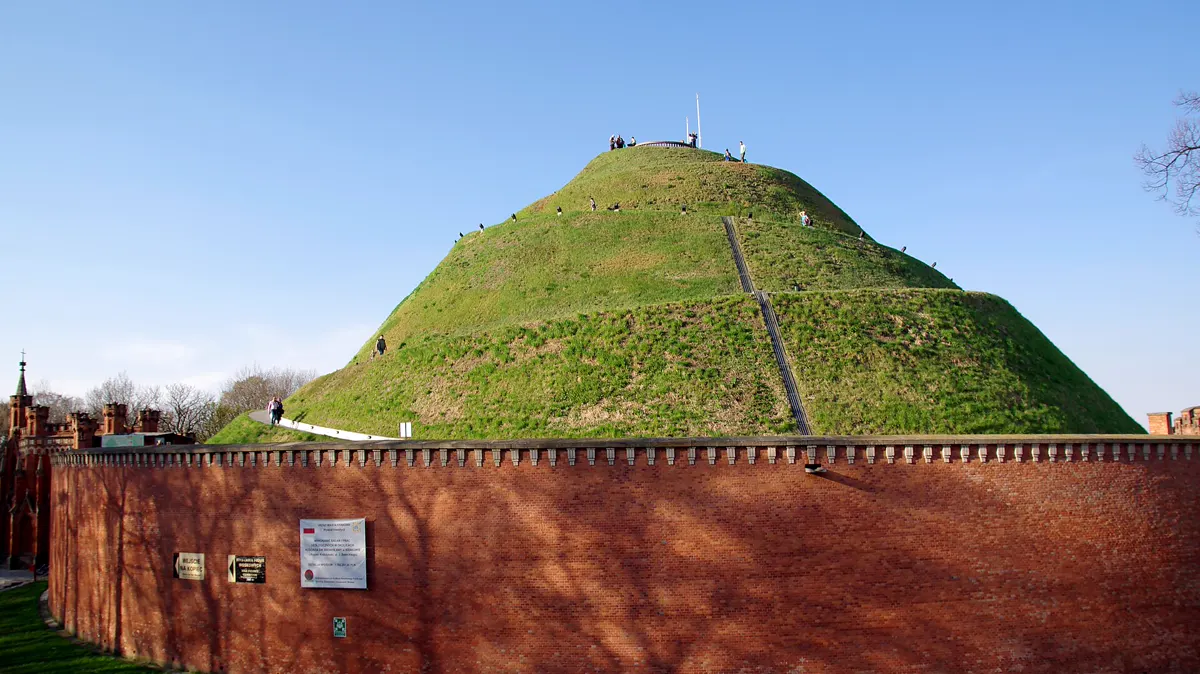
Wolski Forest & Kosciuszko Mound
The city's big western woodland, with trails, the zoo and a viewpoint mound over the whole valley.