Attraction in Toruń
Planetarium
Housed in a former 19th-century gas holder, Torun's planetarium projects astronomy shows under a large dome in fitting tribute to the birthplace of Copernicus. It is one of the most visited planetariums in Poland.
Reviewed and updated July 2026
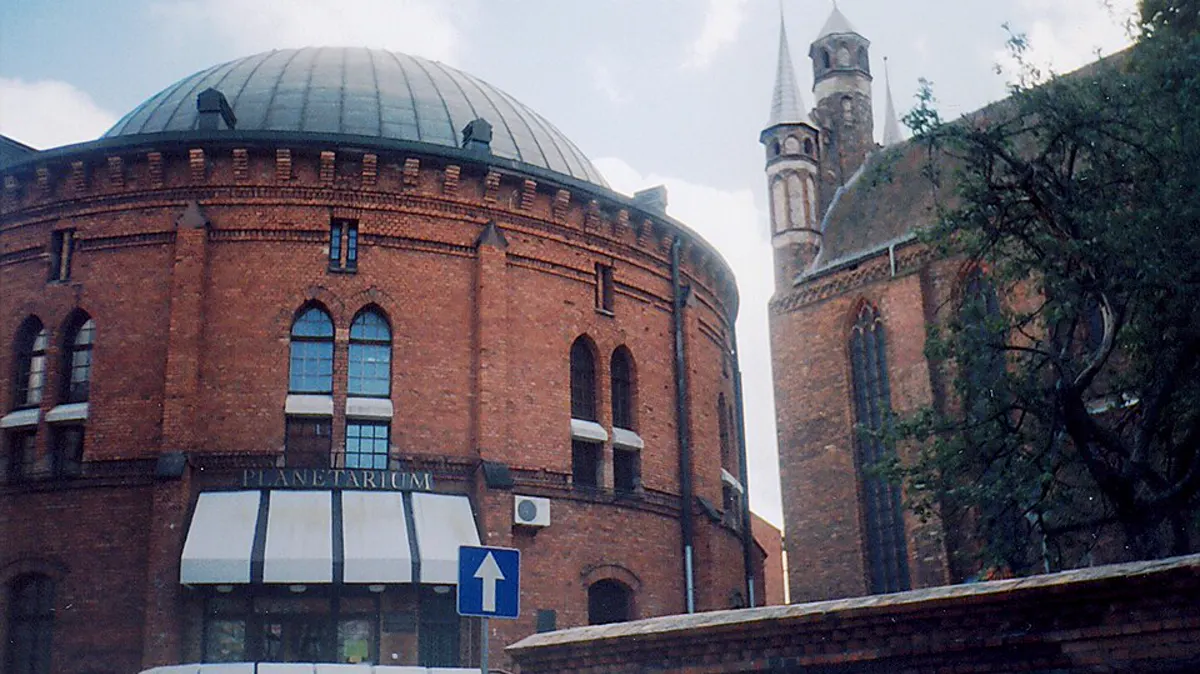
Torun's planetarium sits inside a converted 19th-century gas holder, its round brick shell a natural fit for a dome. Shows are projected onto the large dome inside, covering the night sky and space, and the setting nods to the city's most famous son, Nicolaus Copernicus, who was born here. It opened in 1994 and is one of the most visited planetariums in Poland.
Why visit Torun's planetarium
Astronomy is Torun's calling card, and this is where the theme turns into something to do rather than just a name on a statue. It works on two levels. The building itself is a piece of industrial heritage, an old gasworks tank given a new life, and the dome shows are a comfortable, seated hour that suits families and rewards anyone curious about the sky. It is also one of the best indoor options in town when the weather turns.
What to expect from the shows
The main draw is the dome shows, projected overhead while you sit back in the dark, with a programme that changes and includes sessions pitched at children as well as adults. Interactive exhibits on astronomy and physics sit alongside the dome. Screenings run to fixed start times and most are in Polish, with English shows or translation available at some sessions, so check the timetable before you go.
The former gas holder
The planetarium occupies a gas holder from the old municipal gasworks, a circular brick drum built to store town gas in the 19th century. The shape that once held a rising gas tank now carries a projection dome, which is why the astronomy sits under industrial-era brick rather than a purpose-built shell. It is named after the astronomer Wladyslaw Dziewulski.
How long to spend
A single dome show runs under an hour. With one screening and a look at the exhibits, plan for an hour to ninety minutes. Add time if you queue for tickets on a busy day or take in more than one session.
Best time to catch a show
Because everything is indoors and timed, this is a good rainy-day or winter stop, and a useful midday break from walking the old town. Weekends and school holidays are the busiest, so aim for a weekday session or book ahead. Choose a screening whose language and theme suit your group.
Finding the planetarium
The planetarium is in the old town on ulica Franciszkanska, a short walk from the Old Town Market Square. Pair it with the Cathedral of St John, where Copernicus was baptised, and the House of Copernicus. See the Torun guide for getting into the city.
What's nearby
The Copernicus trail is all within a few minutes on foot:
- The House of Copernicus, the museum in his birthplace.
- The Old Town Hall and District Museum on the market square.
- The Leaning Tower down by the walls.
Good to know
Shows run to a timetable and popular sessions sell out, so book ahead. Check the planetarium's official channels for the programme, languages and tickets.
Common questions
Are the shows in English?
Most screenings are in Polish, but English shows or translation are offered at some sessions. Check the timetable and pick a suitable slot before you buy tickets.
Is it good for children?
Yes. The programme includes shows aimed at younger visitors, and the interactive exhibits give restless children something to do between screenings.
Frequently asked questions
More attractions in Toruń
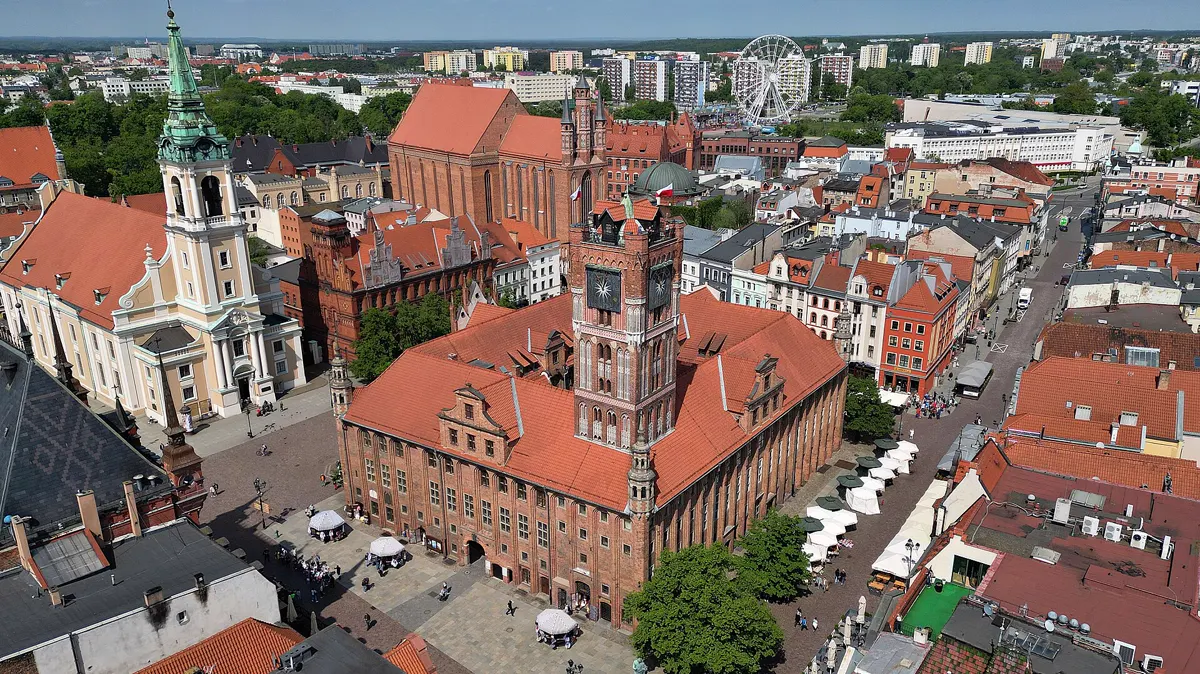
Torun Old Town
A genuine, war-survived medieval centre of brick Gothic churches, granaries and gabled houses around the Old Town Market Square.
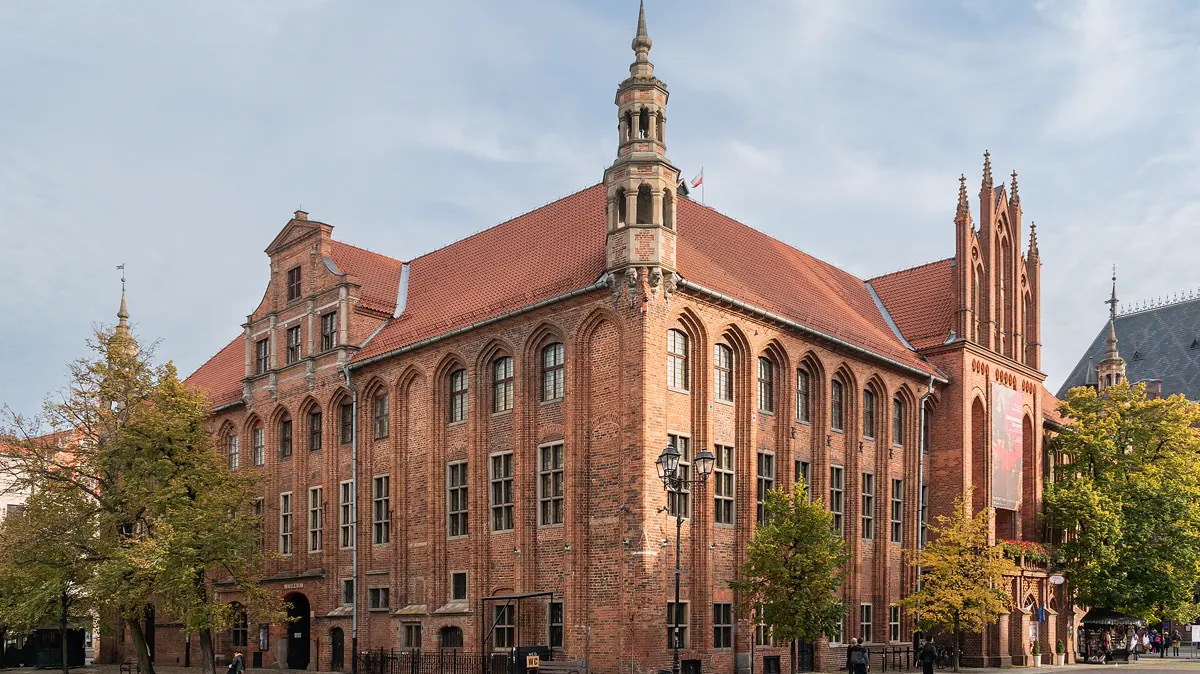
Ratusz Staromiejski
One of the finest municipal Gothic buildings in Central Europe, the Old Town Hall dates from the late 14th century and now houses the District Museum. Its tall tower offers sweeping views over the red-roofed old town and the Vistula.
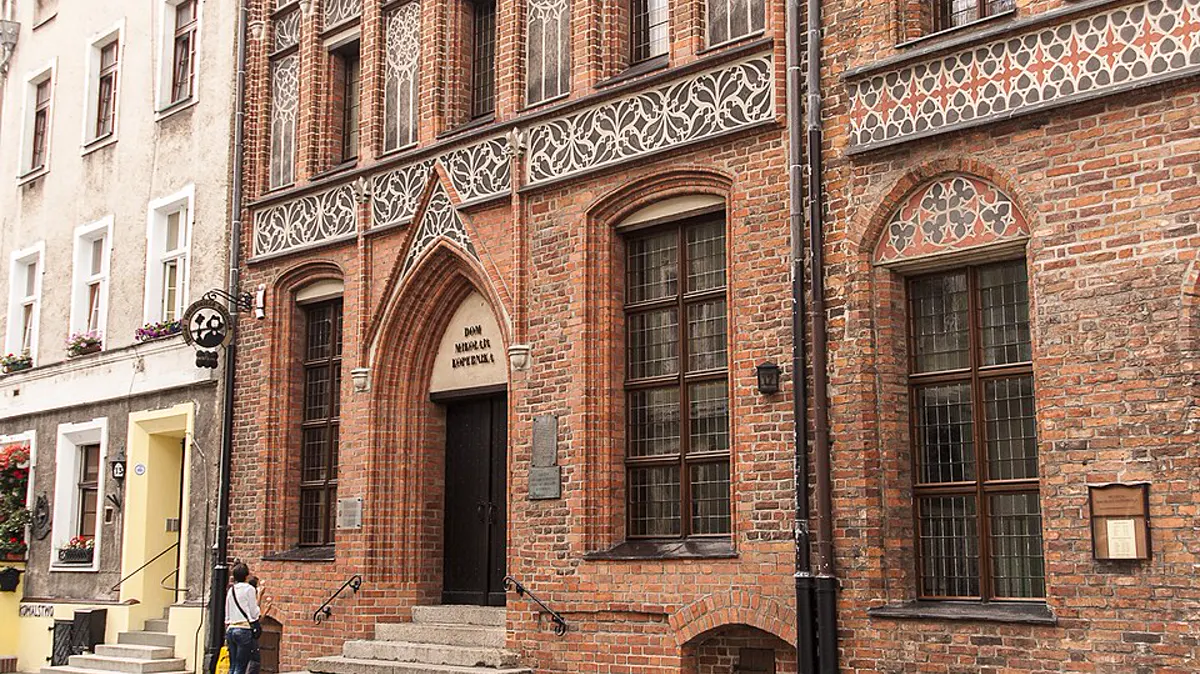
Dom Kopernika
A pair of Gothic burgher houses believed to be the birthplace of Nicolaus Copernicus in 1473, now a museum devoted to the astronomer's life and era. Exhibits recreate a 15th-century merchant household and display period instruments.
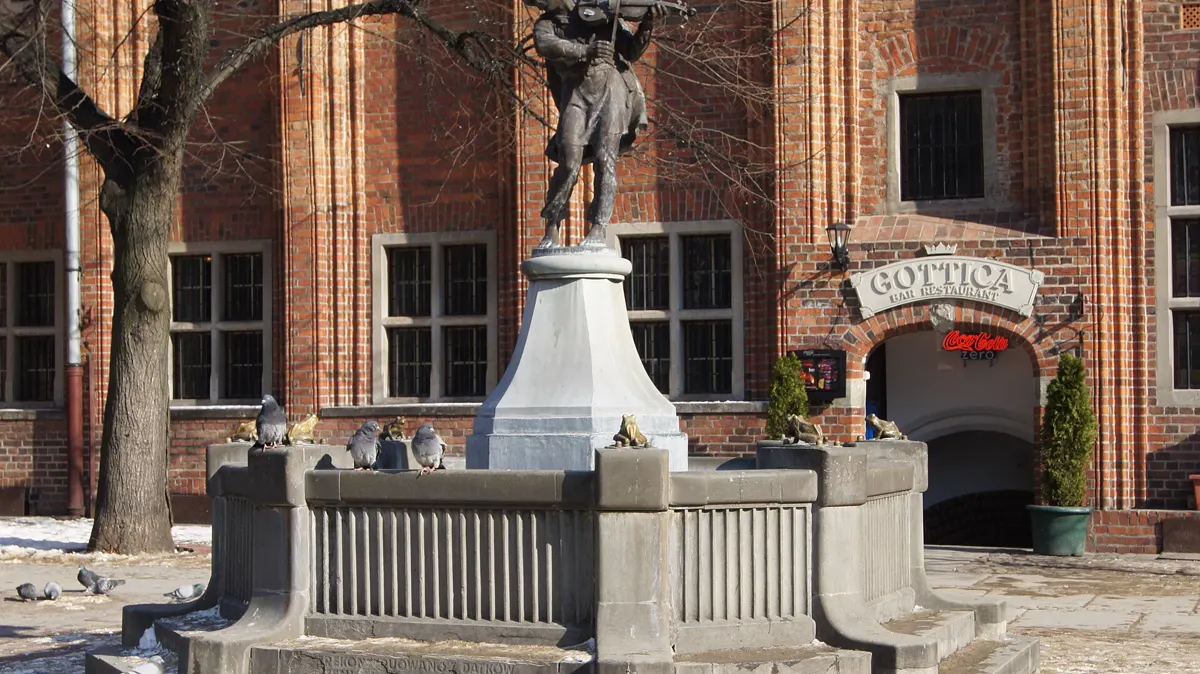
Raftsman Fountain (Flisak Monument)
A small 1914 fountain on Toruń's Old Town Market Square showing a raftsman playing a violin among bronze frogs, tied to a local legend about a plague of frogs.
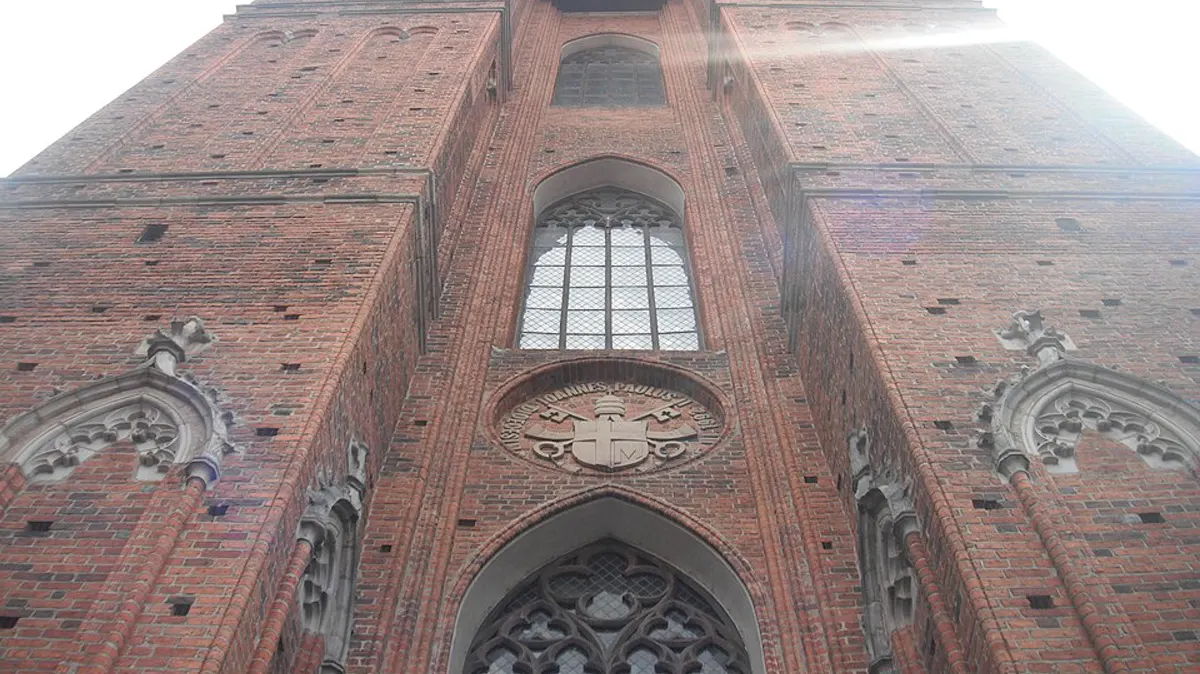
Katedra sw. Janow
The soaring Cathedral of Saints John the Baptist and John the Evangelist is a monumental brick Gothic church begun in the 13th century. It holds the Tuba Dei, one of Poland's largest medieval bells, and a font where Copernicus was baptised.
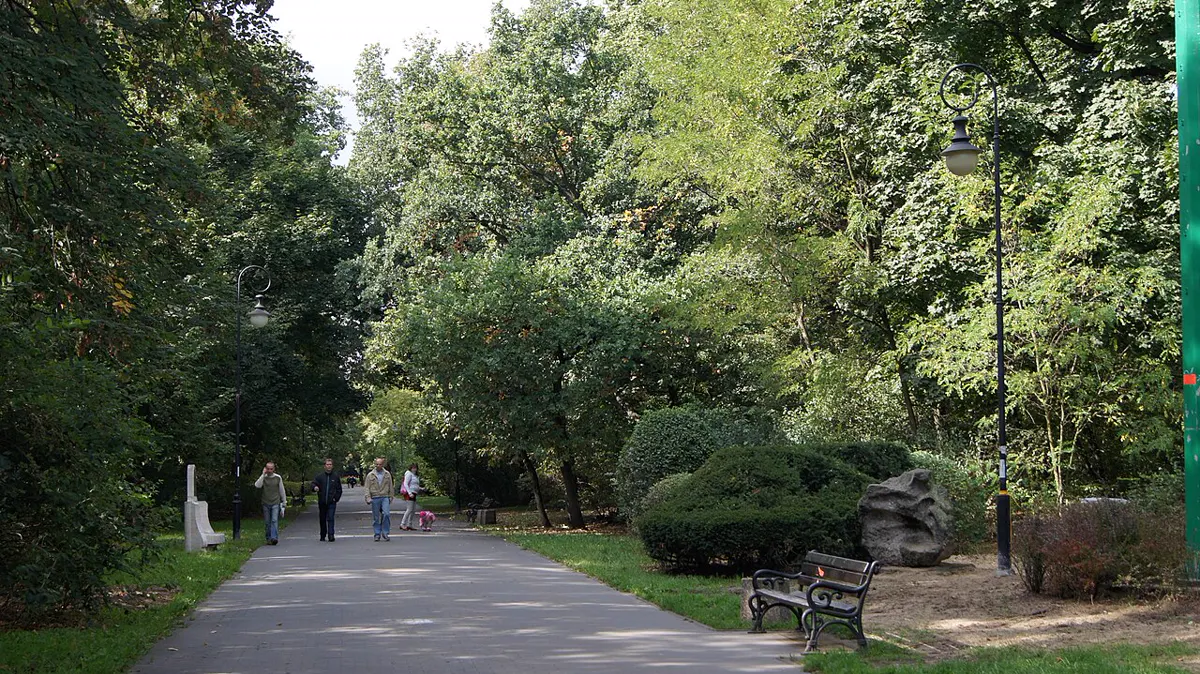
City Park on Bydgoskie Przedmieście
A leafy 19th-century municipal park on Toruń's western edge, laid out in 1817 near the Vistula and loved by locals for quiet walks and cycling.
Featured in
More to explore in Toruń
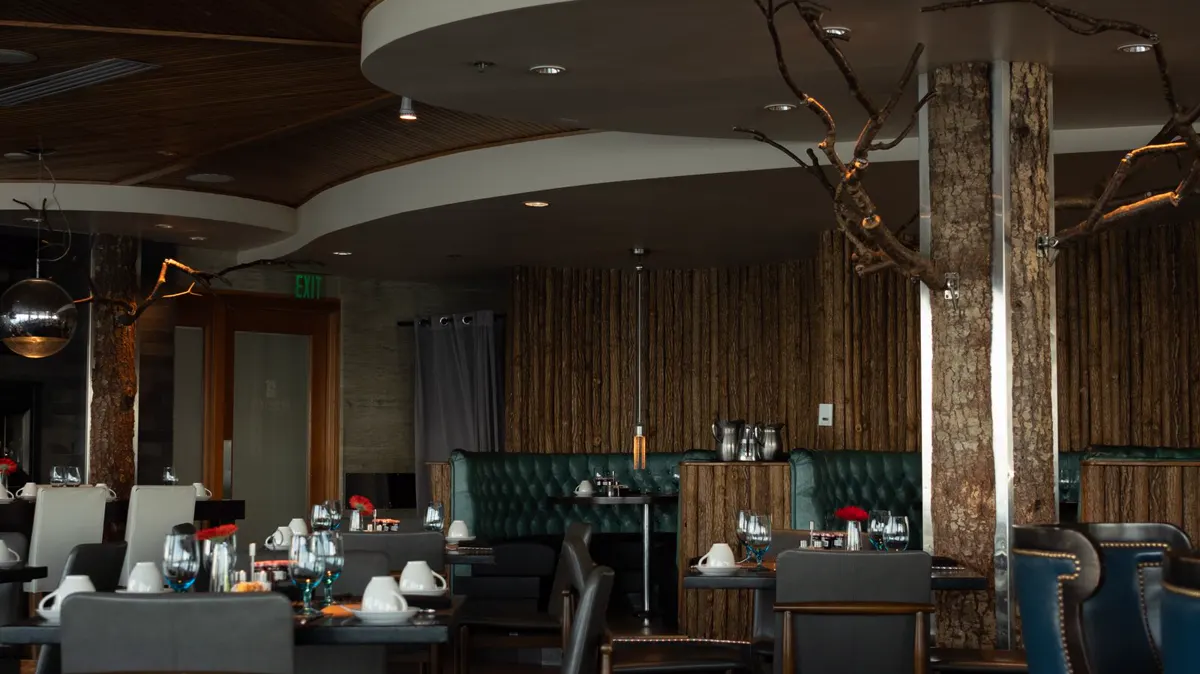
Restaurant
Manekin
A local legend for enormous sweet and savoury pancakes at gentle prices.
Hotel
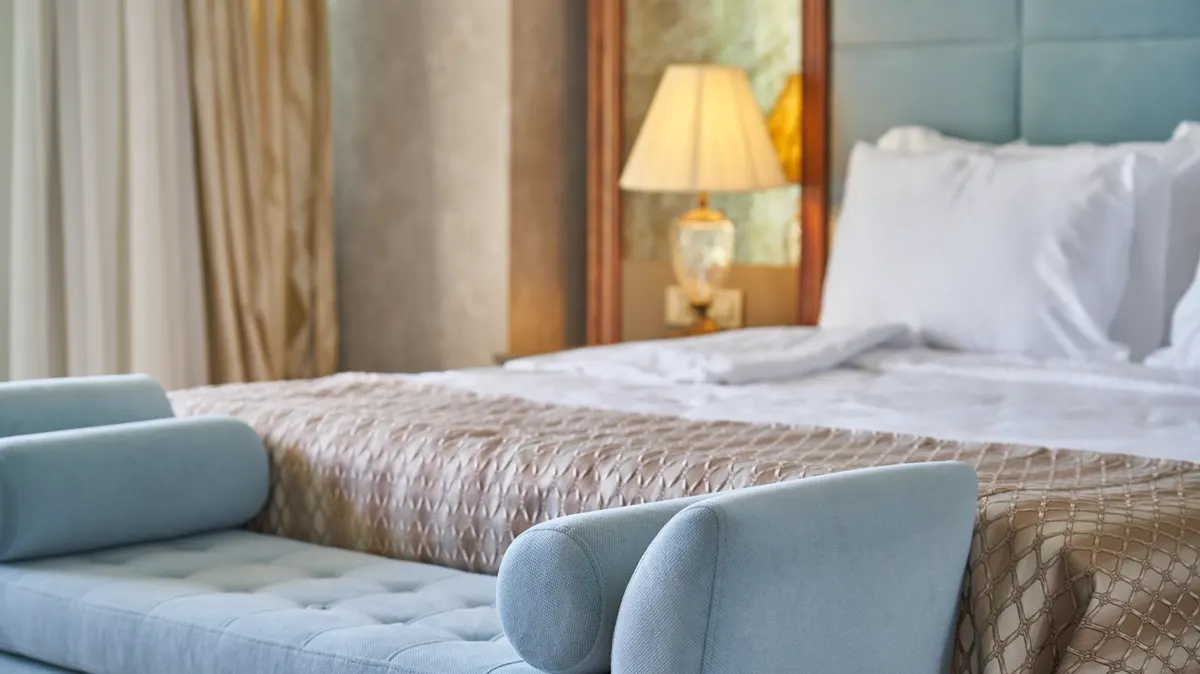
1231 Hotel
A design hotel inside a 13th-century mill by the moat, with a spa and a well-regarded restaurant.

Restaurant
Karczma Gesia Szyja
A rustic inn in the old town leaning into goose and other regional specialities.
Hotel
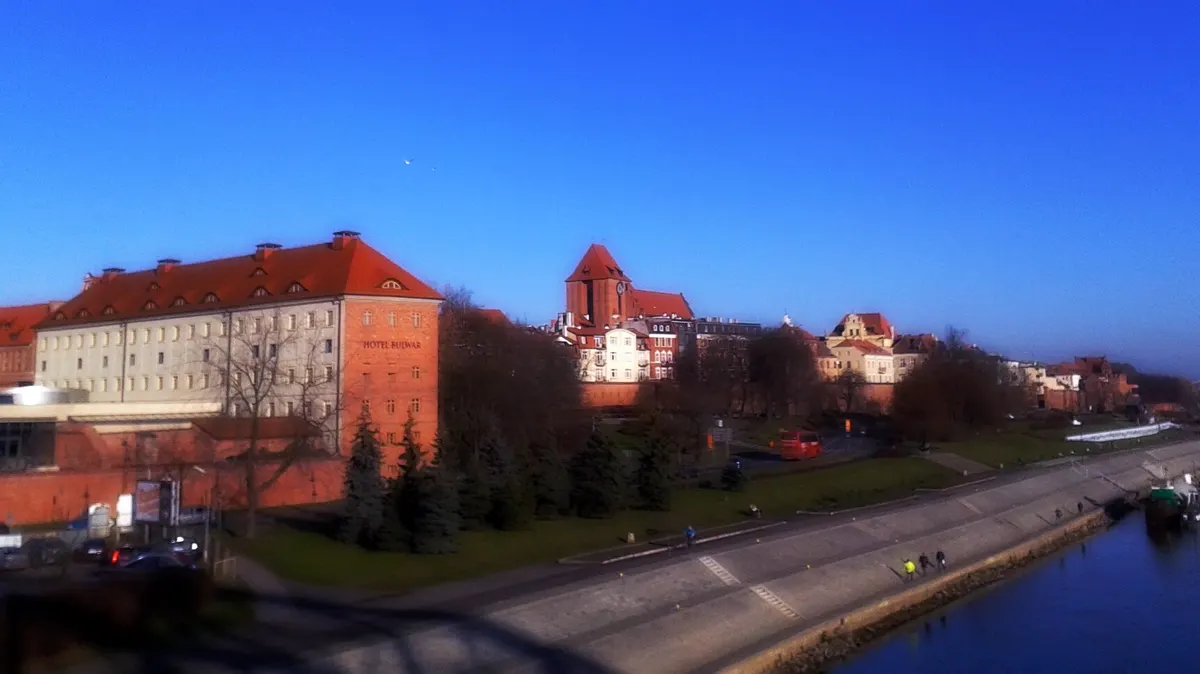
Hotel Bulwar
A comfortable hotel on the Vistula boulevard with the best gingerbread-skyline views.
Hotel
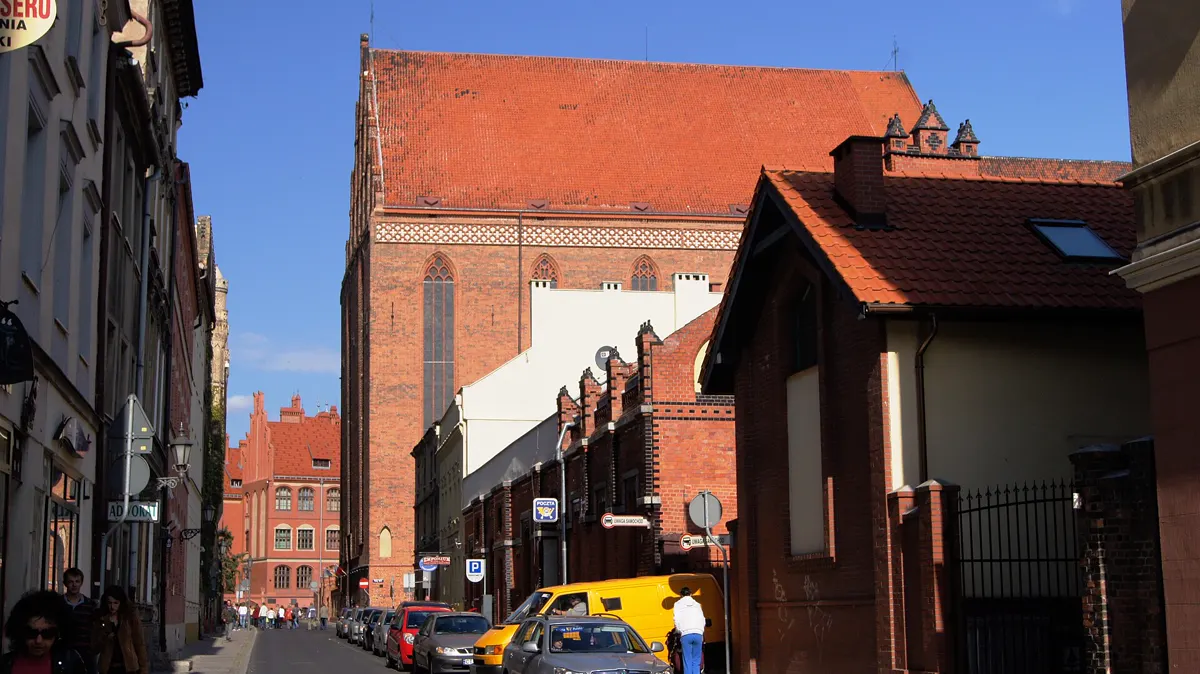
Hotel Gotyk
A small, characterful hotel inside a 14th century townhouse on ul. Piekary, inside the Old Town.
Hotel
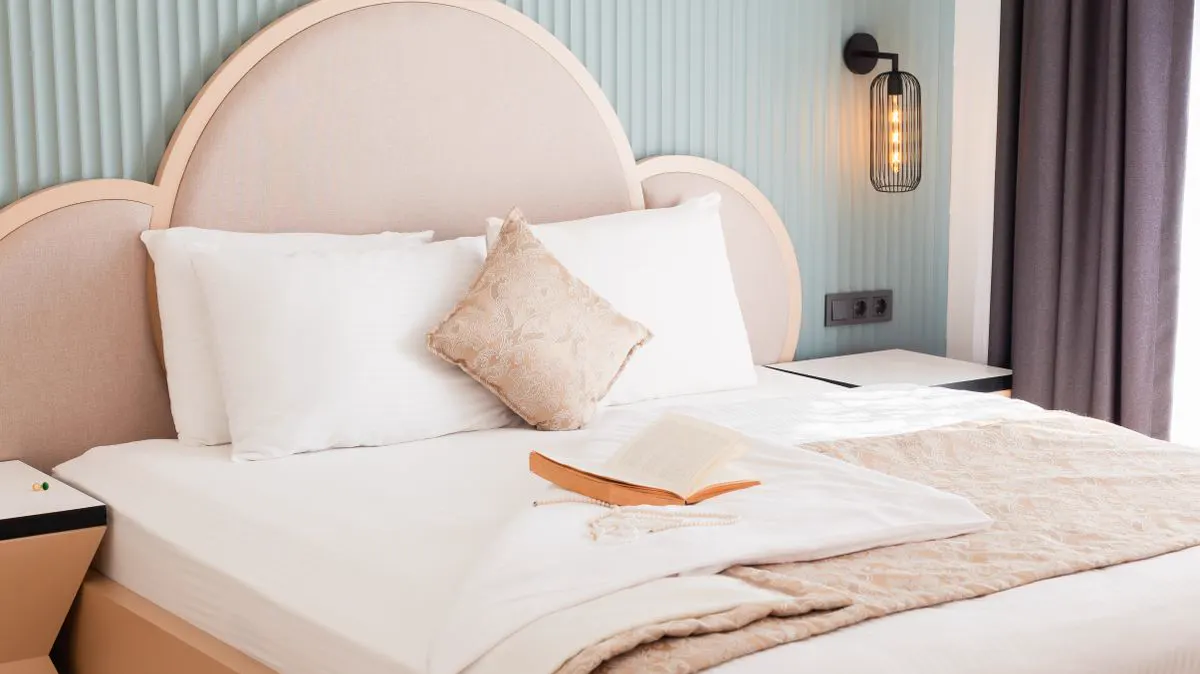
Hotel Petite Fleur
A cosy Old Town hotel in a historic tenement, known for its French cellar restaurant and central location near the Rynek.