Attraction in Warsaw
Centrum Nauki Kopernik
The Copernicus Science Centre on the Vistula riverbank offers hundreds of hands-on physics and biology exhibits plus a planetarium under a spherical dome. It is one of the most visited interactive science museums in Europe.
Reviewed and updated July 2026
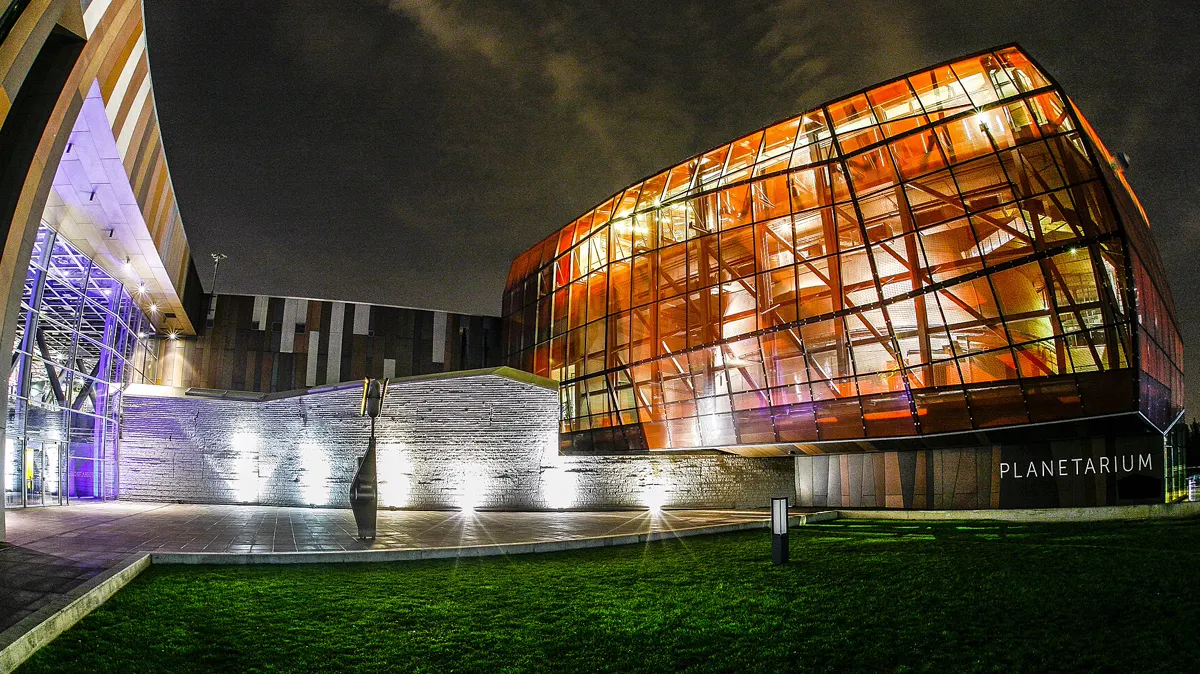
The Copernicus Science Centre (Centrum Nauki Kopernik) sits on the Vistula riverbank in central Warsaw. It is a hands-on science museum built for touching, pressing and testing rather than reading, with more than 450 interactive exhibits spread across several themed galleries. It opened in 2010 and has become one of the busiest science centres in Europe.
Why visit the Copernicus Science Centre
This is the best indoor stop in Warsaw for families and anyone who likes to work things out with their hands. Almost every exhibit is interactive, covering physics, biology, the human body and perception. It suits children and adults equally, and it is a reliable option on a wet or cold day. The centre also runs a separate planetarium under a spherical dome, showing films about the sky and space.
Hands-on exhibits to try
The main galleries hold experiments you operate yourself, from mechanics and light to living systems. Highlights include:
- Physics and mechanics stations you set in motion by hand.
- A biology and human body section, including exhibits on the senses and the brain.
- A dedicated zone for the youngest children.
- The planetarium, a domed theatre showing astronomy and full-dome films (a separate ticket).
Live science demonstrations and workshops run through the day. Check the day's programme when you arrive.
How long to spend
Allow at least two to three hours for the galleries. With children who want to try everything, and a planetarium show added on, it easily fills half a day.
Best time to visit
Weekends, school holidays and rainy days are the busiest, and entry is by timed ticket, so book online ahead in peak periods. Weekday mornings are the calmest. The centre limits numbers, so turning up without a ticket on a busy day can mean a long wait or no entry.
Getting to the science centre
The centre is on the Powisle riverbank below the city centre. The M2 metro line has a station named after it, Centrum Nauki Kopernik, right by the entrance, and several bus and tram routes stop nearby. From here you can walk up onto the Vistula Boulevards and follow the river north towards the Old Town. For orientation across the city, see the Warsaw guide.
What's nearby
The riverbank setting puts several places within a short walk:
- The Vistula Boulevards, the promenade running along the river outside the door.
- Warsaw's Old Town, a walk or short ride north along the water.
- The rooftop garden of Warsaw University Library, next door, one of the largest of its kind in the city.
Good to know
Buy timed tickets online before you go, especially at weekends and in the holidays. The planetarium needs a separate ticket. Check the centre's official site for current opening hours and prices.
Common questions
Is it good for adults, not just children?
Yes. The exhibits are designed to work for a range of ages, and adults tend to spend as long at them as children do. Evening sessions for adults run at times through the year.
Do I need to book in advance?
Entry is by timed ticket and the centre caps numbers, so booking online ahead is wise on weekends, holidays and wet days. On quiet weekday mornings you may get in on the day.
Frequently asked questions
More attractions in Warsaw
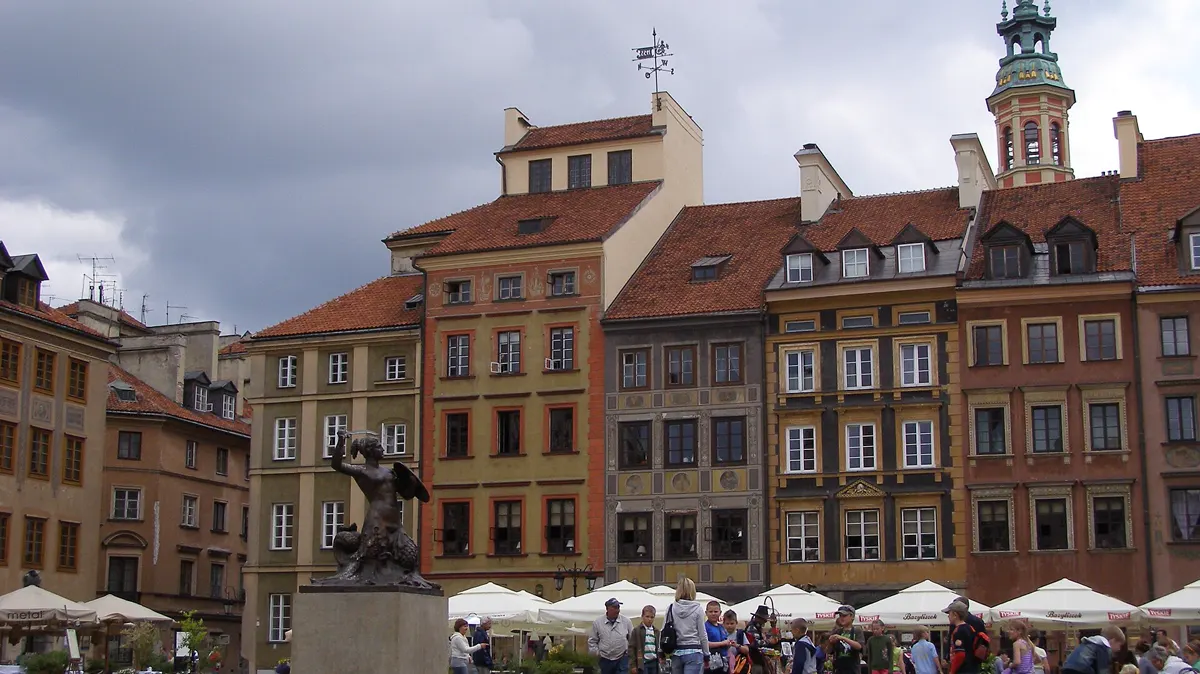
Old Town Market Square
The reconstructed heart of Warsaw Old Town, a UNESCO-listed feat of post-war rebuilding ringed by colourful townhouses.
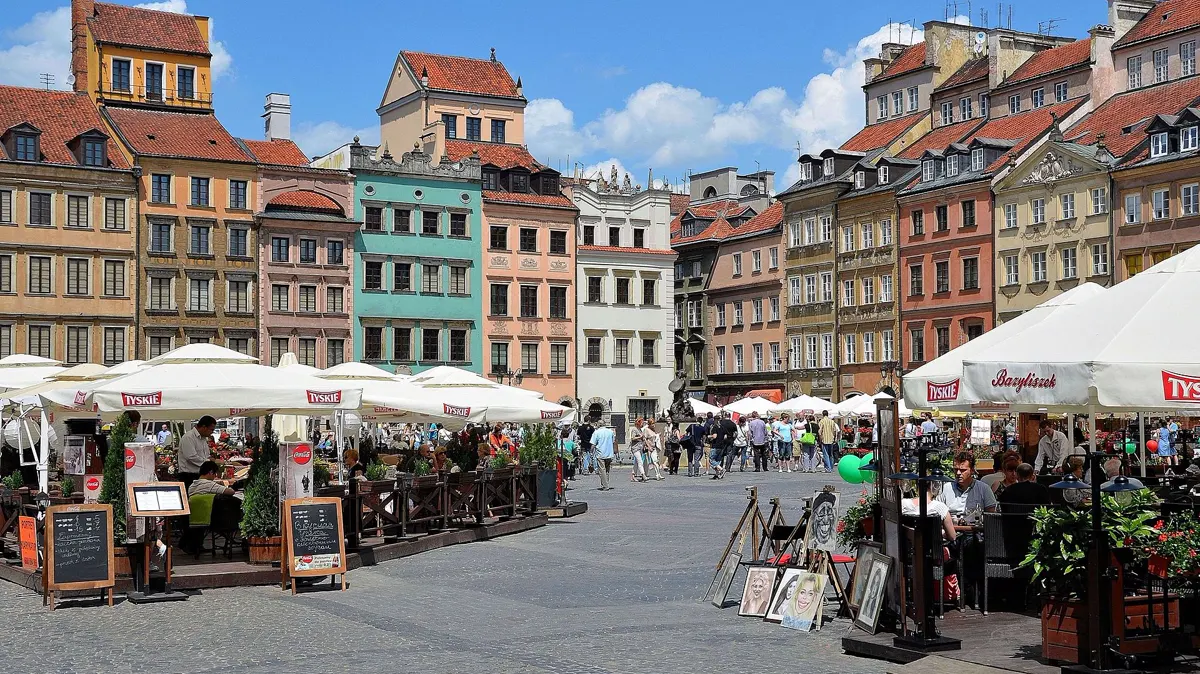
Stare Miasto (Warsaw)
Warsaw's Old Town was rebuilt from rubble after World War II so faithfully that UNESCO added it to the World Heritage list. Its Market Square is lined with pastel merchant houses and centred on the bronze Mermaid statue, the city's symbol.
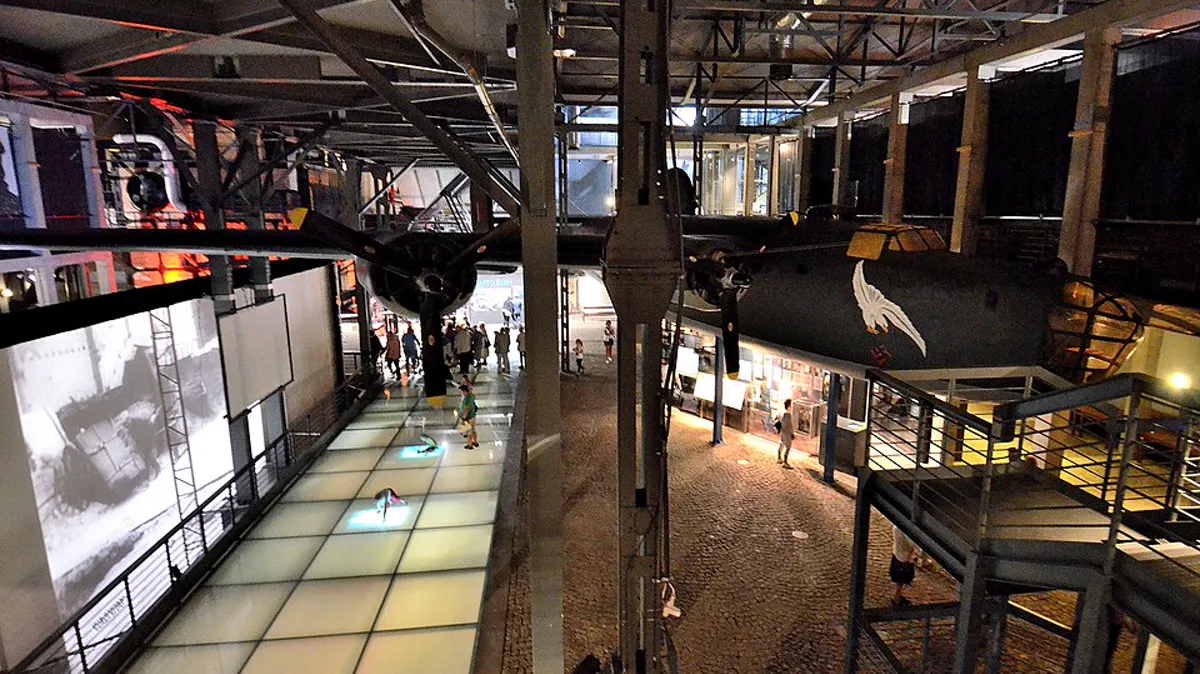
Muzeum Powstania Warszawskiego
The Warsaw Uprising Museum documents the 63-day insurrection of 1944 through survivor recordings, a replica Liberator bomber, and a beating-heart sound installation. It sits in a former tram power station in the Wola district.
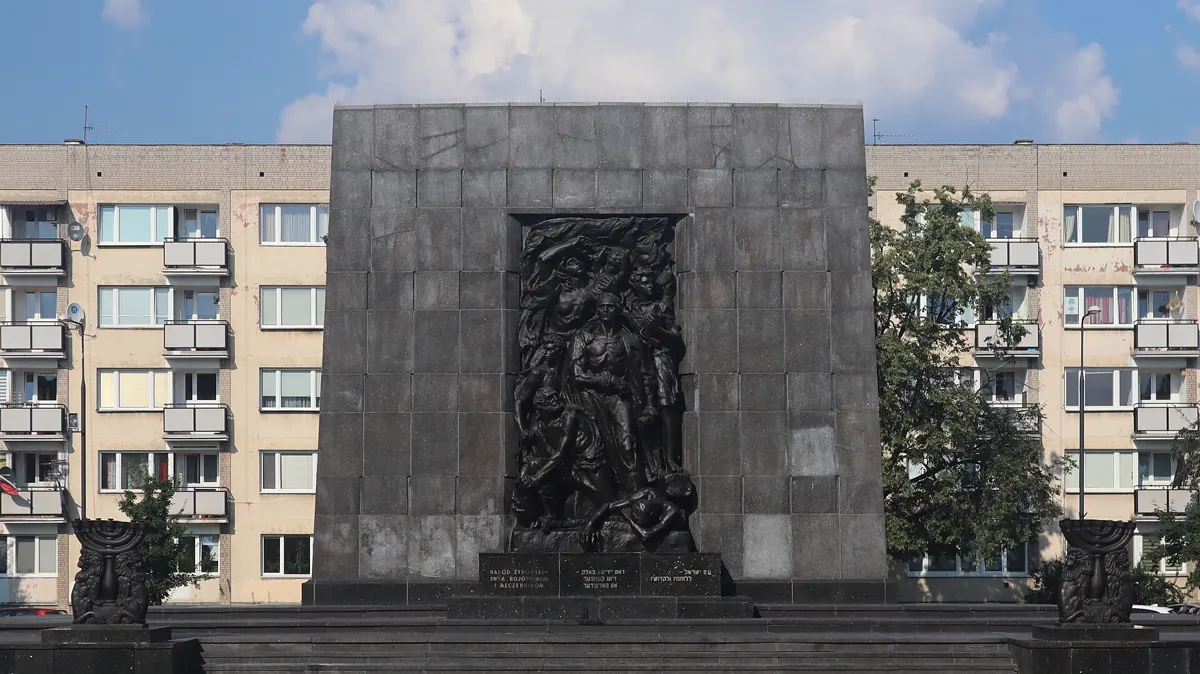
Ghetto Heroes Monument
A 1948 memorial in Warsaw's Muranow district honouring the Jews who fought and died in the 1943 Warsaw Ghetto Uprising, and the site of Willy Brandt's famous 1970 gesture of contrition.
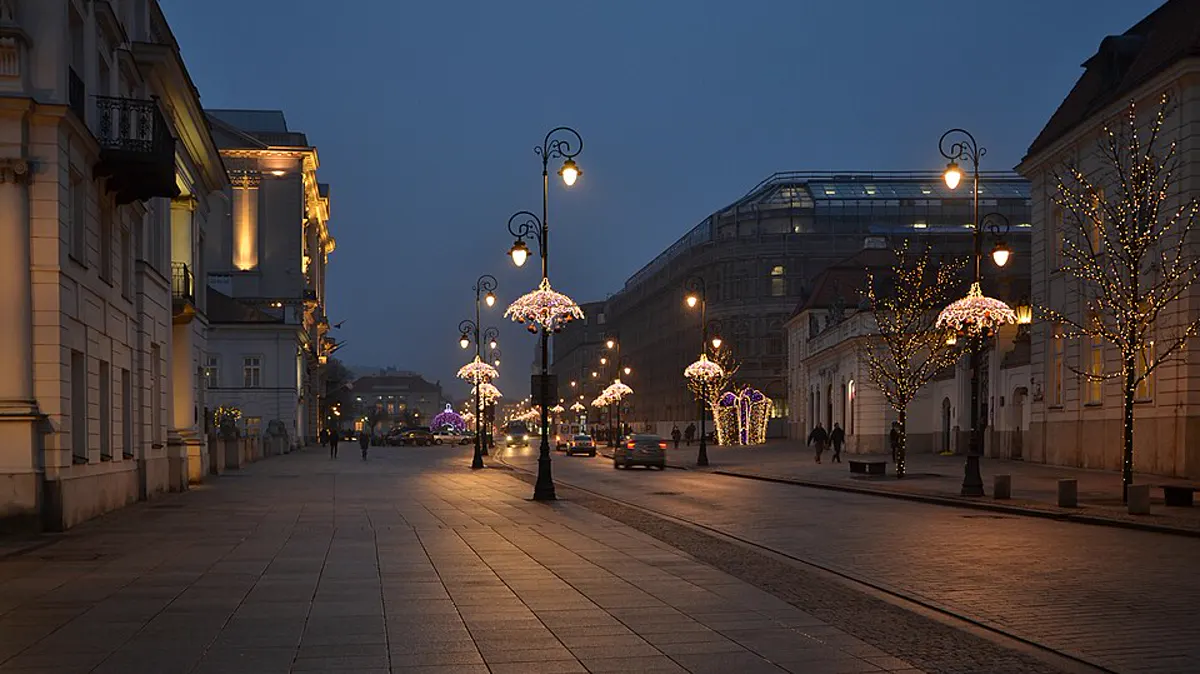
Krakowskie Przedmiescie (Warsaw)
This elegant Royal Route boulevard links the Old Town to the university and is lined with churches, palaces and the Presidential Palace. The Holy Cross Church here holds an urn containing Fryderyk Chopin's heart.
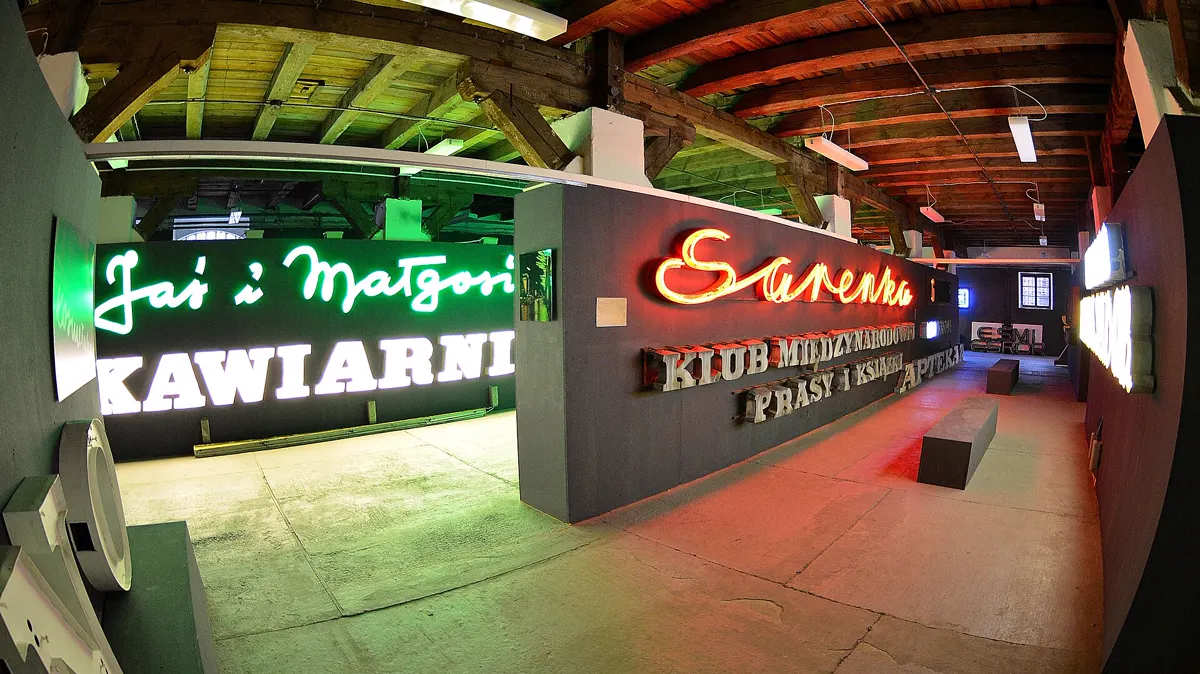
Neon Museum
The Neon Museum in Warsaw preserves the glowing signs of Poland's communist era, with more than 100 restored neons on display at its home in the Palace of Culture and Science.
Featured in
More to explore in Warsaw

Restaurant
Nolita
A Michelin Guide-listed kitchen turning Polish produce into precise modern tasting menus.
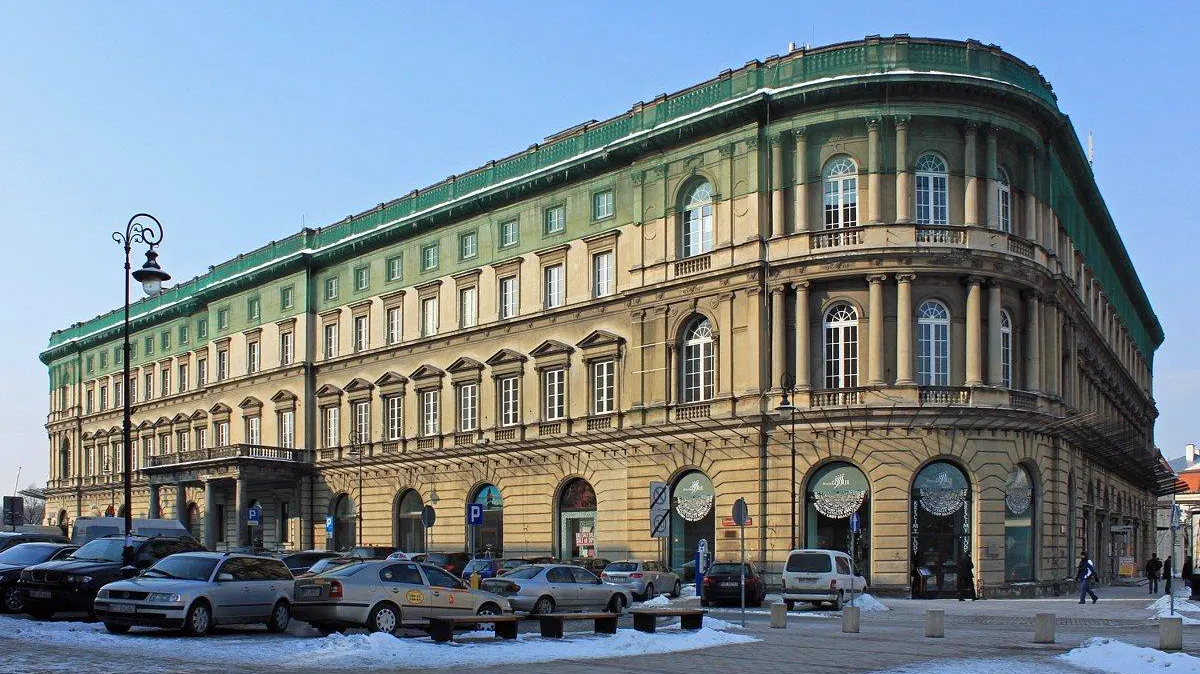
Hotel
Raffles Europejski Warsaw
A landmark 19th-century hotel on the Royal Route, reborn with a serious art collection.
Castle
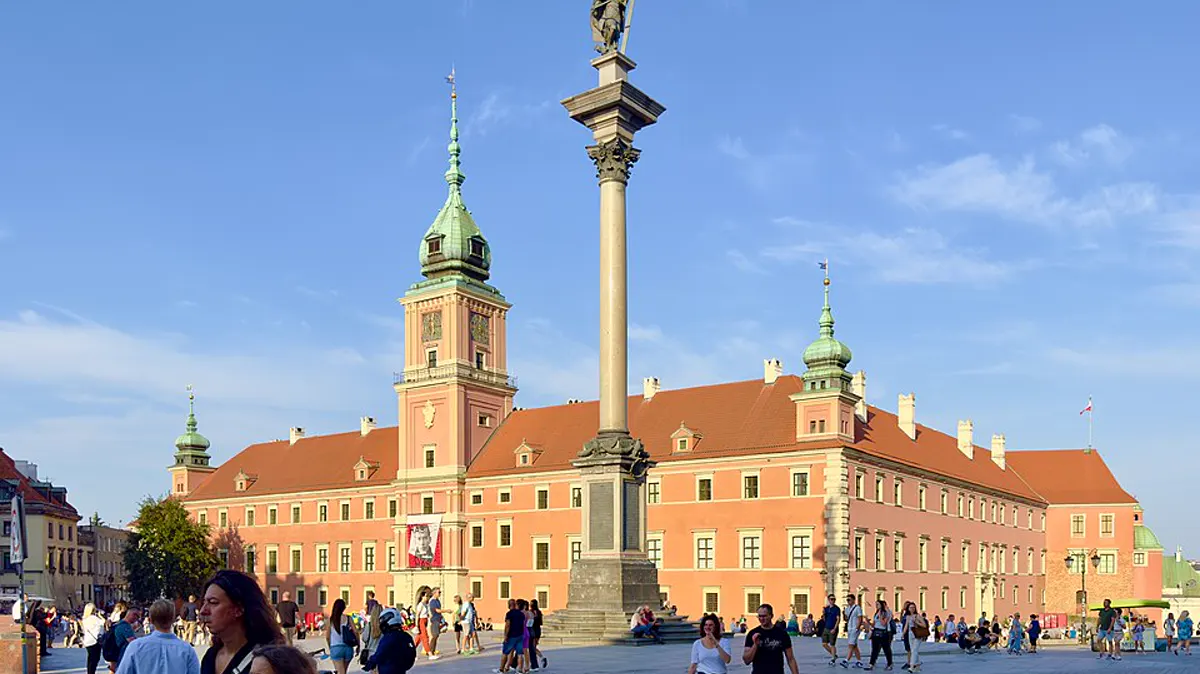
Royal Castle
The reconstructed seat of Polish kings and parliament on Castle Square, rebuilt from rubble after wartime destruction.
Museum
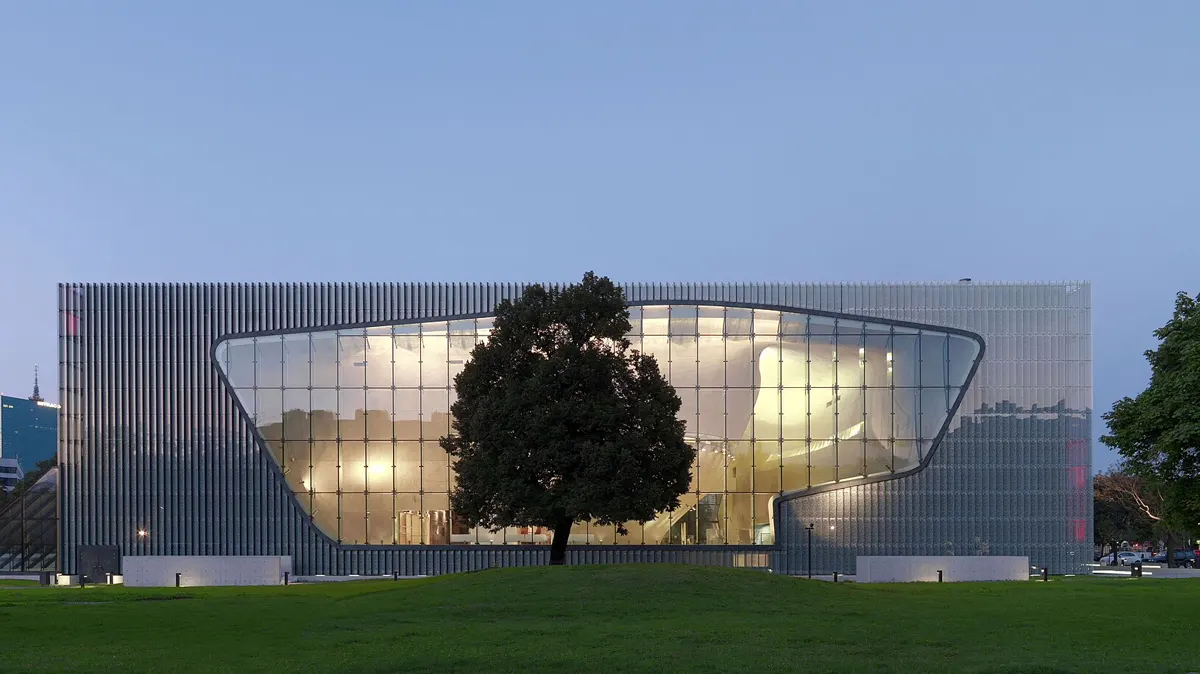
POLIN Museum of the History of Polish Jews
An award-winning museum tracing a thousand years of Jewish life in Poland, on the site of the former Warsaw Ghetto.

Hotel
Oki Doki Old Town Hostel
A long-running, art-themed hostel on ulica Dluga by the Old Town, with private rooms as well as dorms. Sociable, central, and budget-friendly.

Restaurant
Charlotte Menora
A French bakery on Plac Grzybowski with sun-trap tables, ideal for a slow morning.