Attraction in Kraków
Kopiec Kosciuszki
An artificial mound raised in the 1820s to honour national hero Tadeusz Kosciuszko, built partly with soil from his battlefields. From its summit and the surrounding fort there are sweeping views over the city and, on clear days, the Tatra Mountains.
Reviewed and updated July 2026
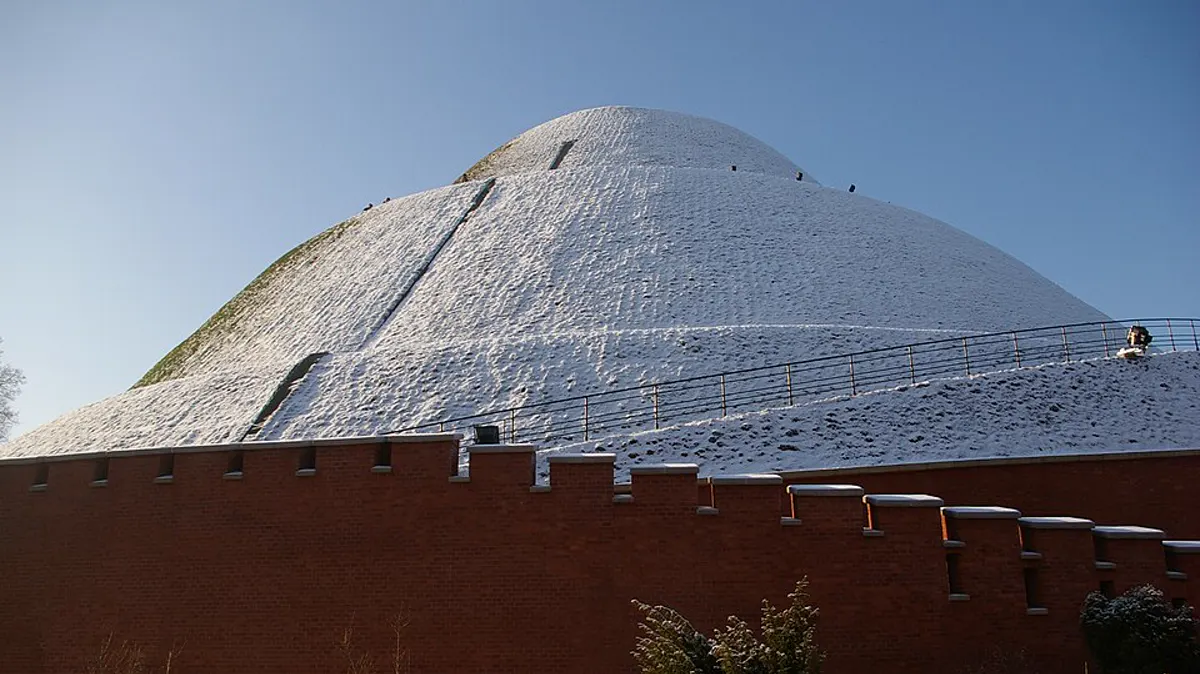
The Kosciuszko Mound is a man-made hill on the western edge of Krakow, raised in the 1820s to honour the national hero Tadeusz Kosciuszko. It was built by hand with earth carried from the places connected to his life, and it stands about 34 metres high on top of a natural rise. A 19th-century brick fort wraps around its base. From the summit there are wide views over the city, and on a clear day you can see the Tatra Mountains to the south.
Why climb the mound
This is the best all-round viewpoint over Krakow that you can reach on foot from the centre. The climb is short, the panorama takes in the Old Town, the river and the surrounding hills, and the mound itself is an unusual piece of Polish history. It pairs naturally with the woods and green space on this side of the city, so it makes a good half-day away from the crowds of the Old Town.
Views from the summit
A spiral path winds up the outside of the mound to a flat top, where a granite boulder brought from the Tatras marks the summit. The brick fort around the base was added later by the Austrian army as part of the Krakow fortress ring, and it now holds a museum with exhibitions on Kosciuszko's life and on the history of the mound. There is also a chapel and a viewing terrace on the fort walls.
History of the Kosciuszko Mound
Work began in 1820, the year after Kosciuszko's death, and the mound was finished in 1823. Cracovians of every class helped to build it, adding soil from the battlefields where he had fought, in the tradition of the city's much older prehistoric mounds. In the mid-19th century the Austrians took over the site and built the fort around it as part of their fortifications. The mound has been a place of national memory ever since.
How long to spend
Allow around an hour and a half at the site itself for the climb, the views and the fort museum. With travel from the centre and time in the surrounding woods, it makes an easy half-day.
Best time to visit
Go on a clear day, when the long views pay off and the Tatras may be visible on the horizon. Morning light is good for looking east over the city, late afternoon for softer colour. The mound is exposed, so it can be cold and windy in winter and hot in full summer sun. Check the site's website for current opening hours before you set out.
Getting to the mound
The mound is on aleja Waszyngtona, west of the centre. City buses run out toward it, and from the nearest stop it is a walk uphill; some visitors take a taxi or come on foot through the Wolski Forest. It is roughly a 20-minute drive from the Old Town. See the Krakow guide for routes and tickets.
Accessibility
The site sits on high ground and the spiral path to the top is steep in places, so the summit is hard going for anyone with limited mobility. The fort and its museum are more accessible than the mound itself. Contact the site in advance if you need to know about lifts and step-free routes.
Nearby on the hill
The mound sits among the green spaces of western Krakow:
- Wolski Forest, the large woodland and zoo just beyond, with walking trails to the mound.
- Blonia Meadow, the open green between the mound and the Old Town.
- Wawel Castle, back in the centre, visible from the summit on a clear day.
Good to know
Climbing the mound and entering the fort museum is ticketed, and hours are seasonal, so check the official website before you go. Bring a layer, as the summit is exposed to wind, and pick a clear day for the best chance of seeing the Tatras.
Common questions
Can you see the Tatra Mountains from the mound?
On a clear day, yes. The Tatras appear on the southern horizon, though haze often hides them, so views of the range depend on the weather.
Who was Tadeusz Kosciuszko?
He was a Polish military leader and national hero of the late 18th century, remembered for leading an uprising in Poland and for his service in the American Revolutionary War. The mound was raised by the people of Krakow to honour him.
Frequently asked questions
More attractions in Kraków
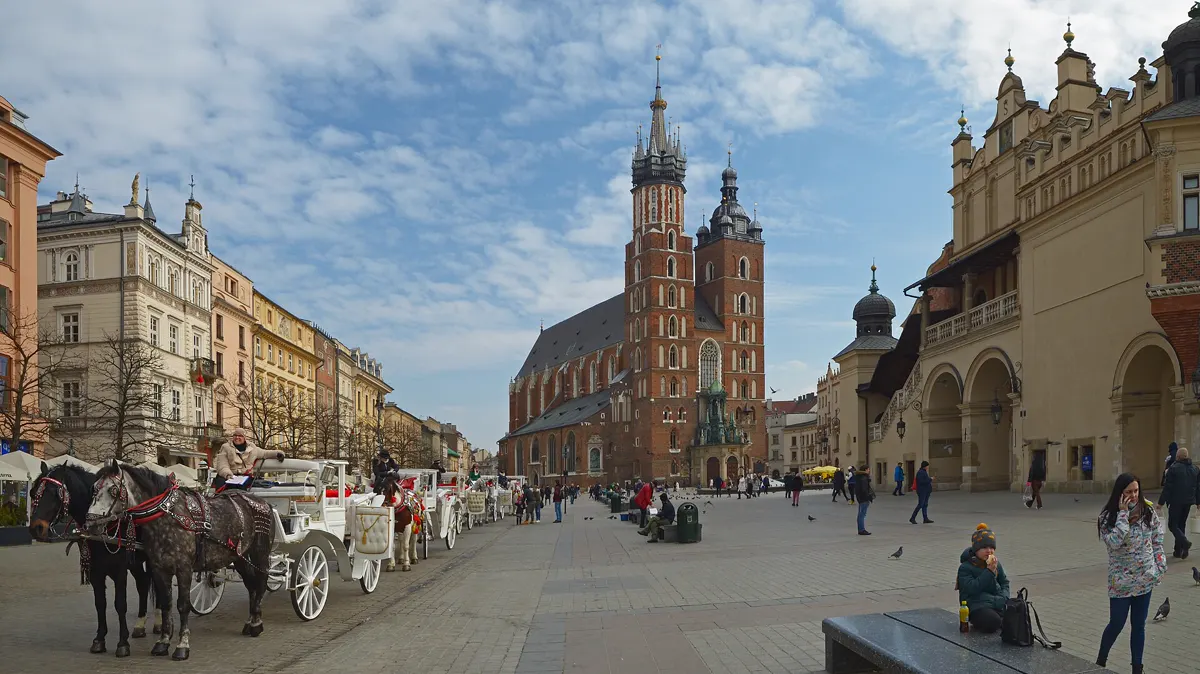
Main Market Square
Europe's largest medieval market square, the social centre of Krakow, with the Cloth Hall running down its middle.
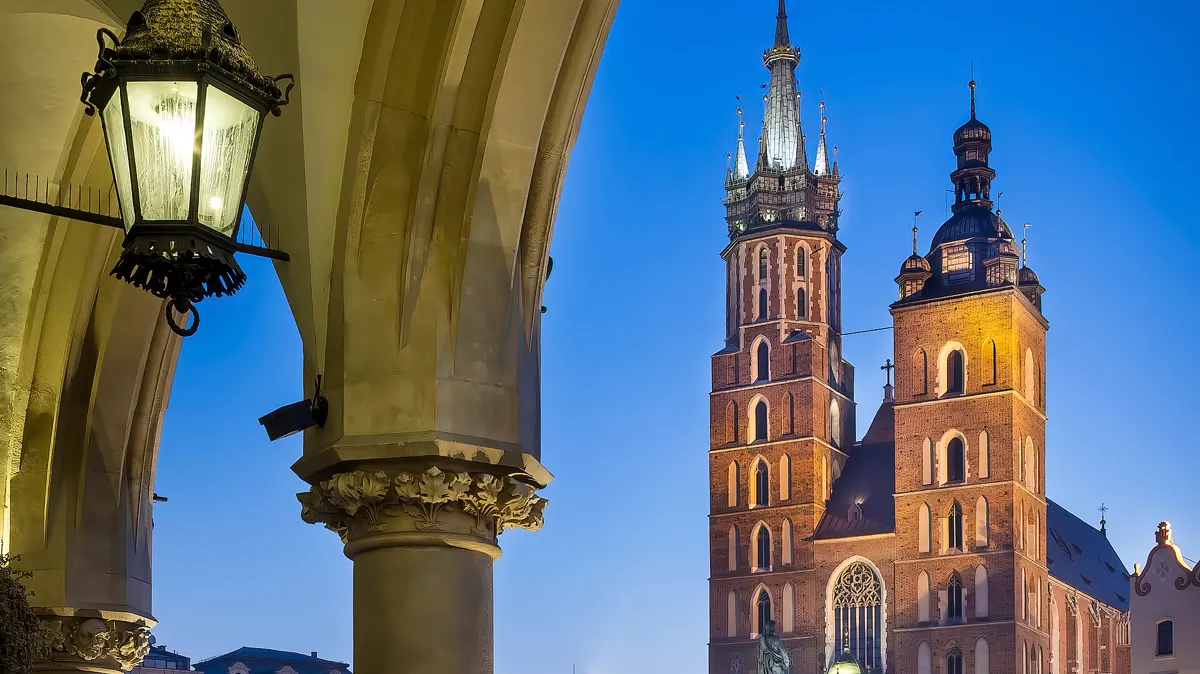
St Mary's Basilica
The brick Gothic church on the main square, famous for its mismatched towers and a carved wooden altarpiece by Veit Stoss.
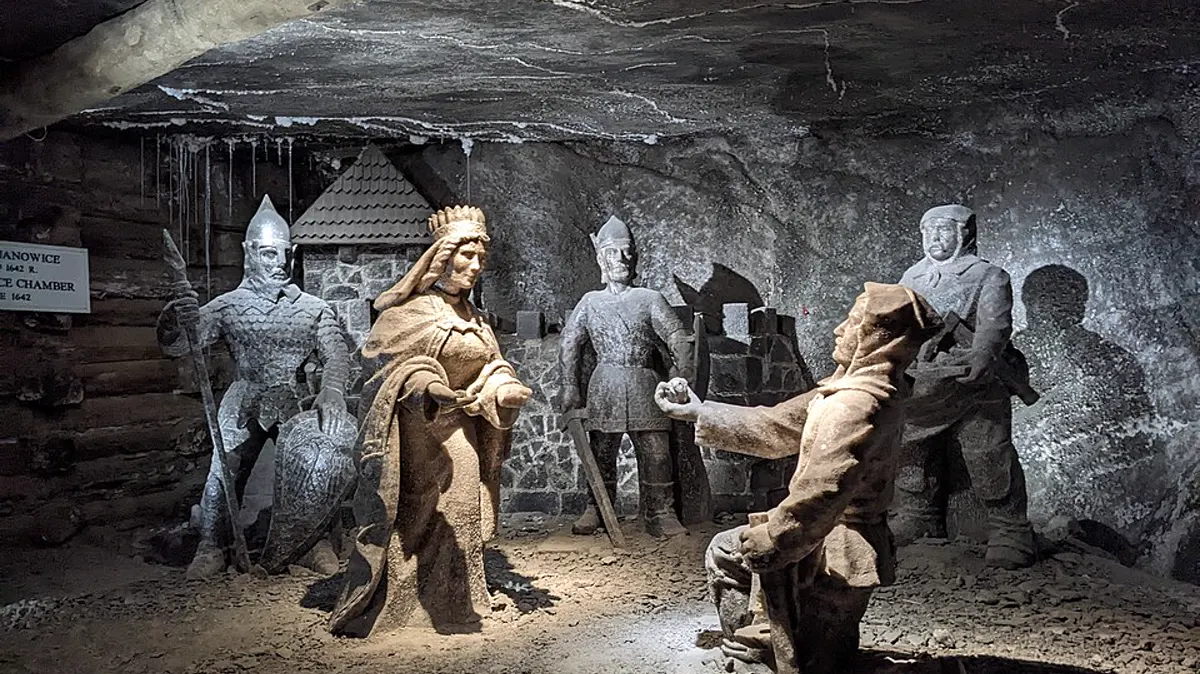
Wieliczka Salt Mine
A UNESCO-listed salt mine worked for seven centuries, with underground chapels, lakes and chambers carved entirely from rock salt.
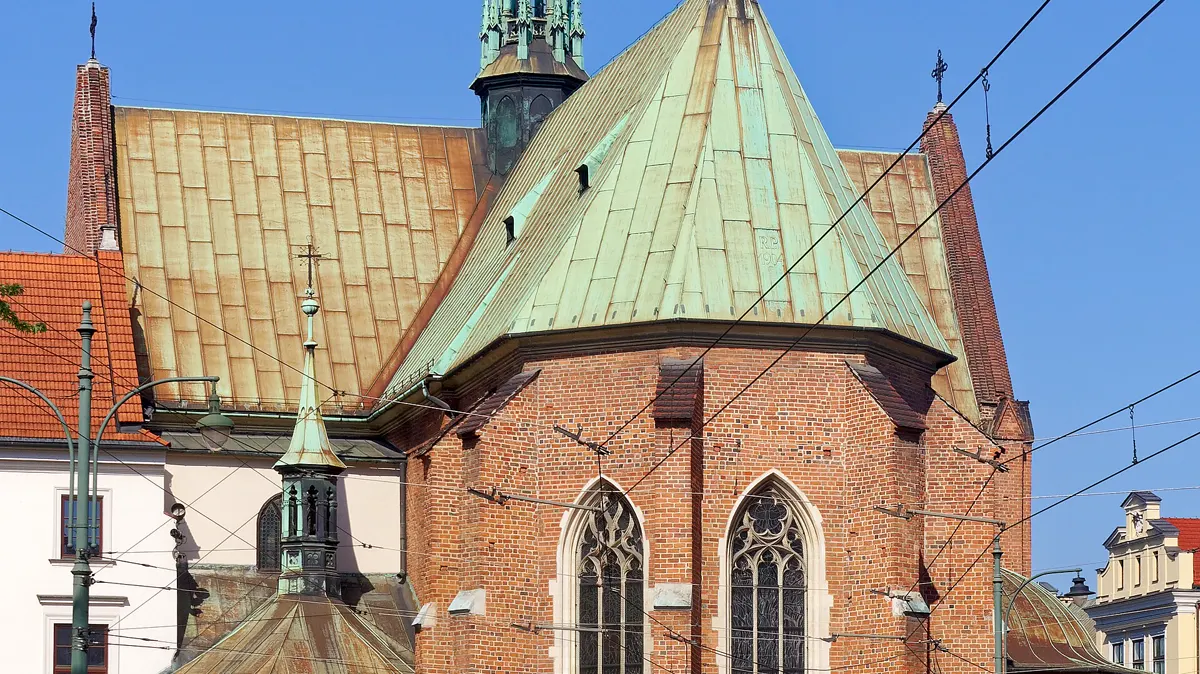
Basilica of St. Francis of Assisi
A 13th-century Franciscan church in Kraków's Old Town, known for its Art Nouveau interior by Stanislaw Wyspianski, including his monumental stained-glass window of God the Father.
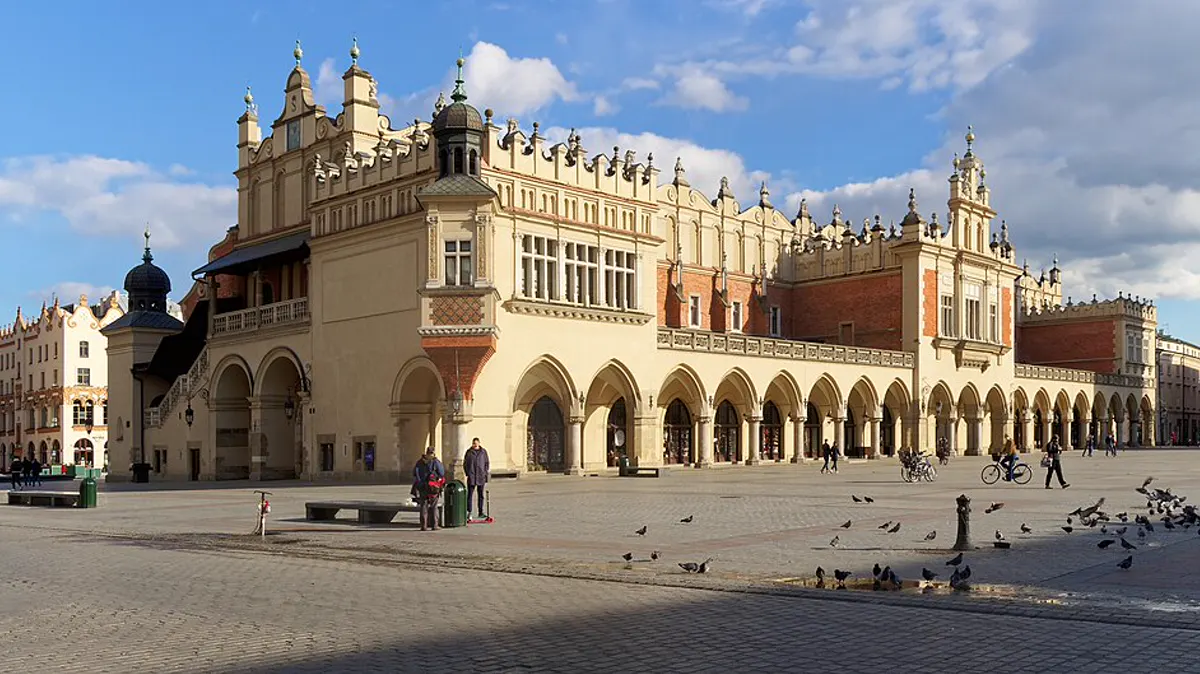
Sukiennice
The Renaissance Cloth Hall running down the centre of Rynek Glowny, once a hub of international cloth trade. Today its arcaded ground floor is lined with market stalls, while the upper floor houses a gallery of 19th-century Polish painting.
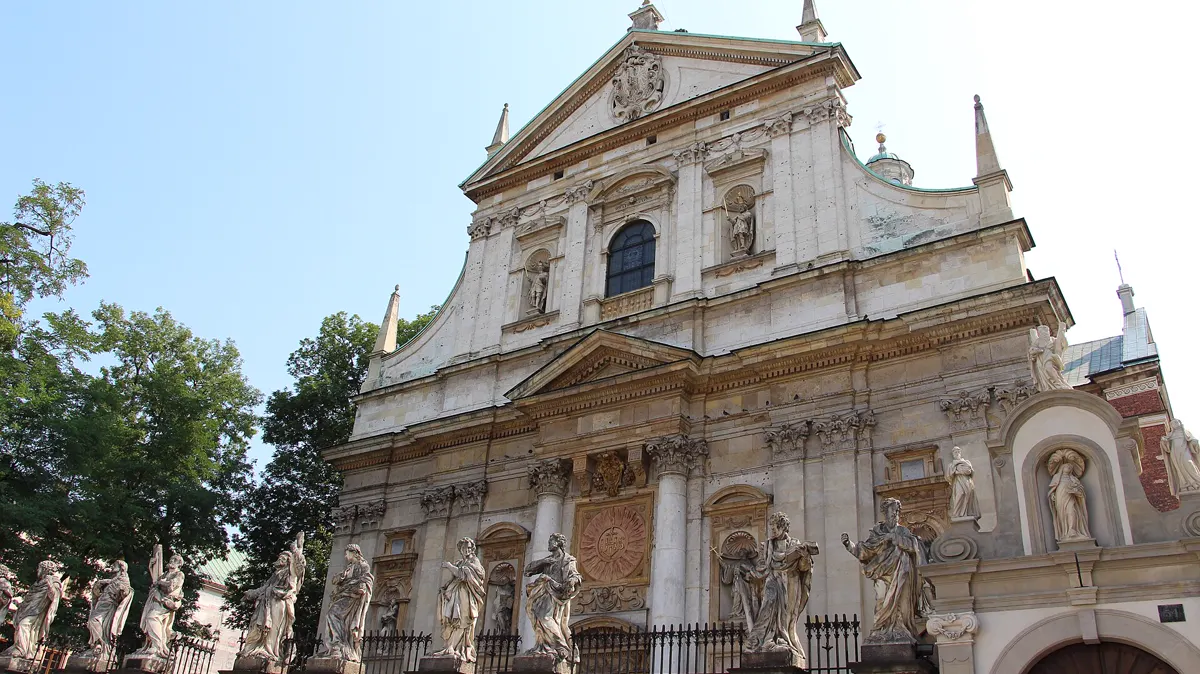
Church of Saints Peter and Paul
Kraków's first fully Baroque church, on Grodzka Street, known for its apostle statues, a national crypt and the longest Foucault pendulum in Poland.
Featured in
More to explore in Kraków
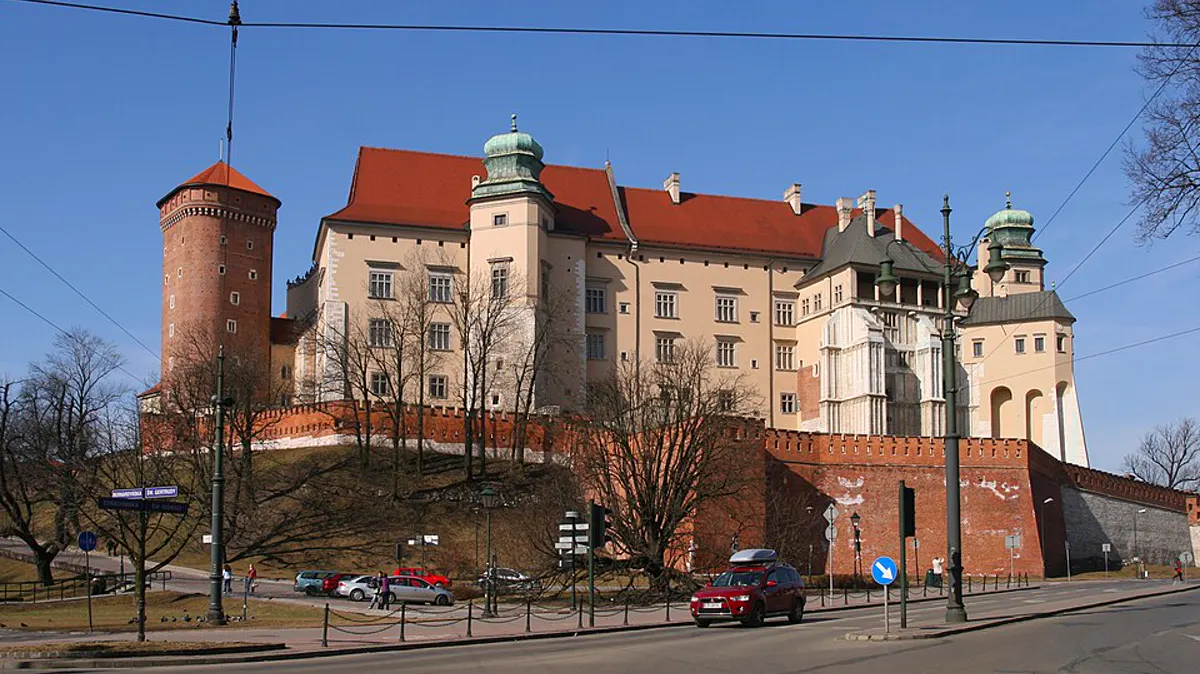
Castle
Wawel Castle
The royal castle and cathedral on the hill above the Vistula, the symbolic heart of the Polish nation for a thousand years.

Restaurant
Bottiglieria 1881
Krakow's Michelin-starred tasting-menu room, a modern Polish kitchen paired with a deep wine cellar.
Hotel
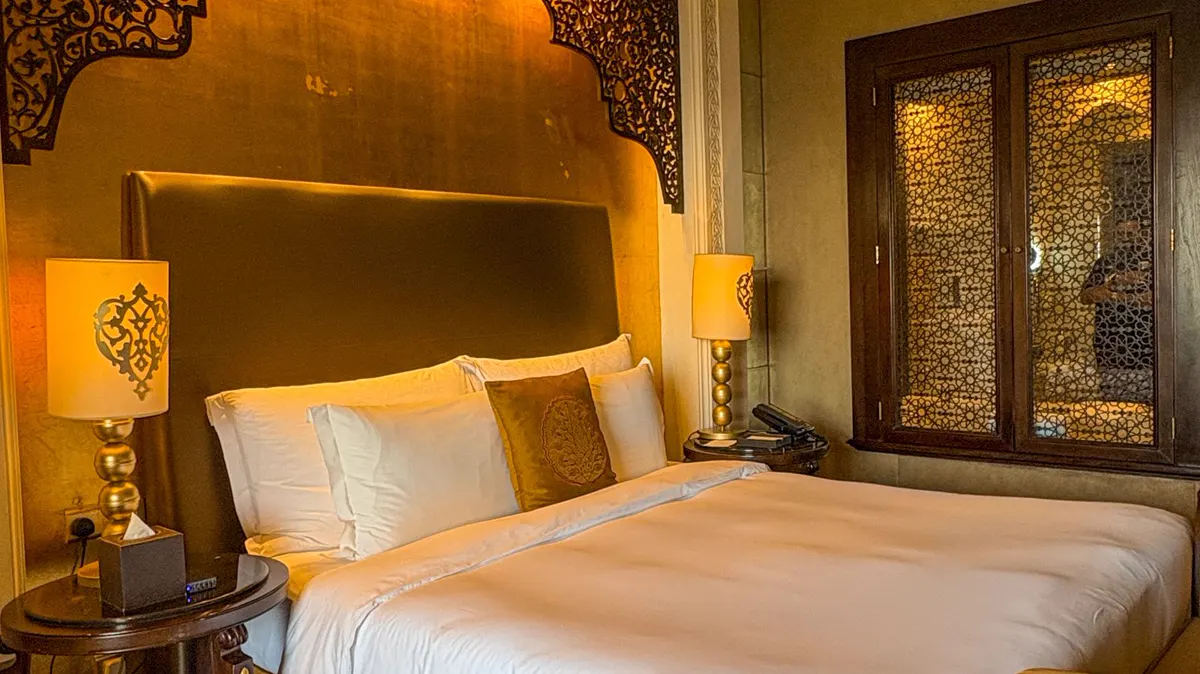
Hotel Copernicus
A Relais & Châteaux townhouse on the oldest street in the city, with a rooftop terrace facing Wawel.
Museum
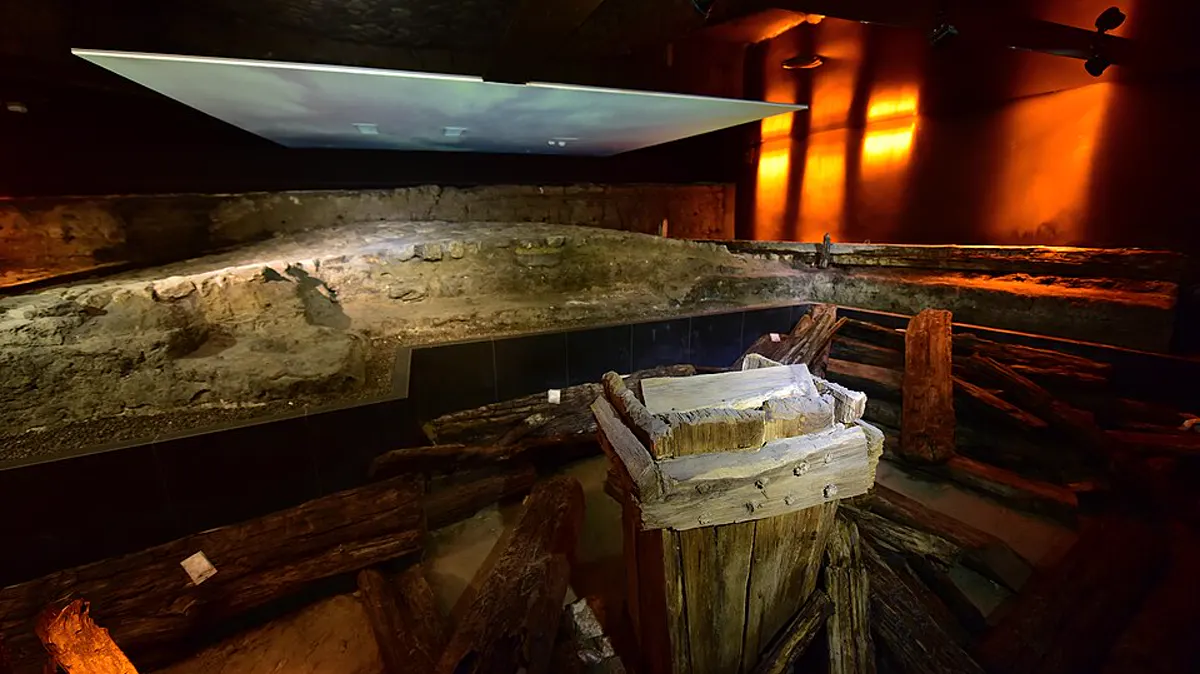
Rynek Underground
An atmospheric archaeology museum beneath the Main Square, walking you through the medieval market on its original cobbles.

Restaurant
Café Camelot
A romantic, cluttered café on a quiet corner near St. John's, famous for its apple pie.

Hotel
Hotel Wawel
A friendly, art-filled mid-range choice on Poselska, tucked inside the Planty ring.