Attractions
Attractions in Poland
The sights worth building a day around.
Poland's attractions run from the medieval market squares of Krakow and Wroclaw to the Wieliczka Salt Mine, the memorial at Auschwitz-Birkenau and the Teutonic castle at Malbork. Each page below covers what the place is, how long to spend and how to get there, grouped by city.
All Attractions in Poland
Katowice
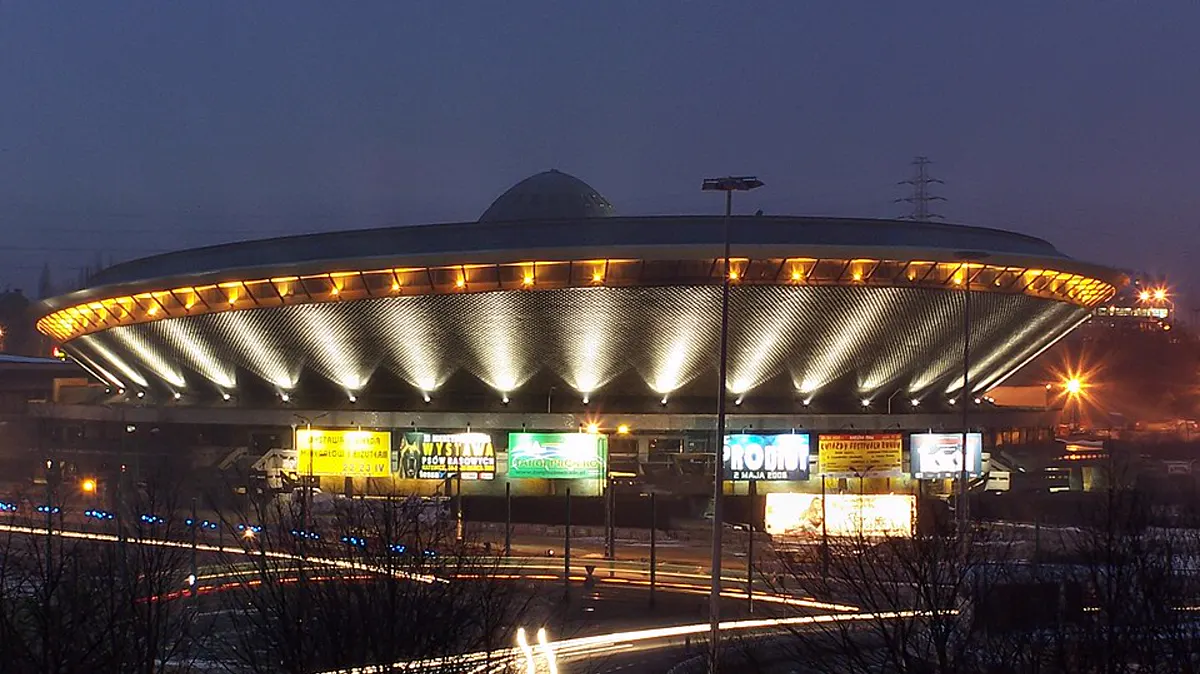
Spodek
Katowice's 1971 saucer-shaped arena is the city's best-known building and its main venue for concerts, sport and trade fairs.
Katowice
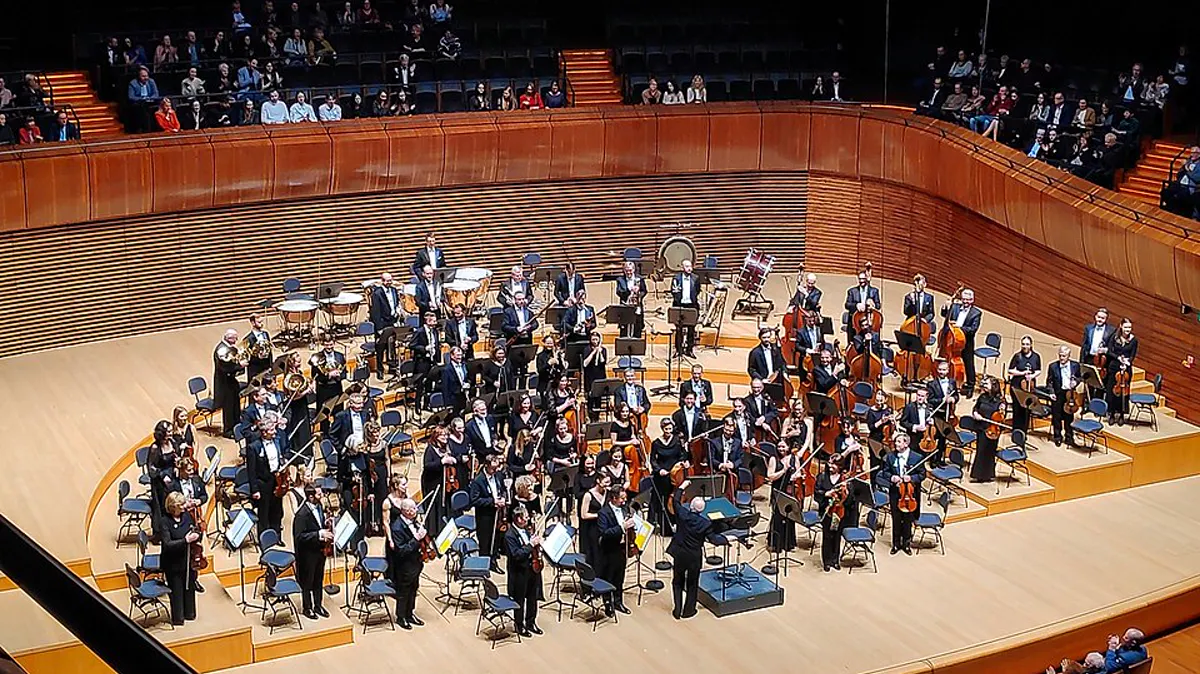
NOSPR (Polish National Radio Symphony Orchestra)
The purpose-built home of Poland's National Radio Symphony Orchestra, with acoustics by the designer of some of the world's leading concert halls.
Katowice
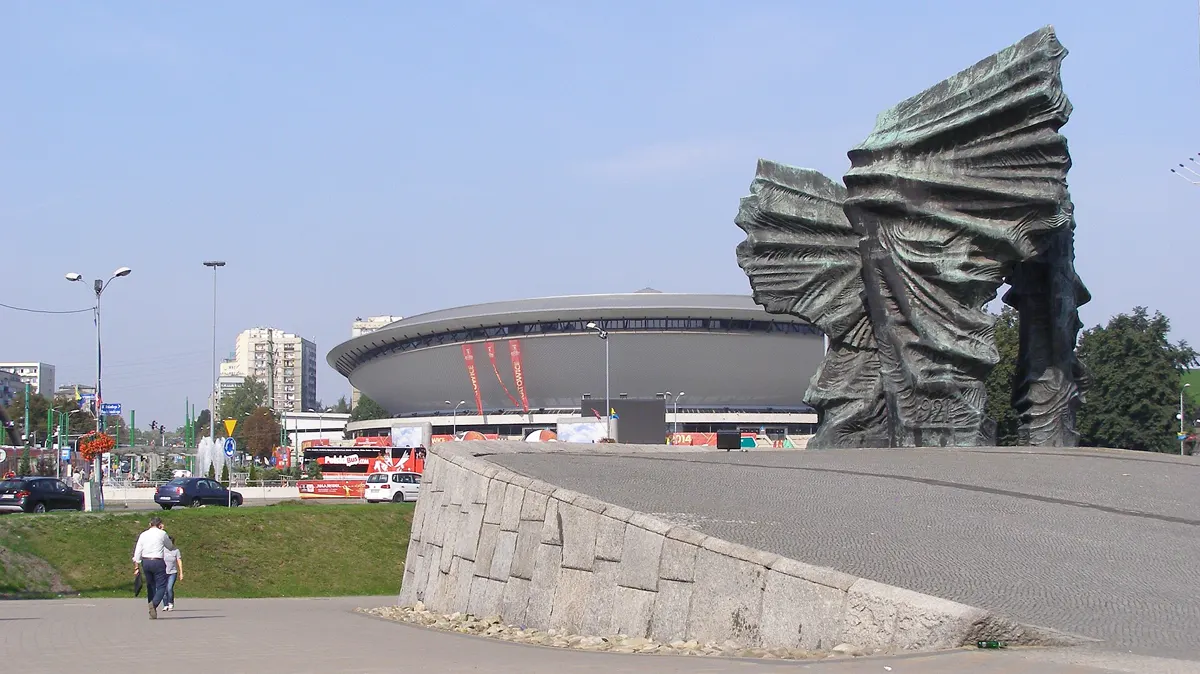
Silesian Insurgents' Monument
Three great steel wings honouring the Silesian Uprisings, frequently described as the largest and heaviest monument in Poland.
Łódź
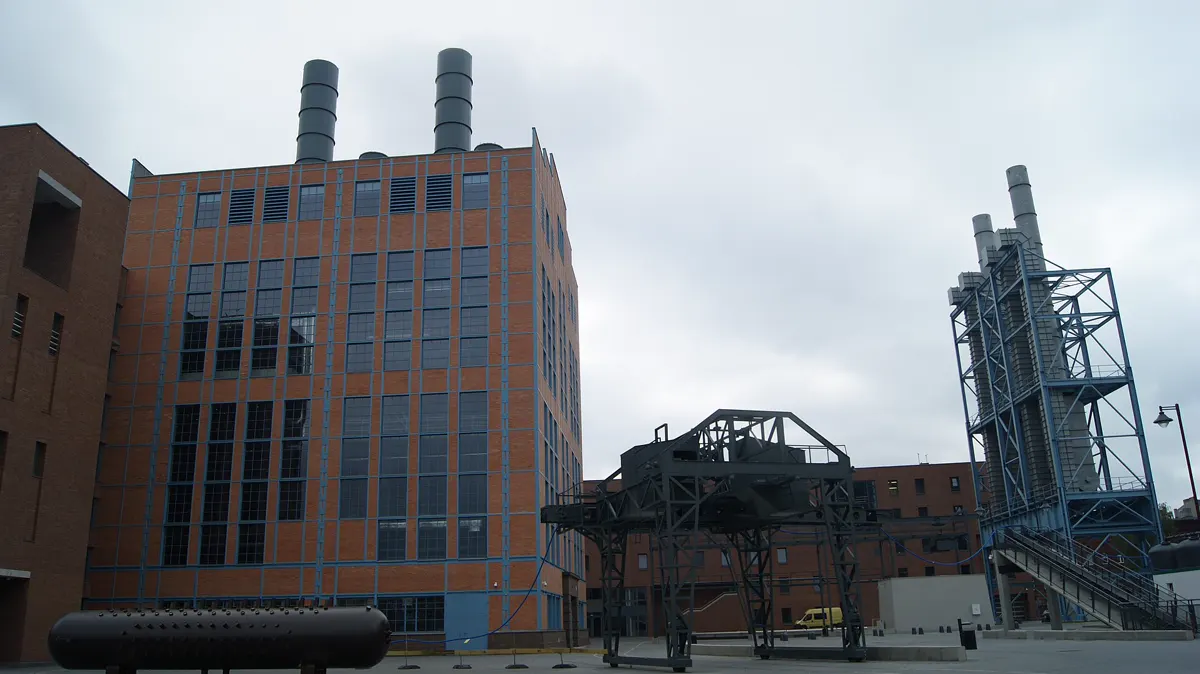
EC1 Łódź
The city's first power station, converted into a hands-on science centre and one of Central Europe's most advanced planetariums.
Łódź
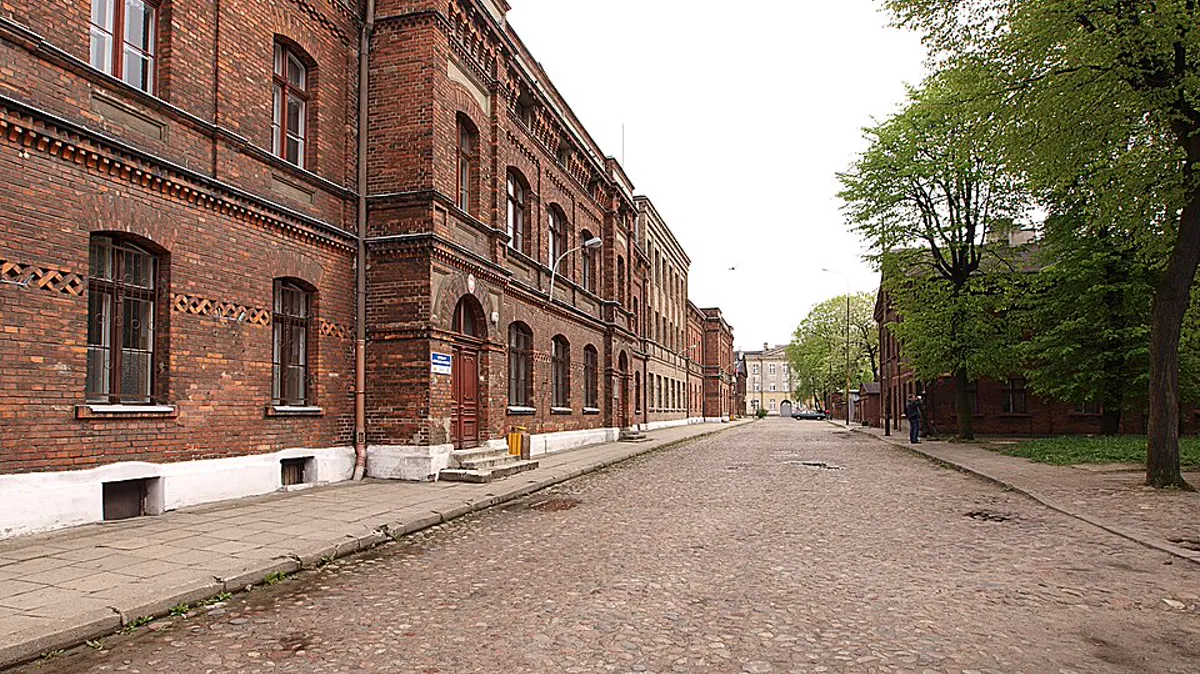
Księży Młyn
A preserved 19th-century factory district built as a city within a city, with red-brick mills, workers' terraces and the Scheibler palace.
Częstochowa
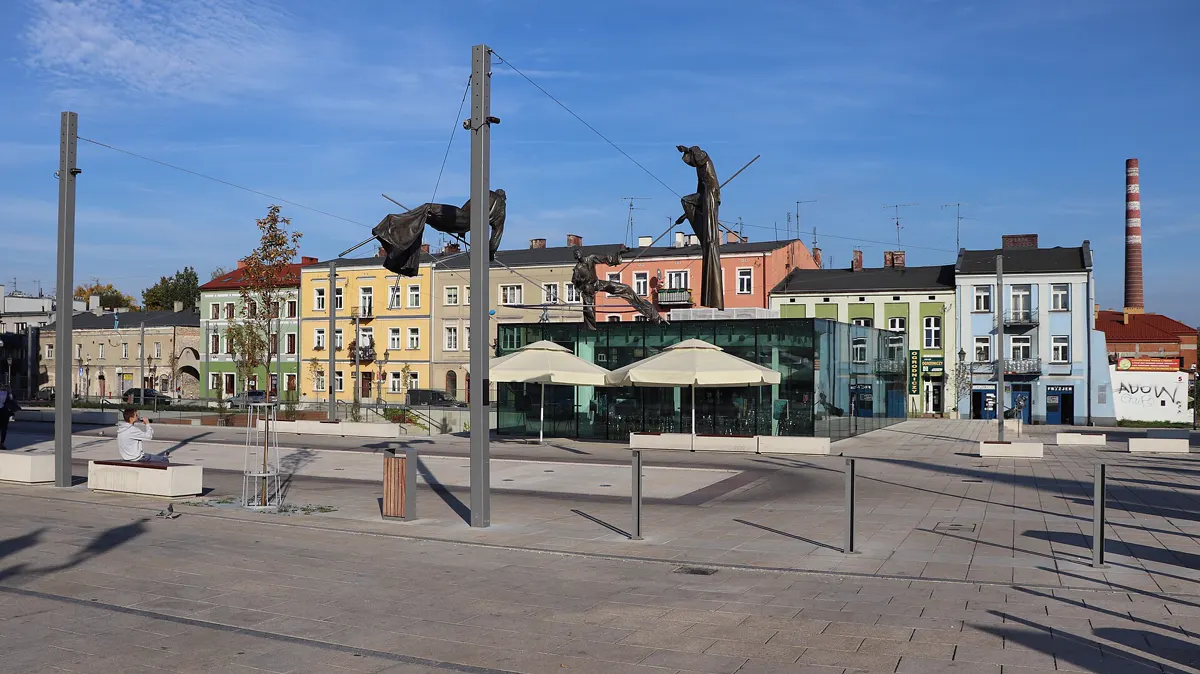
Old Market Square (Stary Rynek)
The revitalised Stary Rynek carries a permanent open-air gallery of Jerzy Kędziora's balancing sculptures, run by the Częstochowa Museum.
Częstochowa
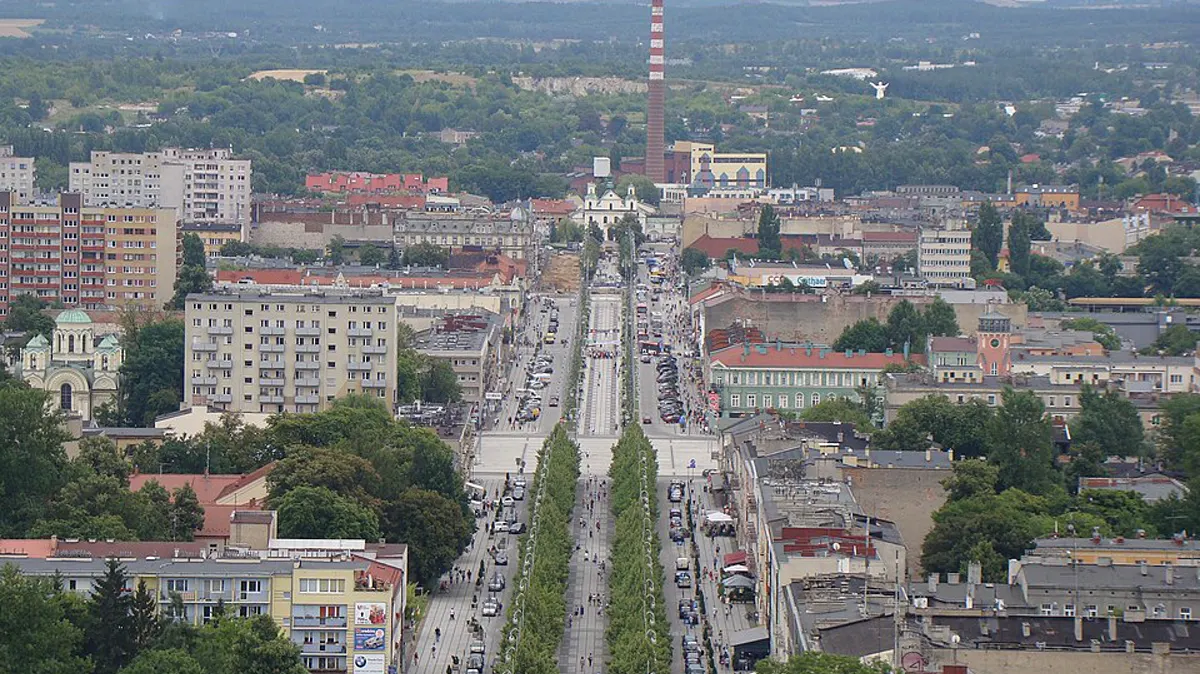
Aleja Najświętszej Maryi Panny (Avenue of the Blessed Virgin Mary)
The Avenue of the Blessed Virgin Mary is Częstochowa's main axis, running from the old town towards Jasna Góra and walked by generations of pilgrims.
Olsztyn
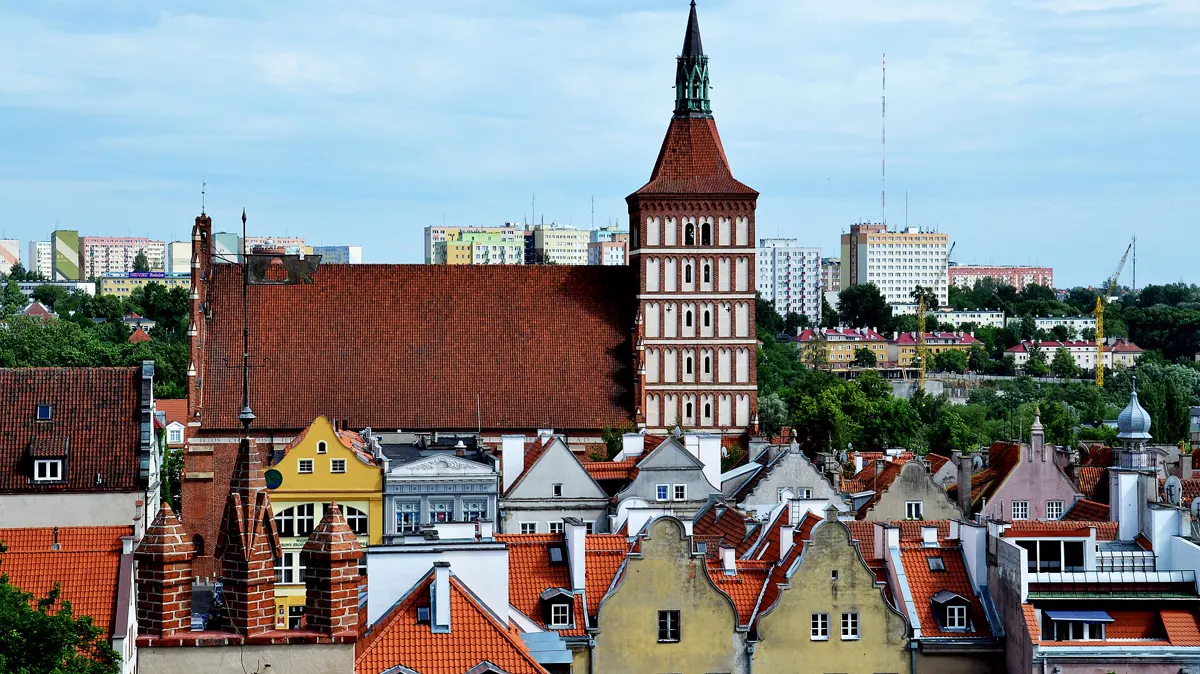
Co-Cathedral Basilica of St James in Olsztyn
A red-brick Gothic hall church at the centre of Olsztyn's Old Town, raised for a Latin greeting.
Olsztyn
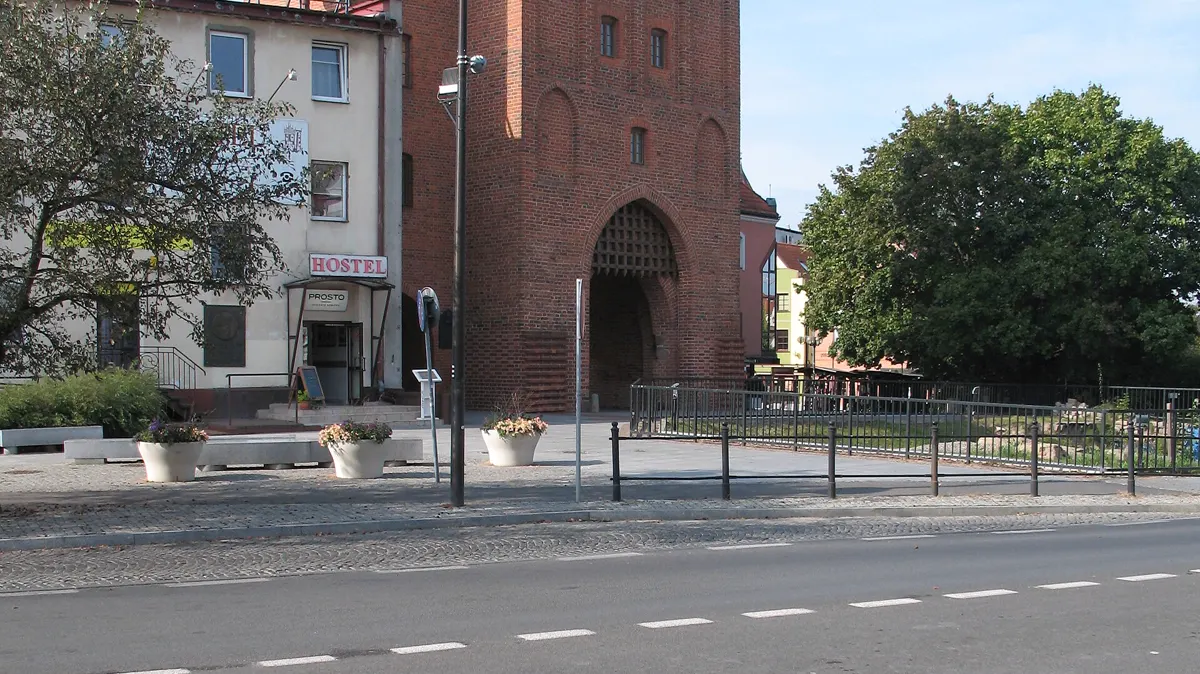
High Gate (Wysoka Brama)
The last of Olsztyn's three medieval gates and the most striking surviving piece of the old city walls.
Olsztyn
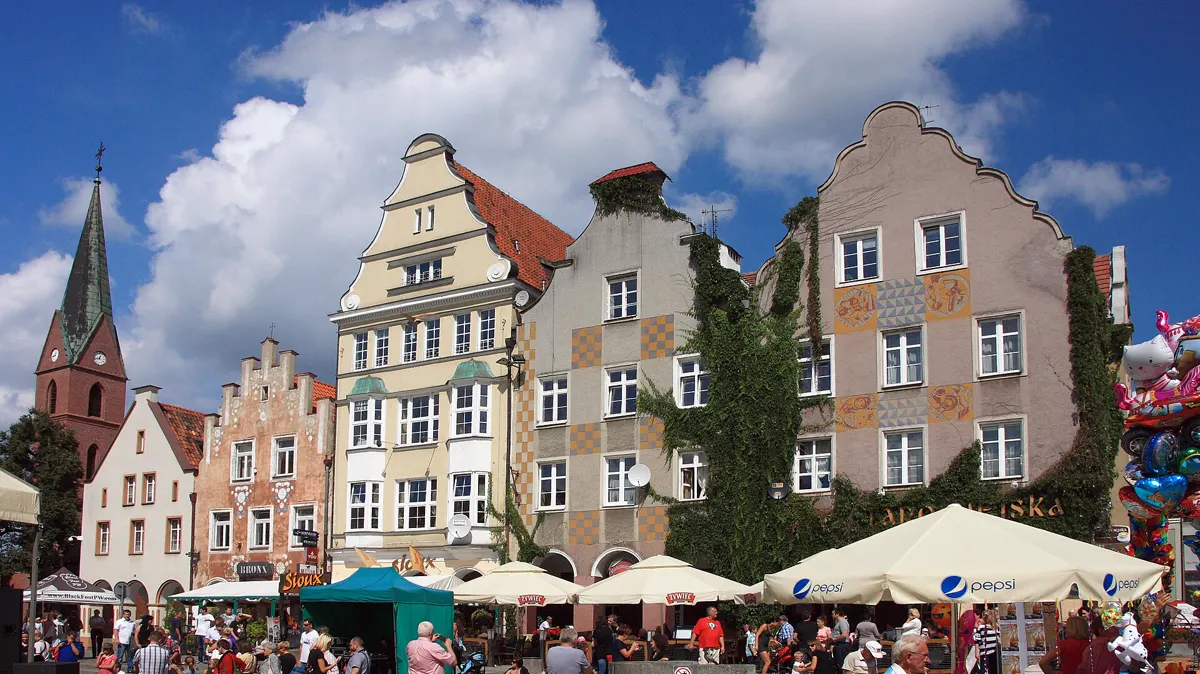
Olsztyn Old Town
A compact market square of gabled burgher houses, ringed by fragments of the medieval walls.
Zamość
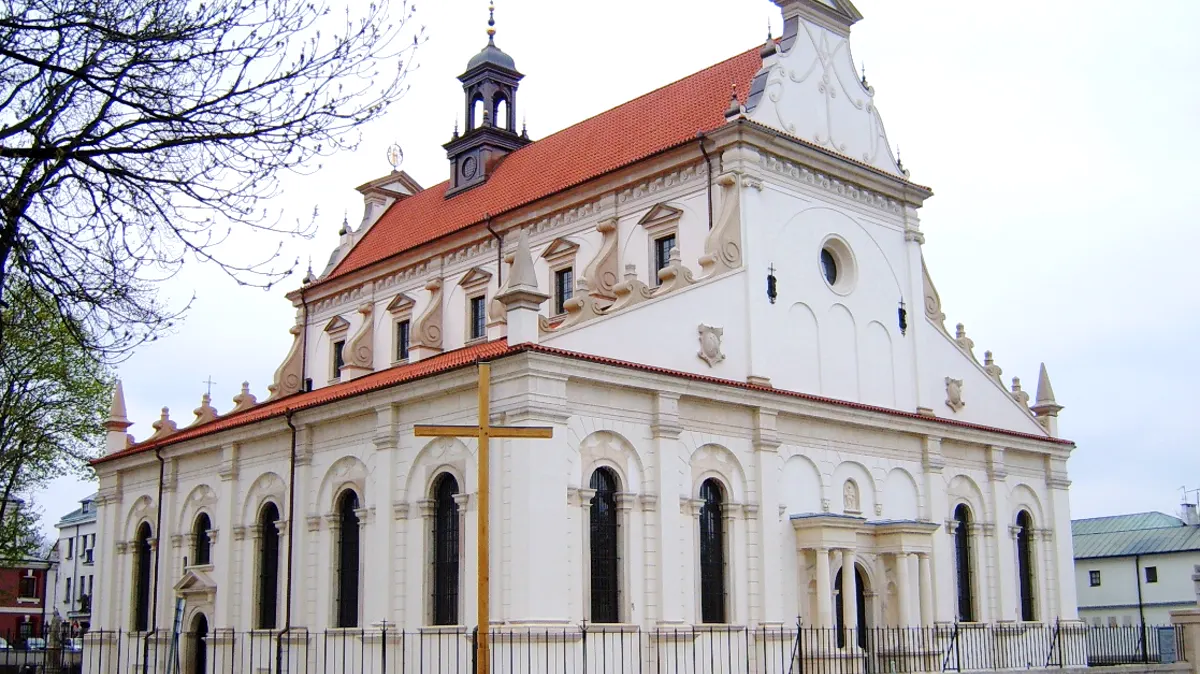
Zamość Cathedral (Cathedral of the Resurrection and St Thomas the Apostle)
One of Poland's finest Renaissance churches, designed by Bernardo Morando and paid for by Jan Zamoyski, raised to cathedral rank in 1992.
Zamość
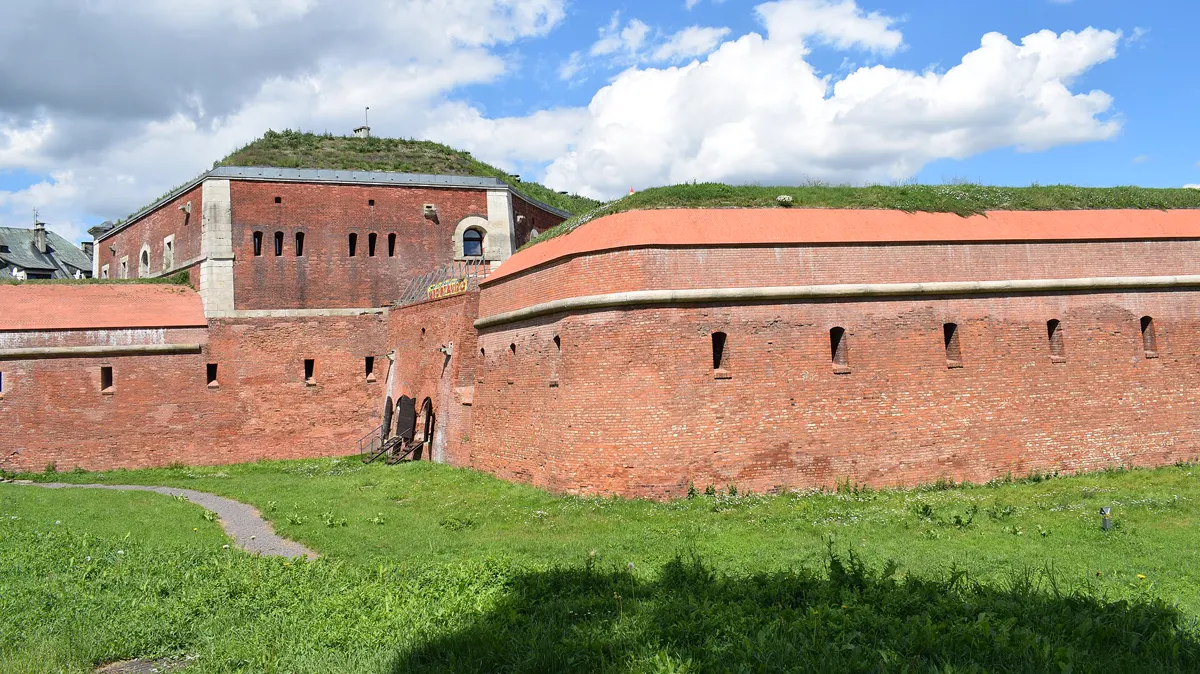
Bastion VII Underground Tourist Route (Nadszaniec)
A half-kilometre walk through the casemates and galleries of Bastion No 7, the biggest bastion of a fortress that was never taken by an enemy.
Poland fits a lot into one country: medieval market squares, a salt mine carved into underground chapels, the memorial at Auschwitz-Birkenau, mountain trails and a long Baltic coast. Seventeen places hold UNESCO World Heritage status, and most of the headline attractions cluster around the cities you are likely to base yourself in, so a first trip rarely means long transfers.
Top attractions in Krakow, Warsaw and Gdansk
Krakow has the densest cluster: the Main Market Square, laid out in 1257 and among the largest medieval squares in Europe, the underground Wieliczka Salt Mine, and the Auschwitz-Birkenau Memorial within a day trip. Warsaw rebuilt its Old Town from wartime rubble, Gdansk lines the Motlawa with tall merchant houses, and Wroclaw and Torun keep intact Gothic centres. The mountains around Zakopane and the lakes of Masuria add the outdoor side.
Top places to visit on a first trip
Group attractions by the city you are staying in rather than chasing them across the map. Krakow, Warsaw and Gdansk each reward two or three days and put more sights within an easy day trip. For the classic sights that define the country, see the best viewpoints and our city guides.
Do you need to book tickets in advance
The busiest sites use timed entry, so book Wieliczka and the Auschwitz-Birkenau Memorial ahead, especially in summer. Many state museums have one free day a week. Tickets are good value by European standards; our note on costs in Poland has the typical prices.
Attractions by city
Travel guides
Krakow Golf Cart Tours: The Four Routes, Compared
Four electric cart routes cover the Old Town, Kazimierz, the ghetto in Podgorze and Schind...
Best Castles in Poland
From the Teutonic fortress at Malbork to the royal seats at Wawel and Warsaw, the Polish c...
3 Days in Krakow
A practical three-day plan for Krakow, pairing the Old Town and Wawel with Kazimierz and o...
Things to Do in Krakow
The sights, neighbourhoods and day trips that make Krakow worth several days, ranked by ho...