Attraction in Lublin
Plac Litewski
The Lithuanian Square marks the 1569 Union of Lublin between Poland and Lithuania, a renovated public space with fountains, monuments and the Saski Palace nearby.
Reviewed and updated July 2026
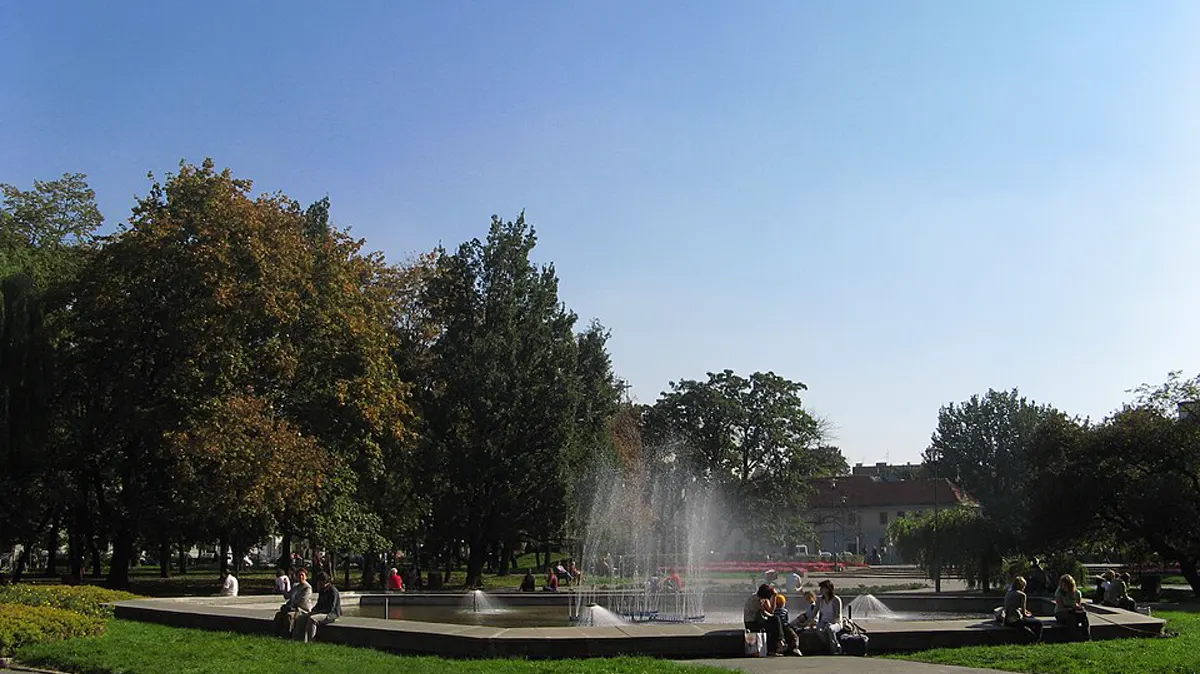
Litewski Square, Plac Litewski, is the largest open space in central Lublin and the western anchor of the promenade. Its name and its monuments recall the Union of Lublin of 1569, the act that joined Poland and Lithuania into a single commonwealth. Lithuanian envoys are said to have camped on this ground during the parliament that agreed the union. After a full renovation the square is now a modern civic space of lawns, fountains and grand facades.
Why visit Lithuanian Square
It is where the modern city meets its history. The square closes the western end of Krakowskie Przedmiescie, so you cross it on any walk through the centre. The redesigned space draws families and evening crowds to its fountains and benches, while the monuments and old palaces around it carry the weight of the 1569 union that Lublin is named for.
Fountains and monuments to see
The main landmark is the Union of Lublin Monument, a tall cast-iron obelisk raised in 1826 to mark the joining of Poland and Lithuania. Its relief shows two female figures, standing for the Crown and Lithuania, joining hands. Around the square stand palaces and townhouses, and the renovated centre has a water feature that draws children in warm weather. The square also holds further monuments to figures from Poland's past.
History and the Union of Lublin
The ground was open land outside the medieval town, used and rebuilt through the 19th century as Lublin grew westward. The Union of Lublin Monument went up in 1826. The square took its present name, Plac Litewski or Lithuanian Square, in the 1920s, tying it firmly to the 1569 union. A major redesign in the 2010s turned it into the pedestrian civic space seen today.
Best time to visit
Warm evenings are the square at its best, when the fountains run and the promenade fills. It also hosts open-air events and, in winter, a seasonal market. Any daylight hour works for a look at the monuments.
Getting to the square
The square is central and open at all hours. Walk to it along Krakowskie Przedmiescie from the Old Town, a few minutes on foot. Buses and trolleybuses stop on the surrounding streets. For city transport, see the Lublin guide.
Nearby in the centre
The square joins the rest of the centre by the promenade:
- Krakowskie Przedmiescie, running east from the square to the Old Town.
- The Krakow Gate, at the far end of the promenade.
- The Saxon Garden, a short walk west of the square.
Good to know
The square is a free public space, open day and night. In summer the fountains run on a timetable, and the square often hosts events, so it can be busy at weekends.
Frequently asked questions
More attractions in Lublin
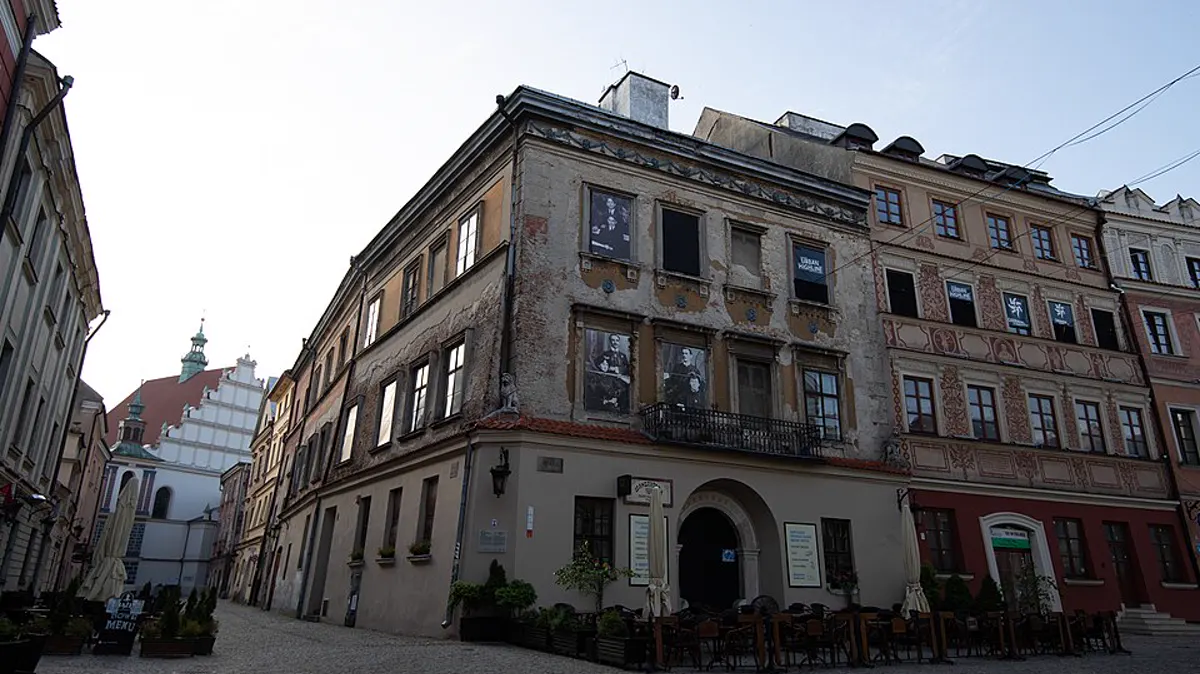
Stare Miasto (Lublin)
Lublin's medieval Old Town winds through narrow lanes and hidden courtyards, with painted Renaissance facades and Rynek square framing the old Trybunal (Crown Tribunal) at its centre.
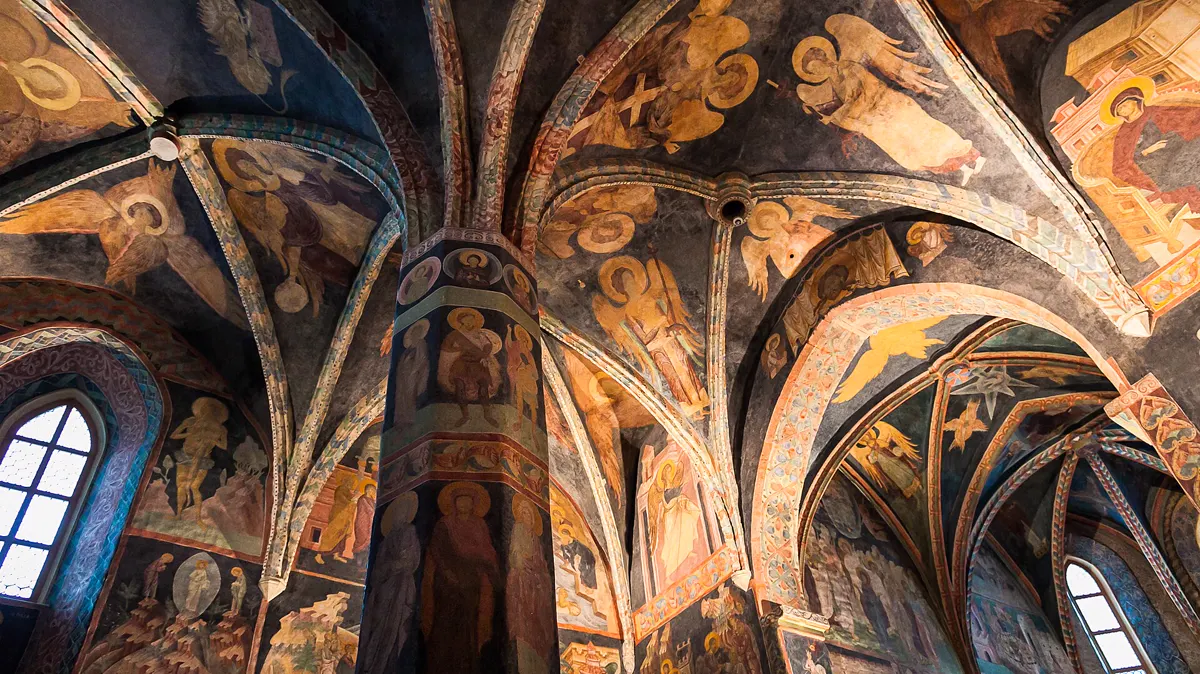
Kaplica Trojcy Swietej
Inside the castle, the Holy Trinity Chapel is covered floor to ceiling with rare Ruthenian-Byzantine frescoes from 1418: Eastern painting under a Western Gothic vault.
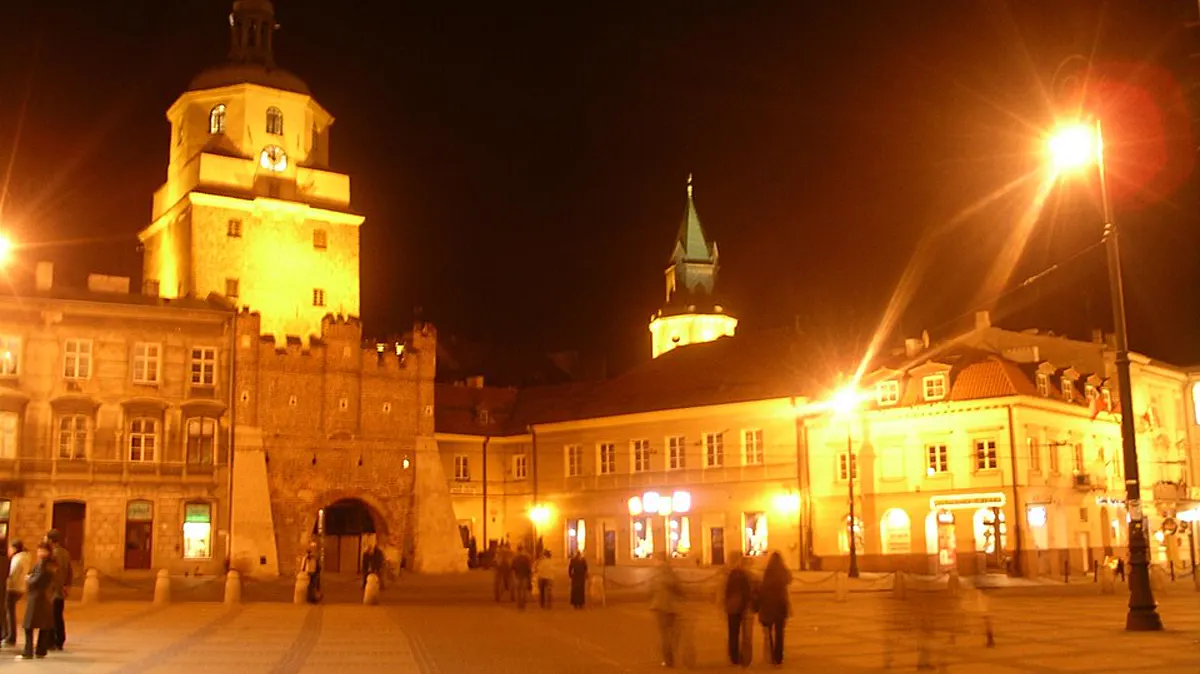
Brama Krakowska
The 14th-century Krakow Gate is Lublin's best-known landmark, a brick tower that guarded the road to Krakow and now houses a small history museum.
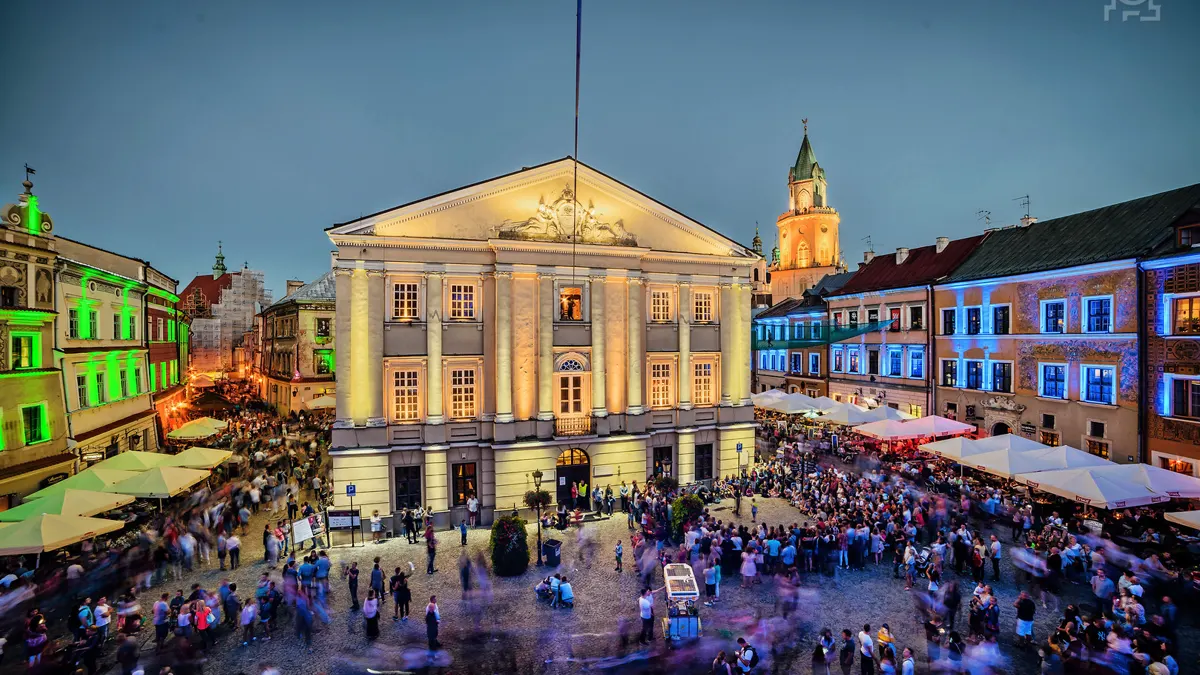
Crown Tribunal (Old Town Hall)
The freestanding building at the centre of Lublin's Old Town Market Square once housed the Crown Tribunal, the highest court of appeal for the Lesser Poland province, and now serves as a wedding palace and the entrance to the Lublin Underground Route.
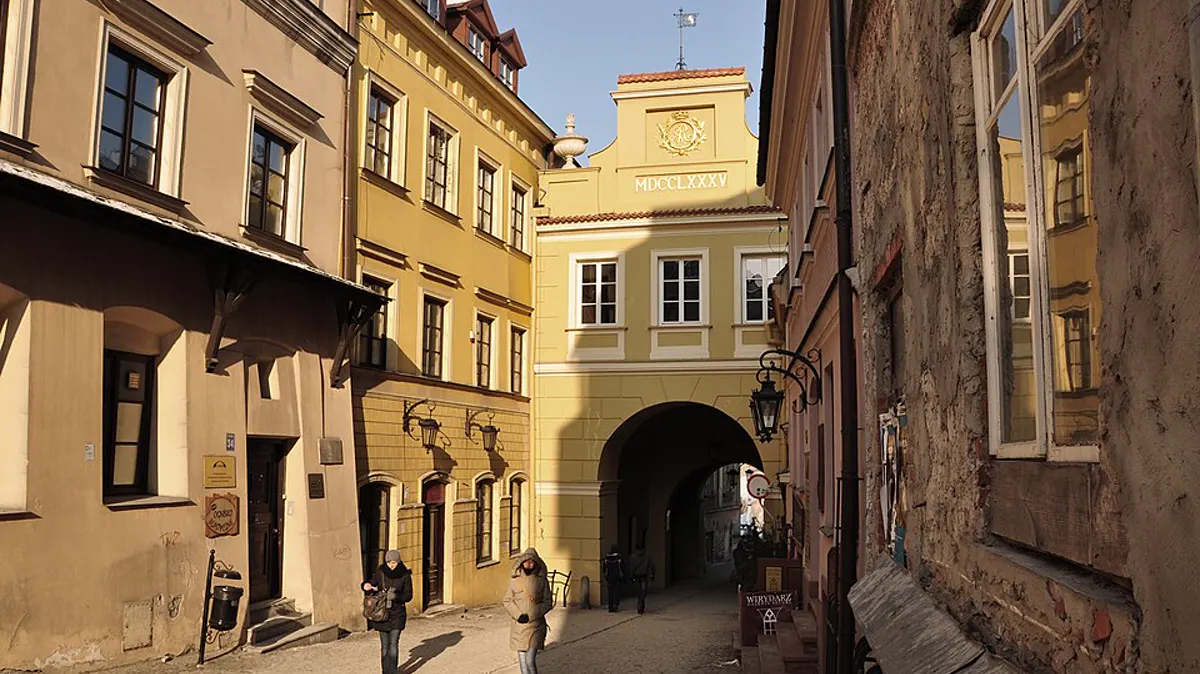
Brama Grodzka
Also called the Jewish Gate, the Grodzka Gate once linked the Christian and Jewish quarters and today hosts the Grodzka Gate - NN Theatre centre commemorating Lublin's lost Jewish community.
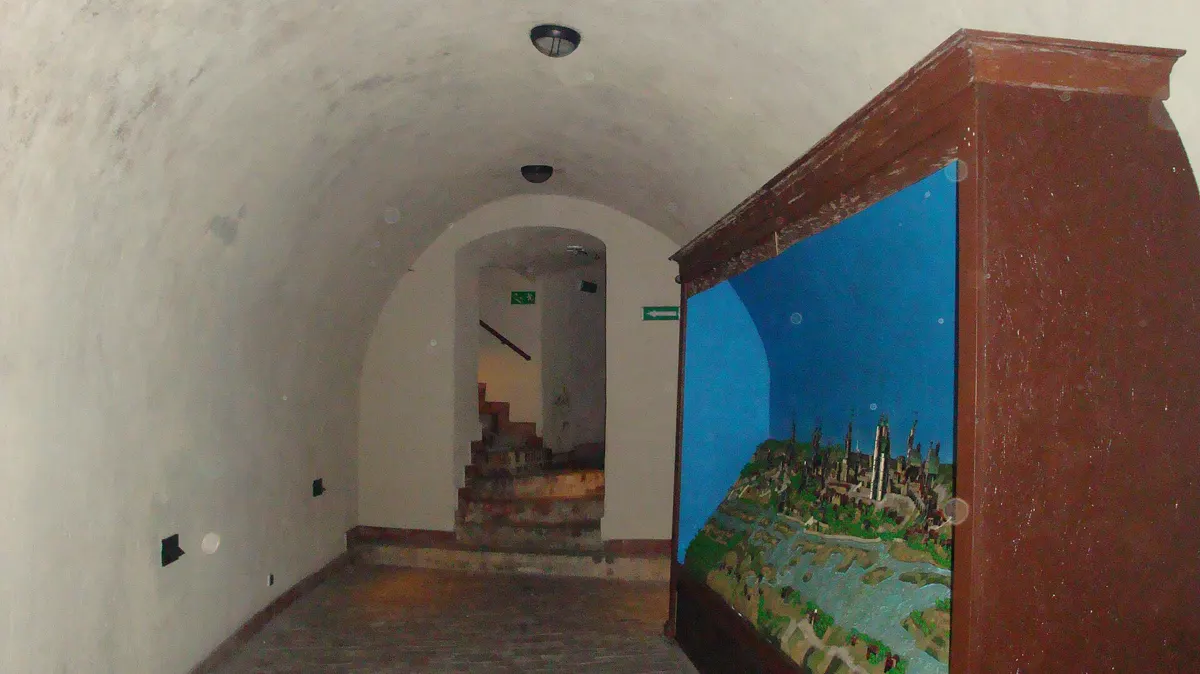
Lublin Underground Route
A 280-metre trail through connected merchant cellars beneath Lublin's Old Town, where 14 chambers of scale models tell the city's story from the 8th to the 18th century.
More to explore in Lublin
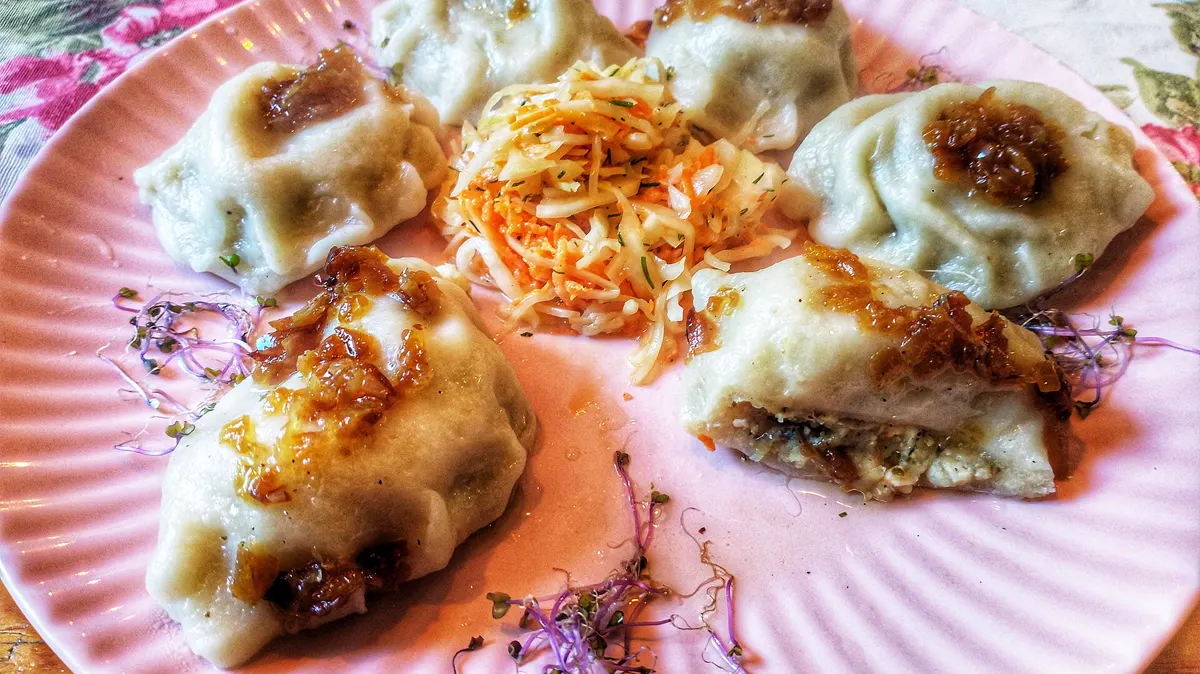
Restaurant
Mandragora
A candlelit restaurant on the Old Town market recreating Lublin's pre-war Jewish and Polish cooking.
Hotel
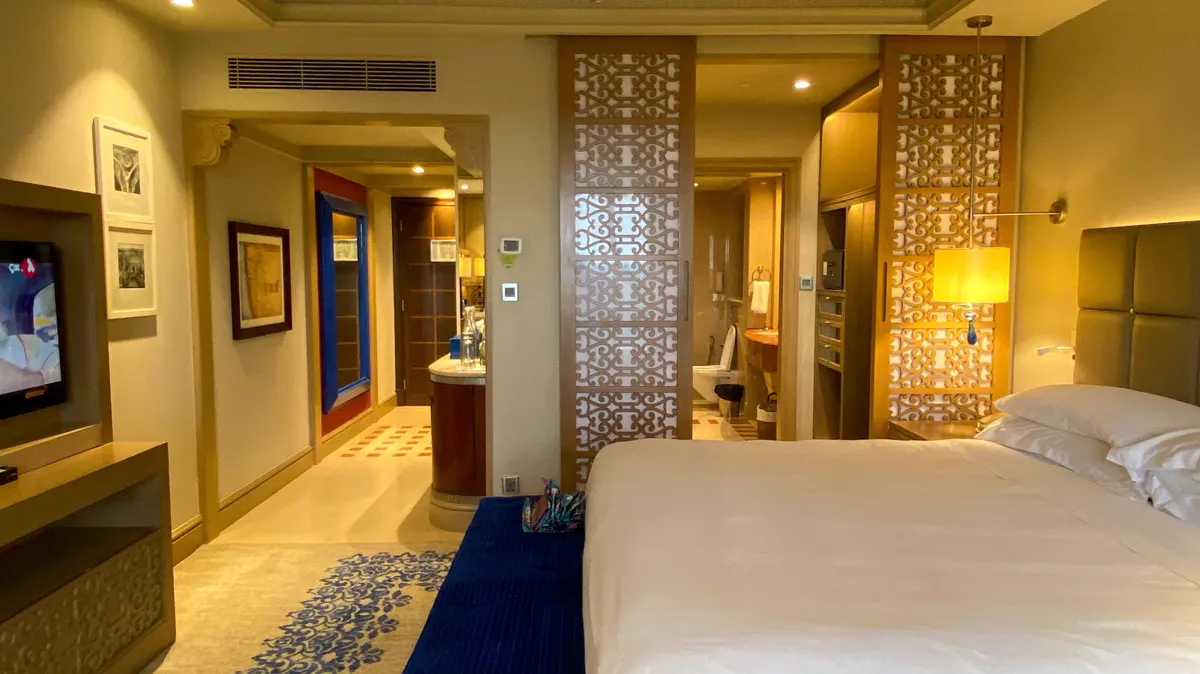
Grand Hotel Lublinianka
A restored early-20th-century hotel on the main promenade with a spa in its cellars.
Castle
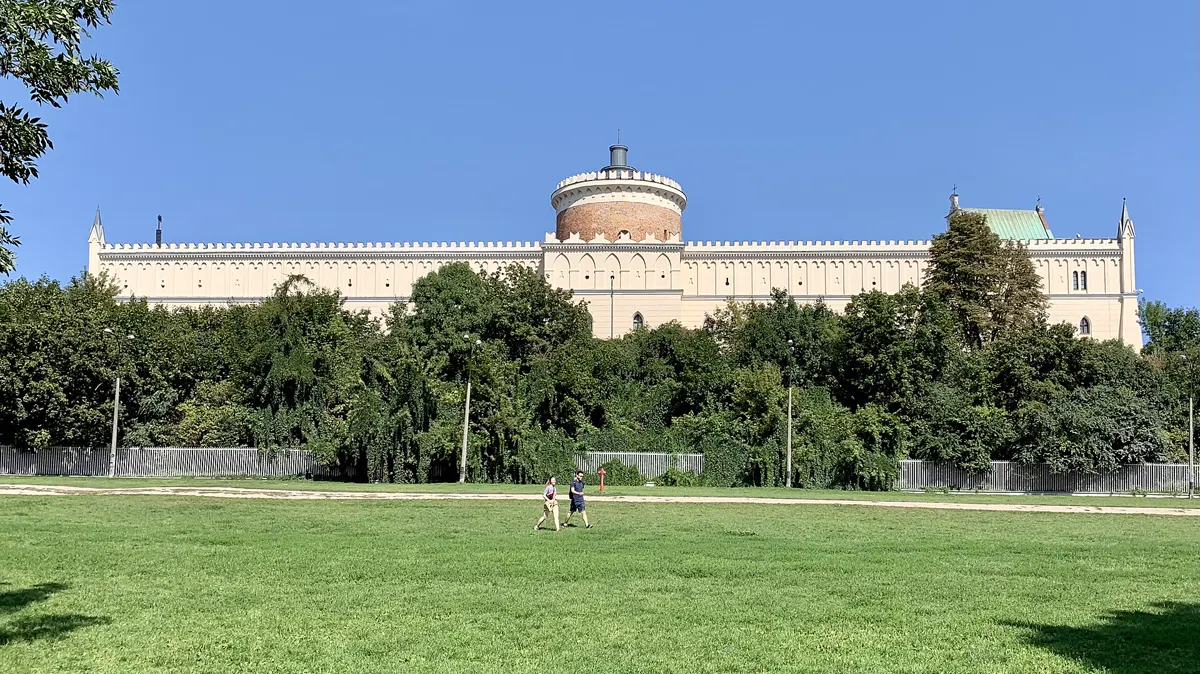
Lublin Castle
A hilltop castle whose Gothic chapel holds a rare cycle of Byzantine-style frescoes from 1418, the finest sight in the city.
Restaurant
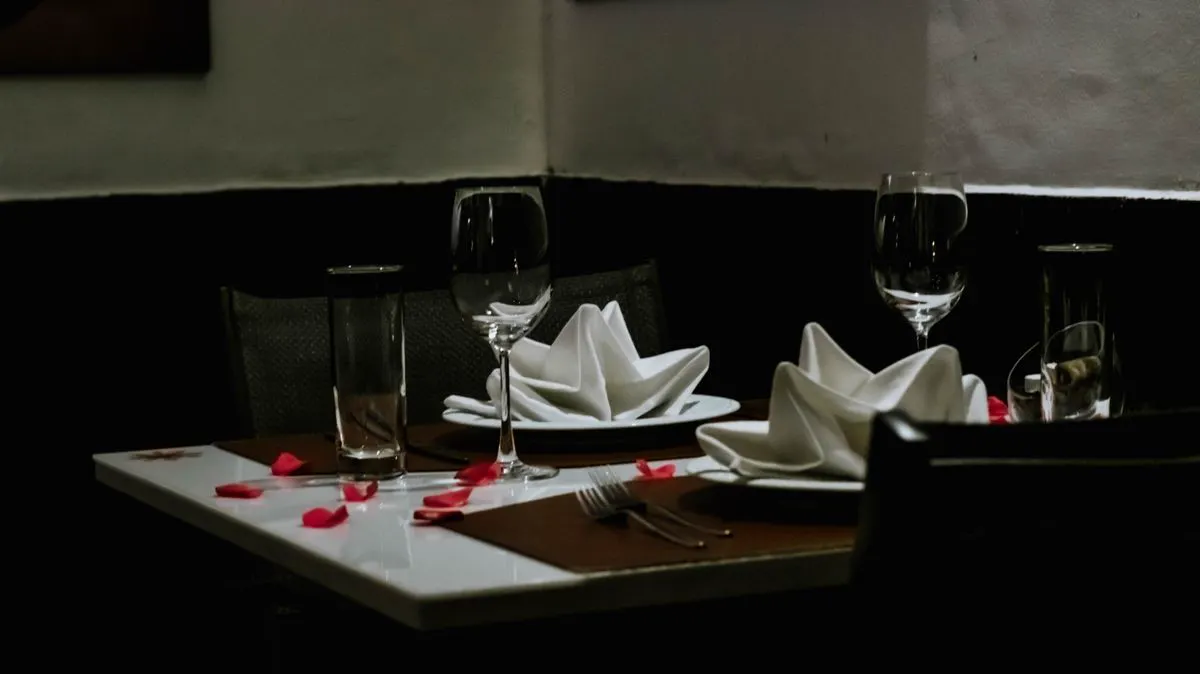
Hades Szeroka
A friendly, good-value spot for Polish plates near the castle.

Restaurant
Dolce Vita Coffee & More
A stylish spot on Krakowskie Przedmiescie for cocktails and coffee, with terrace seats over the promenade. Popular in the early evening as the street fills.
Restaurant
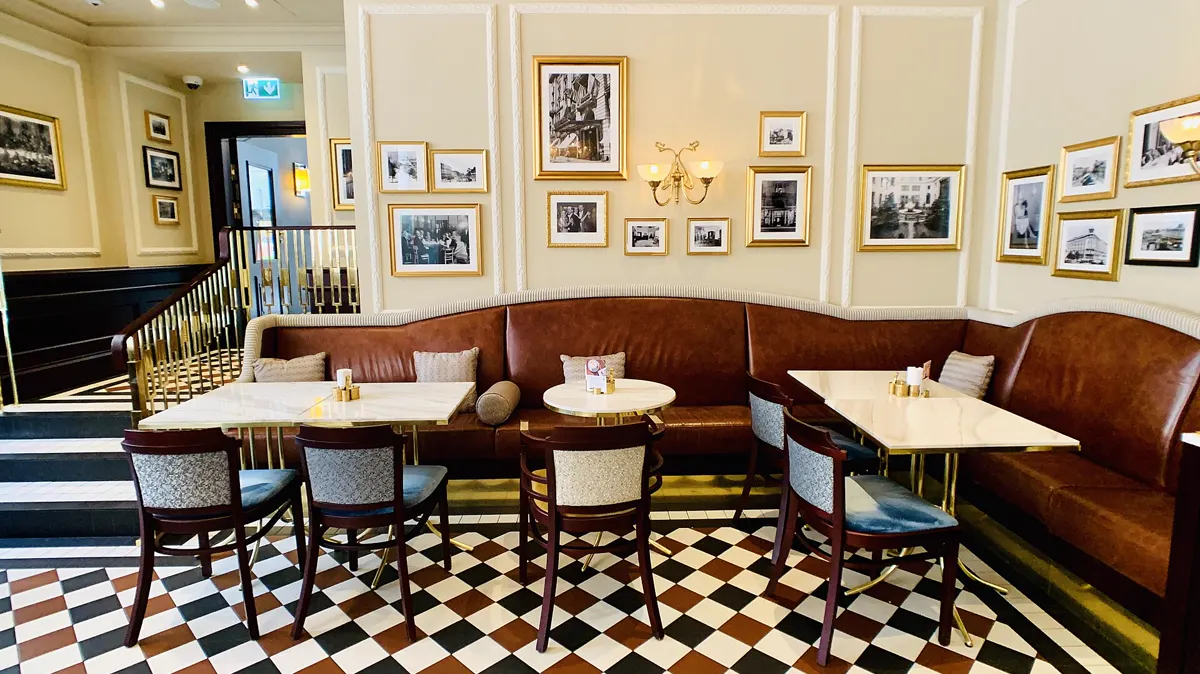
Grand Café
A café on Krakowskie Przedmiescie for a coffee-and-cake pause on the promenade.