Attraction in Warsaw
Warsaw Zoo
Warsaw's municipal zoo sits on the Praga bank of the Vistula and is known both for its thousands of animals and for the wartime rescue story behind 'The Zookeeper's Wife'.
Reviewed and updated July 2026
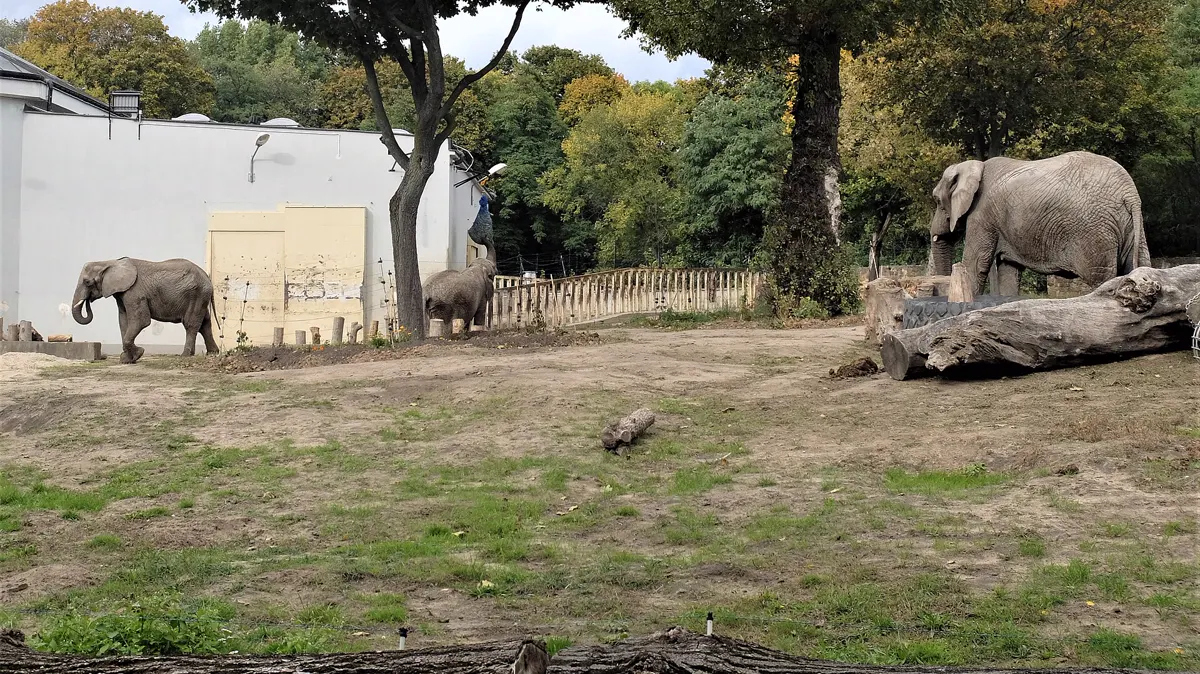
Warsaw Zoo (Miejski Ogrod Zoologiczny) is the city's municipal zoo on the Praga side of the Vistula, home to thousands of animals across many species, and one of the few zoos in the world with a Holocaust rescue story attached to it. People come for the animals and the riverside grounds, but many also come for the history: this is where wartime director Jan Zabinski and his wife Antonina hid and saved around 300 Jews during the German occupation. It works well as a half-day outing, especially if you are travelling with children or want to pair a family visit with a piece of Warsaw's wartime past.
What you will see on the grounds
The zoo opened on 11 March 1928 and today keeps thousands of animals representing many species, from big cats and primates to birds and reptiles, spread across grounds that run close to the Vistula. Because it sits on flat, open land in Praga, it is an easy place to walk with a pushchair or with children who need room to move. Exhibits and animal collections change over time, so for current species, feeding times and any closed enclosures it is best to check the zoo's official channels before you go.
Jan and Antonina Zabinski and the wartime rescue
The zoo's best-known chapter belongs to Jan Zabinski, its wartime director, and his wife Antonina. During the German occupation the couple used the zoo grounds to hide and save around 300 Jews, moving people through animal enclosures and the villa where the family lived. For this they were later recognised as Righteous Among the Nations. Their story reached a wide audience through Diane Ackerman's 2007 book 'The Zookeeper's Wife' and the 2017 film of the same name, and knowing it changes how the ordinary-looking grounds feel as you walk them.
Visiting the zookeeper's villa
The zookeeper's villa where the Zabinski family lived has been preserved and can be visited on the zoo grounds. Standing in the house that sheltered people escaping the ghetto is a very different experience from the rest of the day, and it is the main reason history-minded travellers make the trip rather than treating this purely as a family zoo. Opening arrangements for the villa can differ from the zoo's general hours, so confirm access and any separate tickets through the official channels when you plan your visit.
Fitting the zoo into a Warsaw trip
The zoo is on the Praga side of the river, the east bank, which is worth knowing if you are basing yourself around the Old Town or centre on the west bank. It pairs naturally with time spent exploring Praga's own character, and it suits families who want a break from museums and monuments. For ideas on combining it with other sights across the river, see our Warsaw guide.
Good to know
The zookeeper's villa may run on different hours or tickets from the main zoo, so check the official channels before you visit if the wartime history is your main reason for going.
Frequently asked questions
More attractions in Warsaw
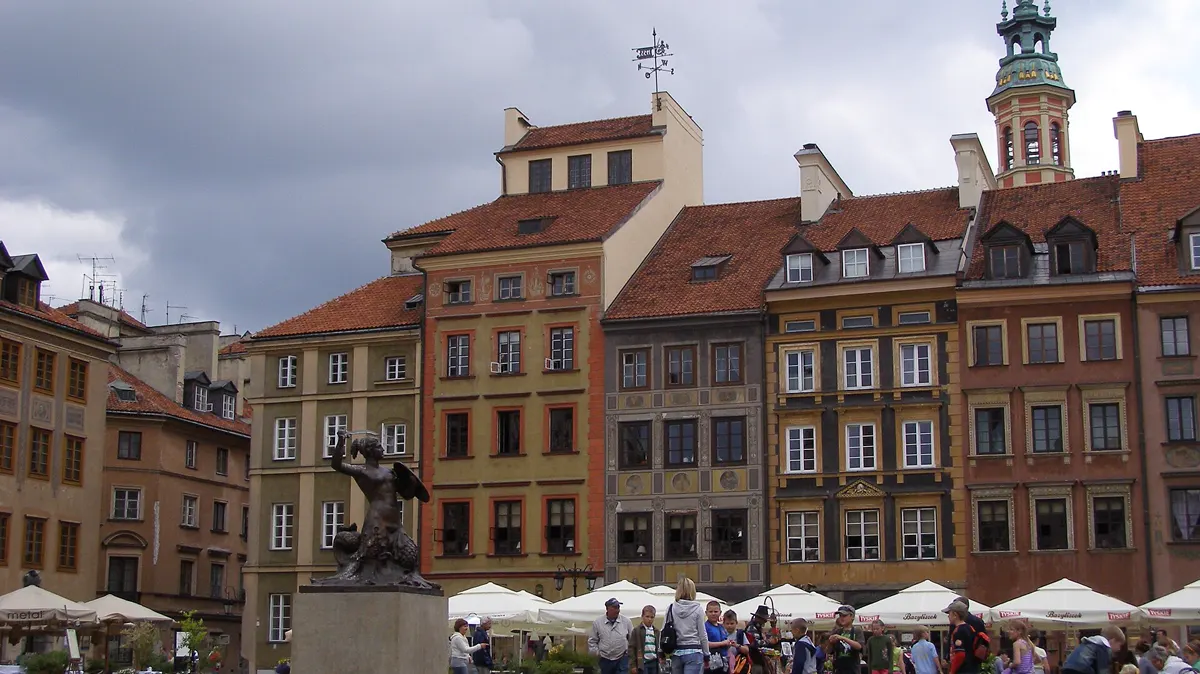
Old Town Market Square
The reconstructed heart of Warsaw Old Town, a UNESCO-listed feat of post-war rebuilding ringed by colourful townhouses.
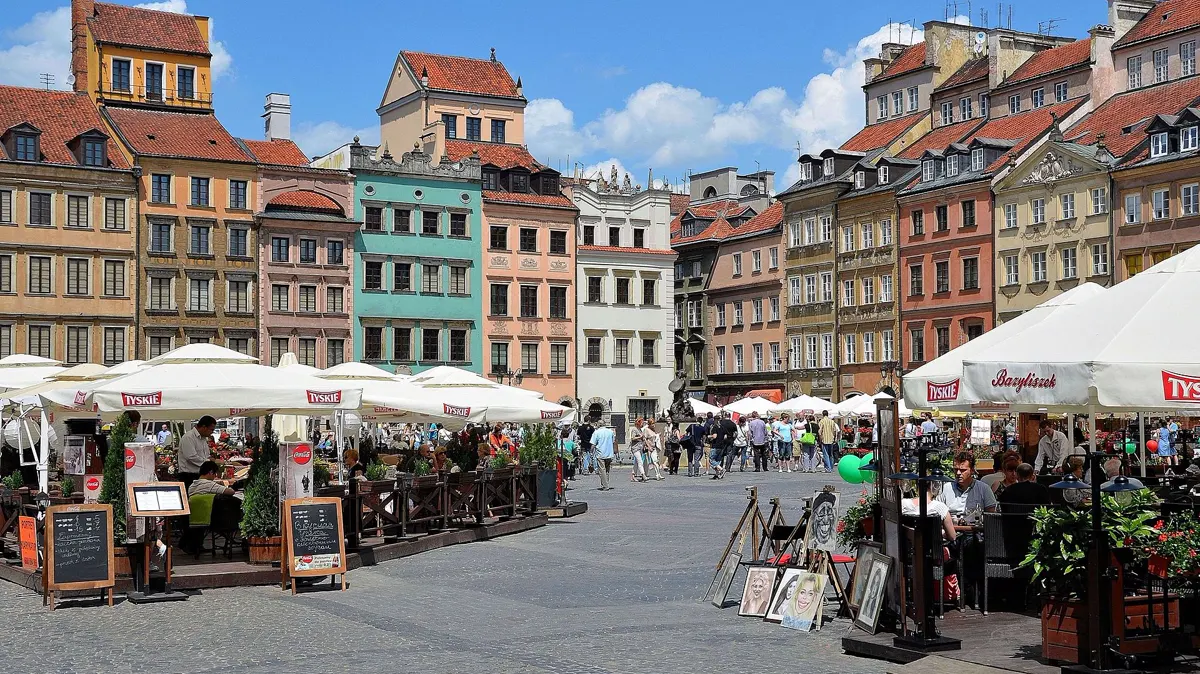
Stare Miasto (Warsaw)
Warsaw's Old Town was rebuilt from rubble after World War II so faithfully that UNESCO added it to the World Heritage list. Its Market Square is lined with pastel merchant houses and centred on the bronze Mermaid statue, the city's symbol.
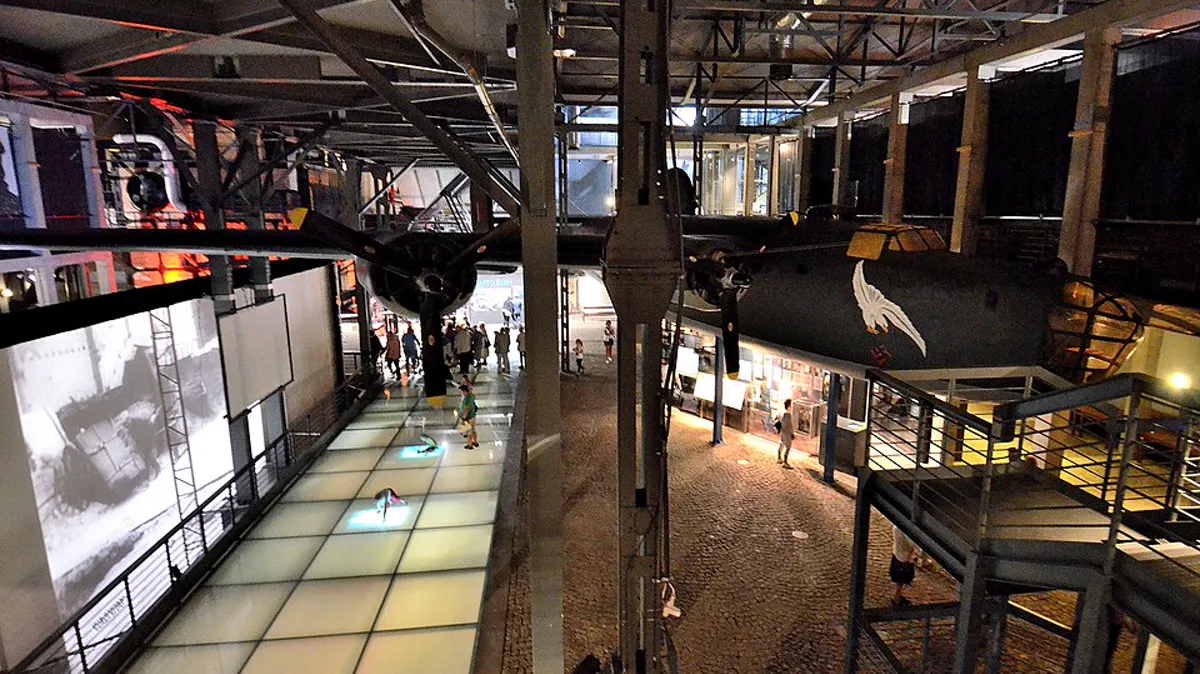
Muzeum Powstania Warszawskiego
The Warsaw Uprising Museum documents the 63-day insurrection of 1944 through survivor recordings, a replica Liberator bomber, and a beating-heart sound installation. It sits in a former tram power station in the Wola district.
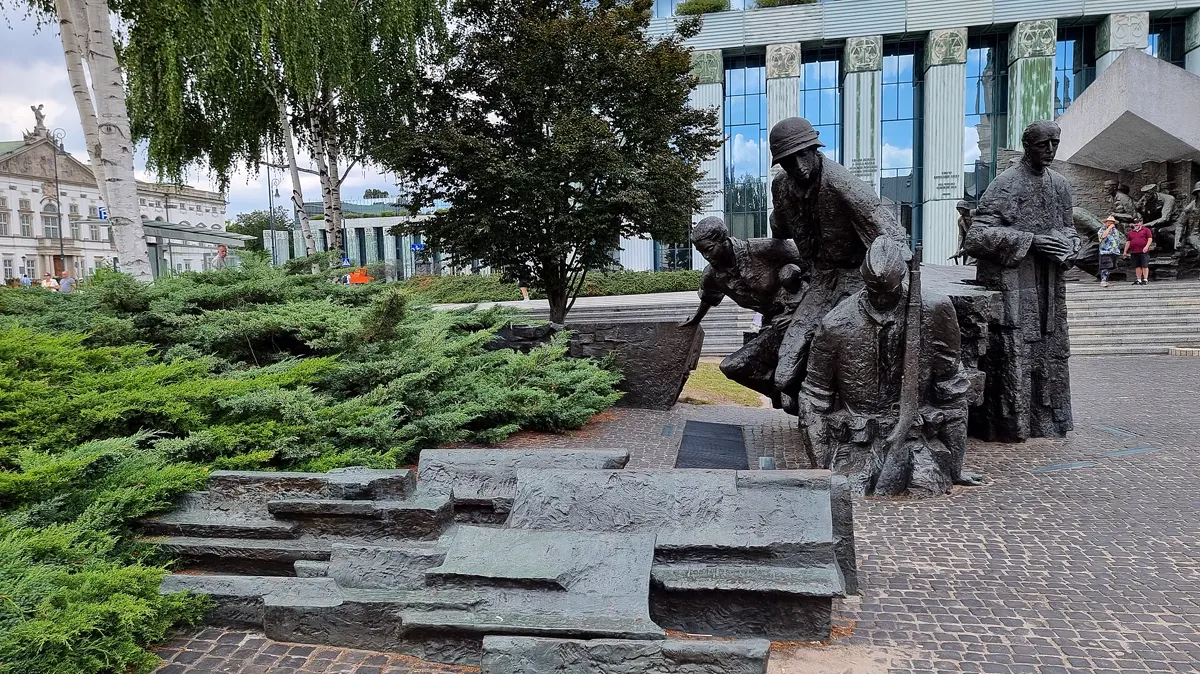
Warsaw Uprising Monument
A large bronze monument on Krasinski Square commemorating the 1944 Warsaw Uprising, the 63-day fight by the Polish resistance against German occupation.
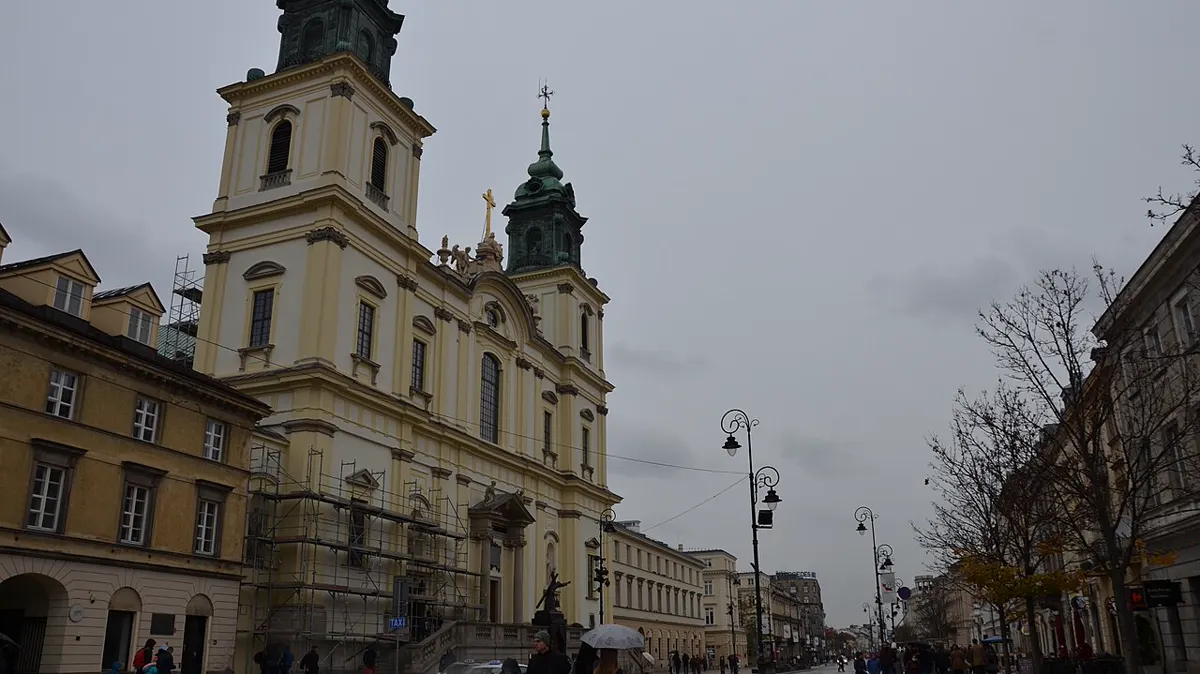
Holy Cross Church (Kosciol sw. Krzyza)
A major Baroque church on Warsaw's Royal Route, best known as the resting place of Frederic Chopin's embalmed heart, sealed inside a pillar of the nave.
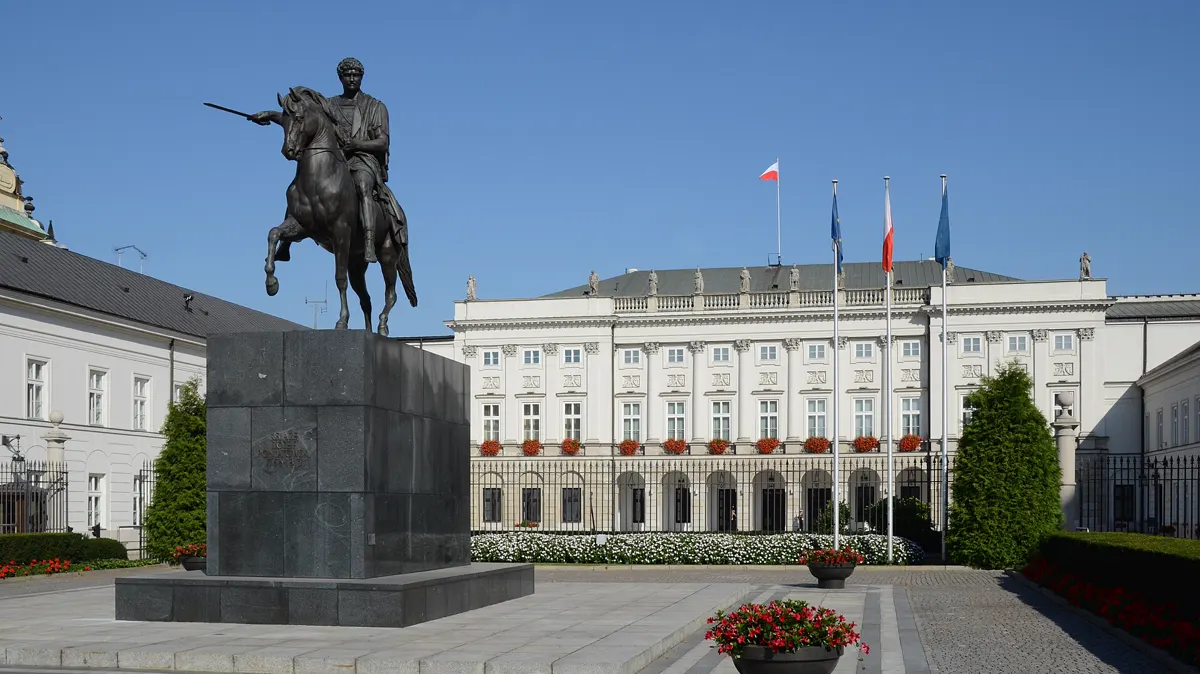
Presidential Palace (Palac Prezydencki)
Warsaw's largest palace and the official seat of the President of Poland, a Neoclassical landmark on the Royal Route fronted by Thorvaldsen's statue of Prince Jozef Poniatowski.
More to explore in Warsaw
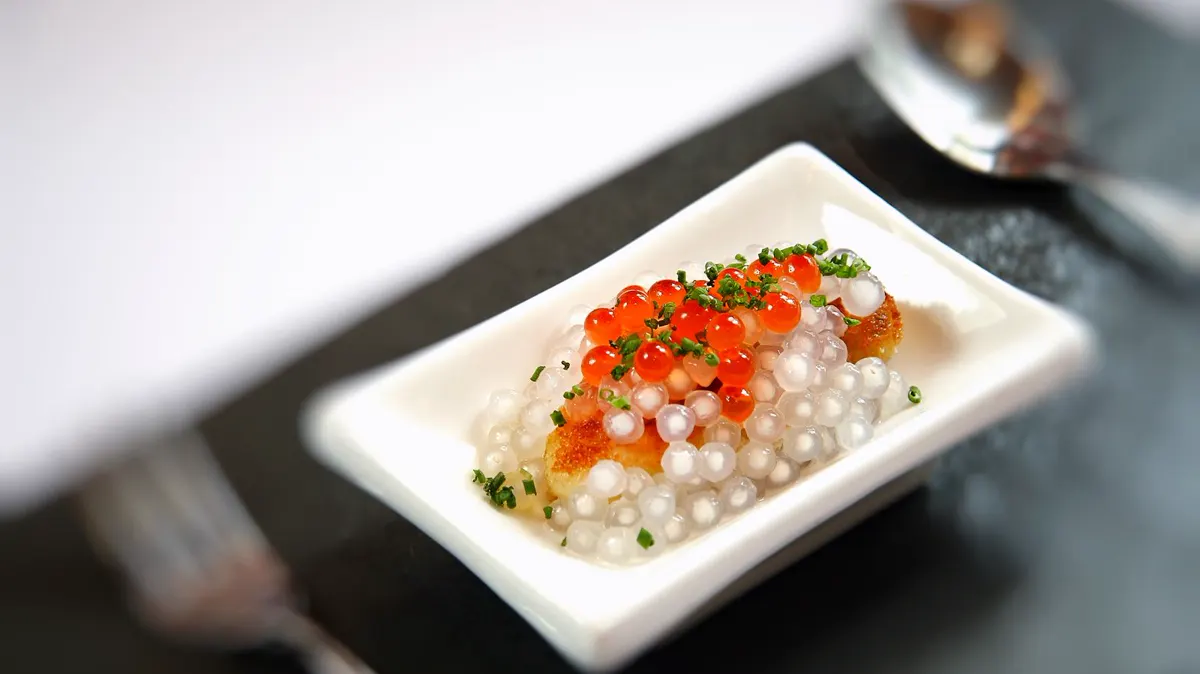
Restaurant
Nolita
A Michelin Guide-listed kitchen turning Polish produce into precise modern tasting menus.
Hotel
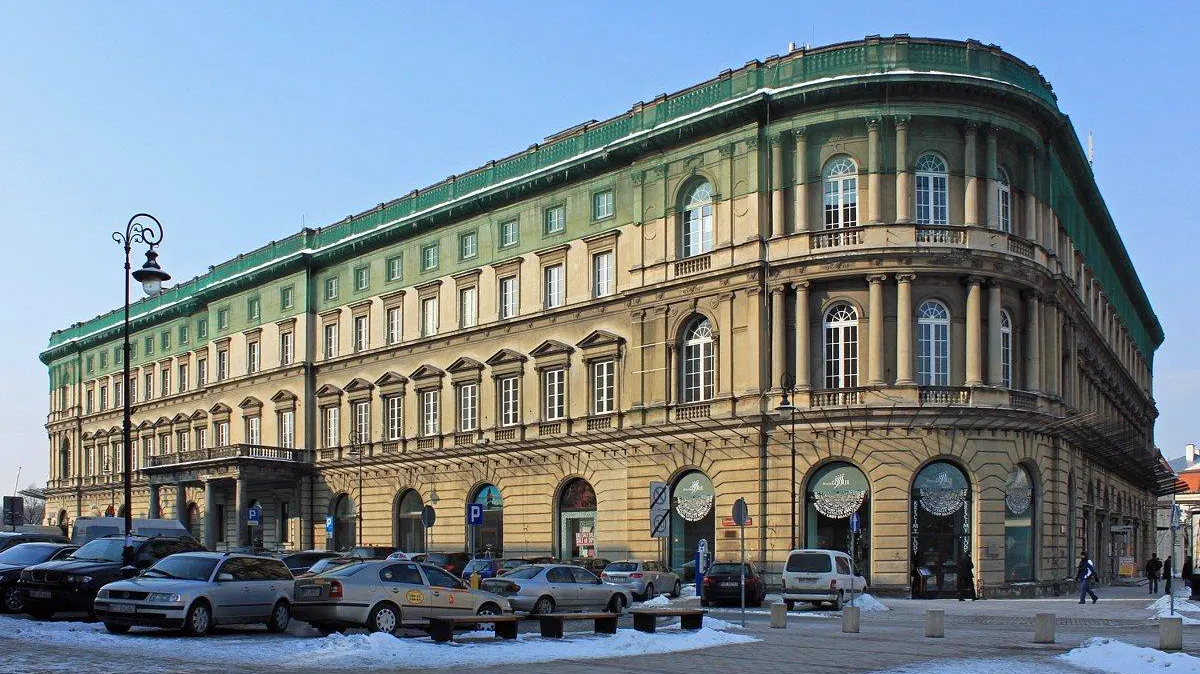
Raffles Europejski Warsaw
A landmark 19th-century hotel on the Royal Route, reborn with a serious art collection.
Castle
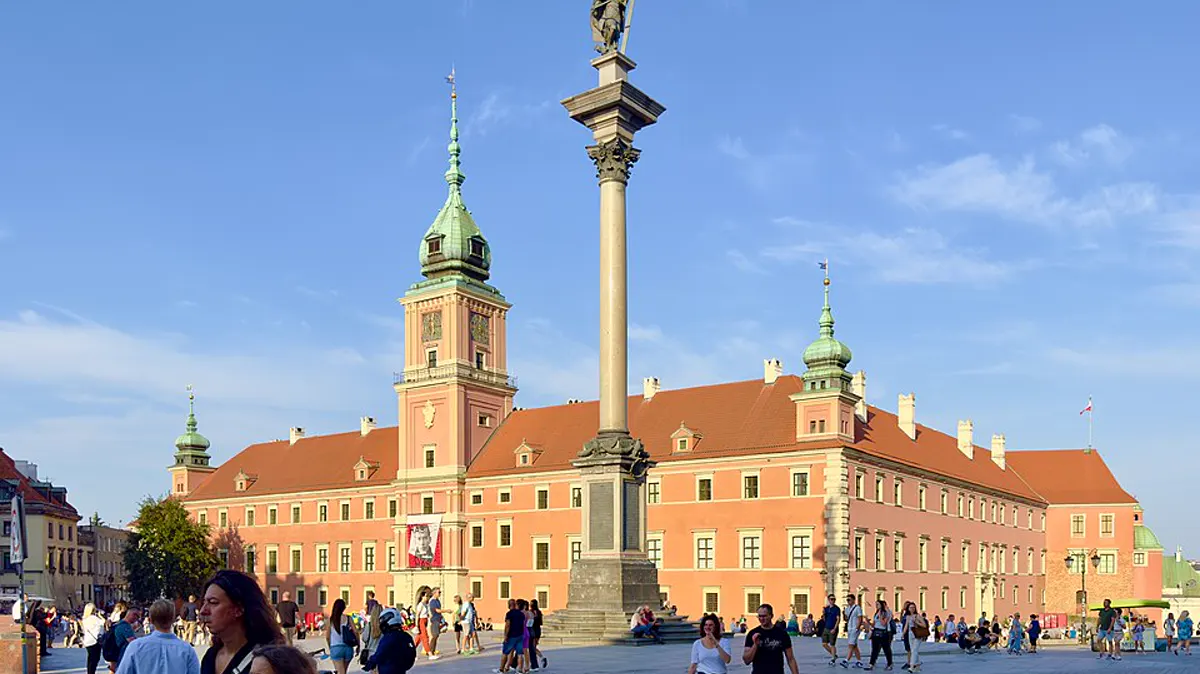
Royal Castle
The reconstructed seat of Polish kings and parliament on Castle Square, rebuilt from rubble after wartime destruction.
Museum
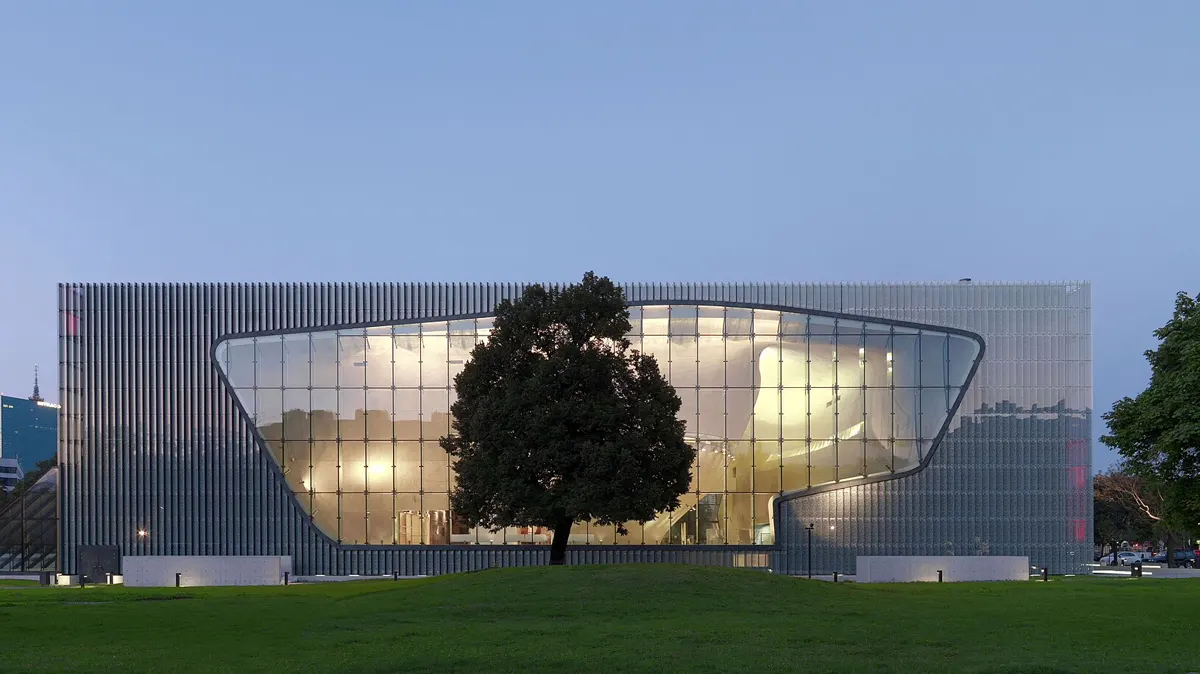
POLIN Museum of the History of Polish Jews
An award-winning museum tracing a thousand years of Jewish life in Poland, on the site of the former Warsaw Ghetto.

Restaurant
Relaks
A pioneering third-wave coffee spot in Srodmiescie with a small, focused menu and serious espresso. A neighbourhood favourite for a mid-walk break.
Nature
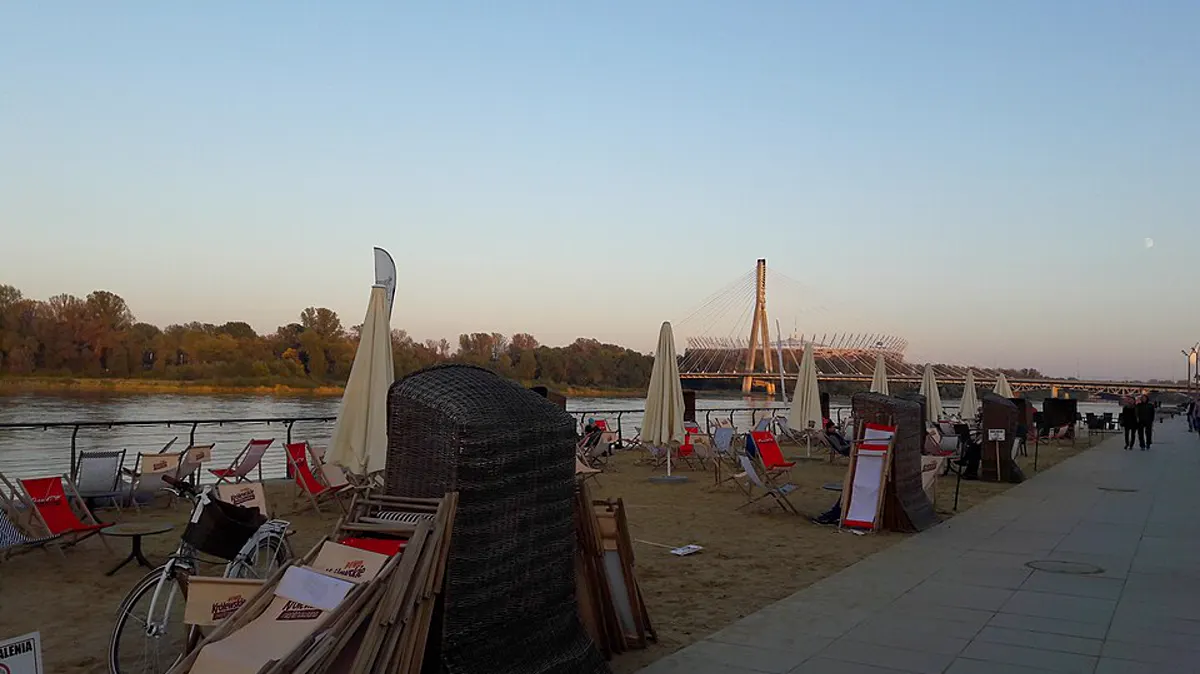
Vistula Boulevards
The revamped riverfront promenade, all bars and beaches on one bank facing wild woods on the other.