Attraction in Kraków
Nowa Huta
Nowa Huta is a planned socialist-realist district in eastern Kraków, begun in 1949 as a model workers' city around the Lenin Steelworks and now toured for its Stalinist architecture and Cold War history.
Reviewed and updated July 2026
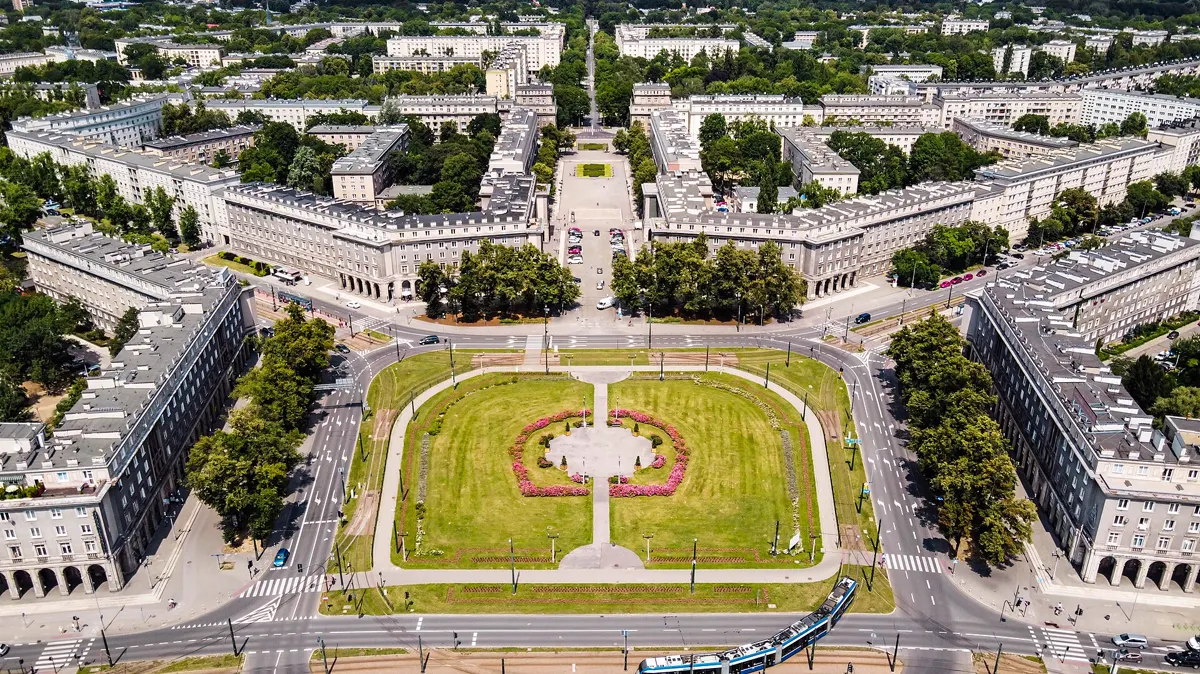
Nowa Huta is a planned district in eastern Kraków, built from 1949 as a model socialist workers' city and one of the largest socialist-realist urban schemes ever completed. People visit to walk its monumental avenues and Stalinist architecture, a deliberate communist answer to bourgeois old Kraków, and to understand a side of Polish history that has little to do with the medieval Old Town a few kilometres west.
Plac Centralny and the star-shaped street plan
The centrepiece is Plac Centralny, a pentagonal plaza officially renamed Ronald Reagan Central Square in 2004, from which grand tree-lined avenues radiate outward like the arms of a star. The surrounding blocks show off the socialist-realist style in full: arcaded ground floors, symmetrical facades and monumental proportions meant to project the ideals of the workers' state. Walking the main axes gives the clearest sense of how the whole district was composed as a single planned form rather than growing piecemeal over centuries.
An ideal city built around a steelworks
Nowa Huta was conceived as an ideal workers' city and a communist counterpoint to old Kraków, anchored by the giant Lenin Steelworks that opened in 1954. The district and the plant were designed together, housing tens of thousands of steel workers close to the factory that gave the place its purpose. That origin explains the scale of everything here, from the width of the boulevards to the uniform apartment blocks, all laid out to serve heavy industry and a new social order.
Solidarity and the district's political turn
The city built to embody communism became one of the places that helped undo it. In the 1980s Nowa Huta was a stronghold of Solidarity protests, and its squares and steelworks gates saw clashes and demonstrations against the government the district had been built to celebrate. Reading the architecture alongside this history is what makes a visit worthwhile, because the same monumental spaces served both the state and its opponents.
Fitting Nowa Huta into a Kraków trip
Nowa Huta works well as a half-day contrast to the medieval centre covered in our Kraków guide, and it suits travellers curious about twentieth-century and Cold War history rather than castles and churches. Many visitors tour the district by vintage Trabant, the small East German car that fits the period, though you can also explore on foot or by tram. Check current tram and tour options through official channels before you set out, as timetables and operators change.
Good to know
Nowa Huta lies a few kilometres east of Kraków's Old Town and is reachable by tram, so allow at least a half day if you want to walk the main avenues rather than just see Plac Centralny.
Frequently asked questions
More attractions in Kraków
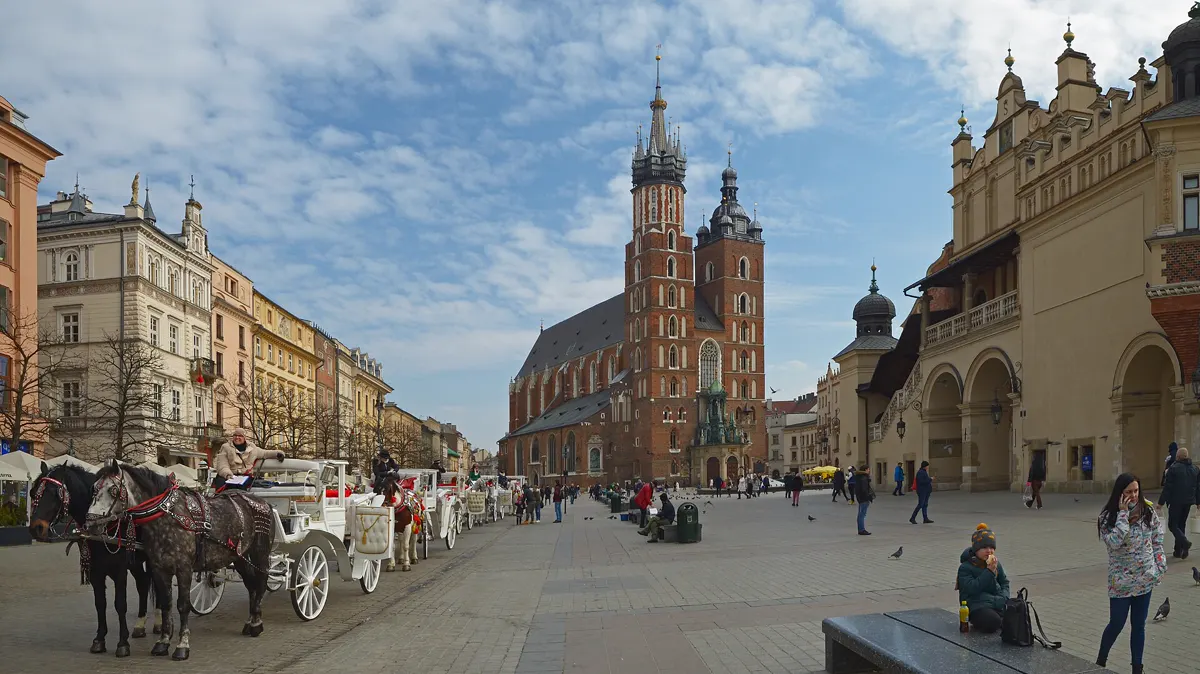
Main Market Square
Europe's largest medieval market square, the social centre of Krakow, with the Cloth Hall running down its middle.
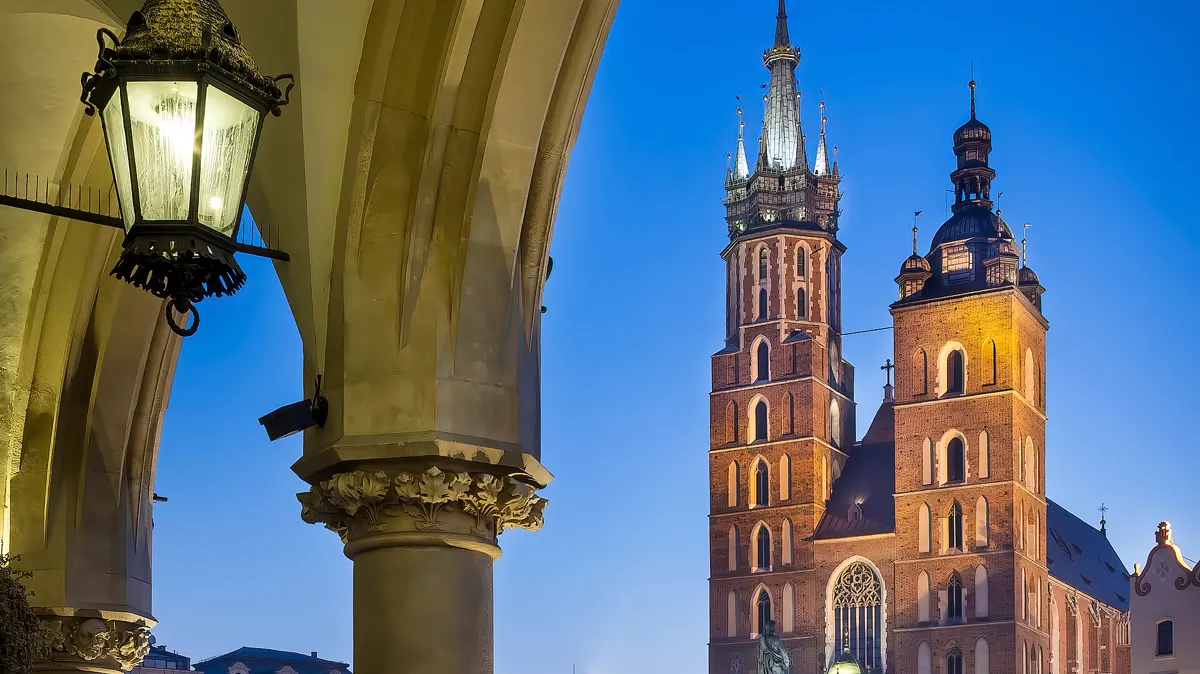
St Mary's Basilica
The brick Gothic church on the main square, famous for its mismatched towers and a carved wooden altarpiece by Veit Stoss.
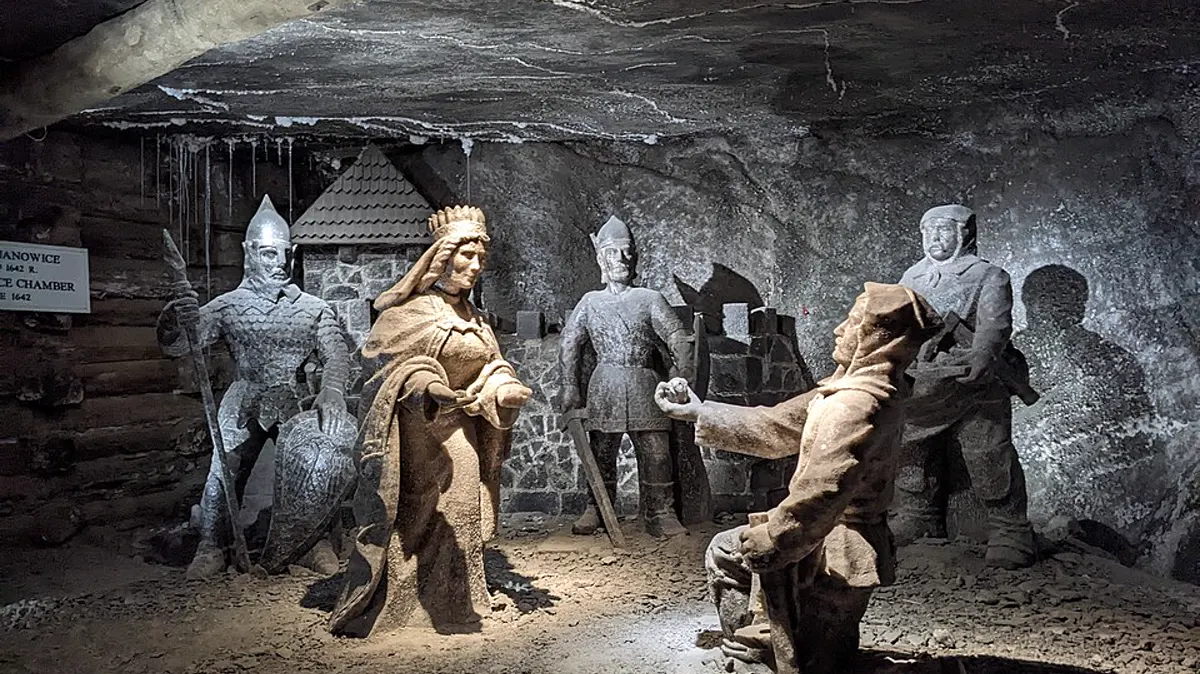
Wieliczka Salt Mine
A UNESCO-listed salt mine worked for seven centuries, with underground chapels, lakes and chambers carved entirely from rock salt.
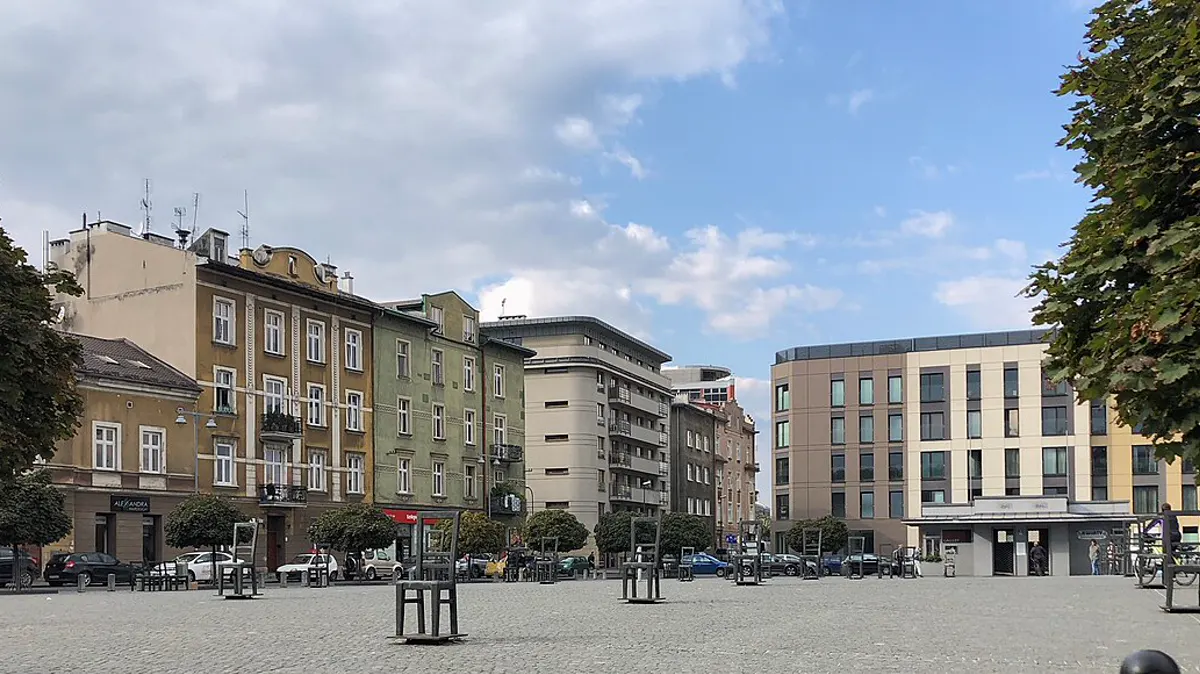
Ghetto Heroes Square
An open public square in Podgórze that was the centre of the Kraków Ghetto, now marked by a memorial of 70 empty iron chairs standing where residents were assembled for deportation.
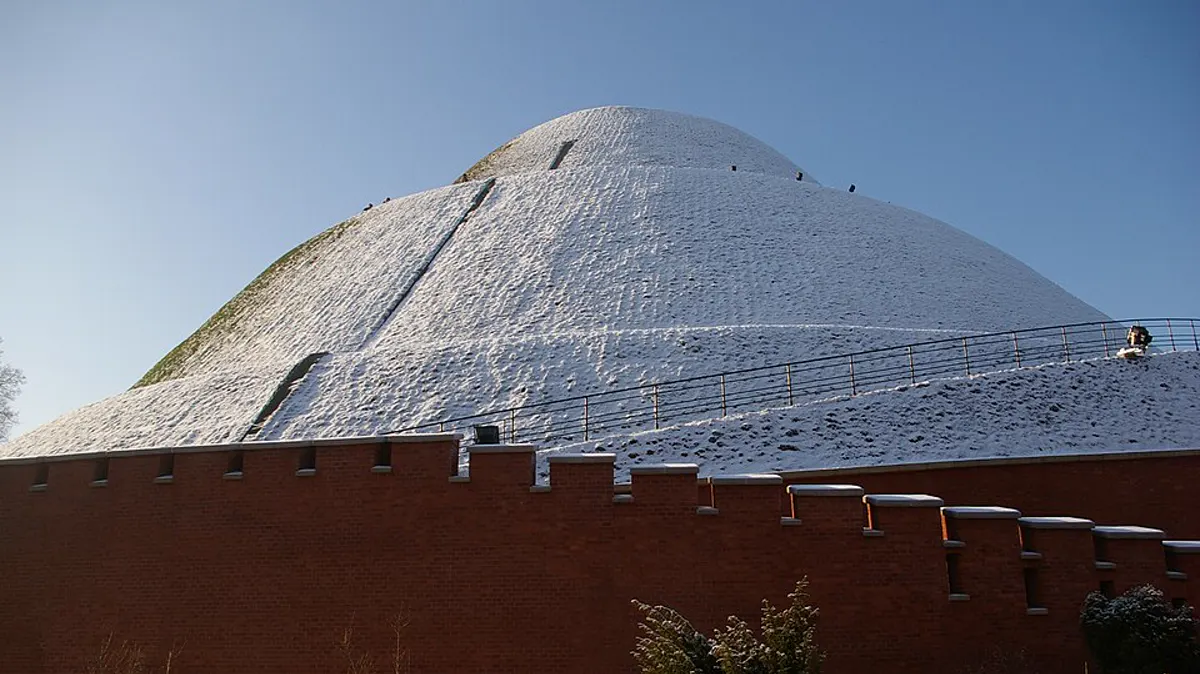
Kopiec Kosciuszki
An artificial mound raised in the 1820s to honour national hero Tadeusz Kosciuszko, built partly with soil from his battlefields. From its summit and the surrounding fort there are sweeping views over the city and, on clear days, the Tatra Mountains.
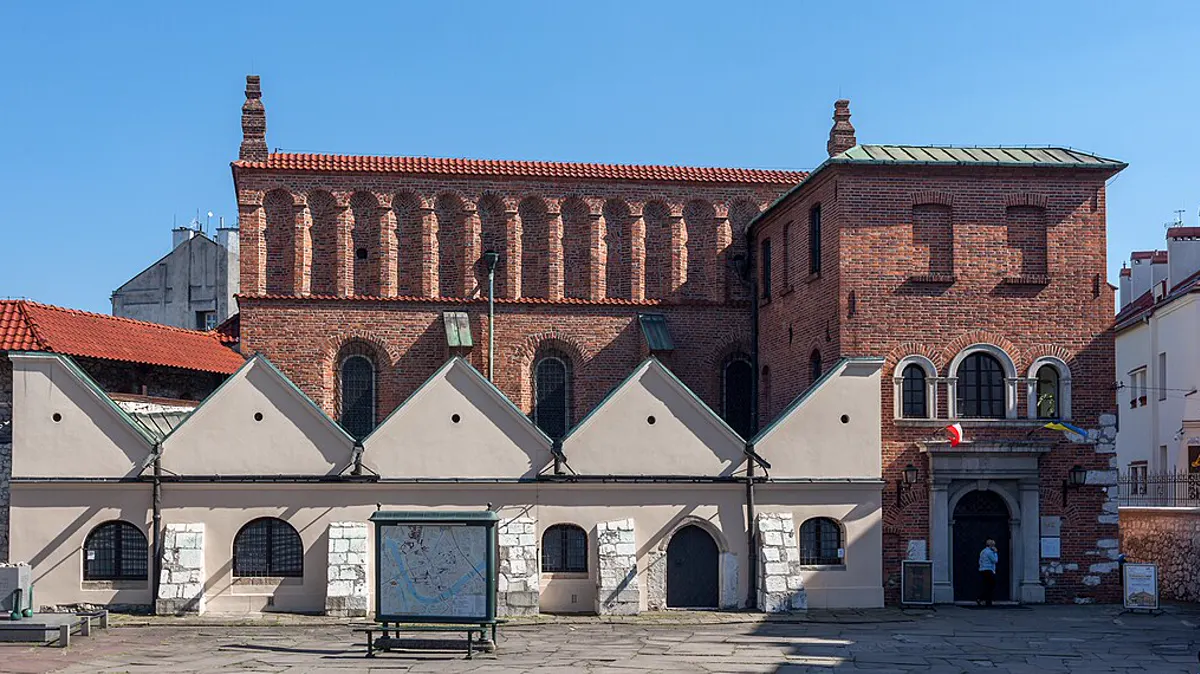
Old Synagogue (Stara Synagoga)
The Old Synagogue at 24 Szeroka Street is the oldest surviving synagogue building in Poland and now a branch of the Museum of Kraków telling the story of the city's Jews.
More to explore in Kraków
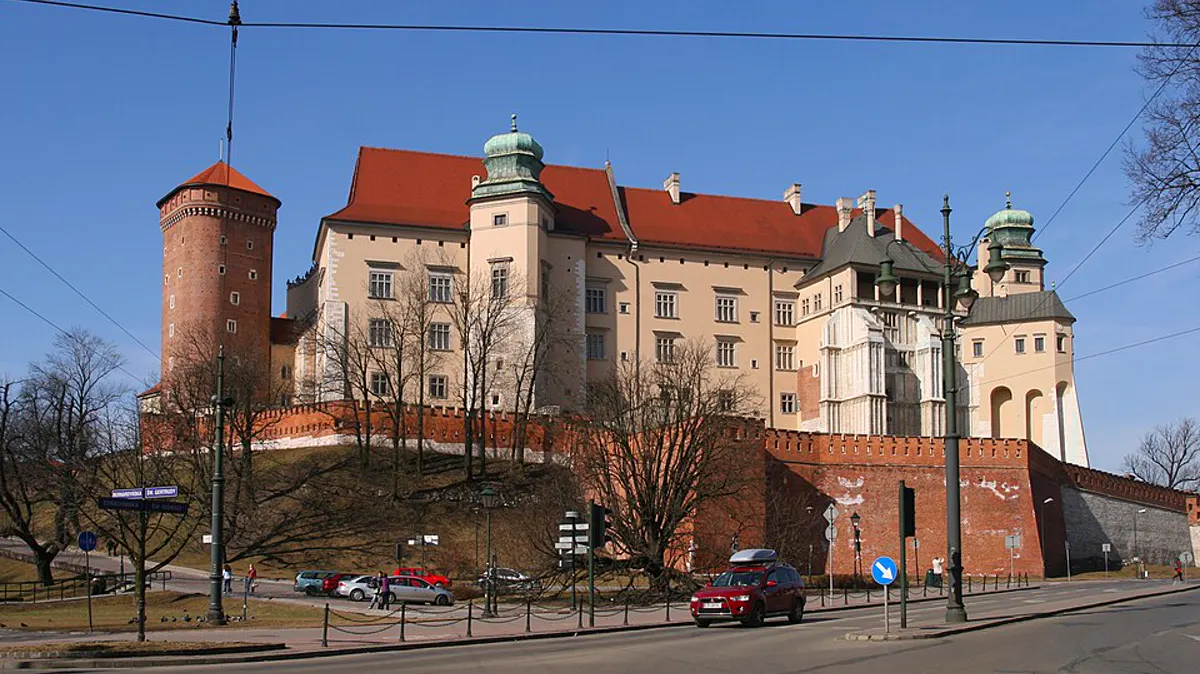
Castle
Wawel Castle
The royal castle and cathedral on the hill above the Vistula, the symbolic heart of the Polish nation for a thousand years.

Restaurant
Bottiglieria 1881
Krakow's Michelin-starred tasting-menu room, a modern Polish kitchen paired with a deep wine cellar.
Hotel
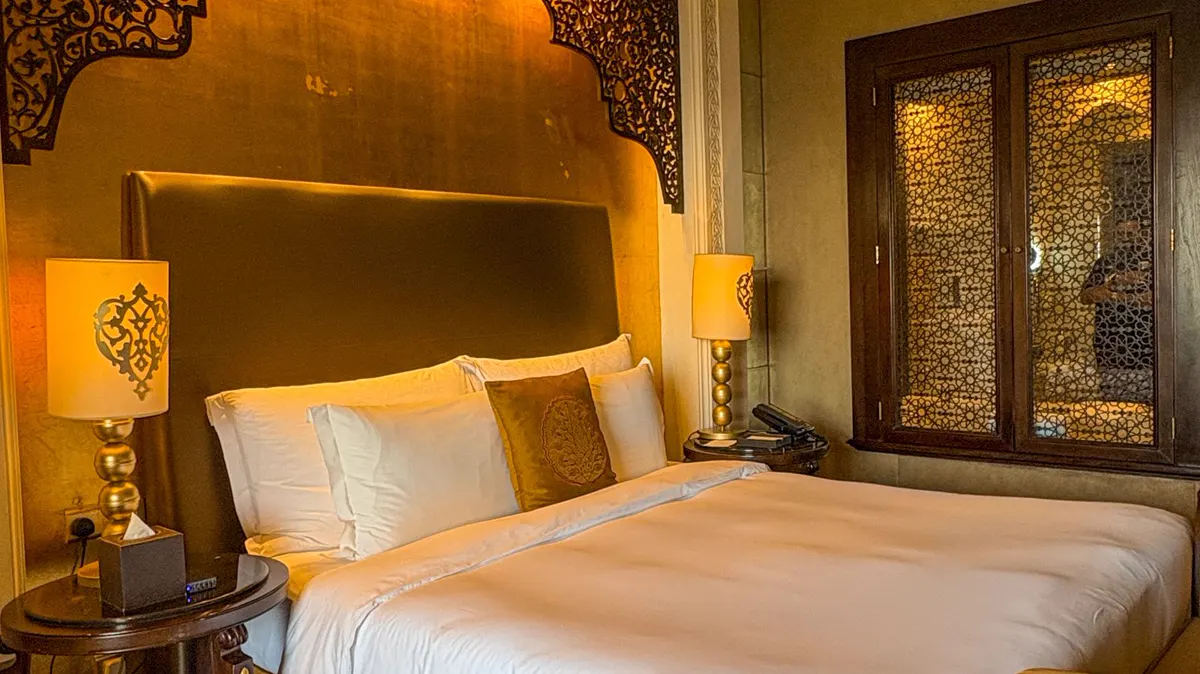
Hotel Copernicus
A Relais & Châteaux townhouse on the oldest street in the city, with a rooftop terrace facing Wawel.
Museum
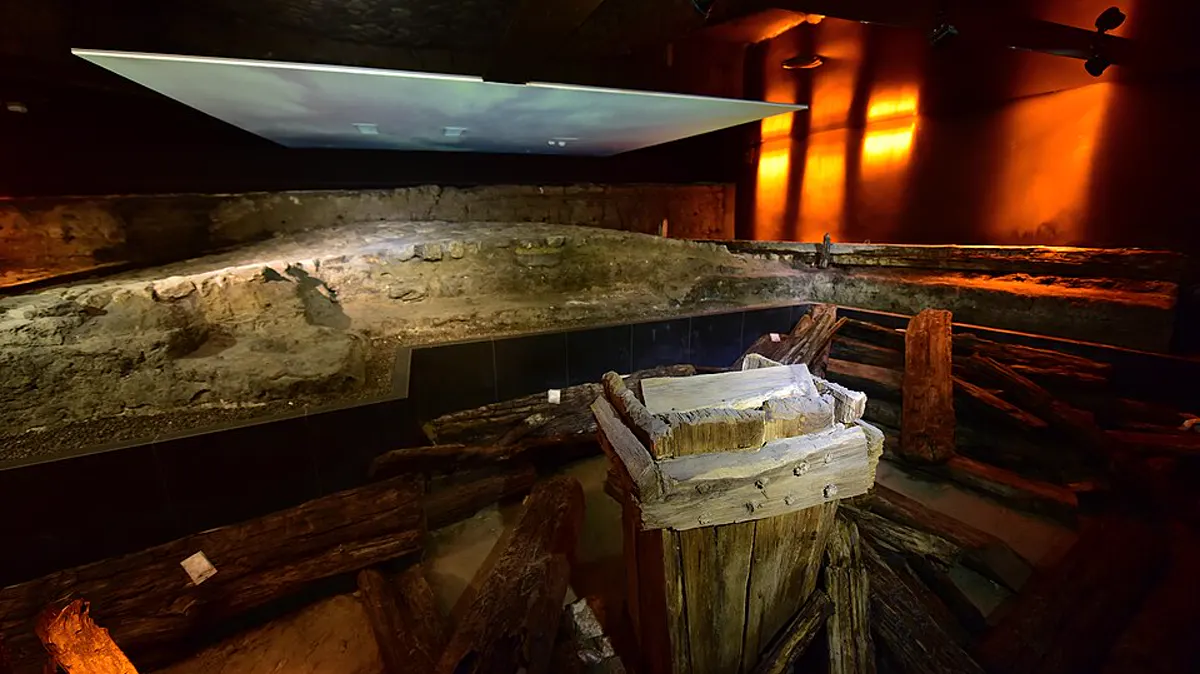
Rynek Underground
An atmospheric archaeology museum beneath the Main Square, walking you through the medieval market on its original cobbles.
Hotel
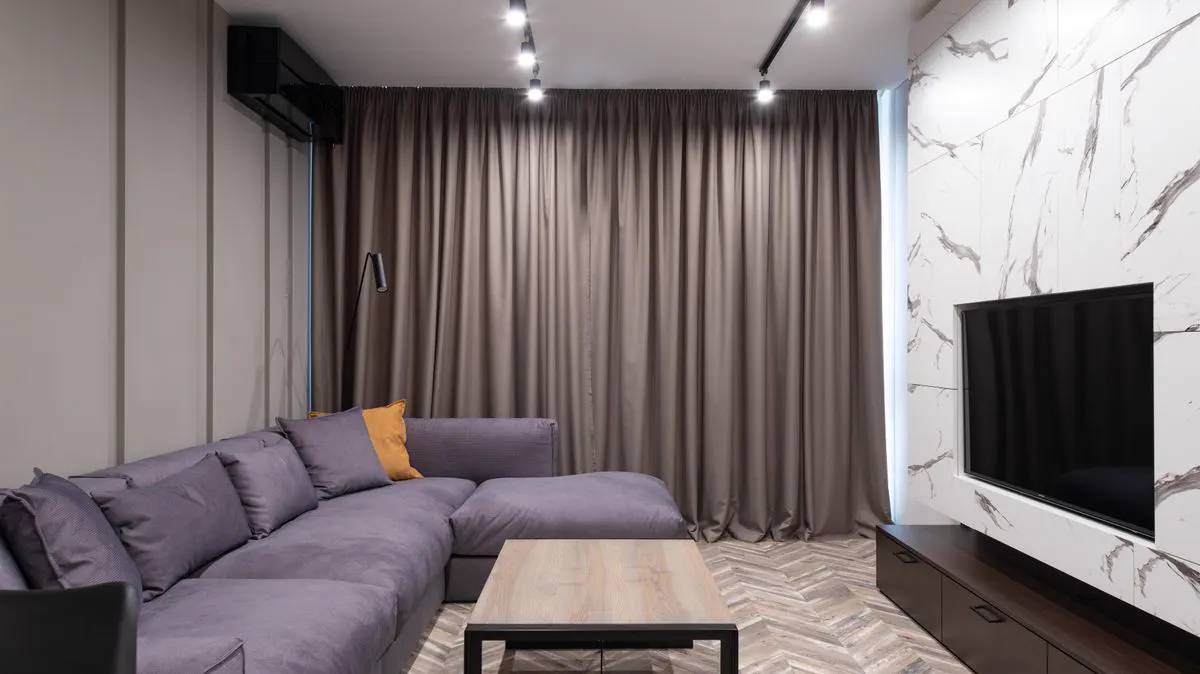
Old Town Apartments Krakow
Self-catering flats scattered through the Old Town for travellers who want their own kitchen.
Restaurant
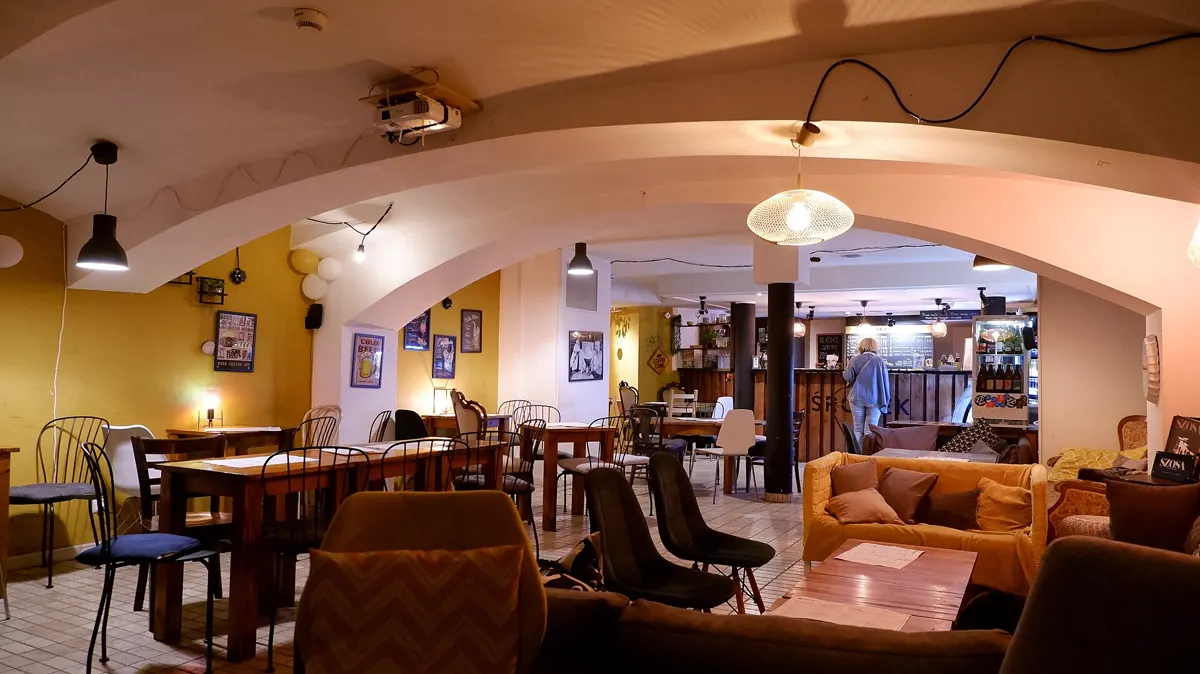
Pod Wawelem
Big portions, house beer and a beer-hall buzz right under the castle hill.