Attraction in Toruń
Dybów Castle Ruins
The brick ruins of a 15th-century royal castle on the far bank of the Vistula from Toruń's Old Town, freely open to walk through, with views back across the river to the city skyline.
Reviewed and updated July 2026
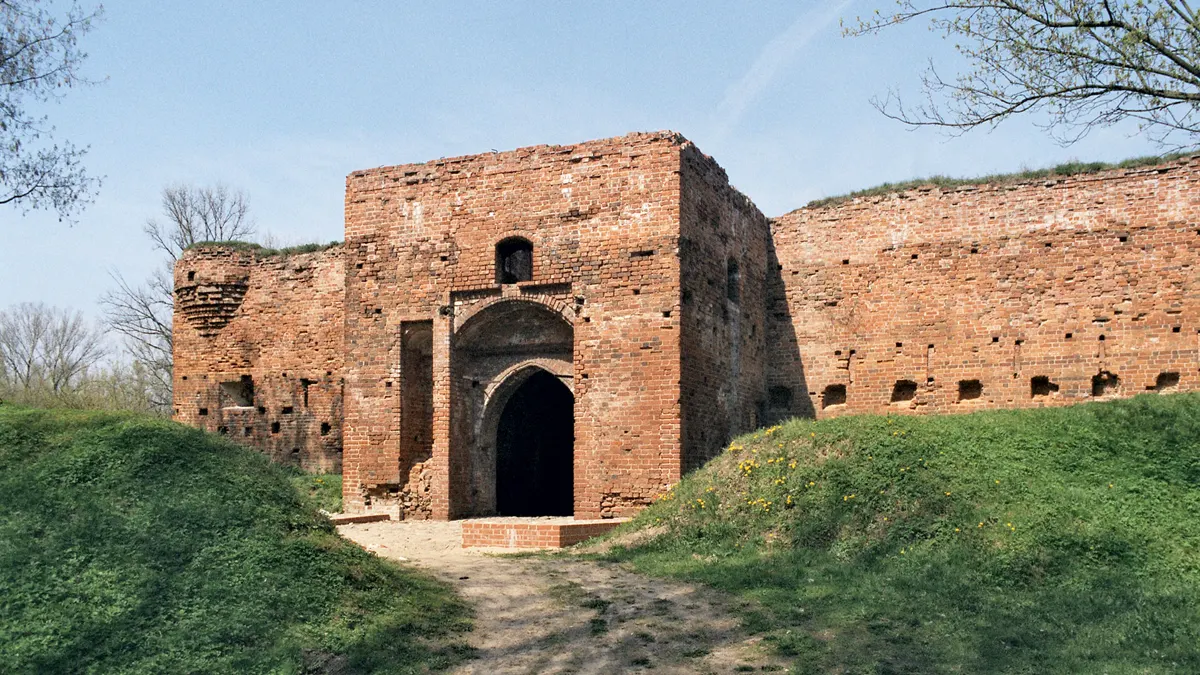
Dybów Castle Ruins are the remains of a royal brick castle on the left bank of the Vistula in the Podgórz district, directly across the river from Toruń's Old Town. King Władysław II Jagiełło ordered it built in the 1420s to guard the border with the Teutonic state, and the walls and courtyard are now freely open to visitors. People come for the sense of a working frontier fortress and for the wide view back over the water to Toruń's spires and rooftops.
What you see at the site
The main draw is the surviving brick shell of the castle: sections of outer wall, the shape of the courtyard and the footprint of a fortress laid out to control the river crossing. There are no ticket booths or fixed routes, so you walk the grounds at your own pace and read the structure from what remains rather than from grand interiors. The riverside position is part of the appeal, since the far bank frames Toruń's Old Town skyline across the Vistula. Bring sensible footwear, as the ground is uneven in places.
A royal border fortress
Władysław II Jagiełło had the castle raised in the 1420s as a defensive point against the neighbouring Teutonic state, and it went on to serve as a royal residence. King Casimir IV Jagiellon issued the Nieszawa Statutes nearby, an act that expanded the privileges of the Polish nobility, and the castle played a part in the Thirteen Years' War against the Teutonic Order. That combination of military and political weight is what sets Dybów apart from a simple ruin, since decisions made here shaped the wider region.
Who it suits and how to visit
Dybów works best for travellers who like history they can walk through without crowds or admission gates, and for anyone chasing a good vantage point over the river. It is a quieter, open-air stop rather than a museum, so it suits a short detour more than a full day. Families and photographers tend to enjoy the courtyard and the river outlook. For current access details or any events on the grounds, check official Toruń tourism channels before you go.
Fitting it into a Toruń visit
Because the ruins sit on the opposite bank from the historic centre, Dybów pairs naturally with a walk along the Vistula or a crossing over the river from the Old Town. Many visitors combine it with the riverside promenade that gives the classic panorama of Toruń's Gothic waterfront. See our Toruń guide for the main sights across the water. Allow time to cross back before evening if you want to see the Old Town lit up.
Good to know
The ruins and courtyard are freely accessible with no ticket, so bring sturdy footwear for the uneven ground and check official Toruń tourism channels for any current access notices.
Frequently asked questions
More attractions in Toruń
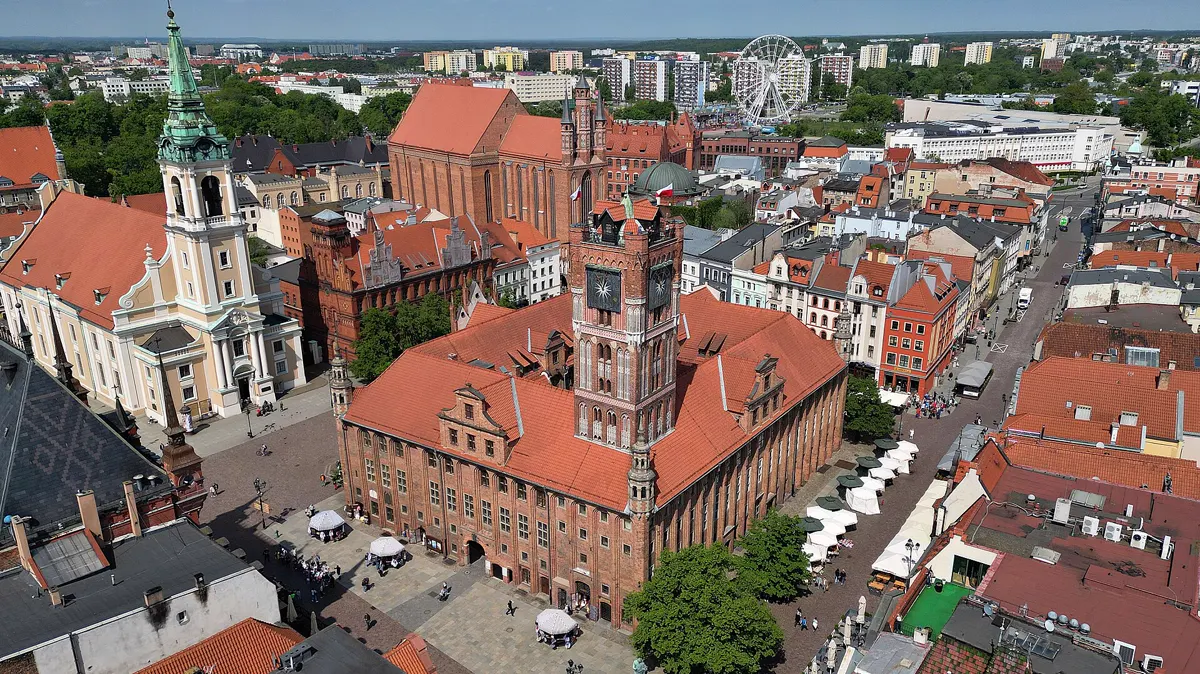
Torun Old Town
A genuine, war-survived medieval centre of brick Gothic churches, granaries and gabled houses around the Old Town Market Square.
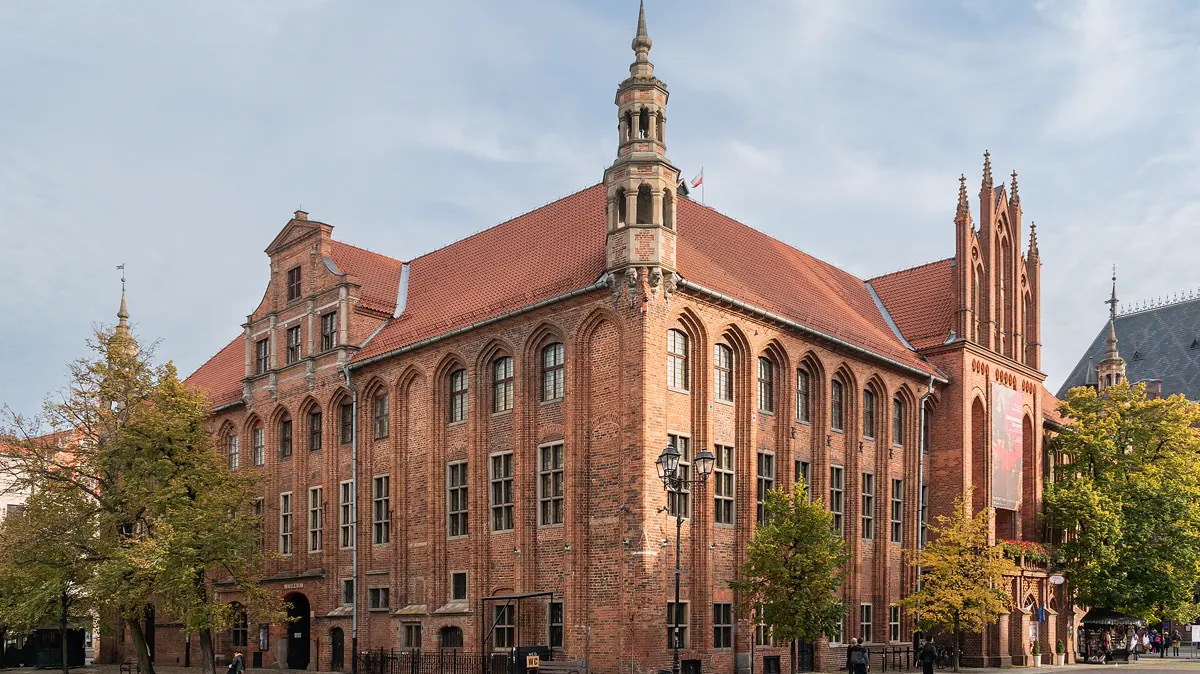
Ratusz Staromiejski
One of the finest municipal Gothic buildings in Central Europe, the Old Town Hall dates from the late 14th century and now houses the District Museum. Its tall tower offers sweeping views over the red-roofed old town and the Vistula.
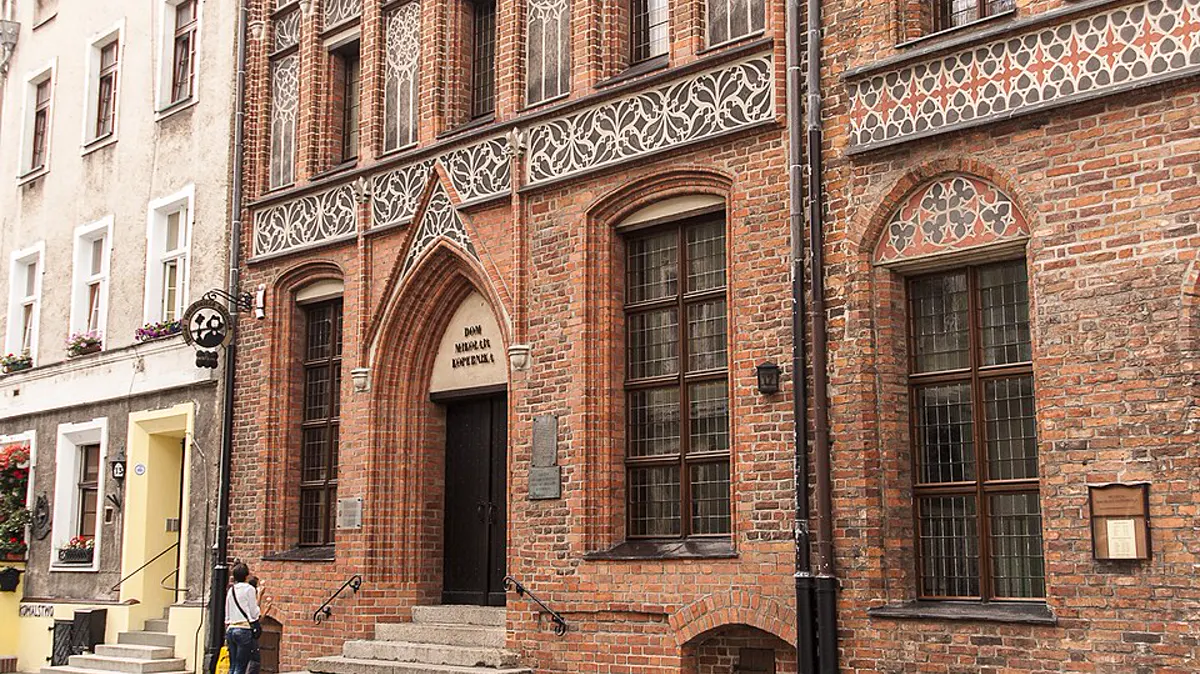
Dom Kopernika
A pair of Gothic burgher houses believed to be the birthplace of Nicolaus Copernicus in 1473, now a museum devoted to the astronomer's life and era. Exhibits recreate a 15th-century merchant household and display period instruments.
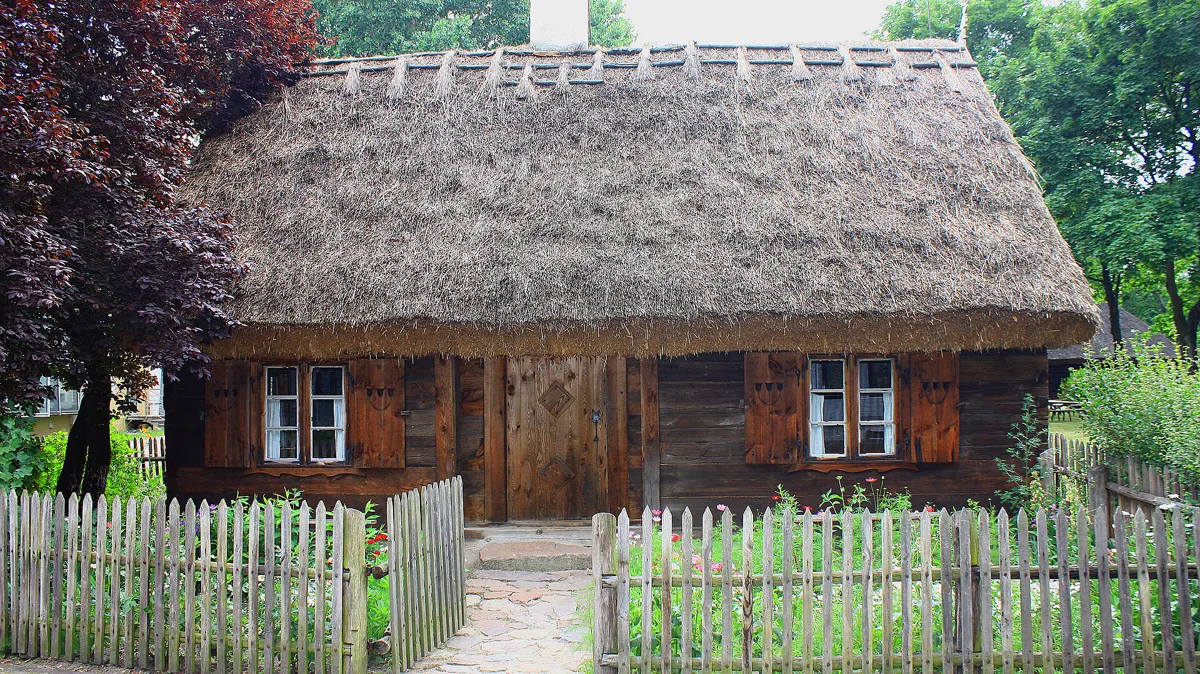
Ethnographic Museum and Open-Air Park, Toruń
An ethnographic museum in central Toruń that pairs indoor folk-art galleries with a two-hectare open-air park of relocated wooden buildings from rural northern Poland.
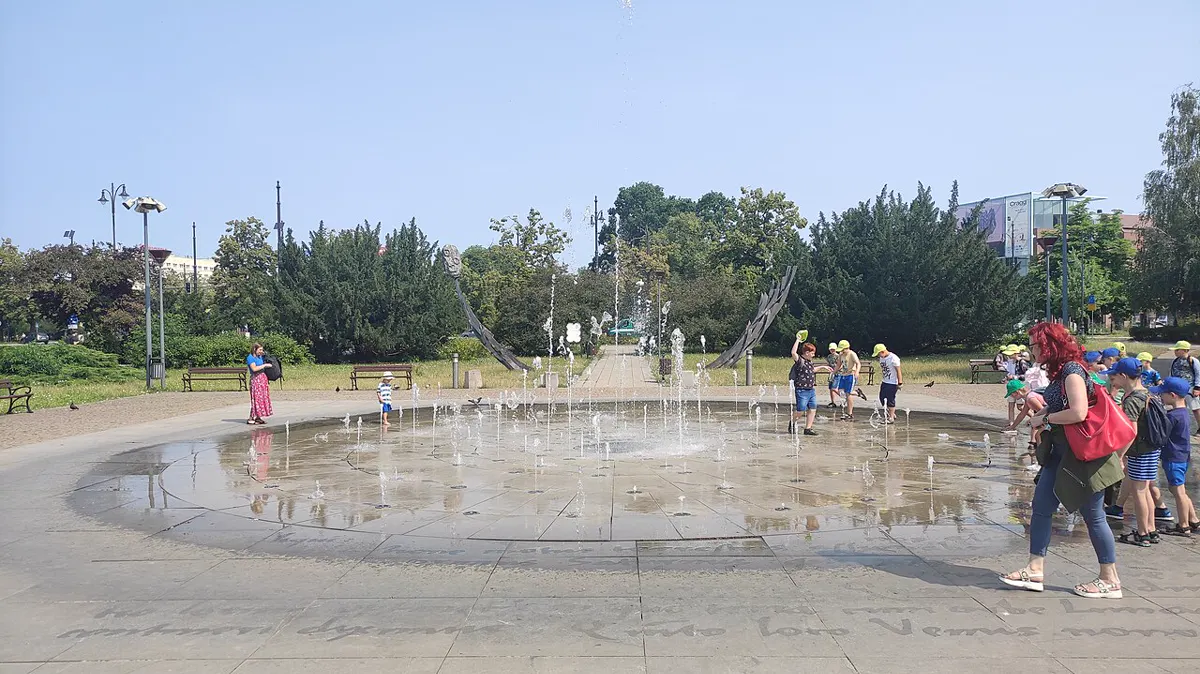
Cosmopolis Fountain
A modern multimedia fountain on Rapacki Square in Toruń, opened in 2008, where evening shows set water, coloured light and music to a design inspired by planetary orbits and the city's astronomer Copernicus.
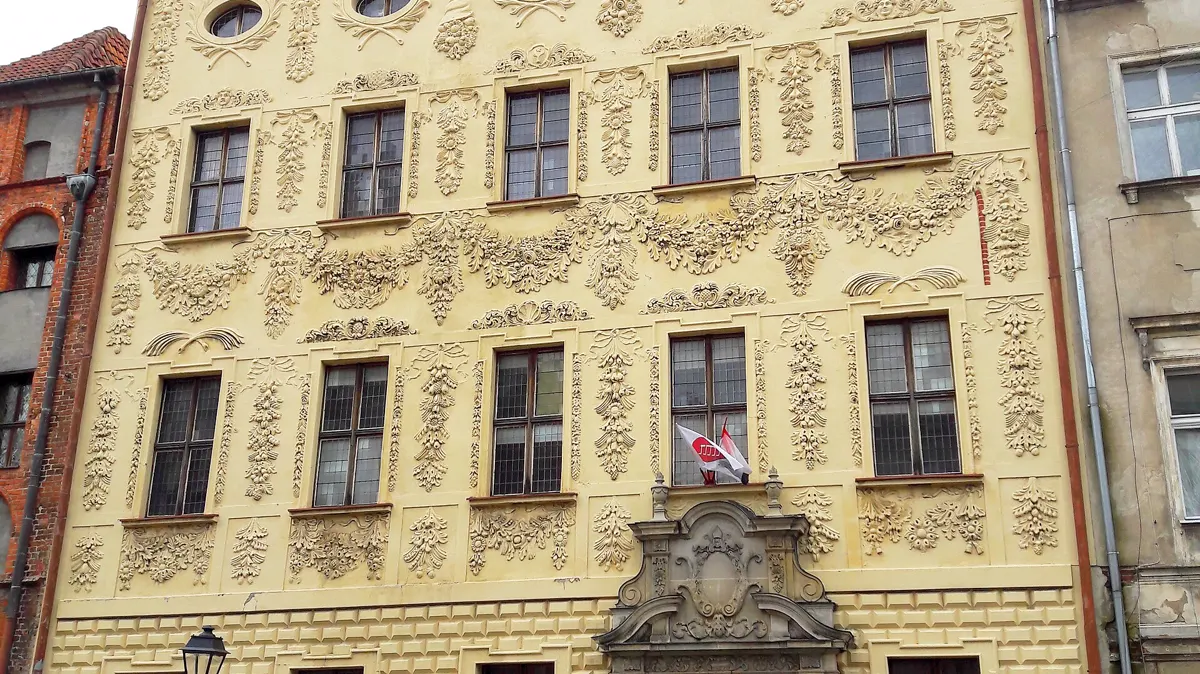
Dąmbski Palace (Pałac Dąmbskich)
A Baroque palace on Żeglarska Street in Toruń's Old Town, built in the late 17th century for a Dąmbski bishop and known for its ornate sculpted façade. It now houses the Kuyavia-Pomerania Music Theatre.
More to explore in Toruń

Restaurant
Manekin
A local legend for enormous sweet and savoury pancakes at gentle prices.

Hotel
1231 Hotel
A design hotel inside a 13th-century mill by the moat, with a spa and a well-regarded restaurant.

Restaurant
Karczma Gesia Szyja
A rustic inn in the old town leaning into goose and other regional specialities.
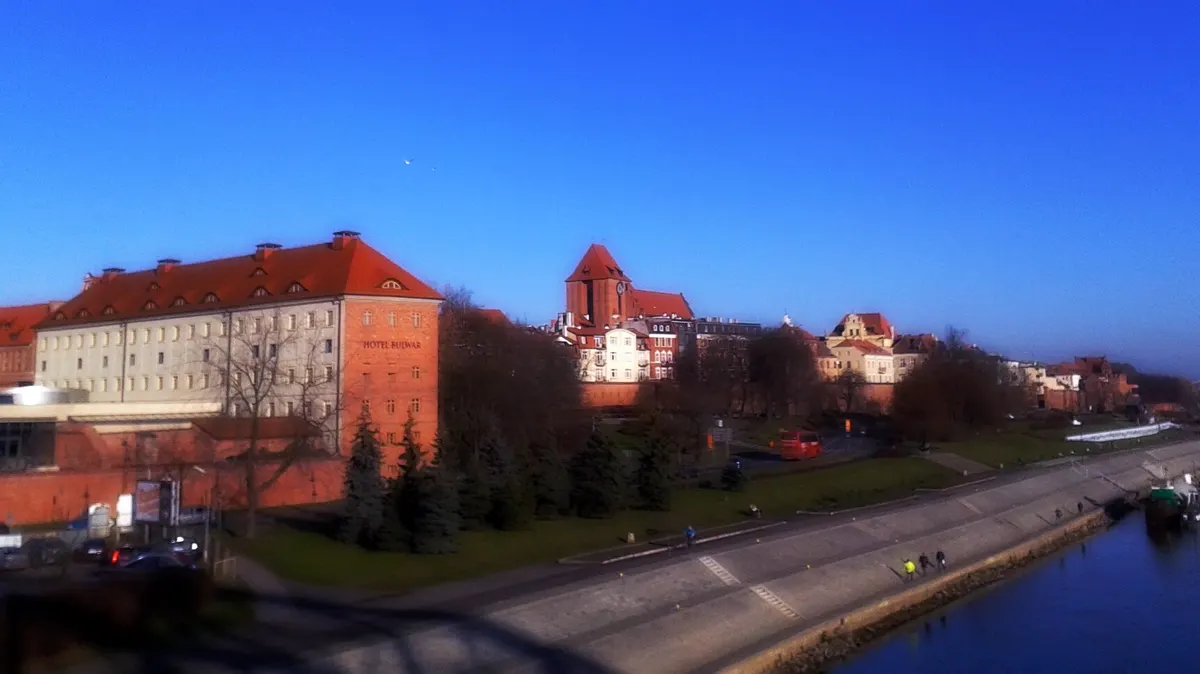
Hotel
Hotel Bulwar
A comfortable hotel on the Vistula boulevard with the best gingerbread-skyline views.

Restaurant
Szeroka 9
One of Torun's most polished kitchens, plating modern Polish and European dishes on the central Szeroka street.
Restaurant
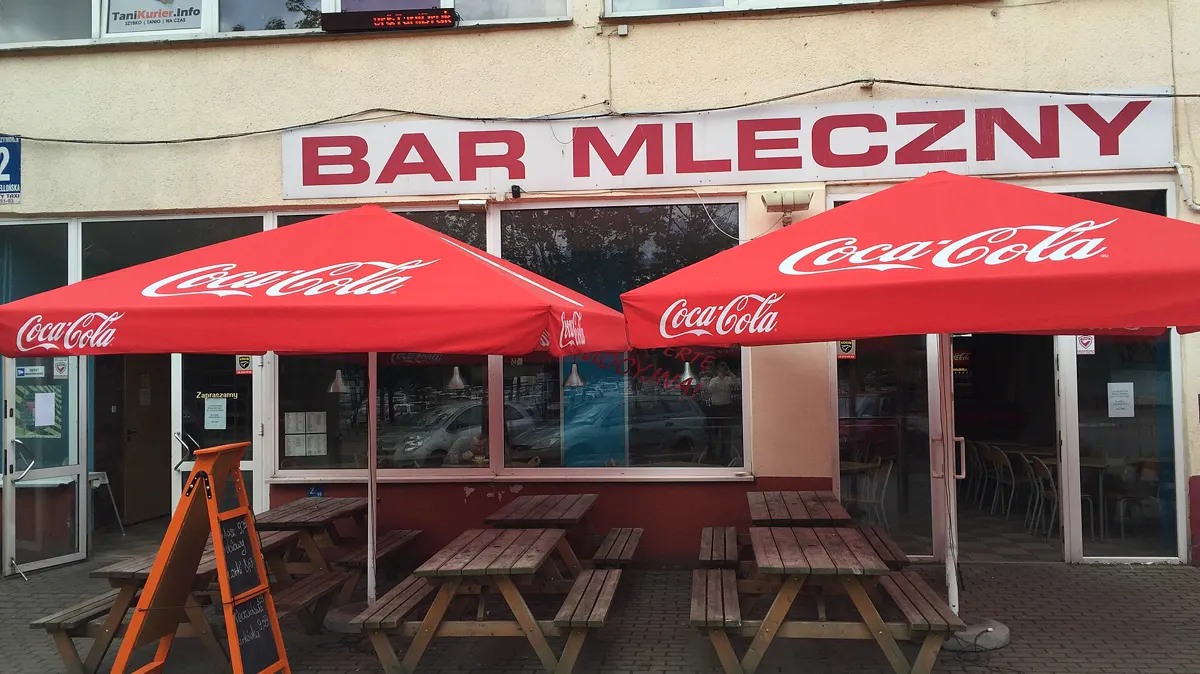
Bar Mleczny Malgoska
A genuine milk bar dishing out cheap, filling Polish home cooking like tomato soup, cutlets, and pierogi at throwback prices.