Attraction in Wrocław
Old Jewish Cemetery, Wrocław
A remarkably well-preserved 19th-century Jewish cemetery on Ślężna street, now a museum branch of the City Museum of Wrocław, where elaborate tombs and carved headstones stand among overgrown greenery.
Reviewed and updated July 2026
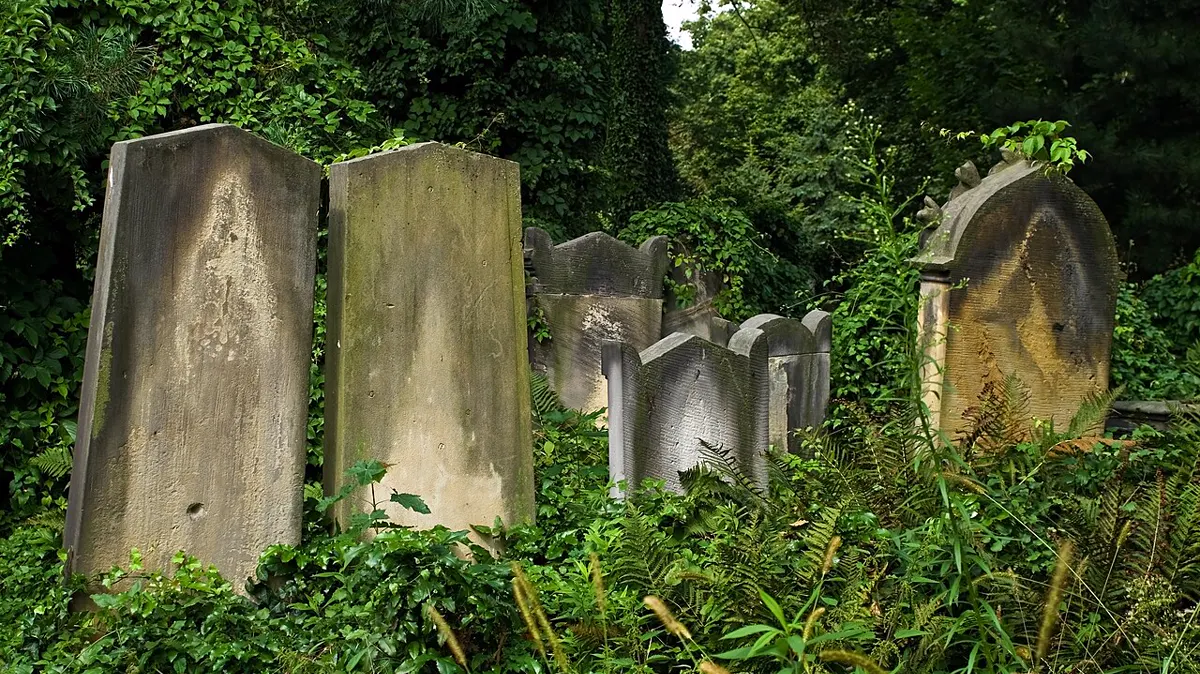
The Old Jewish Cemetery on Ślężna street is a 19th-century burial ground, now run as a museum branch of the City Museum of Wrocław, and it counts among the best-preserved Jewish cemeteries of its era in Central Europe. People come to walk its quiet lanes, which are lined with elaborate tombs, family mausoleums and richly carved headstones set among overgrown greenery. Opened in 1856, it offers a rare, atmospheric record of the German-Jewish community that shaped the city when it was known as Breslau.
What you see along the lanes
The cemetery reads as an open-air gallery of funerary art rather than a plain graveyard. Narrow paths lead past grand mausoleums, tall obelisks and stone slabs whose carvings range from Hebrew inscriptions to classical columns, urns and symbolic reliefs. Ivy and trees have grown up around many of the monuments, so light filters through the greenery and softens the rows of stone. Take your time, because much of the detail sits on smaller headstones tucked between the larger tombs.
History and the people buried here
Opened in 1856, the site served the Jewish community of what was then Breslau, a major centre of German-Jewish life and learning. Among those buried here is Ferdinand Lassalle, the socialist thinker and early figure in the German labour movement, along with relatives of prominent German-Jewish families connected to the city. The cemetery survived the 20th century and its upheavals, which is part of why it stands out today as one of the best-preserved of its kind in the region. Reading the names and dates gives a direct sense of a community that was central to the city before the Second World War.
Who it suits and how to visit
This is a rewarding stop if you are drawn to history, Jewish heritage, or the craft of 19th-century monuments, and it rewards a slow, unhurried walk. An entrance ticket is required, since the cemetery operates as a museum site, so check current opening times and admission on the City Museum of Wrocław's official channels before you go. Wear comfortable shoes, as the ground can be uneven under the greenery, and treat it as the resting place it remains by keeping noise low and staying on the paths.
Fitting it into a Wrocław trip
The cemetery sits south of the centre on Ślężna street and is reached by a short tram ride, which makes it an easy half-day addition rather than a detour that eats a full day. Pair it with other sights in the southern districts, or use it as a contrast to the busier squares and bridges covered in our Wrocław guide. Because it is quieter and more reflective than the main tourist route, it works well as a morning or early-afternoon visit before you head back into the city.
Good to know
An entrance ticket is required as the cemetery is a museum branch of the City Museum of Wrocław, so confirm current opening hours and admission on the museum's official channels before your visit.
Frequently asked questions
More attractions in Wrocław
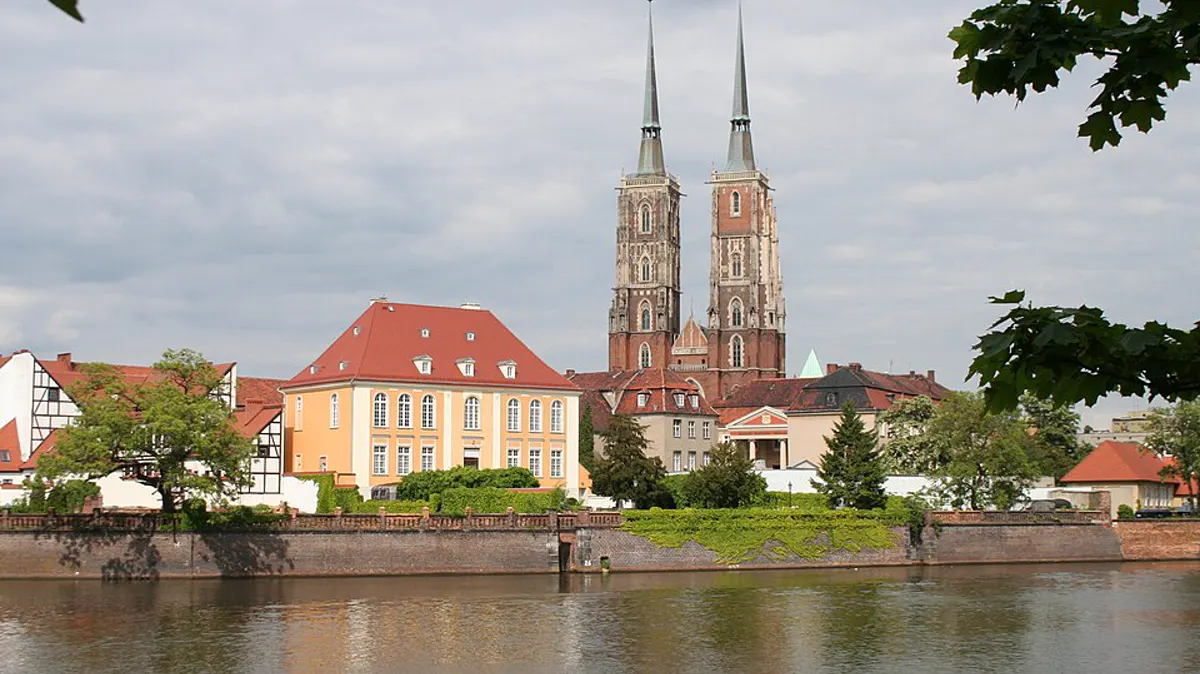
Cathedral Island, Wroclaw
The oldest part of Wroclaw, a cluster of churches on an island in the Oder reached across a romantic iron bridge.
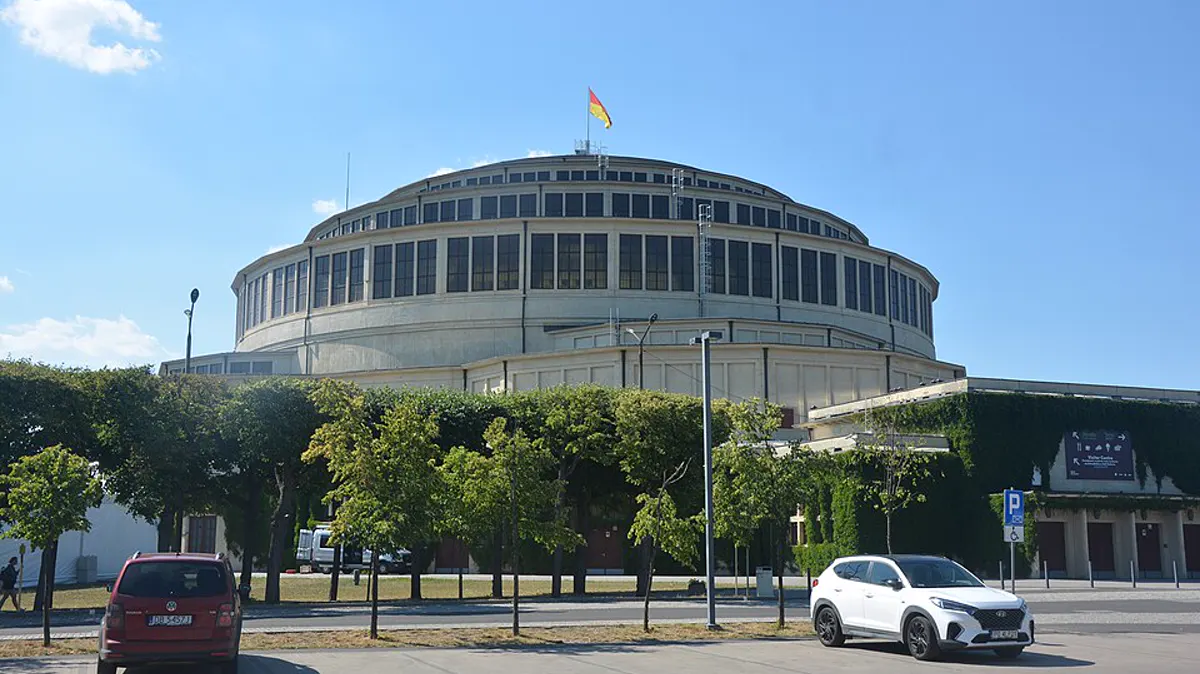
Centennial Hall
A pioneering reinforced-concrete dome from 1913, listed by UNESCO, set in a park with a large multimedia fountain.
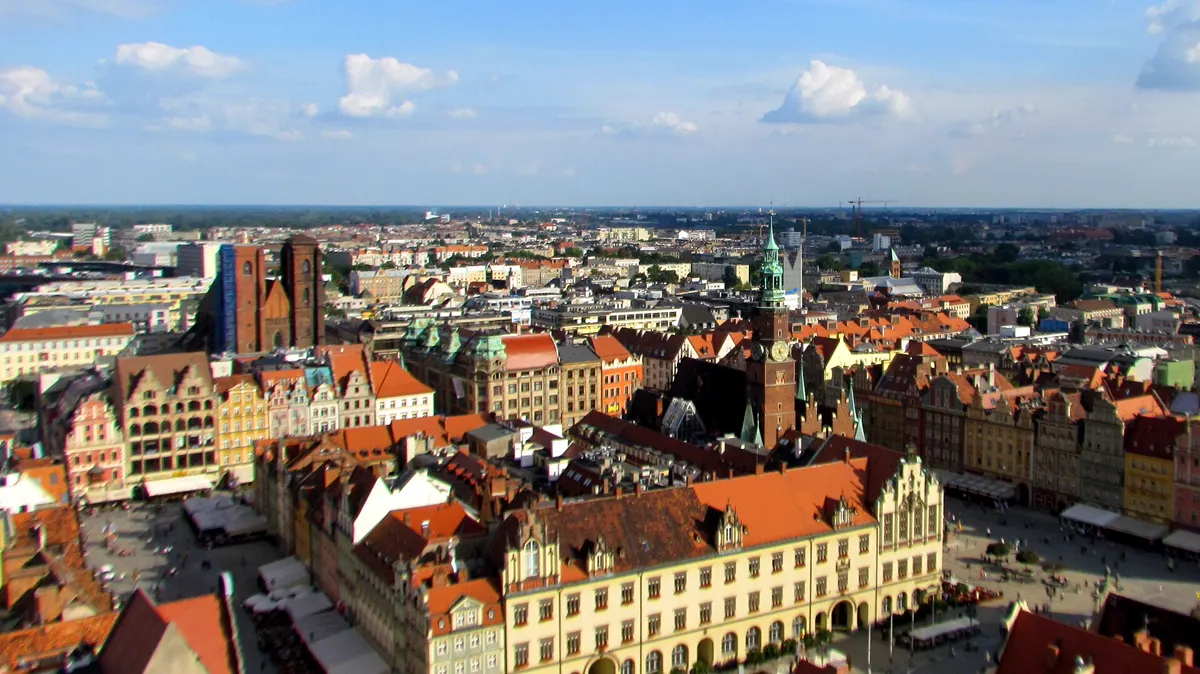
Market Square
One of the largest medieval squares in Poland, ringed by colourful townhouses and centred on an ornate Gothic town hall.
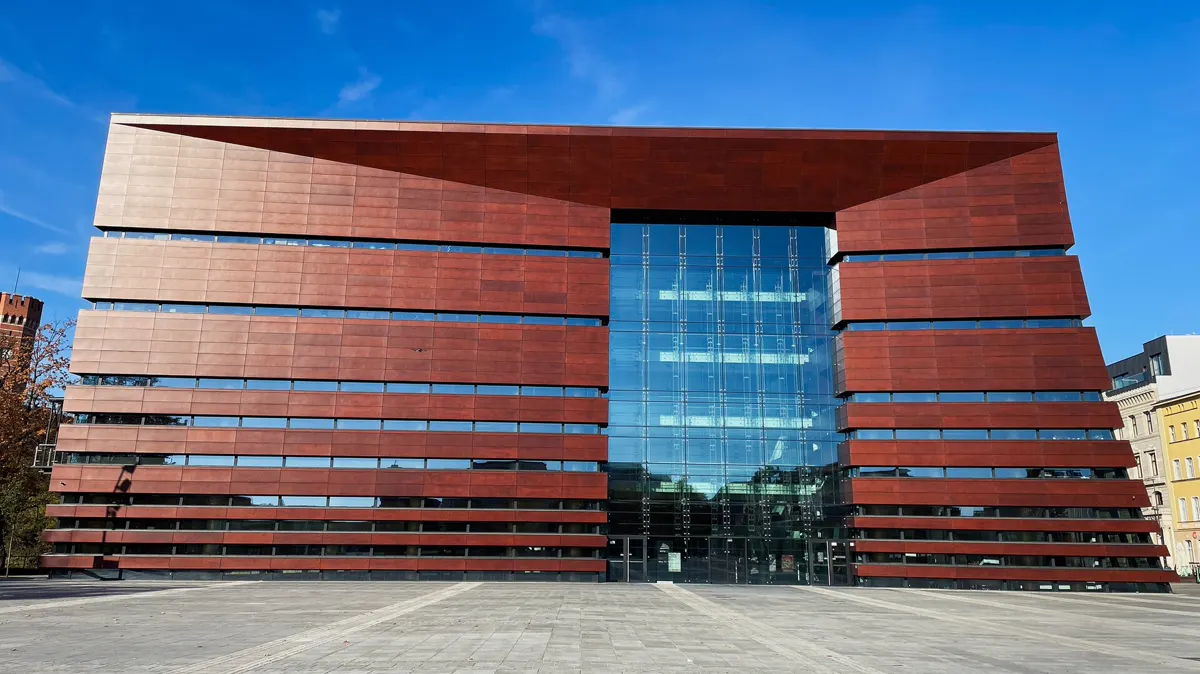
National Forum of Music
A modern concert hall complex on Freedom Square in Wrocław, opened in 2015 and known for the acoustics of its 1,800-seat main auditorium.
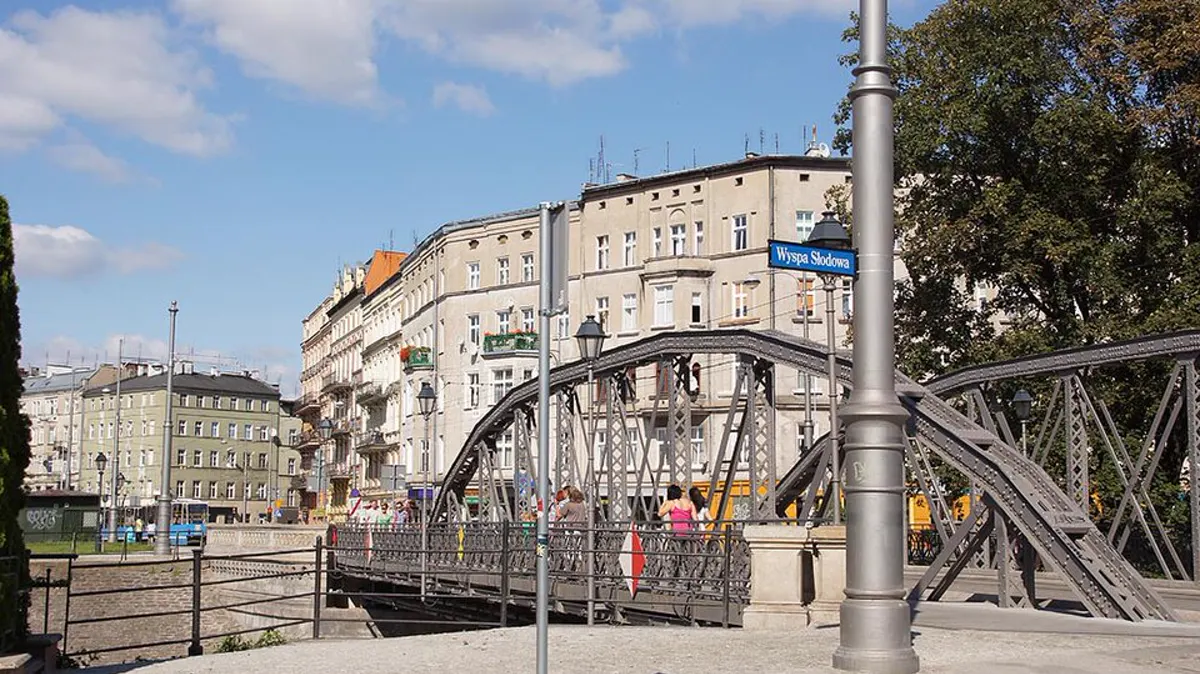
Most Tumski i Wyspa Slodowa
A green-painted iron footbridge from 1889 linking Ostrow Tumski, its railings covered in couples' love padlocks. Nearby Wyspa Slodowa is a riverside island popular for relaxing and summer gatherings.
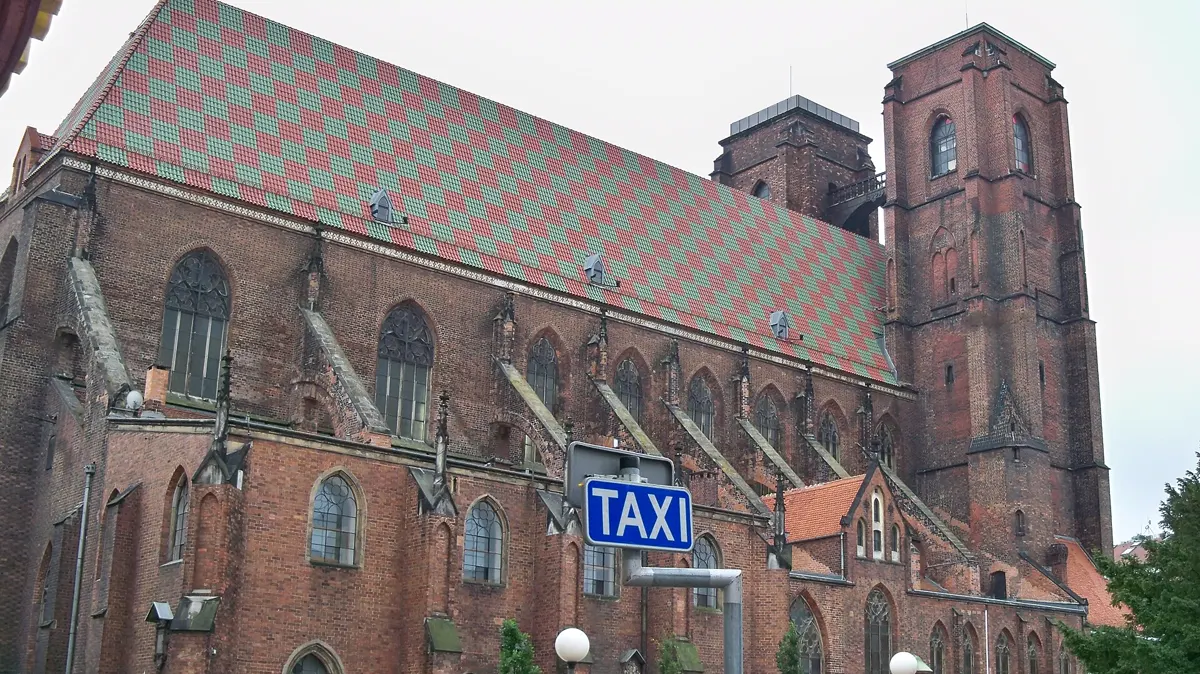
St. Mary Magdalene Church and the Penitents' Bridge
A Gothic brick church east of Wroclaw's Market Square whose twin towers are linked near the top by an open-air footbridge, reached by climbing to a viewpoint about 45 metres up.
More to explore in Wrocław

Restaurant
Jadka
An elegant fine-dining room under gothic vaults just off the Rynek, a special-occasion staple.
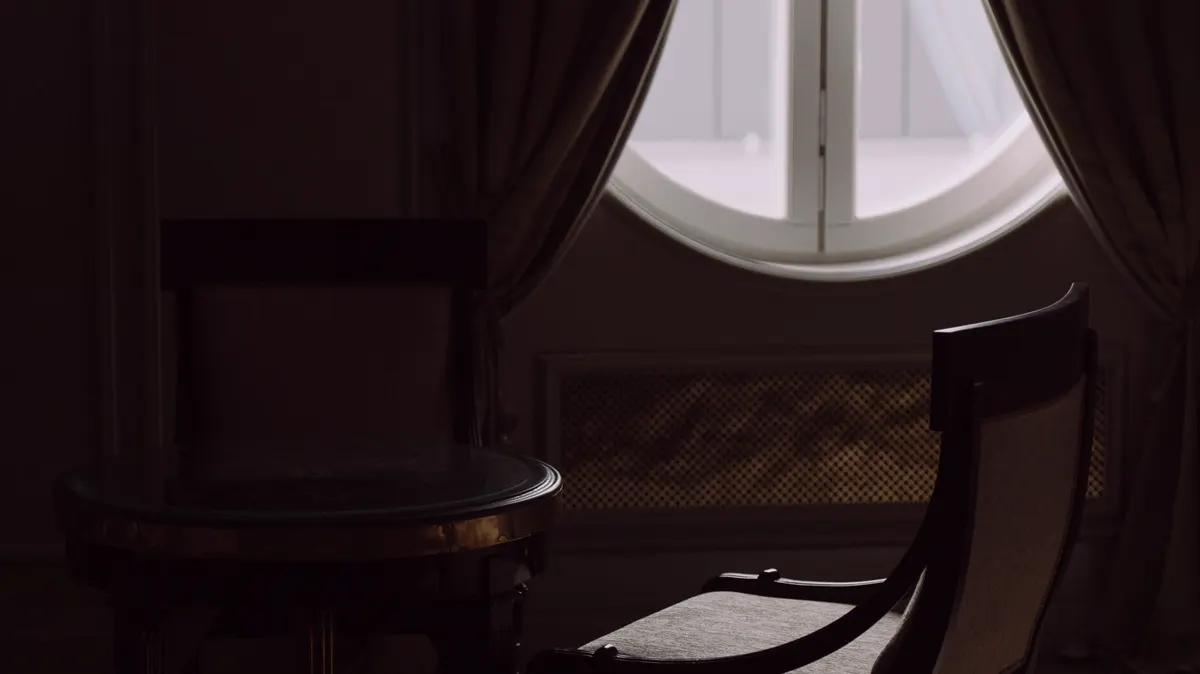
Hotel
Hotel Monopol
A grand Art Nouveau hotel by the opera with a rooftop terrace over the old town and a spa pool.

Restaurant
Konspira
A themed restaurant on Solny Square recalling the Solidarity underground, with solid Polish home cooking.
Restaurant
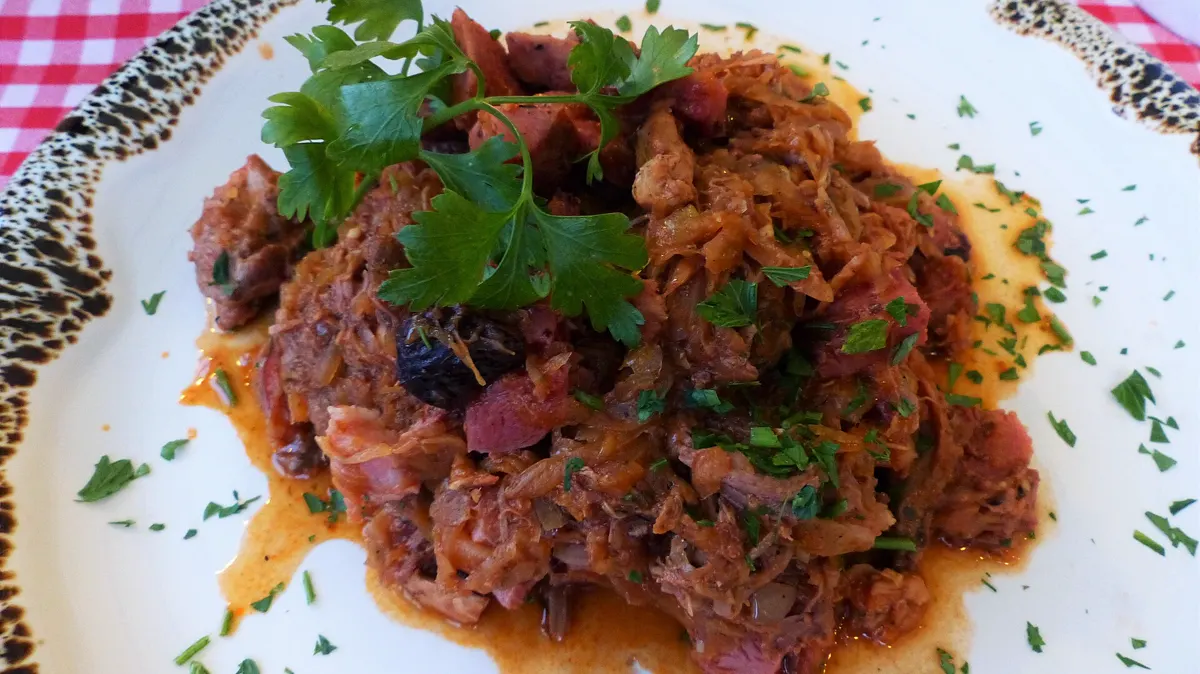
Kurna Chata
A rustic timber room near the Market Square doing filling regional dishes.
Restaurant
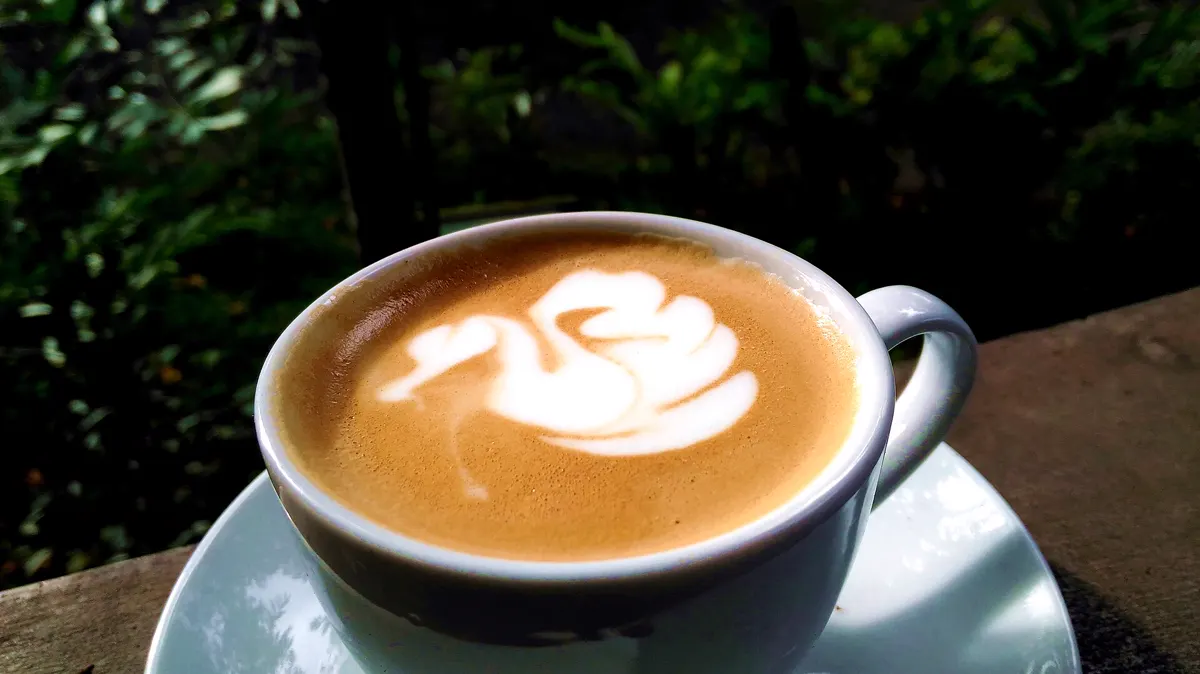
Etno Cafe
A local roaster with cafés across the city pouring dependable speciality coffee.
Restaurant
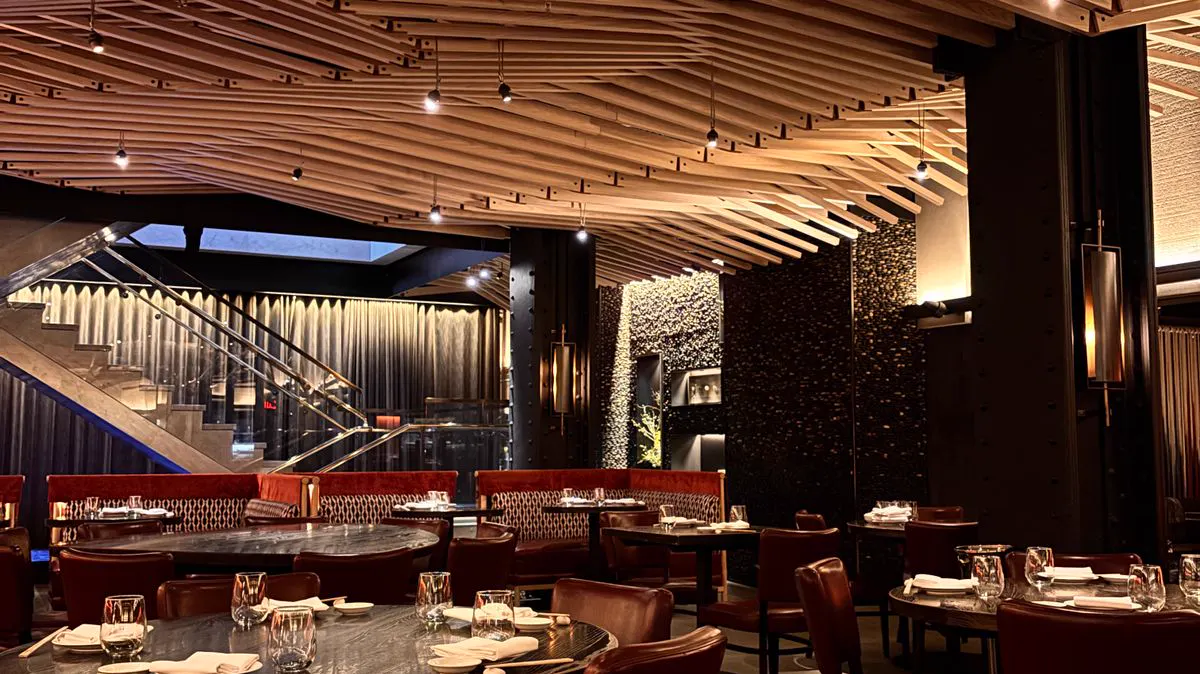
Bar Mis
A classic milk bar (bar mleczny) serving cafeteria-style Polish staples such as pierogi, nalesniki, and soups at very low prices. Cash-friendly and popular with students and locals.