Attractions
Attractions in Poland
The sights worth building a day around.
Poland's attractions run from the medieval market squares of Krakow and Wroclaw to the Wieliczka Salt Mine, the memorial at Auschwitz-Birkenau and the Teutonic castle at Malbork. Each page below covers what the place is, how long to spend and how to get there, grouped by city.
All Attractions in Poland
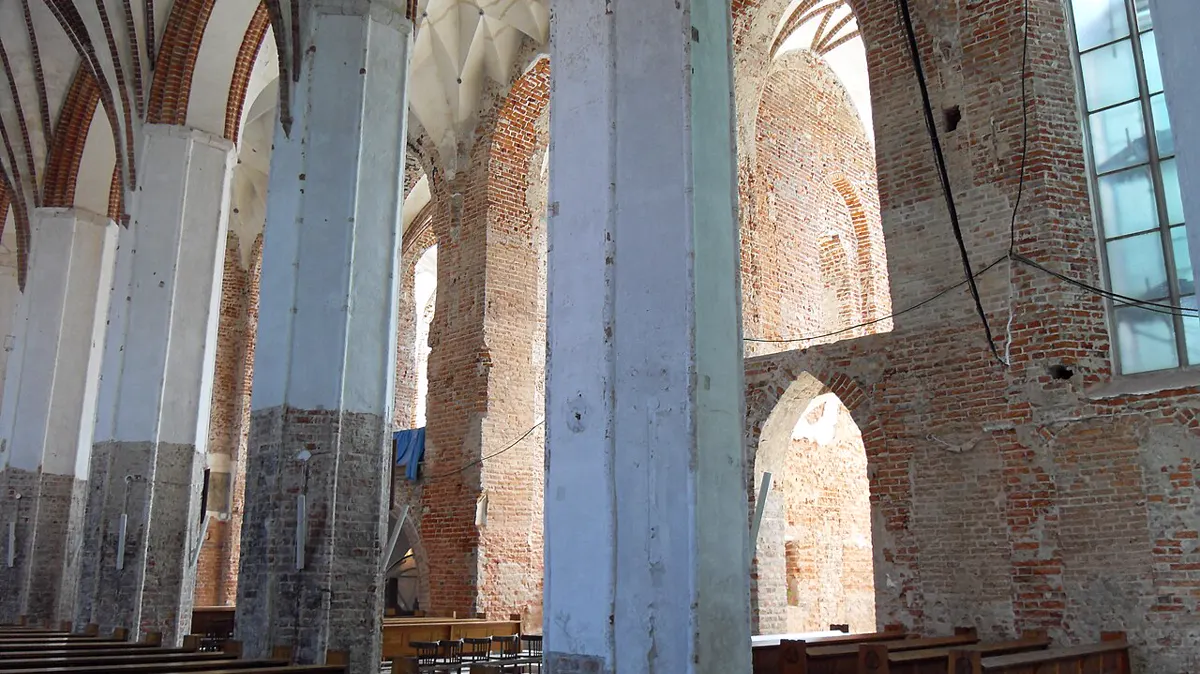
Gdańsk
St. Catherine's Church
St. Catherine's Church is the oldest church in Gdańsk and the burial place of astronomer Johannes Hevelius. Its bell tower holds the Museum of Tower Clocks, home to the world's first pulsar clock.
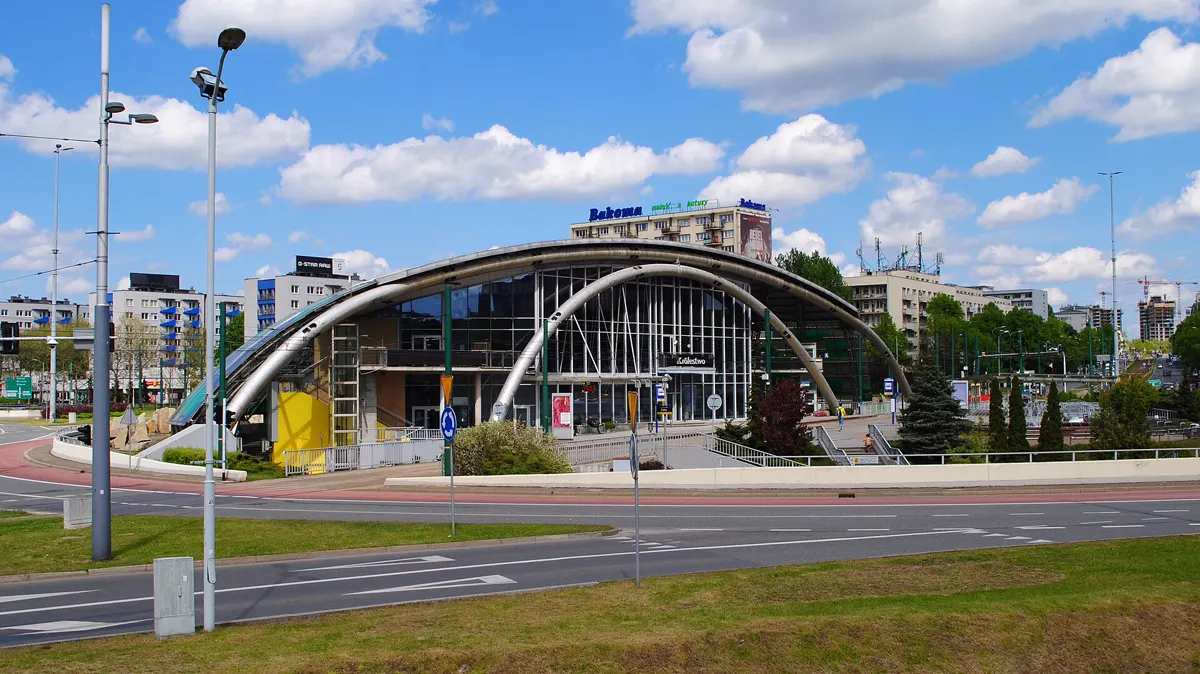
Katowice
Rondo Sztuki Art Gallery
A round glass-and-steel gallery on Jerzy Ziętek roundabout in central Katowice, showing contemporary art, concerts and events in association with the Academy of Fine Arts.
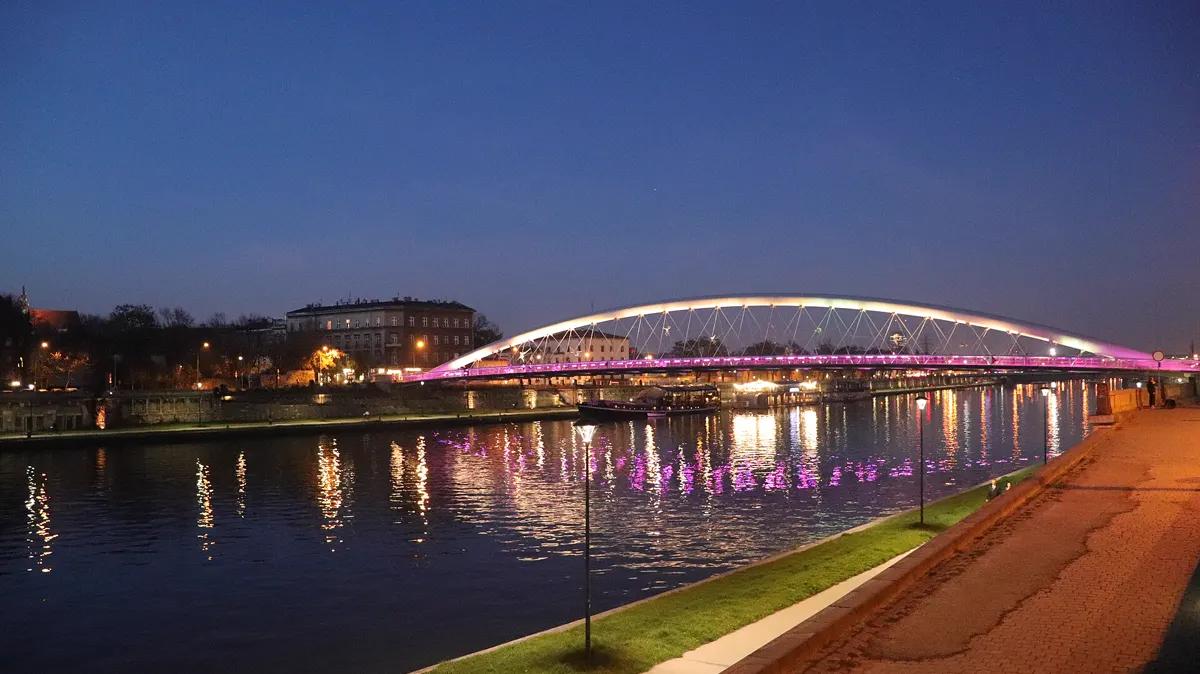
Kraków
Father Bernatek Footbridge
A pedestrian and cycle bridge over the Vistula that connects Kazimierz with Podgorze, known for nine acrobat sculptures suspended above the water and its collection of love padlocks.
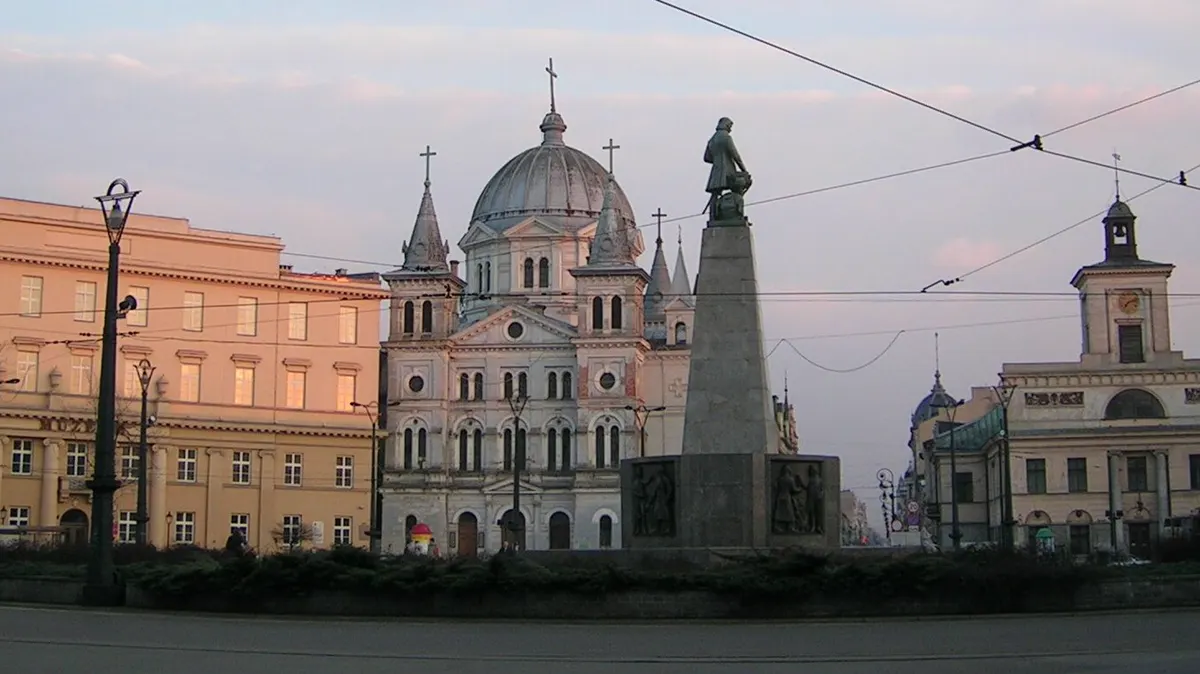
Łódź
Freedom Square (Plac Wolności)
Freedom Square is Łódź's octagonal historic plaza at the top of Piotrkowska Street, centred on a monument to Tadeusz Kościuszko and framed by the city's oldest civic buildings.
Lublin
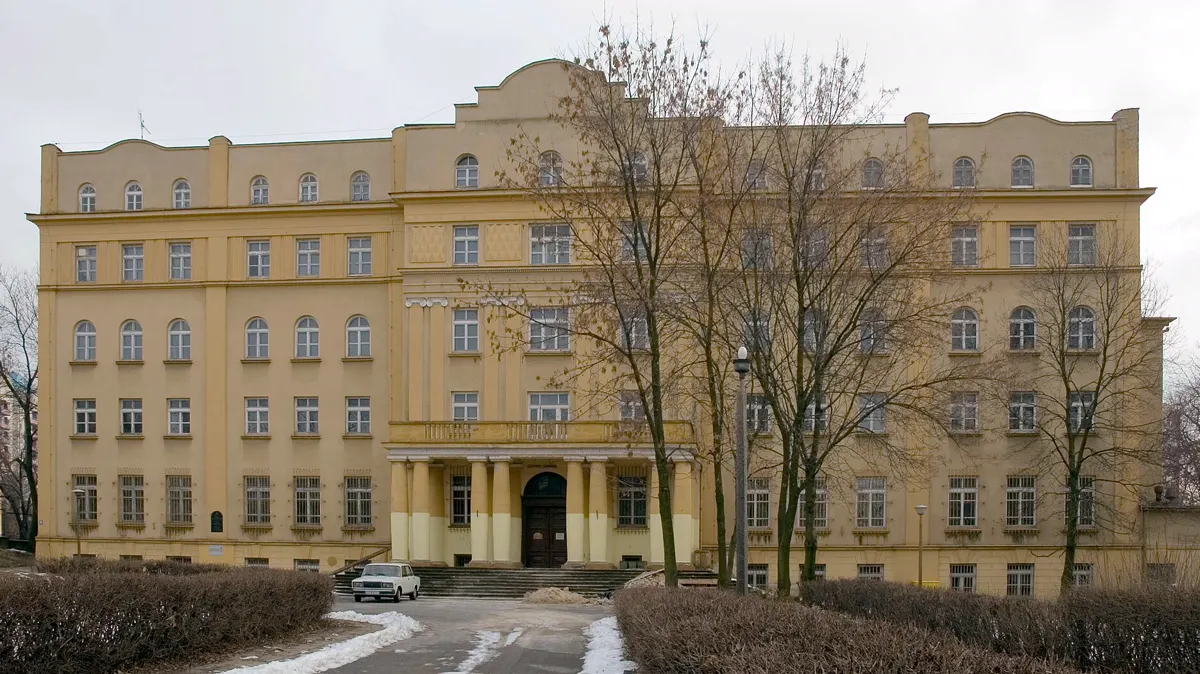
Yeshiva Chachmei Lublin
A grand pre-war Jewish rabbinical academy on Lubartowska Street, restored in the 21st century to hold a reconstructed synagogue and a museum on the history of the Yeshiva of the Sages of Lublin.
Olsztyn
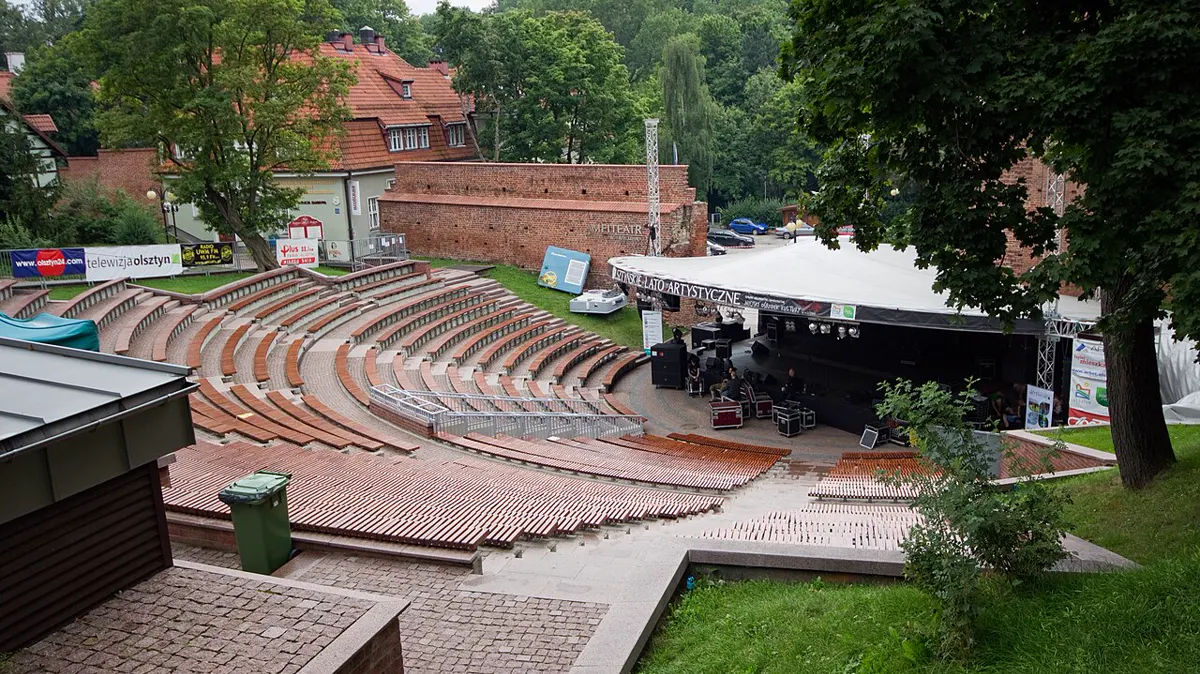
Czesław Niemen Amphitheatre
An open-air amphitheatre in Olsztyn named after Polish rock legend Czesław Niemen, seating over 1,200 people for summer concerts and cultural events.
Poznań
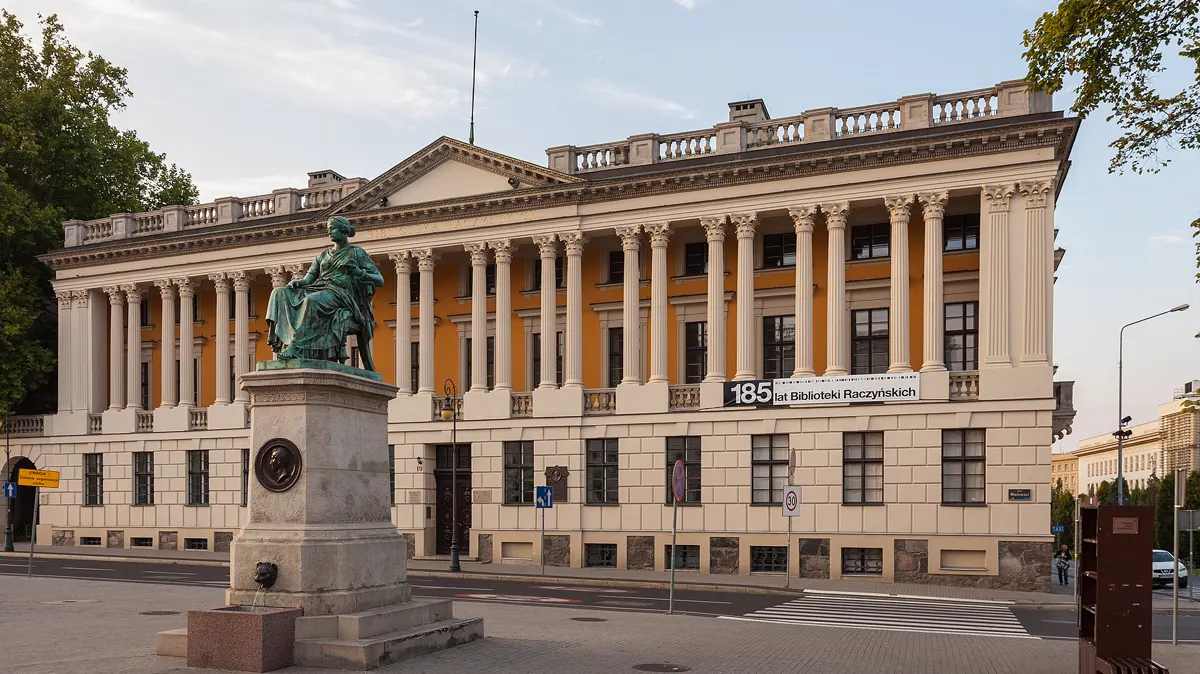
Raczyński Library (Biblioteka Raczyńskich)
Poland's first public library, opened in 1829 on Poznań's Freedom Square, known for its long classicist colonnade and one of the country's most valuable manuscript collections.
Toruń
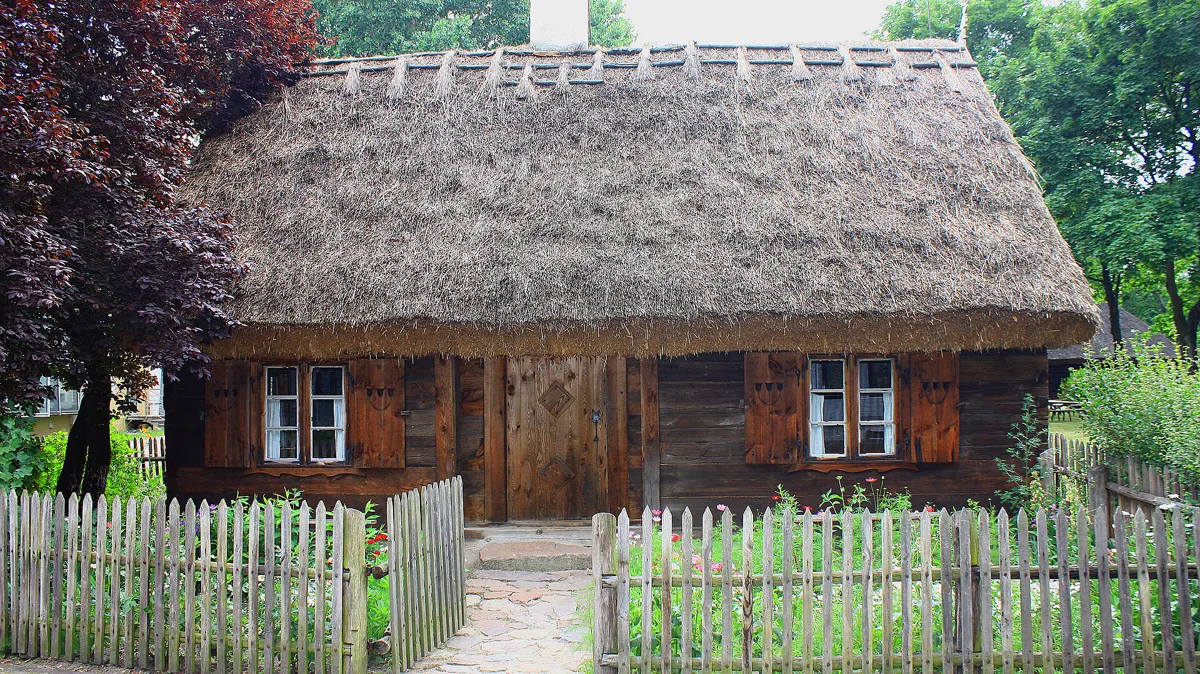
Ethnographic Museum and Open-Air Park, Toruń
An ethnographic museum in central Toruń that pairs indoor folk-art galleries with a two-hectare open-air park of relocated wooden buildings from rural northern Poland.
Warsaw
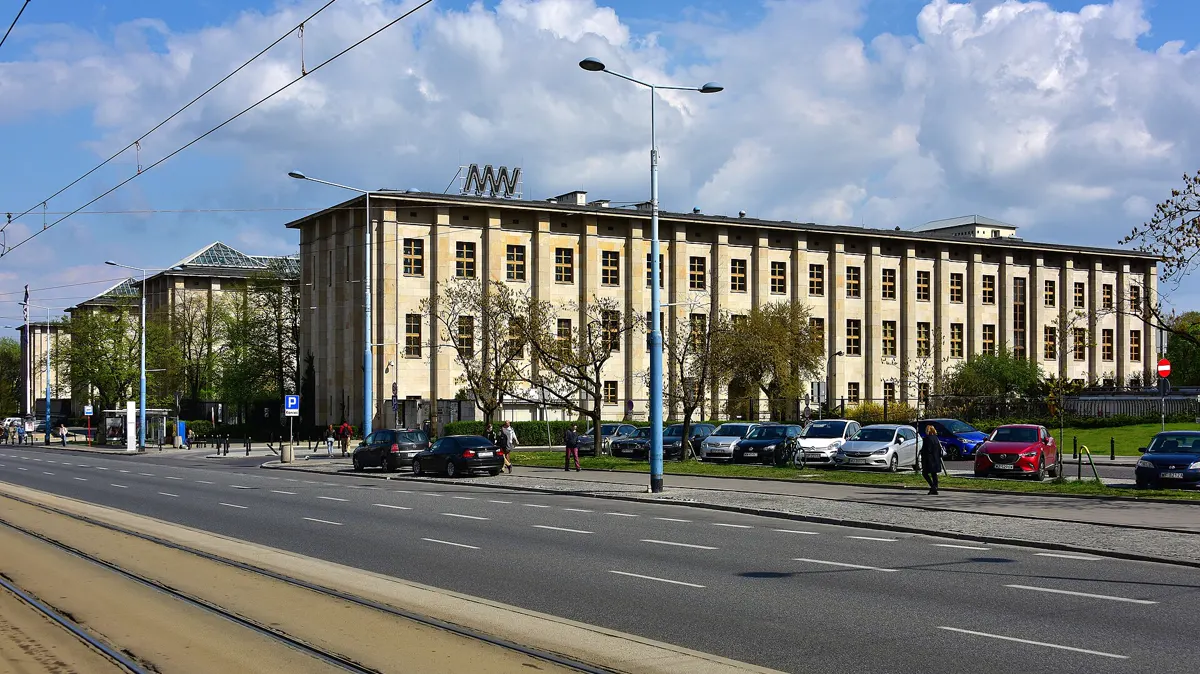
National Museum in Warsaw
One of Poland's largest art museums, founded in 1862 and home to Polish painting, European old masters and the Faras Gallery of early Christian frescoes from Sudan.
Wrocław
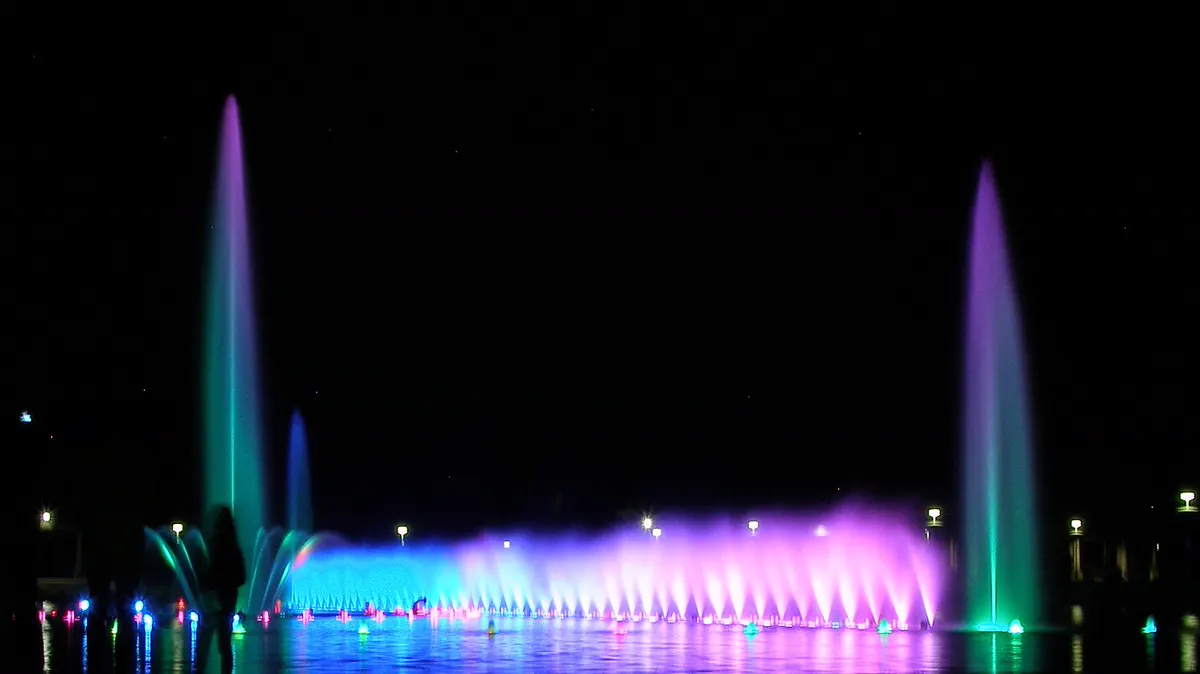
Multimedia Fountain at the Pergola
A large water and light fountain beside the historic Pergola near Centennial Hall in Wrocław, staging free choreographed evening shows in the warm season.
Zakopane
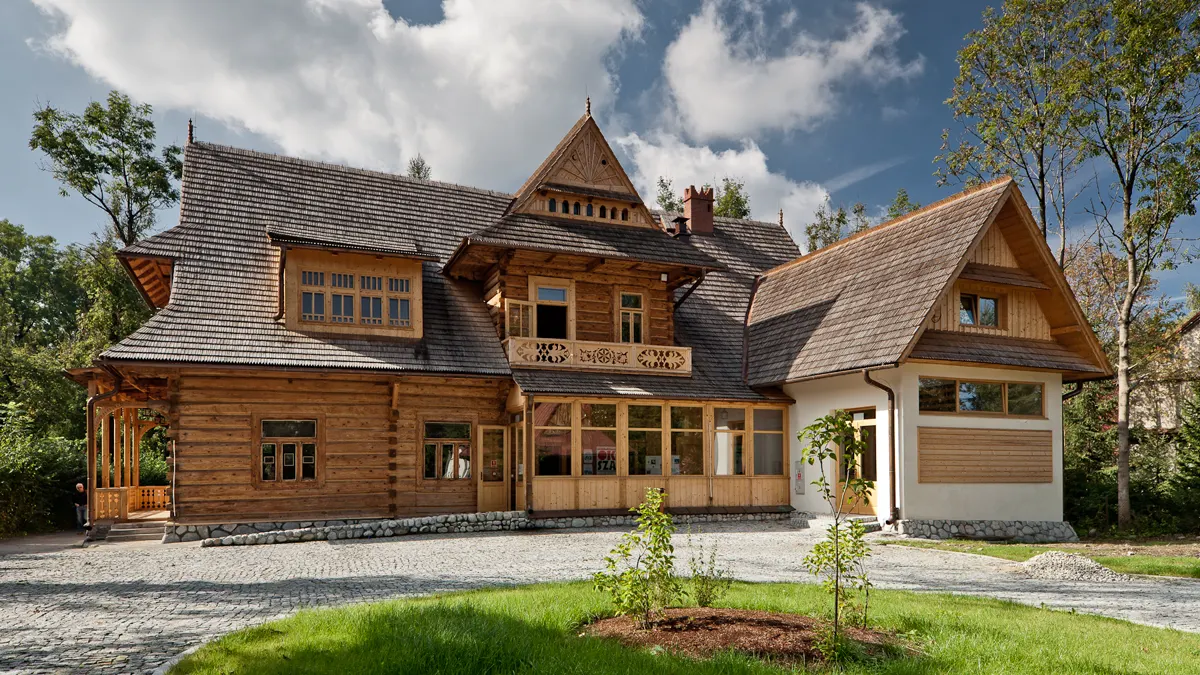
Gallery of 20th Century Art at Villa Oksza
A Zakopane-Style villa designed by Stanisław Witkiewicz in 1894, now a branch of the Tatra Museum showing 20th century art inspired by Zakopane and the Tatras.
Zamość
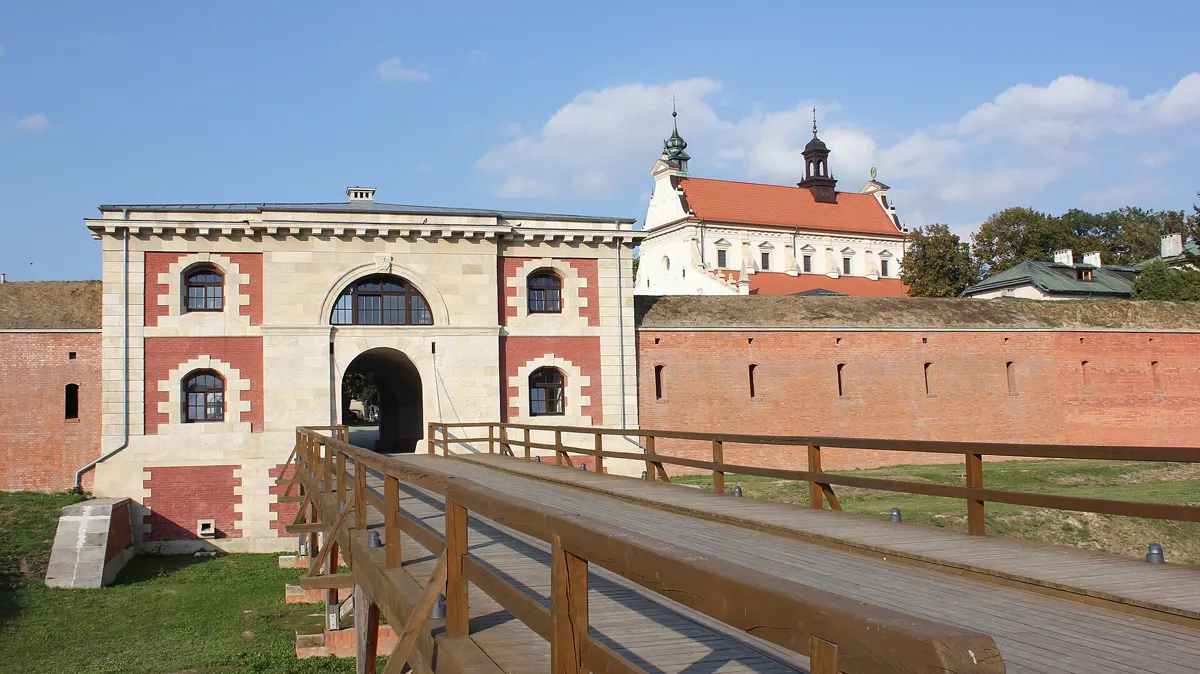
Szczebrzeszyn Gate (Brama Szczebrzeska)
One of Zamosc's three original decorated fortress gates, completed in 1603 on the southern defensive line and now a stop on the walk around the town's ramparts.
Poland fits a lot into one country: medieval market squares, a salt mine carved into underground chapels, the memorial at Auschwitz-Birkenau, mountain trails and a long Baltic coast. Seventeen places hold UNESCO World Heritage status, and most of the headline attractions cluster around the cities you are likely to base yourself in, so a first trip rarely means long transfers.
Top attractions in Krakow, Warsaw and Gdansk
Krakow has the densest cluster: the Main Market Square, laid out in 1257 and among the largest medieval squares in Europe, the underground Wieliczka Salt Mine, and the Auschwitz-Birkenau Memorial within a day trip. Warsaw rebuilt its Old Town from wartime rubble, Gdansk lines the Motlawa with tall merchant houses, and Wroclaw and Torun keep intact Gothic centres. The mountains around Zakopane and the lakes of Masuria add the outdoor side.
Top places to visit on a first trip
Group attractions by the city you are staying in rather than chasing them across the map. Krakow, Warsaw and Gdansk each reward two or three days and put more sights within an easy day trip. For the classic sights that define the country, see the best viewpoints and our city guides.
Do you need to book tickets in advance
The busiest sites use timed entry, so book Wieliczka and the Auschwitz-Birkenau Memorial ahead, especially in summer. Many state museums have one free day a week. Tickets are good value by European standards; our note on costs in Poland has the typical prices.
Attractions by city
Travel guides
Krakow Golf Cart Tours: The Four Routes, Compared
Four electric cart routes cover the Old Town, Kazimierz, the ghetto in Podgorze and Schind...
Best Castles in Poland
From the Teutonic fortress at Malbork to the royal seats at Wawel and Warsaw, the Polish c...
3 Days in Krakow
A practical three-day plan for Krakow, pairing the Old Town and Wawel with Kazimierz and o...
Things to Do in Krakow
The sights, neighbourhoods and day trips that make Krakow worth several days, ranked by ho...