Attraction in Poznań
Raczyński Library (Biblioteka Raczyńskich)
Poland's first public library, opened in 1829 on Poznań's Freedom Square, known for its long classicist colonnade and one of the country's most valuable manuscript collections.
Reviewed and updated July 2026
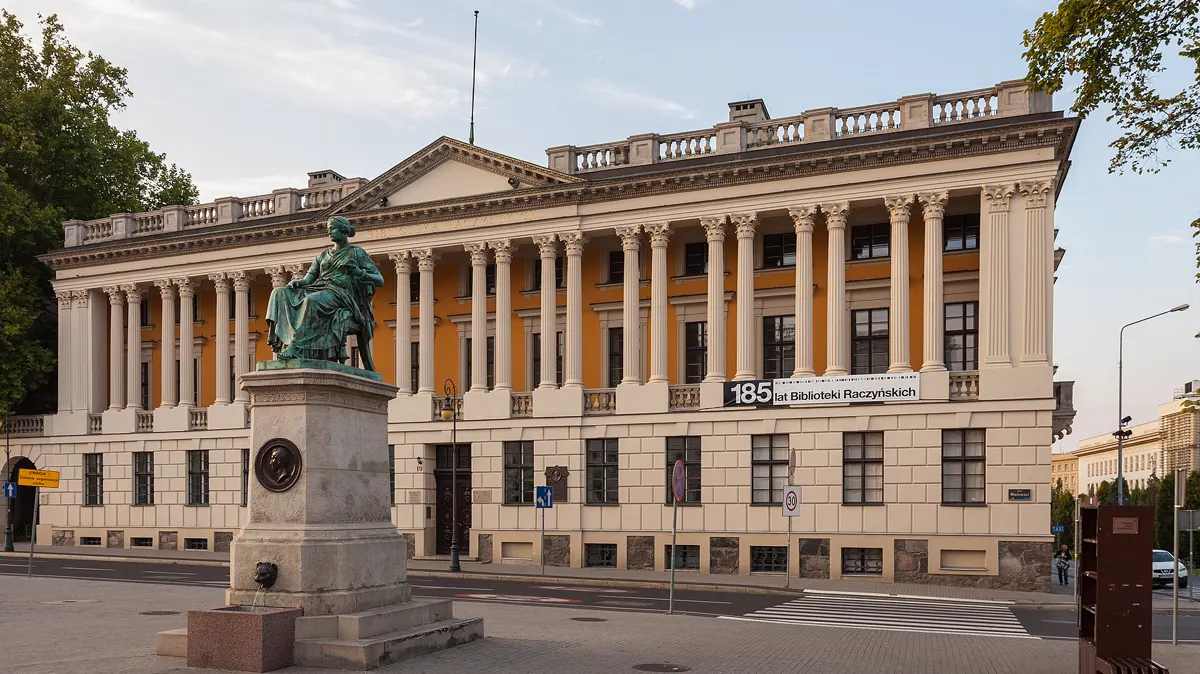
The Raczyński Library (Biblioteka Raczyńskich) is Poland's first public library, opened in 1829 on Freedom Square (Plac Wolności) in central Poznań, and people visit for its grand classicist facade and its collection of rare manuscripts and old prints. Founded by Count Edward Raczyński, it became one of the country's key cultural institutions during the years of Prussian rule, when Polish learning had few public homes. The long colonnade across its front, often likened to the one at the Louvre in Paris, still commands one whole side of the square.
The colonnade on Freedom Square
The exterior is the first thing most visitors notice: a long row of columns running the width of the building, giving it the look of a temple to learning rather than an ordinary library. This classicist front faces Plac Wolności and forms one edge of the square, so you can take it in from across the open space. The comparison with the Louvre colonnade is the one people repeat most often, and it is worth pausing outside to see why. Even if you do not go in, the facade is a landmark in its own right.
A collection built over nearly two centuries
Behind the columns sits one of Poland's most valuable literary and manuscript collections, the reason the library matters as much for what it holds as for how it looks. The holdings include rare old prints and handwritten documents that trace Polish culture across difficult periods of history. Access to specific reading rooms, exhibitions and any items on display varies, so check the library's official channels before planning a visit around a particular collection. For general visitors, the point is that this is a working institution with deep roots, not a museum piece.
Why it mattered under Prussian rule
When Edward Raczyński opened the library in 1829, Poznań lay within the Prussian partition and Polish institutions were under pressure. Making the collection public, the first arrangement of its kind in Poland, was a deliberate act of preserving national culture and giving ordinary readers access to it. That history is part of why the building is treated as more than architecture in Poznań. Standing on Freedom Square, it reads as a statement about who the city's culture belonged to.
Fitting it into a Poznań visit
The library sits in the city centre on Freedom Square, a short walk from the Old Market Square (Stary Rynek) and other central sights, so it slots easily into a day on foot. Many people take in the facade as they cross the square rather than making a separate trip, then continue to nearby cafes and streets. If you are mapping out your time, see our Poznań guide for how the centre connects. Pair it with the surrounding squares for a compact walk through the historic core.
Good to know
The facade on Freedom Square can be admired at any time from outside, but reading rooms and exhibitions keep set hours, so check the library's official website before visiting the interior.
Frequently asked questions
More attractions in Poznań
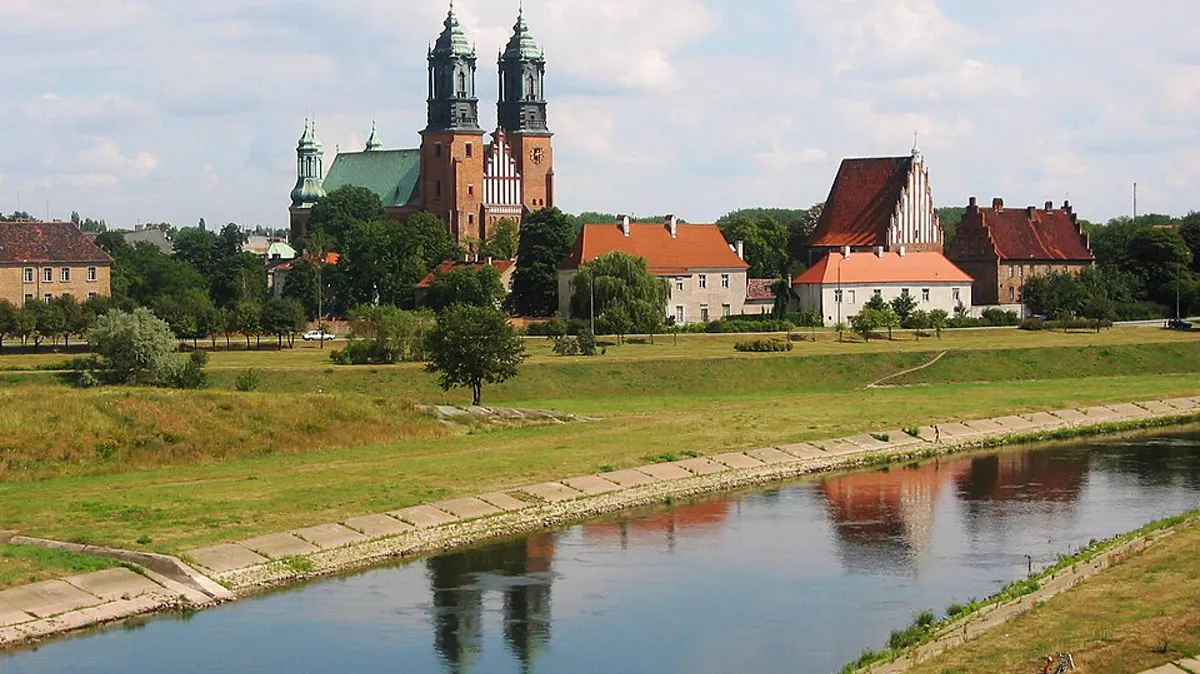
Ostrow Tumski, Poznan
The cathedral island where the Polish state and church were born in the tenth century, a short walk from the market square.
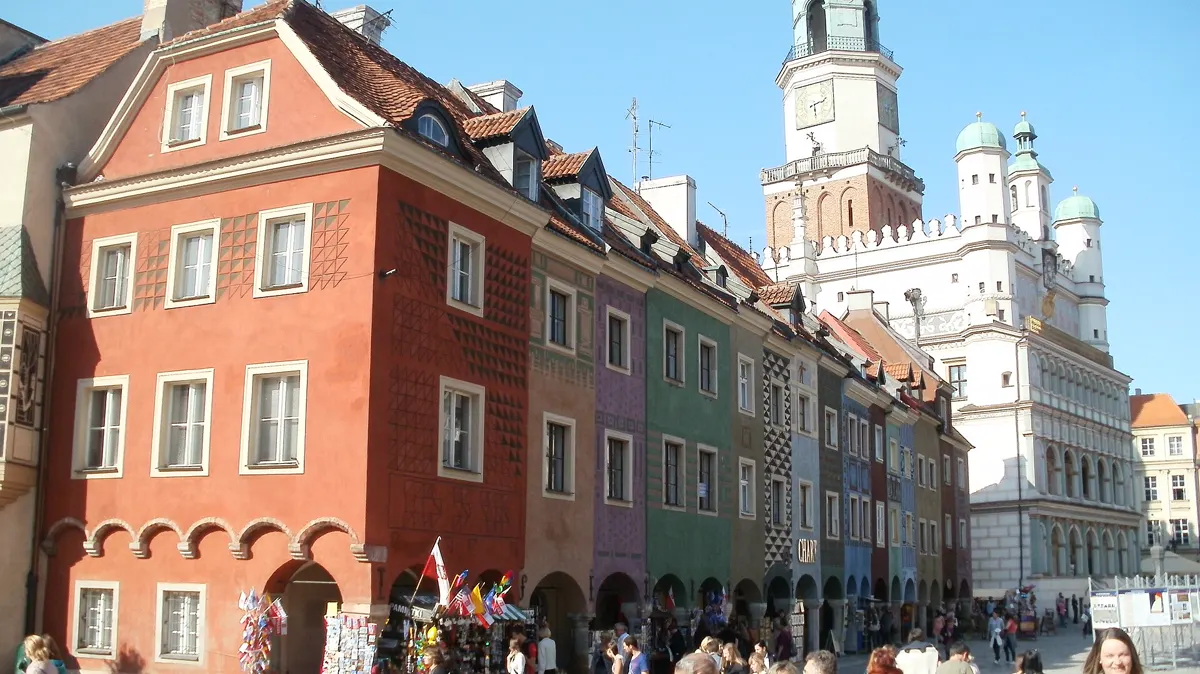
Old Market Square
The Renaissance heart of Poznan, where two mechanical goats butt heads on the town hall clock every day at noon.
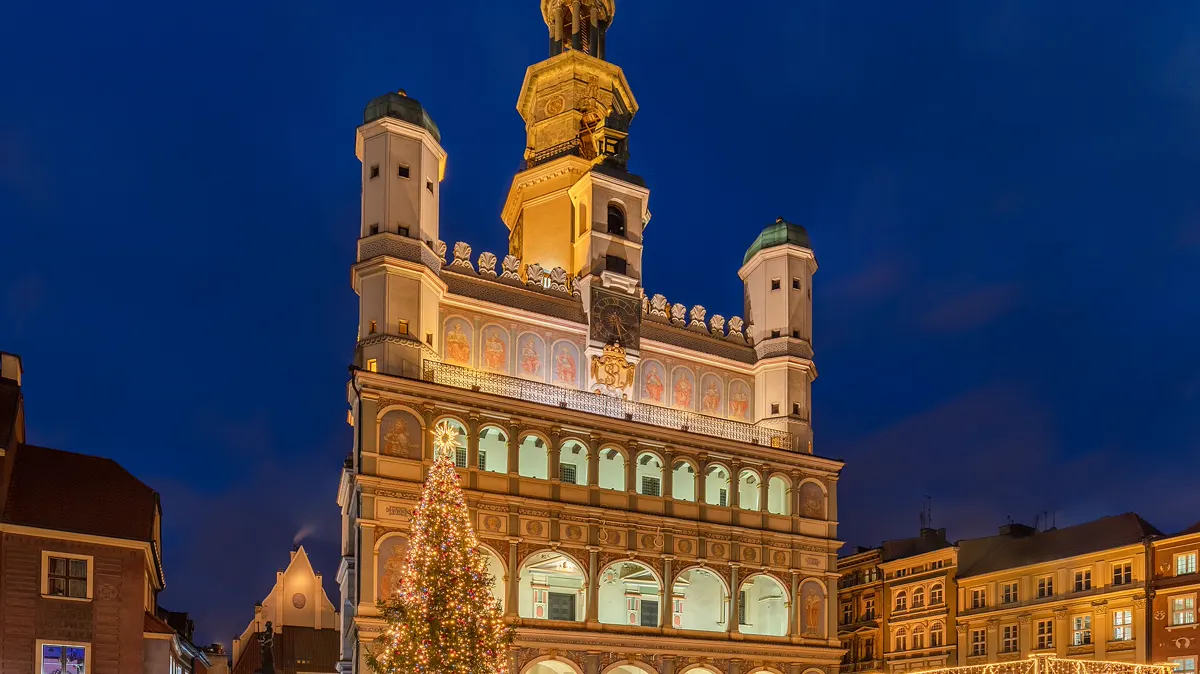
Ratusz i koziolki
At noon two mechanical billy goats emerge above the Ratusz clock and butt heads twelve times, drawing a crowd every single day. The Renaissance town hall, remodelled by Giovanni Battista di Quadro, also houses the city's history museum.
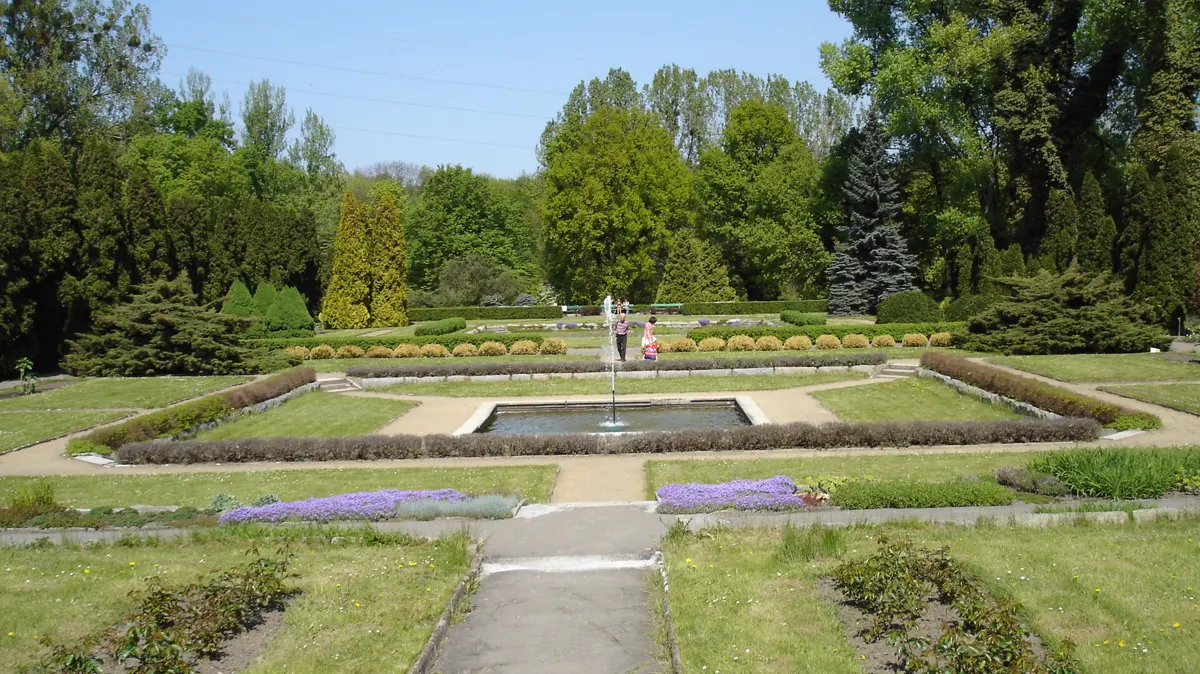
Adam Mickiewicz University Botanical Garden
A 22-hectare university botanical garden in Poznań's Ogrody district, home to around 7,000 plant taxa across roughly ten themed sections and free to walk.
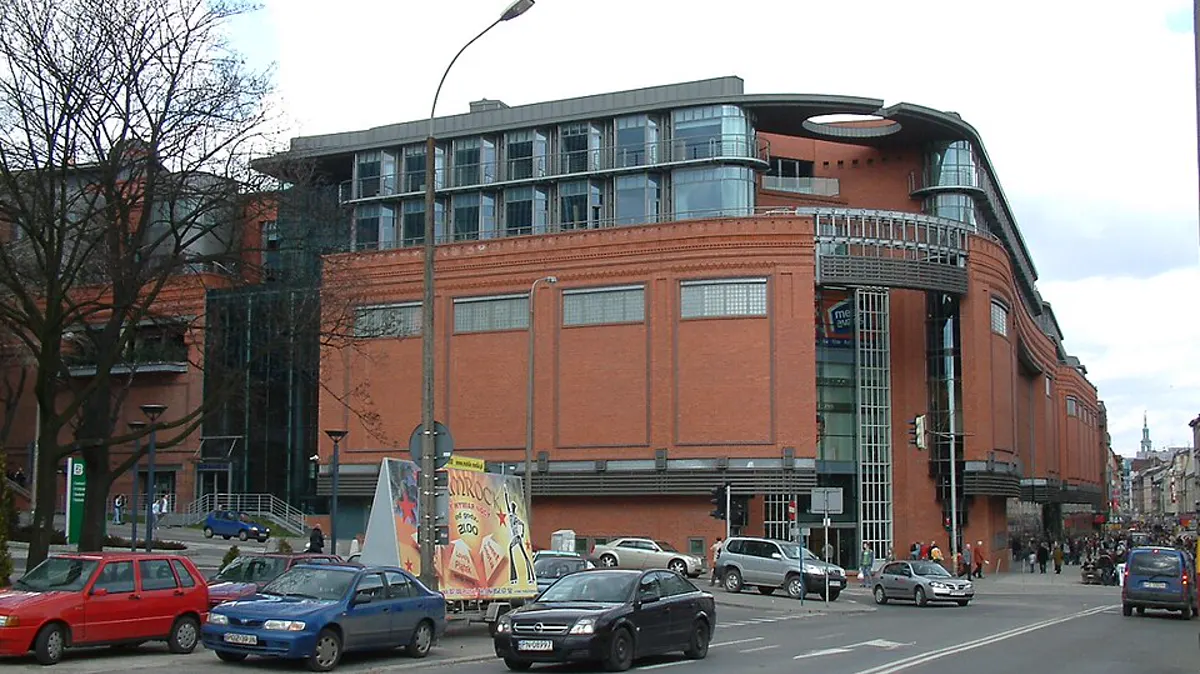
Stary Browar
An old Huggerowie brewery turned into an award winning shopping and art centre that blends 19th century brick with contemporary architecture. It combines boutiques with a sculpture garden and rotating exhibitions.
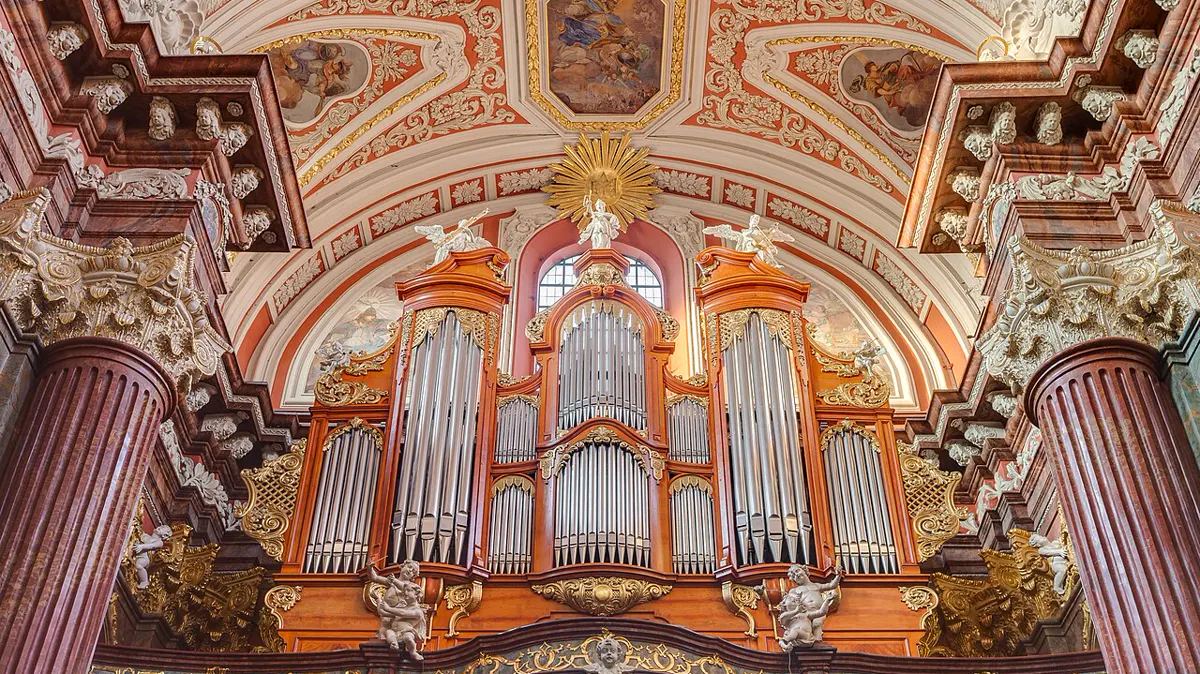
Poznań Fara (Parish Church of St. Stanislaus)
Poznań's grand Baroque parish church, known for its pink facade, towering Corinthian columns and a famous 19th-century Ladegast organ that plays at free recitals.
More to explore in Poznań
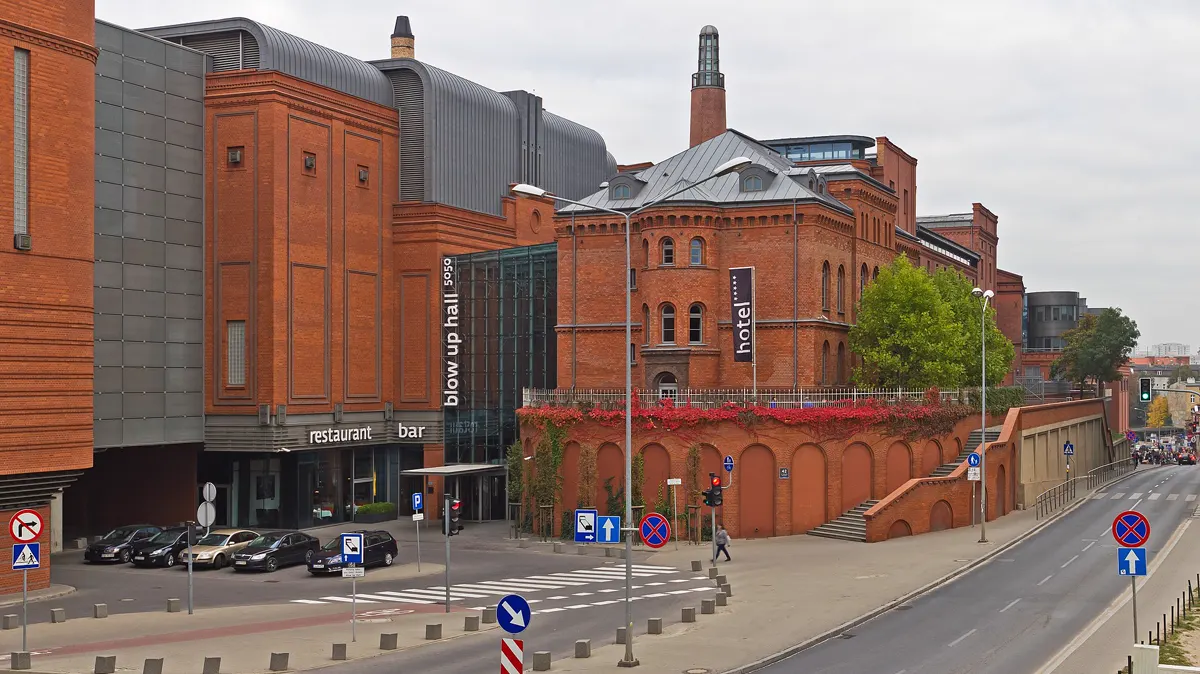
Hotel
Blow Up Hall 5050
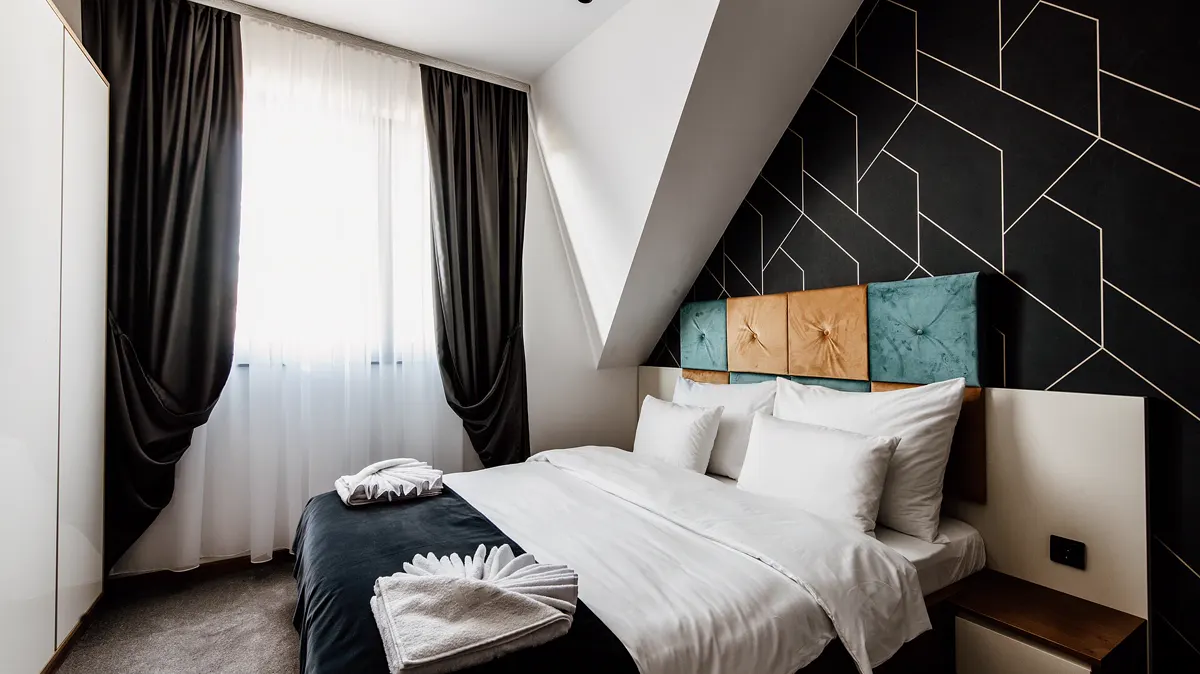
A striking art-design hotel inside the Stary Browar complex, with keyless art-app rooms.
Nature
Lake Malta
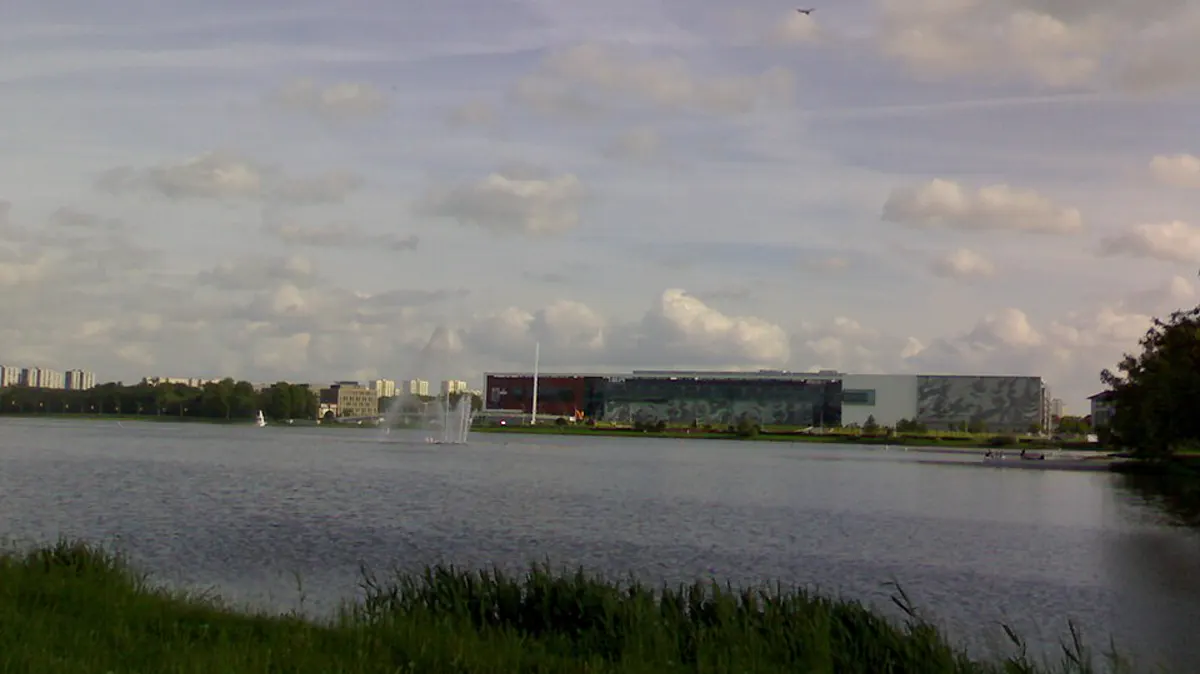
A long artificial lake close to the centre, lined with trails, a ski slope and a summer resort.

Restaurant
Bamberka
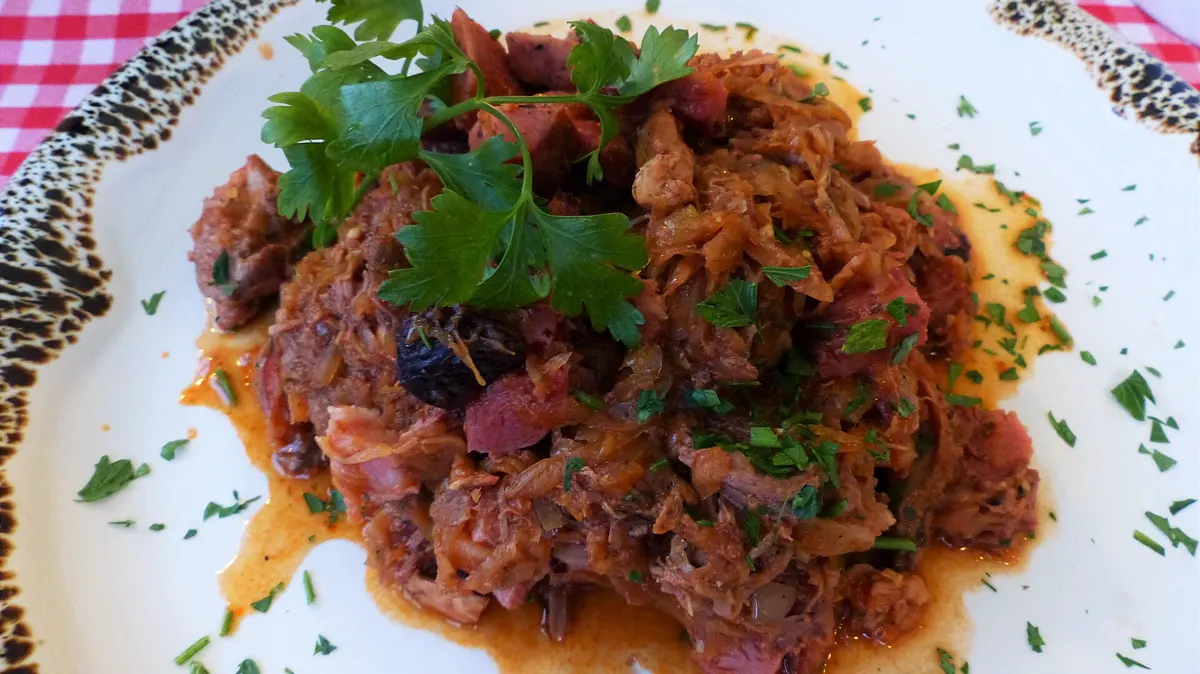
A handsome restaurant right on the Old Market Square serving Greater Poland classics.
Restaurant
Ratuszova
A vaulted cellar on the square, a long-standing choice for hearty regional plates.
Hotel
NH Poznan
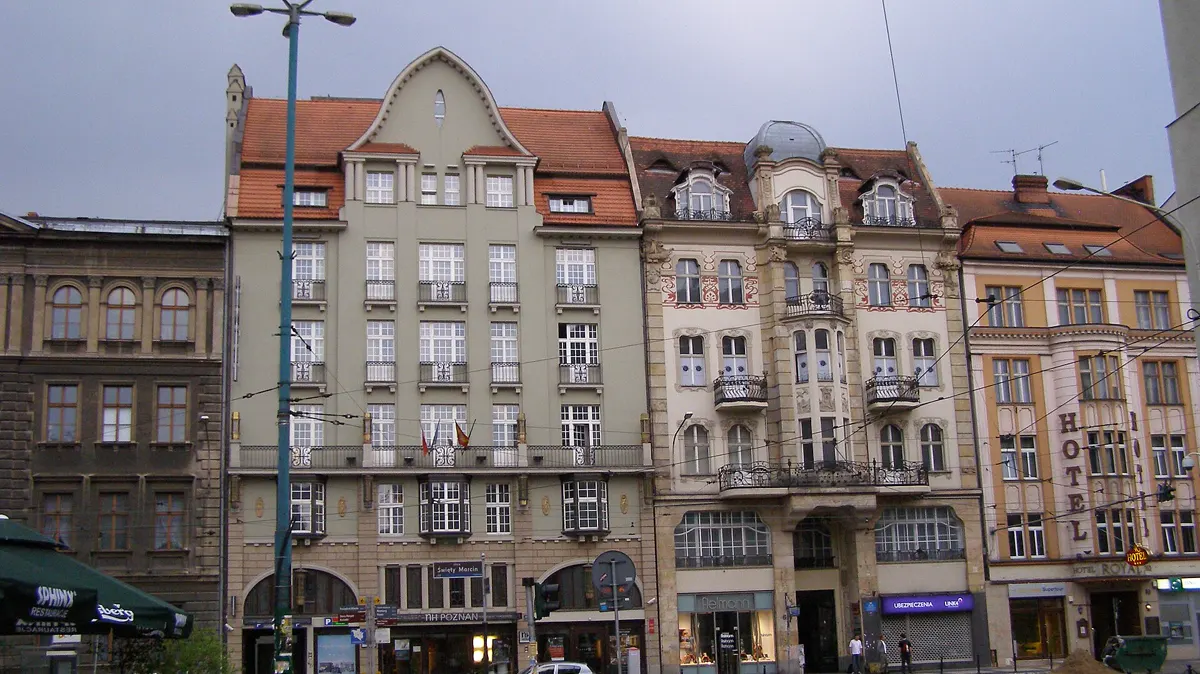
A four-star hotel on Swiety Marcin in a 1910 Art Nouveau tenement, run by the NH Hotel Group, with a restaurant, Winter Garden and spa a short walk from the Imperial Castle.
Hotel
Sheraton Poznan Hotel
A large international hotel near Park Wilsona and the fairgrounds with a fitness centre, restaurant and reliable business standards. Popular during the June trade fairs.