Attraction in Zamość
Szczebrzeszyn Gate (Brama Szczebrzeska)
One of Zamosc's three original decorated fortress gates, completed in 1603 on the southern defensive line and now a stop on the walk around the town's ramparts.
Reviewed and updated July 2026
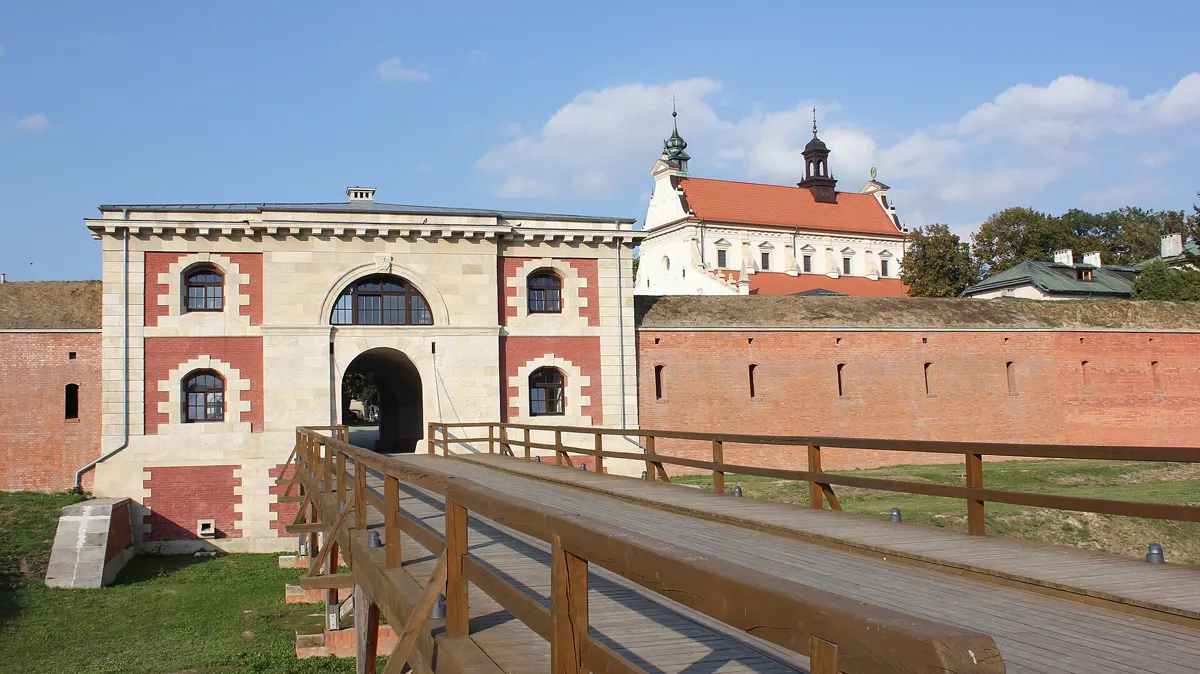
Szczebrzeszyn Gate (Brama Szczebrzeska, also called Florianska) is one of the three original richly decorated gates in Zamosc's Renaissance fortress, completed in 1603 and set on the southern line of the walls. Visitors come for the decorated stonework and for the views it now opens over the surviving ramparts, making it a natural pause on the walk around the fortifications.
What you see at the gate
The gate is one of only three of Zamosc's original fortress gates that carry rich decorative detailing, so it repays a slow look at the facade rather than a quick pass through. When it was finished it was equipped with a drawbridge across the moat, a working part of the southern defences rather than a decorative arch. From the gate you get views over the stretch of fortress walls that still stand, which is why it reads today as much as a viewpoint as an entrance.
History on the western line
Szczebrzeszyn Gate was completed in 1603 by the builder Blaise (Blazej) Gocman, working within the wider plan of Zamosc as a fortified Renaissance town. It faced west along the road that ran toward the town of Szczebrzeszyn, and that road gave the gate its name. As part of the southern fortress line, it was one of the controlled points where traffic entered the walled town, backed by its drawbridge over the surrounding water defences.
Who it suits and how to visit
The gate works best for anyone already walking the circuit of the old fortifications, since it sits directly on that route rather than as a separate ticketed sight. History-minded visitors and photographers get the most from it, thanks to the decorated stonework and the outlook over the remaining walls. It is an outdoor stop, so a short visit fits easily into a longer loop of the ramparts on foot.
Fitting it into a Zamosc visit
Because it lies on the southern fortress line at the edge of the Old Town, the gate pairs naturally with a walk taking in the other surviving gates and wall sections. Combine it with the market square and the wider ring of fortifications for a fuller picture of how the town was defended. For orientation and other sights nearby, see our Zamosc guide.
Good to know
The gate is part of the walking route around the fortifications, so approach it on foot along the ramparts rather than expecting a separate entrance or ticket.
Frequently asked questions
More attractions in Zamość
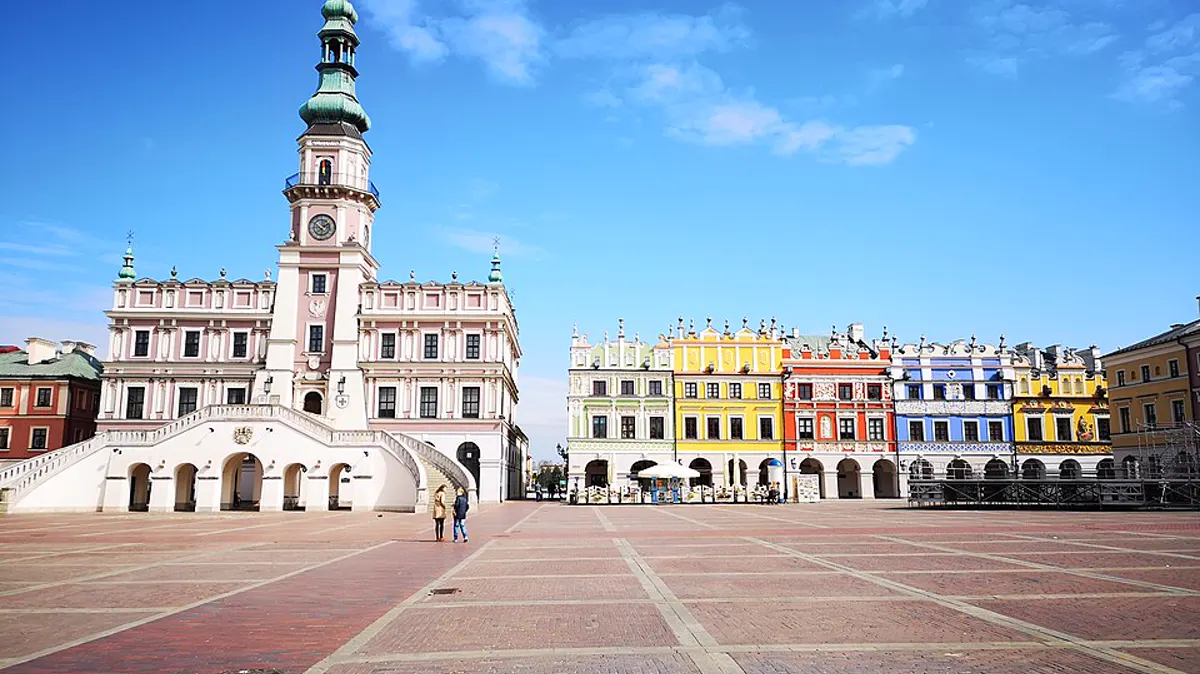
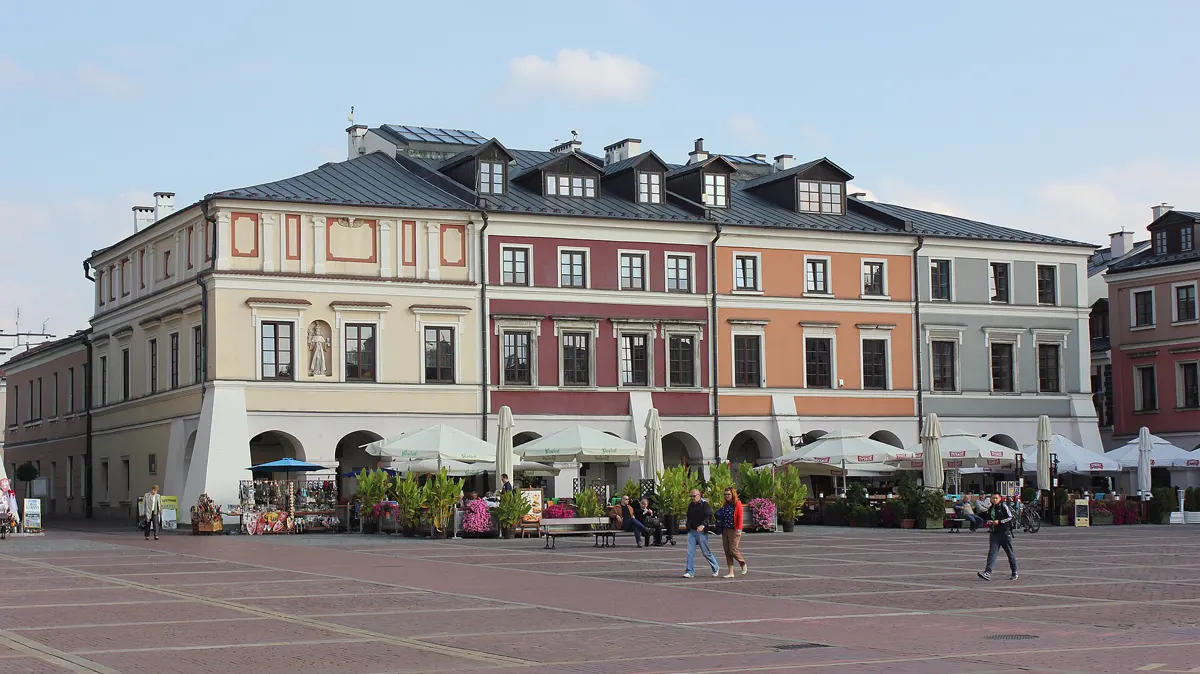
Great Market Square, Zamosc
A near-perfect Renaissance square of arcaded, pastel burgher houses, the centrepiece of a sixteenth-century ideal city.
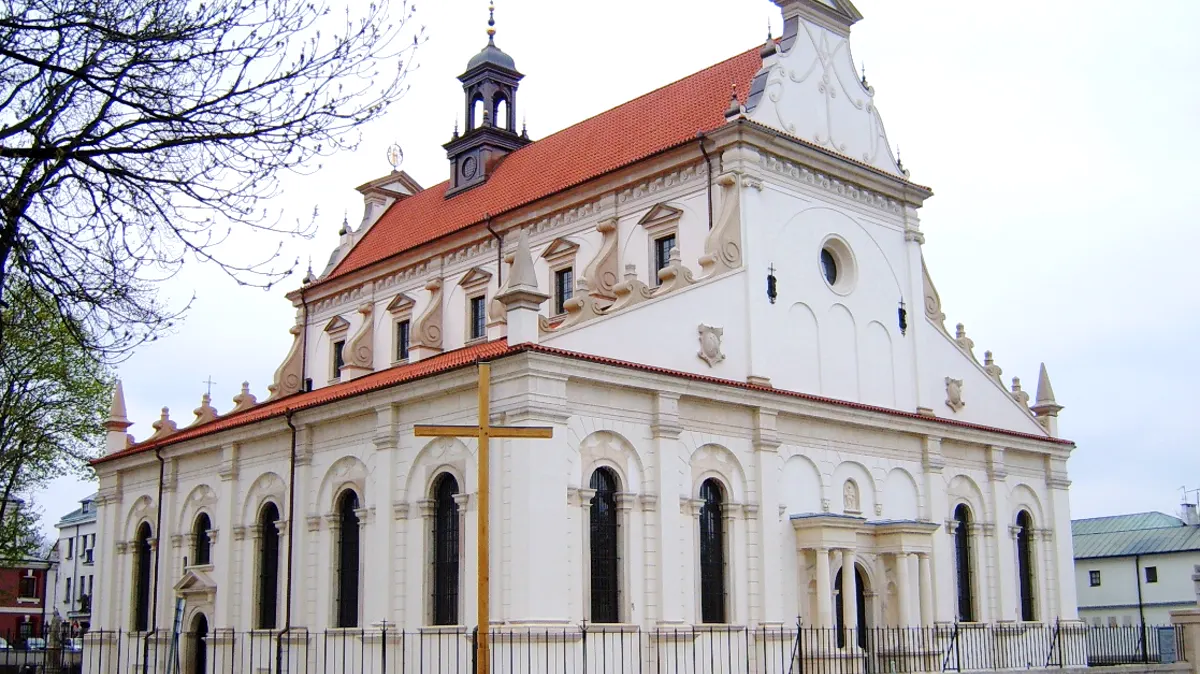
Zamość Cathedral (Cathedral of the Resurrection and St Thomas the Apostle)
One of Poland's finest Renaissance churches, designed by Bernardo Morando and paid for by Jan Zamoyski, raised to cathedral rank in 1992.
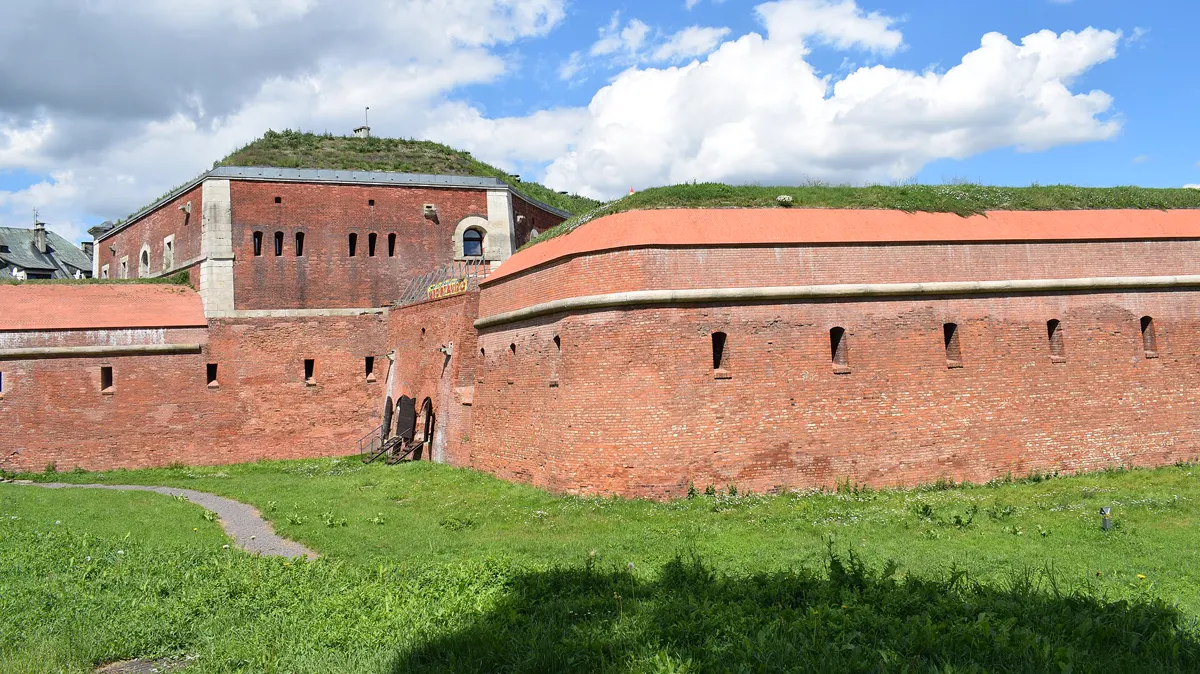
Bastion VII Underground Tourist Route (Nadszaniec)
A half-kilometre walk through the casemates and galleries of Bastion No 7, the biggest bastion of a fortress that was never taken by an enemy.
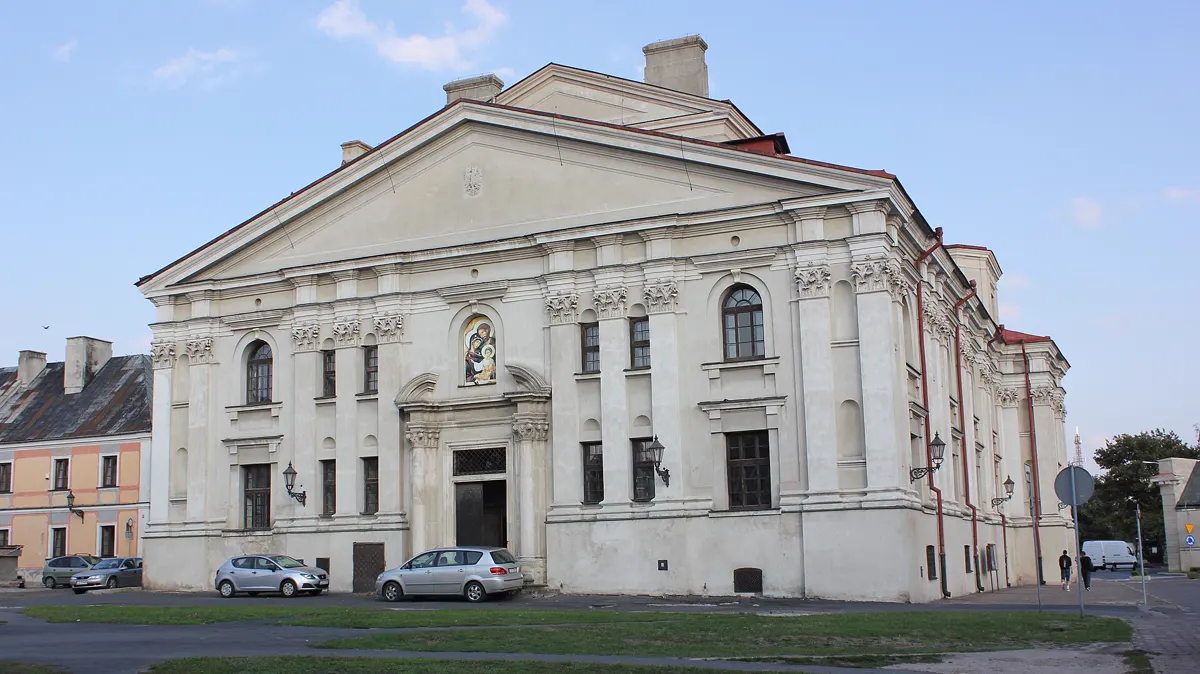
Franciscan Church (Church of the Annunciation)
The Franciscan Church of the Annunciation is the largest church in Zamość, a monumental Baroque building near Rynek Wielki whose white facade rises close to 40 metres.
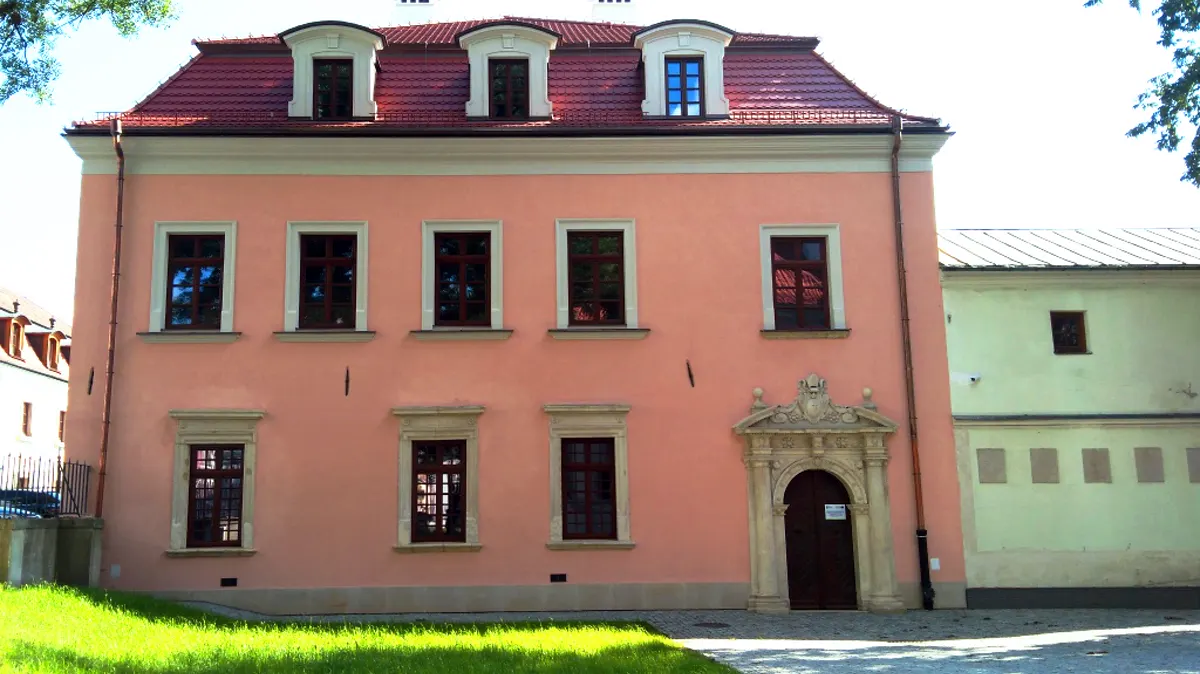
Infułatka (Sacred Museum)
The Infułatka is a Baroque building beside Zamość Cathedral that now holds a museum of sacred art, with liturgical vestments, vessels and a coronation alb on display.
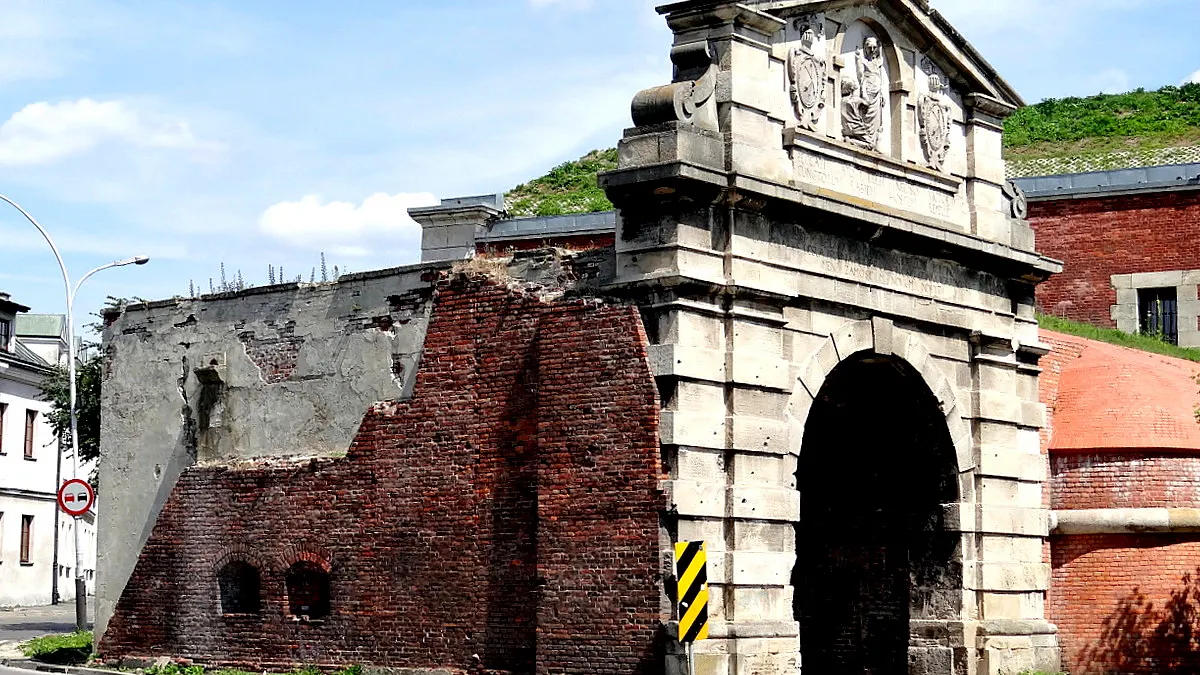
Lwów Gate (Lviv Gate)
A Mannerist gateway built around 1597 to 1599 on the southeastern edge of Zamość's fortified Old Town, once fitted with a drawbridge on the road toward Tomaszów and Lviv.
More to explore in Zamość
Museum
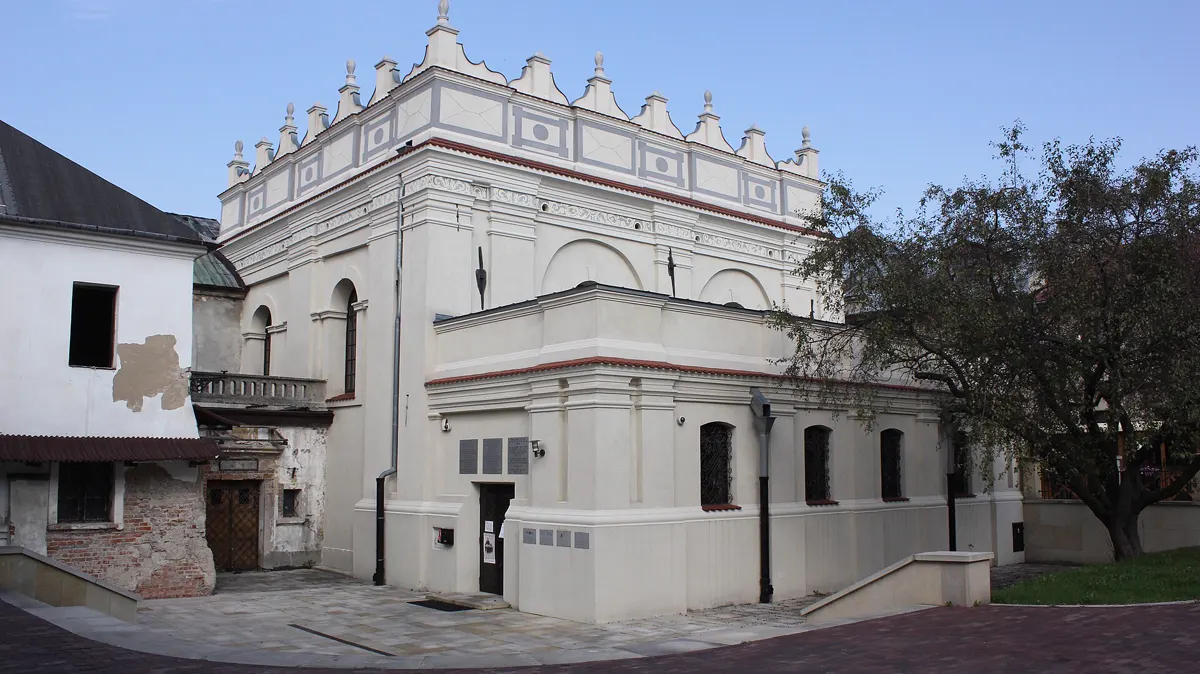
Zamość Synagogue (Synagogue Centre)
A rare surviving Renaissance synagogue of about 1618, restored by the Foundation for the Preservation of Jewish Heritage and reopened in 2011 as a cultural centre with a multimedia exhibition on the town’s Jewish heritage.
Museum
Zamość Rotunda (Museum of Martyrdom of the Zamość Region)
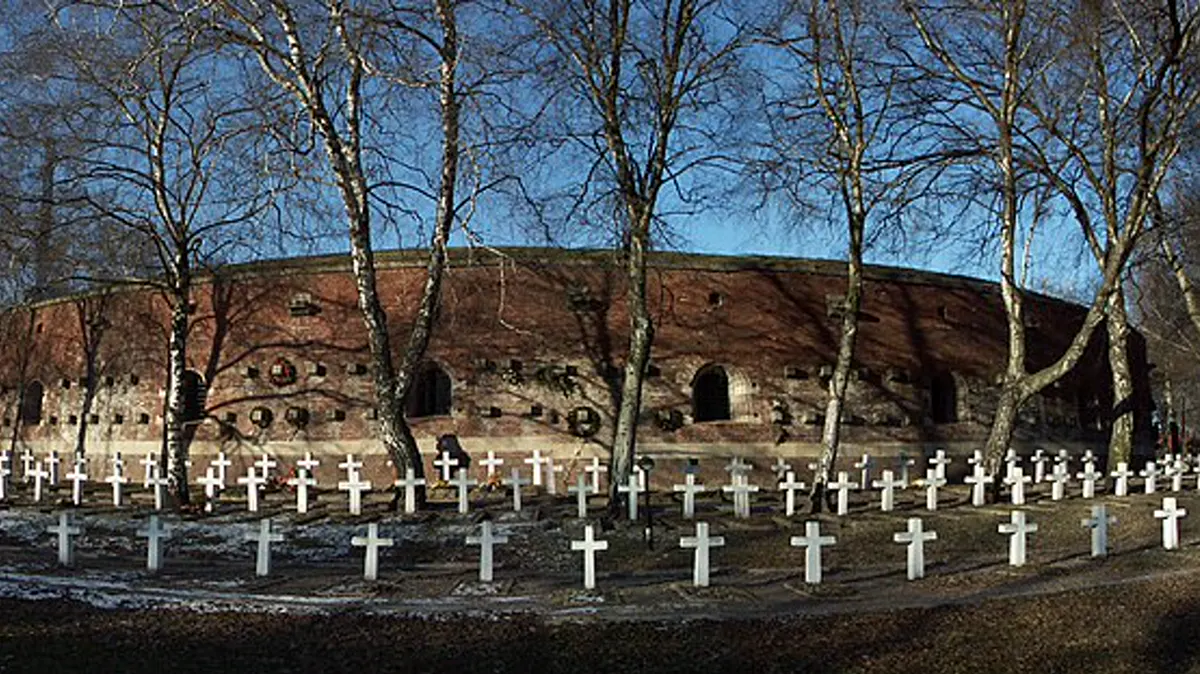
A 19th-century circular fort that the Gestapo turned into a place of execution during WWII, now a museum of martyrdom for the Zamość region.
Museum
Muzeum Zamojskie (Museum of Zamość, Armenian Houses)
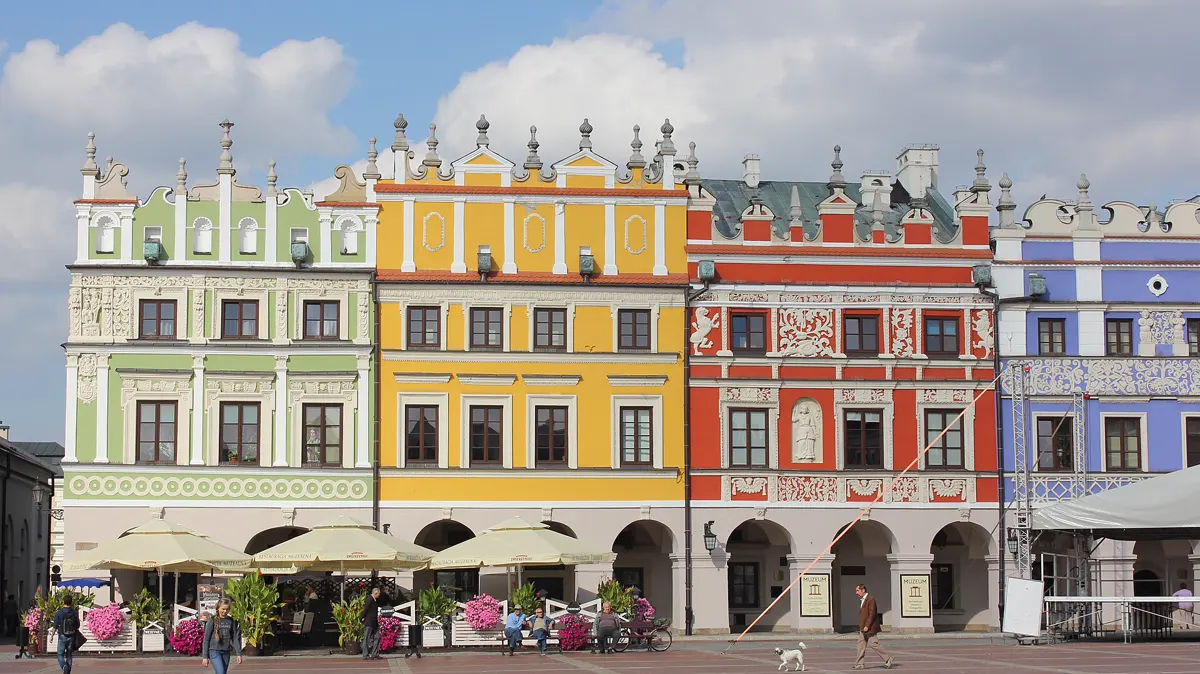
The town museum set inside the ornately decorated 17th-century Armenian houses on the Great Market Square.
Restaurant
Restauracja Muzealna Ormiańskie Piwnice
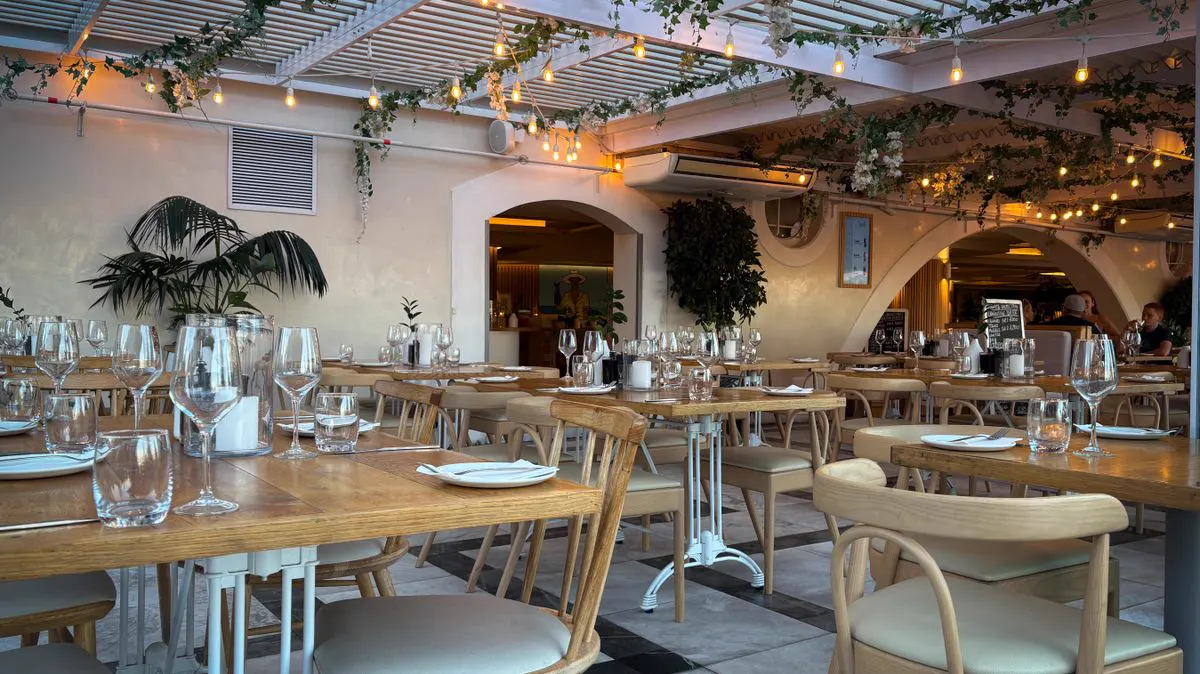
Armenian and regional cooking served in the vaulted cellars of a 17th-century Armenian house beside the Town Hall.
Restaurant
Restauracja Bohema
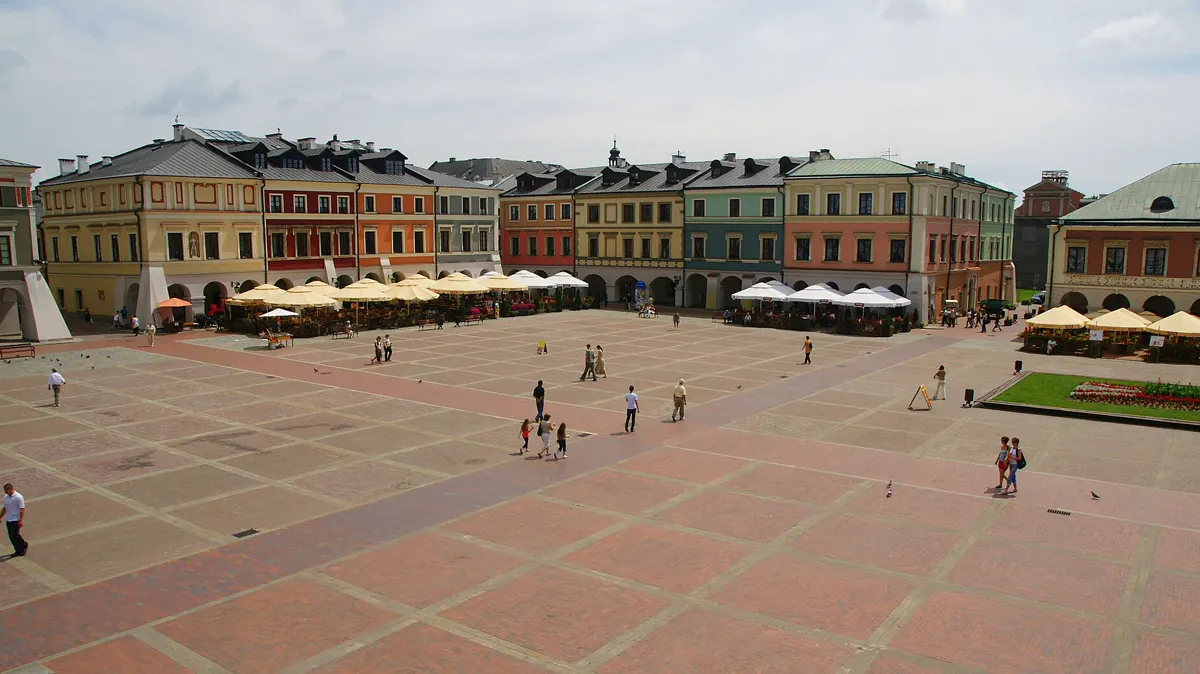
A long-running restaurant on a corner of the Great Market Square, with big outdoor tables looking onto the arcades.
Hotel
Hotel Renesans
A three-star hotel inside the Old Town, a few minutes' walk from the Great Market Square.