Attraction in Gdańsk
St. Catherine's Church
St. Catherine's Church is the oldest church in Gdańsk and the burial place of astronomer Johannes Hevelius. Its bell tower holds the Museum of Tower Clocks, home to the world's first pulsar clock.
Reviewed and updated July 2026
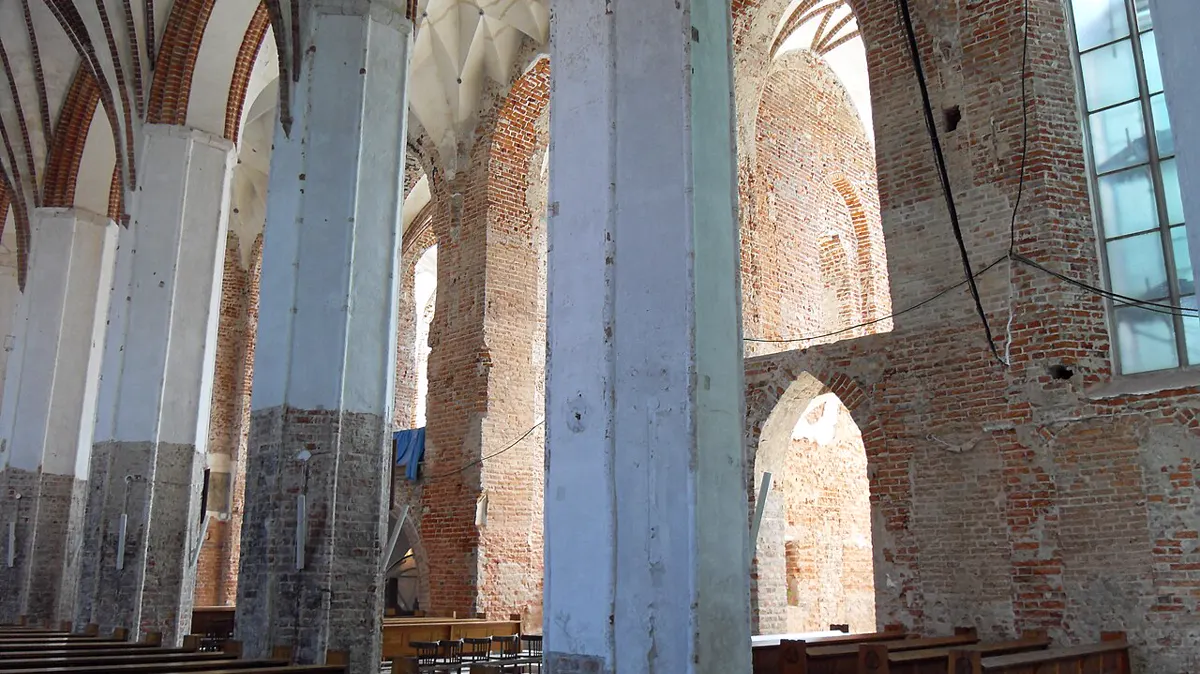
St. Catherine's Church (Kościół św. Katarzyny) is the oldest church in Gdańsk, a brick building with roots in the 13th and 14th centuries in the Old Town (Stare Miasto). People come for its long history, its bell tower housing the Museum of Tower Clocks, and its link to the astronomer Johannes Hevelius, who is buried here.
The bell tower and the Museum of Tower Clocks
The church's bell tower holds the Museum of Tower Clocks, a branch of the Museum of Gdańsk. Inside you climb through levels of mechanisms that once measured time across the city, from older tower movements to the technology that followed. The tower doubles as a viewpoint over the Old Town rooftops. Check the Museum of Gdańsk official channels for current opening times and tower access before you go.
Johannes Hevelius and the pulsar clock
The astronomer Johannes Hevelius (1611-1687), who mapped the surface of the Moon and catalogued stars from his own Gdańsk observatory, is buried in this church. In 2011, to mark the 400th anniversary of his birth, the world's first pulsar clock was installed here. Rather than a pendulum or quartz crystal, it keeps time using signals from pulsars, the rapidly spinning neutron stars whose regular pulses act as a natural cosmic timekeeper.
The oldest church in the city
As the oldest church in Gdańsk, St. Catherine's carries centuries of the city's religious and civic life in its brickwork. Its origins in the 13th and 14th centuries make it a starting point for understanding how the medieval town grew. The building has survived war, fire and reconstruction over its long life, and it remains an active place of worship as well as a site visitors explore.
Fitting it into a Gdańsk visit
St. Catherine's sits in the Old Town, so it pairs naturally with a wider walk through the historic centre and the nearby waterfront. The clock museum and the Hevelius connection make it a good stop for anyone interested in science and astronomy as much as architecture. See our Gdańsk guide for other places to combine it with on the same day.
Good to know
The bell tower and its Museum of Tower Clocks are the main draw for visitors, so confirm tower opening times with the Museum of Gdańsk before arriving.
Frequently asked questions
More attractions in Gdańsk
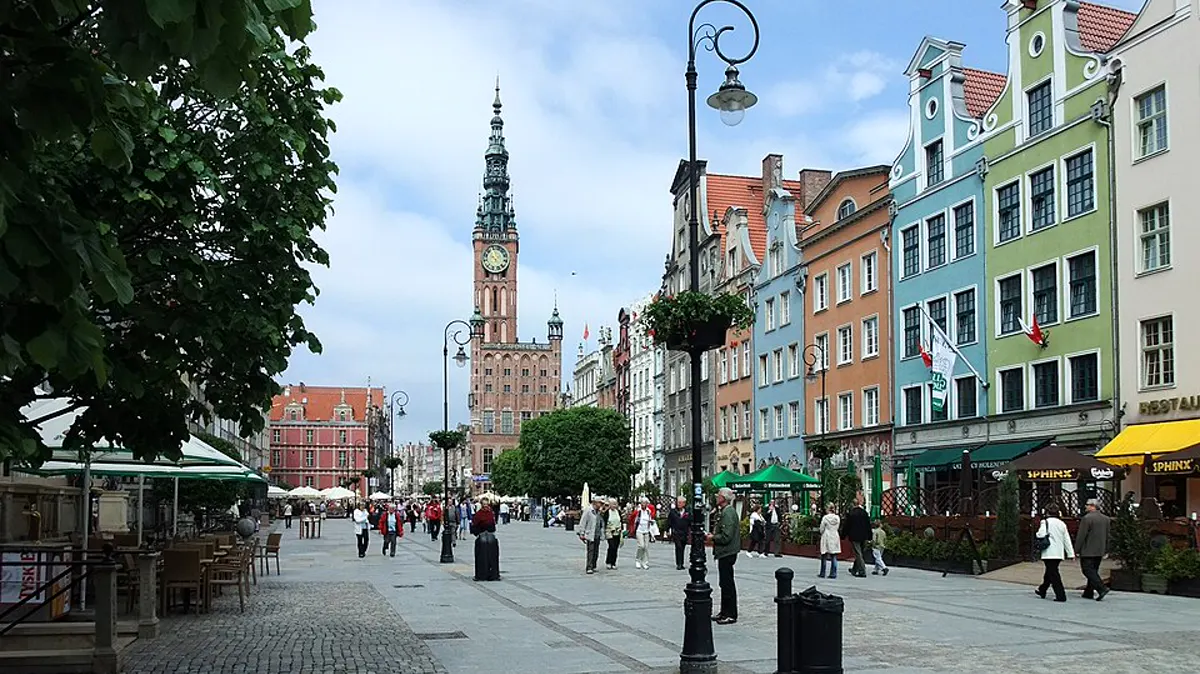
Long Market
The grand main thoroughfare of Gdansk, a wide promenade of merchant facades running from the Golden Gate to the river.
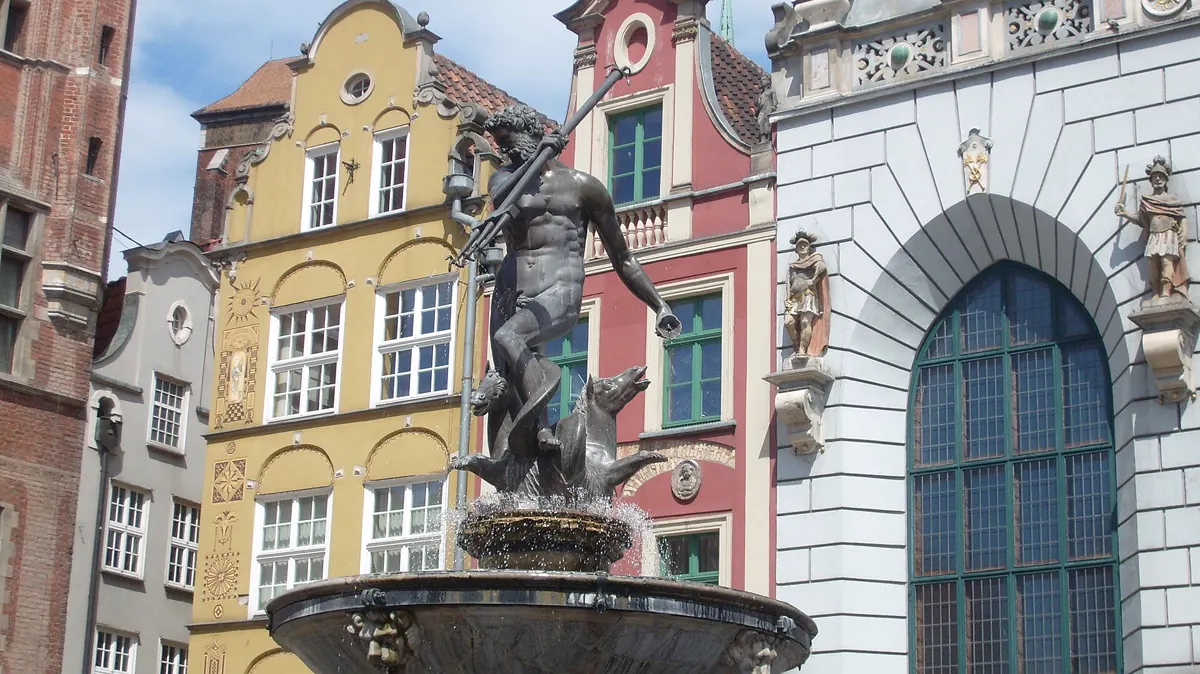
Fontanna Neptuna
The bronze Neptune Fountain, cast in the early 17th century, has stood in front of the Artus Court since 1633 and became the symbol of Gdansk. Local legend claims the god's trident scattered gold flakes into the water, inspiring the herbal liqueur Goldwasser.
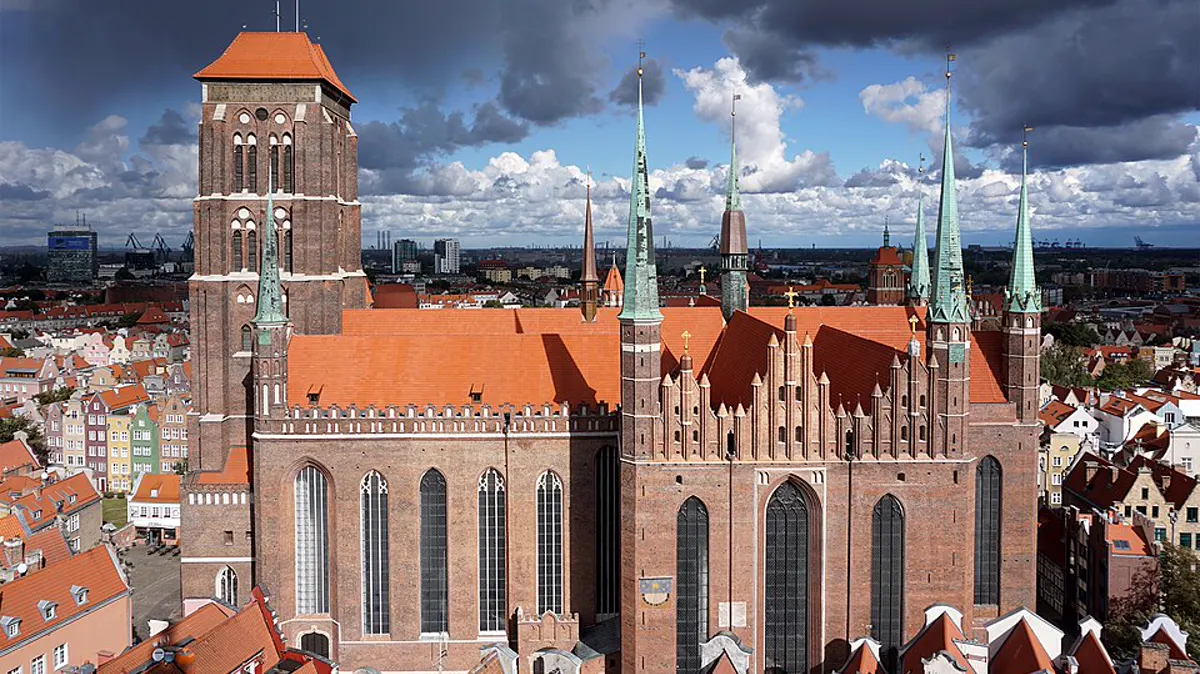
Bazylika Mariacka
One of the largest brick churches in the world, this vast Gothic basilica can hold up to 25,000 people. Climb its 405 steps to a viewing terrace for a sweeping panorama over the red rooftops of the old town.
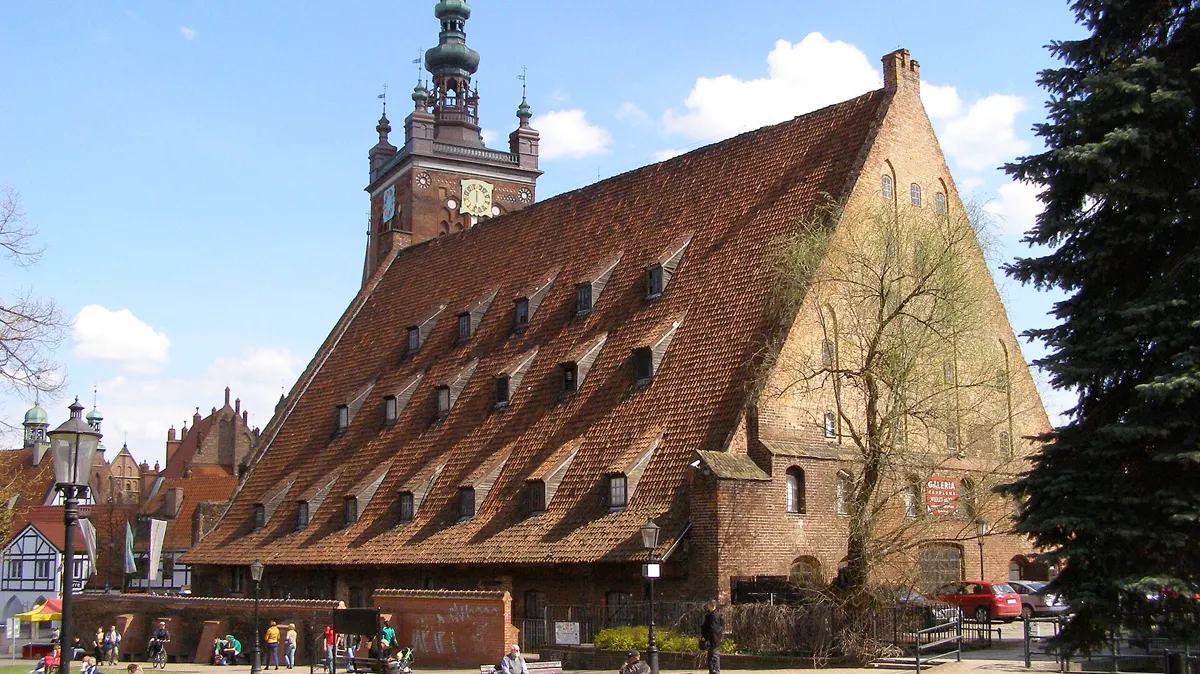
Amber Museum (Great Mill)
The Amber Museum in Gdańsk tells the story of Baltic amber, from raw fossilised resin to jewellery and art, inside the Great Mill, a 14th-century Teutonic watermill.
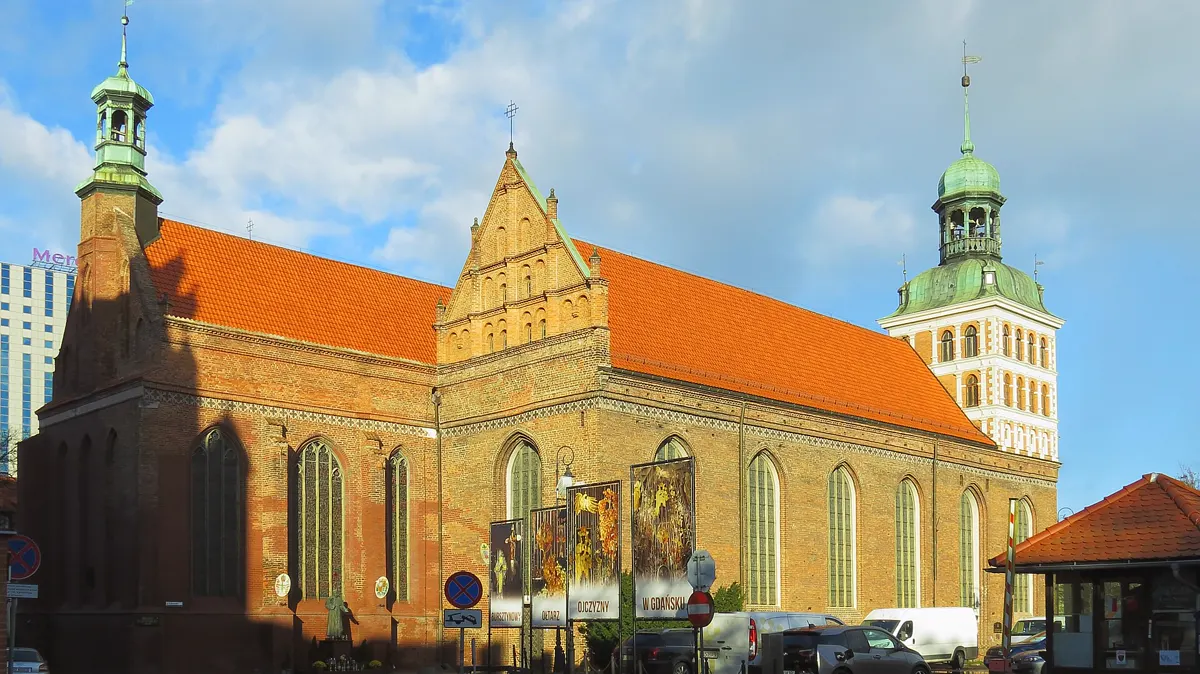
St. Bridget's Church
A rebuilt medieval church in Gdańsk's Old Town that holds the world's largest amber altar and carries deep ties to the Solidarity movement.
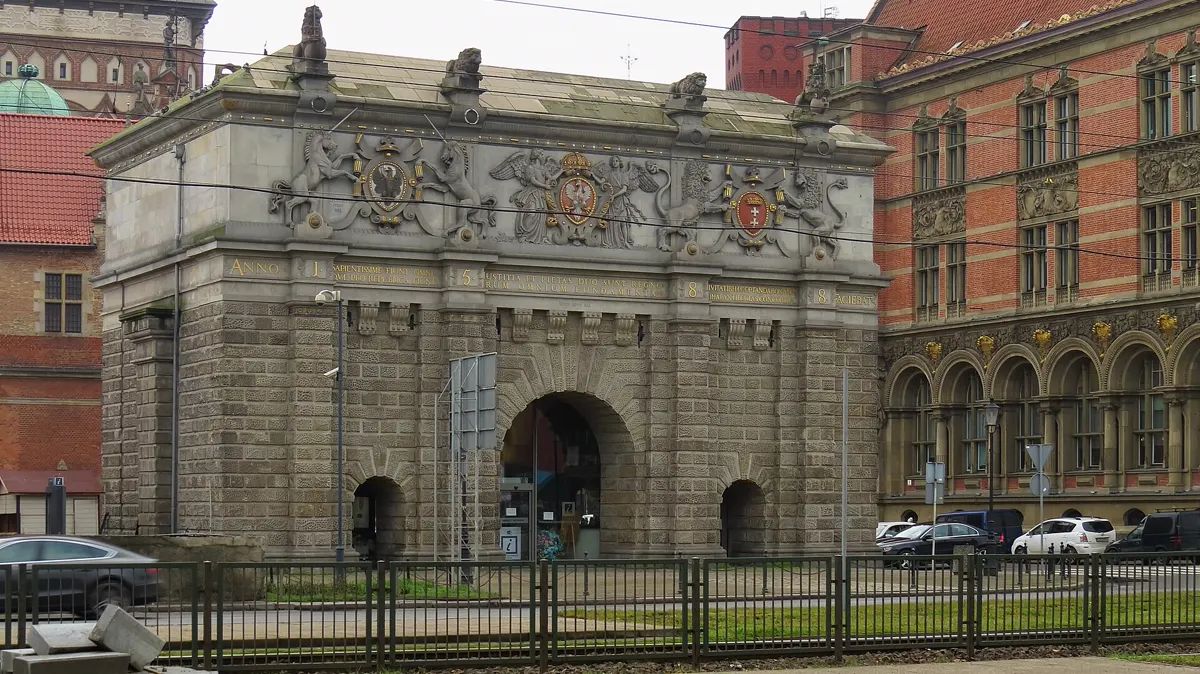
Upland Gate (Brama Wyzynna)
A Renaissance gate from the late 16th century that marks the ceremonial start of Gdansk's Royal Route into the Main Town, carrying the carved coats of arms of Poland, Prussia and Gdansk.
More to explore in Gdańsk

Restaurant
Eliksir
A refined tasting-menu restaurant in the Garnizon district of Wrzeszcz, making the most of Baltic ingredients.
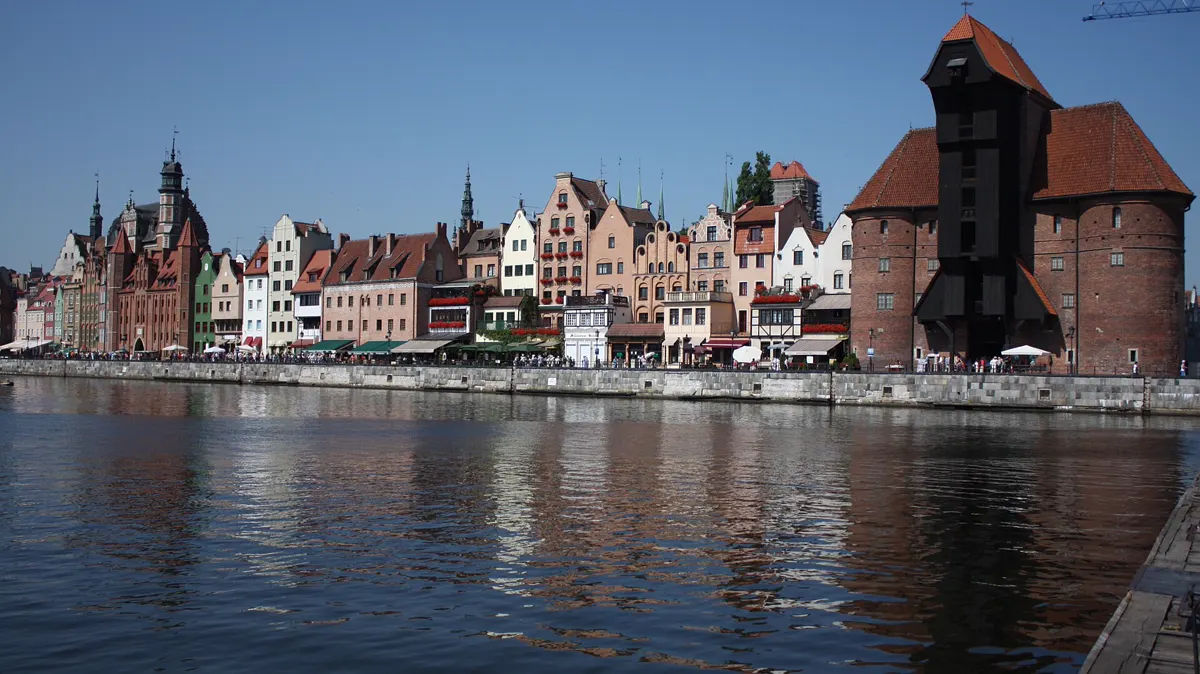
Hotel
Hotel Podewils
A baroque townhouse hotel right on the marina, facing the old crane across the water.
Nature
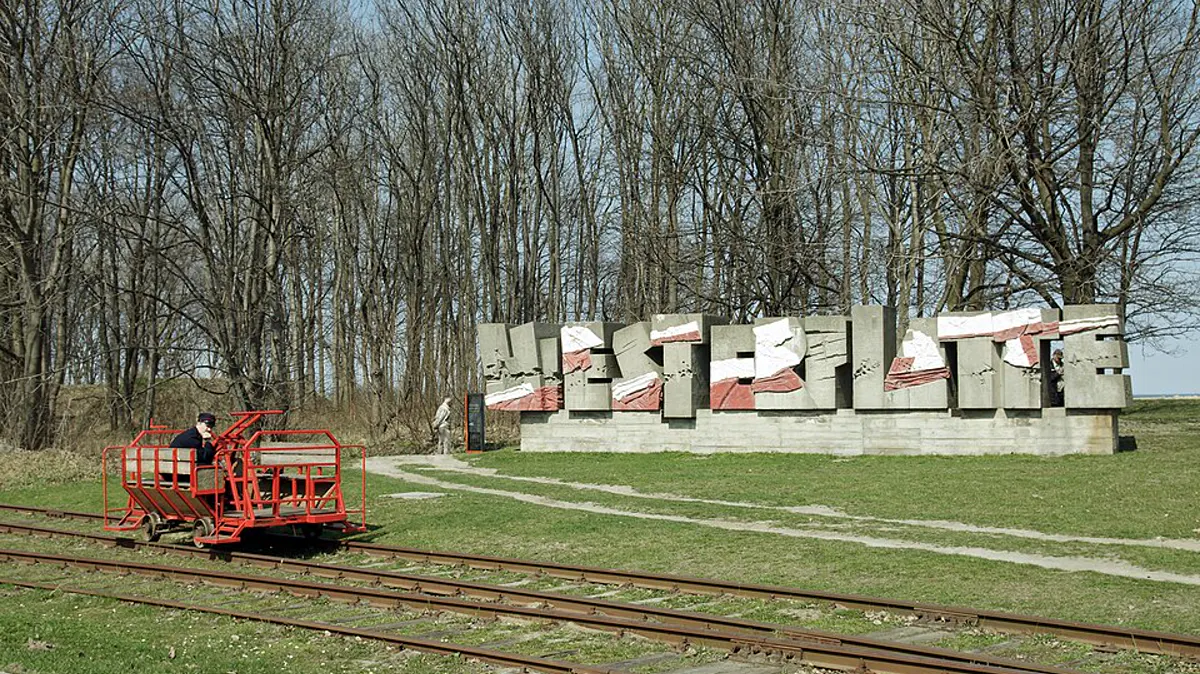
Westerplatte
The seaside peninsula where WWII began, now a memorial park reached by a summer river boat.
Castle
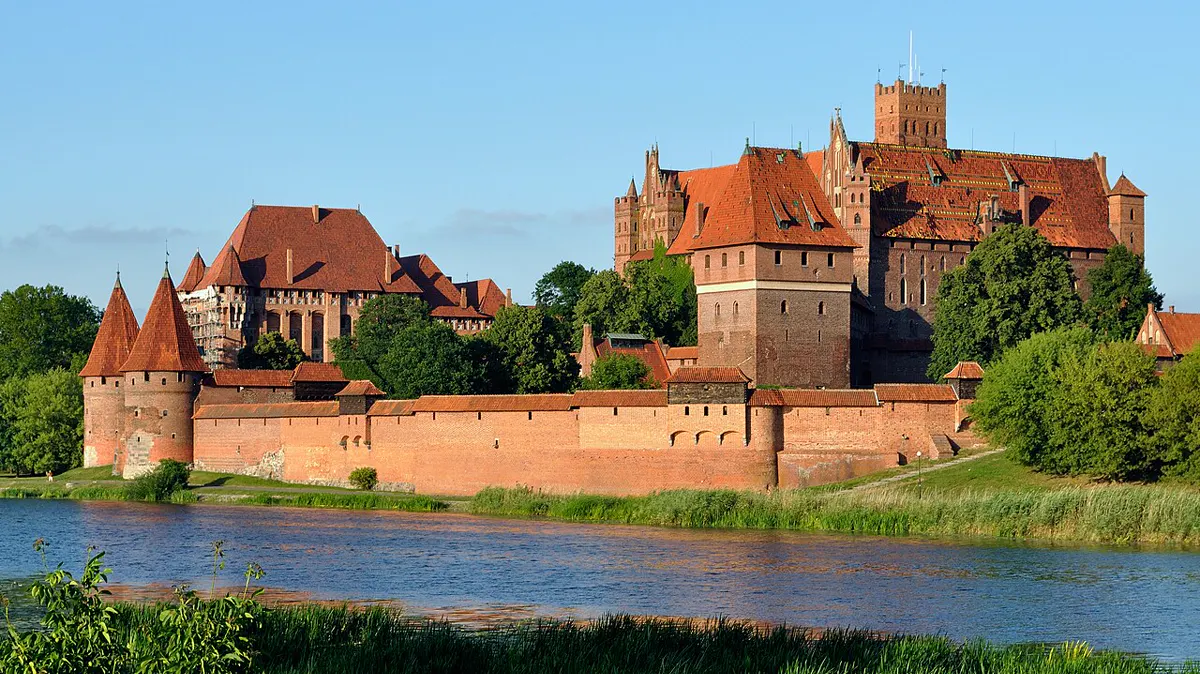
Malbork Castle
The largest castle in the world by land area, a vast red-brick fortress built by the Teutonic Knights on the Nogat river.

Hotel
La Guitarra Hostel
A friendly, central hostel in the old town with dorms and private rooms, popular with backpackers. Sociable common areas a short walk from the river.

Restaurant
Restauracja Gvara
Modern Polish tasting menus using Pomeranian and Baltic ingredients, one of the city's more ambitious kitchens. Set several courses at a calmer remove from the tourist quays.