Attraction in Lublin
Yeshiva Chachmei Lublin
A grand pre-war Jewish rabbinical academy on Lubartowska Street, restored in the 21st century to hold a reconstructed synagogue and a museum on the history of the Yeshiva of the Sages of Lublin.
Reviewed and updated July 2026
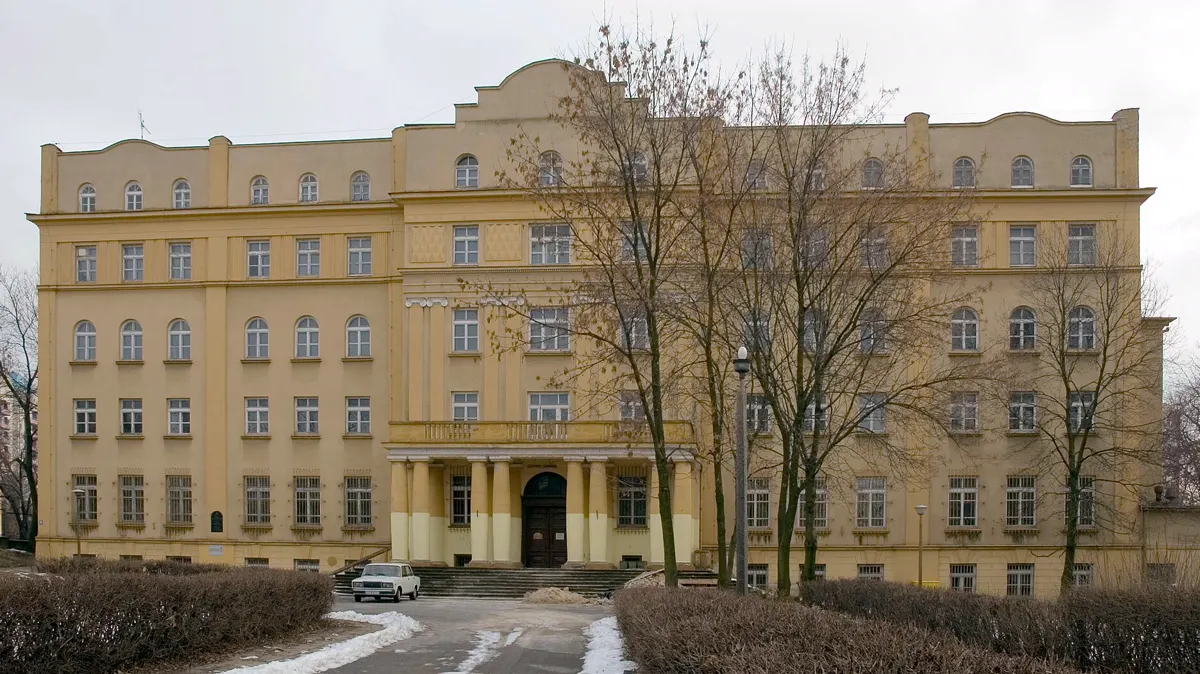
Yeshiva Chachmei Lublin is a restored pre-war Jewish rabbinical academy on Lubartowska Street, near Lublin's Old Town, and it is one of the city's central sites of Jewish heritage. Founded by Rabbi Meir Shapiro and opened in 1930, it was among the largest yeshivas in the world at the time. People visit today to see the reconstructed synagogue inside the building and the museum that tells the story of the academy and the community around it.
What you can see inside
The building holds a reconstructed synagogue that returns the interior to something close to its original purpose, along with a museum devoted to the history of the Yeshiva of the Sages of Lublin. Together they let you understand both the physical space where students once studied and the institution's place in Jewish religious life before the war. The exhibits trace the founding, the academy's short but significant working years, and its loss during the occupation. Plan to move slowly, since the interest here is in the story rather than in scale alone.
Rabbi Meir Shapiro and the founding
The yeshiva was the project of Rabbi Meir Shapiro, who opened it in 1930 as a major centre of rabbinical study. At its founding it ranked among the largest yeshivas anywhere in the world, drawing students to Lublin as a seat of Jewish scholarship. That ambition is part of what makes the site meaningful now, because the building was conceived as a flagship institution rather than a modest local school. The museum sets out how Shapiro's vision took shape and why the academy mattered well beyond the city.
Wartime loss and 21st-century restoration
During the German occupation of the Second World War the yeshiva was closed and looted, and the community it served was destroyed. The building survived, and in the 21st century it was restored, with the synagogue reconstructed and a museum established in the interior. This history is the reason the site reads as a place of memory as much as a working synagogue. Visiting it is a direct way to connect with the record of Jewish Lublin and what was lost.
Fitting it into a visit to Lublin
The yeshiva sits on Lubartowska Street, a short walk from the Old Town, which makes it easy to combine with a broader day in the centre. It pairs naturally with other Jewish heritage sites and with the historic core when you plan your route through the city. For orientation and nearby attractions, see our Lublin guide. Anyone interested in Polish Jewish history, religious architecture or the pre-war life of the city will find it a worthwhile stop.
Good to know
The building functions as both a working synagogue and a museum, so check opening times and any visitor guidance through official channels before you go.
Frequently asked questions
More attractions in Lublin
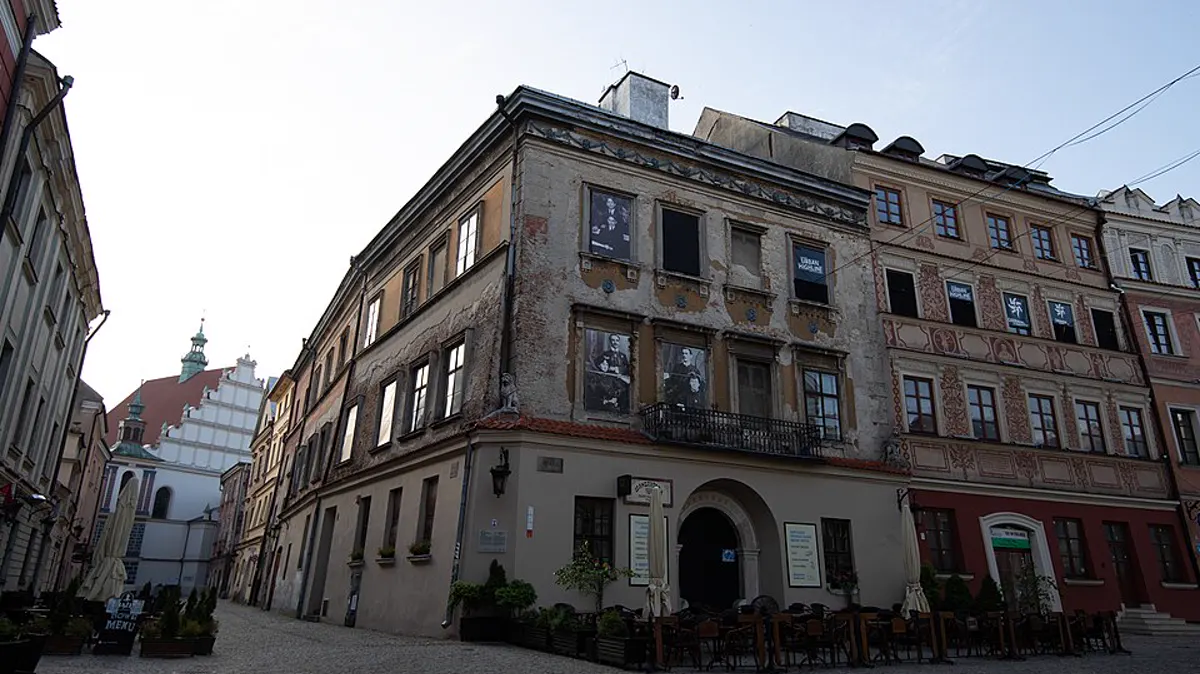
Stare Miasto (Lublin)
Lublin's medieval Old Town winds through narrow lanes and hidden courtyards, with painted Renaissance facades and Rynek square framing the old Trybunal (Crown Tribunal) at its centre.
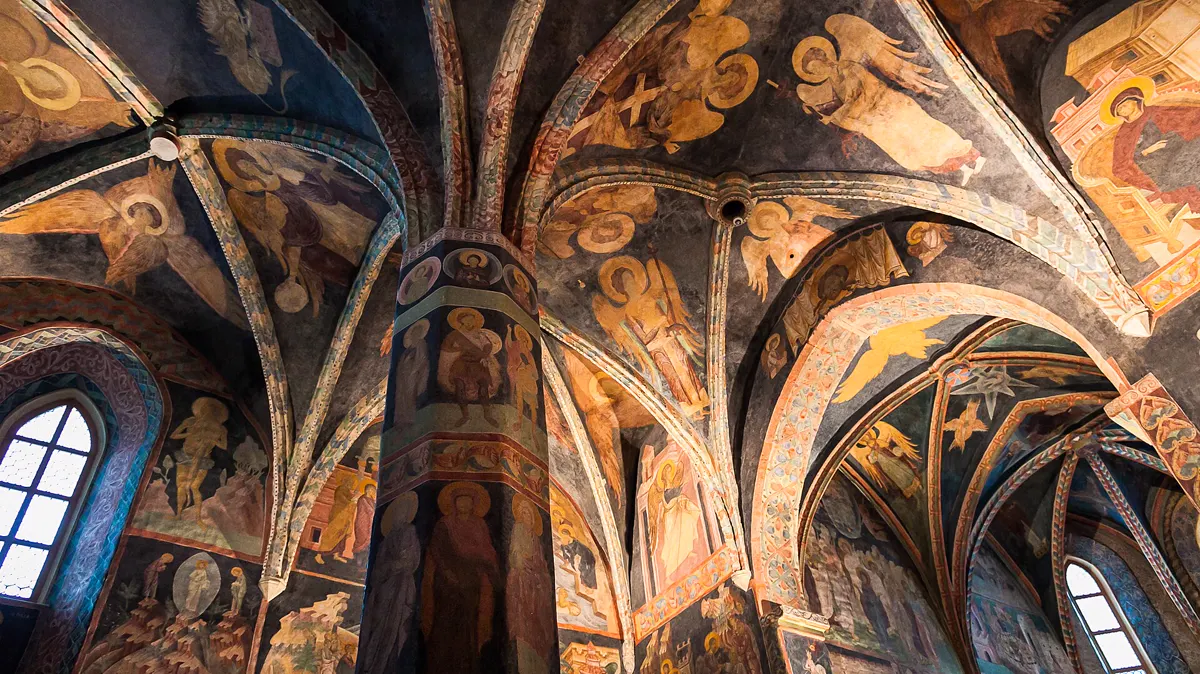
Kaplica Trojcy Swietej
Inside the castle, the Holy Trinity Chapel is covered floor to ceiling with rare Ruthenian-Byzantine frescoes from 1418: Eastern painting under a Western Gothic vault.
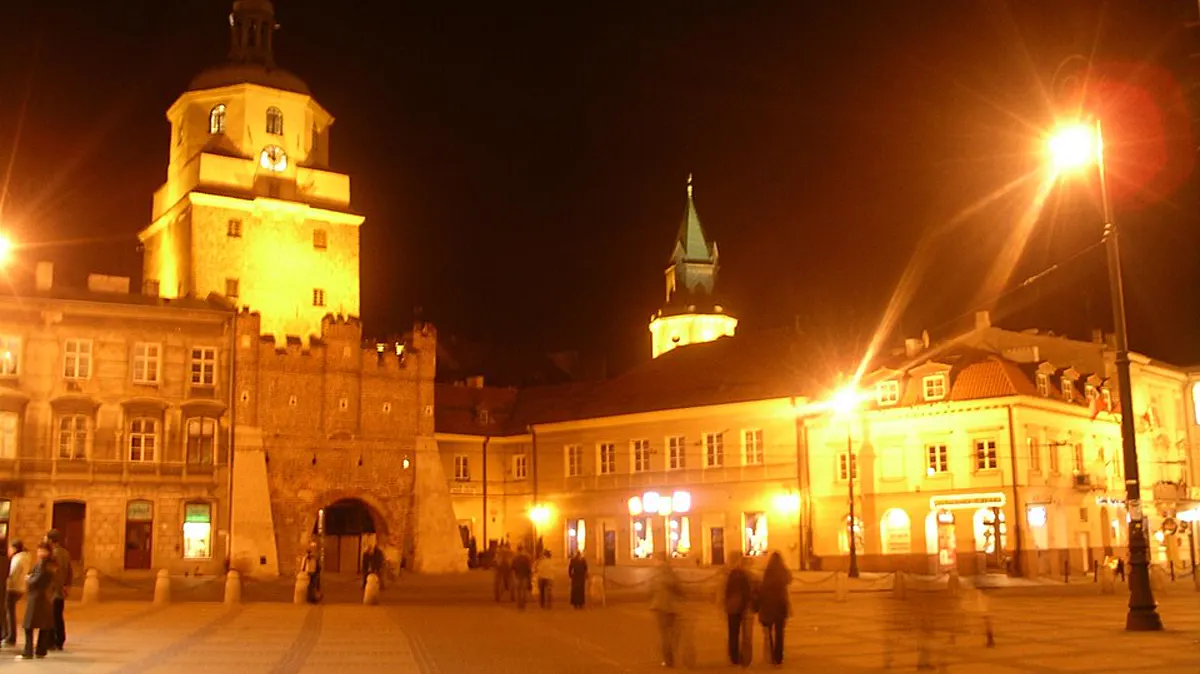
Brama Krakowska
The 14th-century Krakow Gate is Lublin's best-known landmark, a brick tower that guarded the road to Krakow and now houses a small history museum.
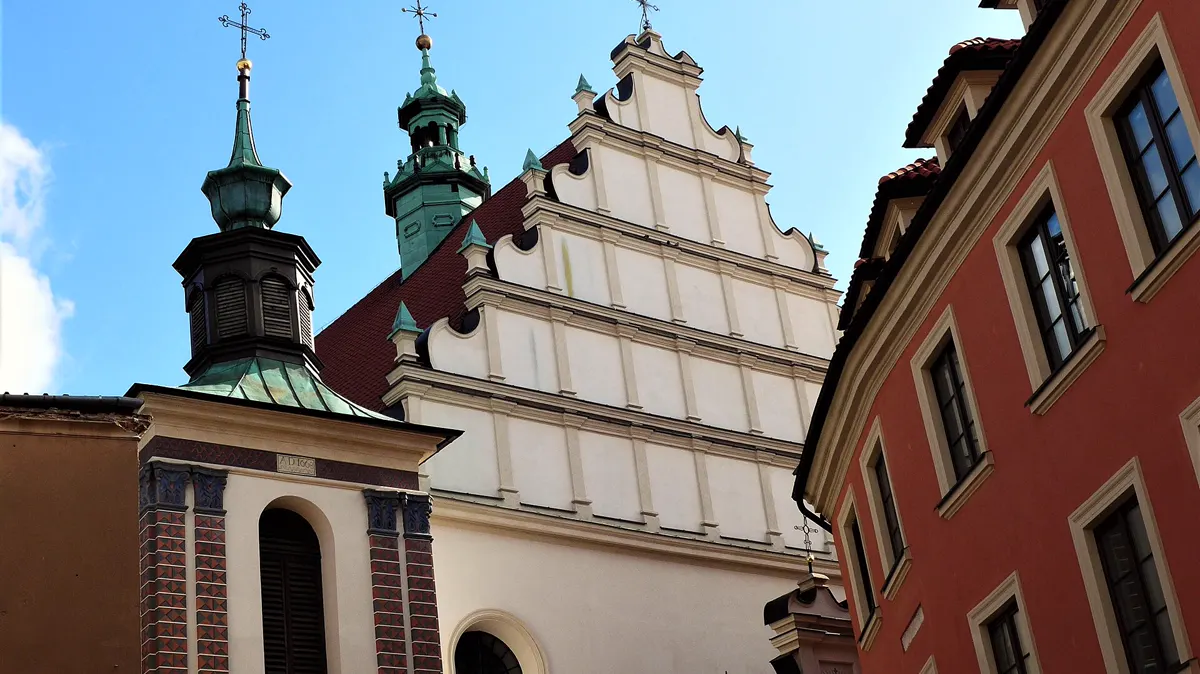
Dominican Basilica (Basilica of St. Stanislaus)
A Renaissance church and former Dominican monastery in Lublin's Old Town, founded in 1342 and tied to the 1569 Union of Lublin. Its decorated family chapels and European Heritage Label draw visitors interested in Polish history and religious art.
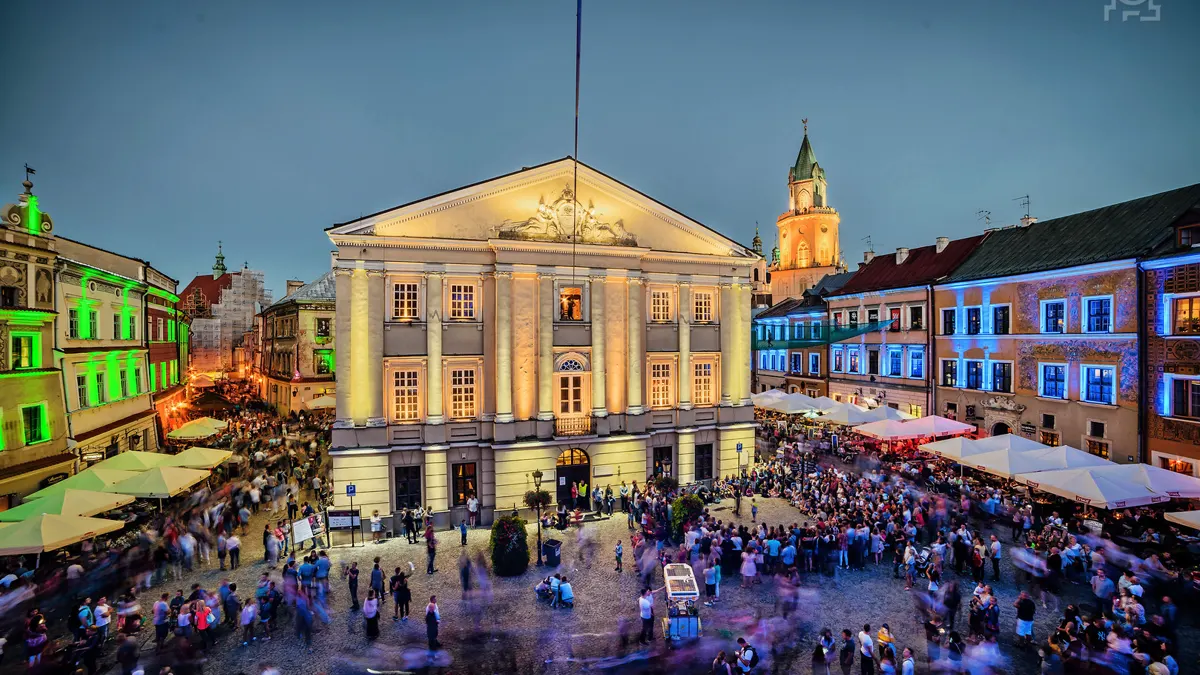
Crown Tribunal (Old Town Hall)
The freestanding building at the centre of Lublin's Old Town Market Square once housed the Crown Tribunal, the highest court of appeal for the Lesser Poland province, and now serves as a wedding palace and the entrance to the Lublin Underground Route.
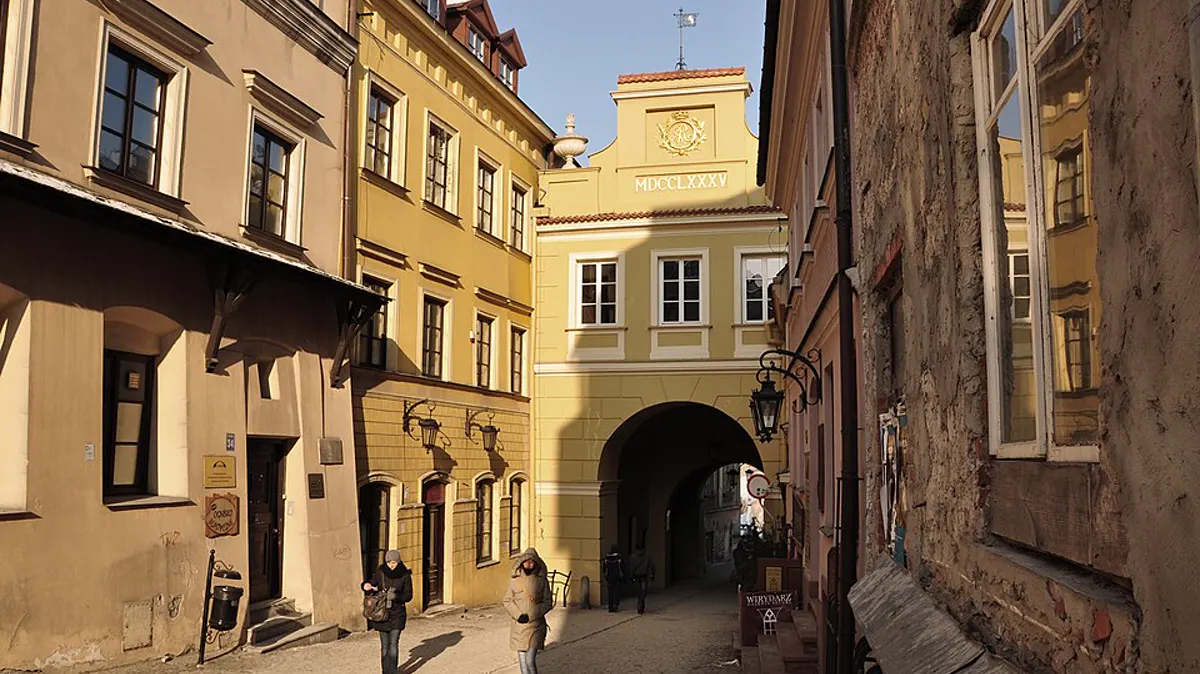
Brama Grodzka
Also called the Jewish Gate, the Grodzka Gate once linked the Christian and Jewish quarters and today hosts the Grodzka Gate - NN Theatre centre commemorating Lublin's lost Jewish community.
More to explore in Lublin
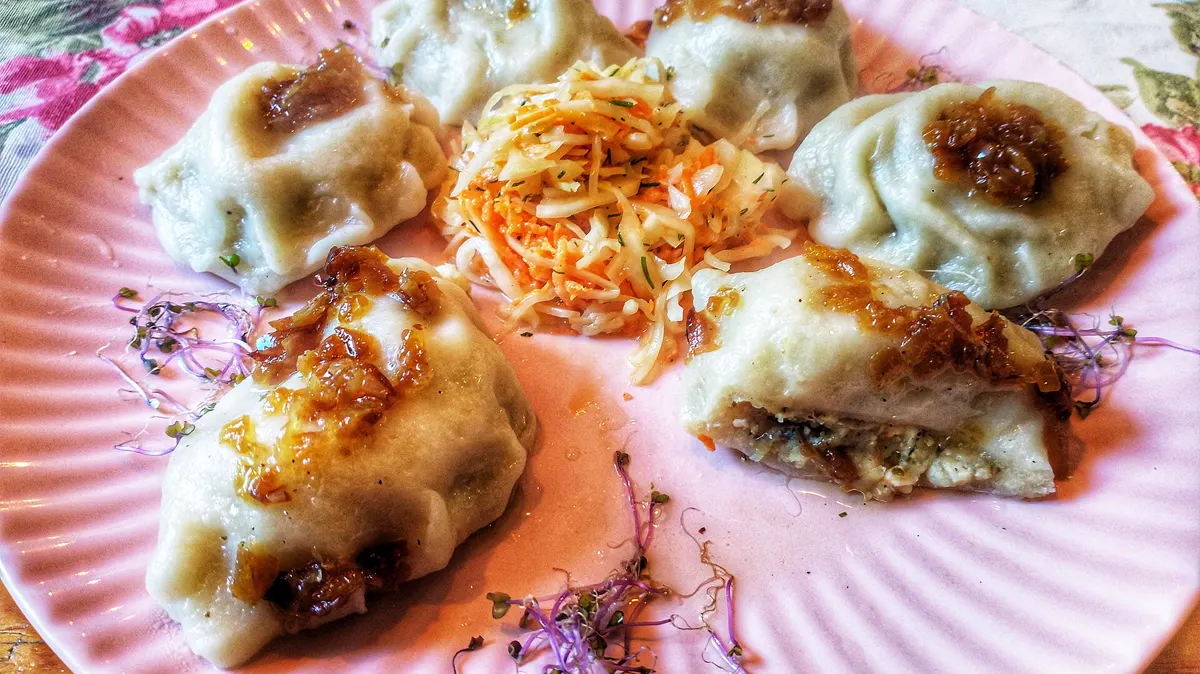
Restaurant
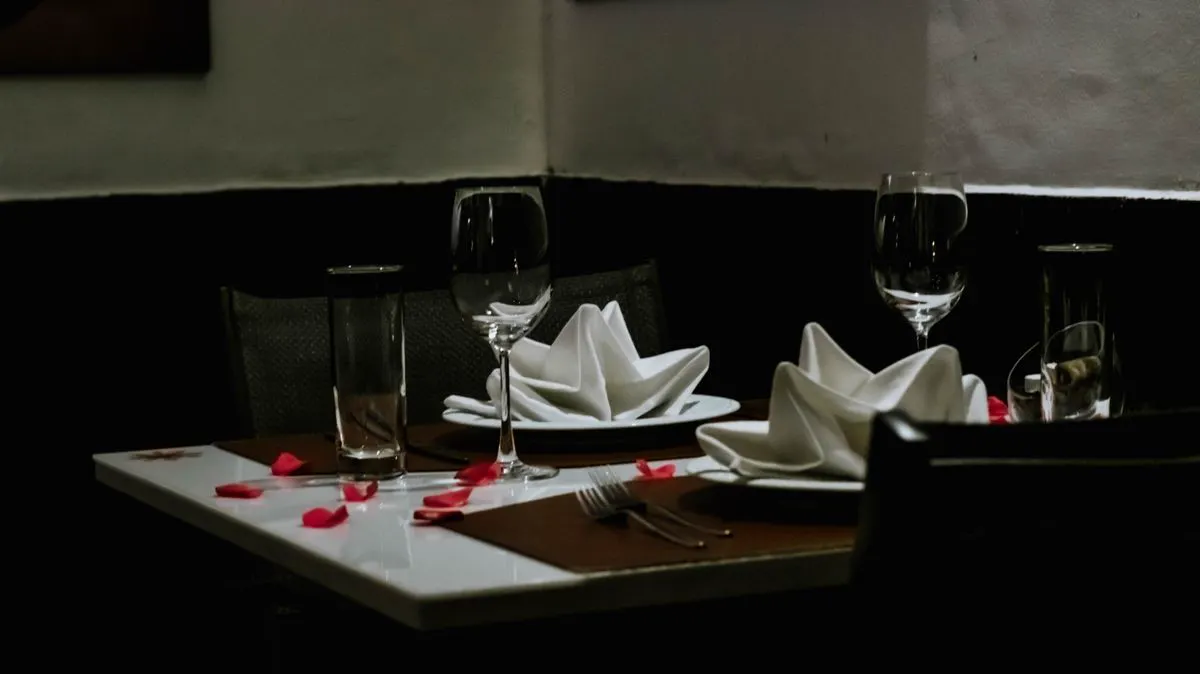
Mandragora
A candlelit restaurant on the Old Town market recreating Lublin's pre-war Jewish and Polish cooking.
Hotel
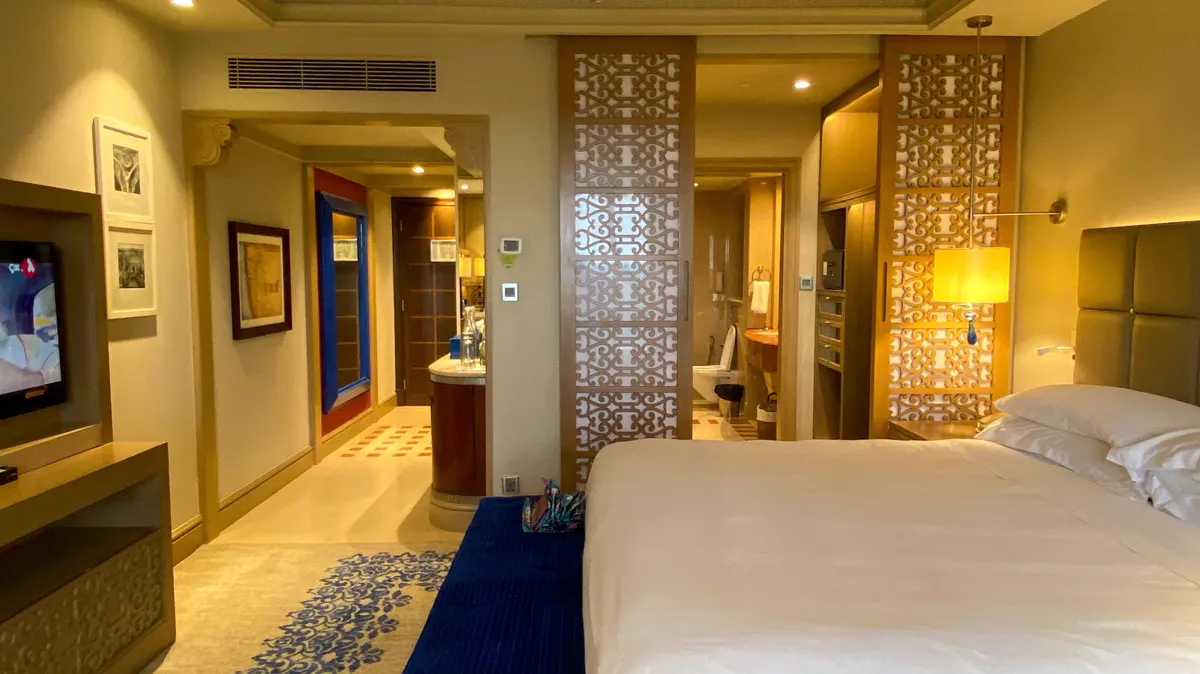
Grand Hotel Lublinianka
A restored early-20th-century hotel on the main promenade with a spa in its cellars.
Castle
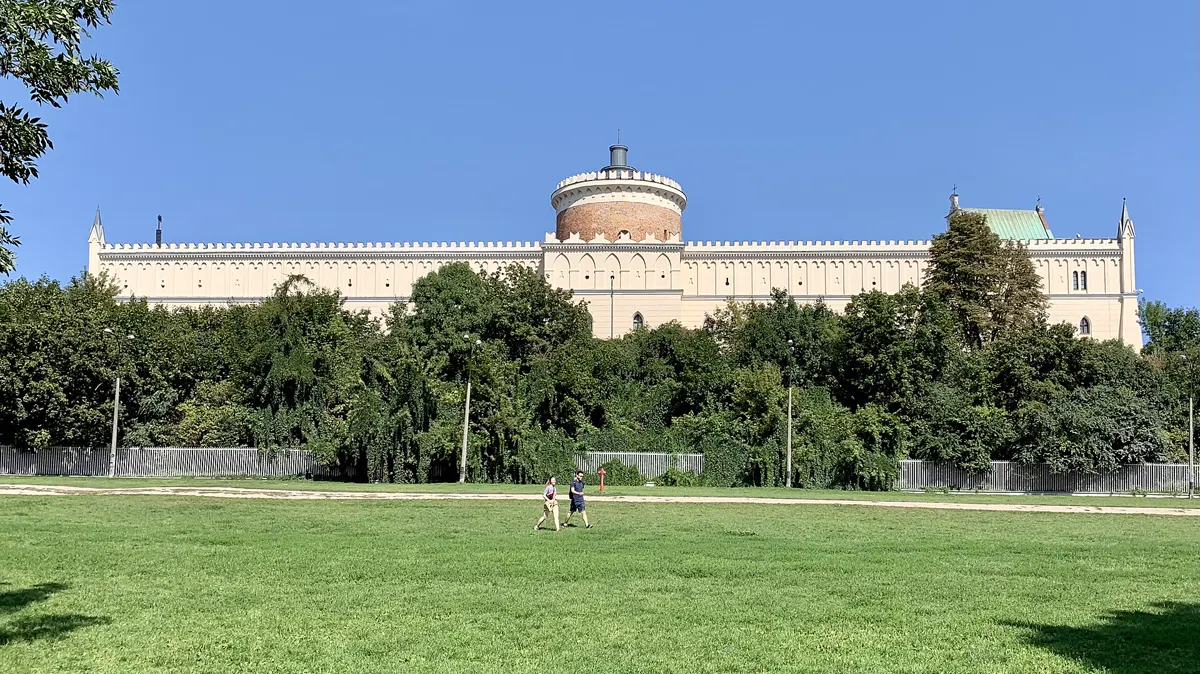
Lublin Castle
A hilltop castle whose Gothic chapel holds a rare cycle of Byzantine-style frescoes from 1418, the finest sight in the city.
Restaurant
Hades Szeroka
A friendly, good-value spot for Polish plates near the castle.

Restaurant
Perlowa Pijalnia Piwa
A retro beer hall pouring the local Perla brand, brewed in Lublin since 1846, in a plain and cheerful room. A cheap and characterful stop for a regional pint.
Restaurant
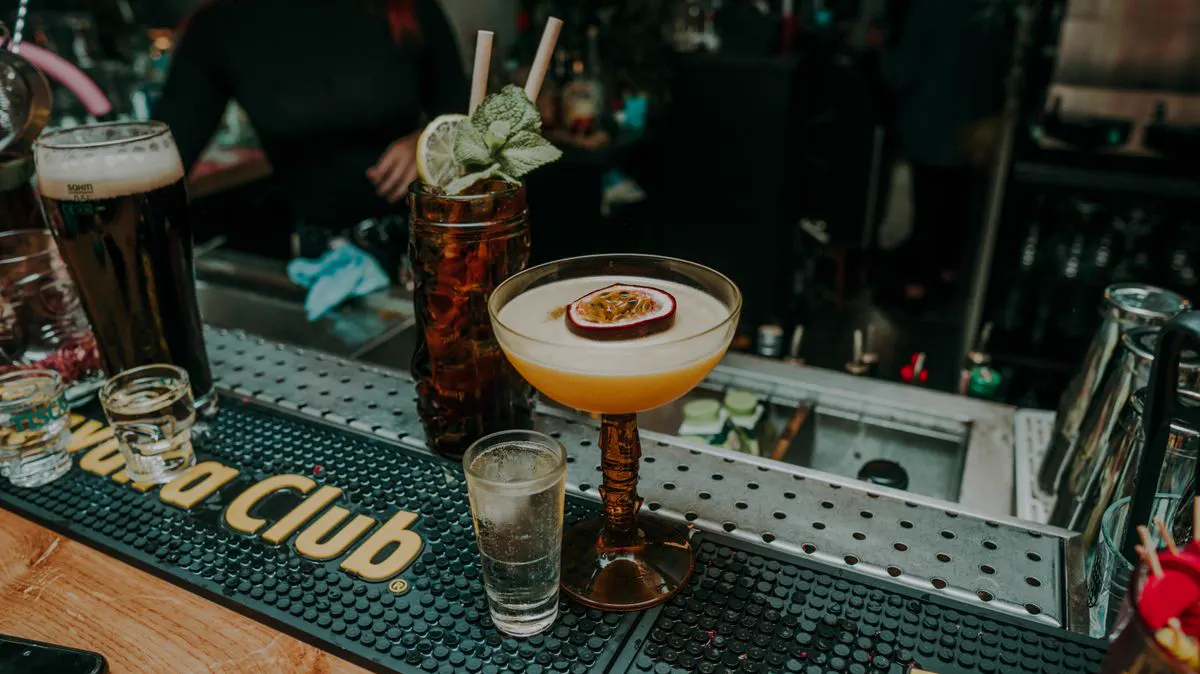
Dolce Vita Coffee & More
A stylish spot on Krakowskie Przedmiescie for cocktails and coffee, with terrace seats over the promenade. Popular in the early evening as the street fills.