Attractions
Attractions in Poland
The sights worth building a day around.
Poland's attractions run from the medieval market squares of Krakow and Wroclaw to the Wieliczka Salt Mine, the memorial at Auschwitz-Birkenau and the Teutonic castle at Malbork. Each page below covers what the place is, how long to spend and how to get there, grouped by city.
All Attractions in Poland
Kraków
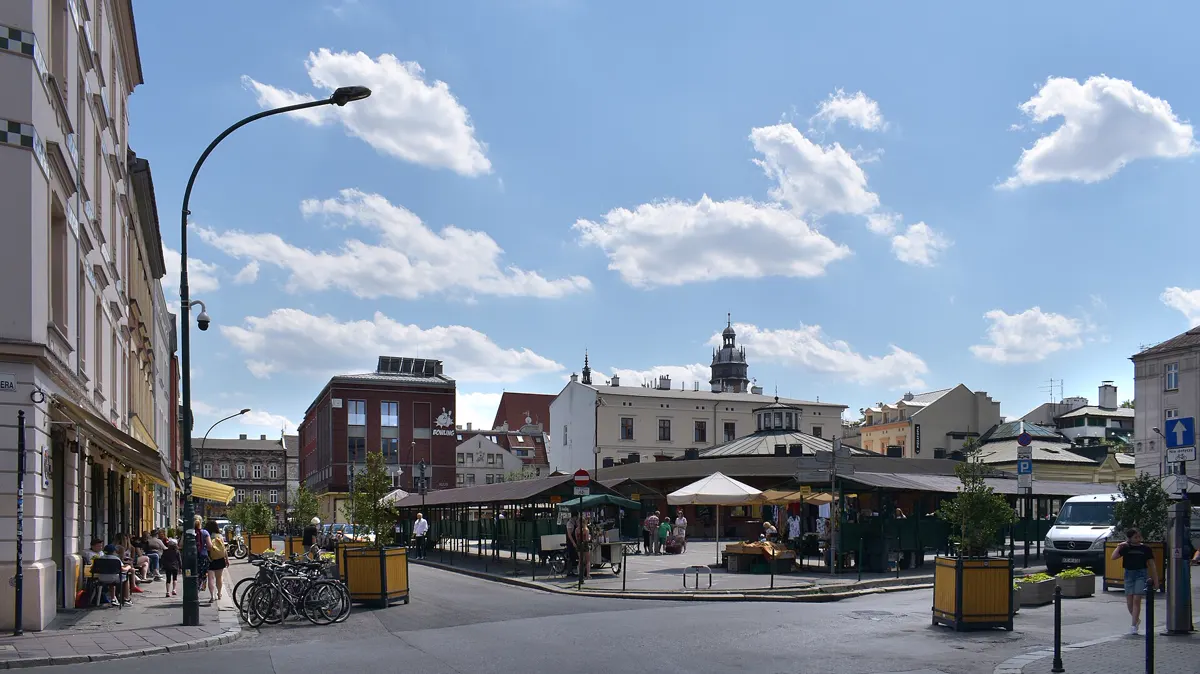
Plac Nowy (New Square)
Plac Nowy is the social centre of Kraków's Kazimierz district, a trapezoidal 19th-century square built around a round market hall whose windows now sell the city's famous zapiekanki.
Łódź
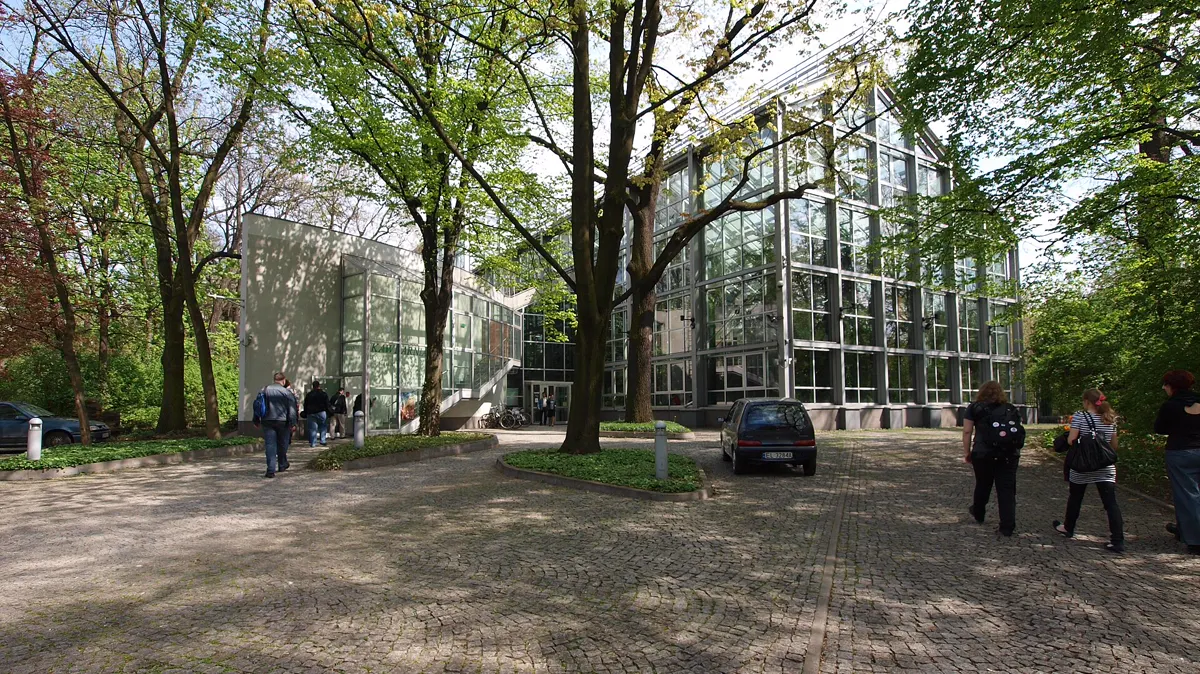
Botanical Garden and Palm House (Palmiarnia), Łódź
Łódź's Botanical Garden is one of the largest in Poland, pairing 67 hectares of themed outdoor plantings with a modern Palm House that holds the country's tallest palms.
Lublin
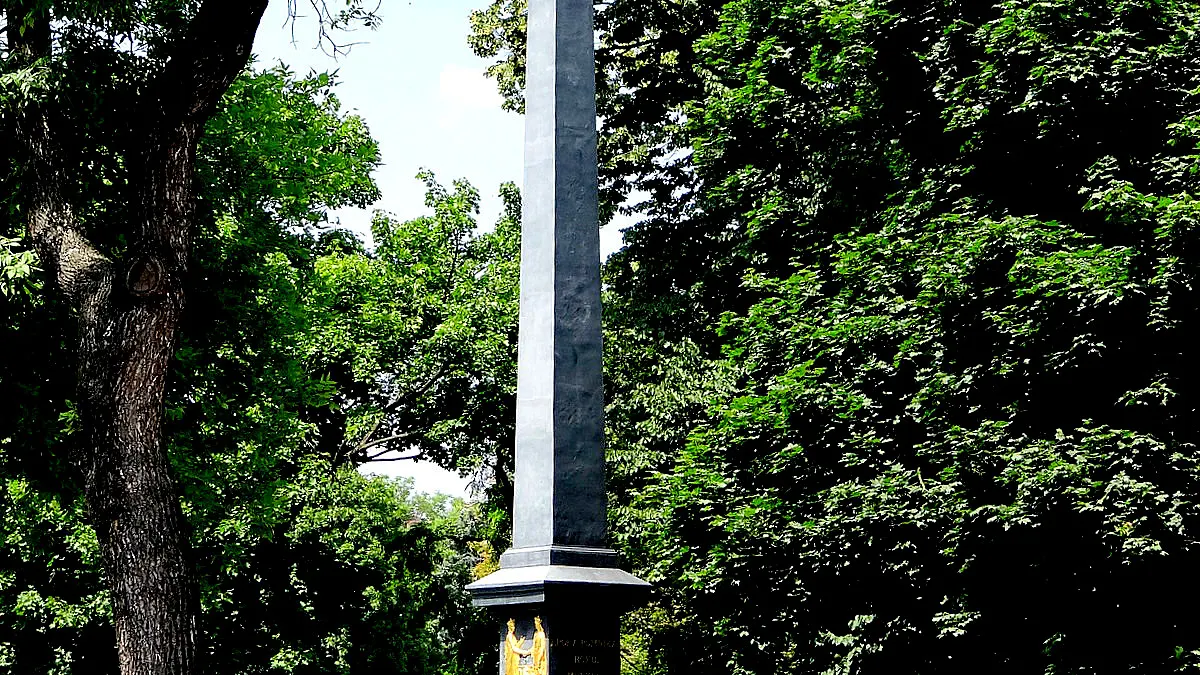
Union of Lublin Monument
A cast-iron obelisk on Litewski Square marking the 1569 Union of Lublin, the treaty that joined Poland and Lithuania into a single commonwealth.
Olsztyn
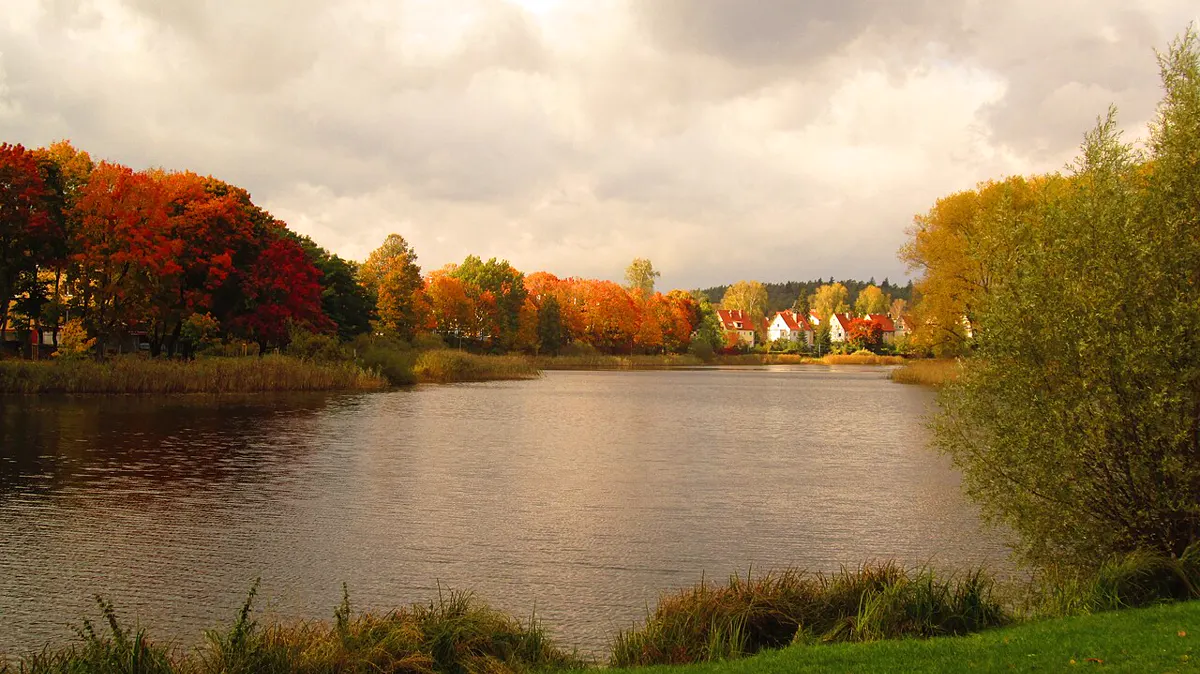
Lake Dlugie (Jezioro Długie)
Lake Dlugie is a narrow lake in western Olsztyn where motorboats are banned, valued for its clean water and quiet lakeside recreation.
Poznań
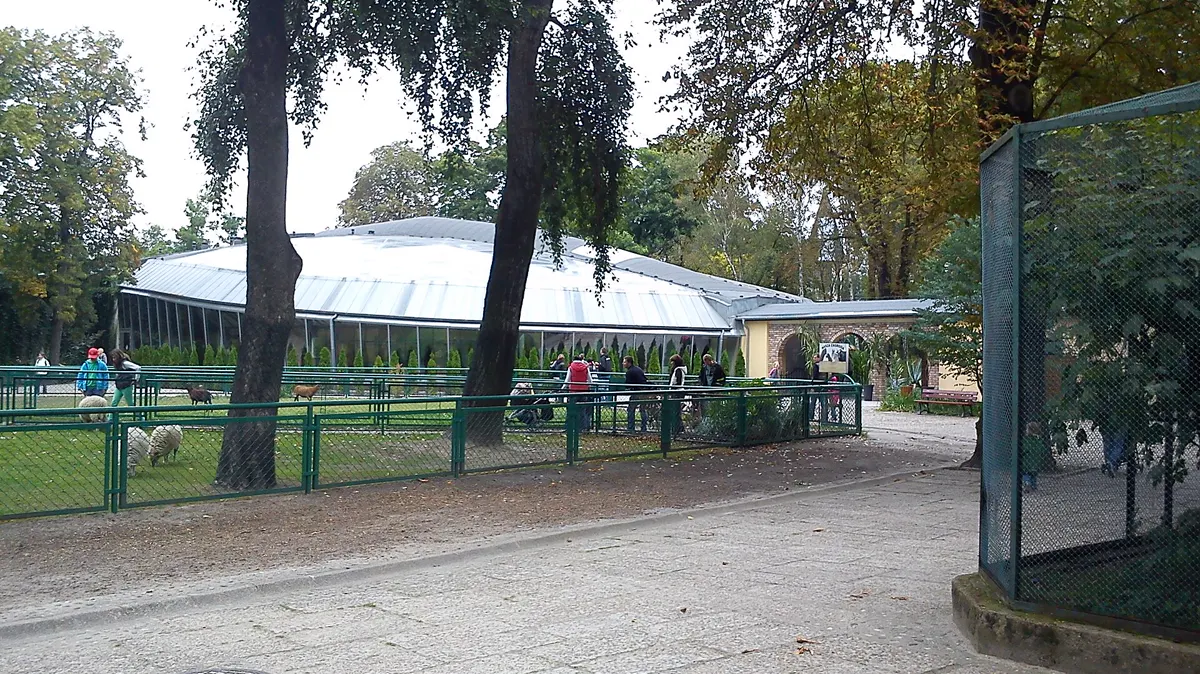
Old Zoo (Stare Zoo), Poznań
The Old Zoo in Poznań is Poland's oldest continuously operating zoological garden, a compact heritage-listed park of period pavilions near the city centre.
Toruń
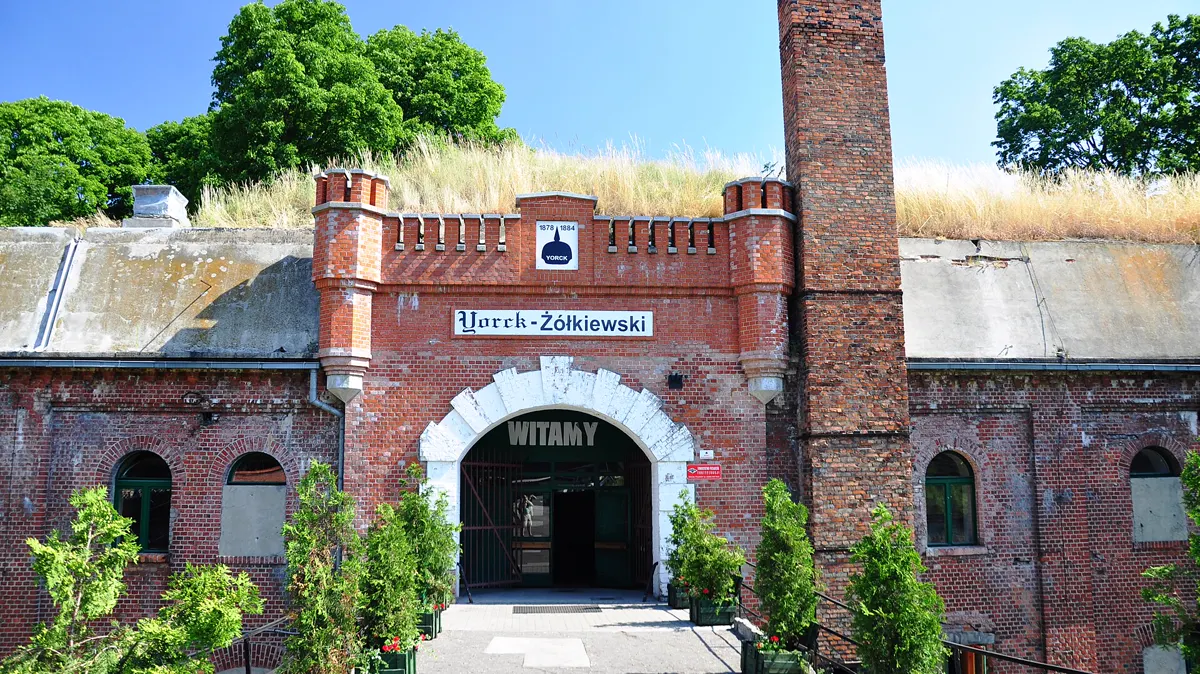
Toruń Fortress (Fort IV)
A ring of 19th-century Prussian forts around Toruń, with Fort IV the best preserved and open for tours of its brick corridors, barrack rooms and moats.
Warsaw
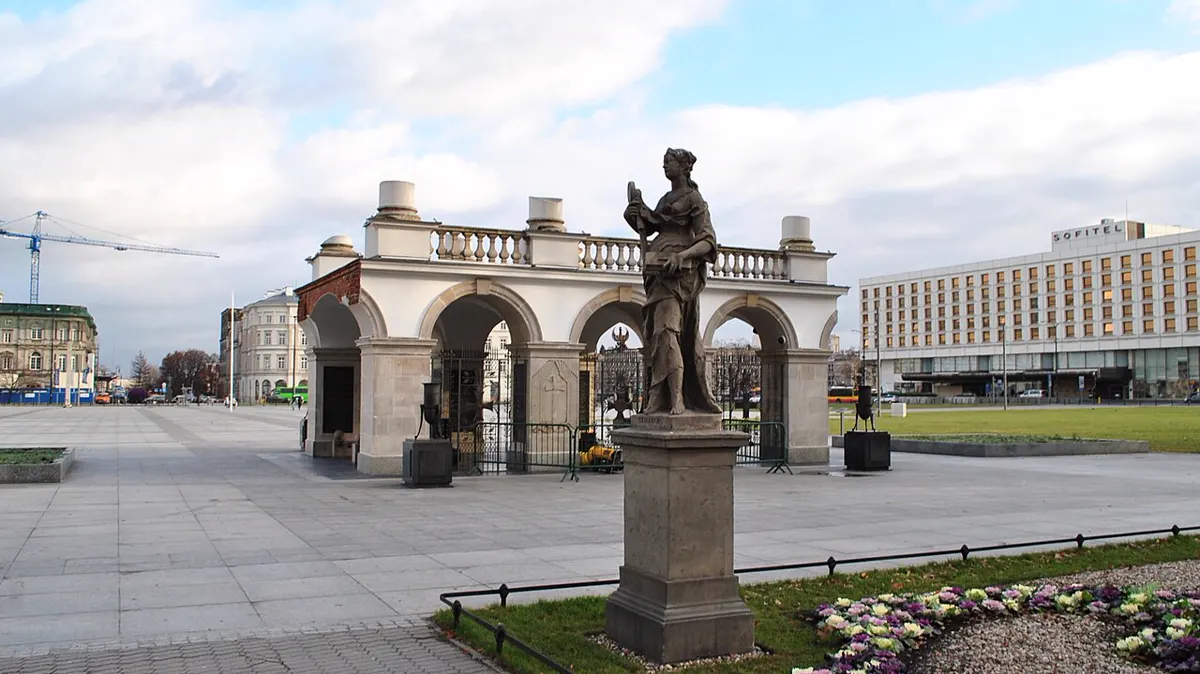
Tomb of the Unknown Soldier and Saxon Garden
A national war memorial with an eternal flame and round-the-clock honour guard on Pilsudski Square, backed by one of Warsaw's oldest public parks.
Wrocław
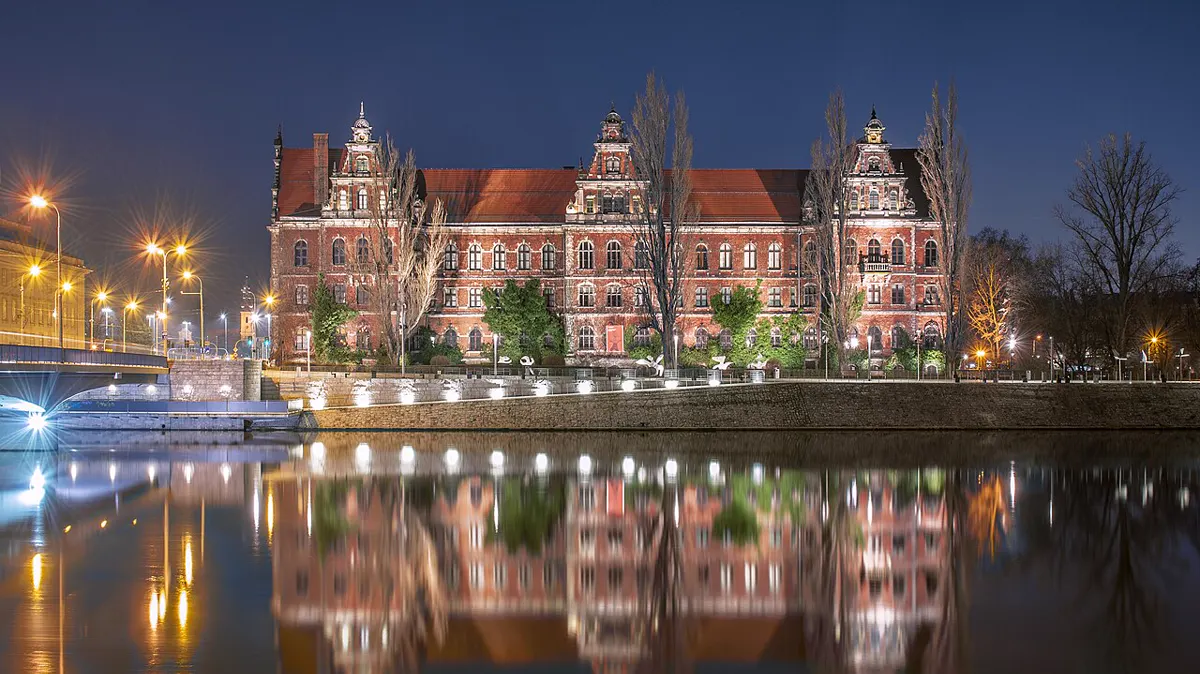
National Museum in Wrocław
One of Poland's principal art museums, set in a monumental 1880s brick building near the Oder, with collections ranging from medieval Silesian art to Polish painting of the 17th to 20th centuries.
Zakopane
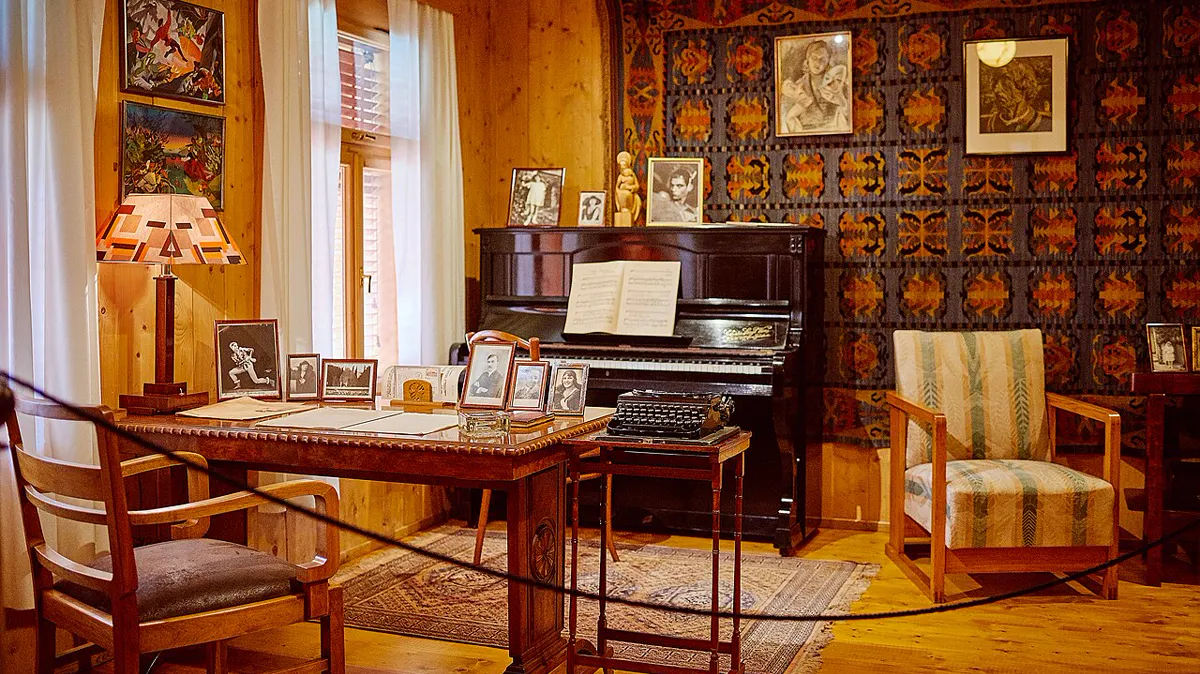
Karol Szymanowski Museum at Villa Atma
A wooden villa on Kasprusie Street where composer Karol Szymanowski lived and worked, now a biographical museum devoted to his life and music.
Zamość
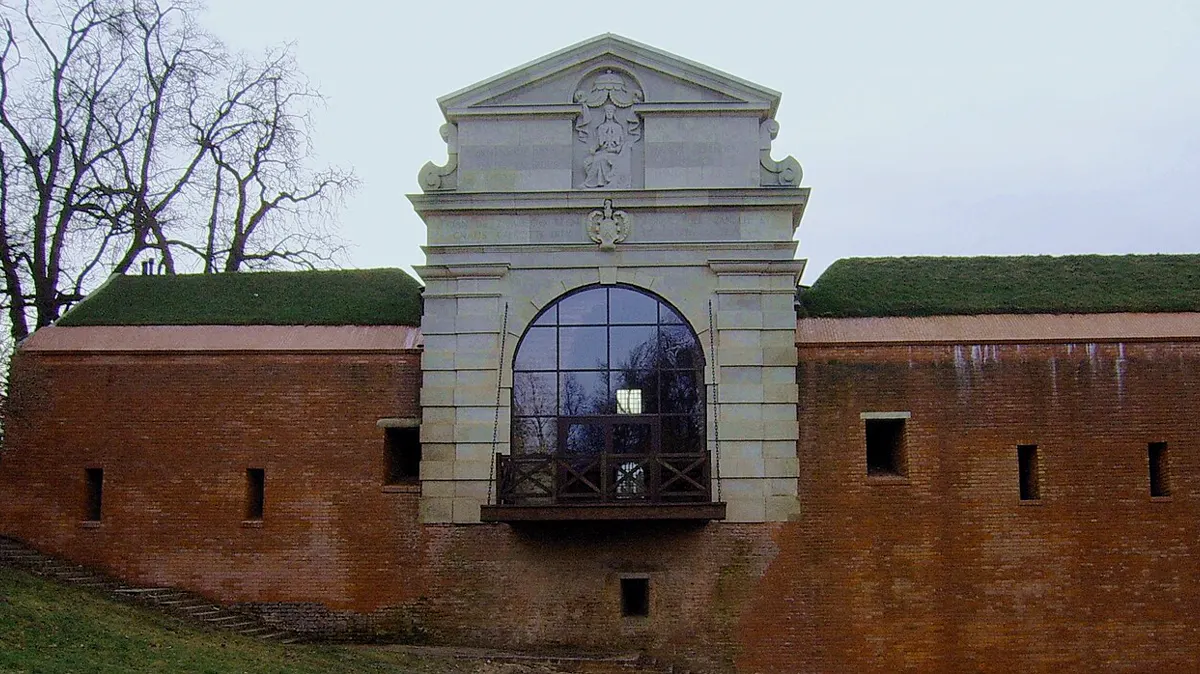
Old Lublin Gate (Stara Brama Lubelska)
The oldest of Zamość's fortress gates, built in the 1580s and later sealed shut, standing on the northern line of the Old Town defences.
Białowieża
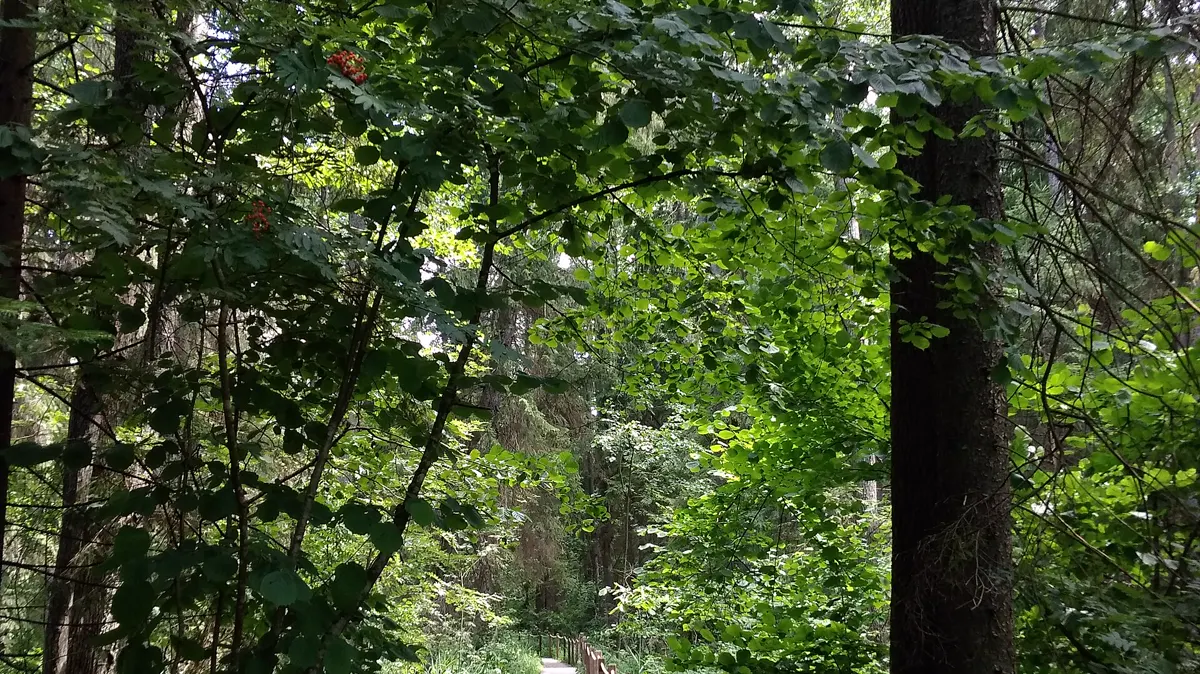
Żebra Żubra Educational Boardwalk Trail
A raised wooden boardwalk of about 2.7 km through the forest near Białowieża, walkable in roughly 45 minutes and open even to strollers, with interpretive stops explaining the woodland.
Częstochowa
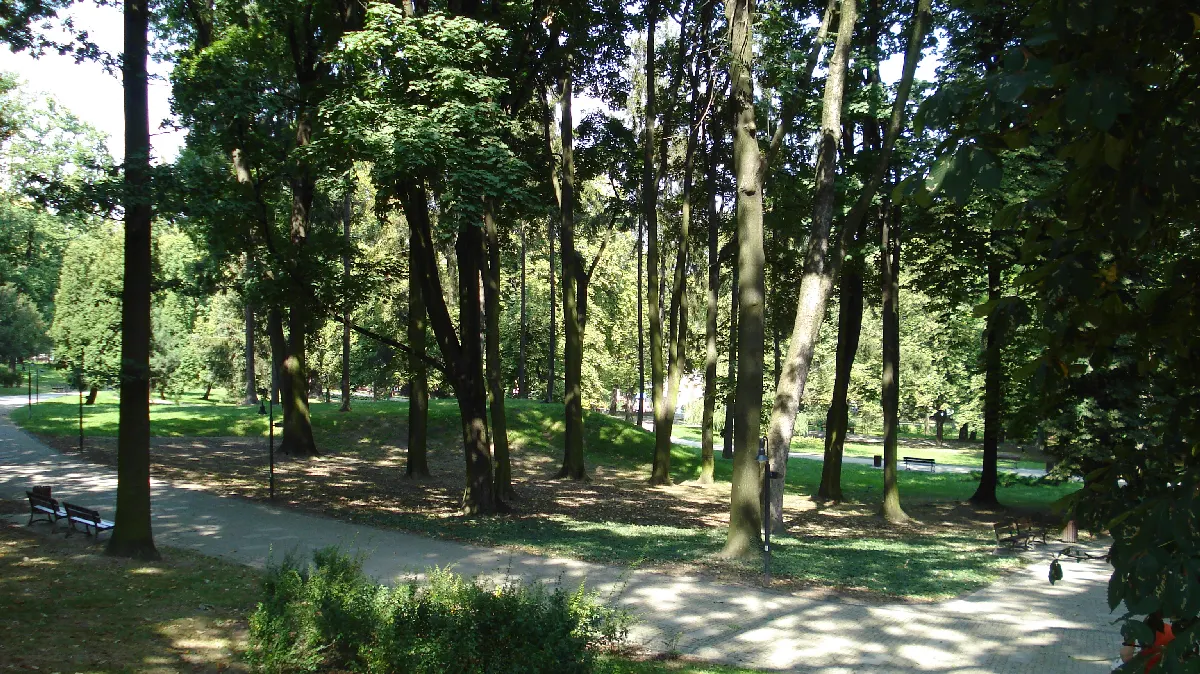
3rd of May Park (Park 3 Maja)
A historic public park on the eastern slope of Jasna Góra in Częstochowa, laid out with tree-lined avenues, lawns and monuments, and popular for a walk before or after visiting the sanctuary.
Poland fits a lot into one country: medieval market squares, a salt mine carved into underground chapels, the memorial at Auschwitz-Birkenau, mountain trails and a long Baltic coast. Seventeen places hold UNESCO World Heritage status, and most of the headline attractions cluster around the cities you are likely to base yourself in, so a first trip rarely means long transfers.
Top attractions in Krakow, Warsaw and Gdansk
Krakow has the densest cluster: the Main Market Square, laid out in 1257 and among the largest medieval squares in Europe, the underground Wieliczka Salt Mine, and the Auschwitz-Birkenau Memorial within a day trip. Warsaw rebuilt its Old Town from wartime rubble, Gdansk lines the Motlawa with tall merchant houses, and Wroclaw and Torun keep intact Gothic centres. The mountains around Zakopane and the lakes of Masuria add the outdoor side.
Top places to visit on a first trip
Group attractions by the city you are staying in rather than chasing them across the map. Krakow, Warsaw and Gdansk each reward two or three days and put more sights within an easy day trip. For the classic sights that define the country, see the best viewpoints and our city guides.
Do you need to book tickets in advance
The busiest sites use timed entry, so book Wieliczka and the Auschwitz-Birkenau Memorial ahead, especially in summer. Many state museums have one free day a week. Tickets are good value by European standards; our note on costs in Poland has the typical prices.
Attractions by city
Travel guides
Krakow Golf Cart Tours: The Four Routes, Compared
Four electric cart routes cover the Old Town, Kazimierz, the ghetto in Podgorze and Schind...
Best Castles in Poland
From the Teutonic fortress at Malbork to the royal seats at Wawel and Warsaw, the Polish c...
3 Days in Krakow
A practical three-day plan for Krakow, pairing the Old Town and Wawel with Kazimierz and o...
Things to Do in Krakow
The sights, neighbourhoods and day trips that make Krakow worth several days, ranked by ho...