Attraction in Warsaw
National Museum in Warsaw
One of Poland's largest art museums, founded in 1862 and home to Polish painting, European old masters and the Faras Gallery of early Christian frescoes from Sudan.
Reviewed and updated July 2026
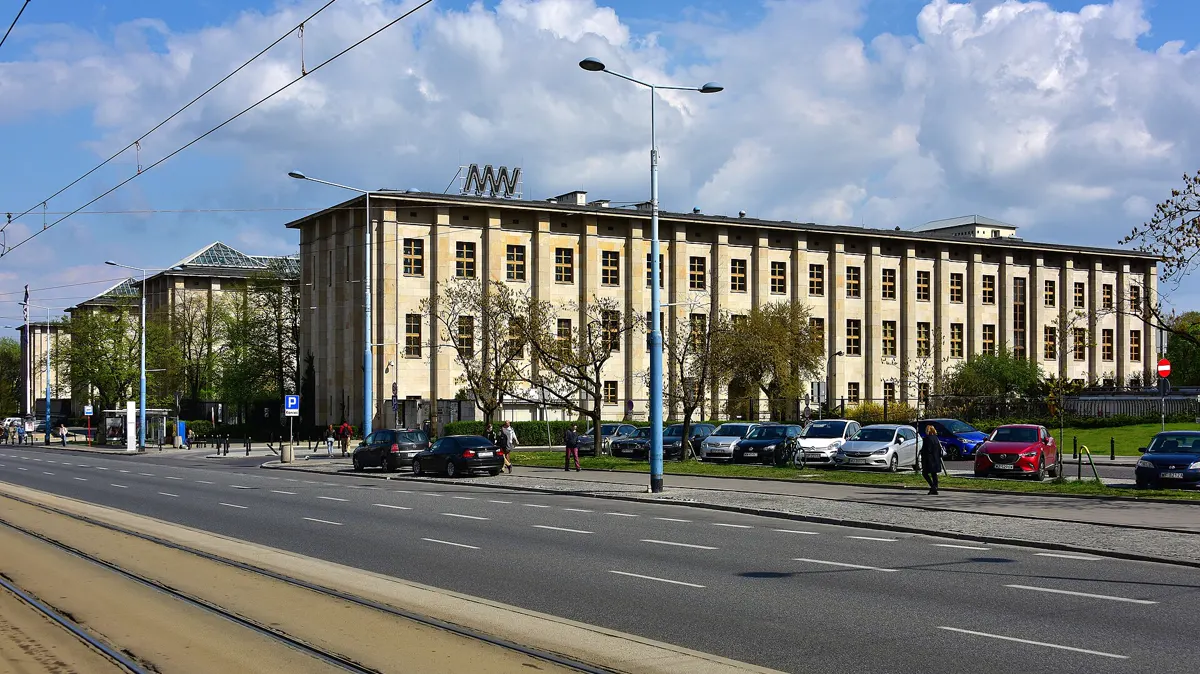
The National Museum in Warsaw is one of the largest art museums in Poland and the best single place to see the sweep of Polish and European art, from ancient artefacts to work made in the present day. Founded in 1862, it holds hundreds of thousands of objects, and people come above all for its collection of Polish painting, Jan Matejko's monumental Battle of Grunwald, and the Faras Gallery of early Christian frescoes recovered from Nubia. It sits on Aleje Jerozolimskie in the city centre, so it is easy to fit into a day of sightseeing.
What to see inside
The headline work is Jan Matejko's Battle of Grunwald, a huge canvas that fills a wall and rewards a slow look at its packed detail. Around it sits a deep collection of Polish painting, alongside galleries of European old masters, decorative arts and ancient artefacts. Give yourself time, because the holdings run to hundreds of thousands of works and no single visit covers them all. Focus on one or two galleries rather than trying to walk every room.
The Faras Gallery and Nubian frescoes
The Faras Gallery is the museum's most distinctive collection and one of the few of its kind anywhere. It gathers early Christian wall paintings brought from Faras in what is now Sudan, saved by Polish archaeologists during excavations tied to the rescue of monuments in the Nile valley. The frescoes show saints, bishops and biblical scenes in colours that have survived for centuries. Seeing them in Warsaw, far from where they were painted, is part of what makes the gallery memorable.
A museum with a long history
The museum dates to 1862, which makes it one of the oldest institutions of its kind in the country, and its collection grew across generations of Polish history. That long span shows in the range on display, from antiquity through to contemporary art. The building sits on Aleje Jerozolimskie, a major avenue running through the centre of the capital. For wider context on the city, see our Warsaw guide.
How it fits a Warsaw visit
Because the museum is in Srodmiescie on Aleje Jerozolimskie, it pairs easily with other central sights and works well on a day when the weather turns. Art lovers can spend hours here, while visitors with less time can still take in the Battle of Grunwald and the Faras Gallery in a focused hour or two. It suits families, students and anyone wanting to understand Polish culture beyond the Old Town squares. Check the official website before you go for current opening times and any temporary exhibitions.
Good to know
The museum is on Aleje Jerozolimskie in central Warsaw, so confirm current opening hours and ticket details on the official website before your visit, as these can change.
Frequently asked questions
More attractions in Warsaw
Old Town Market Square
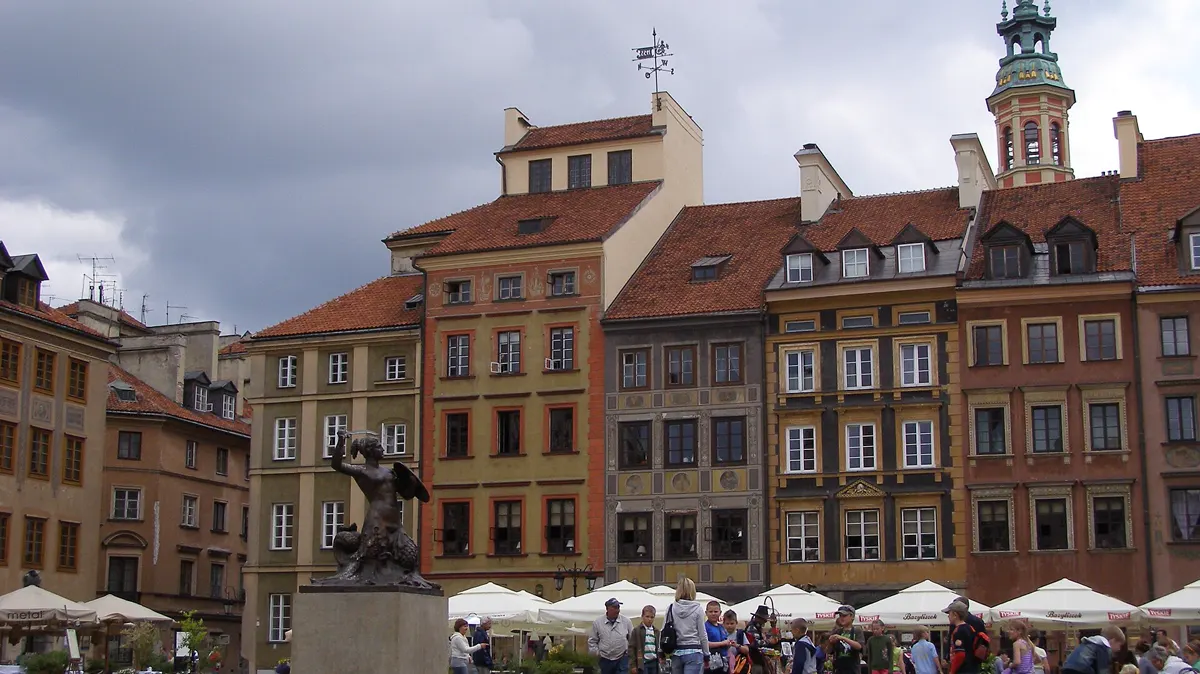
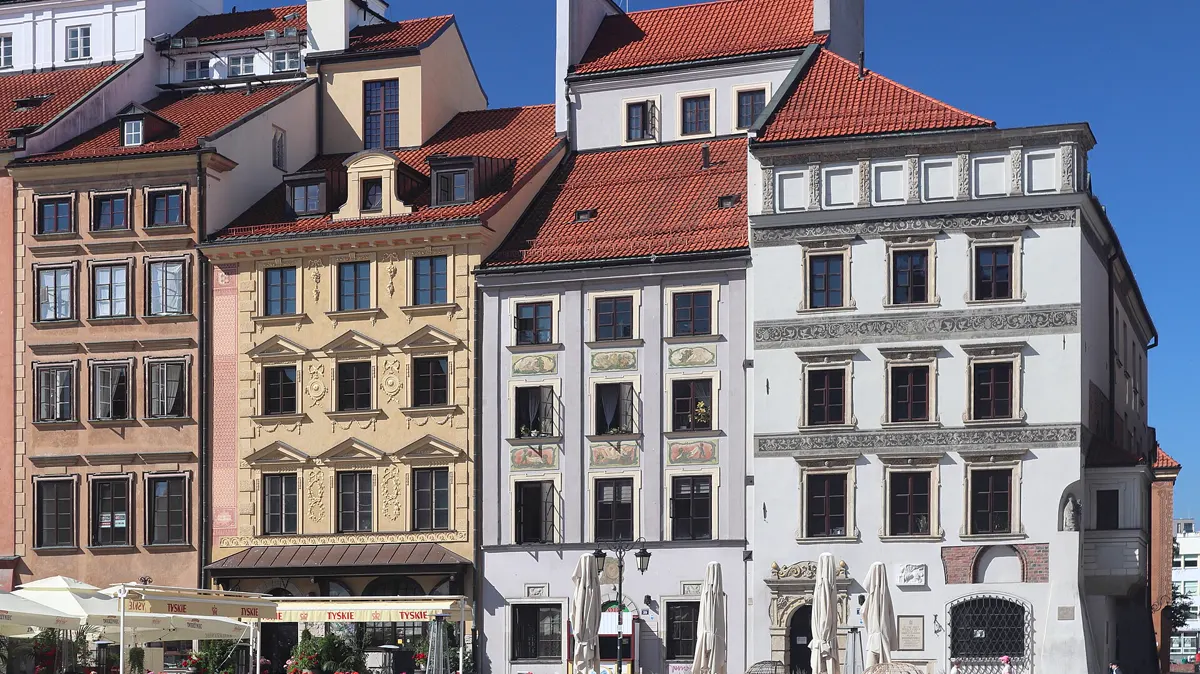
The reconstructed heart of Warsaw Old Town, a UNESCO-listed feat of post-war rebuilding ringed by colourful townhouses.
Stare Miasto (Warsaw)
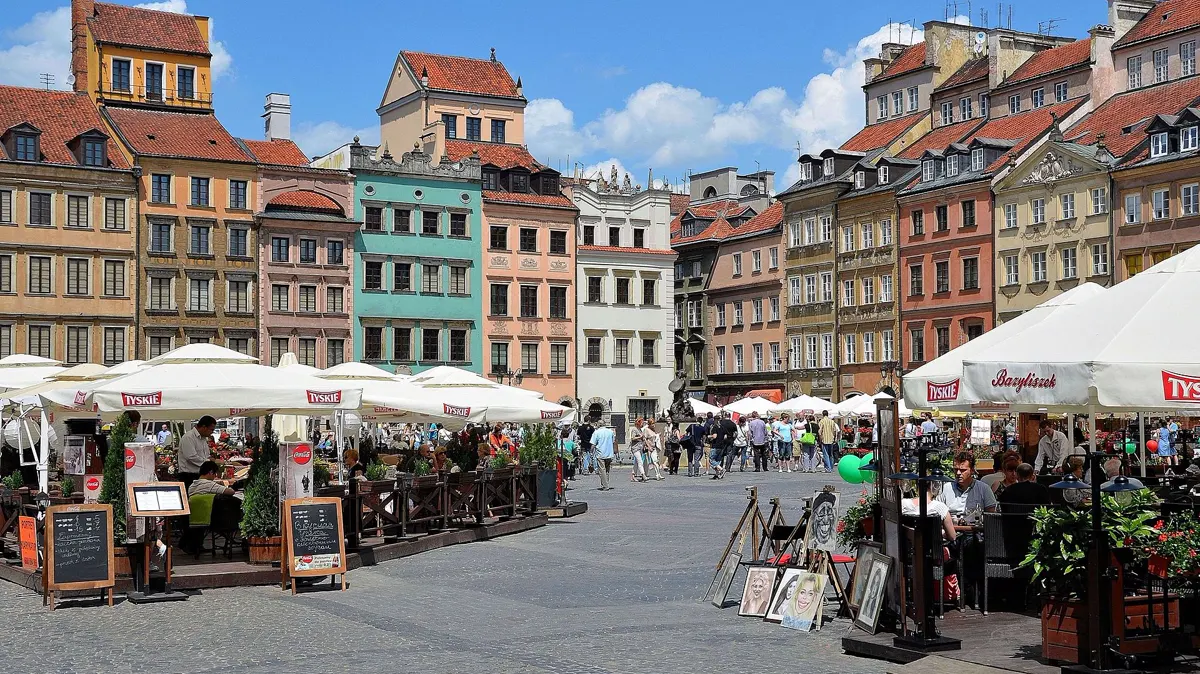
Warsaw's Old Town was rebuilt from rubble after World War II so faithfully that UNESCO added it to the World Heritage list. Its Market Square is lined with pastel merchant houses and centred on the bronze Mermaid statue, the city's symbol.
Muzeum Powstania Warszawskiego
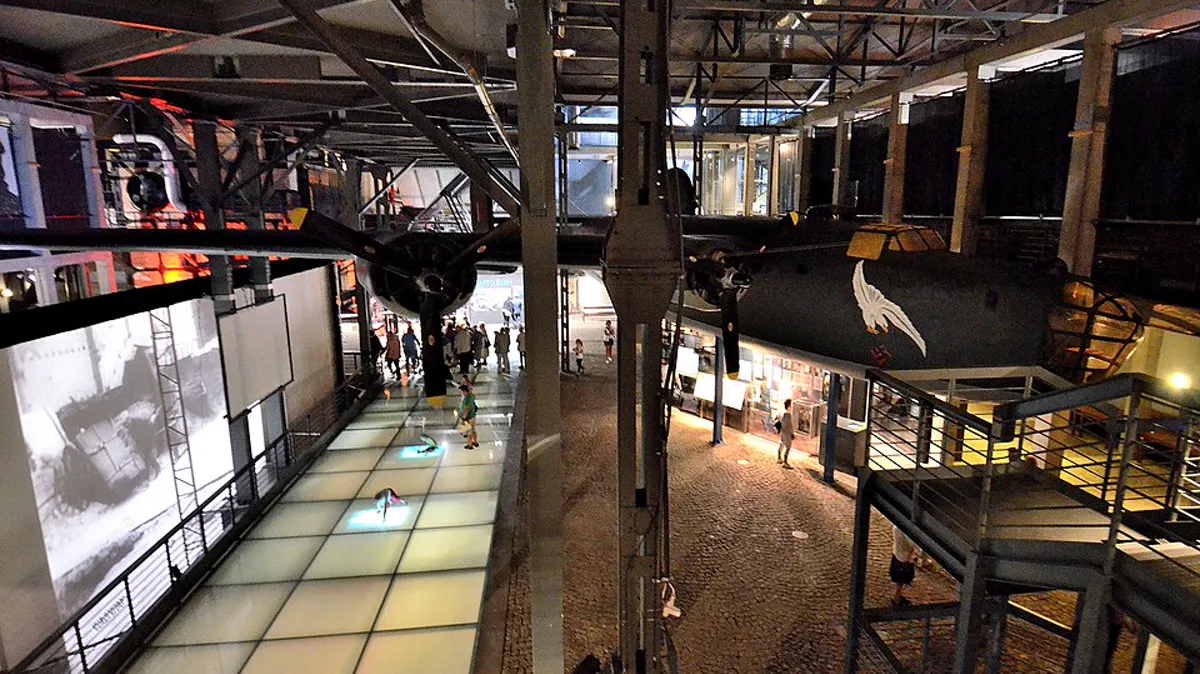
The Warsaw Uprising Museum documents the 63-day insurrection of 1944 through survivor recordings, a replica Liberator bomber, and a beating-heart sound installation. It sits in a former tram power station in the Wola district.
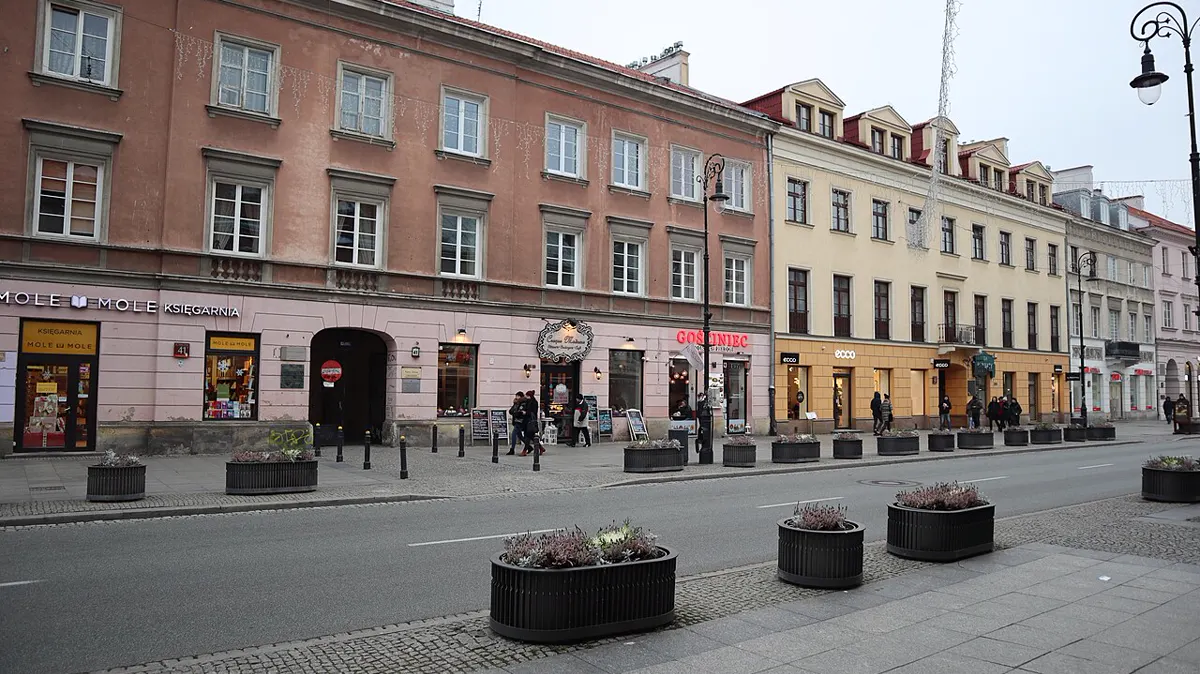
Nowy Swiat Street (Ulica Nowy Swiat)
Nowy Swiat is one of Warsaw's most elegant historic streets, a largely pedestrian promenade of pastel Neoclassical townhouses lined with cafes, shops and restaurants along the Royal Route.
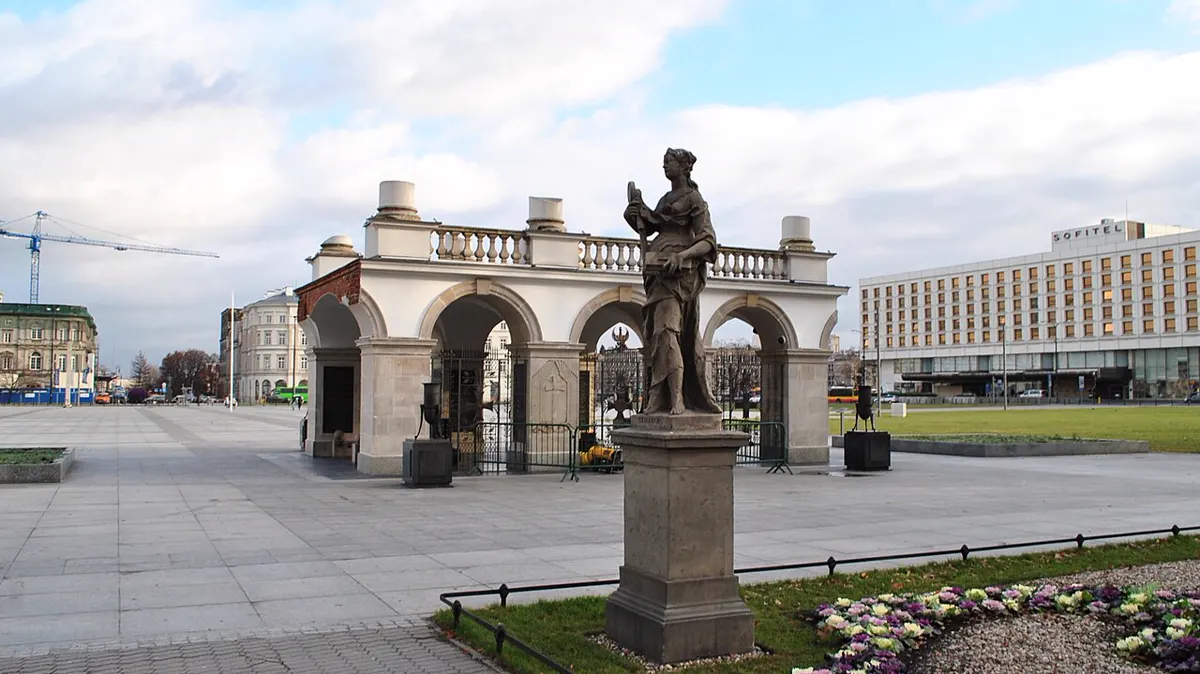
Tomb of the Unknown Soldier and Saxon Garden
A national war memorial with an eternal flame and round-the-clock honour guard on Pilsudski Square, backed by one of Warsaw's oldest public parks.
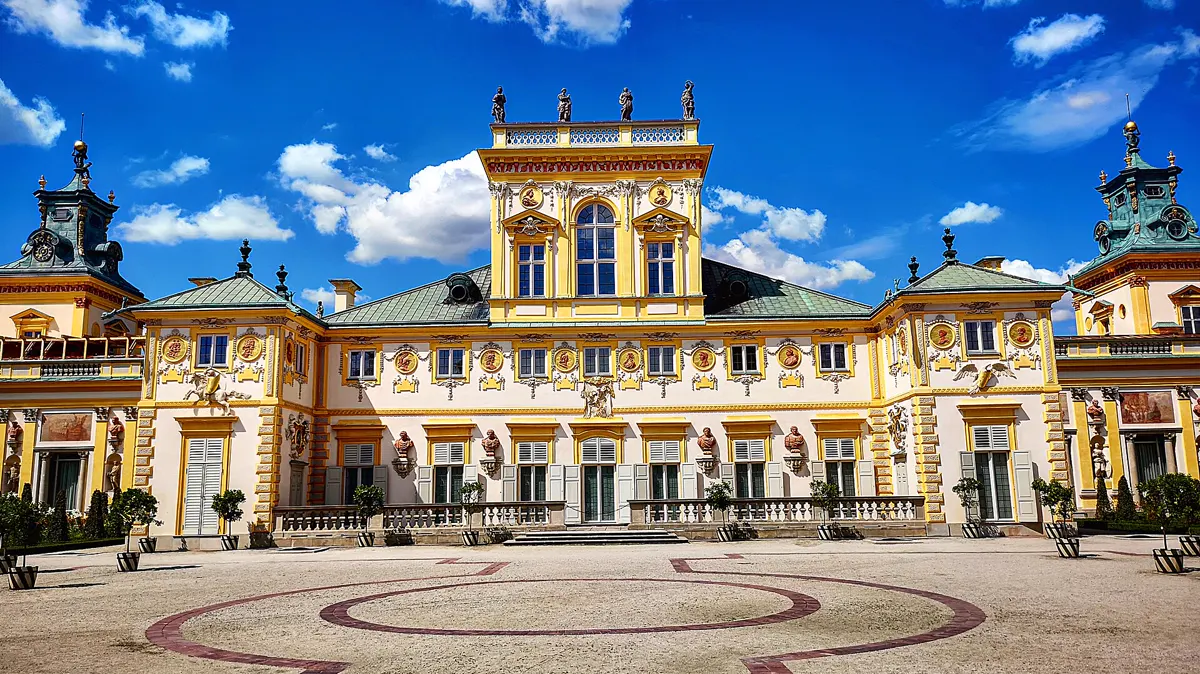
Palac w Wilanowie
Wilanow Palace was the baroque summer residence of King Jan III Sobieski and survived the war intact, earning it the nickname the Polish Versailles. Its formal gardens and gilded interiors draw crowds year round.
More to explore in Warsaw
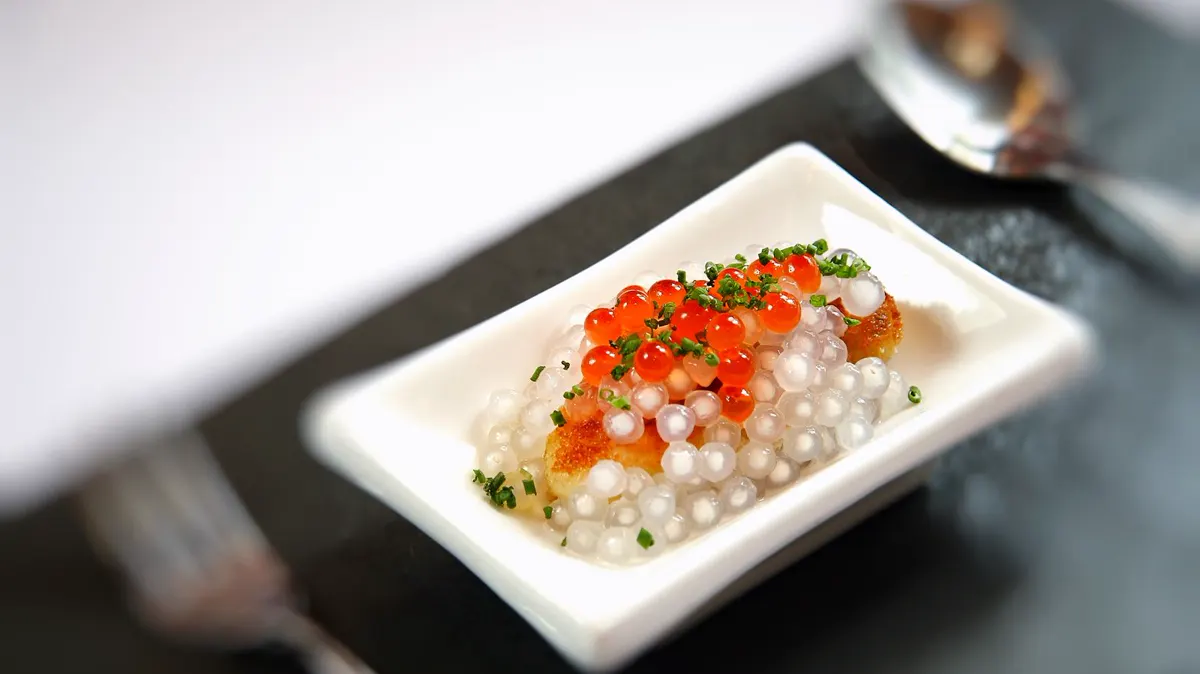
Restaurant
Nolita
A Michelin Guide-listed kitchen turning Polish produce into precise modern tasting menus.
Hotel
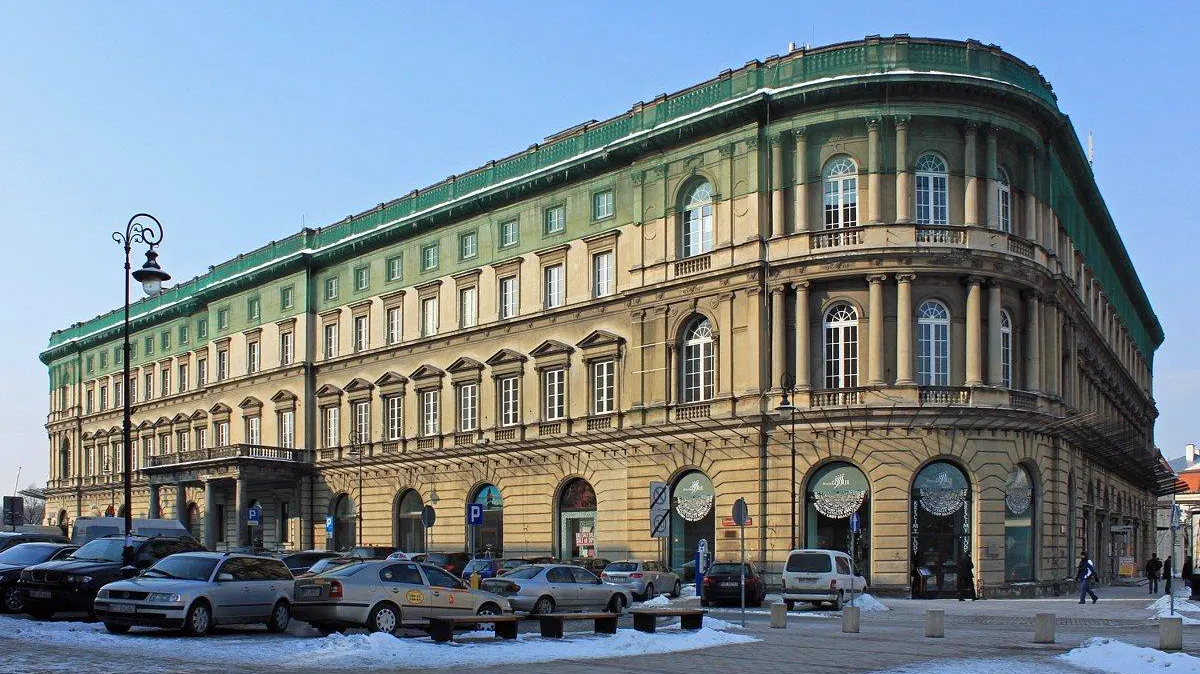
Raffles Europejski Warsaw
A landmark 19th-century hotel on the Royal Route, reborn with a serious art collection.
Castle
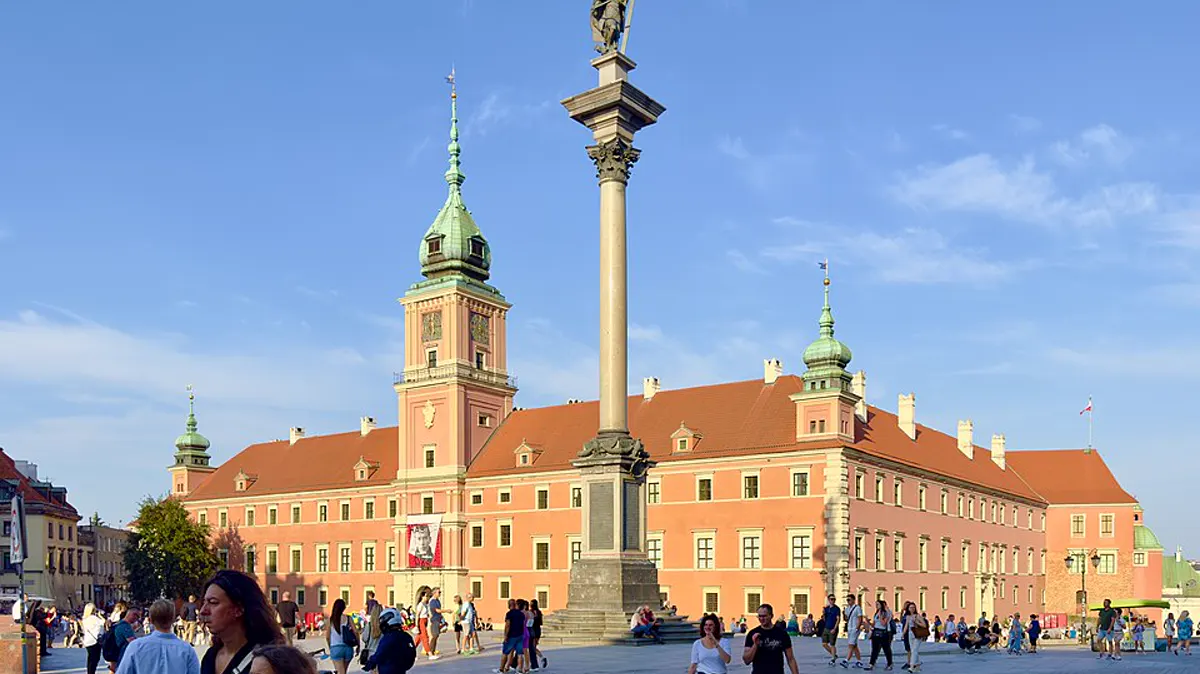
Royal Castle
The reconstructed seat of Polish kings and parliament on Castle Square, rebuilt from rubble after wartime destruction.
Museum
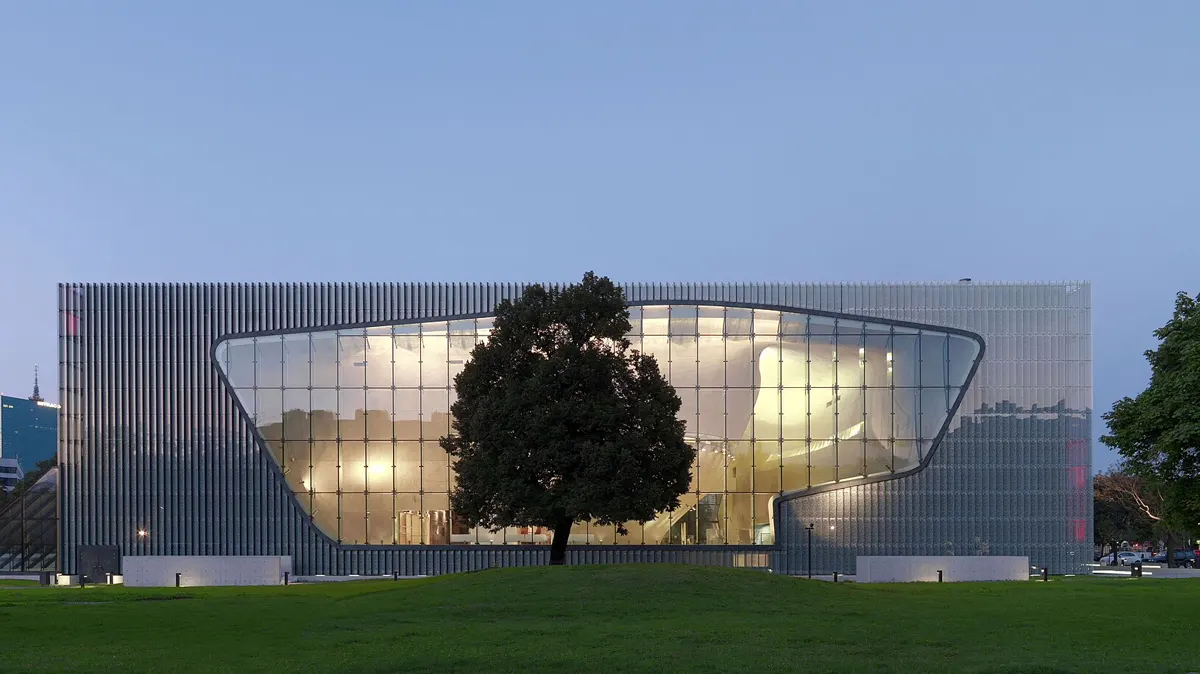
POLIN Museum of the History of Polish Jews
An award-winning museum tracing a thousand years of Jewish life in Poland, on the site of the former Warsaw Ghetto.
Restaurant
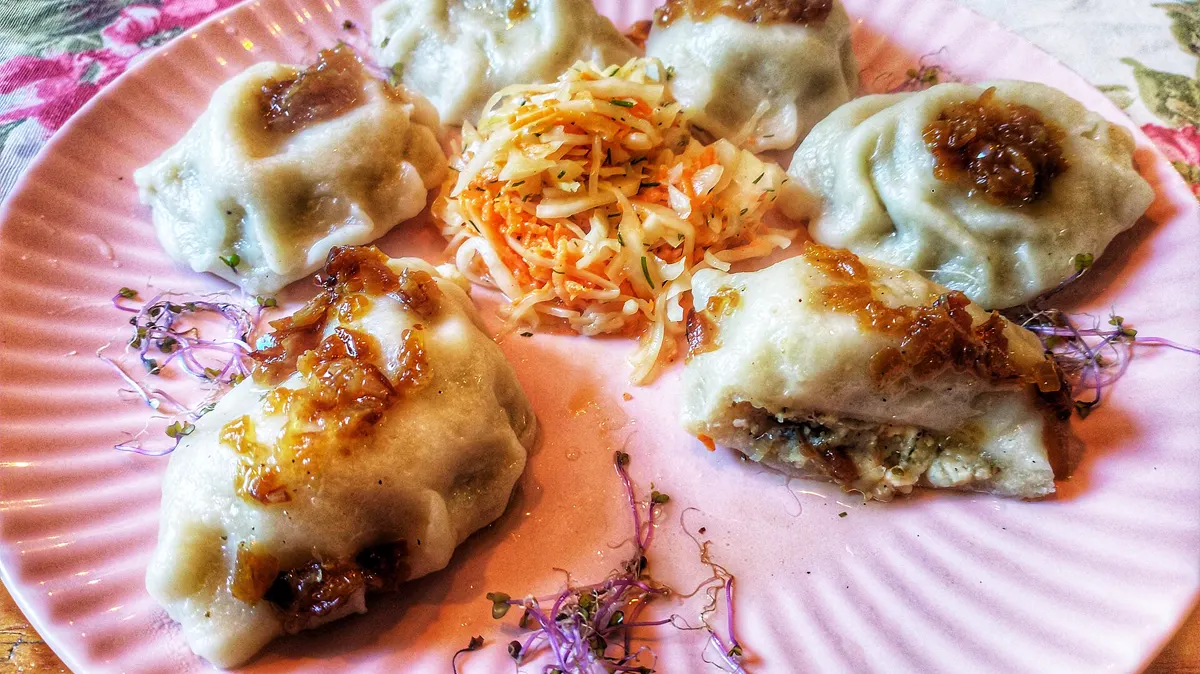
Zapiecek
A dependable chain of folk-styled pierogi houses along the Royal Route, good for a first taste of Polish dumplings.
Hotel
Hotel Verte, Autograph Collection
A design-led boutique hotel inside restored Old Town tenements on Plac Zamkowy, blending exposed brick with contemporary interiors. About as close as you can sleep to the Royal Castle.