Attractions
Attractions in Poland
The sights worth building a day around.
Poland's attractions run from the medieval market squares of Krakow and Wroclaw to the Wieliczka Salt Mine, the memorial at Auschwitz-Birkenau and the Teutonic castle at Malbork. Each page below covers what the place is, how long to spend and how to get there, grouped by city.
All Attractions in Poland
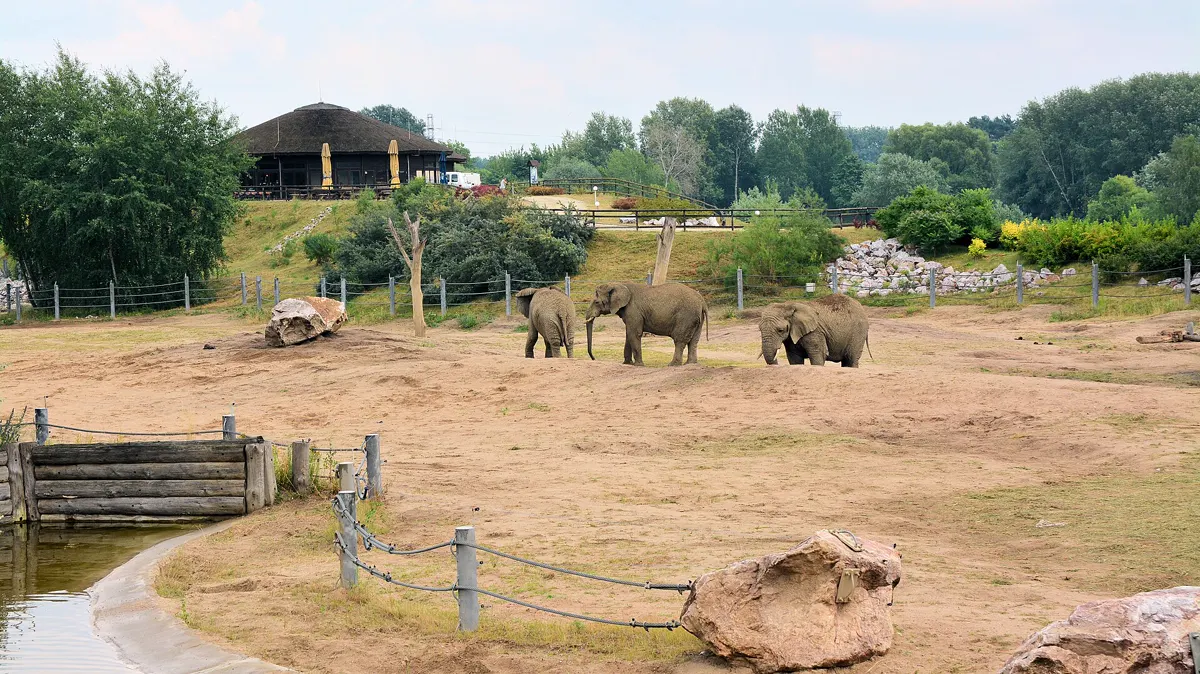
Poznań
New Zoo (Nowe Zoo)
Poznań's New Zoo is a 120-hectare forest zoo east of the city centre, home to over 2,000 animals and reachable in summer by the Maltanka narrow-gauge railway.
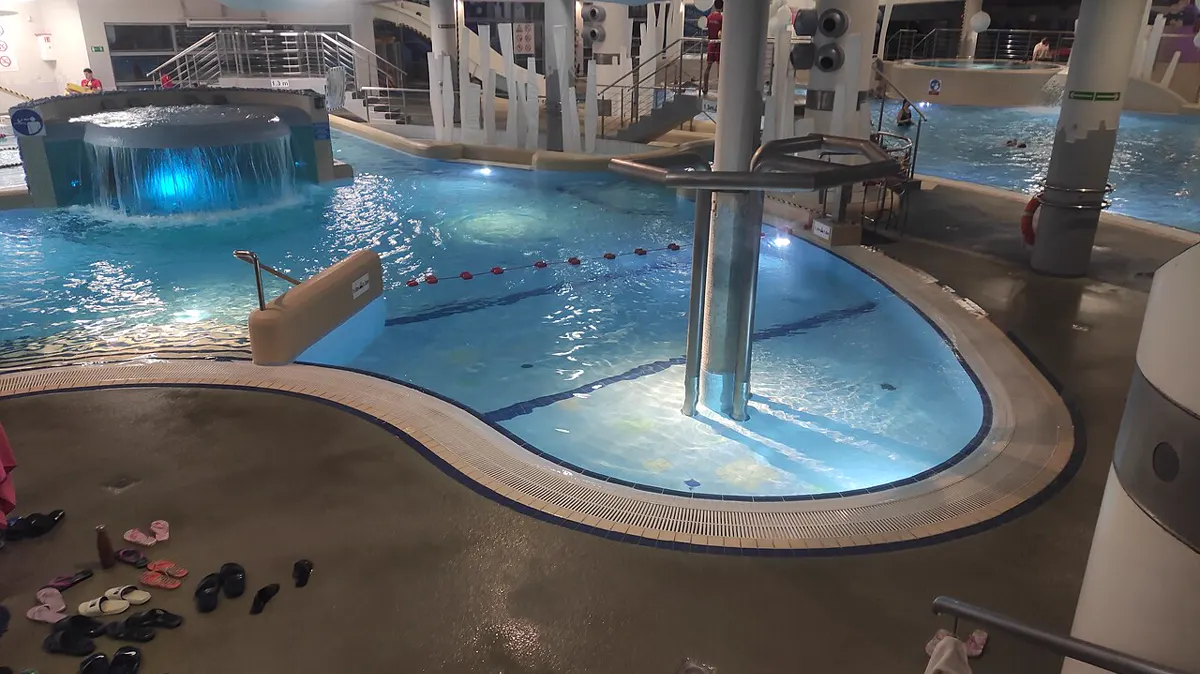
Sopot
Sopot Aquapark
Sopot Aquapark is a year-round water park on ulica Zamkowa Góra with indoor and outdoor pools, multi-lane slides and a saunas complex. Its signature ride is the 71-metre Wild River.
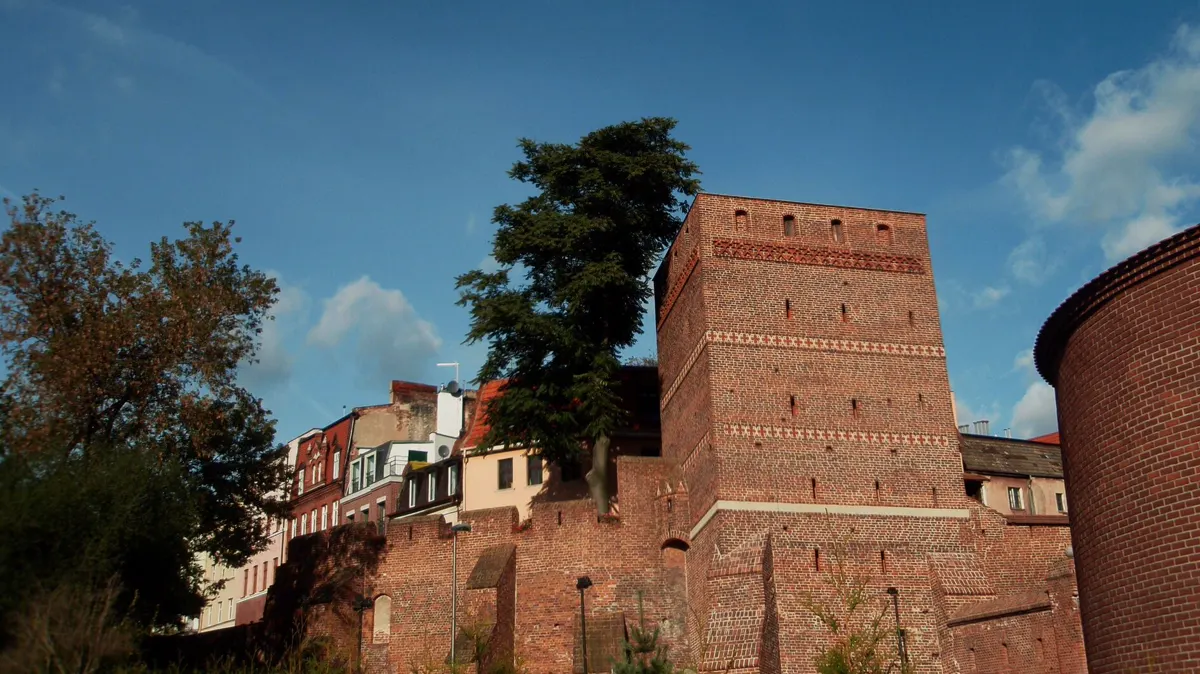
Toruń
Medieval City Gates and Walls
Three surviving medieval gates and stretches of Toruń's original brick town wall line the Vistula, forming part of the UNESCO-listed old town's riverside defences.
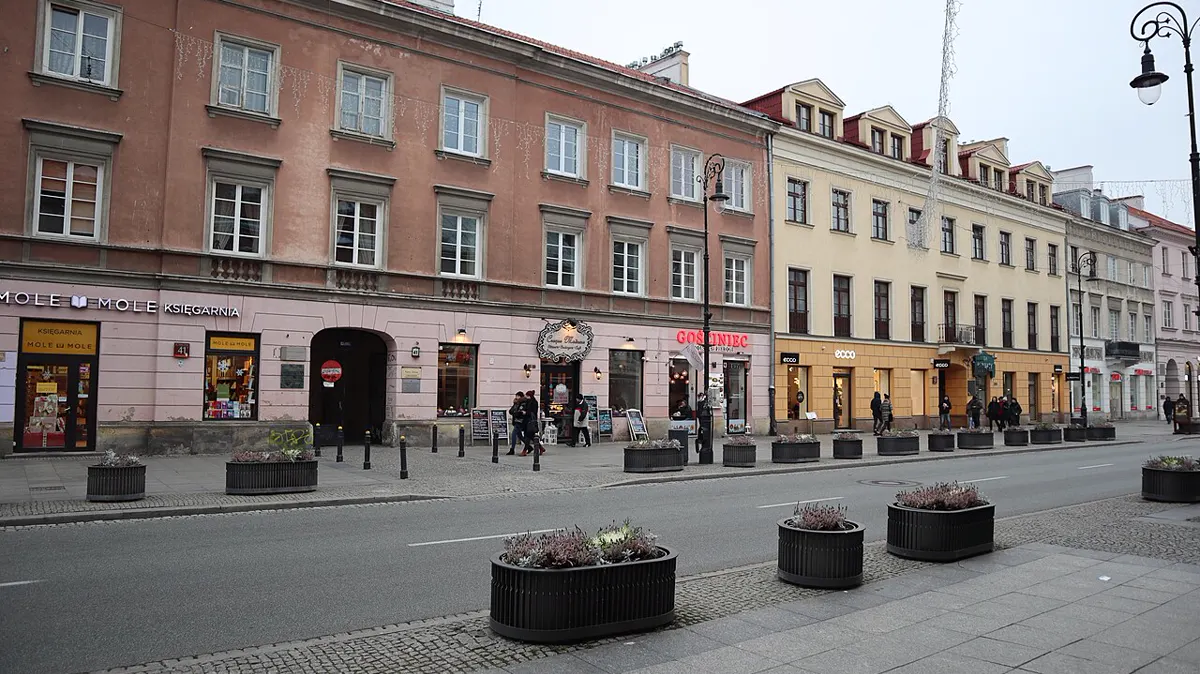
Warsaw
Nowy Swiat Street (Ulica Nowy Swiat)
Nowy Swiat is one of Warsaw's most elegant historic streets, a largely pedestrian promenade of pastel Neoclassical townhouses lined with cafes, shops and restaurants along the Royal Route.
Wrocław
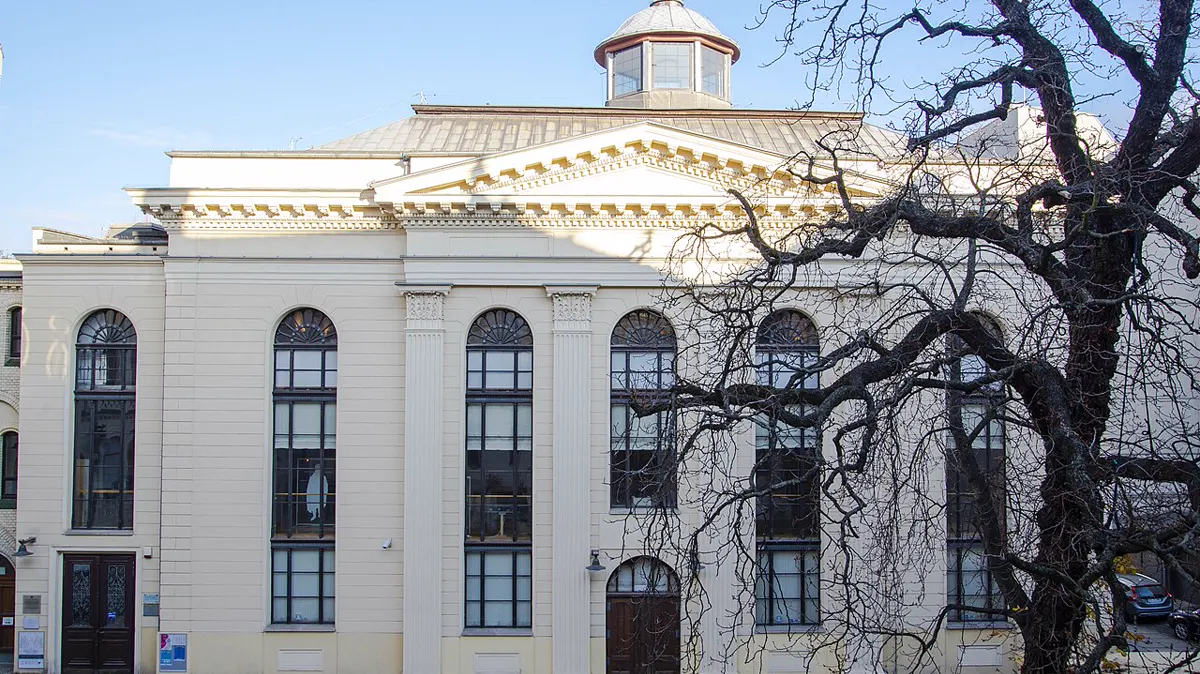
White Stork Synagogue
A restored Neoclassical synagogue in Wrocław, now an active house of worship and cultural centre that anchors the city's revived Jewish quarter.
Zakopane
Sarnia Skała
Sarnia Skała is a 1,377-metre rocky summit in the Regle foothills directly above Zakopane, valued for its wide view toward Giewont and across the town to the Tatra ridges.
Zamość
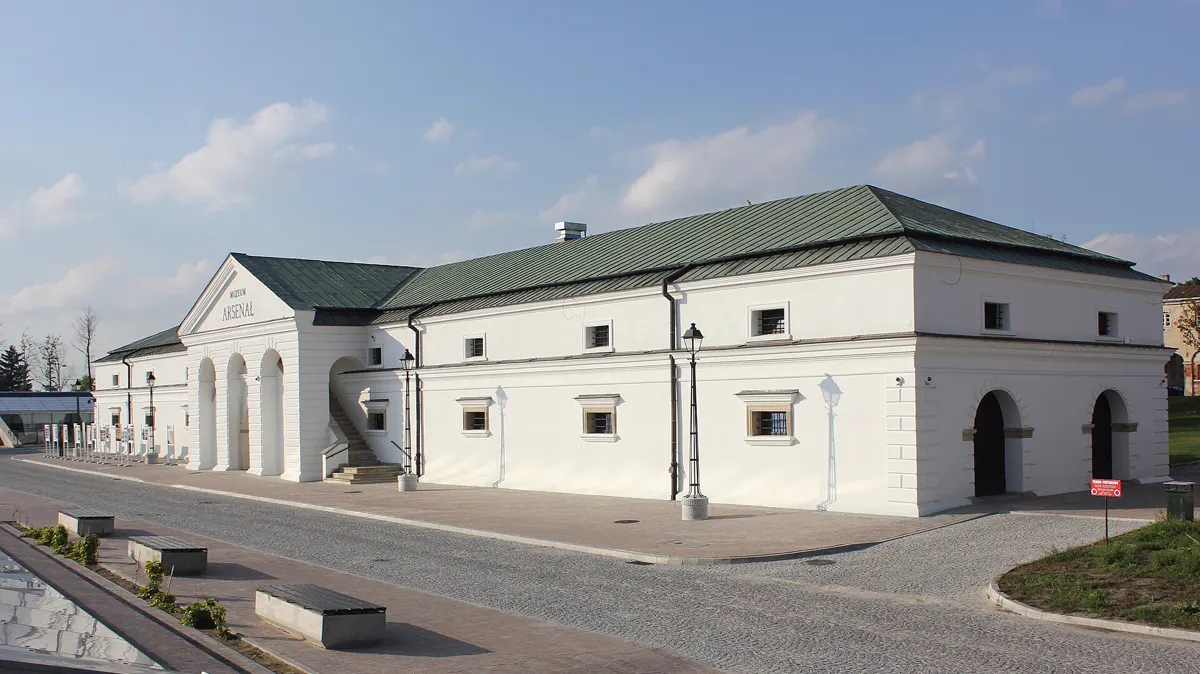
Arsenal - Museum of Fortifications and Weapons
A branch of the Museum of Zamość set in a 17th-century arsenal building, dedicated to the military history of Zamość and its fortress, with historic weaponry and twentieth-century military vehicles among its displays.
Białowieża
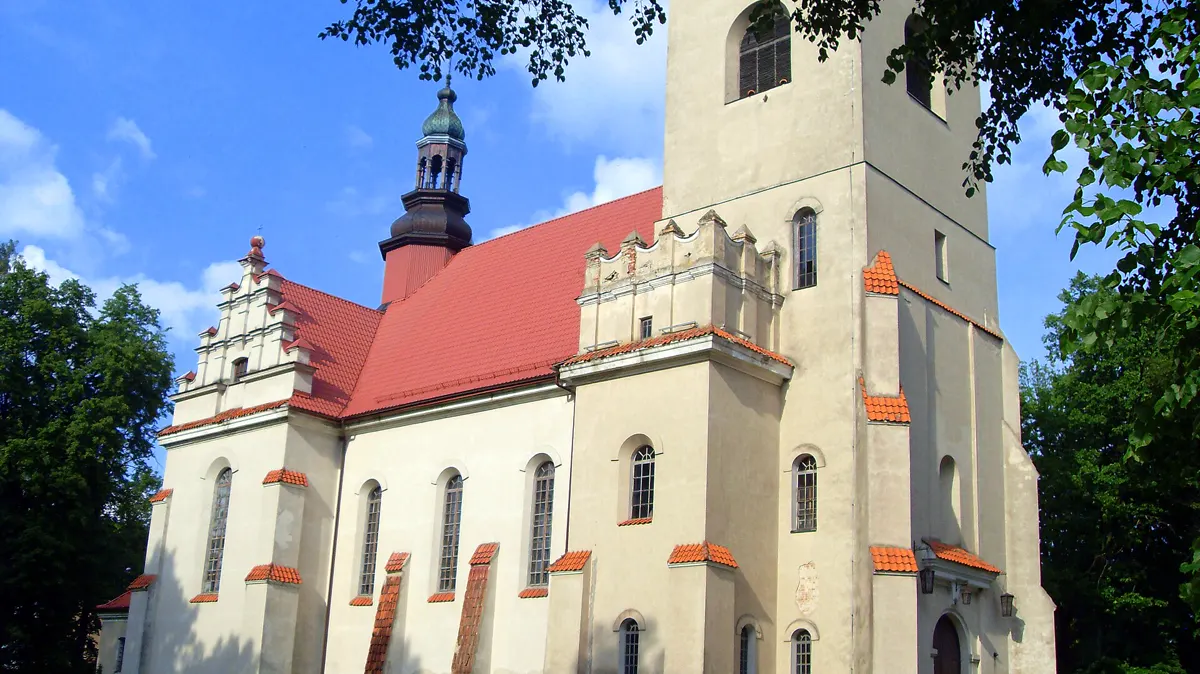
Catholic Church of St Theresa of the Child Jesus
A Roman Catholic parish church in Białowieża village, built in the early 20th century in a neo-Renaissance style and known for its wooden altar furnishings.
Częstochowa
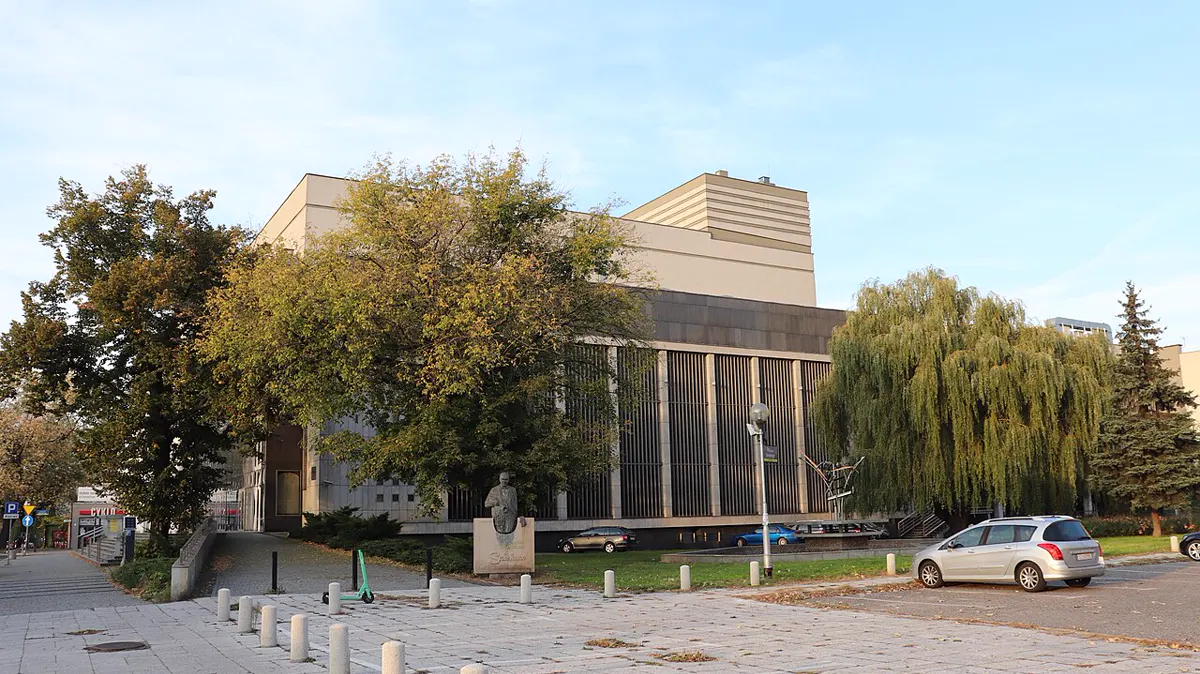
Częstochowa Philharmonic (Bronisław Huberman Philharmonic)
Częstochowa's main concert hall, built on the foundations of the city's New Synagogue and named after the locally born violinist Bronisław Huberman.
Gdańsk
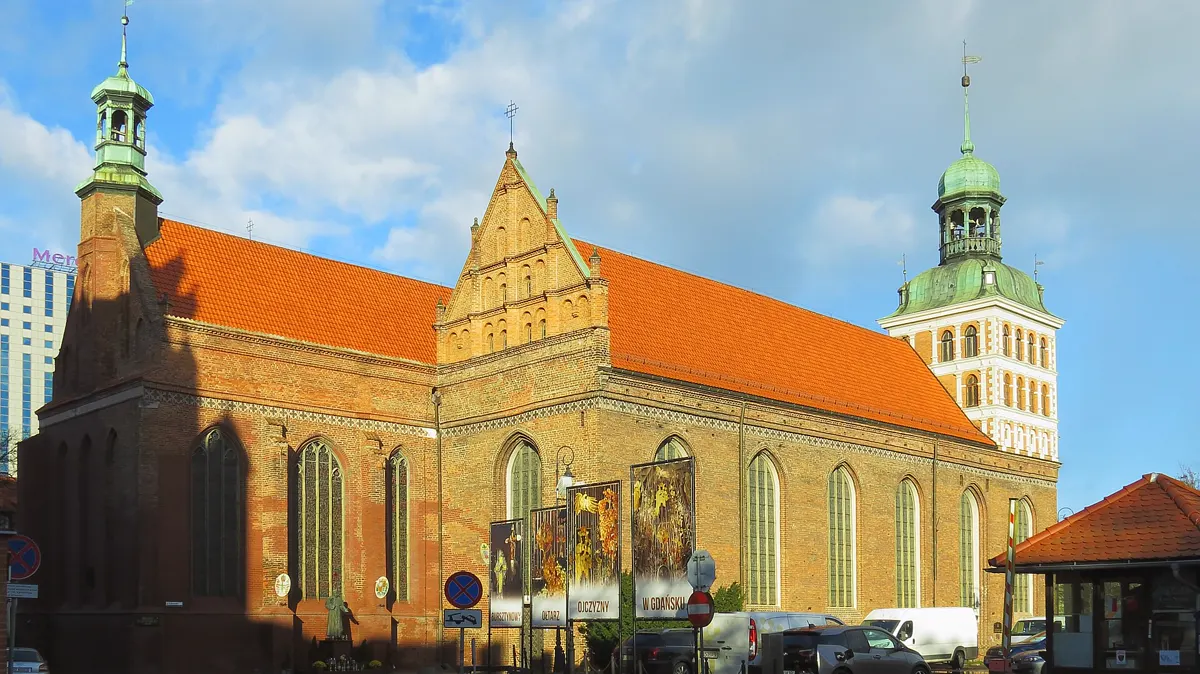
St. Bridget's Church
A rebuilt medieval church in Gdańsk's Old Town that holds the world's largest amber altar and carries deep ties to the Solidarity movement.
Katowice
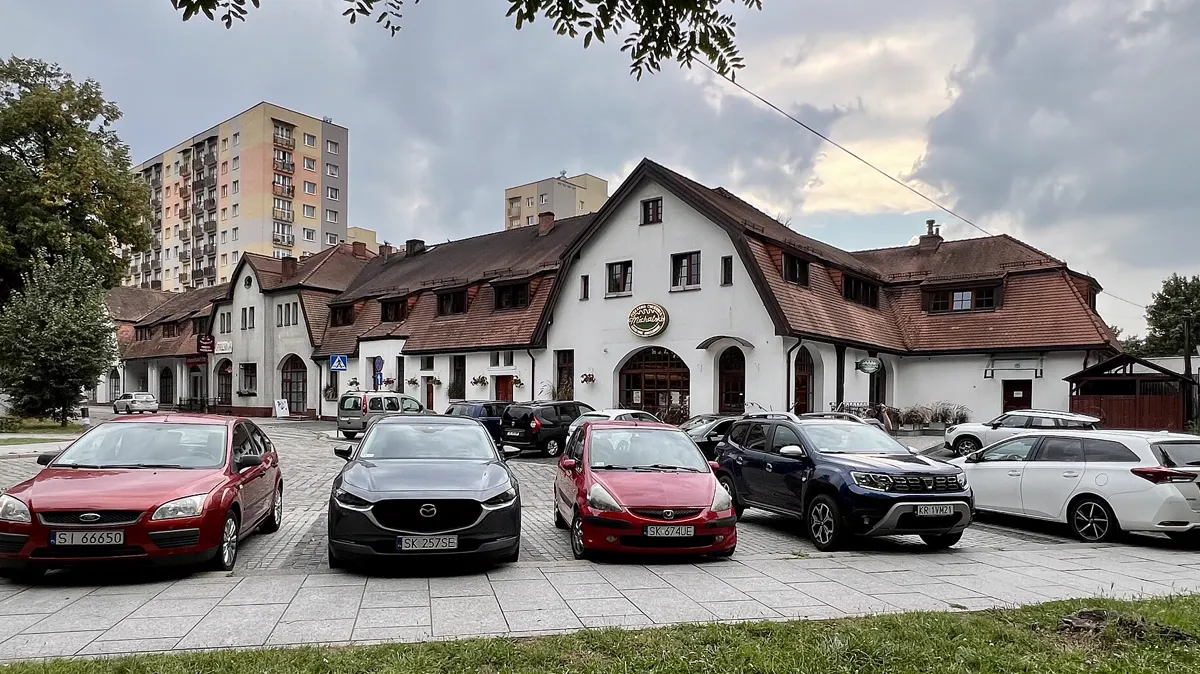
Giszowiec
Giszowiec is an early 20th-century garden-city housing estate in southeast Katowice, built for miners as detached cottages set among gardens and tree-lined streets.
Kazimierz Dolny
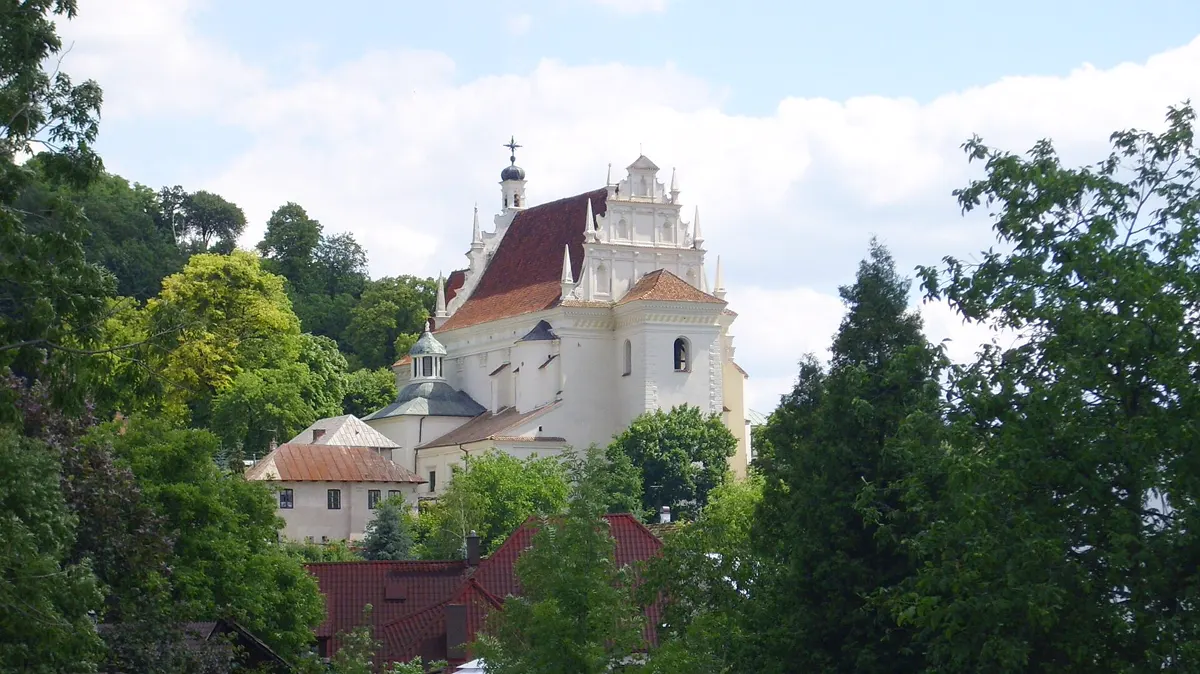
Church of St Anne and the Holy Ghost
A small stone hospital church on Lubelska Street in Kazimierz Dolny, built in the Lublin Renaissance style and consecrated in 1671.
Poland fits a lot into one country: medieval market squares, a salt mine carved into underground chapels, the memorial at Auschwitz-Birkenau, mountain trails and a long Baltic coast. Seventeen places hold UNESCO World Heritage status, and most of the headline attractions cluster around the cities you are likely to base yourself in, so a first trip rarely means long transfers.
Top attractions in Krakow, Warsaw and Gdansk
Krakow has the densest cluster: the Main Market Square, laid out in 1257 and among the largest medieval squares in Europe, the underground Wieliczka Salt Mine, and the Auschwitz-Birkenau Memorial within a day trip. Warsaw rebuilt its Old Town from wartime rubble, Gdansk lines the Motlawa with tall merchant houses, and Wroclaw and Torun keep intact Gothic centres. The mountains around Zakopane and the lakes of Masuria add the outdoor side.
Top places to visit on a first trip
Group attractions by the city you are staying in rather than chasing them across the map. Krakow, Warsaw and Gdansk each reward two or three days and put more sights within an easy day trip. For the classic sights that define the country, see the best viewpoints and our city guides.
Do you need to book tickets in advance
The busiest sites use timed entry, so book Wieliczka and the Auschwitz-Birkenau Memorial ahead, especially in summer. Many state museums have one free day a week. Tickets are good value by European standards; our note on costs in Poland has the typical prices.
Attractions by city
Travel guides
Krakow Golf Cart Tours: The Four Routes, Compared
Four electric cart routes cover the Old Town, Kazimierz, the ghetto in Podgorze and Schind...
Best Castles in Poland
From the Teutonic fortress at Malbork to the royal seats at Wawel and Warsaw, the Polish c...
3 Days in Krakow
A practical three-day plan for Krakow, pairing the Old Town and Wawel with Kazimierz and o...
Things to Do in Krakow
The sights, neighbourhoods and day trips that make Krakow worth several days, ranked by ho...