Attractions
Attractions in Poland
The sights worth building a day around.
Poland's attractions run from the medieval market squares of Krakow and Wroclaw to the Wieliczka Salt Mine, the memorial at Auschwitz-Birkenau and the Teutonic castle at Malbork. Each page below covers what the place is, how long to spend and how to get there, grouped by city.
All Attractions in Poland
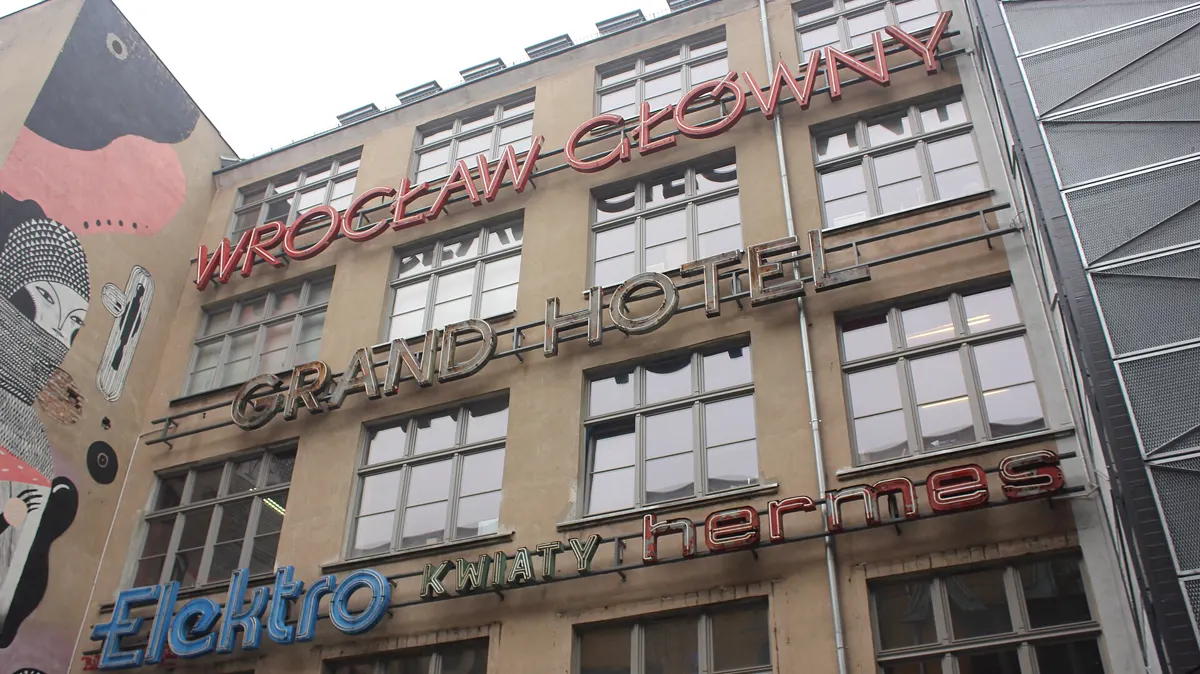
Wrocław
Neon Side Gallery (Galeria Neon Side)
A free open-air gallery in a Wrocław courtyard, filled with around 30 restored vintage neon signs that once lit shops and bars across socialist-era Poland. They glow after dark, so evening is the time to come.
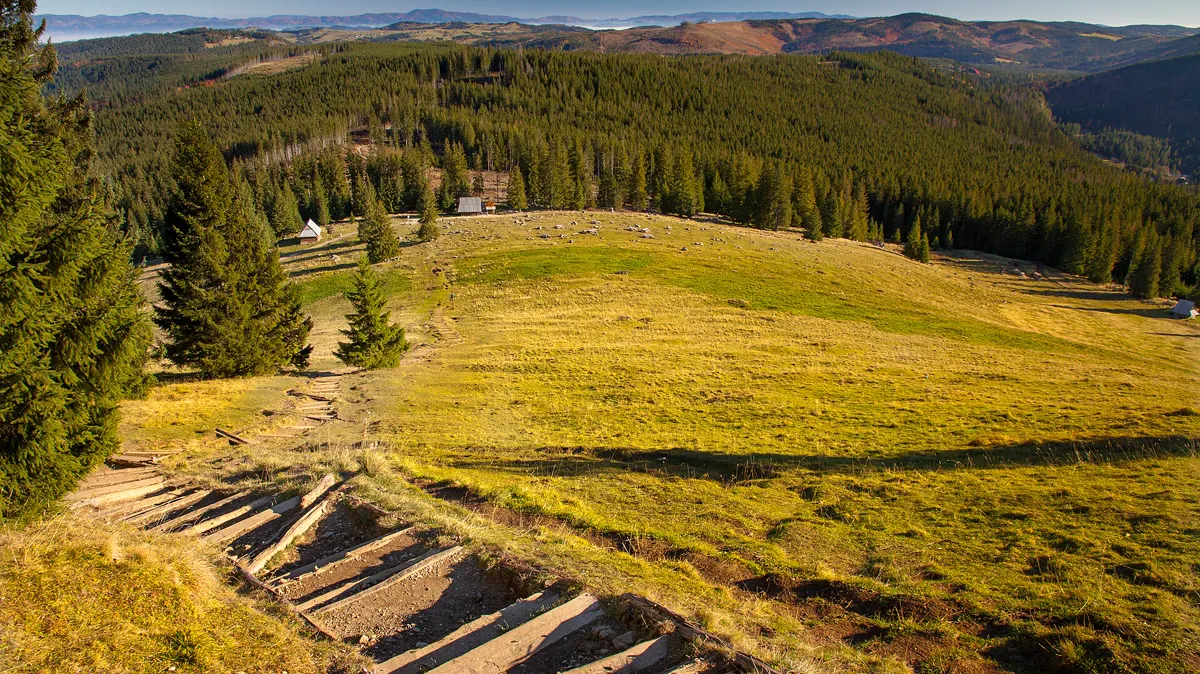
Zakopane
Rusinowa Polana
Rusinowa Polana is a broad grazing meadow in the Polish High Tatras, widely rated one of the finest panoramic viewpoints in the range, with a sweep across the Slovak High Tatras and the Belianske Tatras.
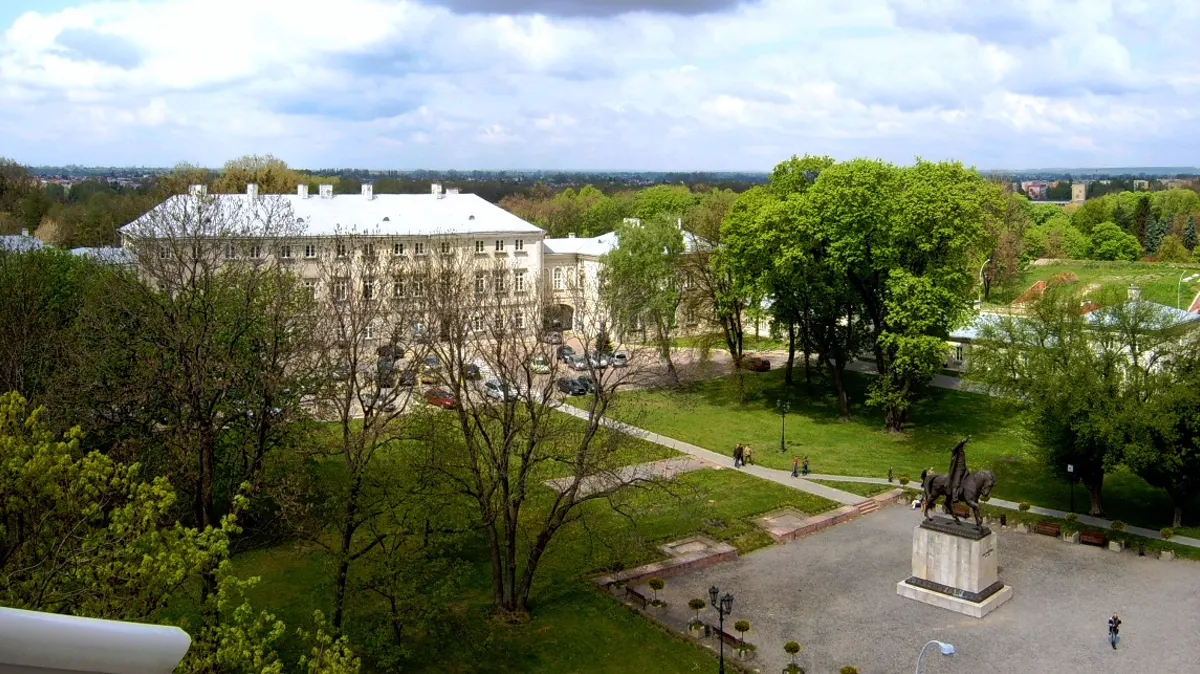
Zamość
Zamoyski Palace (Pałac Zamoyskich)
The Zamoyski Palace was the first building raised in Zamość, designed by Bernardo Morando in 1579 to 1586 as the residence of the city's founder, Jan Zamoyski.
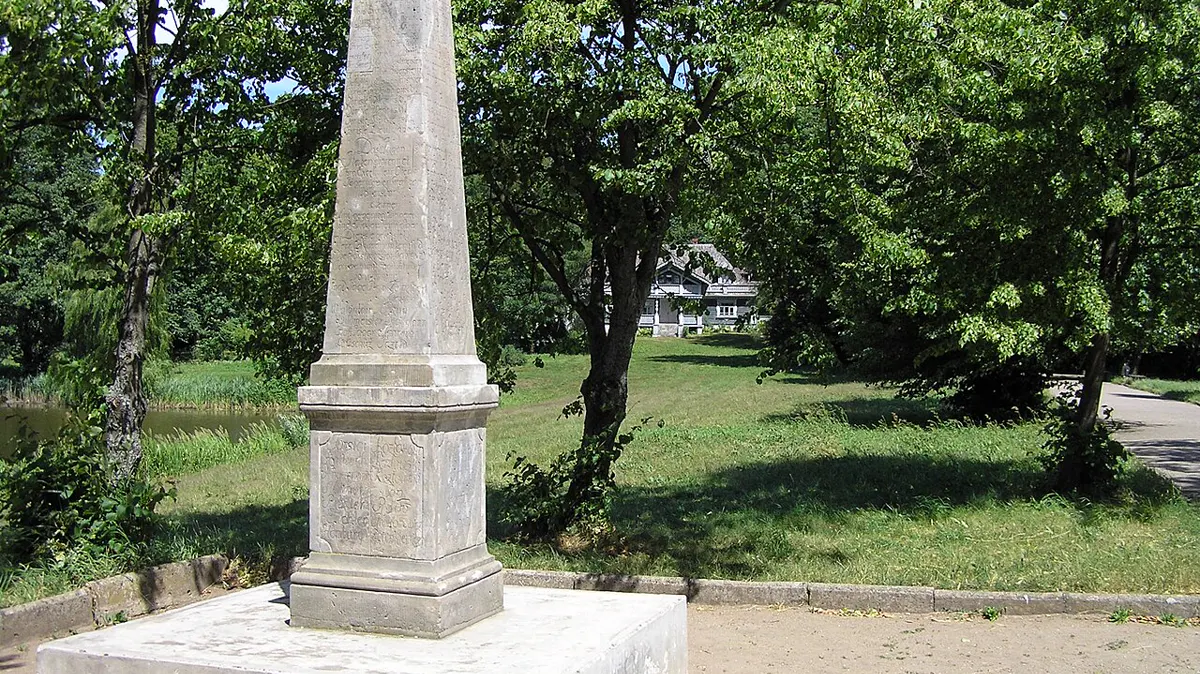
Białowieża
Obelisk of 1752
The oldest monument in Białowieża, a sandstone obelisk marking a royal hunt held by King Augustus III in 1752, with inscriptions listing the game taken.
Częstochowa
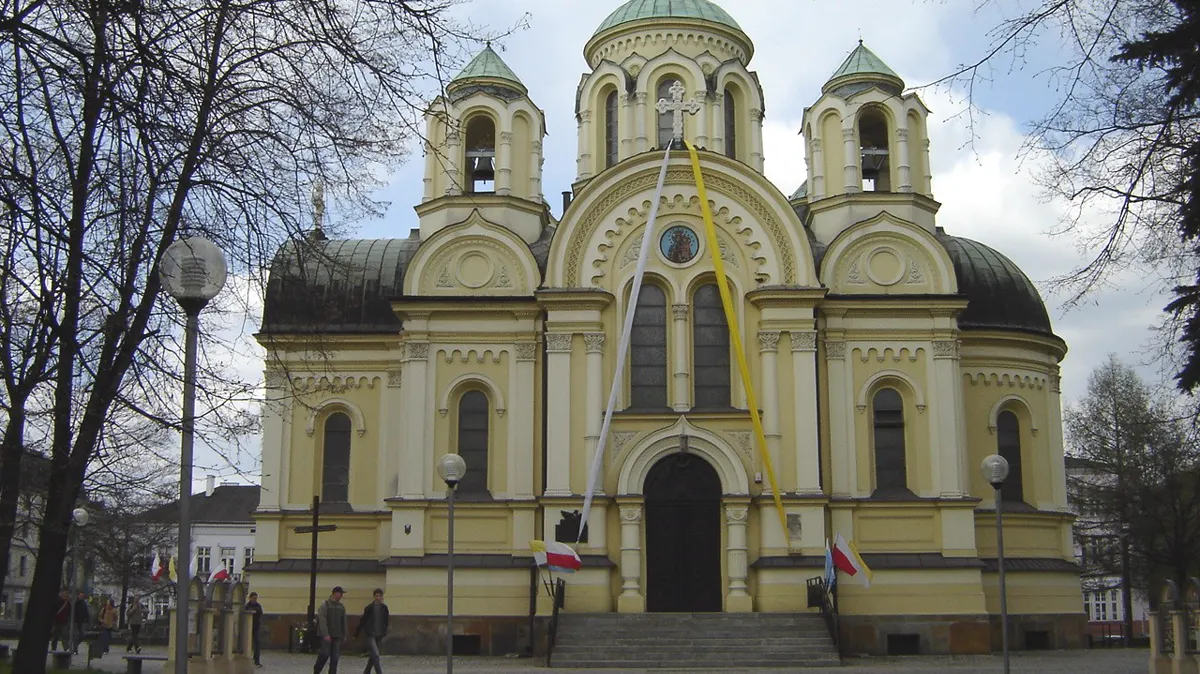
Church of St. James the Apostle
A domed garrison church on plac Biegańskiego in Częstochowa, built in 1869-1872 as an Orthodox church and given to the Roman Catholic Church in 1918.
Gdańsk
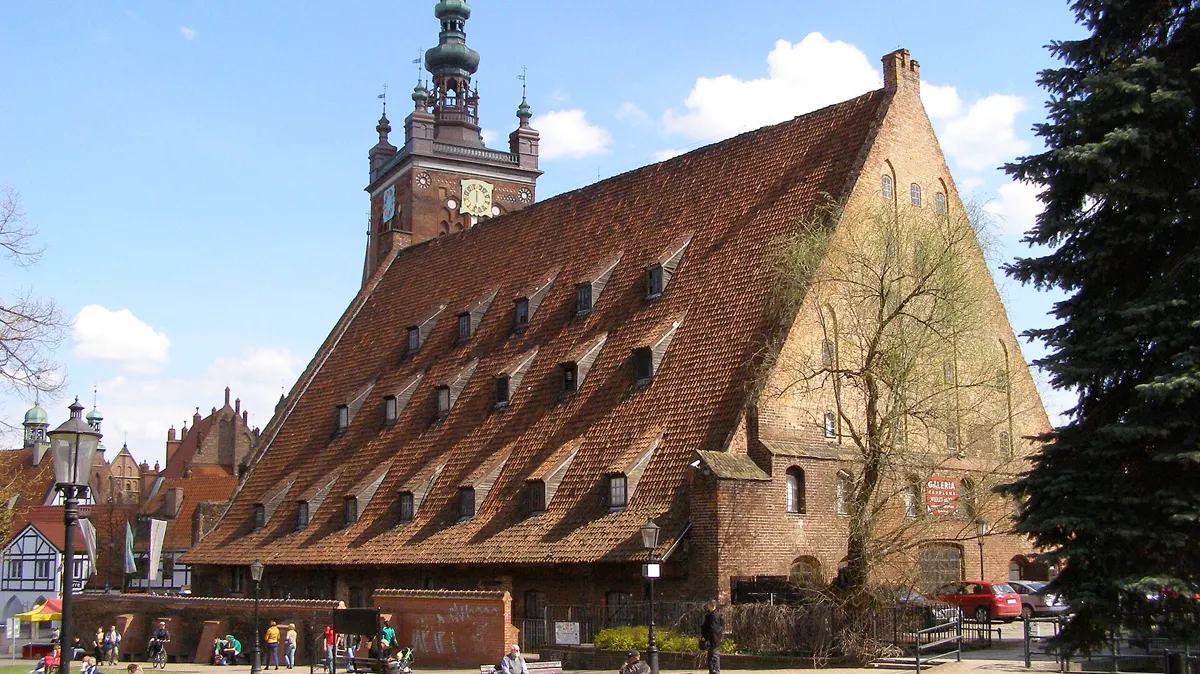
Amber Museum (Great Mill)
The Amber Museum in Gdańsk tells the story of Baltic amber, from raw fossilised resin to jewellery and art, inside the Great Mill, a 14th-century Teutonic watermill.
Katowice
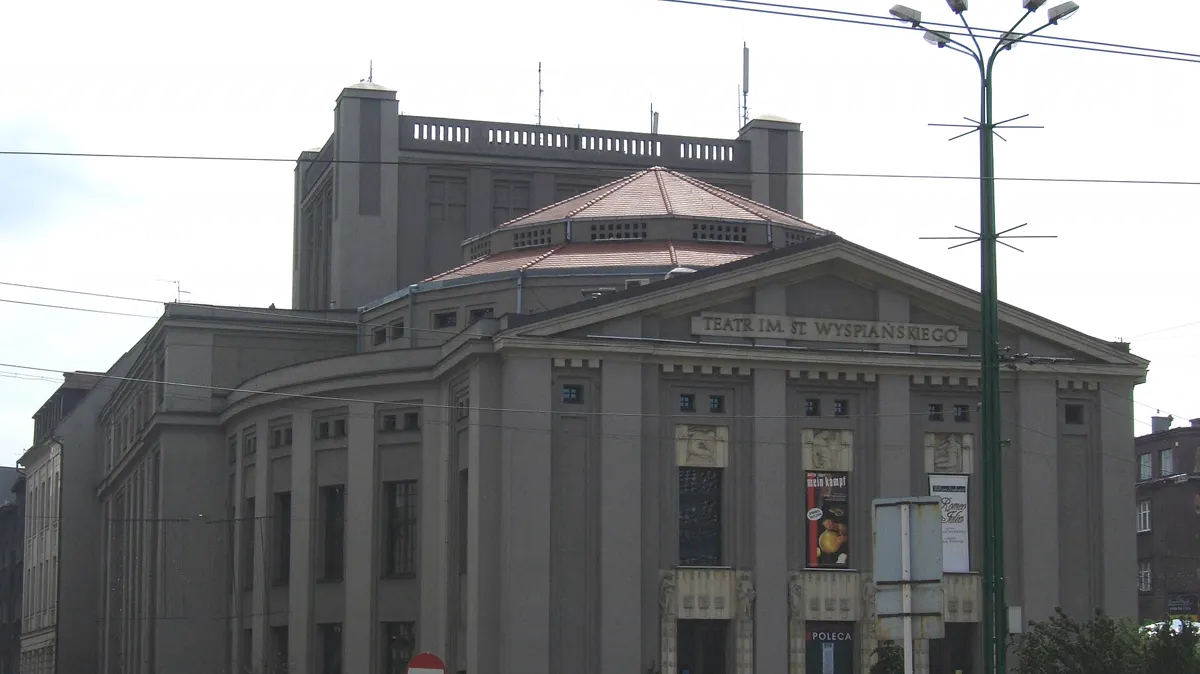
Silesian Theatre (Stanisław Wyspiański Silesian Theatre)
The largest theatre in Silesia, a Neoclassical building on Katowice's Market Square with a history stretching back to 1907 and more than a thousand premieres to its name.
Kazimierz Dolny
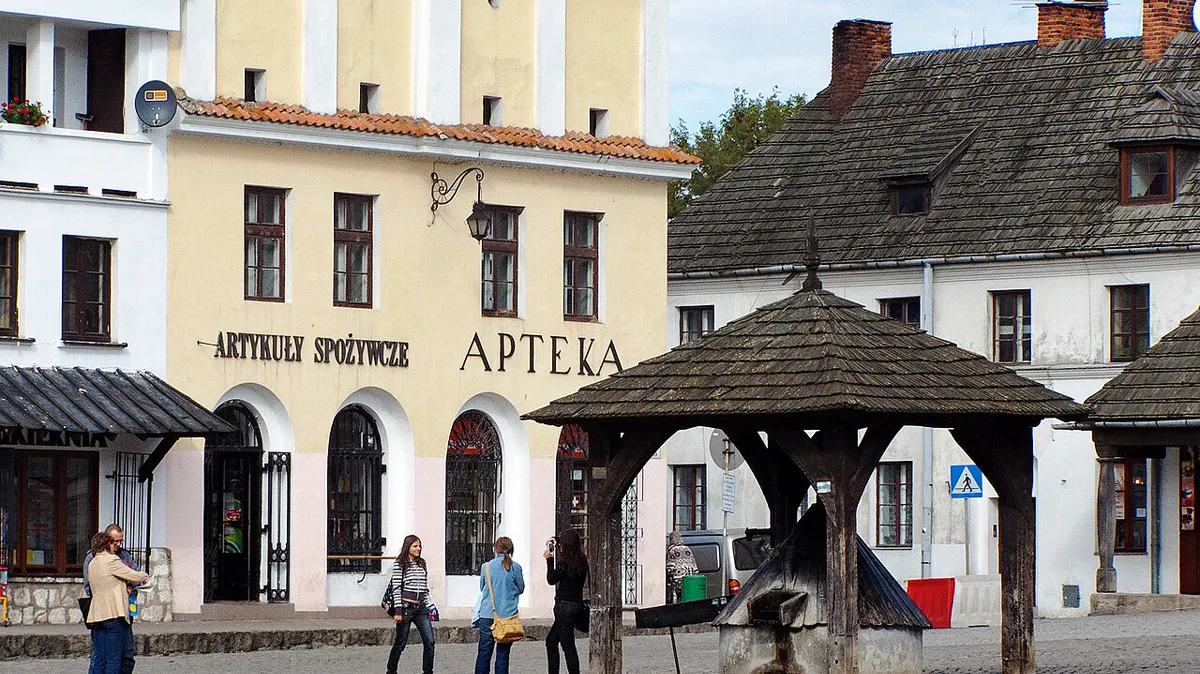
Historic Well (Studnia na Rynku)
A large timber-roofed well at the lower end of Kazimierz Dolny's Market Square, given its present form in 1913 by architect Jan Koszczyc-Witkiewicz and tied to a local legend about returning to the town.
Kraków
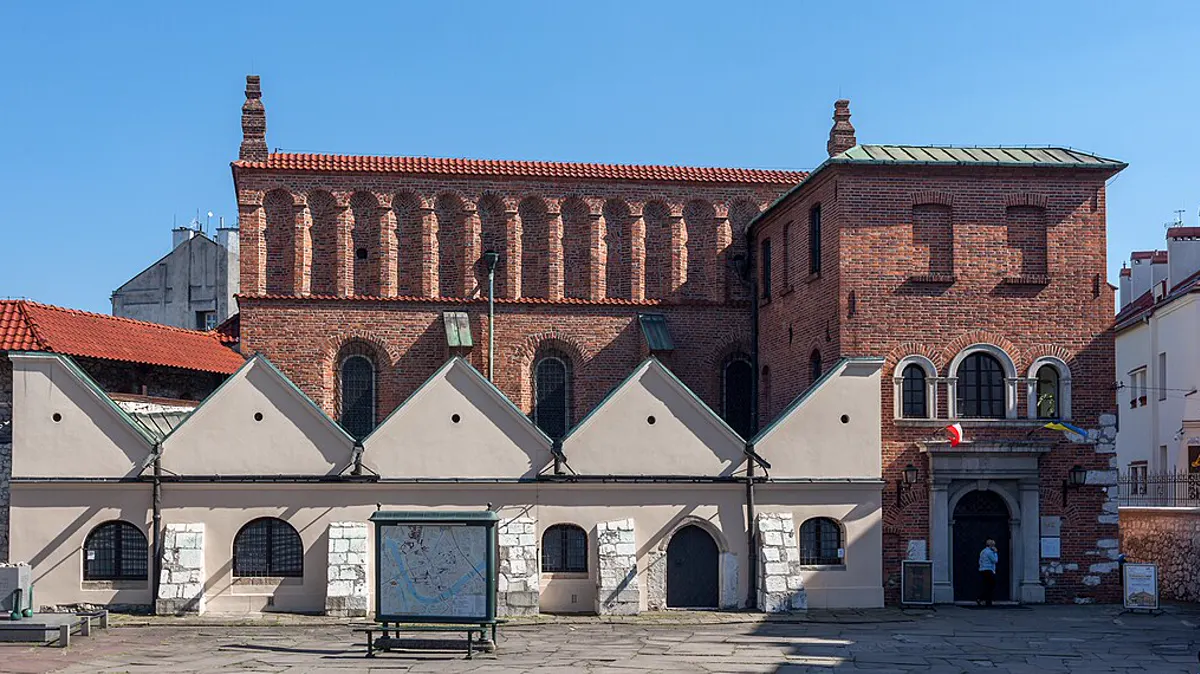
Old Synagogue (Stara Synagoga)
The Old Synagogue at 24 Szeroka Street is the oldest surviving synagogue building in Poland and now a branch of the Museum of Kraków telling the story of the city's Jews.
Łódź
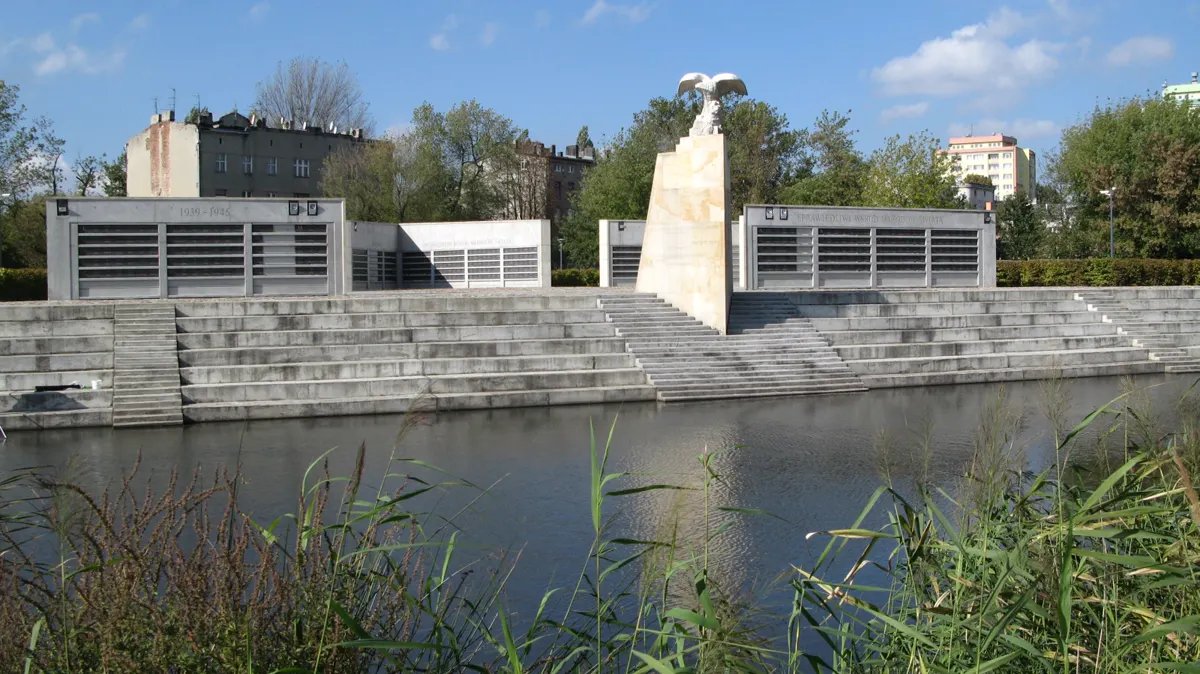
Survivors' Park and Marek Edelman Dialogue Center
An 8.5-hectare memorial park in northern Łódź that honours those who survived the Łódź Ghetto, with 418 trees planted by survivors and a dialogue centre devoted to the city's wartime memory.
Lublin
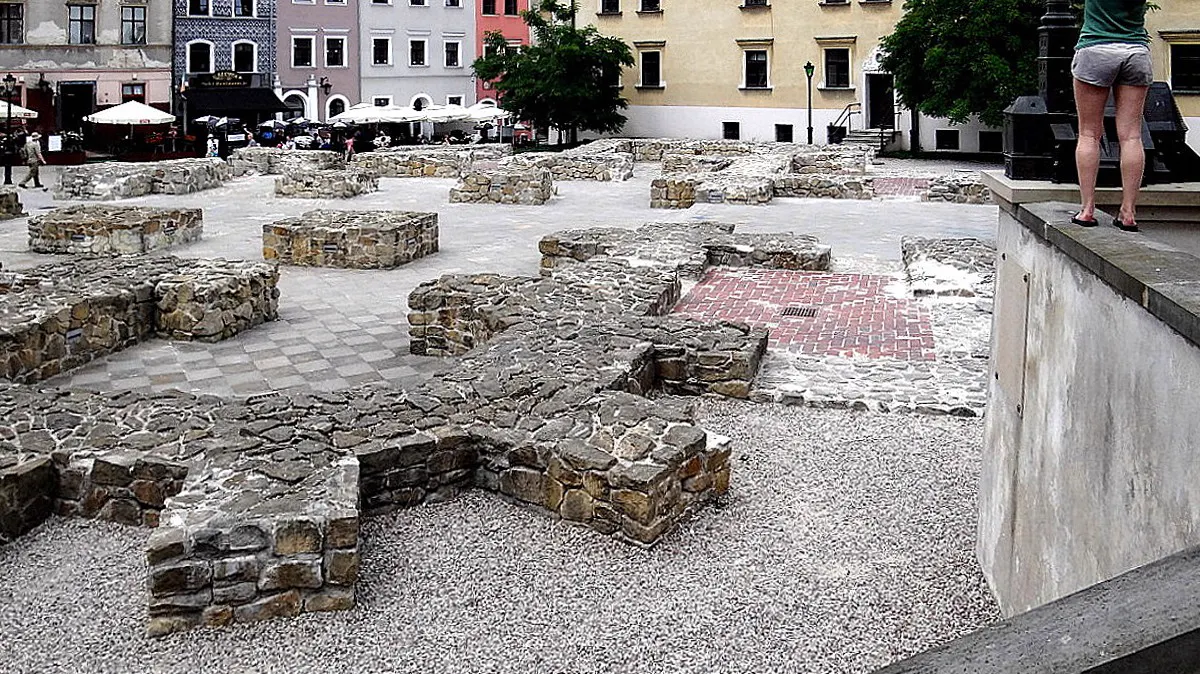
Po Farze Square (Plac Po Farze)
An open square in Lublin's Old Town that marks the site of the demolished parish church of St. Michael the Archangel, with the lost building's outline traced in the paving and an elevated terrace over the rooftops.
Olsztyn
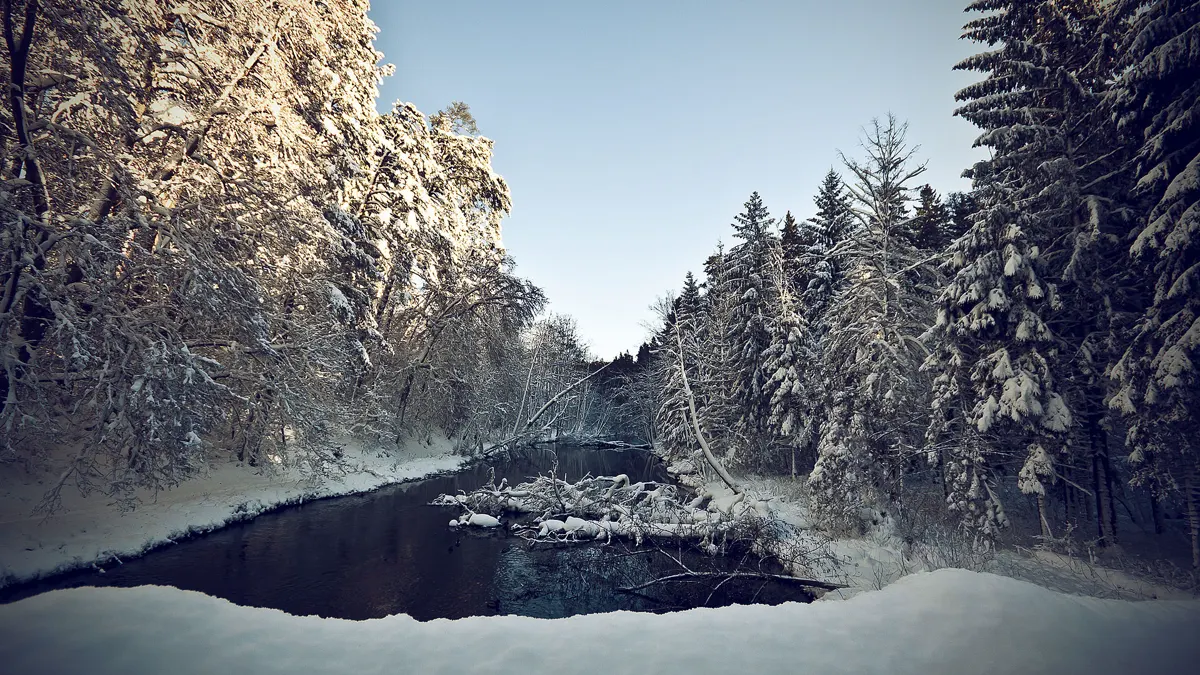
Municipal Forest (Las Miejski)
A large working forest inside Olsztyn's city limits, often cited as the biggest urban forest complex in Europe, laced with marked trails and crossed by two rivers.
Poland fits a lot into one country: medieval market squares, a salt mine carved into underground chapels, the memorial at Auschwitz-Birkenau, mountain trails and a long Baltic coast. Seventeen places hold UNESCO World Heritage status, and most of the headline attractions cluster around the cities you are likely to base yourself in, so a first trip rarely means long transfers.
Top attractions in Krakow, Warsaw and Gdansk
Krakow has the densest cluster: the Main Market Square, laid out in 1257 and among the largest medieval squares in Europe, the underground Wieliczka Salt Mine, and the Auschwitz-Birkenau Memorial within a day trip. Warsaw rebuilt its Old Town from wartime rubble, Gdansk lines the Motlawa with tall merchant houses, and Wroclaw and Torun keep intact Gothic centres. The mountains around Zakopane and the lakes of Masuria add the outdoor side.
Top places to visit on a first trip
Group attractions by the city you are staying in rather than chasing them across the map. Krakow, Warsaw and Gdansk each reward two or three days and put more sights within an easy day trip. For the classic sights that define the country, see the best viewpoints and our city guides.
Do you need to book tickets in advance
The busiest sites use timed entry, so book Wieliczka and the Auschwitz-Birkenau Memorial ahead, especially in summer. Many state museums have one free day a week. Tickets are good value by European standards; our note on costs in Poland has the typical prices.
Attractions by city
Travel guides
Krakow Golf Cart Tours: The Four Routes, Compared
Four electric cart routes cover the Old Town, Kazimierz, the ghetto in Podgorze and Schind...
Best Castles in Poland
From the Teutonic fortress at Malbork to the royal seats at Wawel and Warsaw, the Polish c...
3 Days in Krakow
A practical three-day plan for Krakow, pairing the Old Town and Wawel with Kazimierz and o...
Things to Do in Krakow
The sights, neighbourhoods and day trips that make Krakow worth several days, ranked by ho...