Attraction in Wrocław
White Stork Synagogue
A restored Neoclassical synagogue in Wrocław, now an active house of worship and cultural centre that anchors the city's revived Jewish quarter.
Reviewed and updated July 2026
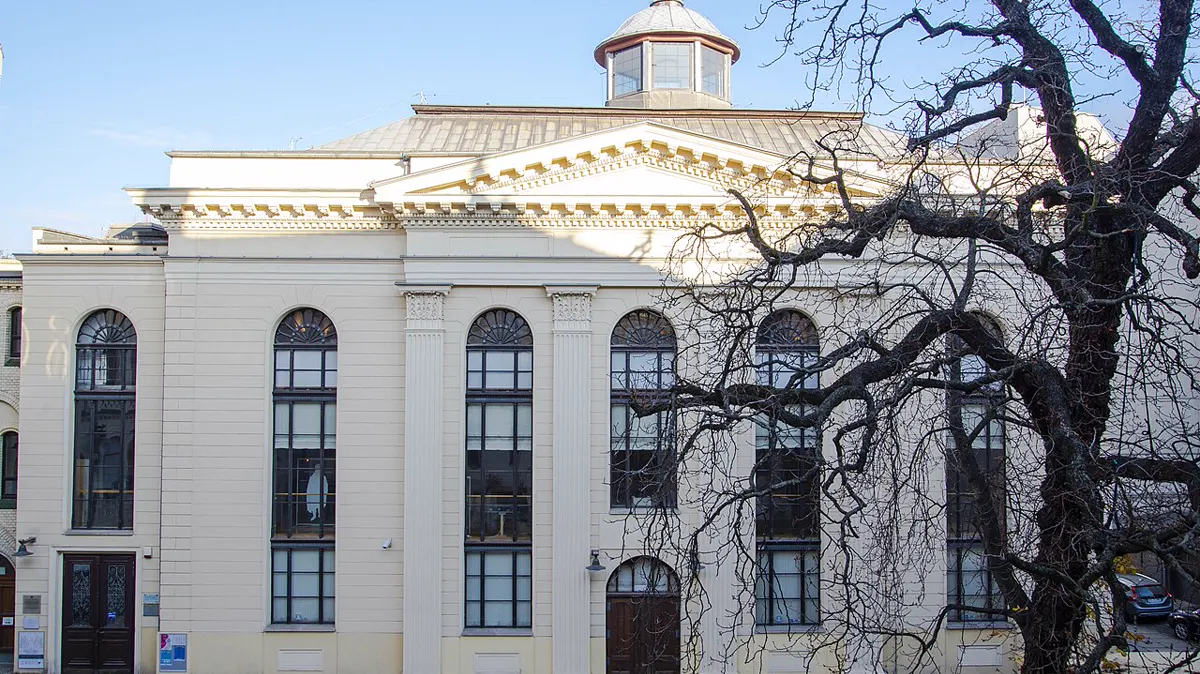
The White Stork Synagogue (Synagoga pod Białym Bocianem) is a Neoclassical synagogue in Wrocław, completed around 1829 and today an active place of worship and a cultural centre. People visit for the calm, restrained architecture, for the concerts and exhibitions held inside, and for its role as the anchor of the city's rebuilt Jewish quarter off Włodkowica street.
A Neoclassical building by Carl Ferdinand Langhans
The synagogue was designed by architect Carl Ferdinand Langhans and finished around 1829, in the sober Neoclassical style of its period rather than the ornate Moorish revival seen in many later synagogues. Inside, the restored galleried hall is used again for services and for public events, so a visit can mean quiet architecture one day and a concert the next. The plain exterior sits within a courtyard just off Włodkowica street, which is part of why the building reads so differently from a grand street-facing temple.
How it survived Kristallnacht
During the Kristallnacht pogrom of November 1938, the synagogue escaped the burning that destroyed many Jewish buildings across Germany. It stood among dense surrounding structures, and setting it alight risked spreading fire to those neighbours, so it was largely spared. After the war devastated Wrocław's Jewish community and decades of neglect followed, the building was restored and reopened, which is a large part of why it matters today.
The Four Denominations District around it
The synagogue anchors the area known as the Four Denominations District, a small quarter off Włodkowica street where a synagogue, a Roman Catholic church, an Orthodox church and a Protestant church stand close together. The revived Jewish quarter around it holds cafes and cultural spaces, so the synagogue works well as one stop on a slow walk rather than a quick tick. It sits within easy reach of the Old Town on any visit covered in our Wrocław guide.
Who it suits and what to expect
This is a good stop for anyone interested in Jewish heritage, architecture or Wrocław's difficult twentieth-century history, and for visitors who prefer a reflective site to a busy one. Because it is a working synagogue as well as a venue, access and event times vary, so it rewards a little planning. Check the current programme of concerts and exhibitions before you go if you want to see the interior used for its cultural role.
Good to know
As this remains an active synagogue and event venue, opening times and access can change, so confirm hours and any concert or exhibition dates through official channels before visiting.
Frequently asked questions
More attractions in Wrocław
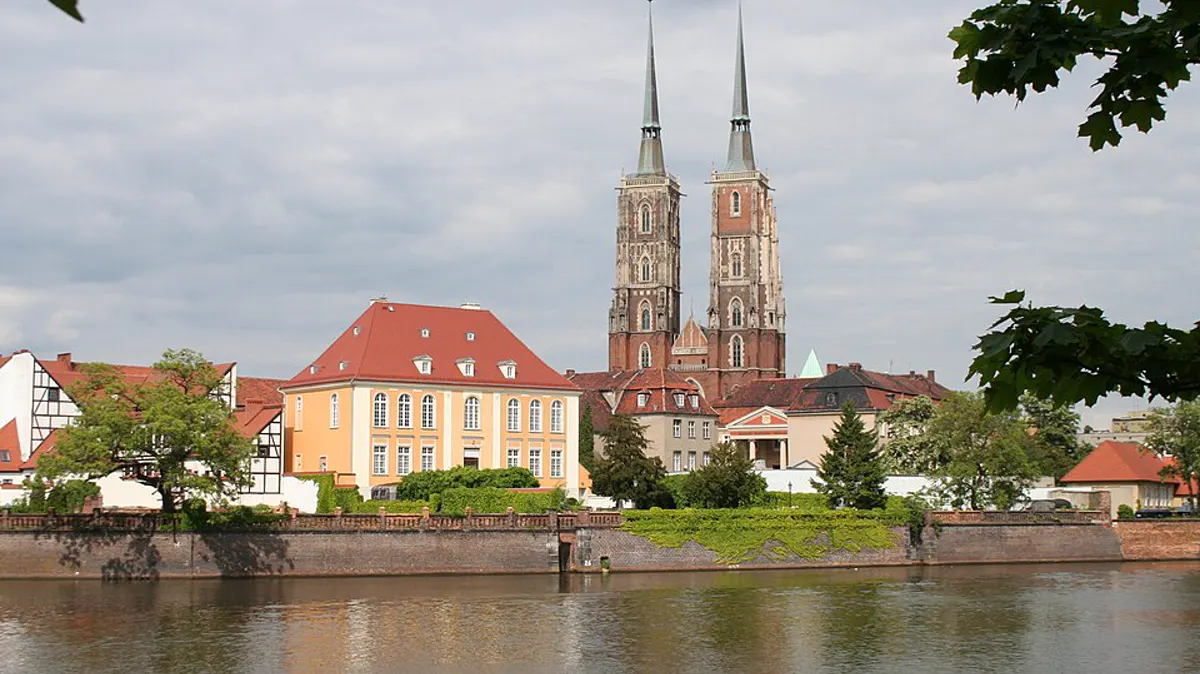
Cathedral Island, Wroclaw
The oldest part of Wroclaw, a cluster of churches on an island in the Oder reached across a romantic iron bridge.
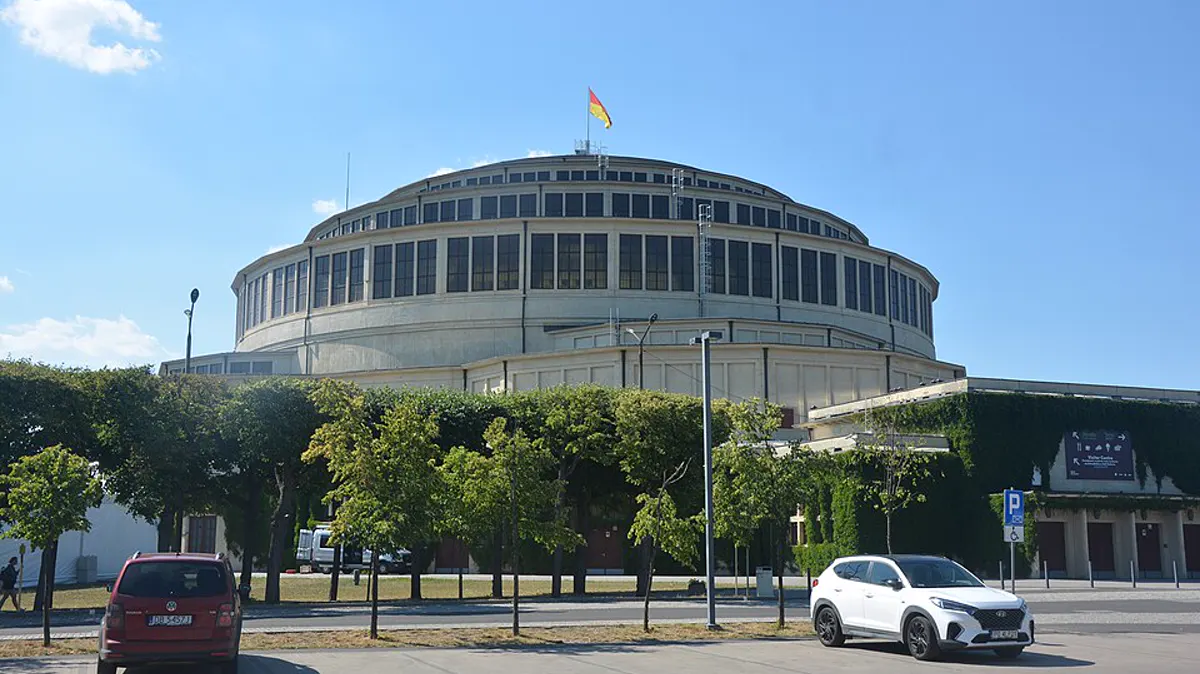
Centennial Hall
A pioneering reinforced-concrete dome from 1913, listed by UNESCO, set in a park with a large multimedia fountain.
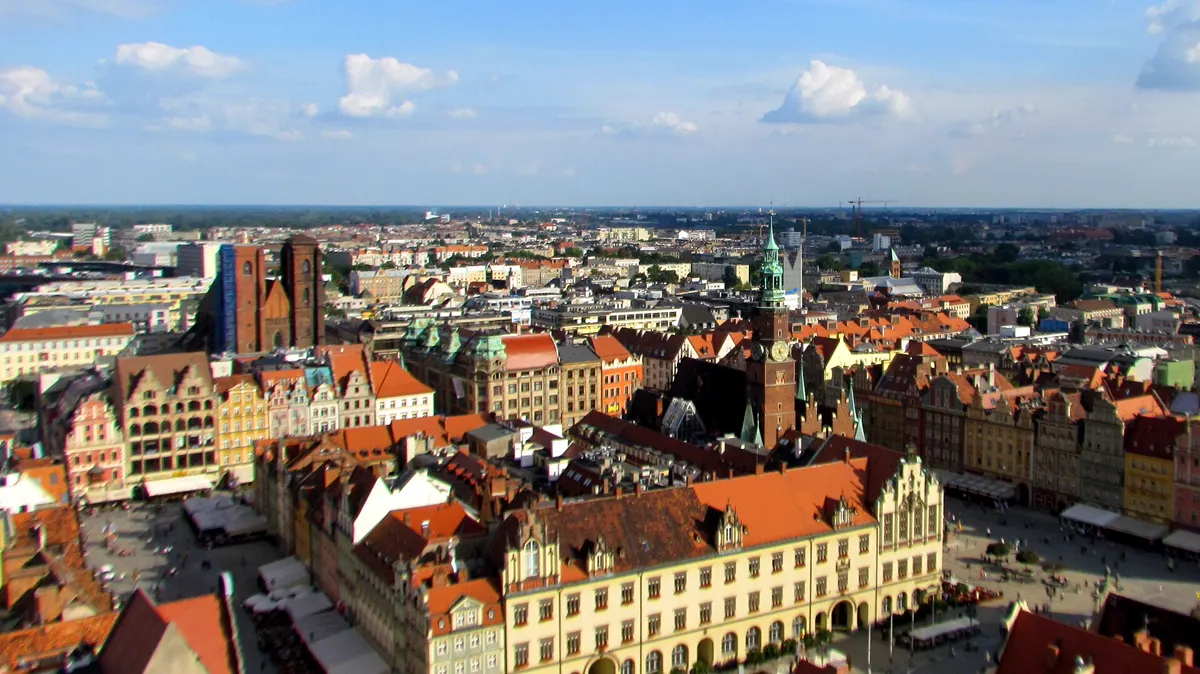
Market Square
One of the largest medieval squares in Poland, ringed by colourful townhouses and centred on an ornate Gothic town hall.
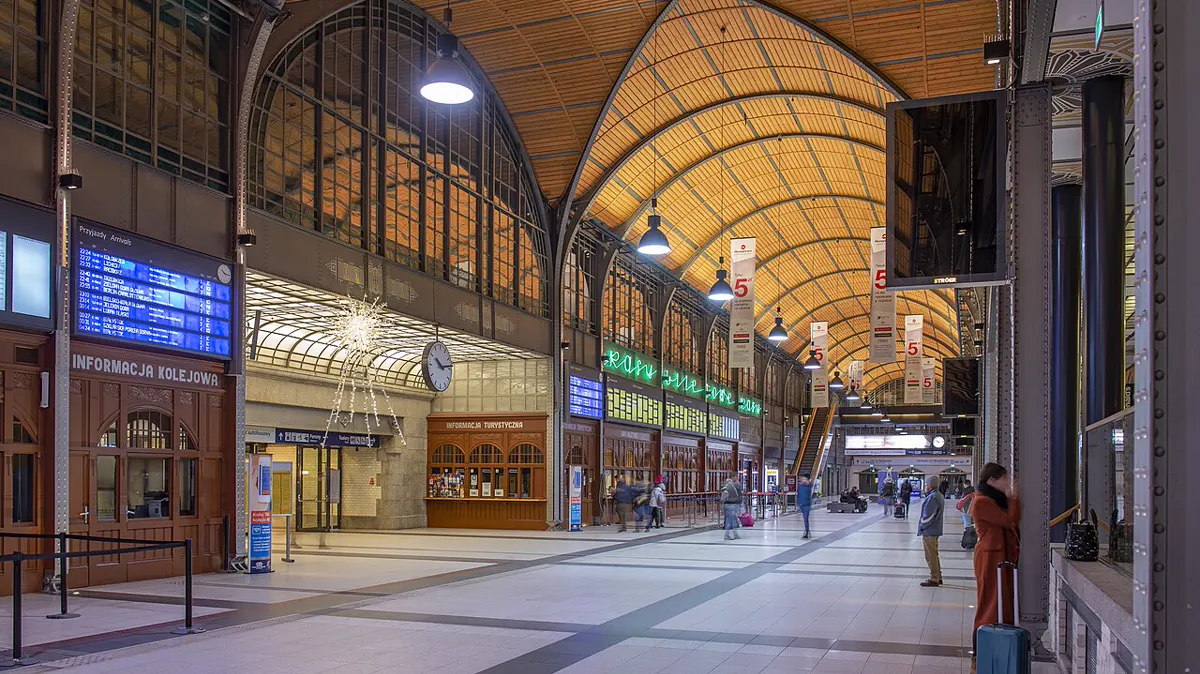
Wrocław Main Railway Station (Wrocław Główny)
Wrocław's main railway station is a castle-like Tudor neo-Gothic terminus from 1857, and for many arriving travellers it is the first thing they see of the city.
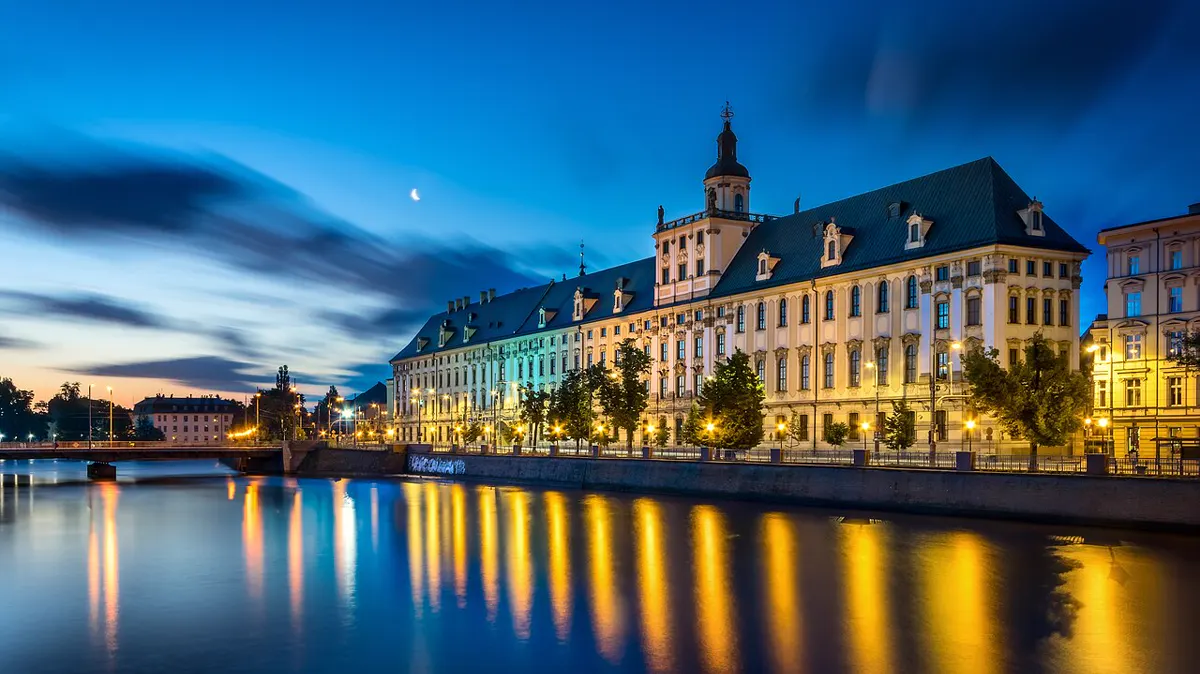
University of Wrocław Main Building (Aula Leopoldina and Mathematical Tower)
The main building of the University of Wrocław holds the Aula Leopoldina, a lavish Baroque ceremonial hall, along with the Oratorium Marianum concert room and a climbable observatory tower overlooking the Old Town.
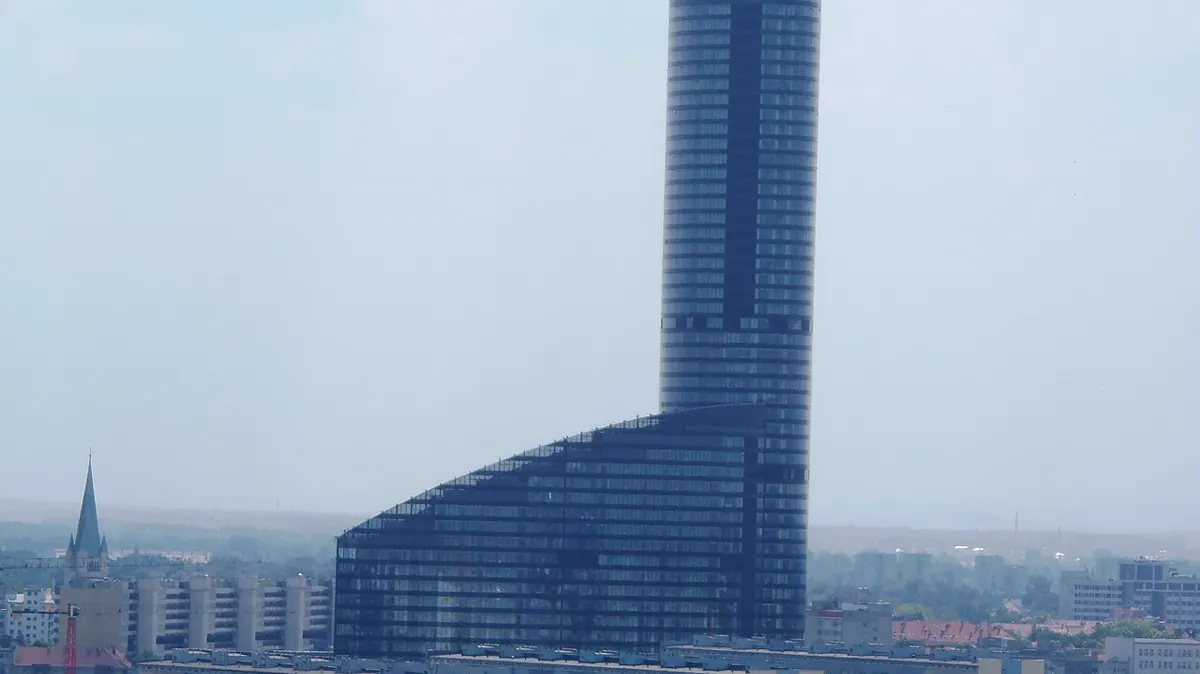
Sky Tower
Sky Tower is Wrocław's tallest building, rising about 212 metres, with an observation deck that opens up panoramic views across the city, the Oder River and the plains beyond.
More to explore in Wrocław
Restaurant
Jadka
An elegant fine-dining room under gothic vaults just off the Rynek, a special-occasion staple.
Hotel
Hotel Monopol
A grand Art Nouveau hotel by the opera with a rooftop terrace over the old town and a spa pool.

Restaurant
Konspira
A themed restaurant on Solny Square recalling the Solidarity underground, with solid Polish home cooking.
Restaurant
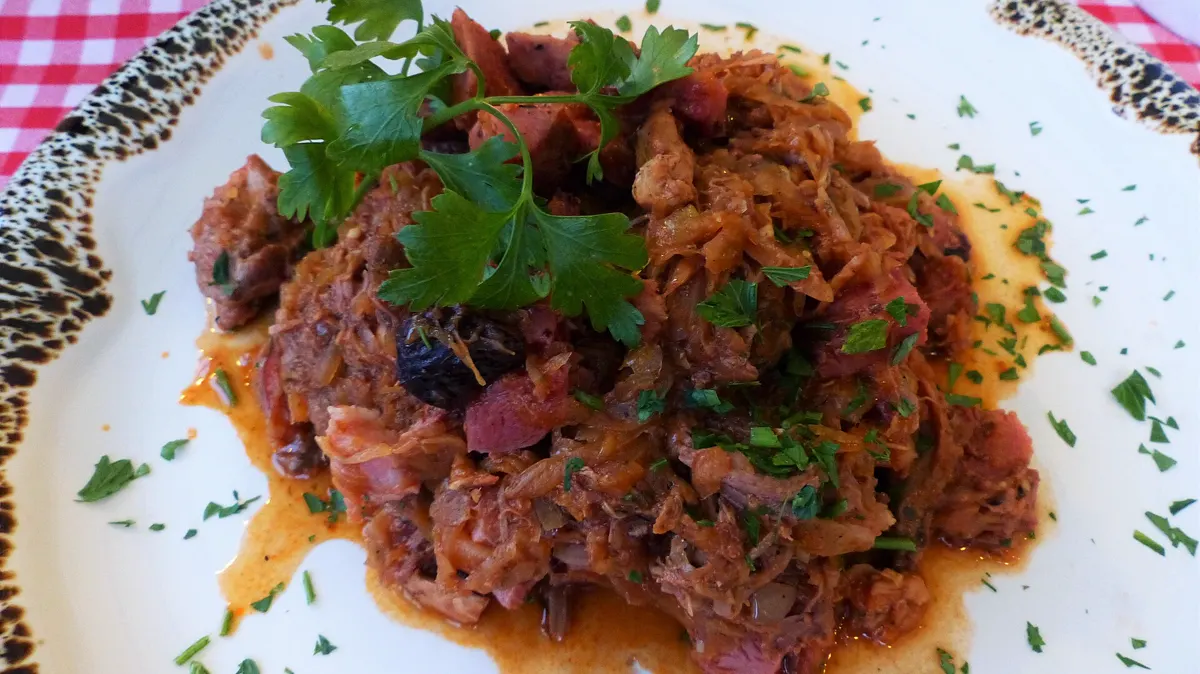
Kurna Chata
A rustic timber room near the Market Square doing filling regional dishes.

Restaurant
Hala Targowa
The 1908 covered market near Ostrow Tumski, packed with stalls selling fresh produce, cheeses, baked goods, and quick bites. The best spot to graze and shop like a local.
Restaurant
Charlotte Chleb i Wino
A French-style bakery and wine bar in Wroclaw's Four Denominations District known for fresh croissants, tartines, and all-day breakfast plates. A few minutes' walk from the market square.