Attraction in Częstochowa
Częstochowa Philharmonic (Bronisław Huberman Philharmonic)
Częstochowa's main concert hall, built on the foundations of the city's New Synagogue and named after the locally born violinist Bronisław Huberman.
Reviewed and updated July 2026
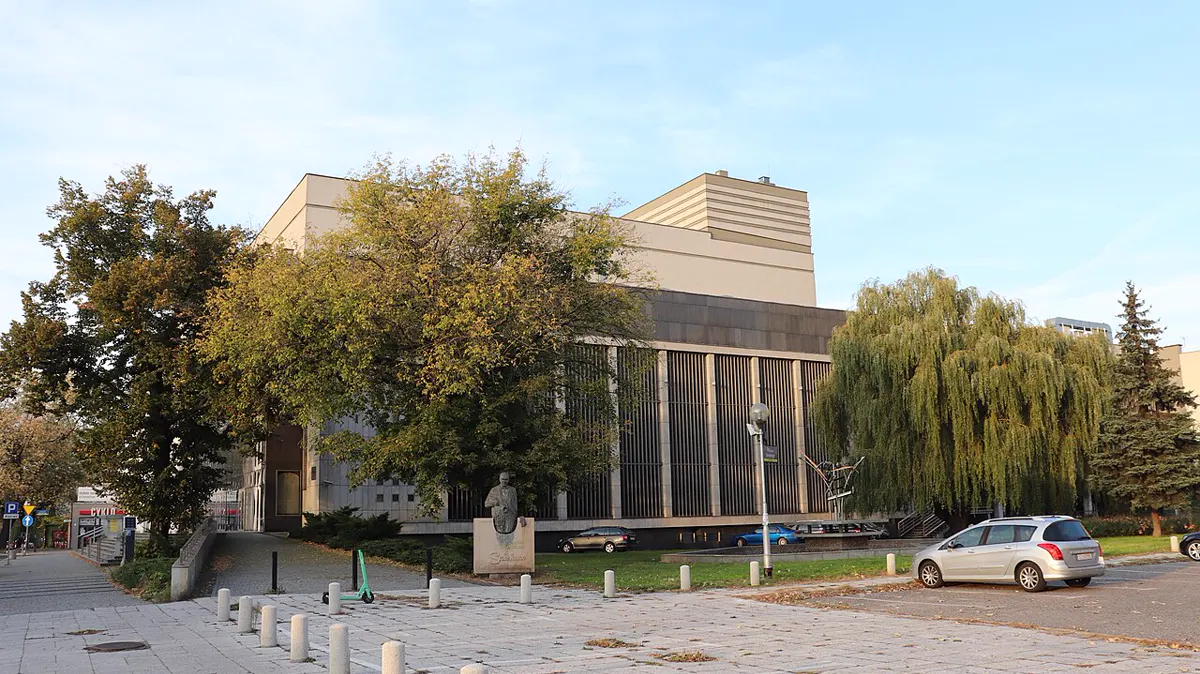
The Częstochowa Philharmonic is the city's classical-music concert hall and the home of its main season of orchestral and chamber concerts. People come for an evening of live symphonic or recital music, and for a building that carries real local history: it was named in 2012 after the violin virtuoso Bronisław Huberman, who was born in Częstochowa.
Two halls, two kinds of evening
The venue works on two scales. The main concert hall seats 825 and is where the resident orchestra performs full symphonic programmes. Alongside it, a chamber hall seating 156 hosts smaller recitals and intimate ensemble concerts, so the same institution can put on a large orchestral night and a solo or quartet evening. Programmes run across the city's main classical-music season, and current listings are best checked on the philharmonic's official channels.
Built on the site of the New Synagogue
The hall stands on charged ground. It was raised between 1955 and 1965 on the foundations of Częstochowa's New Synagogue, which the Germans burned down on 25 December 1939. That layer of history sits directly beneath the concert-going present, which makes the building itself part of what a visit means here, not only the music performed inside it.
The Huberman name
In 2012 the philharmonic took the name of Bronisław Huberman, one of the great violinists of the early twentieth century, who was born in Częstochowa. The dedication ties the city's flagship music institution to its most famous musical son, and it gives the venue a clear identity for visitors interested in the violin tradition and in Poland's classical heritage.
Fitting it into a Częstochowa visit
Most travellers reach Częstochowa for Jasna Góra, so a concert here pairs naturally with a daytime pilgrimage or sightseeing visit and gives the trip an evening anchor. The hall sits at ul. Wilsona 16, within the city rather than out on its edge. For orientation and other things to do around town, see our Częstochowa guide.
Good to know
Concert dates, ticket prices and the current season programme are not fixed year-round, so check the philharmonic's official channels before you plan an evening around a performance.
Frequently asked questions
More attractions in Częstochowa
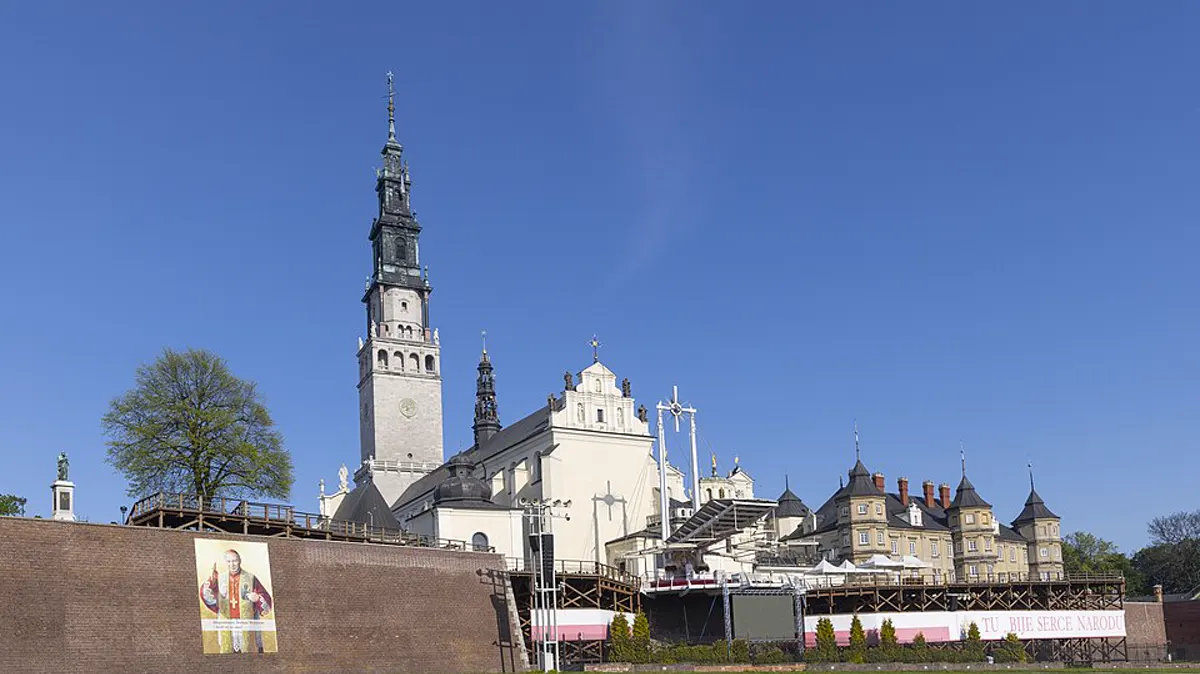
Jasna Gora Monastery
The fortified hilltop monastery that guards the Black Madonna icon, the most important Catholic pilgrimage site in Poland.
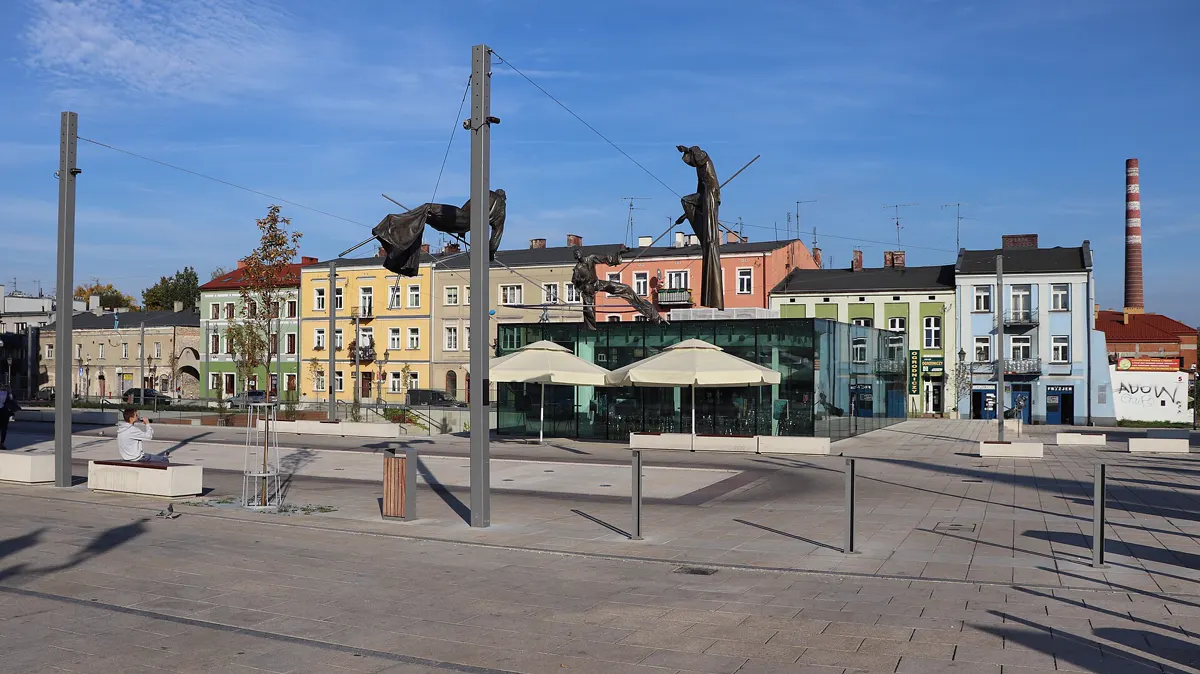
Old Market Square (Stary Rynek)
The revitalised Stary Rynek carries a permanent open-air gallery of Jerzy Kędziora's balancing sculptures, run by the Częstochowa Museum.
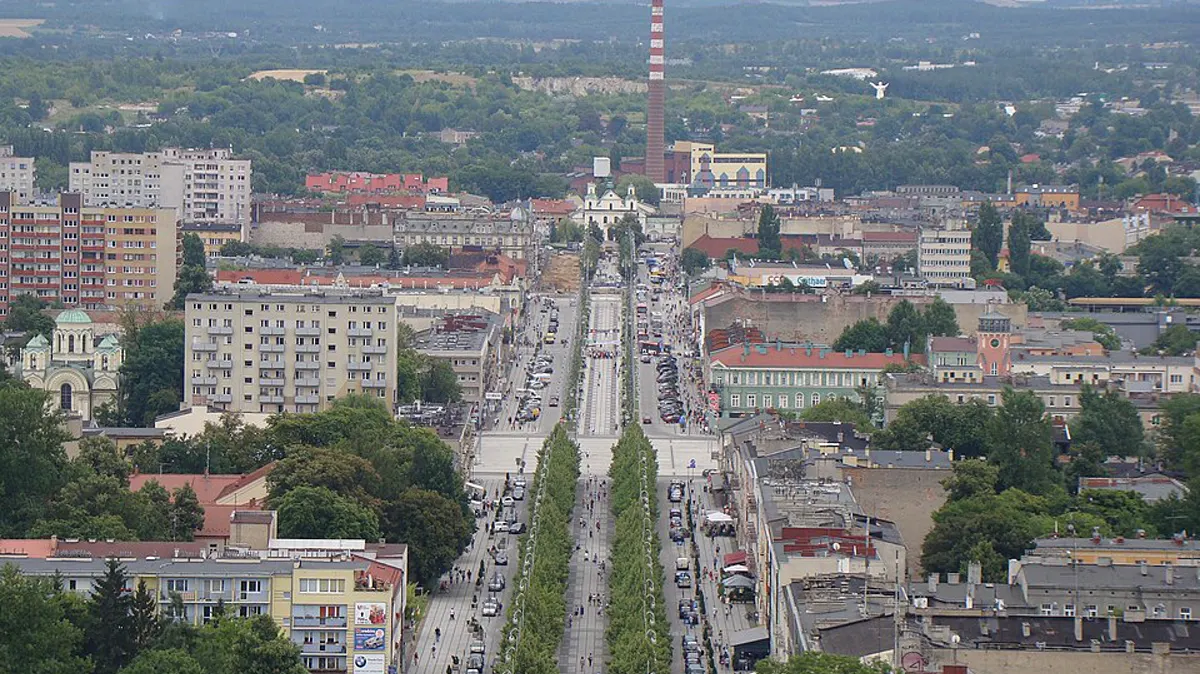
Aleja Najświętszej Maryi Panny (Avenue of the Blessed Virgin Mary)
The Avenue of the Blessed Virgin Mary is Częstochowa's main axis, running from the old town towards Jasna Góra and walked by generations of pilgrims.
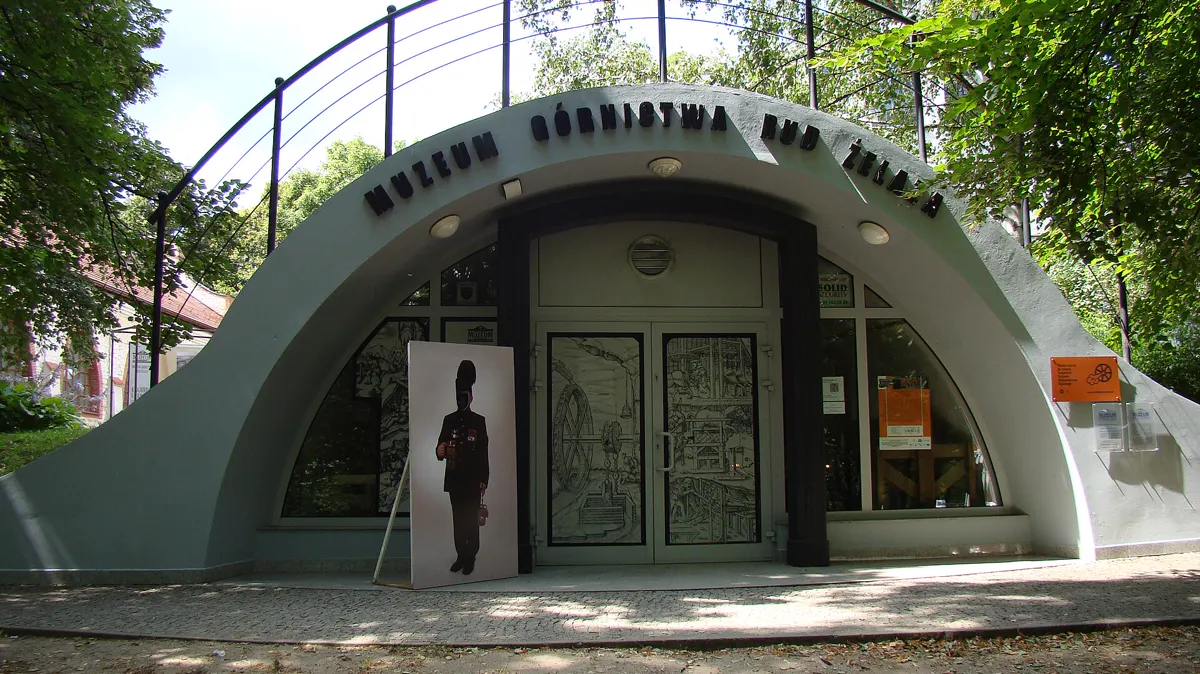
Museum of Iron Ore Mining
A museum in Częstochowa's Staszic Park that recreates underground iron-ore mine workings as walk-through corridors, commemorating the mining industry that shaped the region.

Museum of Coins and Medals of John Paul II
A private museum in Częstochowa dedicated to Pope John Paul II, holding over 11,000 exhibits, including around 2,000 coins and many medals, displayed under a dramatic lighting scheme.
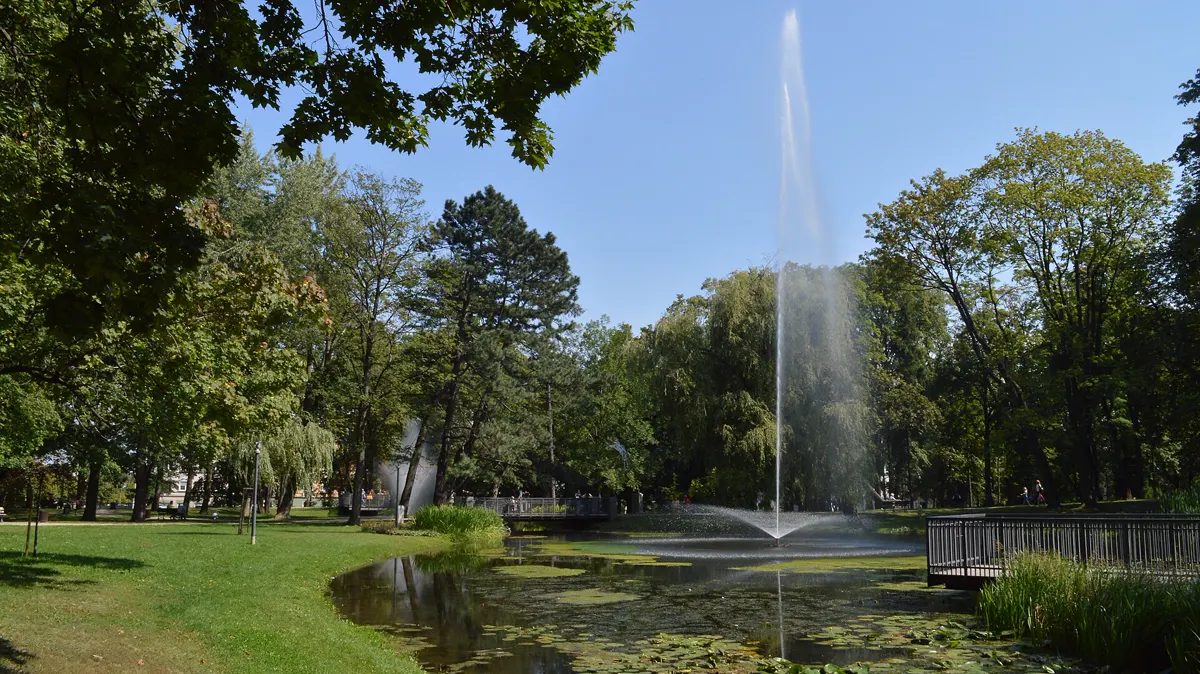
Staszic Park
Staszic Park is the oldest public park in Częstochowa, laid out in 1826 on the eastern approach to Jasna Góra. It links the Avenue of the Blessed Virgin Mary with the monastery hill and draws pilgrims and residents heading up to the sanctuary.
More to explore in Częstochowa
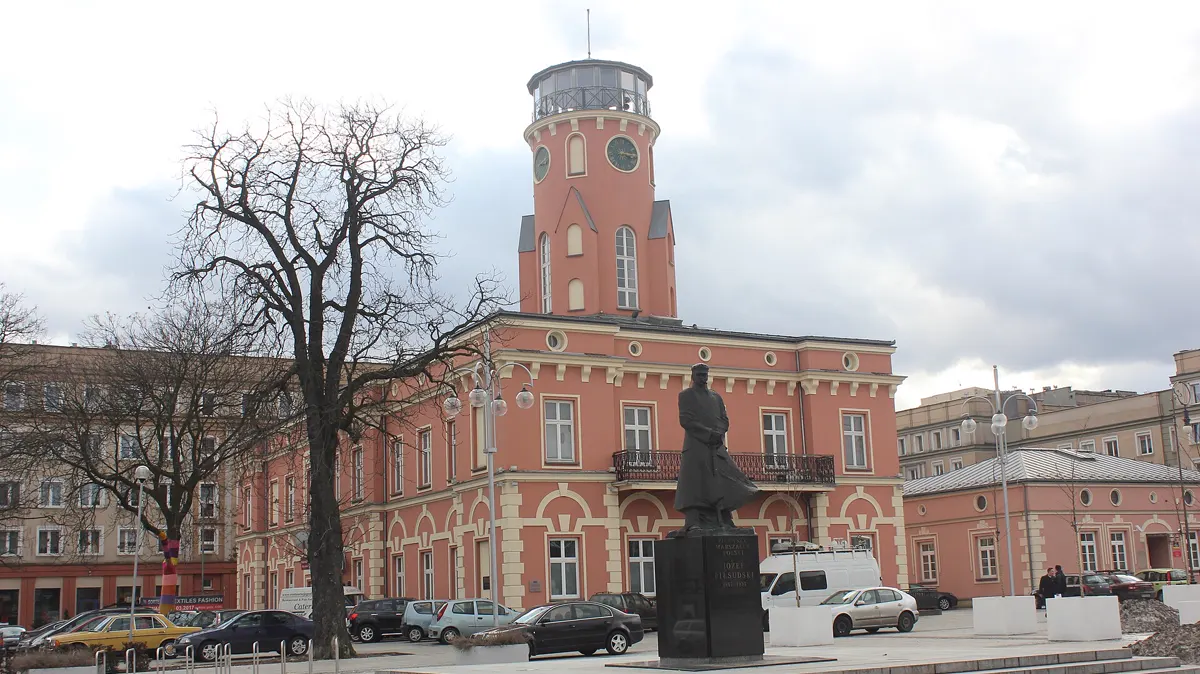
Museum
Częstochowa Museum (Muzeum Częstochowskie)
The Częstochowa Museum spreads across eight venues, from the Town Hall on plac Biegańskiego to branches covering history, art and archaeology.
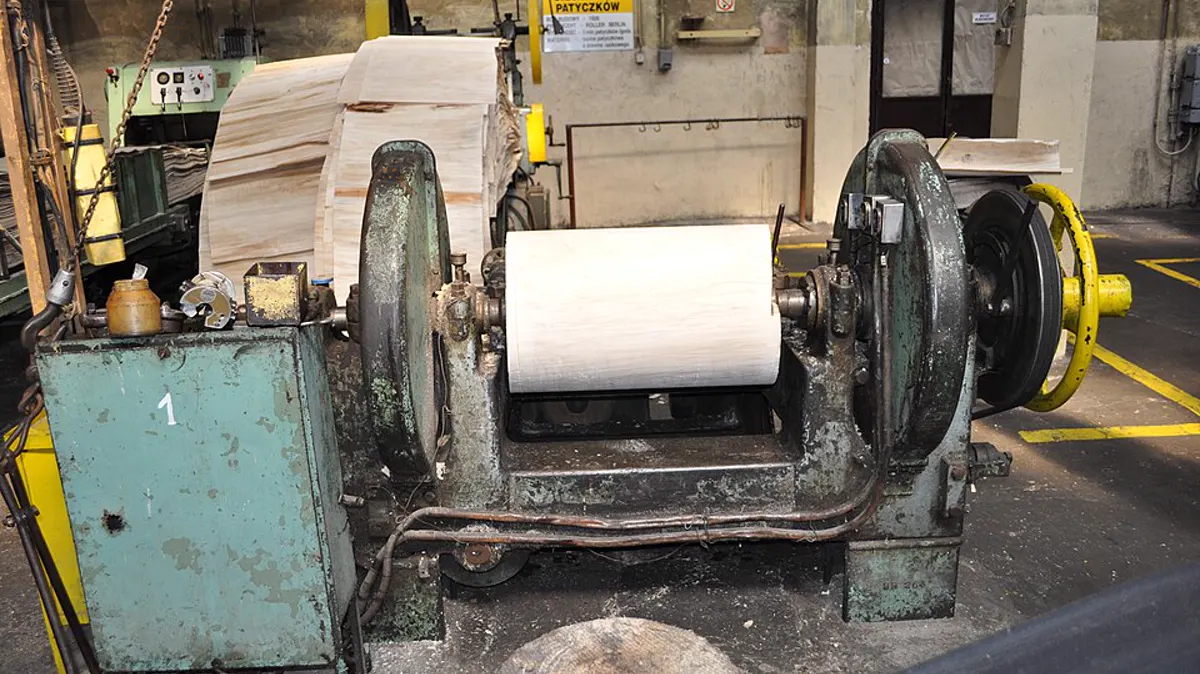
Museum
Museum of Match Production (Muzeum Produkcji Zapałek)
The Museum of Match Production keeps a 1930s factory line in a plant dating to 1882, described as the only working match museum in Europe.
Museum
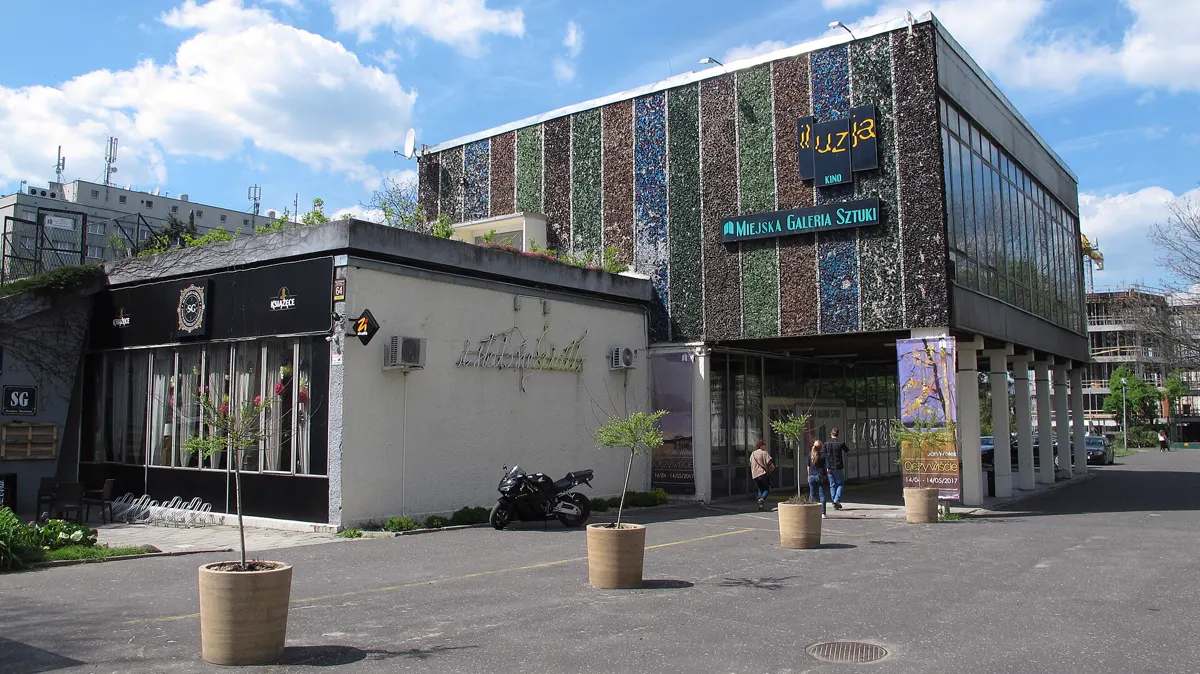
City Art Gallery (Miejska Galeria Sztuki) and Beksiński display
The City Art Gallery on Aleja NMP shows a permanent Beksiński collection of paintings and drawings given by collectors Anna and Piotr Dmochowski.
Museum
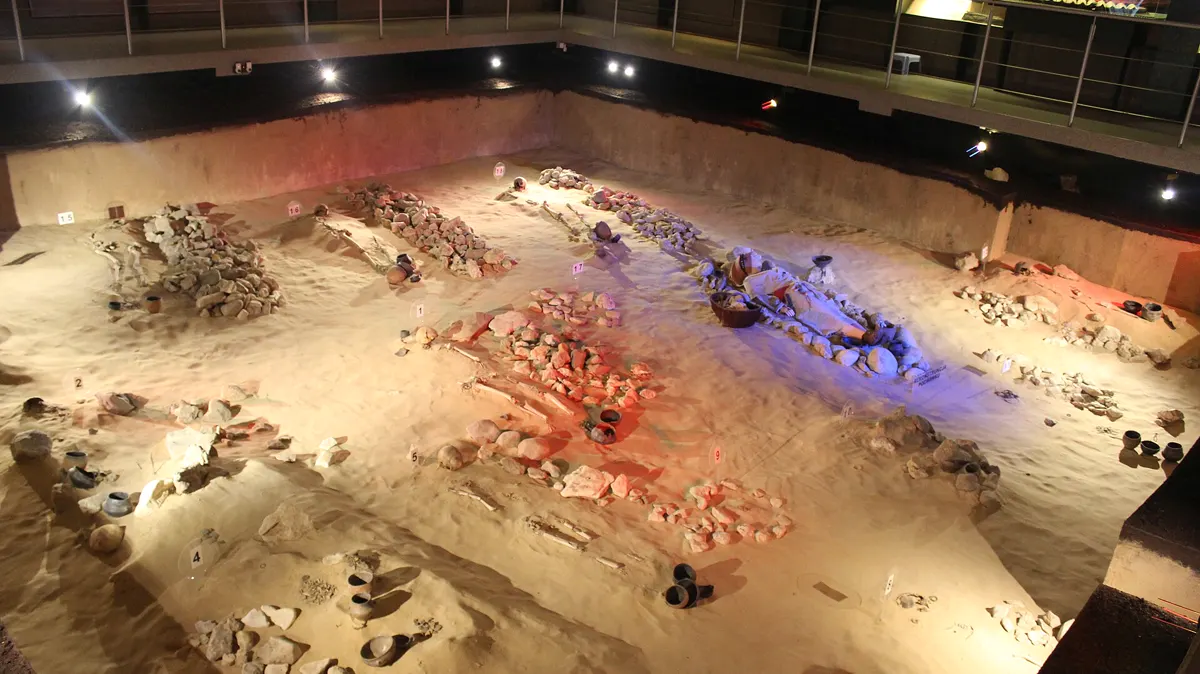
Archaeological Reserve (Rezerwat Archeologiczny)
The Archaeological Reserve protects an early Iron Age Lusatian cemetery, kept in the ground exactly where it was dug up.
Restaurant
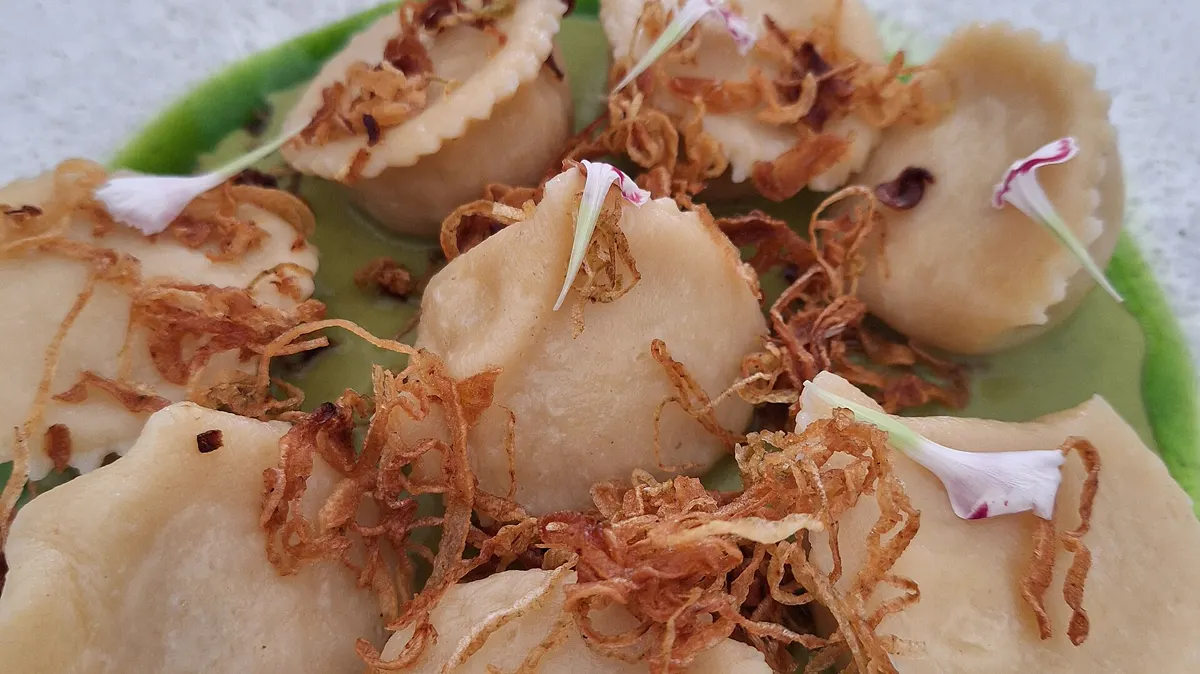
Cafe & Restaurant Dobry Rok
Cafe & Restaurant Dobry Rok sits on Aleja NMP, serving Polish and Italian dishes across a menu that works for lunch, dinner or coffee.
Restaurant
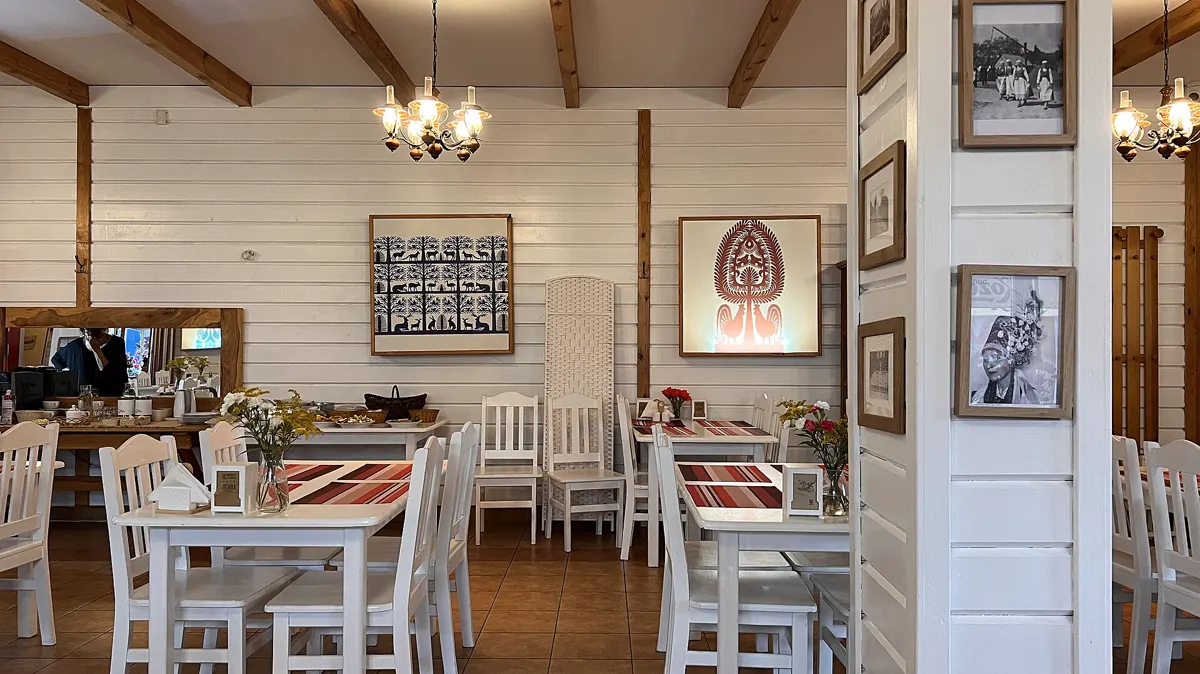
Restauracja U Braci
Restauracja U Braci serves Polish cooking alongside Italian and Mediterranean plates at 7 Kamienic in Częstochowa.