Attraction in Katowice
Giszowiec
Giszowiec is an early 20th-century garden-city housing estate in southeast Katowice, built for miners as detached cottages set among gardens and tree-lined streets.
Reviewed and updated July 2026
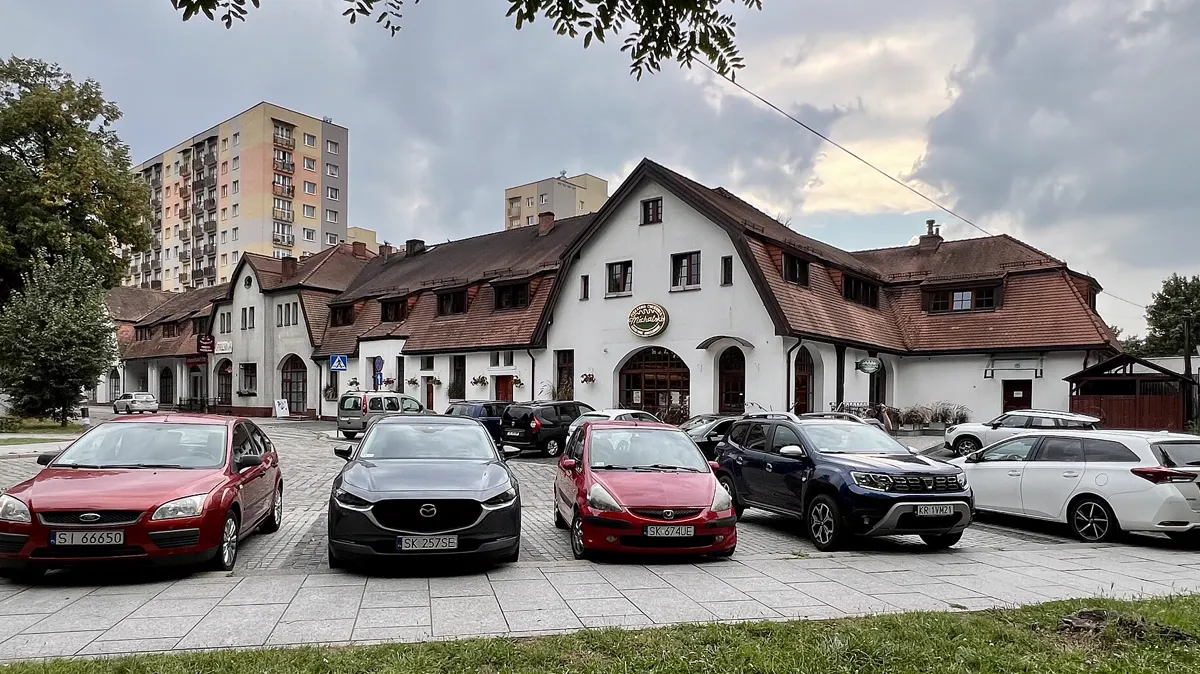
Giszowiec is a garden-city housing estate in southeast Katowice, built from 1907 for workers of the Giesche mining company, and people visit for its unusual approach to early 20th-century industrial town planning. Instead of the dense brick tenements typical of Silesian coal settlements, it was laid out as a green suburb of detached whitewashed cottages, each with its own garden, along wide tree-lined streets. The design came from cousins Emil and Georg Zillmann, the same architects behind the neighbouring estate of Nikiszowiec.
What you will see
The estate is a working residential district rather than a fenced site, so you explore it on foot along its streets. The signature elements are the low whitewashed cottages, each detached and set back behind a private garden, arranged along broad avenues lined with trees. This gives Giszowiec an open, low-rise character that reads very differently from the tall brick courtyards of most Silesian workers' housing, and it is the layout itself, the spacing, greenery and cottage forms, that is the real thing to look at.
History and the Zillmann design
Giszowiec was commissioned by the Giesche company to house its miners and their families, with construction beginning in 1907. Emil and Georg Zillmann drew on the garden-city idea, a planning movement that mixed housing with gardens and green space rather than packing workers into blocks. The cousins went on to design Nikiszowiec nearby, and the two estates are often visited together as contrasting versions of the same social goal. Giszowiec sits on the Route of Technology Monuments of Upper Silesia, which links the region's key industrial-heritage sites.
Who it suits
Giszowiec appeals most to visitors interested in architecture, urban planning and industrial history, and to anyone curious about how coal-era Silesia actually housed its workforce. Because it remains a lived-in neighbourhood, a visit is a relaxed walk rather than a ticketed attraction, which suits travellers who like to wander and read a place from its streets. Photographers tend to pair it with Nikiszowiec to capture the difference between the garden cottages here and the brick blocks there.
Fitting it into a Katowice visit
Giszowiec lies in the southeast of the city, so it works best combined with nearby Nikiszowiec as a half-day tour of the Zillmann cousins' work rather than a stop squeezed between central sights. Both are part of the wider industrial-heritage story you can follow through the region, and they add context to the mining history you meet elsewhere in the city. See the Katowice guide for how to reach the estate and what else to combine it with.
Good to know
Giszowiec is a residential neighbourhood, so treat it as a walking route and respect that people live in the cottages you are photographing; check official channels for any guided tours or opening times of individual buildings.
Frequently asked questions
More attractions in Katowice
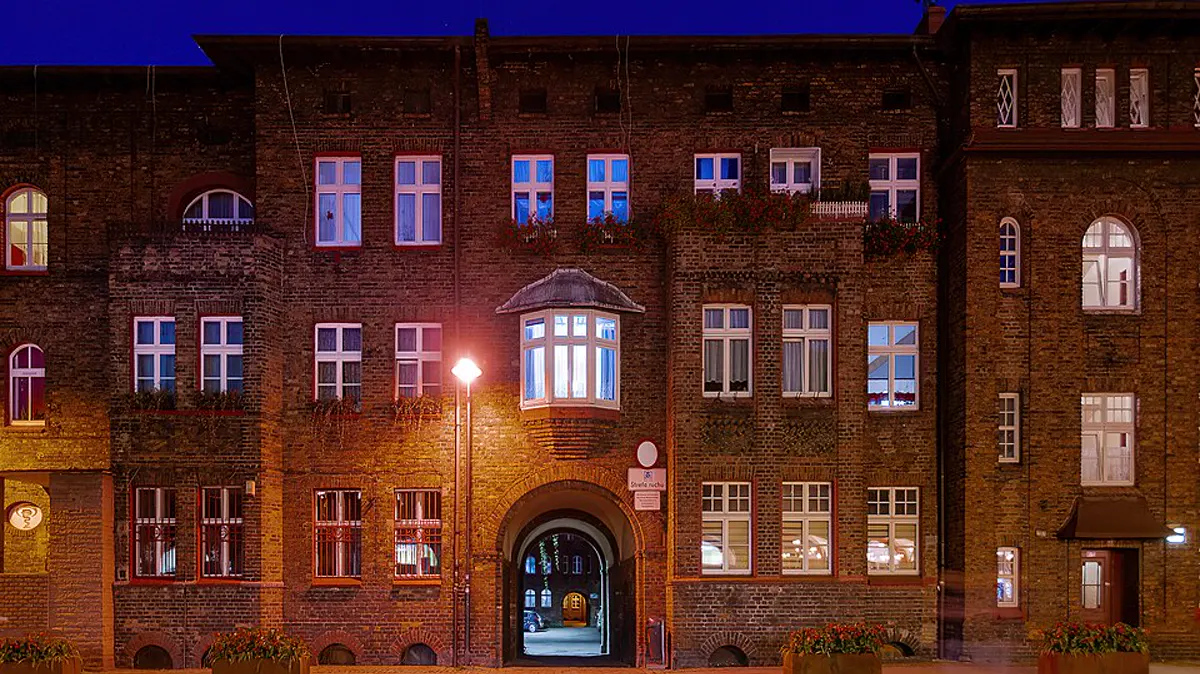
Nikiszowiec
A complete early-twentieth-century miners settlement of red-brick courtyards, now a protected monument and the most atmospheric corner of Katowice.
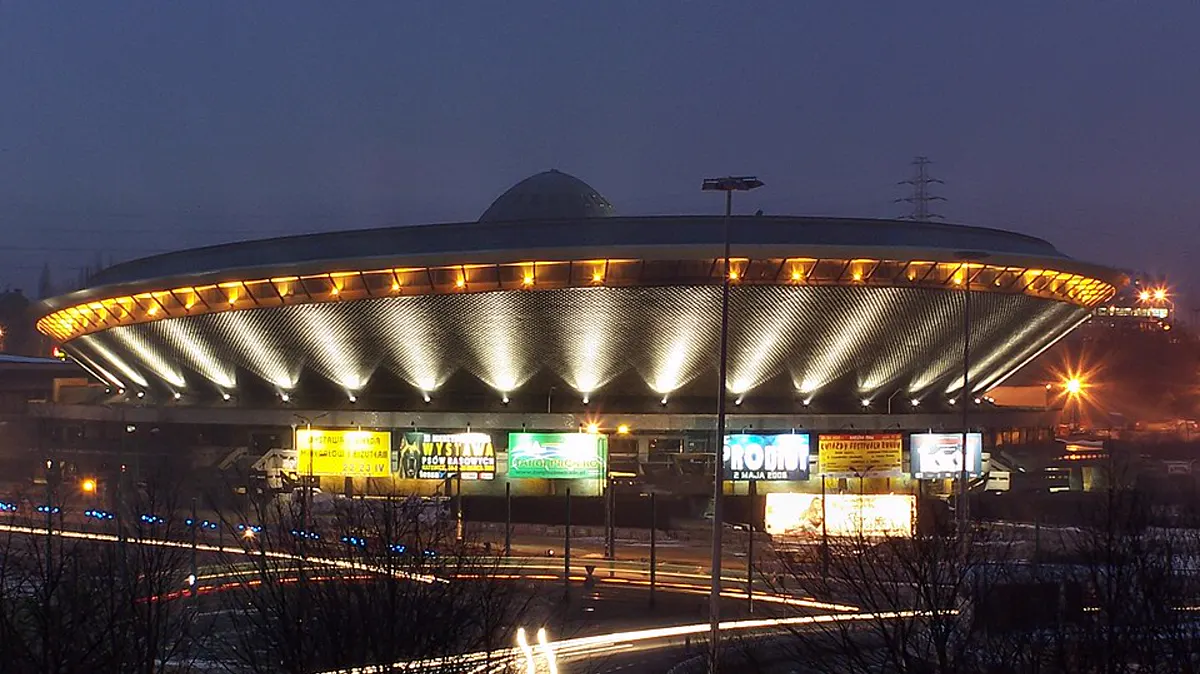
Spodek
Katowice's 1971 saucer-shaped arena is the city's best-known building and its main venue for concerts, sport and trade fairs.
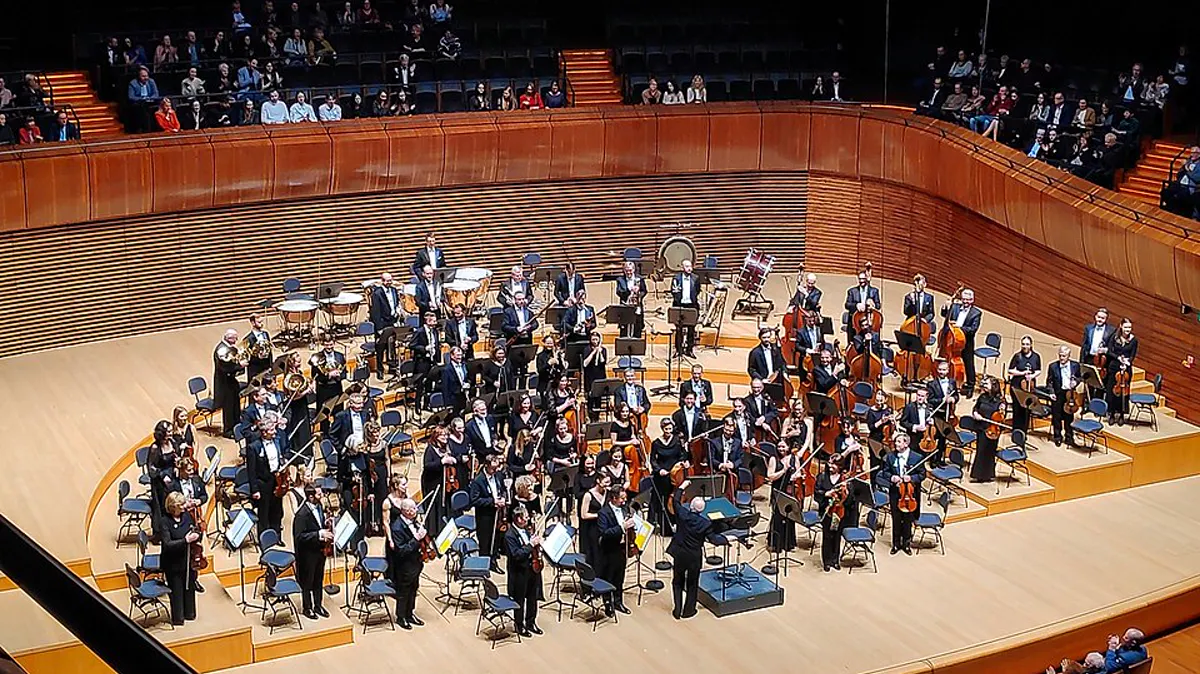
NOSPR (Polish National Radio Symphony Orchestra)
The purpose-built home of Poland's National Radio Symphony Orchestra, with acoustics by the designer of some of the world's leading concert halls.
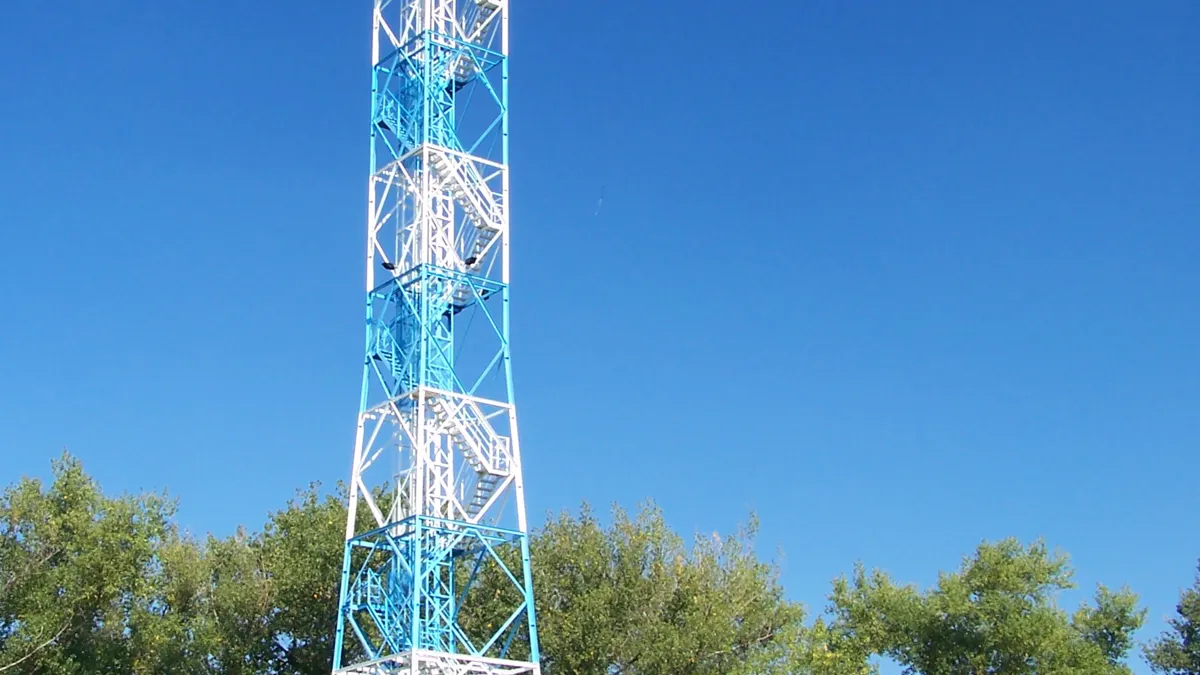
Parachute Tower (Wieża Spadochronowa)
The Parachute Tower in Kościuszko Park is the only surviving parachute training tower in Poland, a 1930s landmark tied to Katowice's defence in September 1939.
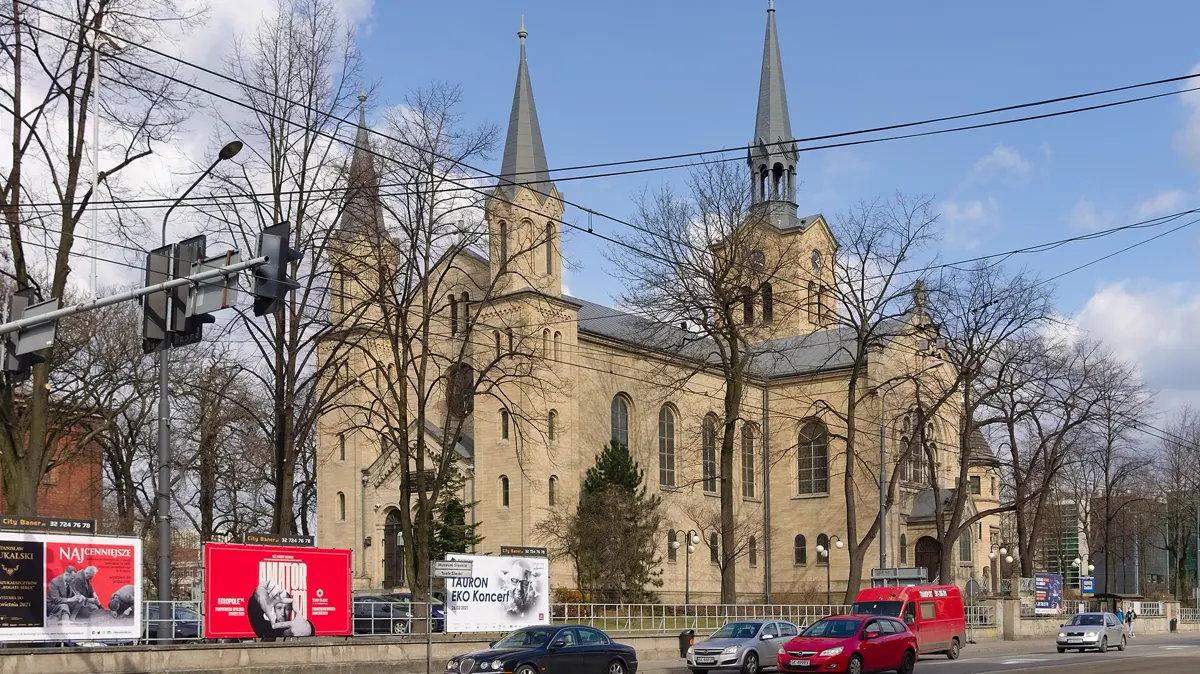
Church of the Resurrection (Evangelical Church)
A mid-19th-century Lutheran church on Warszawska Street, widely regarded as the oldest monumental building in central Katowice.
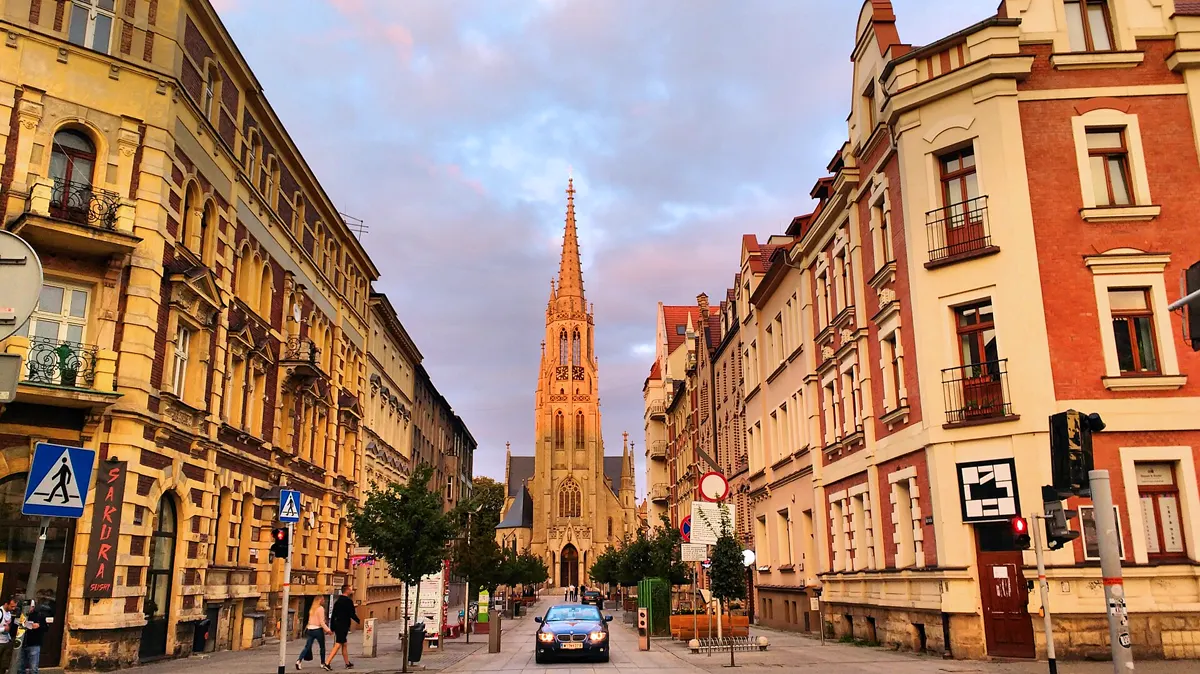
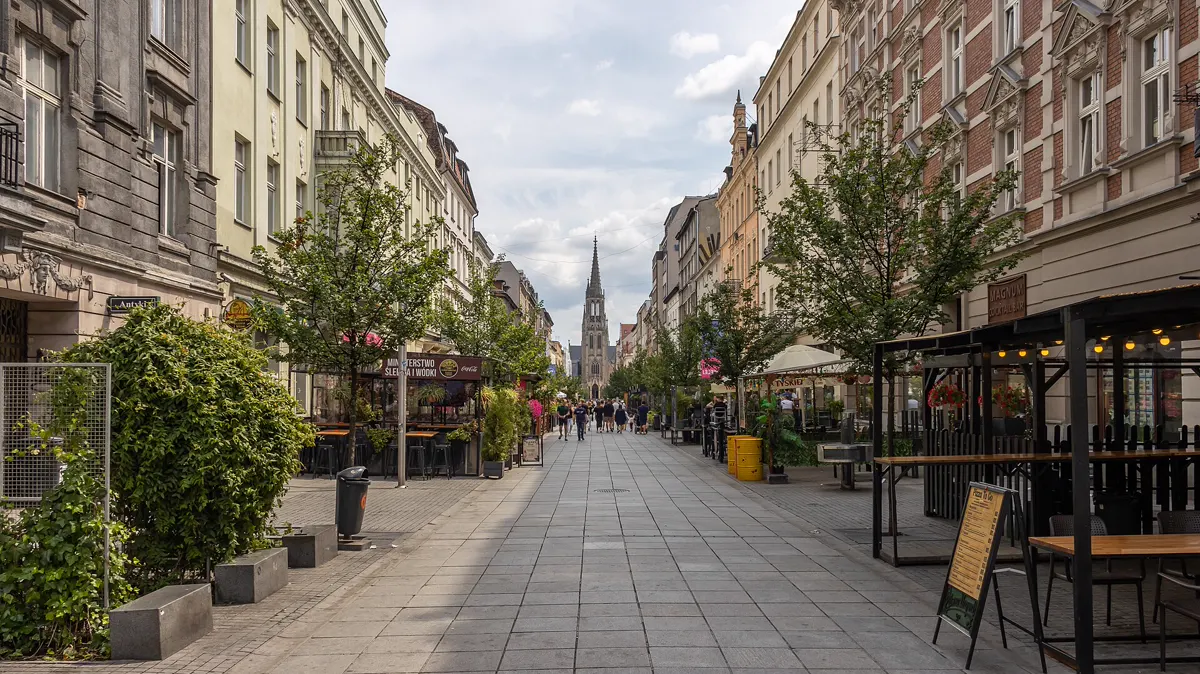
Mariacka Street (ulica Mariacka)
Mariacka Street is Katowice's pedestrian nightlife strip in the city centre, lined with bars, restaurants and cafes and shaded by cherry trees that flower in spring.
More to explore in Katowice
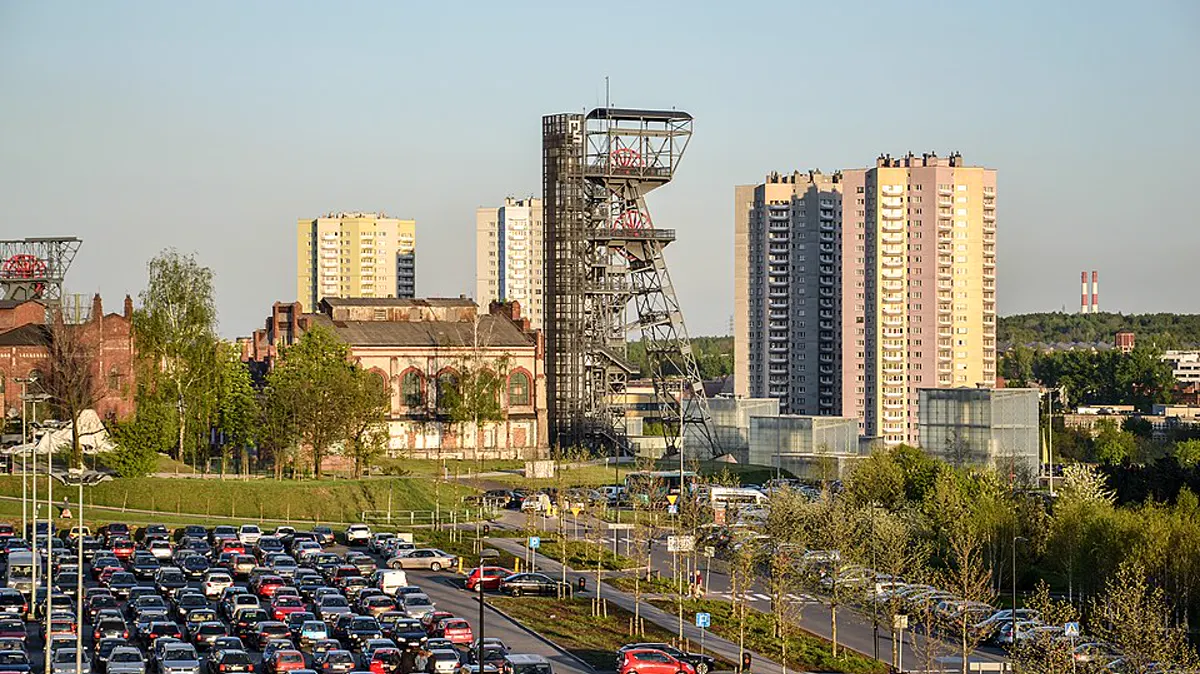
Museum
Silesian Museum
A major regional museum built into the shafts and tunnels of a closed Katowice coal mine, with most of its galleries underground.
Nature
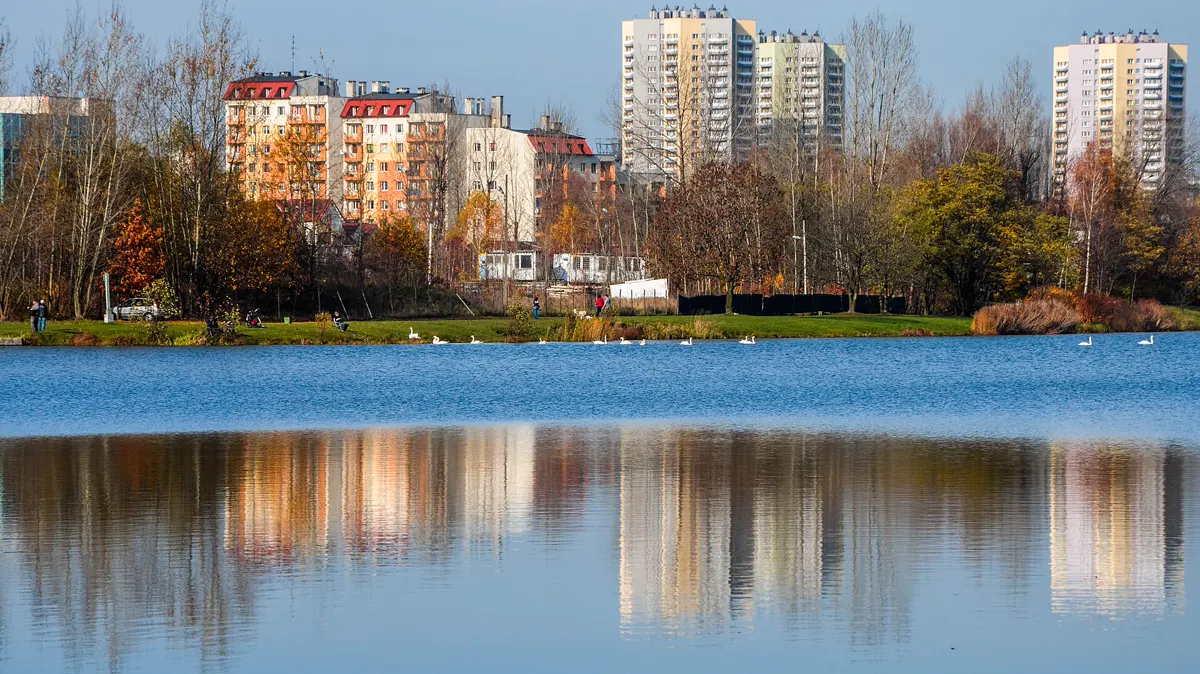
Valley of Three Ponds (Dolina Trzech Stawow)
A large lakeside park in southern Katowice for walking, cycling and water sports, and home to the OFF Festival.
Restaurant
Browar Mariacki
A brewpub on Mariacka Street brewing its own beer in a converted warehouse, with Silesian and grilled dishes alongside.
Restaurant
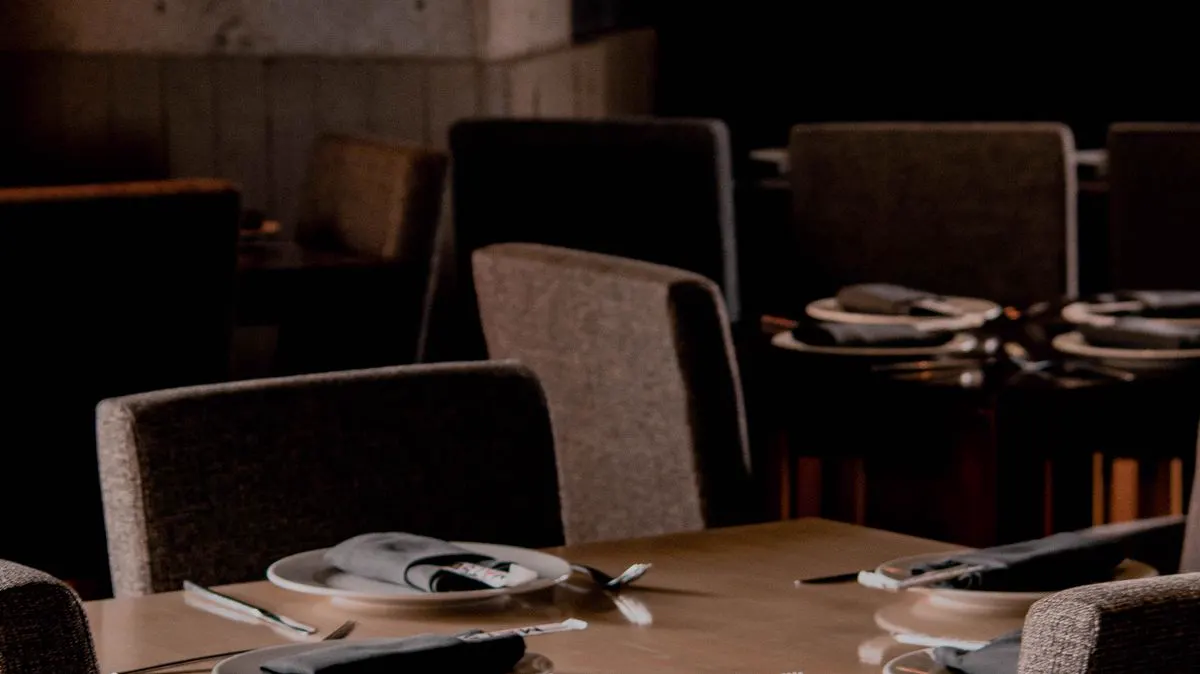
Wspolwinni Katowice
A MICHELIN Guide listed restaurant near the Culture Zone, with a seasonal menu that crosses southern European and modern Polish cooking.
Hotel
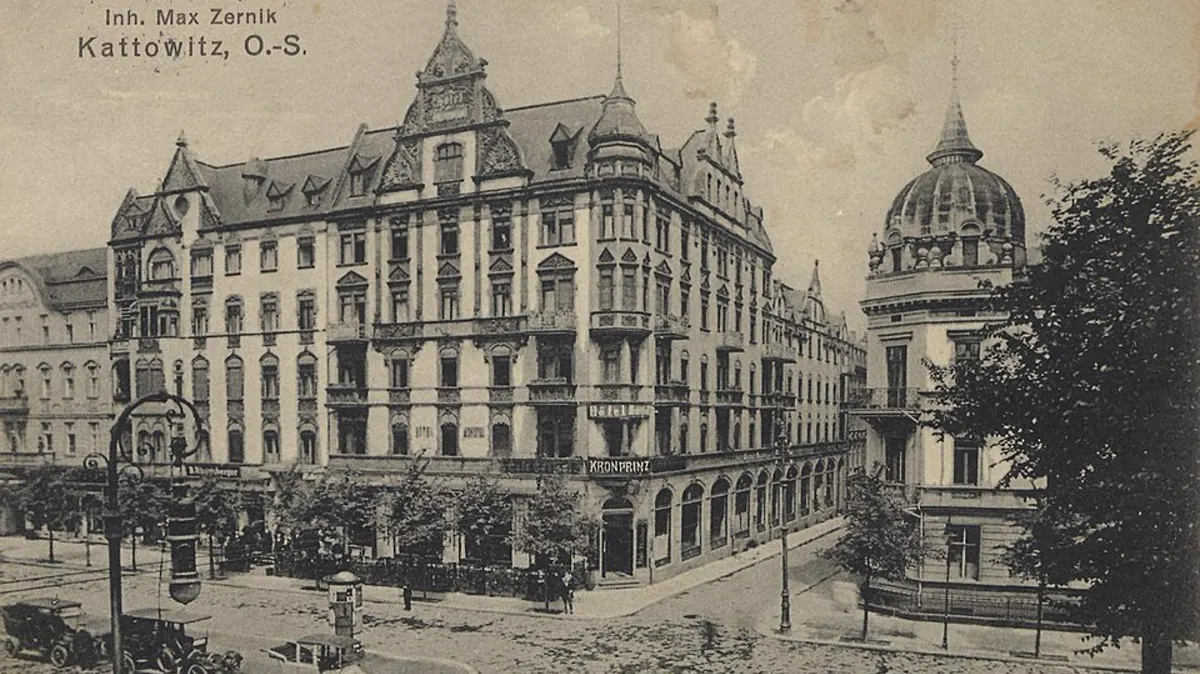
Hotel Monopol Katowice
Katowice's five-star hotel by the station, in a 1903 building with restaurants and a spa with an indoor pool.
Hotel
Vienna House Easy by Wyndham Katowice
A large four-star hotel near the centre with 203 rooms, including apartments with kitchenettes, a short walk from the station.