Attraction in Toruń
Medieval City Gates and Walls
Three surviving medieval gates and stretches of Toruń's original brick town wall line the Vistula, forming part of the UNESCO-listed old town's riverside defences.
Reviewed and updated July 2026
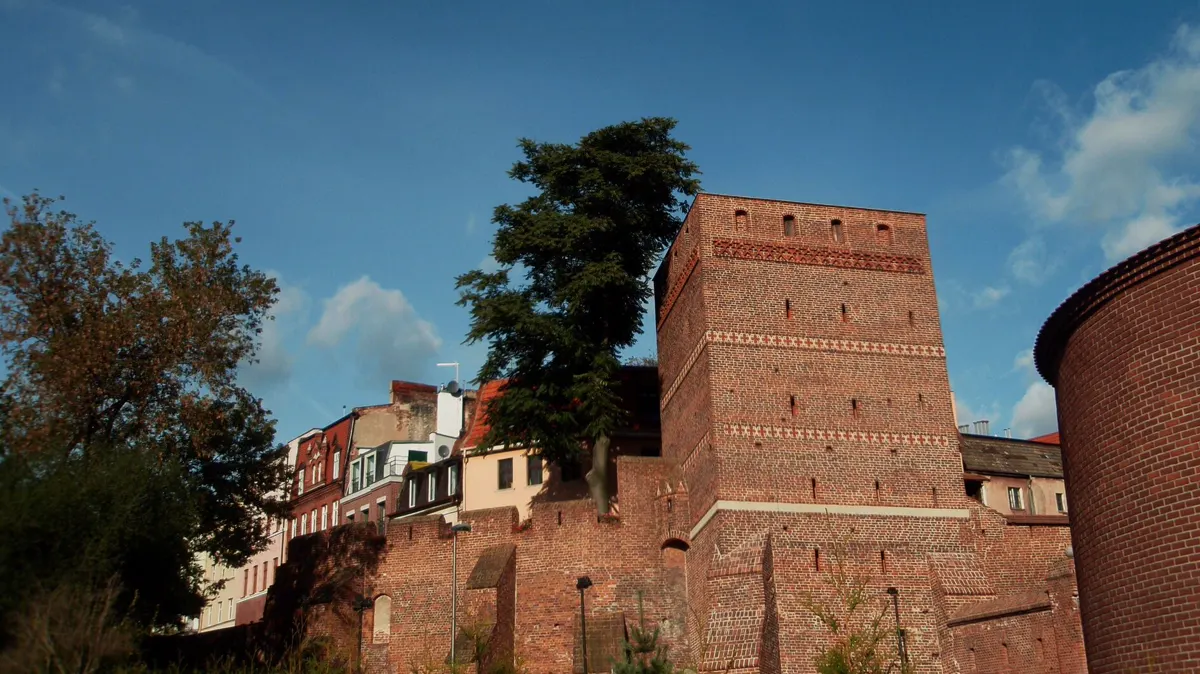
The Medieval City Gates and Walls are the surviving riverside fortifications of Toruń, where three medieval brick gates and long sections of the town's original defensive wall still stand along the Vistula. People come to walk this stretch because it is one of the most complete pieces of medieval military architecture in Poland, and because the gates open directly onto the river that made Toruń a wealthy Hanseatic trading town. The wall, once roughly 3 km long, together with nine towers, forms part of the UNESCO-listed old town.
The three surviving gates
Three of Toruń's medieval gates remain along the river. The Sailors' Gate (Brama Żeglarska) faced the wharves where cargo was loaded onto Vistula barges. The Bridge Gate (Brama Mostowa), built in 1432, was designed with rounded walls to deflect cannon fire, an early response to the spread of gunpowder artillery. The Monastery Gate (Brama Klasztorna), from the mid-14th century, completes the trio. Each opens toward the water, so the easiest way to see all three is to follow the riverside path below the old town.
Walls and towers
The gates are linked by surviving stretches of Toruń's brick town wall, built across the 13th and 14th centuries and originally about 3 km in length. Nine defensive towers punctuate the line, giving a clear sense of how the fortified town was ringed and watched. The rounded design of the Bridge Gate shows how the defences were adapted over time as siege weapons changed. Because the brick is the same reddish Gothic material used across the old town, the walls read as part of a single medieval fabric rather than separate ruins.
Why it matters
These fortifications are one reason Toruń's old town holds UNESCO World Heritage status. The town escaped major wartime destruction, so what stands here is largely the original medieval structure rather than later reconstruction. For visitors interested in how a Hanseatic river port defended itself, the gates and walls are the clearest surviving evidence in the city. They also anchor the old town to the Vistula, showing how trade and defence were built side by side.
Fitting it into a Toruń visit
The gates and walls sit along the Old Town riverside, a short walk below the main market square, so they slot easily into a wider stroll through the centre. Many people combine the riverside walk with the nearby Gothic churches, the Leaning Tower and the old town's Gothic houses, all within a compact area. Set aside time to walk the wall line at a relaxed pace and look back at the town from the river side. For planning the rest of your trip, see our Toruń guide.
Good to know
The gates and walls run along the open riverside and can be seen on foot at any time; check official channels for the opening hours of any gate or tower with interior access.
Frequently asked questions
More attractions in Toruń
Torun Old Town
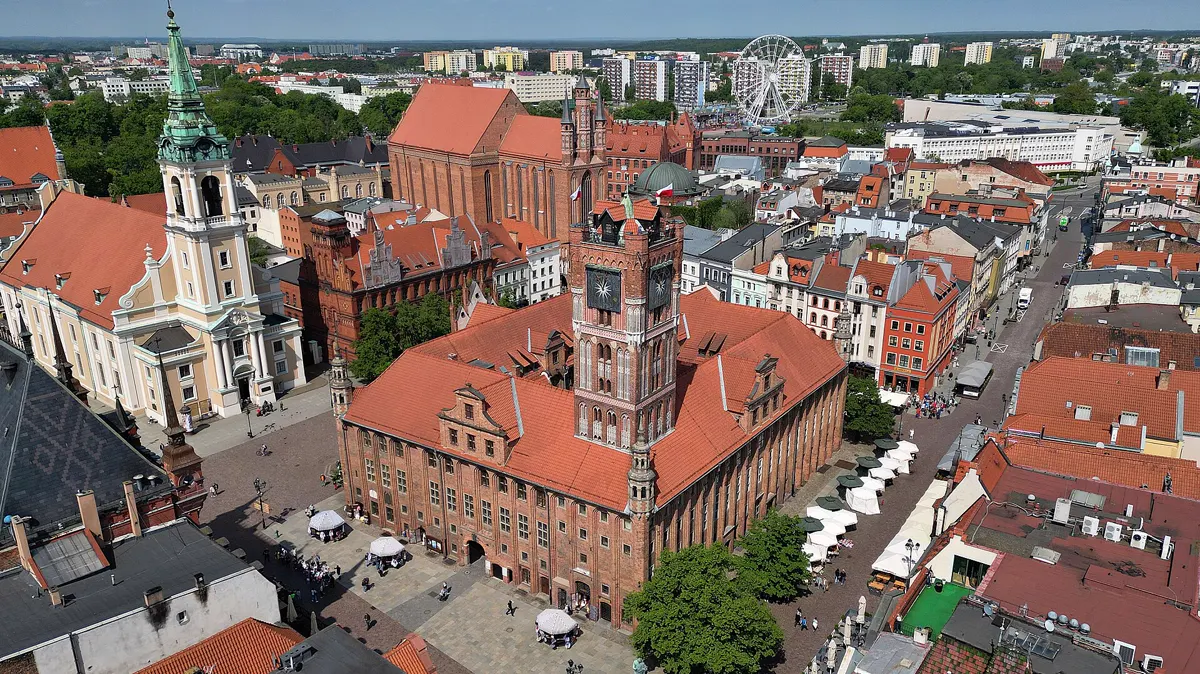
A genuine, war-survived medieval centre of brick Gothic churches, granaries and gabled houses around the Old Town Market Square.
Ratusz Staromiejski
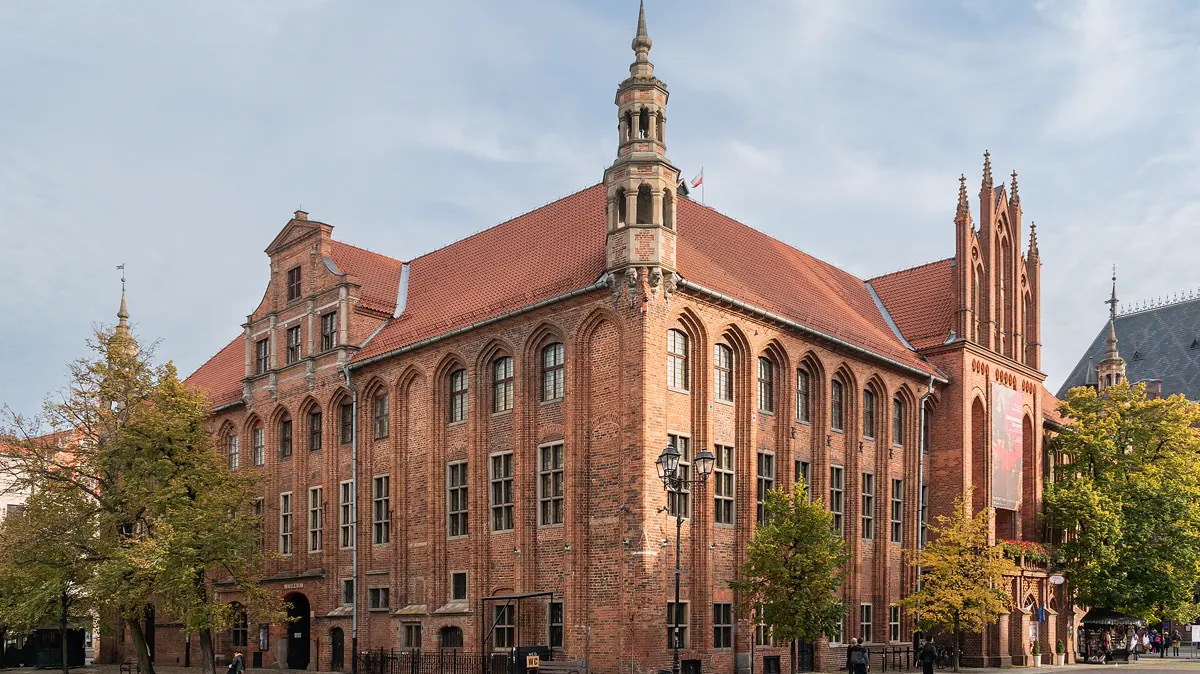
One of the finest municipal Gothic buildings in Central Europe, the Old Town Hall dates from the late 14th century and now houses the District Museum. Its tall tower offers sweeping views over the red-roofed old town and the Vistula.
Dom Kopernika
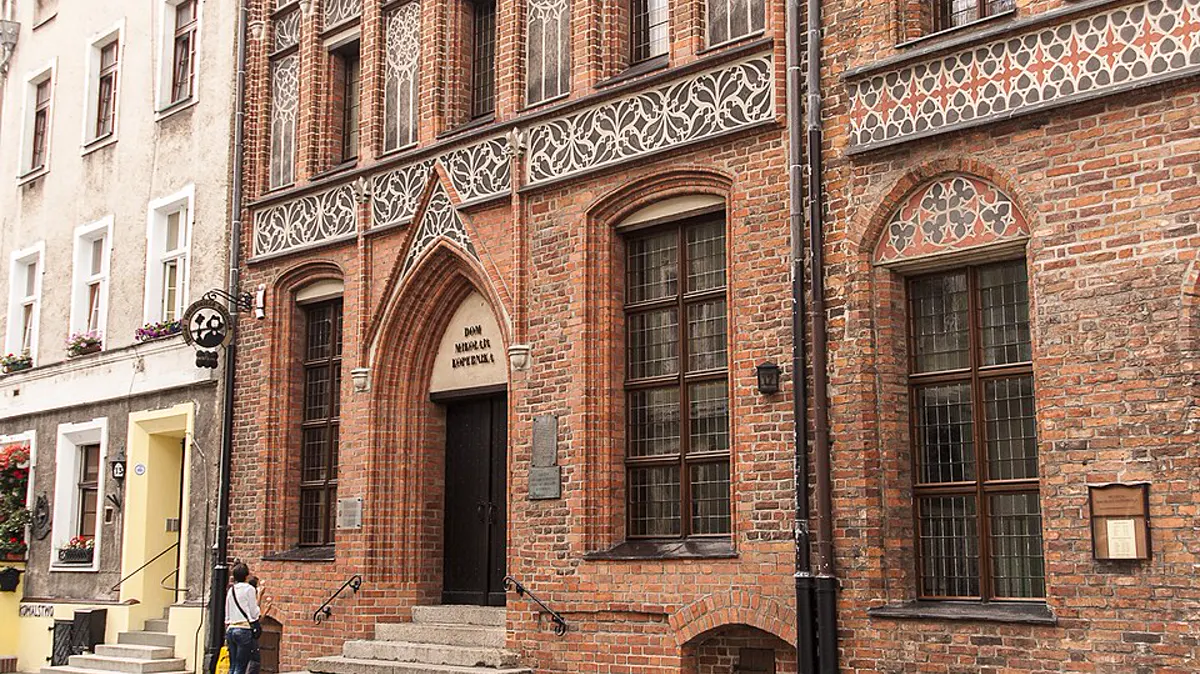
A pair of Gothic burgher houses believed to be the birthplace of Nicolaus Copernicus in 1473, now a museum devoted to the astronomer's life and era. Exhibits recreate a 15th-century merchant household and display period instruments.
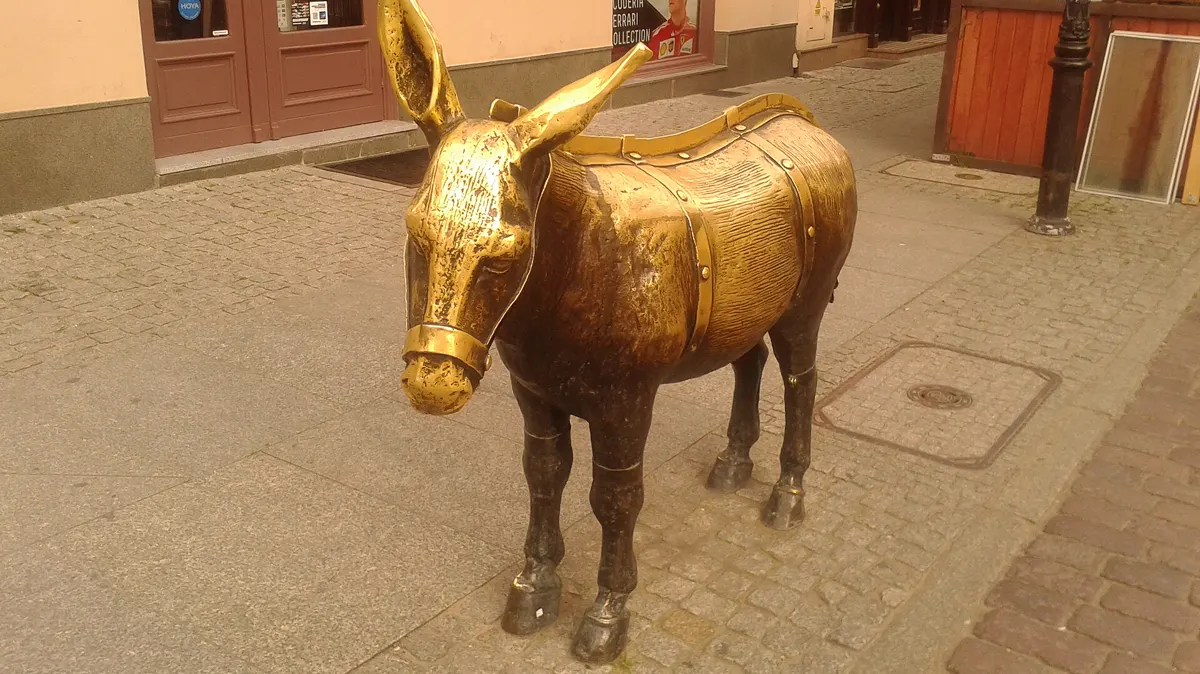
Donkey Statue (Pomnik Osła)
A small metal donkey on Toruń's Old Town Market Square that recalls a real medieval punishment, now a lighthearted photo stop beside the Copernicus monument.
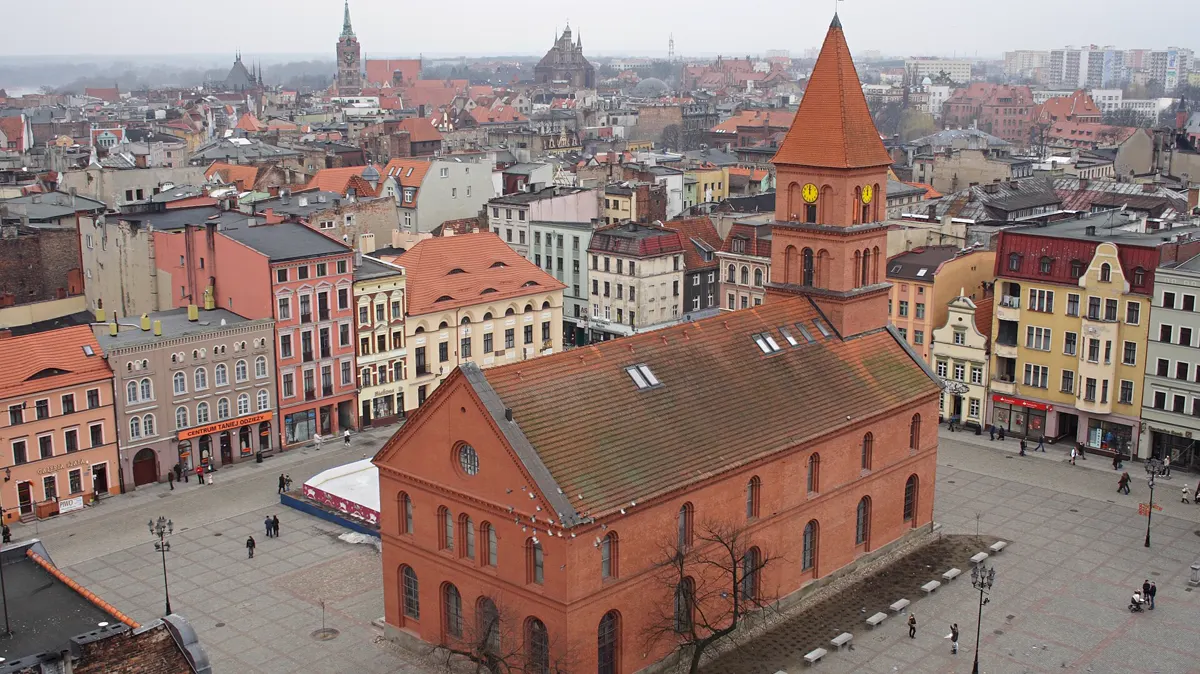
New Town Market Square (Rynek Nowomiejski)
The central square of Toruń's medieval New Town, ringed by colourful Gothic, Baroque and Art Nouveau townhouses and much quieter than the famous Old Town square nearby.
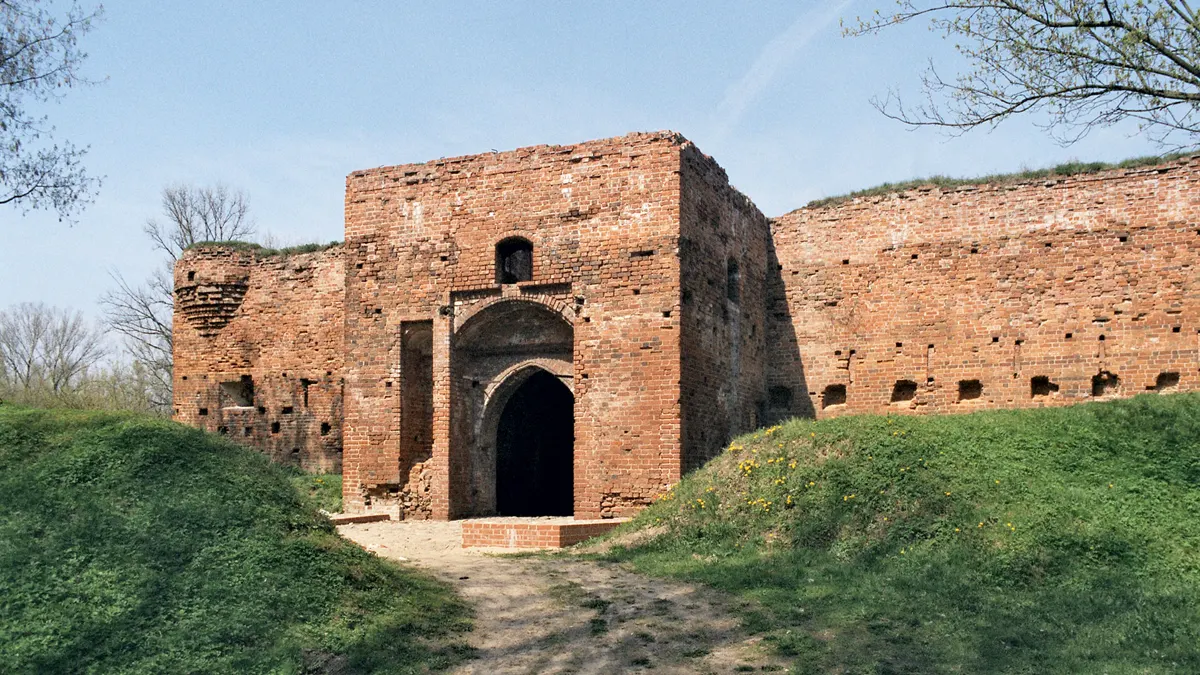
Dybów Castle Ruins
The brick ruins of a 15th-century royal castle on the far bank of the Vistula from Toruń's Old Town, freely open to walk through, with views back across the river to the city skyline.
More to explore in Toruń
Restaurant
Manekin
A local legend for enormous sweet and savoury pancakes at gentle prices.

Hotel
1231 Hotel
A design hotel inside a 13th-century mill by the moat, with a spa and a well-regarded restaurant.
Restaurant
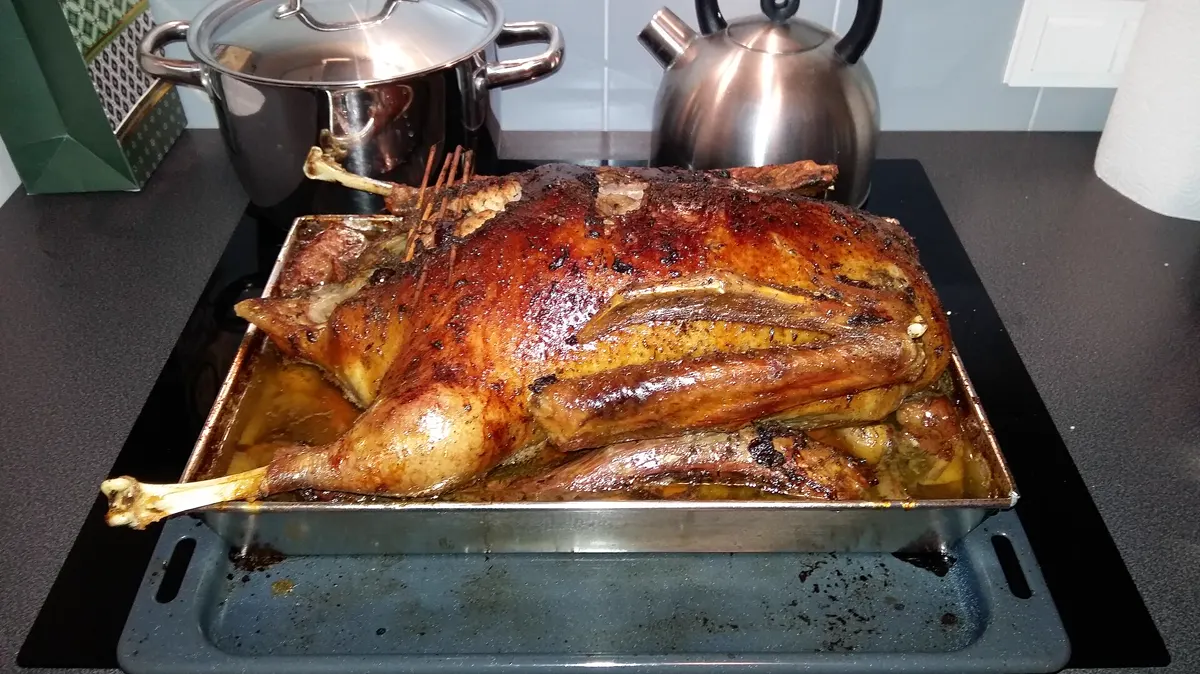
Karczma Gesia Szyja
A rustic inn in the old town leaning into goose and other regional specialities.
Hotel
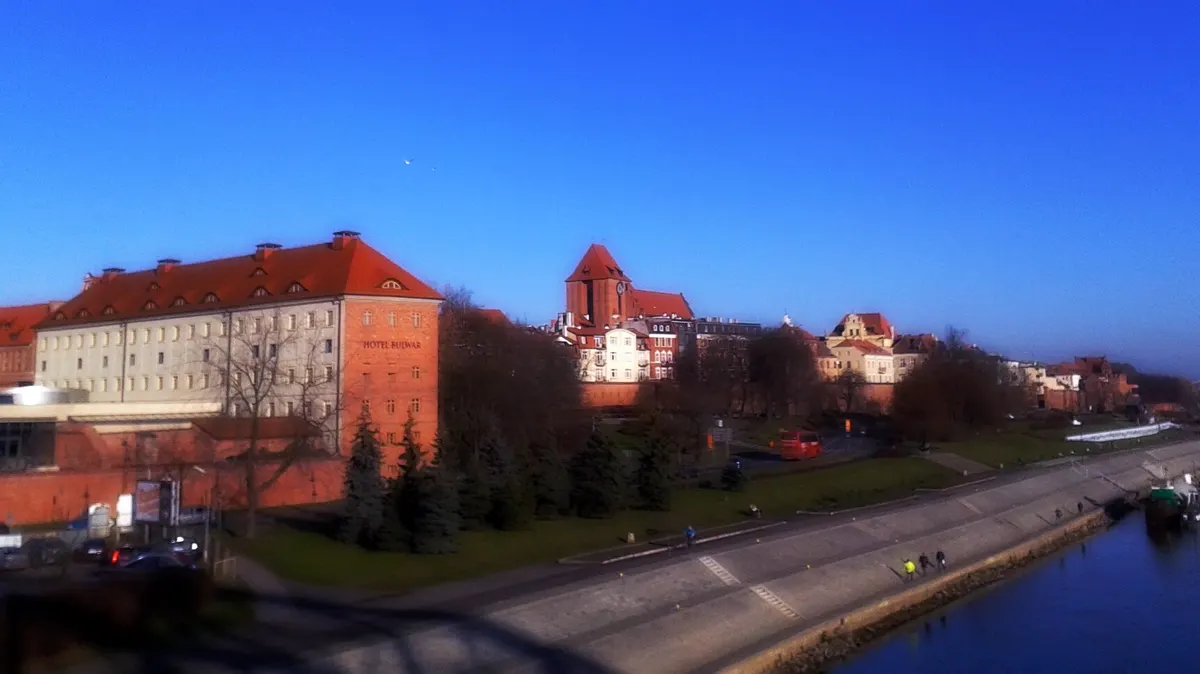
Hotel Bulwar
A comfortable hotel on the Vistula boulevard with the best gingerbread-skyline views.

Restaurant
Oberza
A homely spot near the Rynek with a strong meat-free selection of pierogi, soups, and Polish plates alongside the classics.
Nature
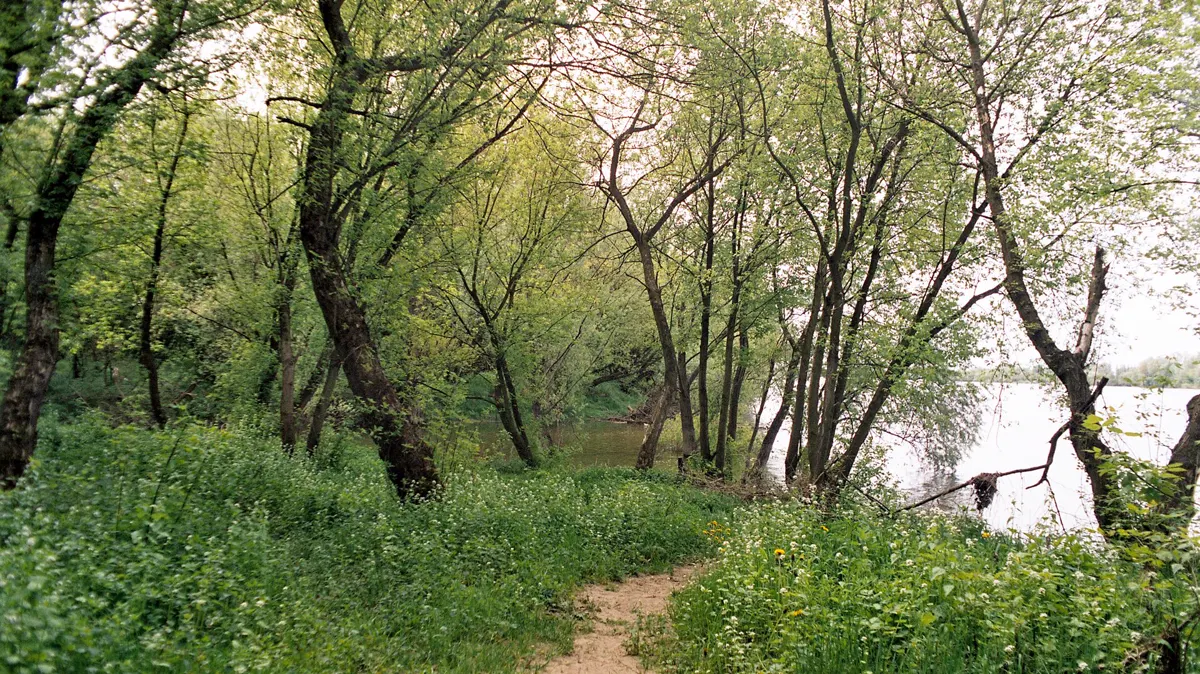
Kepa Bazarowa
A wooded island opposite the old town, with the postcard panorama from its far bank.