Attraction in Kazimierz Dolny
Church of St Anne and the Holy Ghost
A small stone hospital church on Lubelska Street in Kazimierz Dolny, built in the Lublin Renaissance style and consecrated in 1671.
Reviewed and updated July 2026
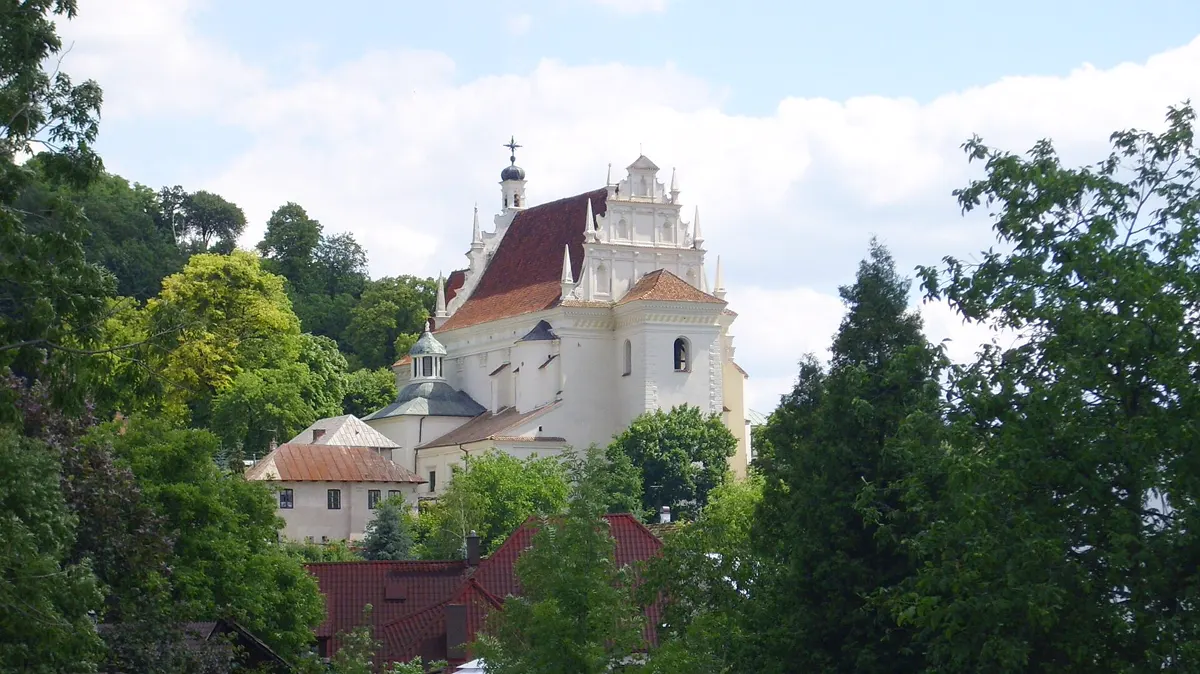
The Church of St Anne and the Holy Ghost is a small stone hospital church on Lubelska Street in Kazimierz Dolny, built in the Lublin Renaissance style and worth a short stop for its modest single-nave form and its place on the regional architectural trail. Begun in stone around 1649, its construction was halted by the Swedish invasion known as the Deluge, and it was finally completed and consecrated in 1671. It rewards visitors who want to see the town's less obvious historic architecture rather than only its main market square landmarks.
What to look for at the church
The building follows a simple plan typical of the Lublin Renaissance: a single rectangular nave joined to a narrower semicircular presbytery. Because it was raised as a hospital church, its scale is intimate rather than grand, and the interest lies in the regional style rather than in size or elaborate ornament. Beside the church stands the former hospital building, which survives and was later adapted for other uses, so the two structures can be read together as a small historic complex.
A church shaped by the Deluge
Work on the stone church began around 1649, but the Swedish invasion of the mid-1650s (the period Poles call the Deluge) interrupted construction before it could be finished. The building was only completed and consecrated in 1671, roughly two decades after it was started. That long gap is part of the church's story and reflects the wider disruption the Deluge brought to towns like Kazimierz Dolny.
The Lublin Renaissance trail
The church sits on the regional Lublin Renaissance architectural trail, a route linking buildings that share this distinctive local style found across the Lublin region. For travellers interested in architecture, it makes a natural addition to that itinerary rather than a standalone destination. The surviving former hospital next door, later adapted into a cultural centre and library, adds a second layer of local history to the same spot.
Fitting it into a Kazimierz Dolny visit
Lubelska Street runs close to the town centre, so the church is easy to add to a wider walk around Kazimierz Dolny without a long detour. It suits visitors who like to seek out quieter historic corners between the better-known sights, and it pairs well with the town's other churches and the market square. For planning the rest of your trip, see our Kazimierz Dolny guide.
Good to know
As a small working church rather than a formal tourist attraction, opening times can be limited, so check locally or with the parish before planning a visit inside.
Frequently asked questions
More attractions in Kazimierz Dolny
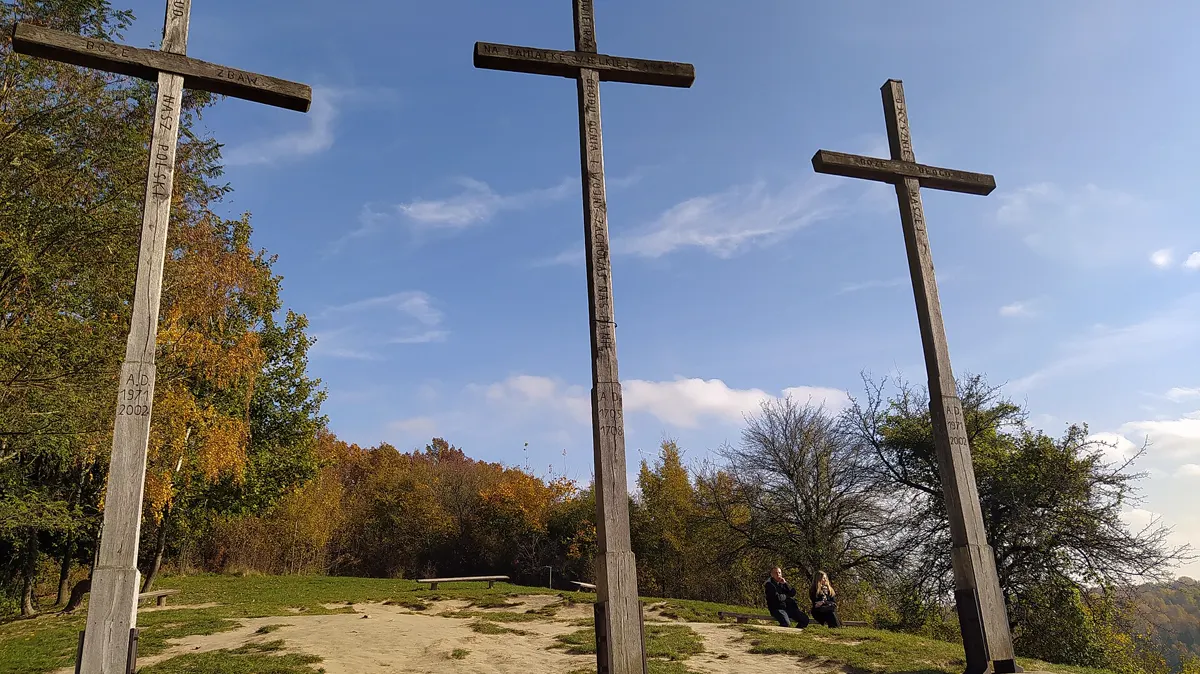
Three Crosses Mountain (Gora Trzech Krzyzy)
A short climb to three hilltop crosses raised after a 1708 plague, with the best wide view over the town and the Vistula bend.
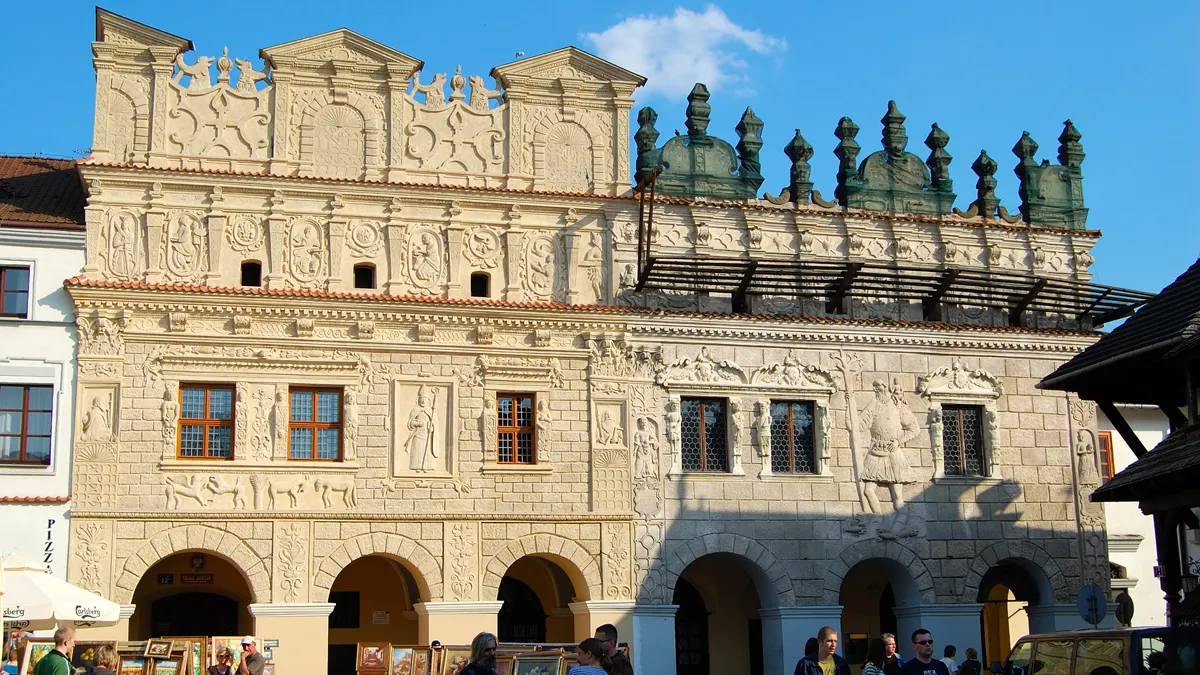
Przybyla Houses on the Market Square
Two richly carved Renaissance merchant houses of about 1615, whose facades of saints dominate the market square.
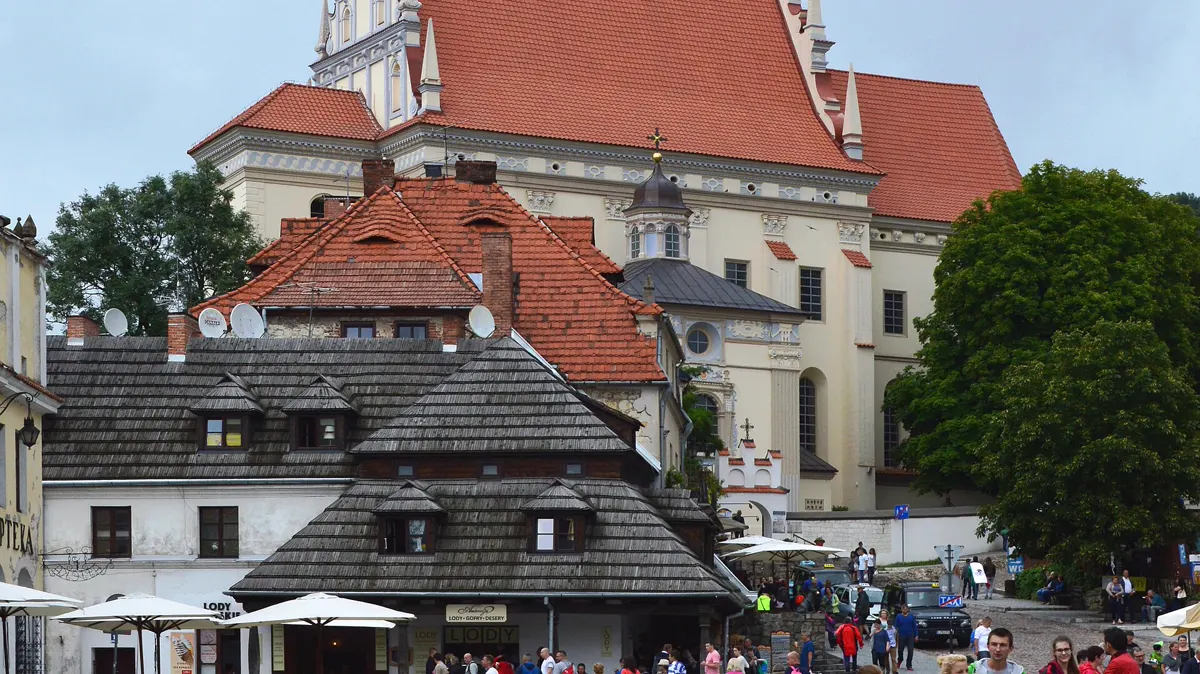
Parish Church of St John the Baptist and St Bartholomew (Fara)
The town's white-fronted parish church, rebuilt in the 1610s, home to one of Poland's oldest preserved organs.
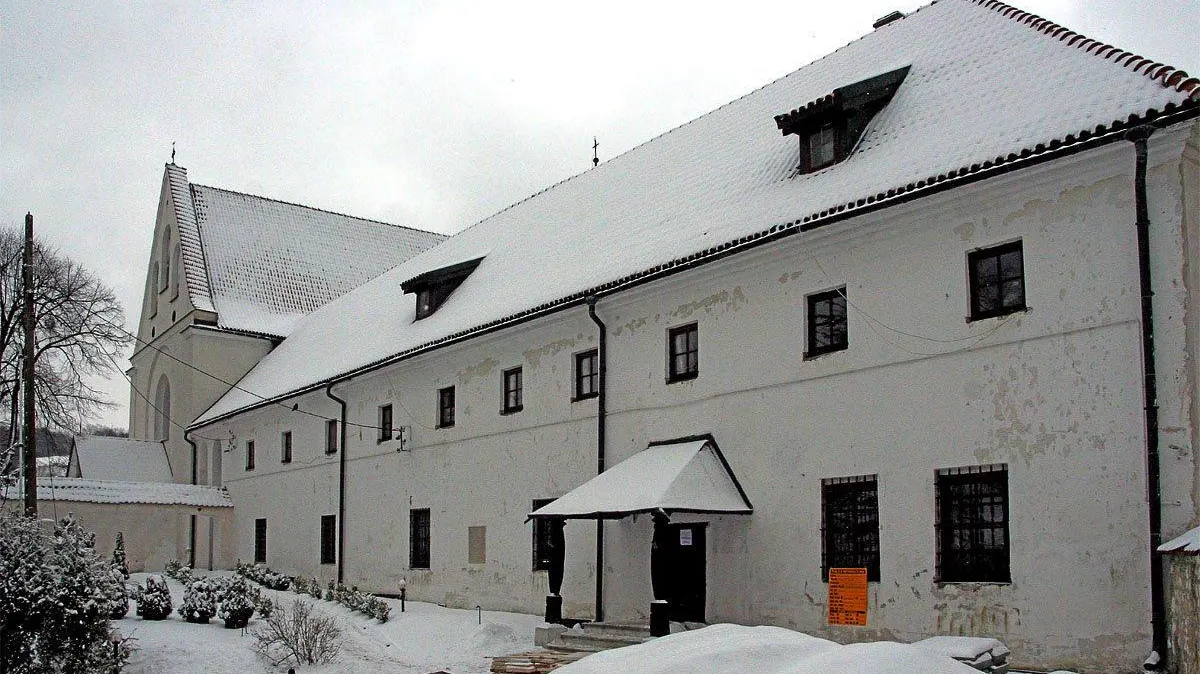
Reformed Franciscan Church and Monastery
A Baroque church and working Franciscan monastery set on a hill above Kazimierz Dolny, reached by a terraced path with a wide view over the town and the Vistula valley.
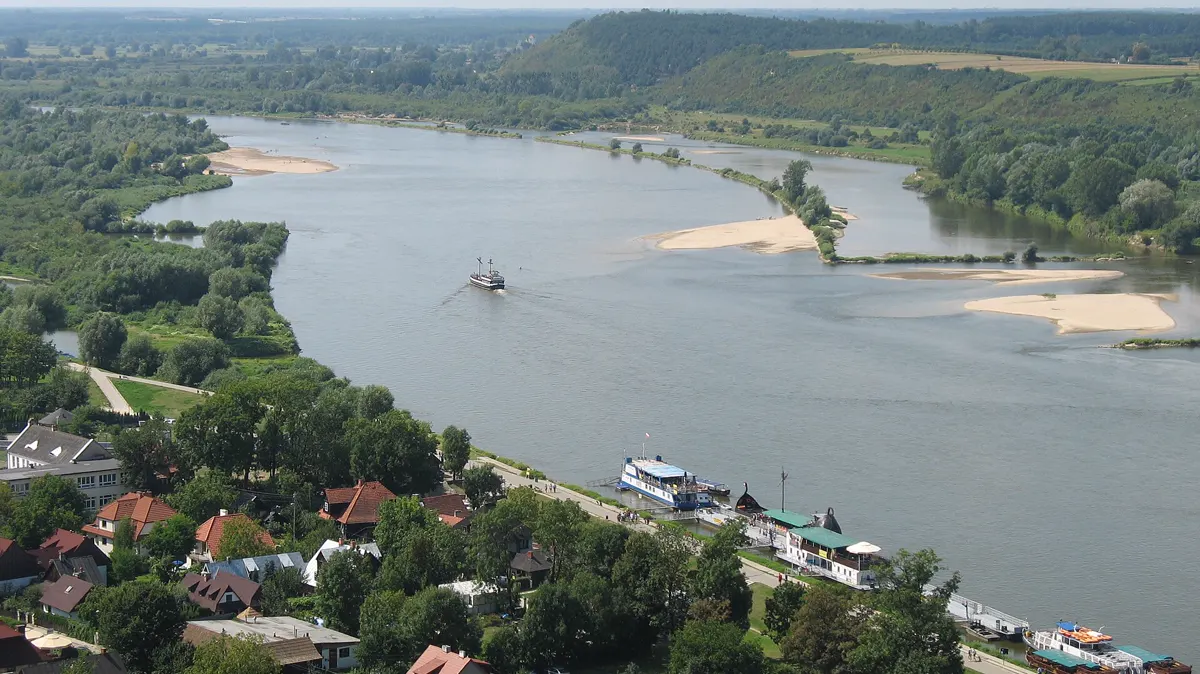
Vistula Boulevard (Riverside Promenade)
A riverside promenade along the Vistula in Kazimierz Dolny, popular for a walk with views across to the ruins of Janowiec Castle and a place to catch cruises or the car ferry.
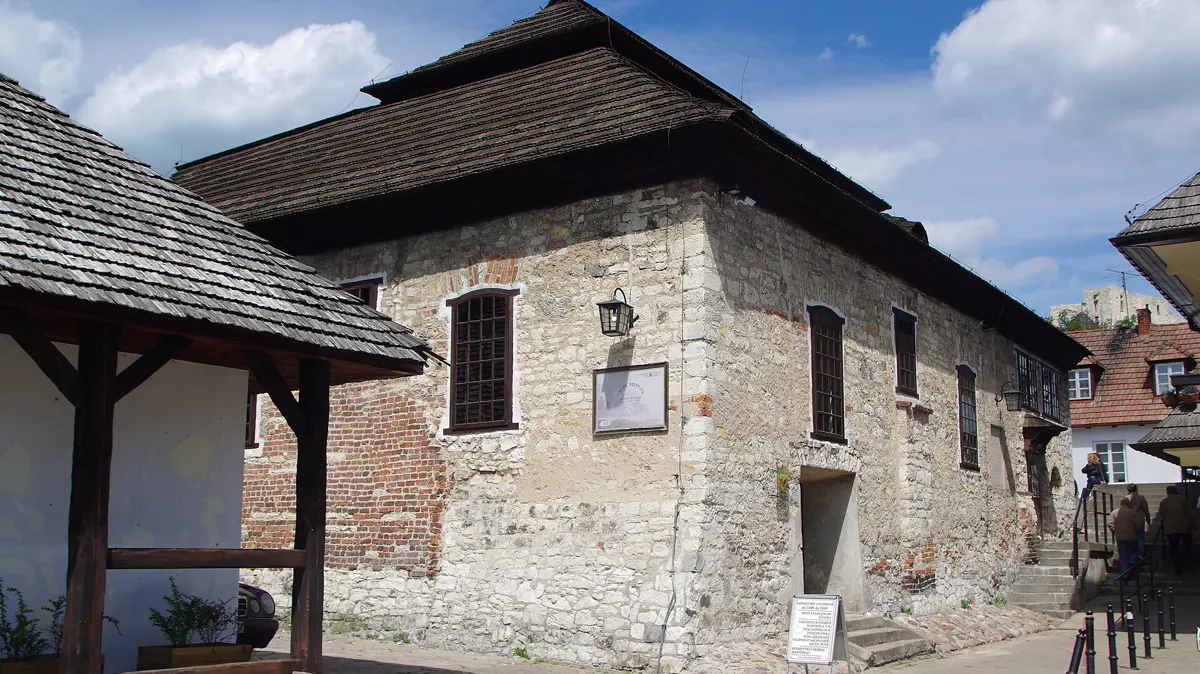
Former Synagogue (Synagoga), Kazimierz Dolny
An 18th-century limestone synagogue on Lubelska Street that was once the centre of Jewish life in Kazimierz Dolny and now houses a small exhibition on the town's Jewish past.
More to explore in Kazimierz Dolny
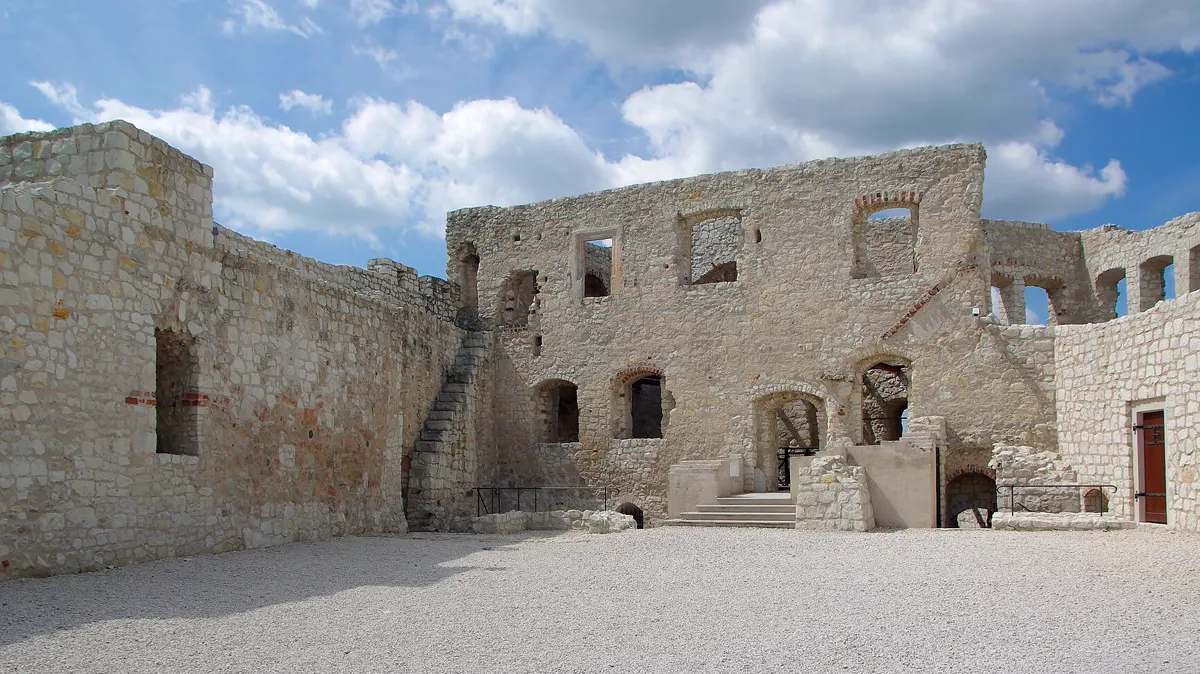
Castle
Kazimierz Dolny Castle and Tower
The limestone ruins of a 14th-century royal castle and an older hilltop tower that once watched over the Vistula ferry crossing.
Nature
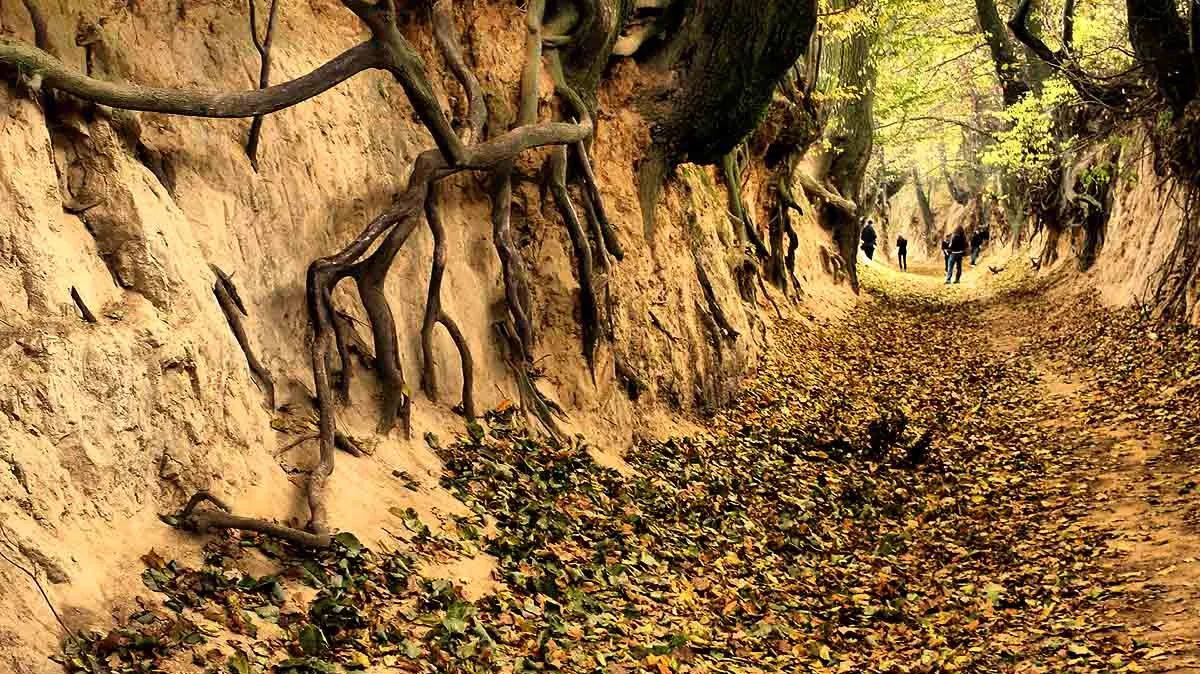
Korzeniowy Dol Gorge
A steep-walled loess ravine near the town where ancient tree roots twist out of the earthen banks along an easy path.
Museum
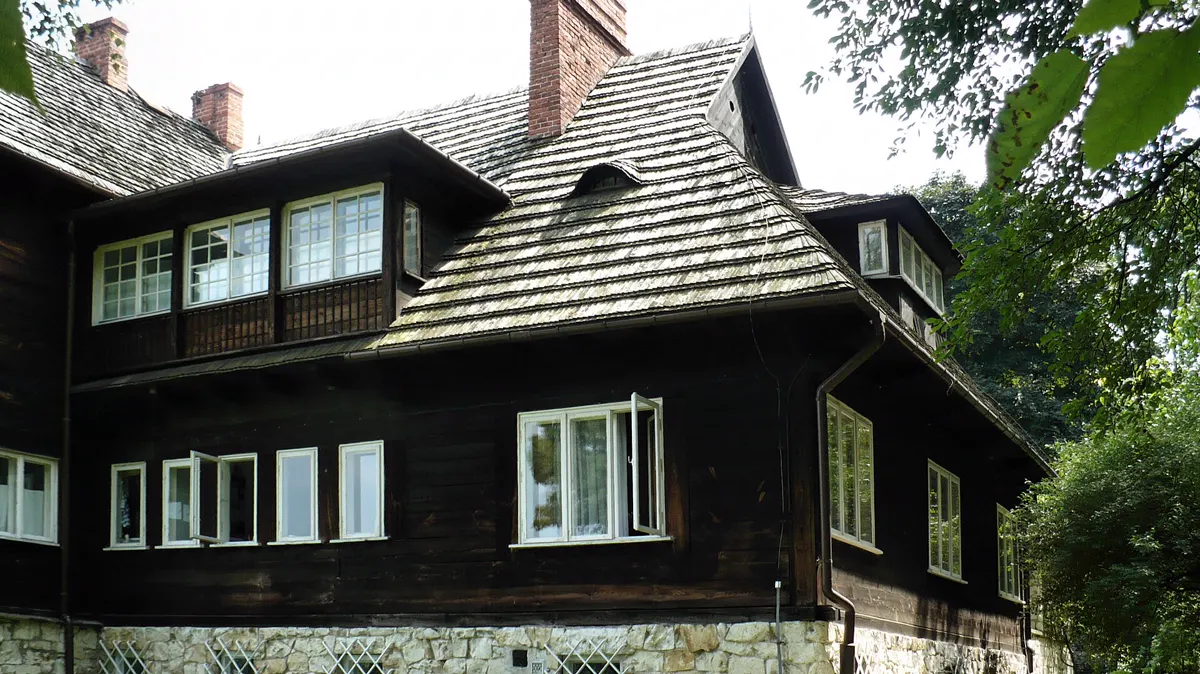
Kuncewicz House (Dom Kuncewiczow)
The preserved 1930s villa of writer Maria Kuncewiczowa, kept with its original furnishings as a literary house museum.

Restaurant
Piekarnia Sarzynski
The bakery that made the Kazimierz rooster its symbol, hand-shaping and baking the sweet yeast pastry daily.
Restaurant
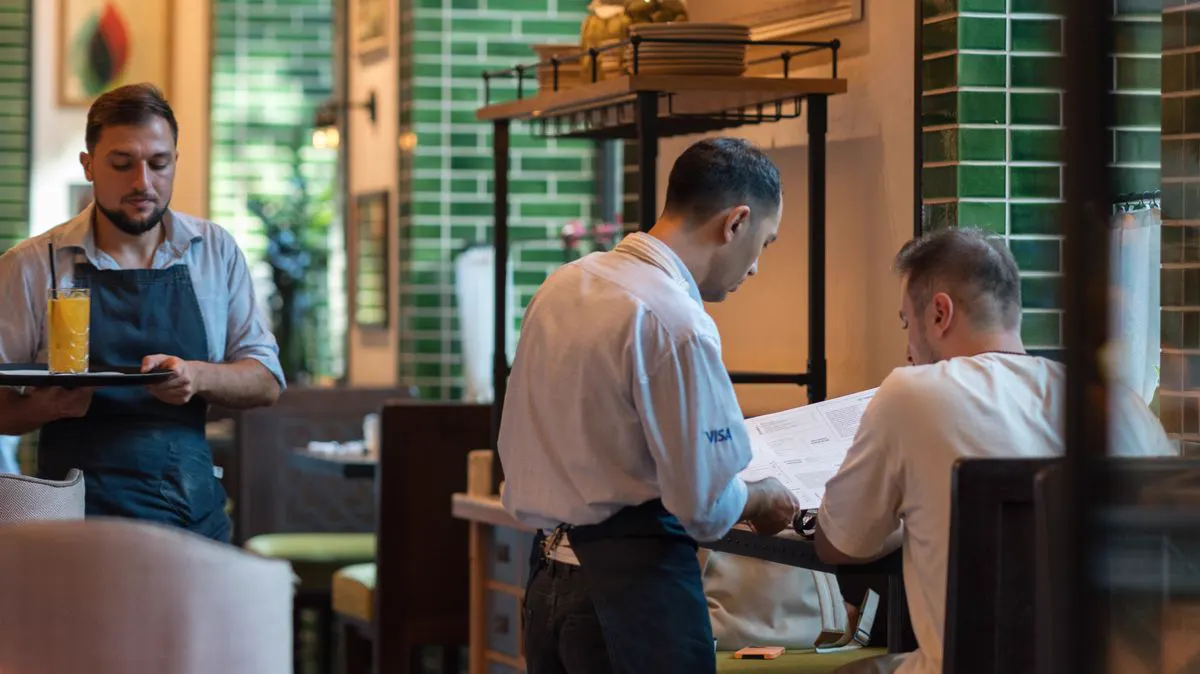
Herbaciarnia u Dziwisza
An antique-filled tea room and gallery pouring a long list of teas alongside homemade cakes.
Hotel
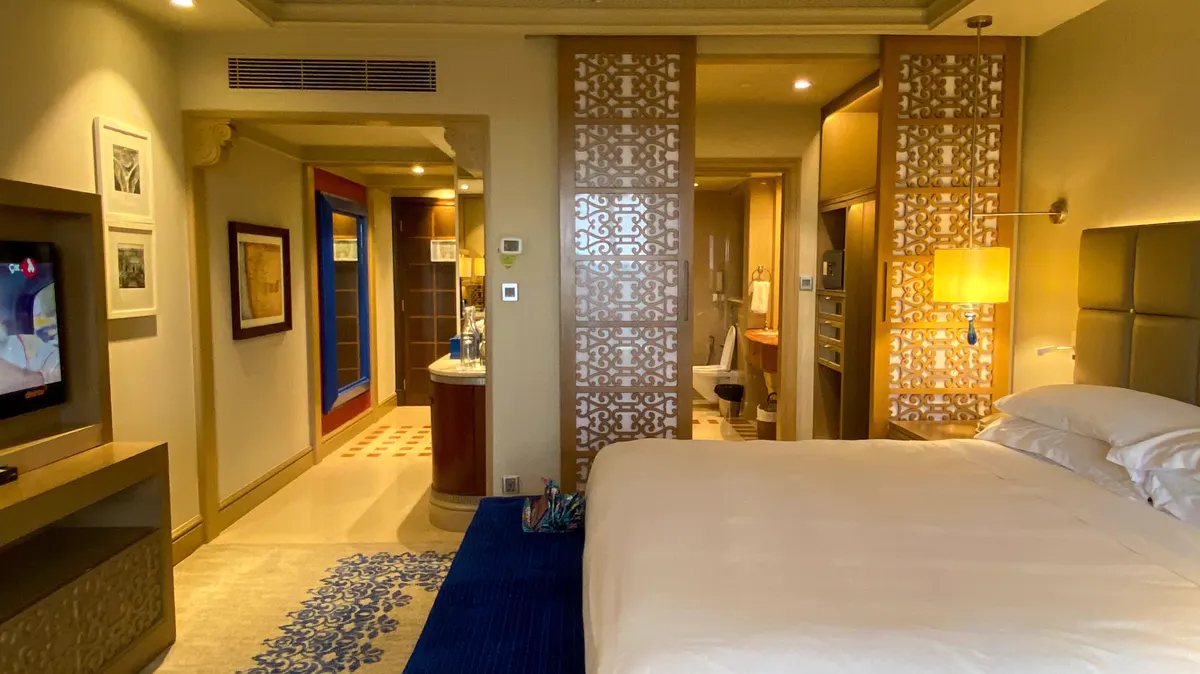
Krol Kazimierz Hotel & SPA
A large riverside spa hotel set inside a converted 17th-century grain warehouse, with a pool and sauna complex.