Attractions
Attractions in Poland
The sights worth building a day around.
Poland's attractions run from the medieval market squares of Krakow and Wroclaw to the Wieliczka Salt Mine, the memorial at Auschwitz-Birkenau and the Teutonic castle at Malbork. Each page below covers what the place is, how long to spend and how to get there, grouped by city.
All Attractions in Poland
Wrocław
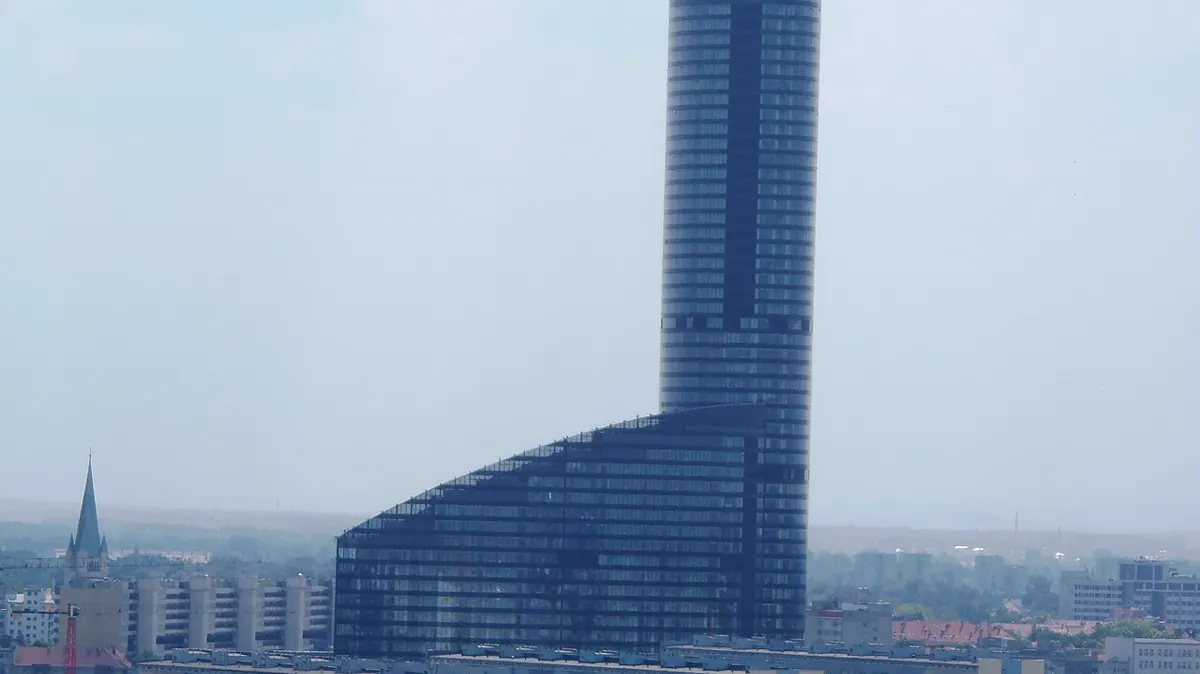
Sky Tower
Sky Tower is Wrocław's tallest building, rising about 212 metres, with an observation deck that opens up panoramic views across the city, the Oder River and the plains beyond.
Zakopane
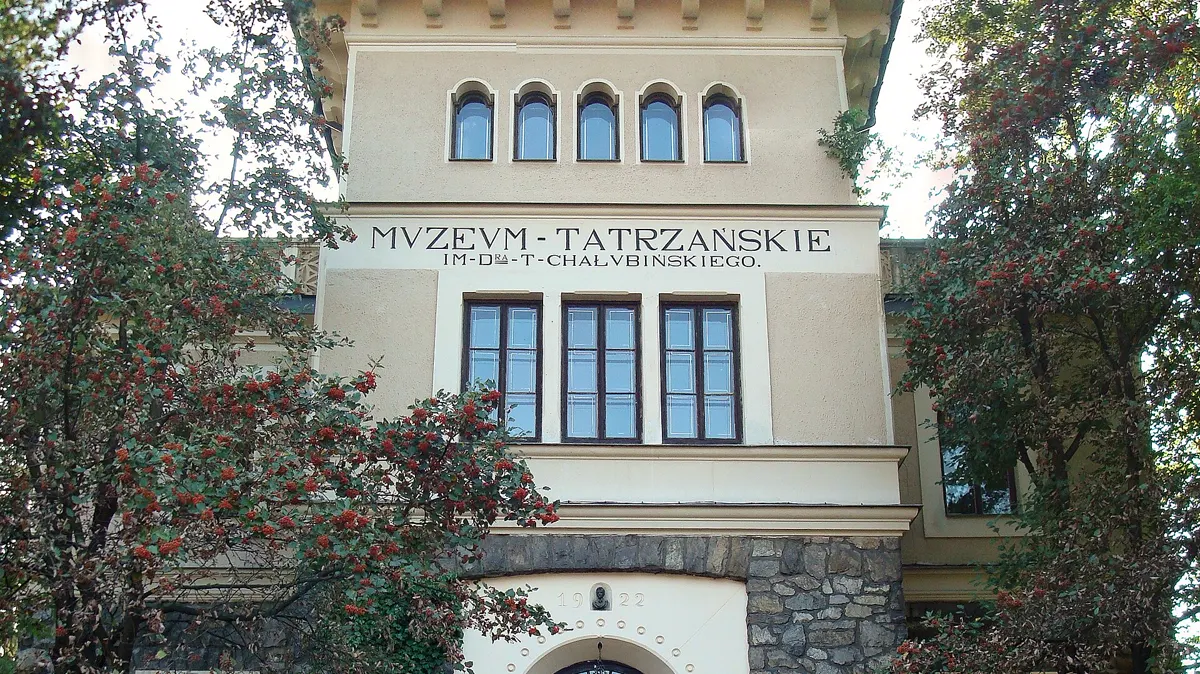
Tatra Museum (Main Building), Zakopane
The Tatra Museum on Krupówki Street is the oldest and largest museum in the Podhale region, with permanent displays on the history, ethnography and natural history of the Tatras. Its purpose-built home is a listed example of the Zakopane Style.
Zamość
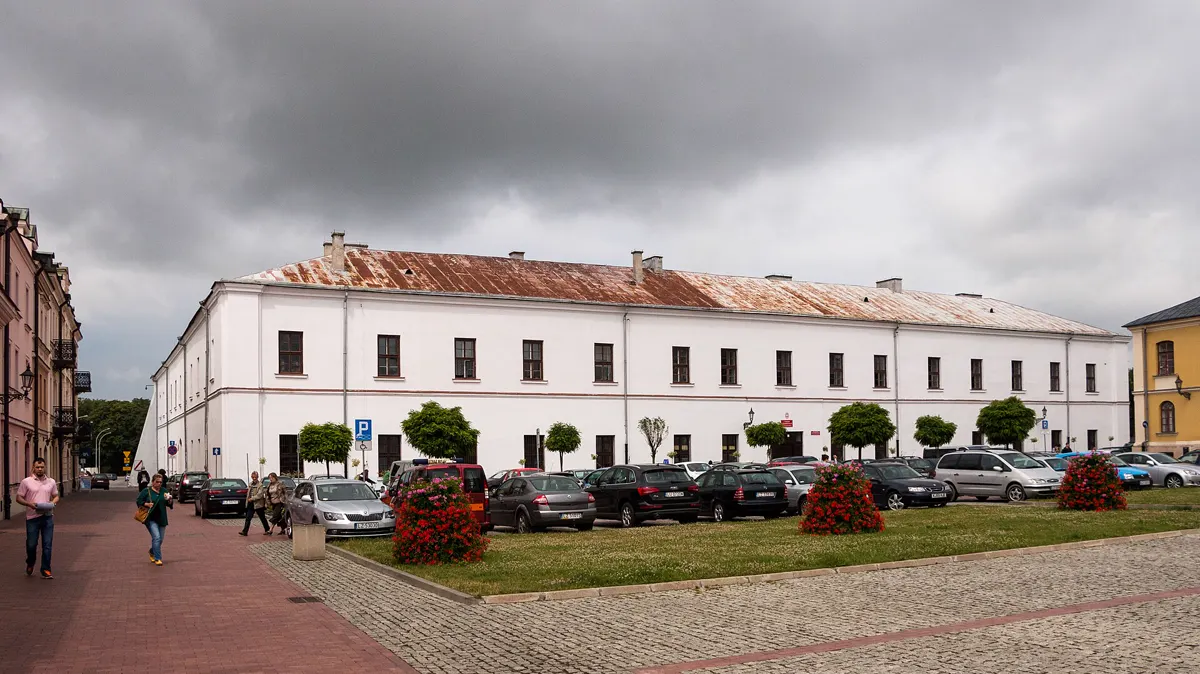
Zamoyski Academy
The Zamoyski Academy was Poland's first private university, founded in 1594 by Crown Chancellor Jan Zamoyski. Its restored late-Baroque building stands in Zamość Old Town and now houses a high school.
Białowieża
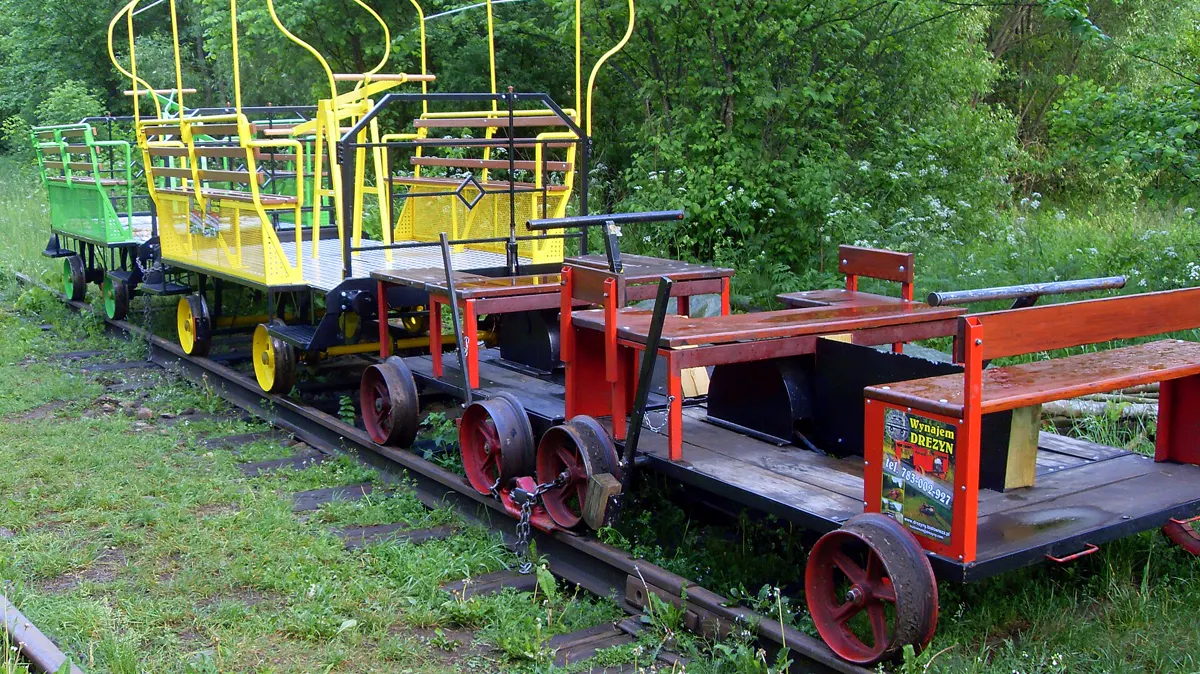
Białowieża Handcars (Draisines)
Hand-powered railway trolleys that visitors pedal along a disused line running towards Białowieża, passing through forest and meadow. Groups power the cars themselves, making it a hands-on activity for families.
Częstochowa
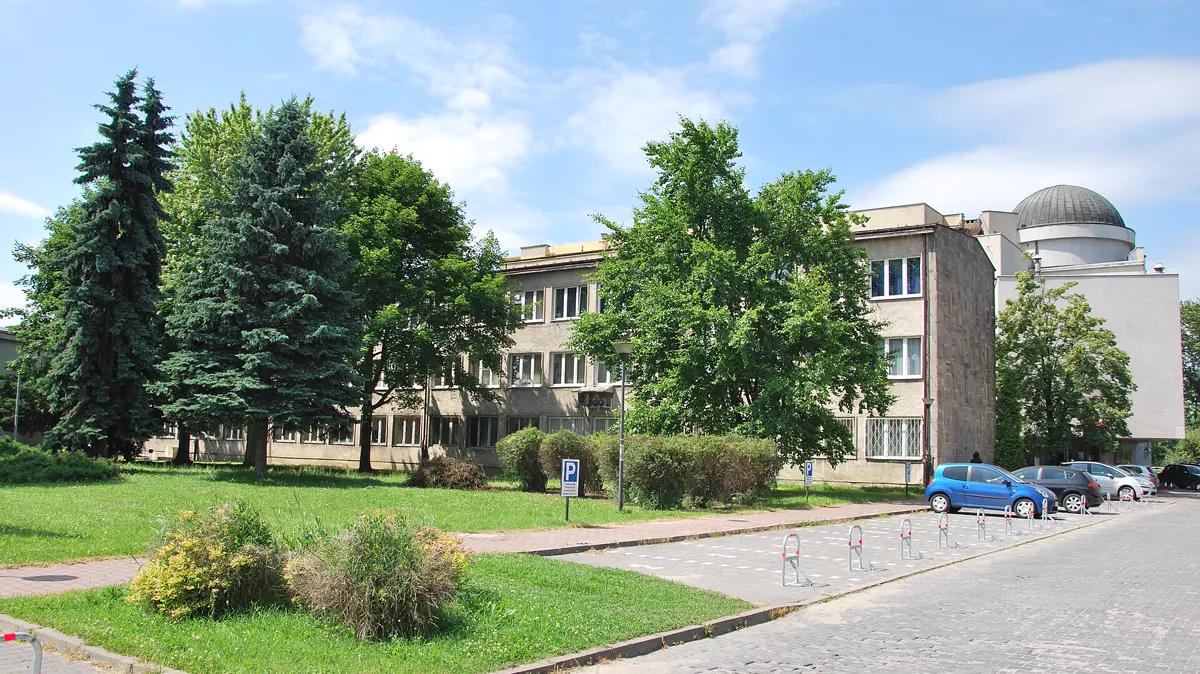
Częstochowa Planetarium
A university-run planetarium in Częstochowa where a domed spherical cinema projects simulated night skies and astronomical phenomena for public audiences.
Gdańsk
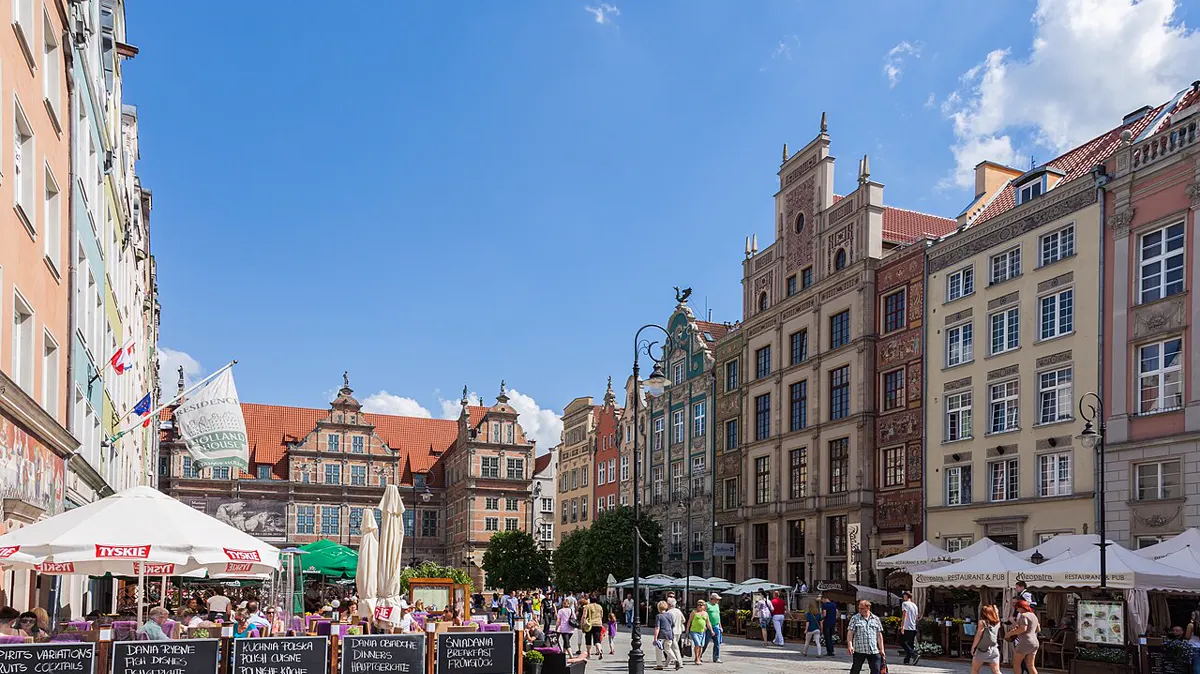
Green Gate (Zielona Brama)
The Green Gate is a Renaissance gateway from the 1560s that closes the eastern end of Gdansk's Long Market where it meets the Motlawa River, now home to a branch of the National Museum in Gdansk and a photography gallery.
Katowice
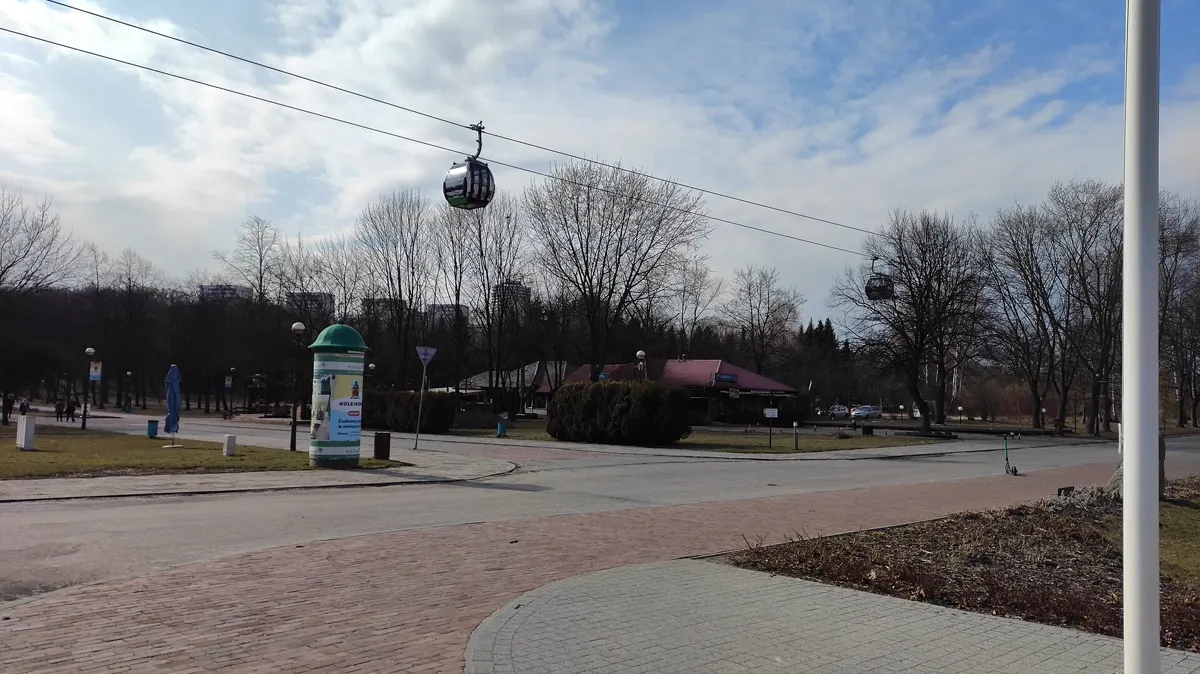
Silesian Park (Park Śląski)
Silesian Park is one of Europe's largest urban parks, spread over roughly 535 to 620 hectares on the Katowice-Chorzów border, with a zoo, planetarium, cable car and open-air museum inside its grounds.
Kazimierz Dolny
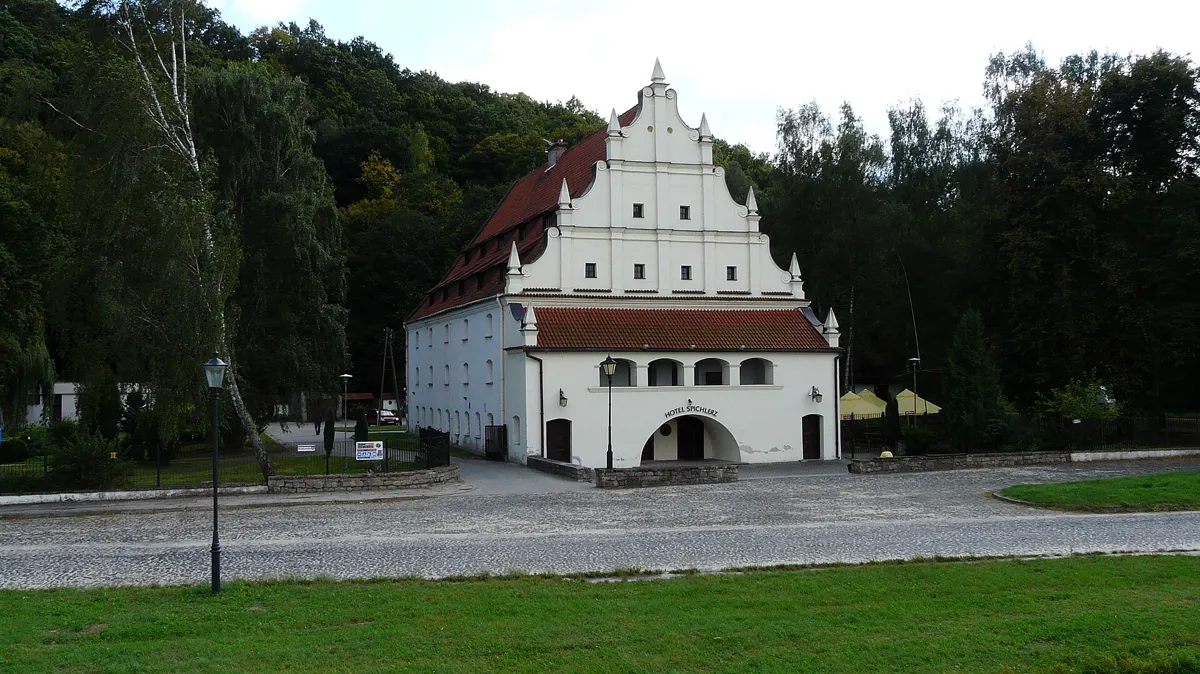
Granaries of Kazimierz Dolny
Tall Renaissance and Mannerist grain warehouses built in the 16th and 17th centuries, standing along the Vistula as a record of Kazimierz Dolny's years as a river trading port.
Kraków
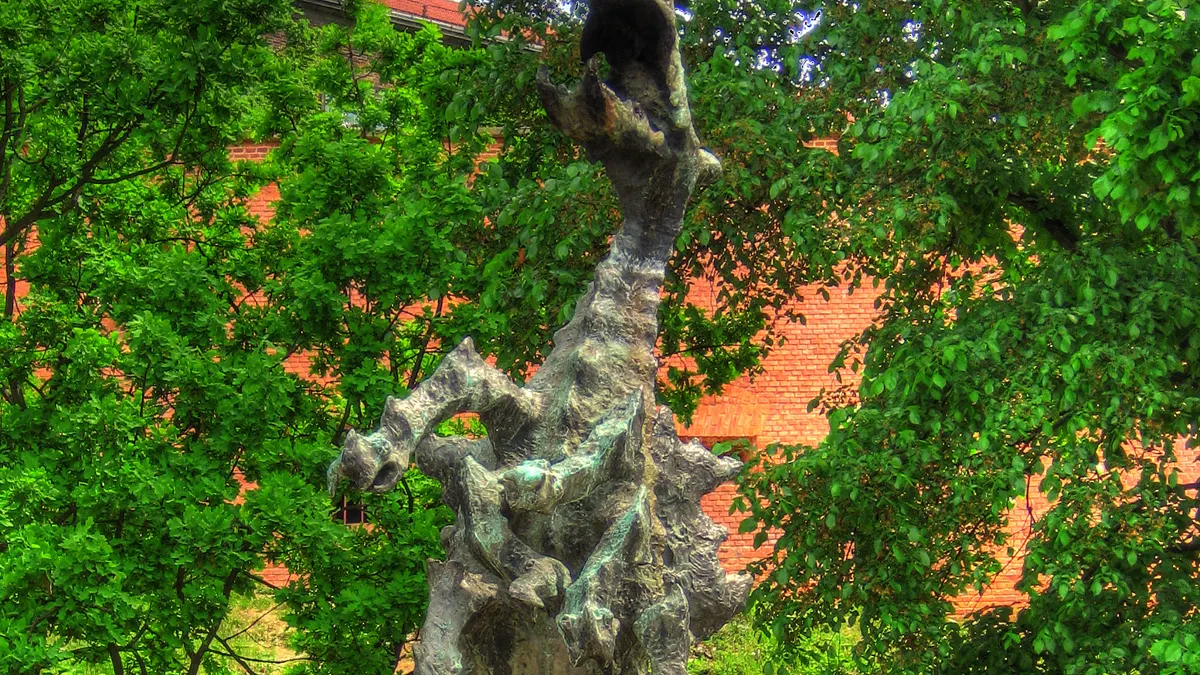
Wawel Dragon Statue and Dragon's Den
A 6-metre bronze dragon at the foot of Wawel Hill that breathes real fire, standing beside the entrance to the Dragon's Den, a limestone cave beneath the castle.
Łódź
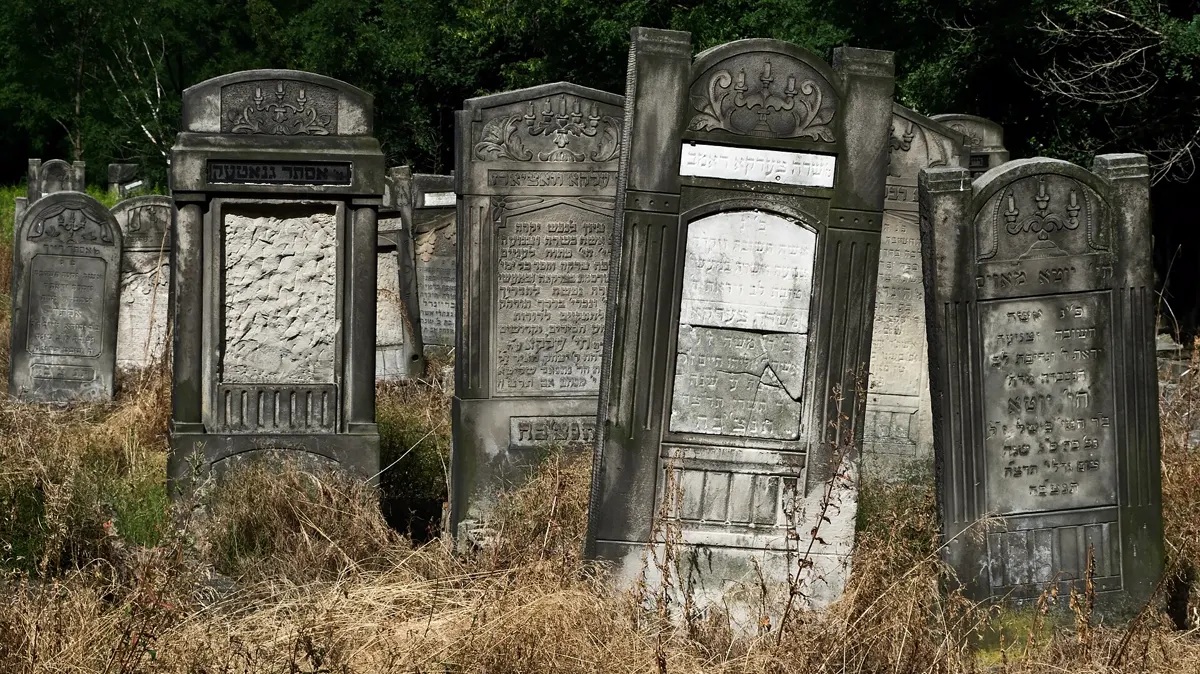
New Jewish Cemetery (Łódź)
A vast 19th-century Jewish cemetery in the Bałuty district of Łódź, holding monumental industrialists' tombs and the mass graves of the Litzmannstadt Ghetto.
Lublin
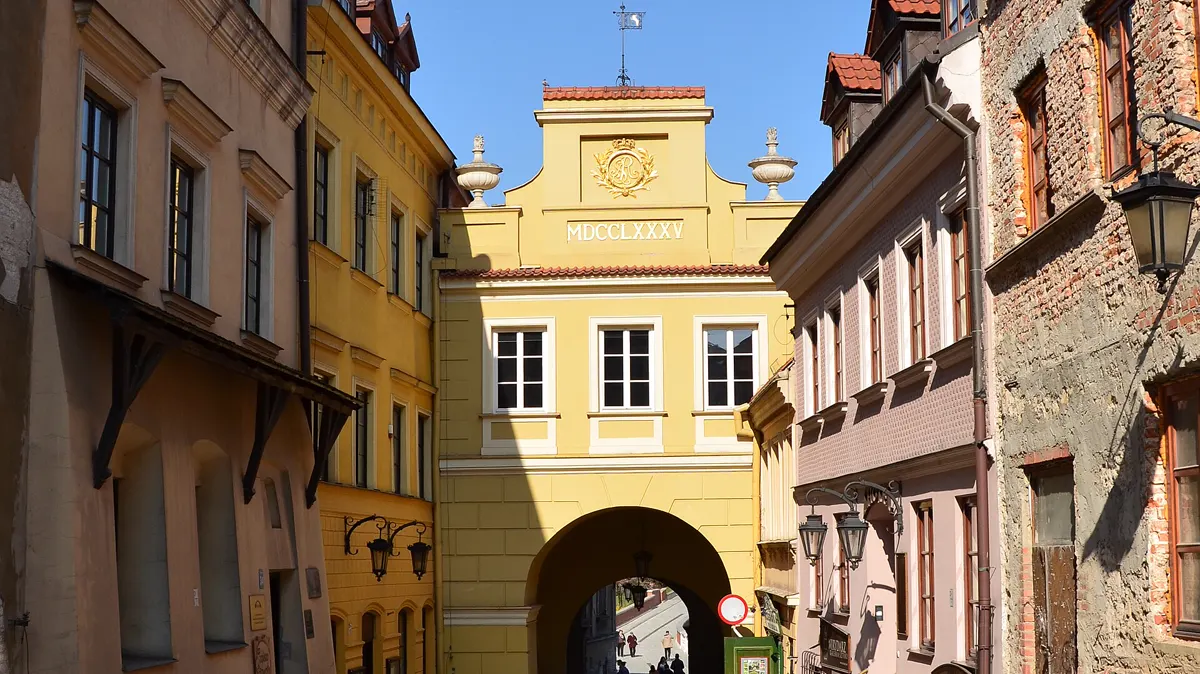
Grodzka Gate, NN Theatre Centre
A municipal cultural institution inside Lublin's 14th-century Grodzka Gate, dedicated to preserving the memory of the city's vanished Jewish community through exhibitions and one of Poland's largest oral-history archives.
Olsztyn
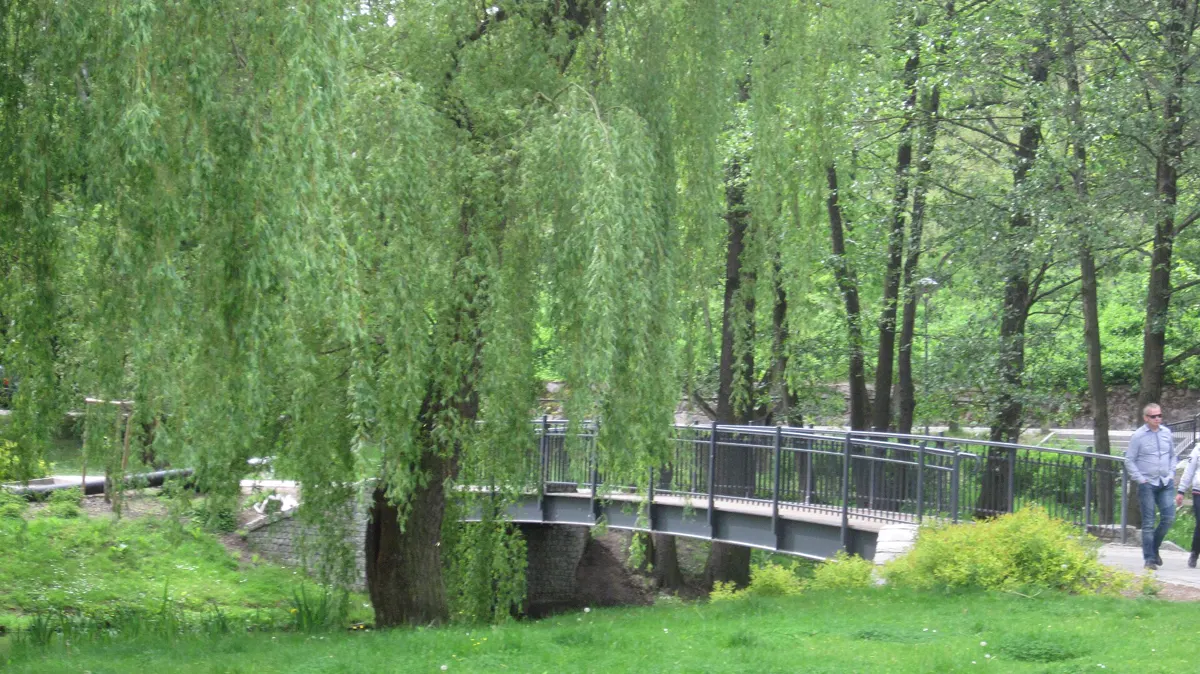
Castle Park (Podzamcze Park)
A landscaped riverside park below Olsztyn's Warmian Chapter Castle, set on the site of former water mills and revitalised in the late 2010s, near the neighbouring Central Park.
Poland fits a lot into one country: medieval market squares, a salt mine carved into underground chapels, the memorial at Auschwitz-Birkenau, mountain trails and a long Baltic coast. Seventeen places hold UNESCO World Heritage status, and most of the headline attractions cluster around the cities you are likely to base yourself in, so a first trip rarely means long transfers.
Top attractions in Krakow, Warsaw and Gdansk
Krakow has the densest cluster: the Main Market Square, laid out in 1257 and among the largest medieval squares in Europe, the underground Wieliczka Salt Mine, and the Auschwitz-Birkenau Memorial within a day trip. Warsaw rebuilt its Old Town from wartime rubble, Gdansk lines the Motlawa with tall merchant houses, and Wroclaw and Torun keep intact Gothic centres. The mountains around Zakopane and the lakes of Masuria add the outdoor side.
Top places to visit on a first trip
Group attractions by the city you are staying in rather than chasing them across the map. Krakow, Warsaw and Gdansk each reward two or three days and put more sights within an easy day trip. For the classic sights that define the country, see the best viewpoints and our city guides.
Do you need to book tickets in advance
The busiest sites use timed entry, so book Wieliczka and the Auschwitz-Birkenau Memorial ahead, especially in summer. Many state museums have one free day a week. Tickets are good value by European standards; our note on costs in Poland has the typical prices.
Attractions by city
Travel guides
Krakow Golf Cart Tours: The Four Routes, Compared
Four electric cart routes cover the Old Town, Kazimierz, the ghetto in Podgorze and Schind...
Best Castles in Poland
From the Teutonic fortress at Malbork to the royal seats at Wawel and Warsaw, the Polish c...
3 Days in Krakow
A practical three-day plan for Krakow, pairing the Old Town and Wawel with Kazimierz and o...
Things to Do in Krakow
The sights, neighbourhoods and day trips that make Krakow worth several days, ranked by ho...