Attraction in Zamość
Zamoyski Academy
The Zamoyski Academy was Poland's first private university, founded in 1594 by Crown Chancellor Jan Zamoyski. Its restored late-Baroque building stands in Zamość Old Town and now houses a high school.
Reviewed and updated July 2026
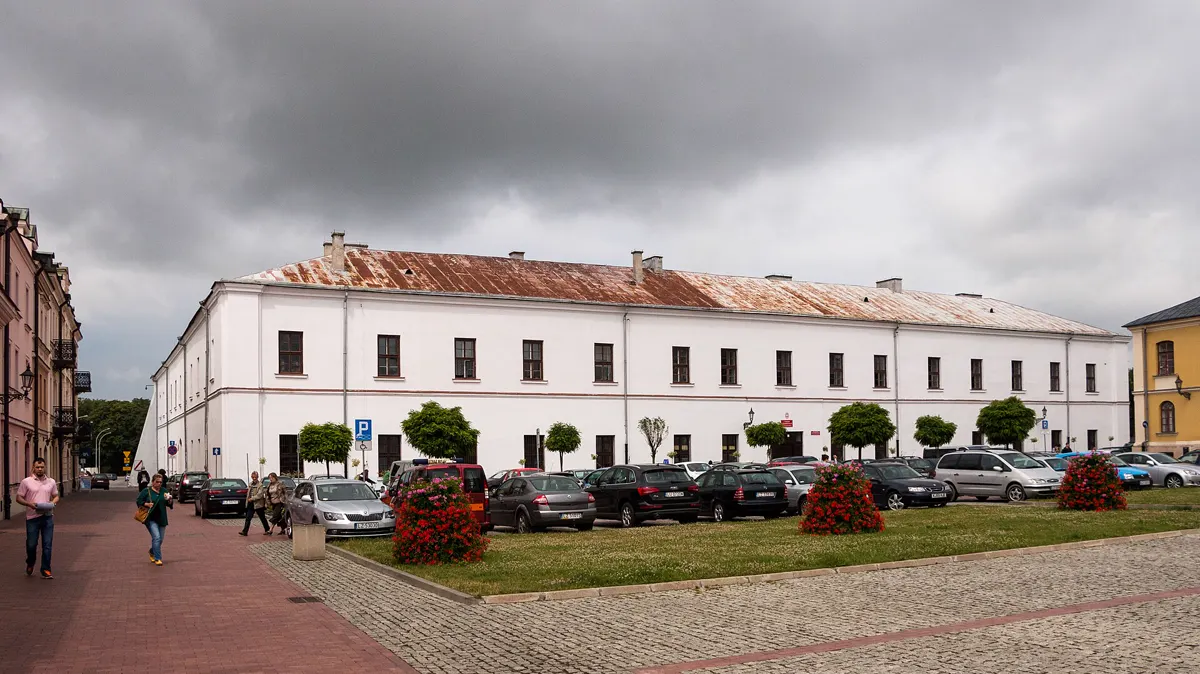
The Zamoyski Academy (Akademia Zamojska) is a late-Baroque academic building in Zamość Old Town, founded in 1594 as the third institution of higher education in the Polish-Lithuanian Commonwealth and the first private university in Poland. People come to see the place where noble youth were once trained in law, medicine and the liberal arts, a founding piece of the ideal Renaissance city that Chancellor Jan Zamoyski built from scratch. A recent restoration returned the building to its late-Baroque appearance, so the facade you see today reflects how the academy looked in its later working life.
What you see today
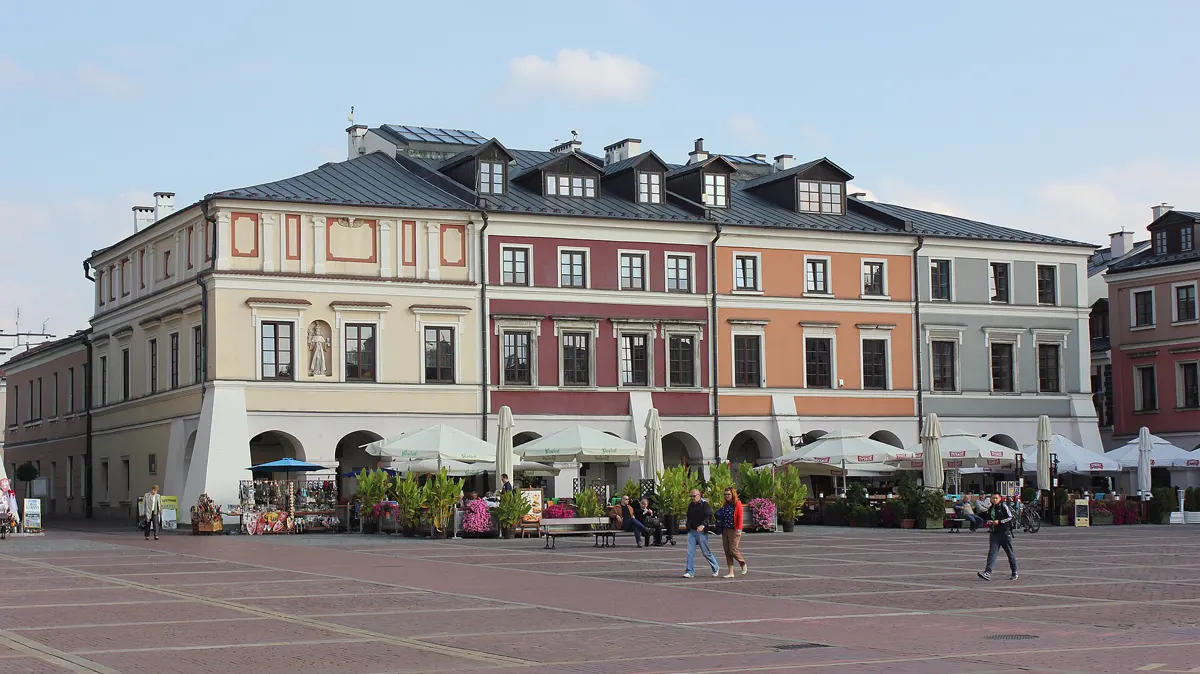
The academy is a large civic building close to the Salt Market, and its restored late-Baroque frontage is the main thing to take in from the street. Because the complex now holds the Hetman Jan Zamoyski high school, it remains a working school rather than a museum, so much of the interior is in daily educational use. Read the facade in the context of its neighbours: the academy was designed as one deliberate element in Zamość's planned Renaissance layout, sitting a short walk from the Great Market Square and the collegiate church that Zamoyski also commissioned.
Why it matters
Jan Zamoyski, Crown Chancellor and Grand Hetman, founded the academy in 1594 to educate the sons of the nobility for public service, teaching law, medicine and the liberal arts in Latin and Greek. As the first private university in Poland and the third centre of higher learning in the Commonwealth, it gave his new city intellectual weight to match its fortifications and trade. The institution was downgraded to a lyceum in 1784, and that educational thread has continued on the same site, which is why a high school occupies the buildings now.
Who it suits
The academy rewards visitors interested in Polish history, Renaissance town planning and the story of European universities, rather than those looking for a large exhibition to walk through. If your time in Zamość is short, treat it as a stop to admire from outside and to understand as part of Zamoyski's wider project. Anyone tracing the ideal-city concept will find it a useful companion to the town hall and the surviving bastion fortifications.
Fitting it into a Zamość visit
The academy sits within the compact Old Town, near the Salt Market, so you can reach it on foot from the Great Market Square in a few minutes and combine it easily with the other core sights. A sensible route pairs it with the town hall, the collegiate church and a walk along the fortifications, all within the UNESCO-listed centre. For a full plan of the town and its other landmarks, see our Zamość guide.
Good to know
Because the building is an active high school rather than a museum, interior access is limited, so check locally or through official channels before planning to go inside.
Frequently asked questions
More attractions in Zamość
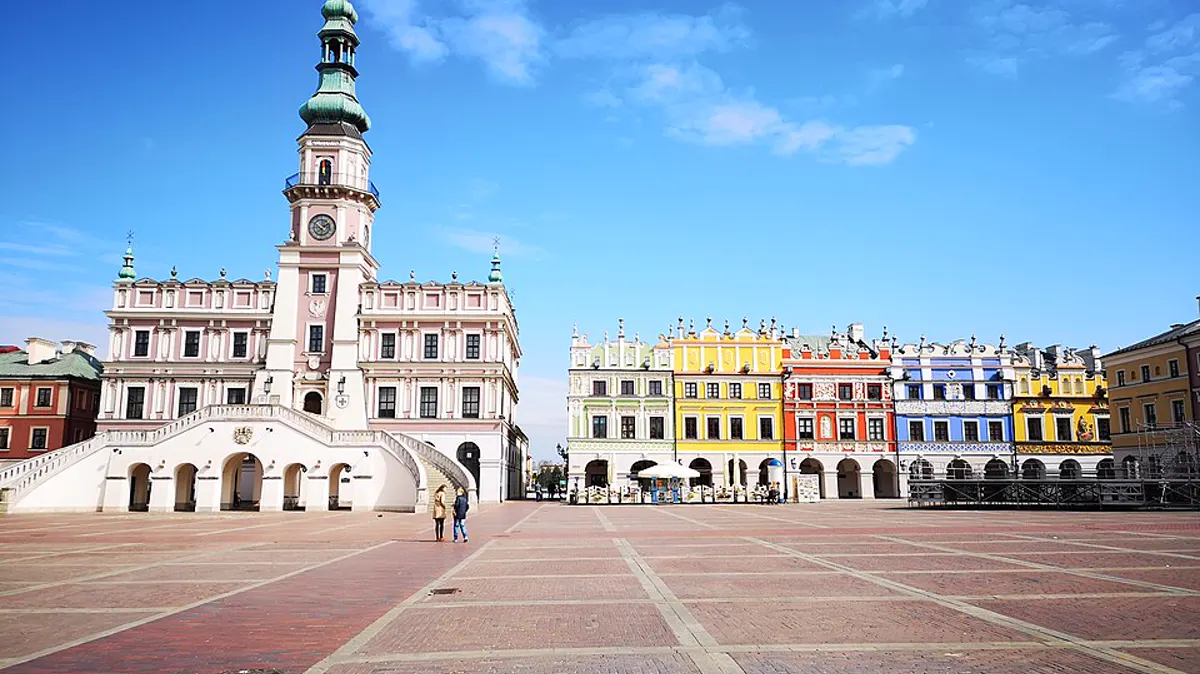
Great Market Square, Zamosc
A near-perfect Renaissance square of arcaded, pastel burgher houses, the centrepiece of a sixteenth-century ideal city.
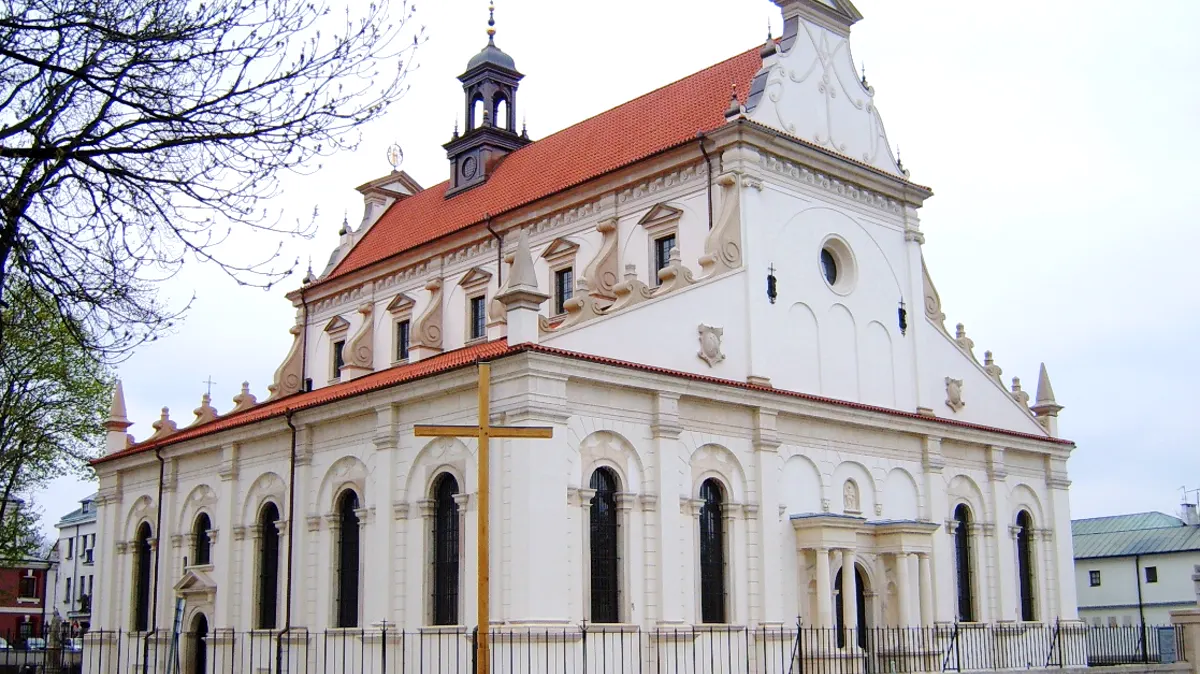
Zamość Cathedral (Cathedral of the Resurrection and St Thomas the Apostle)
One of Poland's finest Renaissance churches, designed by Bernardo Morando and paid for by Jan Zamoyski, raised to cathedral rank in 1992.
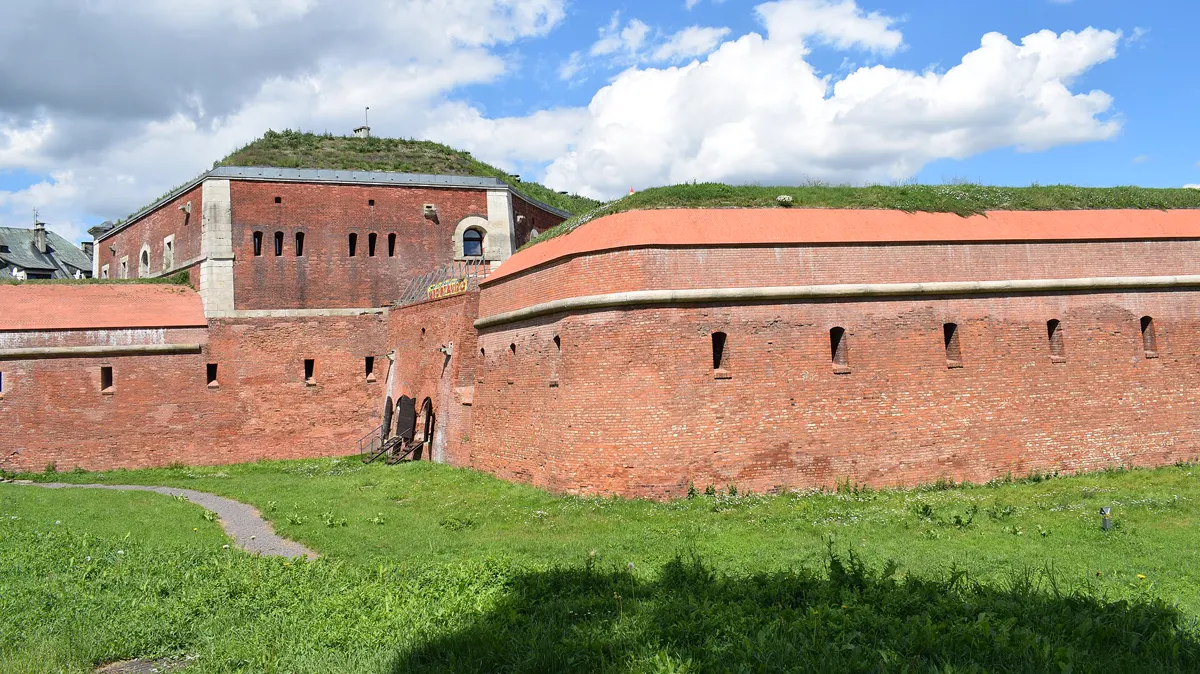
Bastion VII Underground Tourist Route (Nadszaniec)
A half-kilometre walk through the casemates and galleries of Bastion No 7, the biggest bastion of a fortress that was never taken by an enemy.
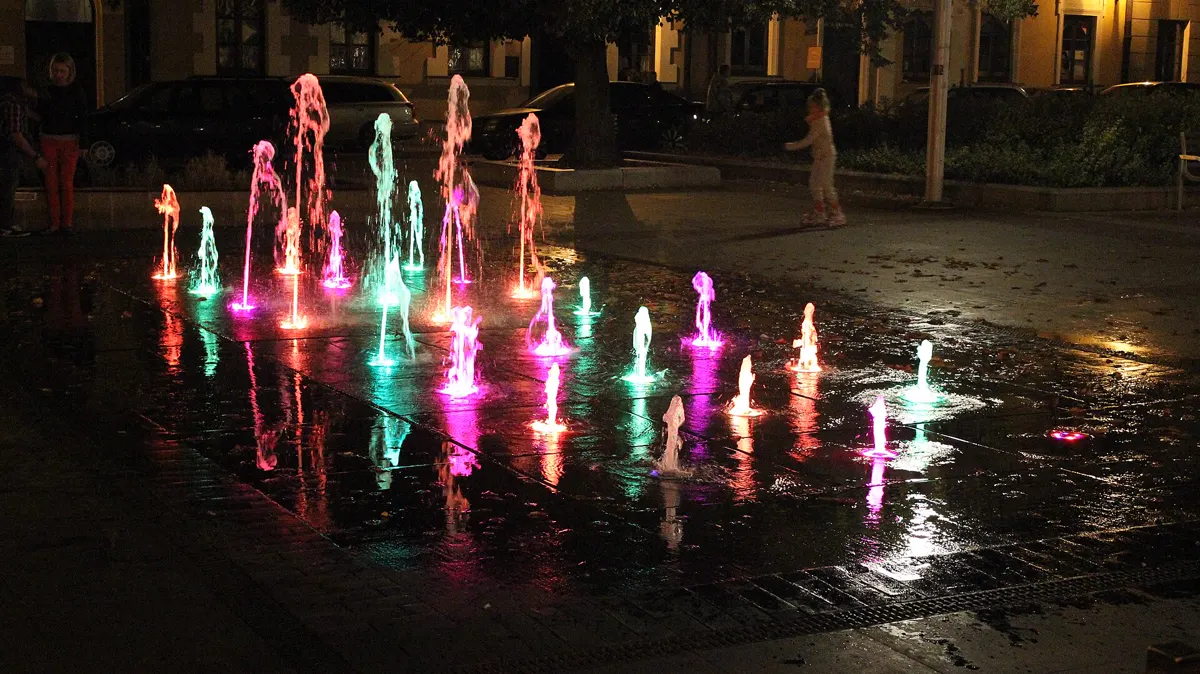
Water Market (Rynek Wodny)
The Water Market is the smallest of Zamosc's three Renaissance Old Town squares, a quiet pedestrian plaza in the southern quarter with an illuminated fountain and the former Poor Clares church.
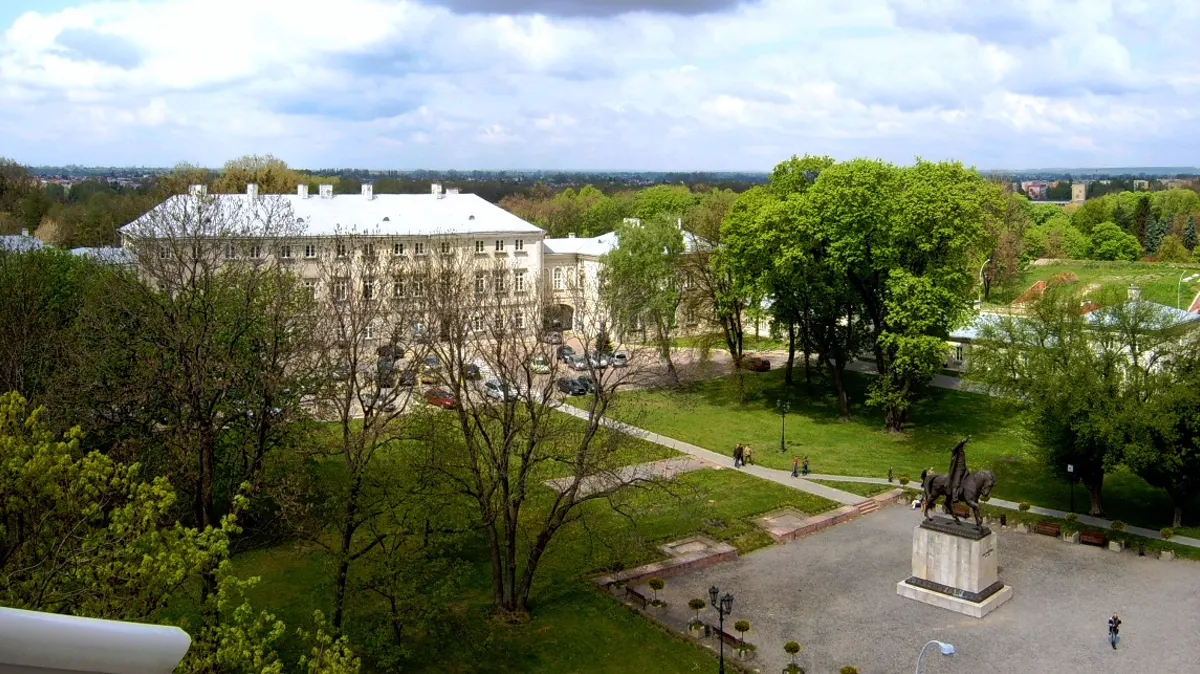
Zamoyski Palace (Pałac Zamoyskich)
The Zamoyski Palace was the first building raised in Zamość, designed by Bernardo Morando in 1579 to 1586 as the residence of the city's founder, Jan Zamoyski.
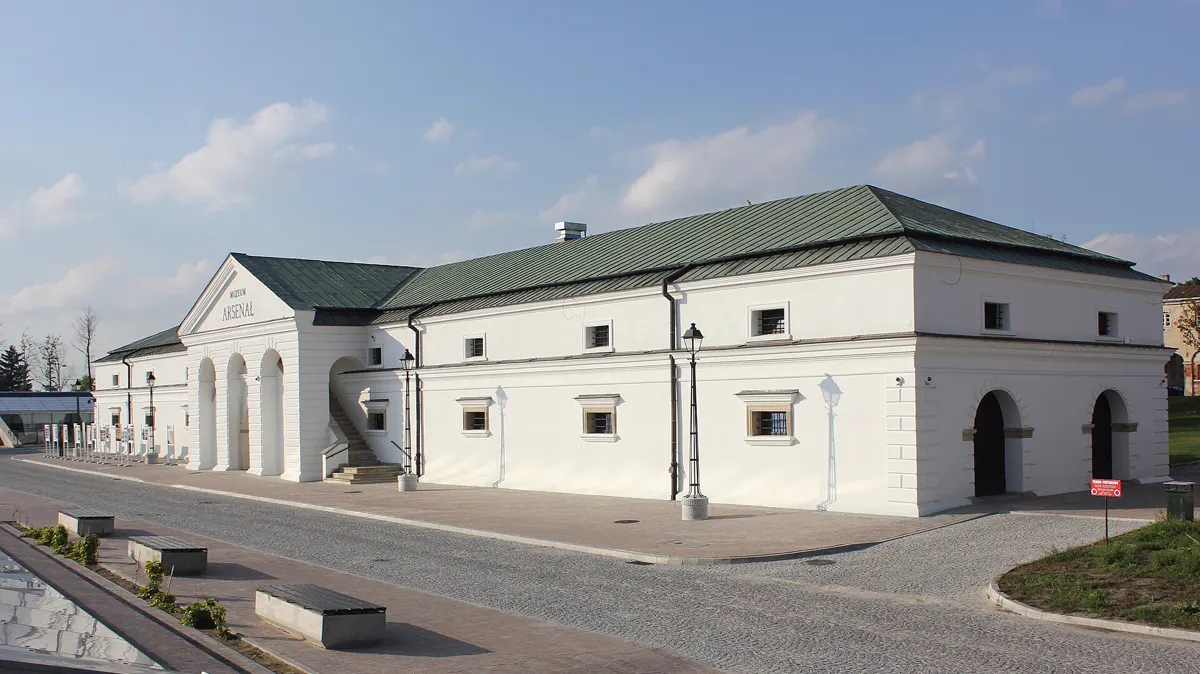
Arsenal - Museum of Fortifications and Weapons
A branch of the Museum of Zamość set in a 17th-century arsenal building, dedicated to the military history of Zamość and its fortress, with historic weaponry and twentieth-century military vehicles among its displays.
More to explore in Zamość
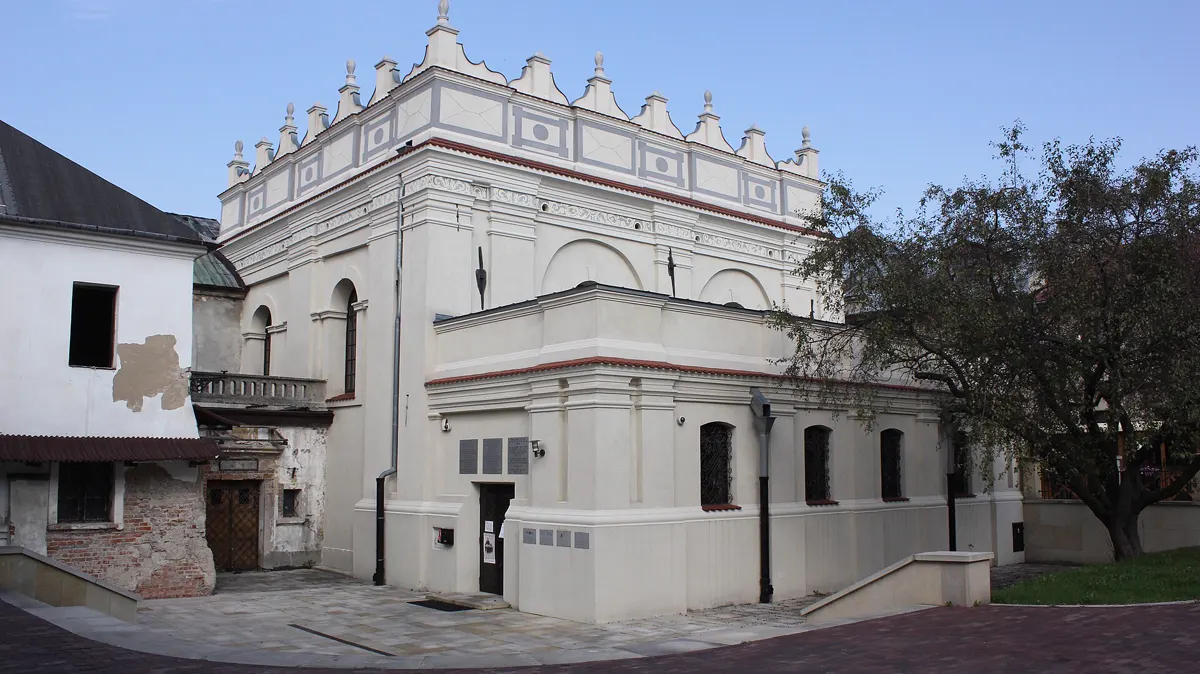
Museum
Zamość Synagogue (Synagogue Centre)
A rare surviving Renaissance synagogue of about 1618, restored by the Foundation for the Preservation of Jewish Heritage and reopened in 2011 as a cultural centre with a multimedia exhibition on the town’s Jewish heritage.
Museum
Zamość Rotunda (Museum of Martyrdom of the Zamość Region)
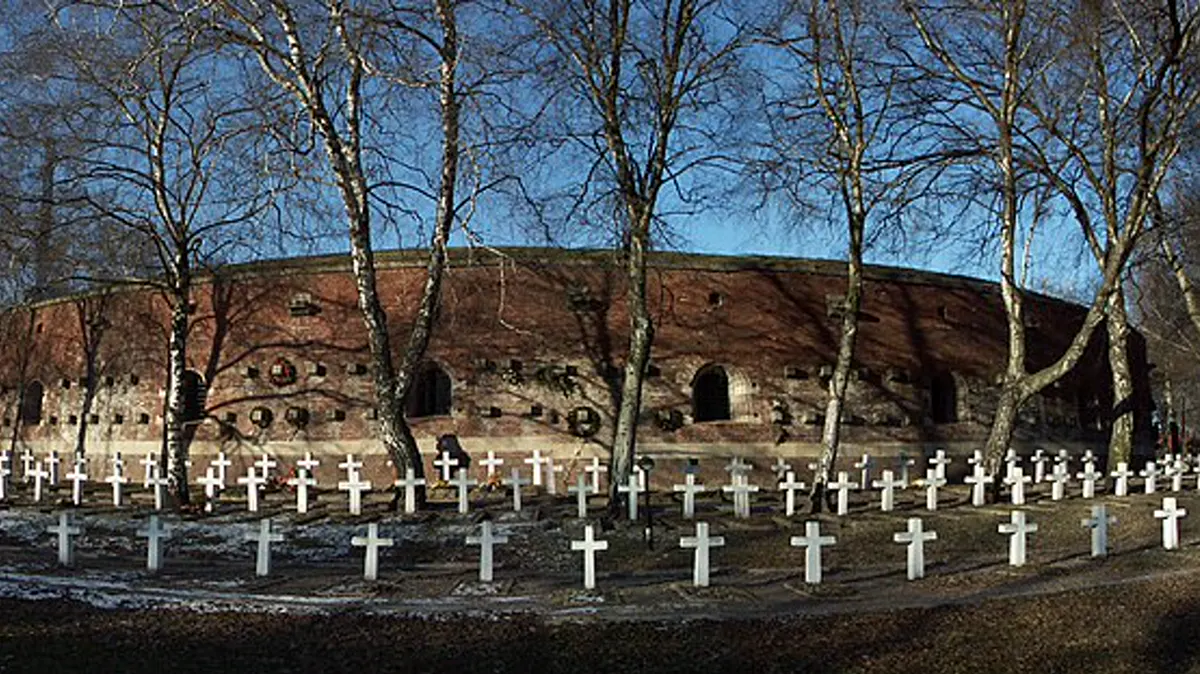
A 19th-century circular fort that the Gestapo turned into a place of execution during WWII, now a museum of martyrdom for the Zamość region.
Museum
Muzeum Zamojskie (Museum of Zamość, Armenian Houses)
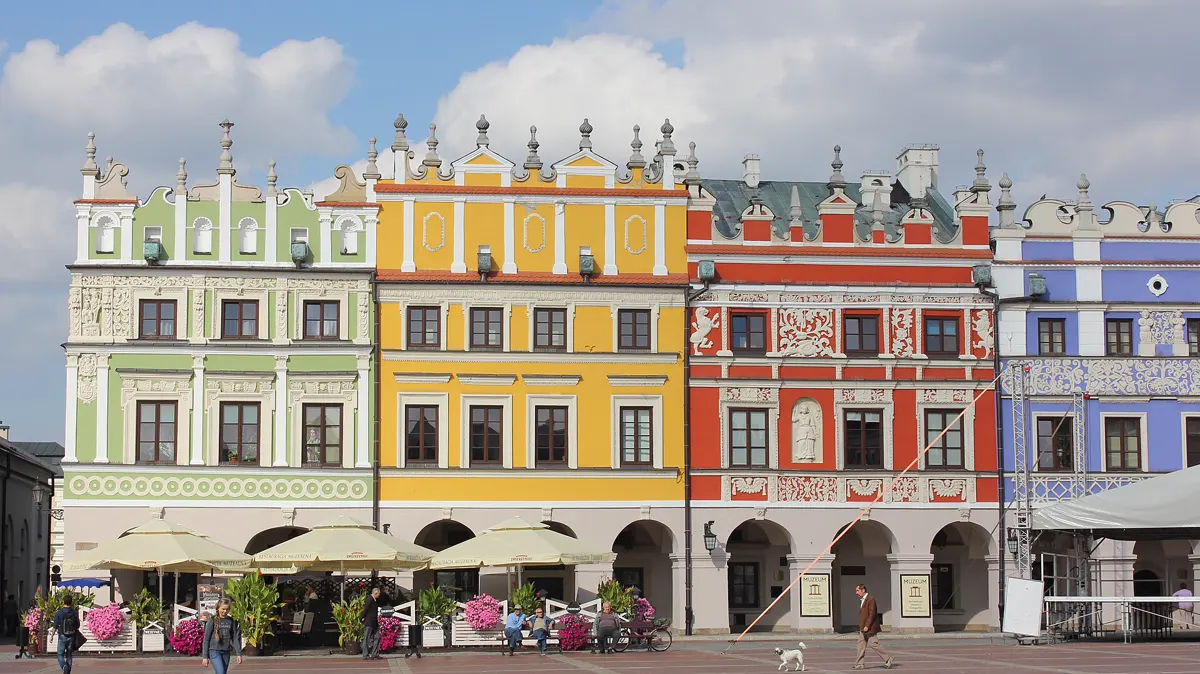
The town museum set inside the ornately decorated 17th-century Armenian houses on the Great Market Square.
Restaurant
Restauracja Muzealna Ormiańskie Piwnice
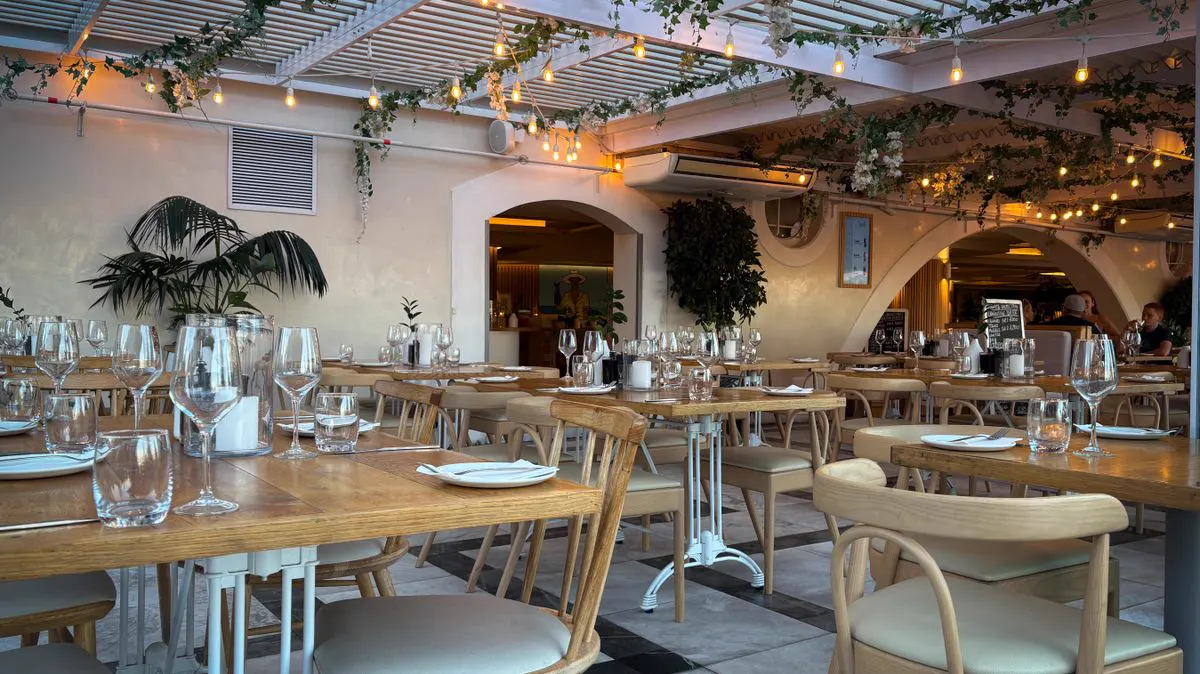
Armenian and regional cooking served in the vaulted cellars of a 17th-century Armenian house beside the Town Hall.
Restaurant
Restauracja Bohema
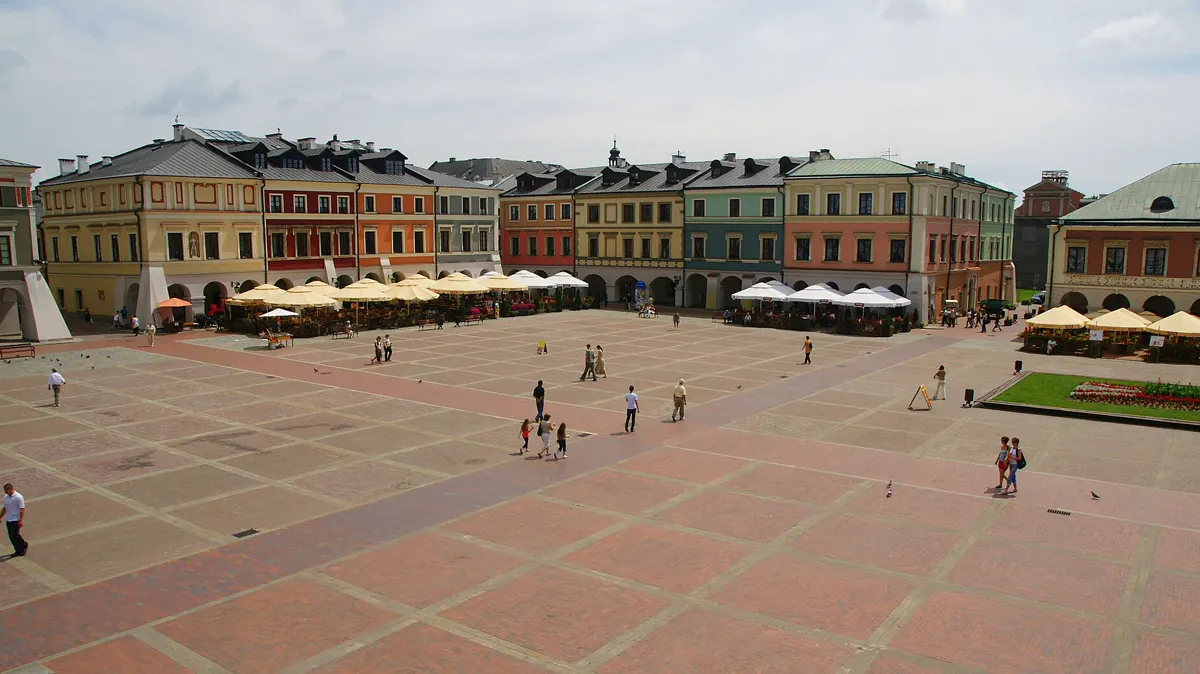
A long-running restaurant on a corner of the Great Market Square, with big outdoor tables looking onto the arcades.
Hotel
Hotel Renesans
A three-star hotel inside the Old Town, a few minutes' walk from the Great Market Square.