Attractions
Attractions in Poland
The sights worth building a day around.
Poland's attractions run from the medieval market squares of Krakow and Wroclaw to the Wieliczka Salt Mine, the memorial at Auschwitz-Birkenau and the Teutonic castle at Malbork. Each page below covers what the place is, how long to spend and how to get there, grouped by city.
All Attractions in Poland
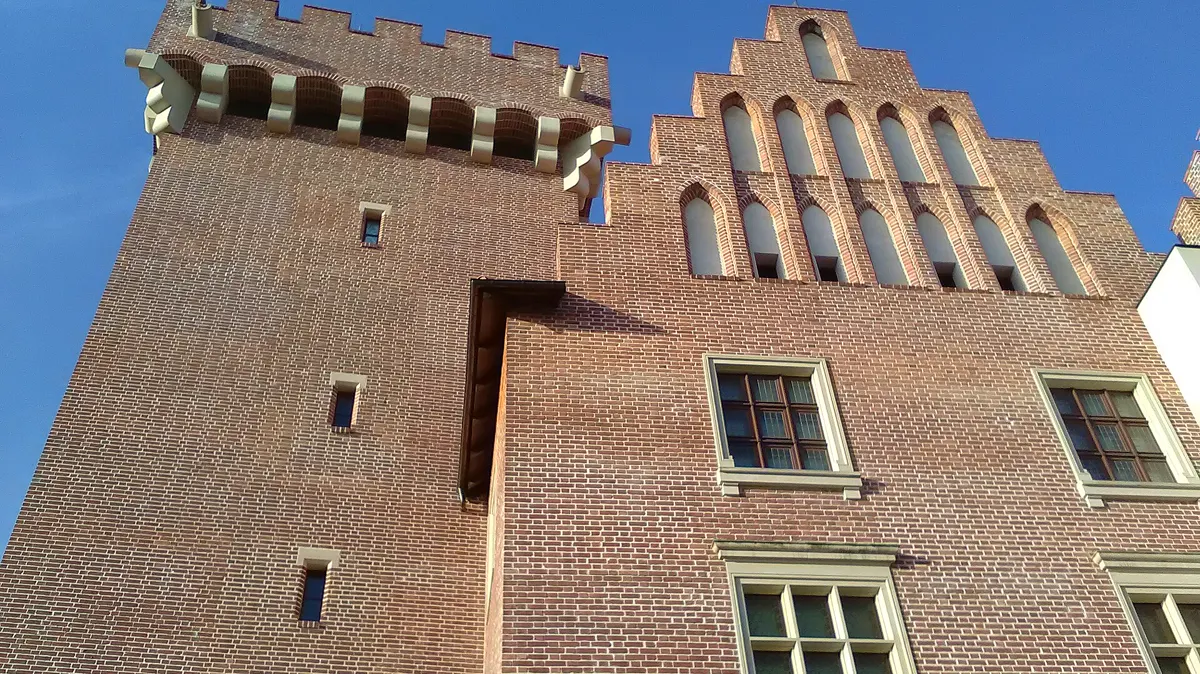
Poznań
Royal Castle and Museum of Applied Arts
A reconstructed royal castle on Przemysł Hill above Poznań's Old Market Square, now home to the Museum of Applied Arts and a 43-metre view tower.
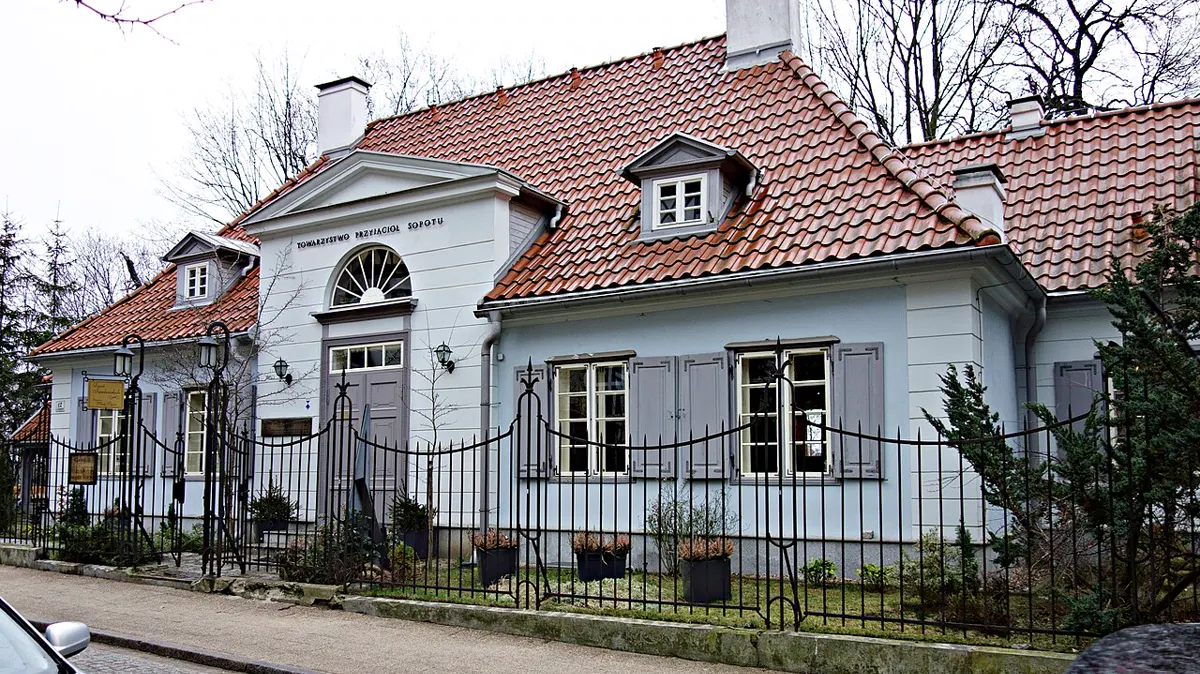
Sopot
Sierakowski Manor
A late-18th-century manor on ulica Czyzewskiego, now a free cultural centre known for changing art exhibitions and its Thursday chamber-music concerts.
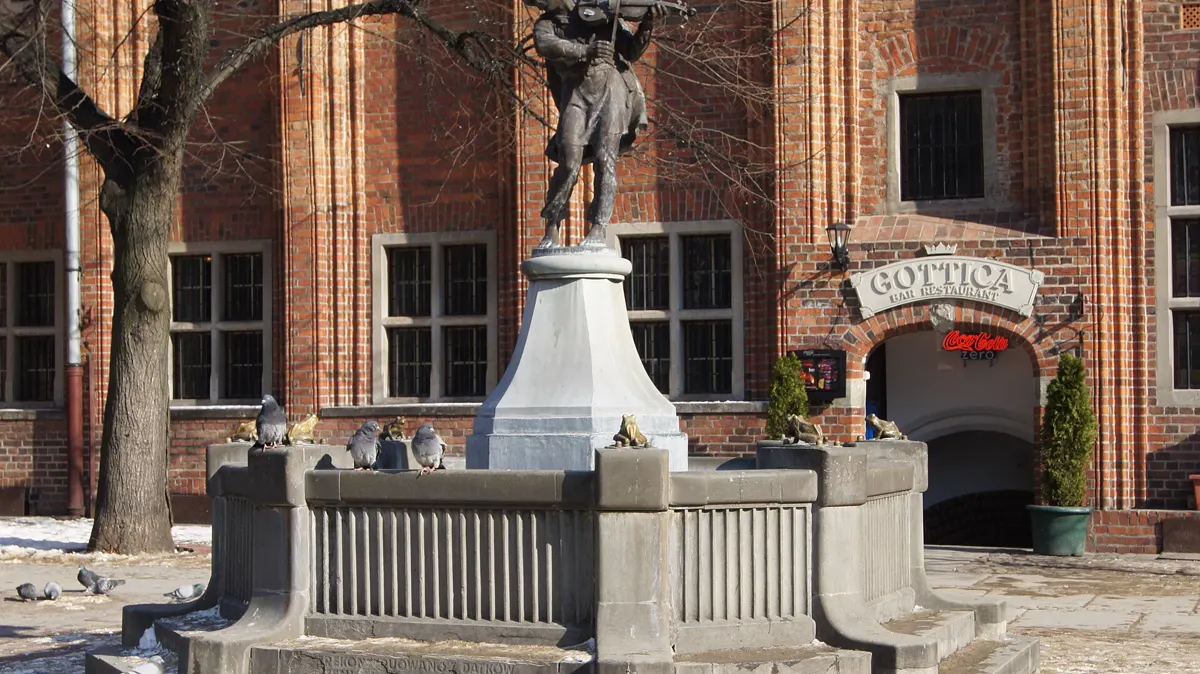
Toruń
Raftsman Fountain (Flisak Monument)
A small 1914 fountain on Toruń's Old Town Market Square showing a raftsman playing a violin among bronze frogs, tied to a local legend about a plague of frogs.
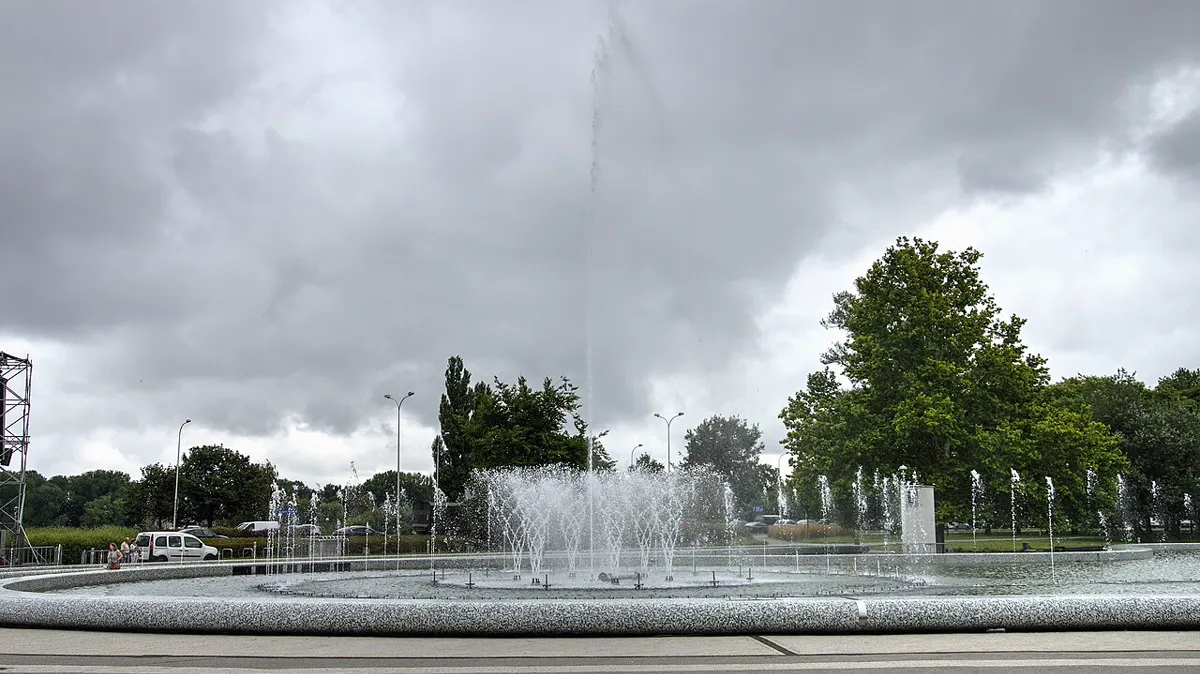
Warsaw
Multimedia Fountain Park
Multimedia Fountain Park sits just north of Warsaw's Old Town near the Vistula, where free summer evening shows combine water, light, laser and music.
Wrocław
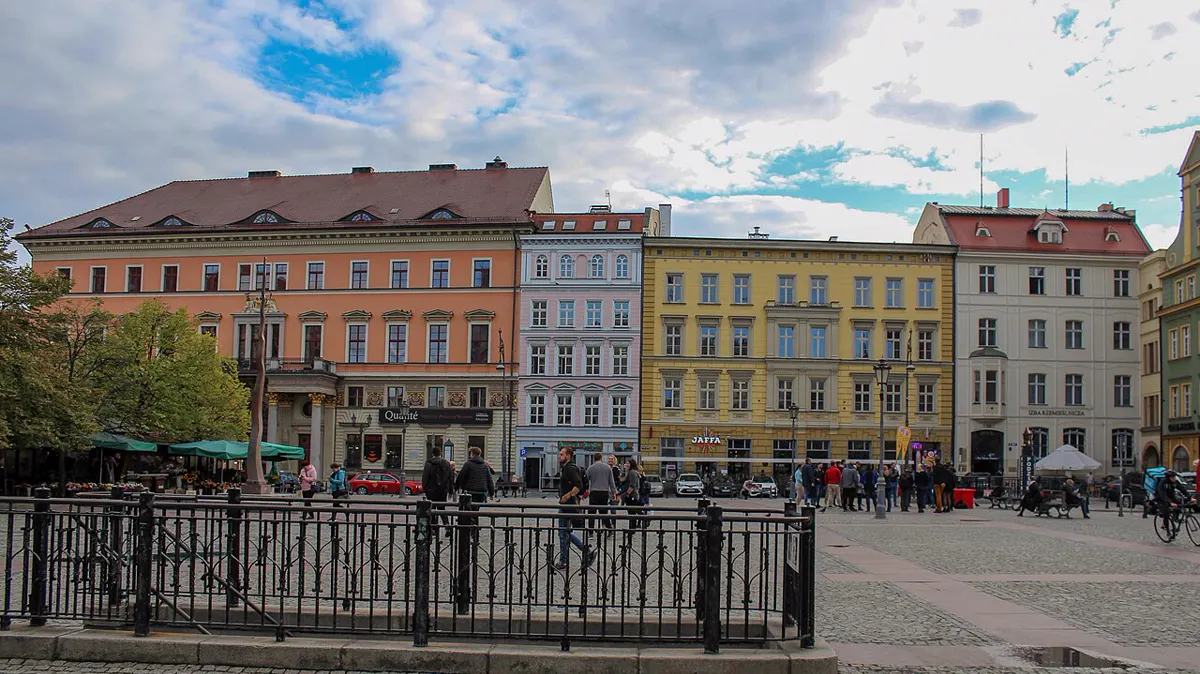
Salt Square (Plac Solny)
Salt Square is a medieval market square beside Wrocław's Market Square, known today for flower stalls that trade around the clock.
Zakopane
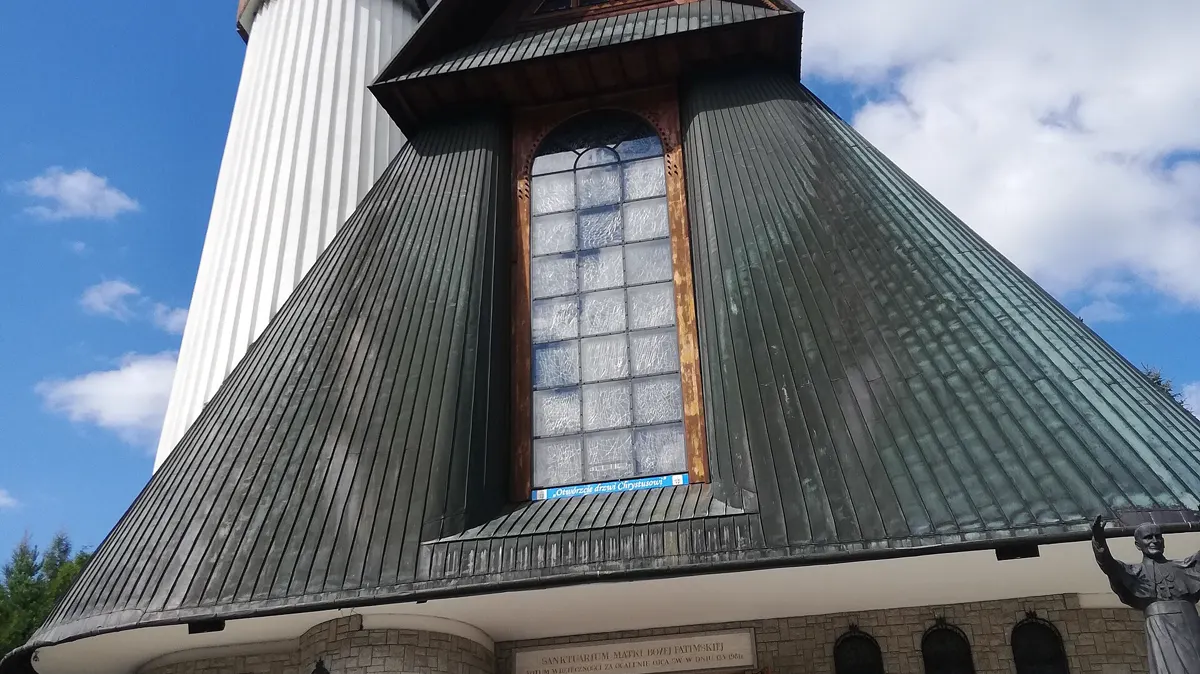
National Sanctuary of Our Lady of Fatima at Krzeptowki
A Zakopane church built in thanksgiving for Pope John Paul II surviving the 1981 assassination attempt, and one of Poland's leading Fatima sanctuaries.
Zamość
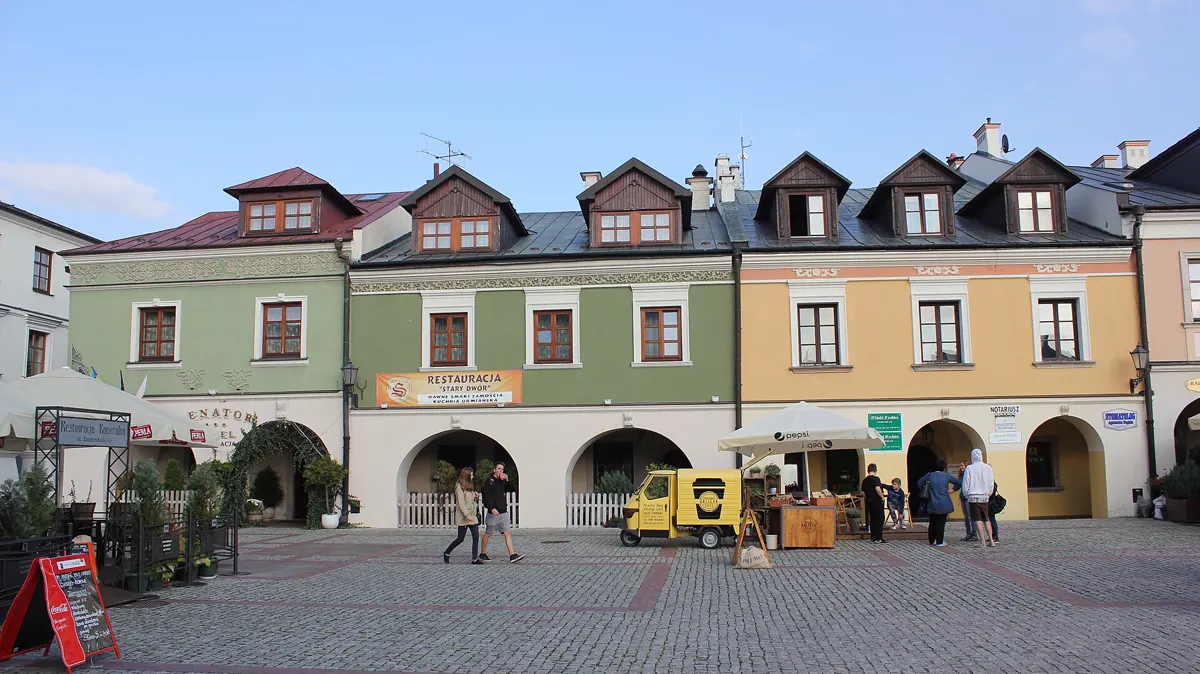
Salt Market (Rynek Solny)
Rynek Solny is one of Zamość's two smaller market squares, named for the salt trade that once passed through it and marked today by a large ship's anchor.
Białowieża
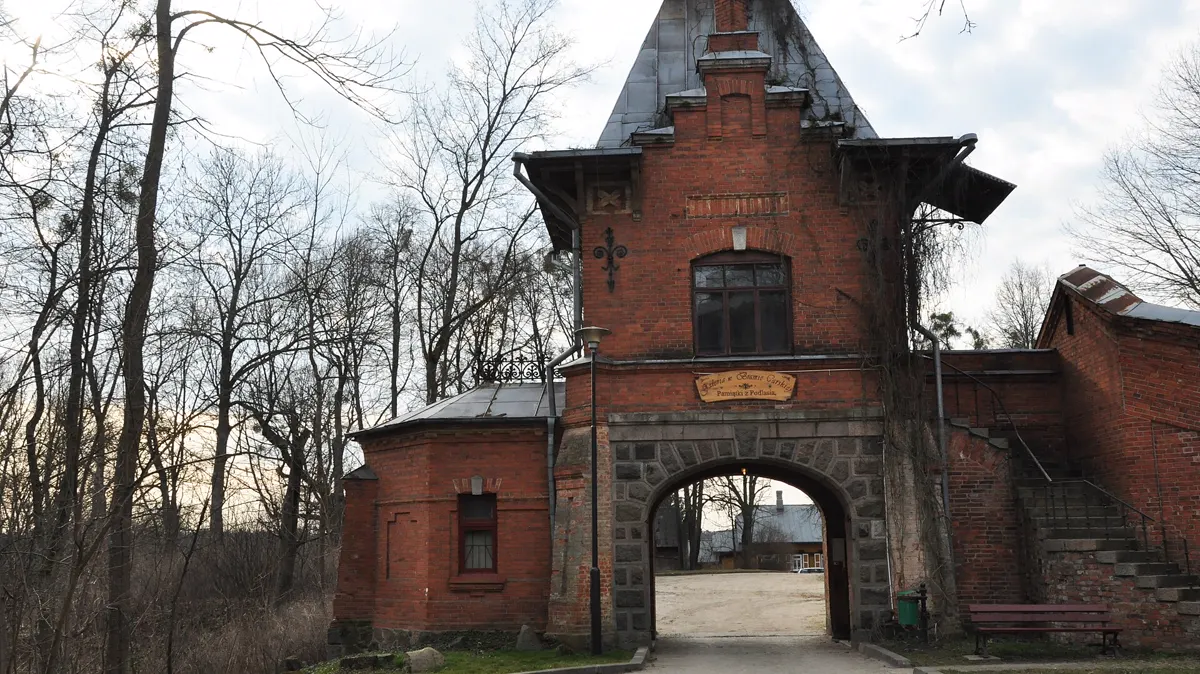
Palace Gate (Tsar's Palace Gate)
A red-brick gatehouse from the 1890s that marked the entrance to Tsar Alexander III's hunting estate in Białowieża, and one of the few structures left from that imperial complex.
Częstochowa
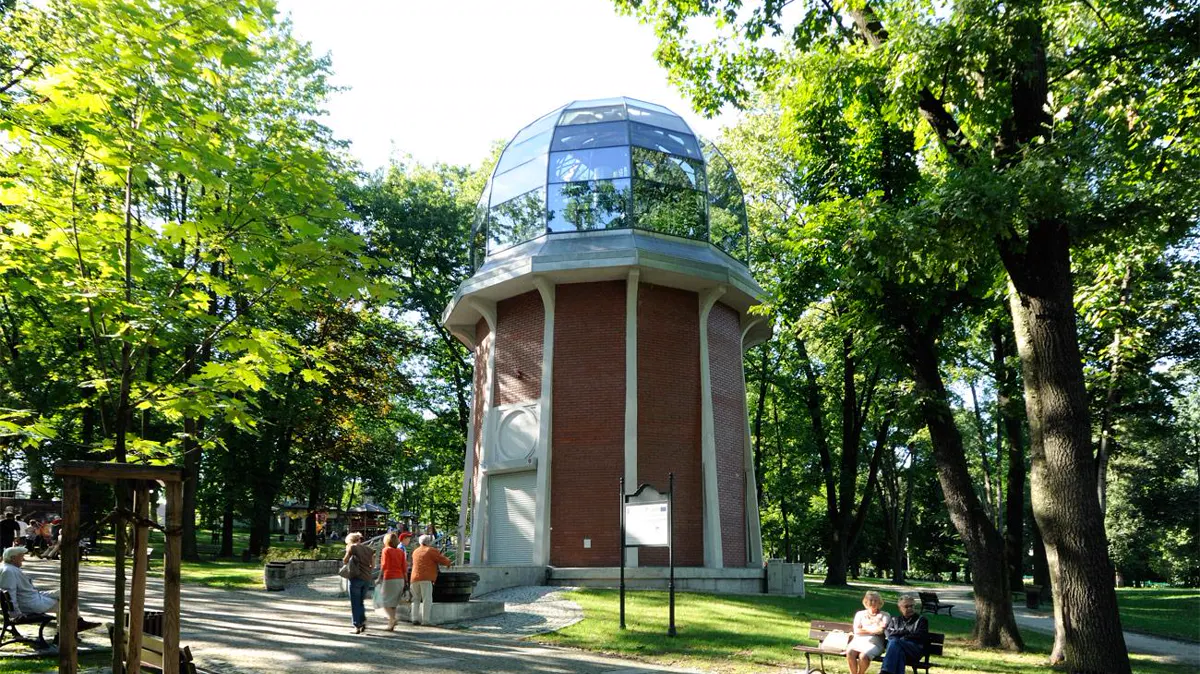
Częstochowa Astronomical Observatory
A modernist rotunda in Staszic Park that has served as Częstochowa's astronomical observatory since 1928 and now holds the Multicentrum Zodiak educational facility.
Gdańsk
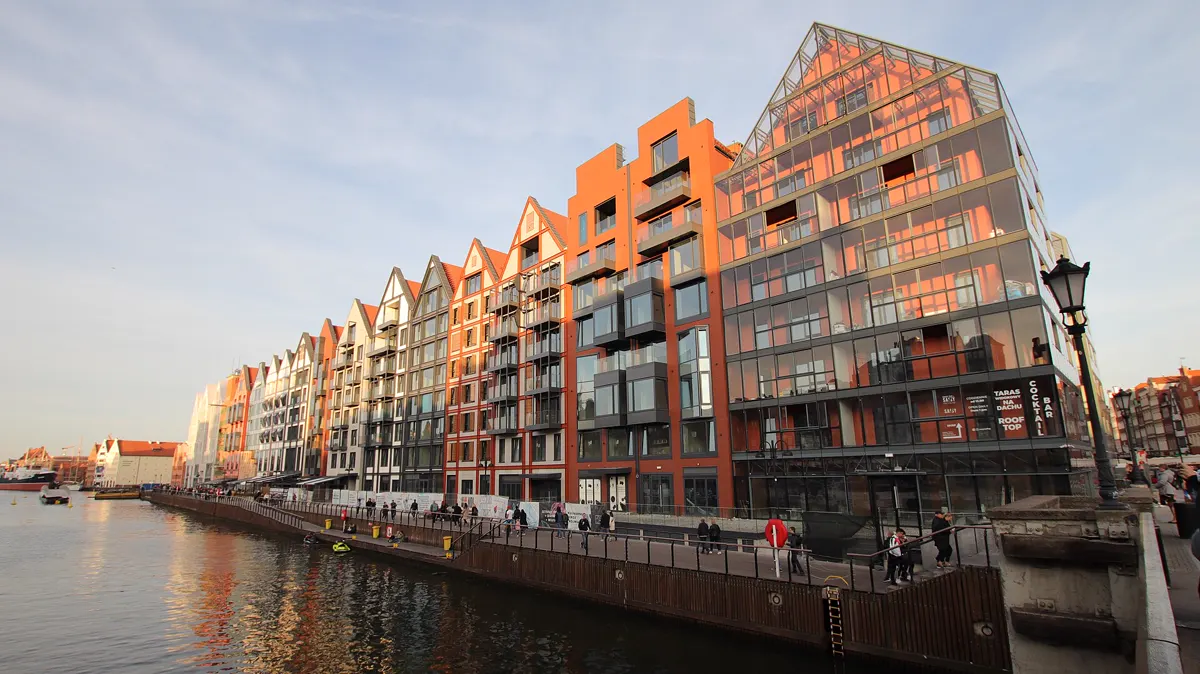
Granary Island (Wyspa Spichrzow)
Granary Island is a redeveloped quarter on the Motlawa River in Gdansk, once the port's warehouse district and now a riverside area of hotels, restaurants and gable-fronted buildings that mirror the old granaries.
Katowice
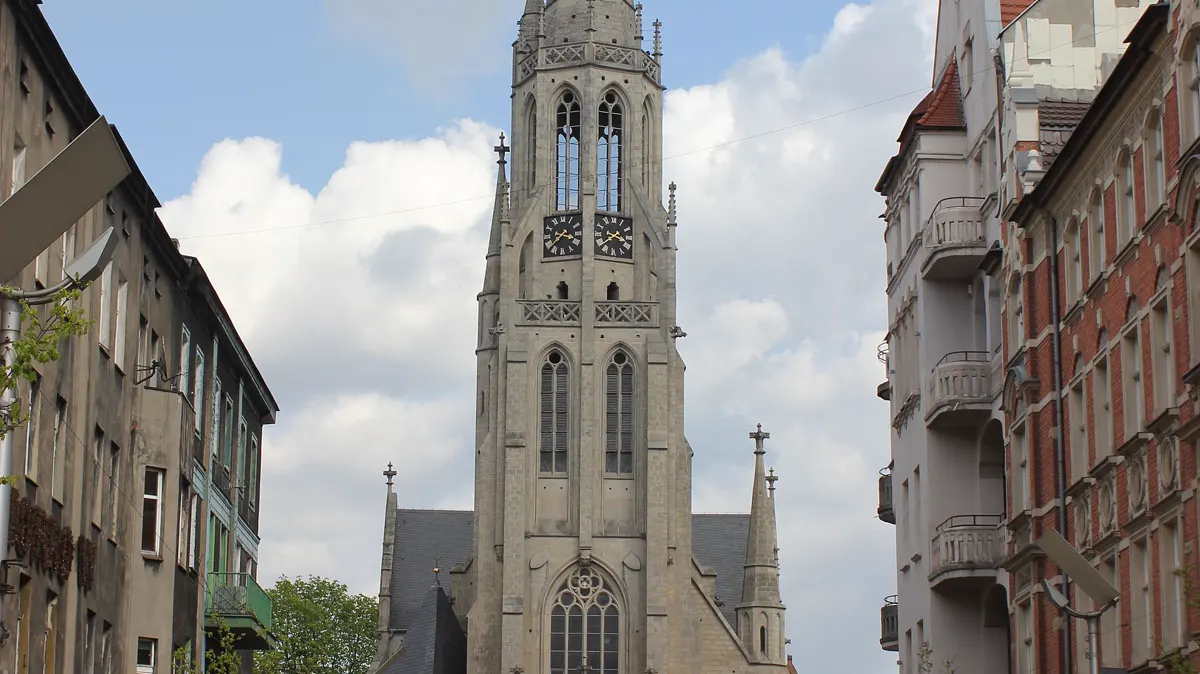
St. Mary's Church (Church of the Immaculate Conception)
A richly Neo-Gothic Catholic church on Mariacka Street, and the oldest surviving Catholic church in central Katowice, marked by an octagonal tower and spire reaching about 71 metres.
Kazimierz Dolny
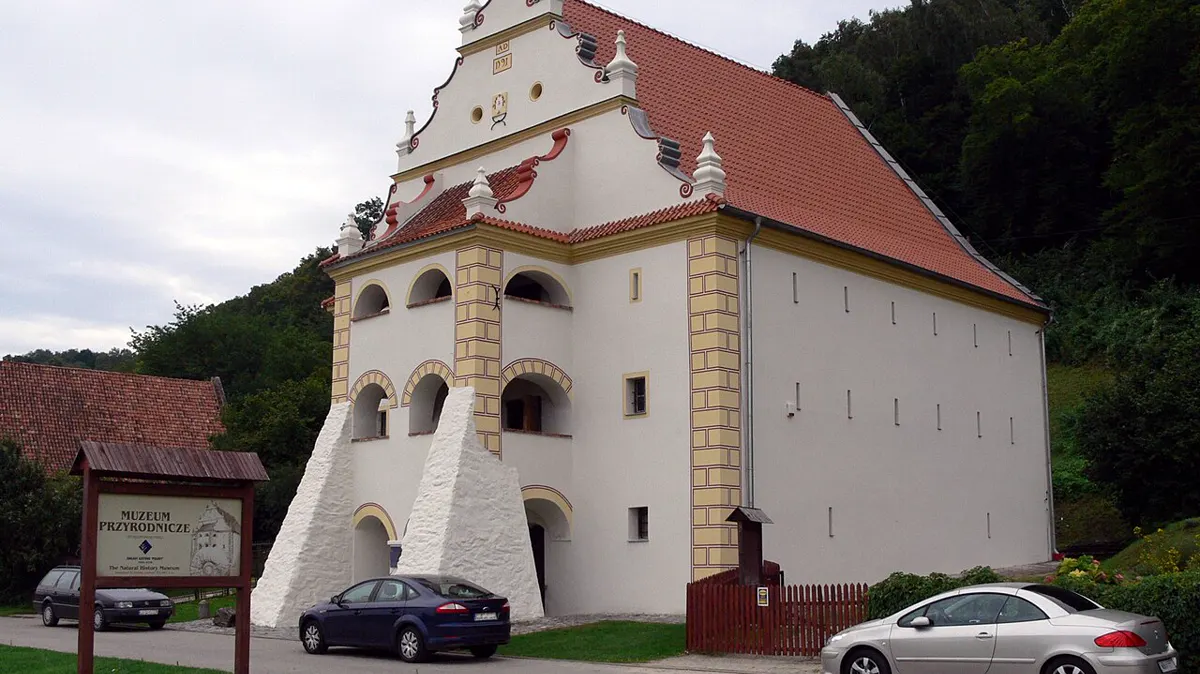
Natural History Museum (Muzeum Przyrodnicze)
A branch of the Vistula River Museum set in a late 16th-century granary on Pulawska Street, presenting the geology, plants and animals of the Vistula gorge and Kazimierz Landscape Park.
Poland fits a lot into one country: medieval market squares, a salt mine carved into underground chapels, the memorial at Auschwitz-Birkenau, mountain trails and a long Baltic coast. Seventeen places hold UNESCO World Heritage status, and most of the headline attractions cluster around the cities you are likely to base yourself in, so a first trip rarely means long transfers.
Top attractions in Krakow, Warsaw and Gdansk
Krakow has the densest cluster: the Main Market Square, laid out in 1257 and among the largest medieval squares in Europe, the underground Wieliczka Salt Mine, and the Auschwitz-Birkenau Memorial within a day trip. Warsaw rebuilt its Old Town from wartime rubble, Gdansk lines the Motlawa with tall merchant houses, and Wroclaw and Torun keep intact Gothic centres. The mountains around Zakopane and the lakes of Masuria add the outdoor side.
Top places to visit on a first trip
Group attractions by the city you are staying in rather than chasing them across the map. Krakow, Warsaw and Gdansk each reward two or three days and put more sights within an easy day trip. For the classic sights that define the country, see the best viewpoints and our city guides.
Do you need to book tickets in advance
The busiest sites use timed entry, so book Wieliczka and the Auschwitz-Birkenau Memorial ahead, especially in summer. Many state museums have one free day a week. Tickets are good value by European standards; our note on costs in Poland has the typical prices.
Attractions by city
Travel guides
Krakow Golf Cart Tours: The Four Routes, Compared
Four electric cart routes cover the Old Town, Kazimierz, the ghetto in Podgorze and Schind...
Best Castles in Poland
From the Teutonic fortress at Malbork to the royal seats at Wawel and Warsaw, the Polish c...
3 Days in Krakow
A practical three-day plan for Krakow, pairing the Old Town and Wawel with Kazimierz and o...
Things to Do in Krakow
The sights, neighbourhoods and day trips that make Krakow worth several days, ranked by ho...