Attraction in Kraków
Wawel Dragon Statue and Dragon's Den
A 6-metre bronze dragon at the foot of Wawel Hill that breathes real fire, standing beside the entrance to the Dragon's Den, a limestone cave beneath the castle.
Reviewed and updated July 2026
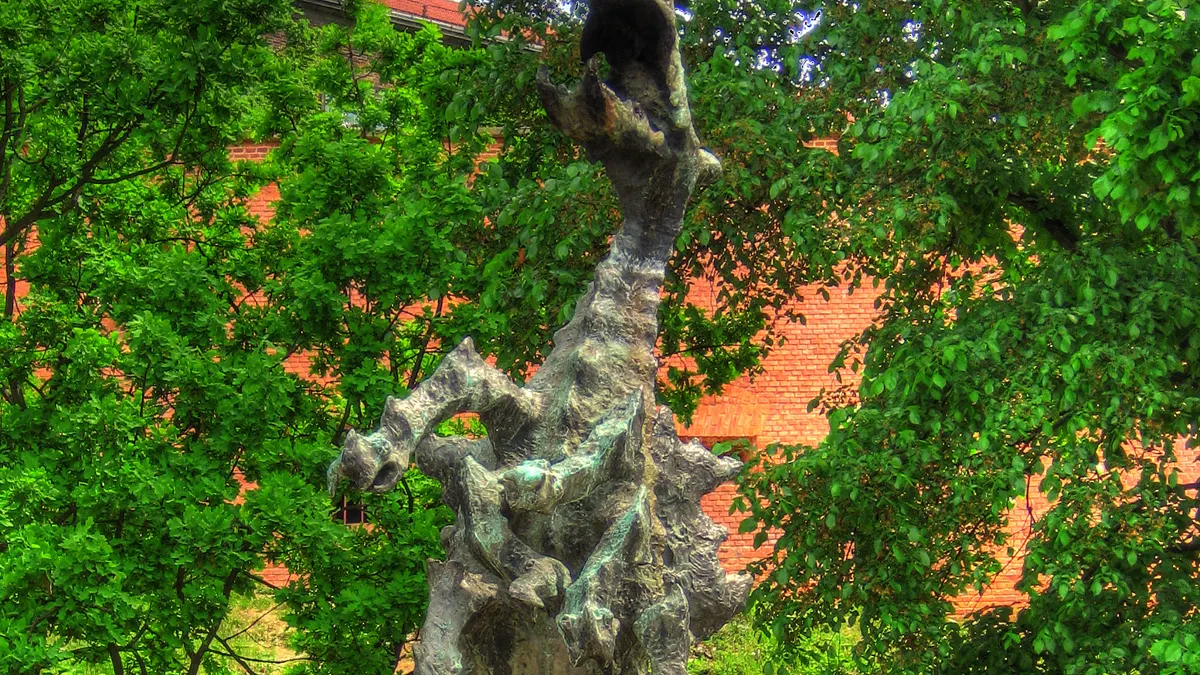
The Wawel Dragon Statue is a 6-metre bronze sculpture at the foot of Wawel Hill that breathes real fire, and people visit to see it honour Smok Wawelski, the dragon at the centre of Kraków's founding legend. Sculpted by Bronislaw Chromy and installed in 1972, it stands beside the entrance to the Dragon's Den (Smocza Jama), a limestone cave running beneath the castle. The fire and the free-to-approach setting by the Vistula make it one of the easiest stops to fold into a walk around Wawel.
The dragon that breathes fire
The statue shows Smok Wawelski rearing on his hind legs, cast in bronze to a height of about 6 metres. Fed by natural gas, it sends out a burst of real flame roughly every 15 minutes, so a short wait is usually all it takes to catch the moment. The fire can also be triggered by SMS, and the dragon reportedly receives thousands of these requests a day, which is why you may see it breathe more often than the timed cycle suggests. It sits low by the riverside path, so children can get close to watch.
The legend behind Smok Wawelski
Smok Wawelski is the mythical beast tied to the story of how Kraków began, and the statue keeps that legend visible in the city that grew up around Wawel Hill. Bronislaw Chromy designed the sculpture and it was installed in 1972, giving the old tale a permanent form at the spot where the story is set. Standing it directly beside the cave entrance links the myth to a real place you can walk into, rather than leaving it as folklore alone.
The Dragon's Den beneath the castle
Next to the statue is the entrance to Smocza Jama, a limestone cave that runs under Wawel and opens to visitors in the warmer months. A route leads down through the rock and brings you out near the dragon by the Vistula, which is how many people finish the walk. Because access is seasonal and can change, check the official Wawel channels for current opening before you plan around it.
Fitting it into a Wawel visit
The dragon and the cave sit right below Wawel Castle and Cathedral, so they slot naturally onto the end of a visit to the hill or a stroll along the river. You can reach the statue on foot for free without a castle ticket, which makes it an easy add-on rather than a separate trip. For the wider context of the city and other nearby sights, see our Kraków guide.
Good to know
The fire comes roughly every 15 minutes, so if you arrive between bursts, wait a few minutes near the statue rather than moving on.
Frequently asked questions
More attractions in Kraków
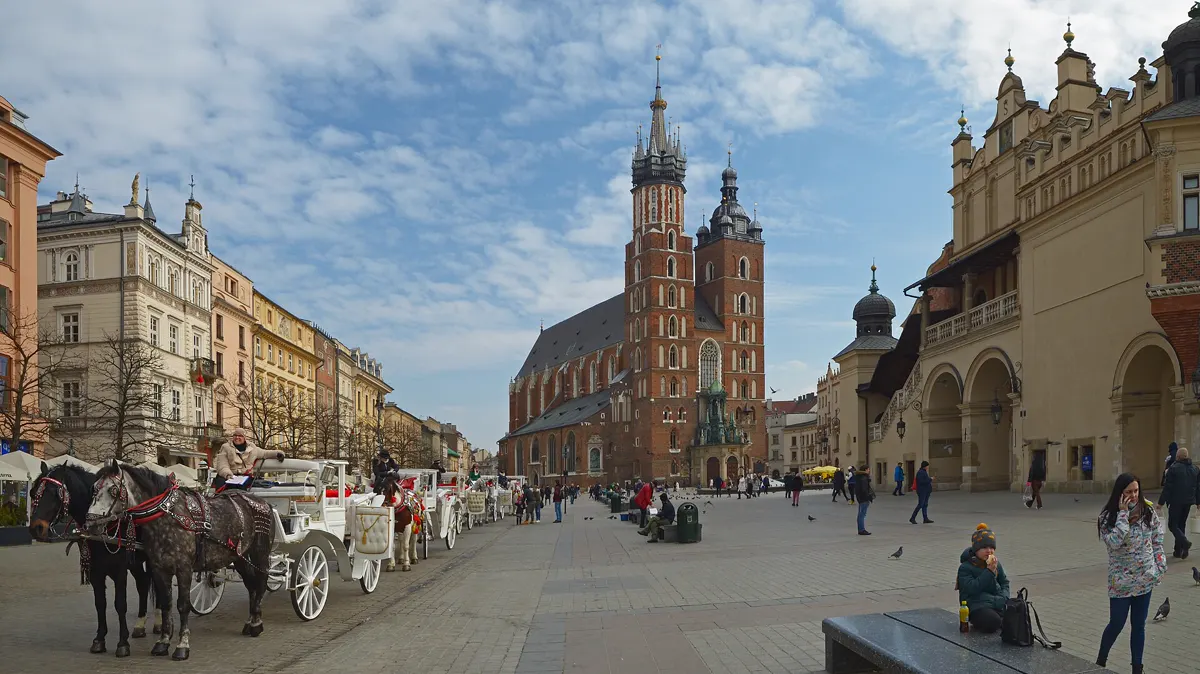
Main Market Square
Europe's largest medieval market square, the social centre of Krakow, with the Cloth Hall running down its middle.
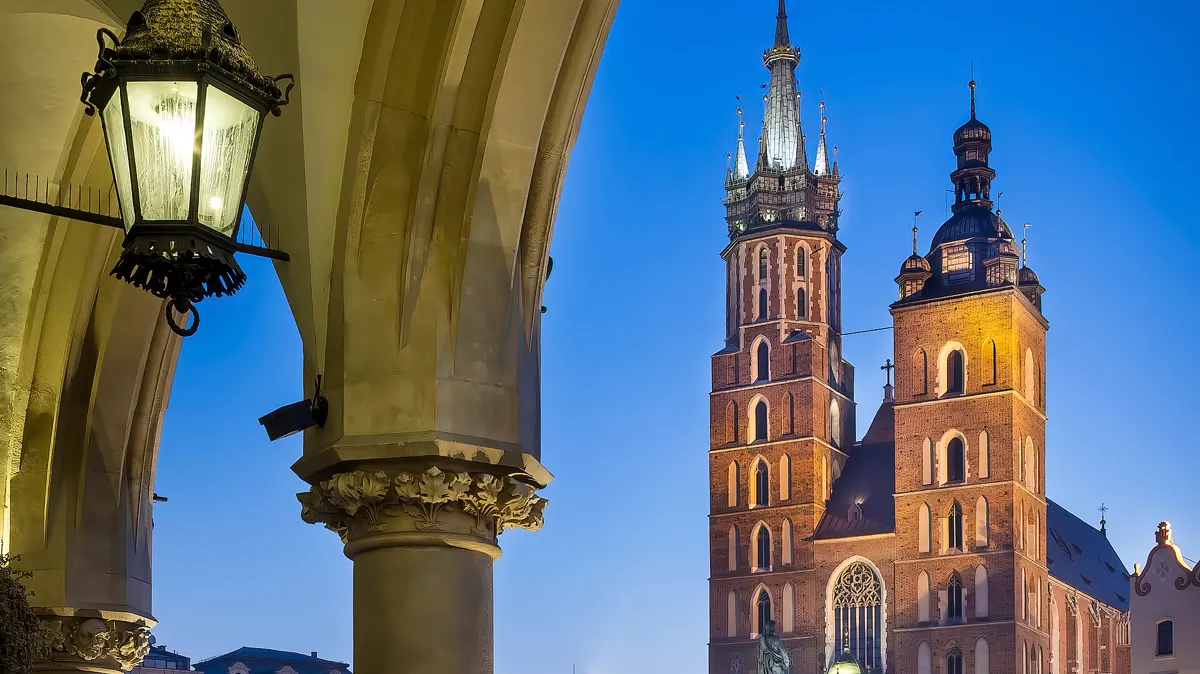
St Mary's Basilica
The brick Gothic church on the main square, famous for its mismatched towers and a carved wooden altarpiece by Veit Stoss.
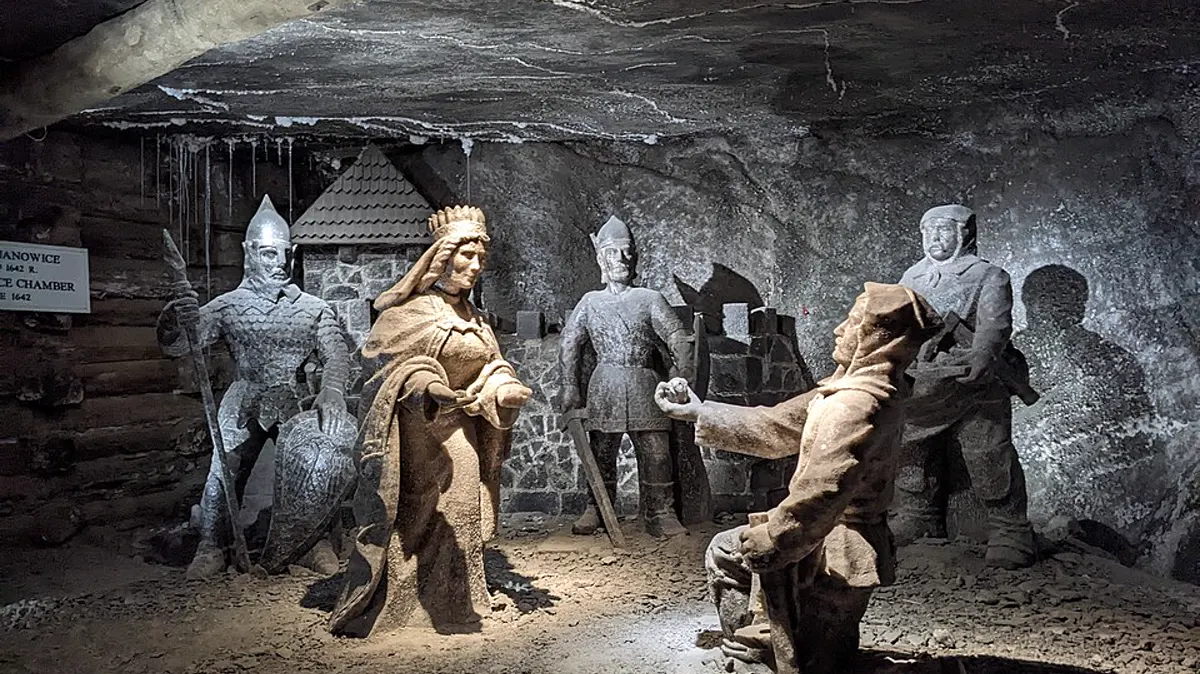
Wieliczka Salt Mine
A UNESCO-listed salt mine worked for seven centuries, with underground chapels, lakes and chambers carved entirely from rock salt.
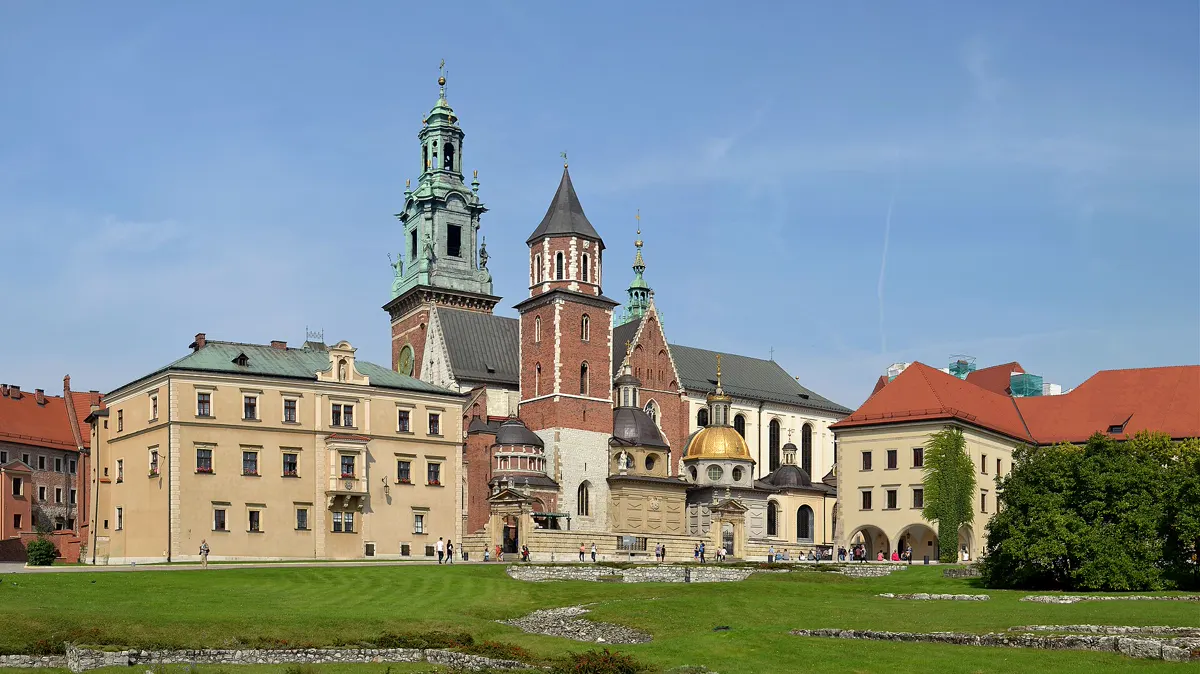
Wawel Cathedral
The coronation and burial church of Polish kings on Wawel Hill, holding royal tombs, national heroes and the famous Sigismund Bell.
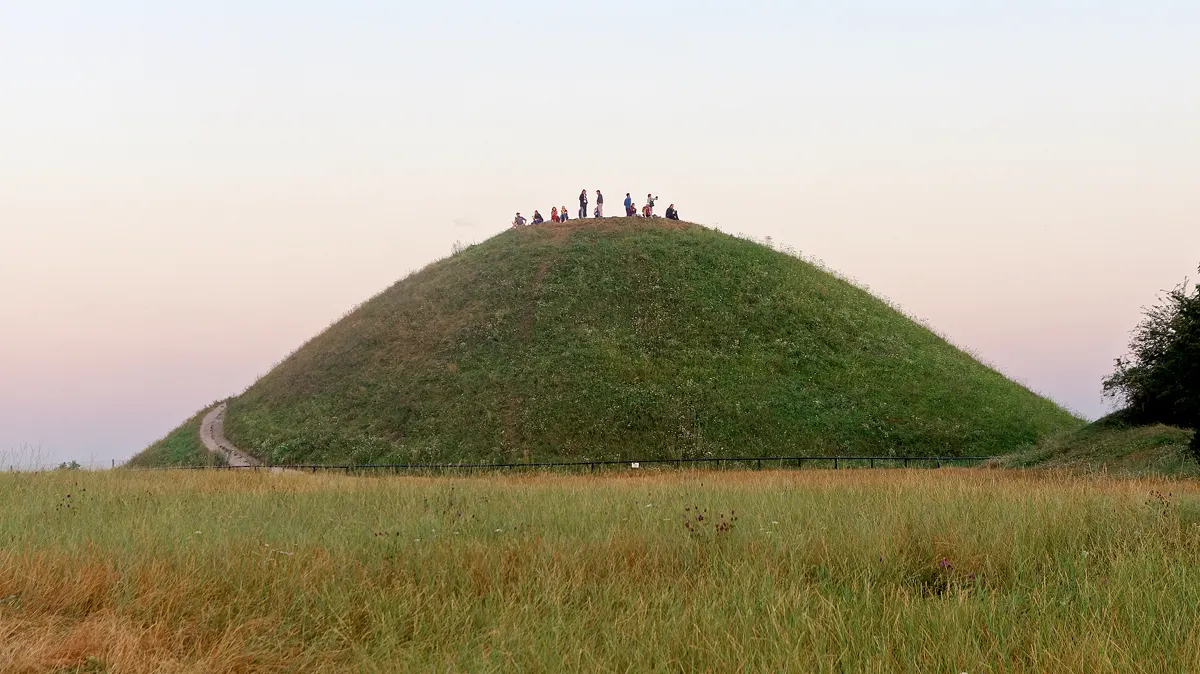
Krakus Mound (Kopiec Krakusa)
A prehistoric earthen mound on Lasota Hill in Podgorze, tied to Kraków's legendary founder and one of the best free viewpoints over the city.
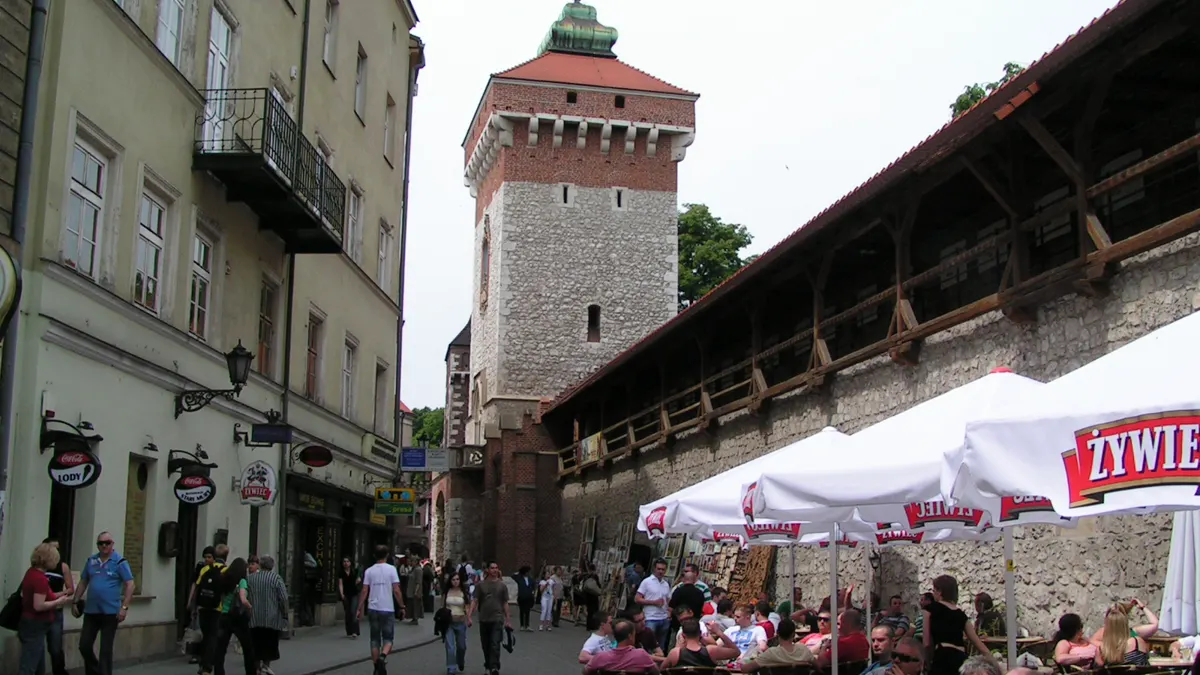
St. Florian's Gate (Brama Floriańska)
St. Florian's Gate is the last standing city gate of medieval Kraków and the northern start of the Royal Route. This Gothic gate-tower dates to 1307 and leads onto Florianska Street toward the Main Square.
More to explore in Kraków
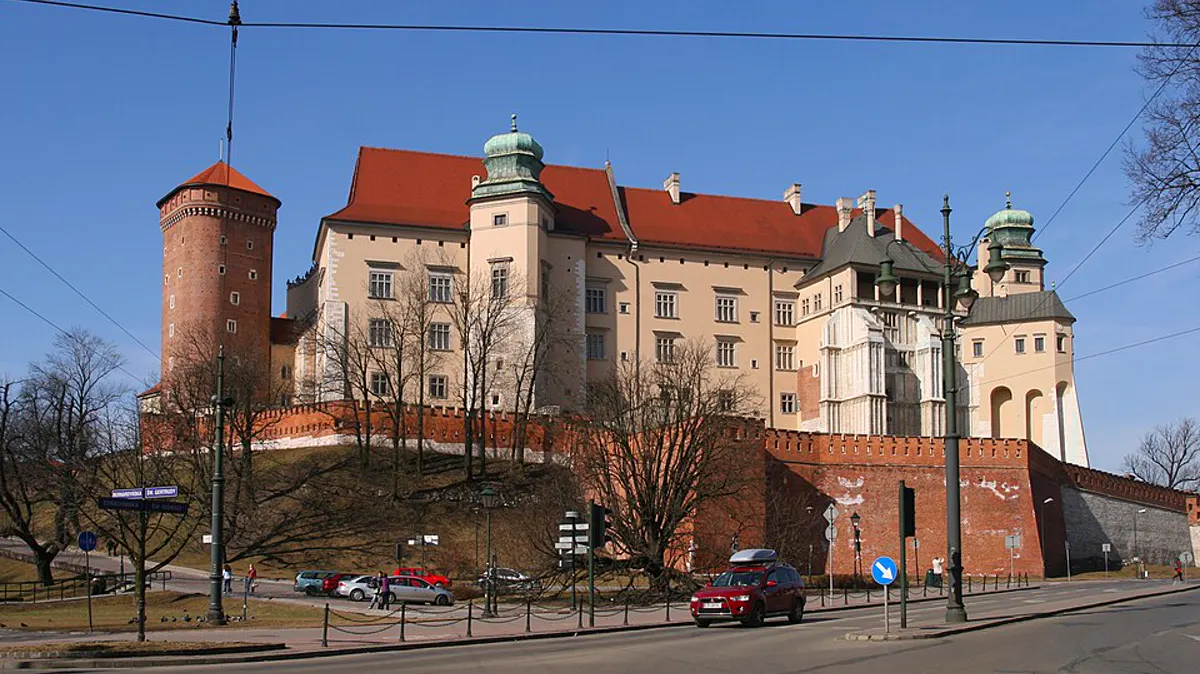
Castle
Wawel Castle
The royal castle and cathedral on the hill above the Vistula, the symbolic heart of the Polish nation for a thousand years.

Restaurant
Bottiglieria 1881
Krakow's Michelin-starred tasting-menu room, a modern Polish kitchen paired with a deep wine cellar.
Hotel
Hotel Copernicus
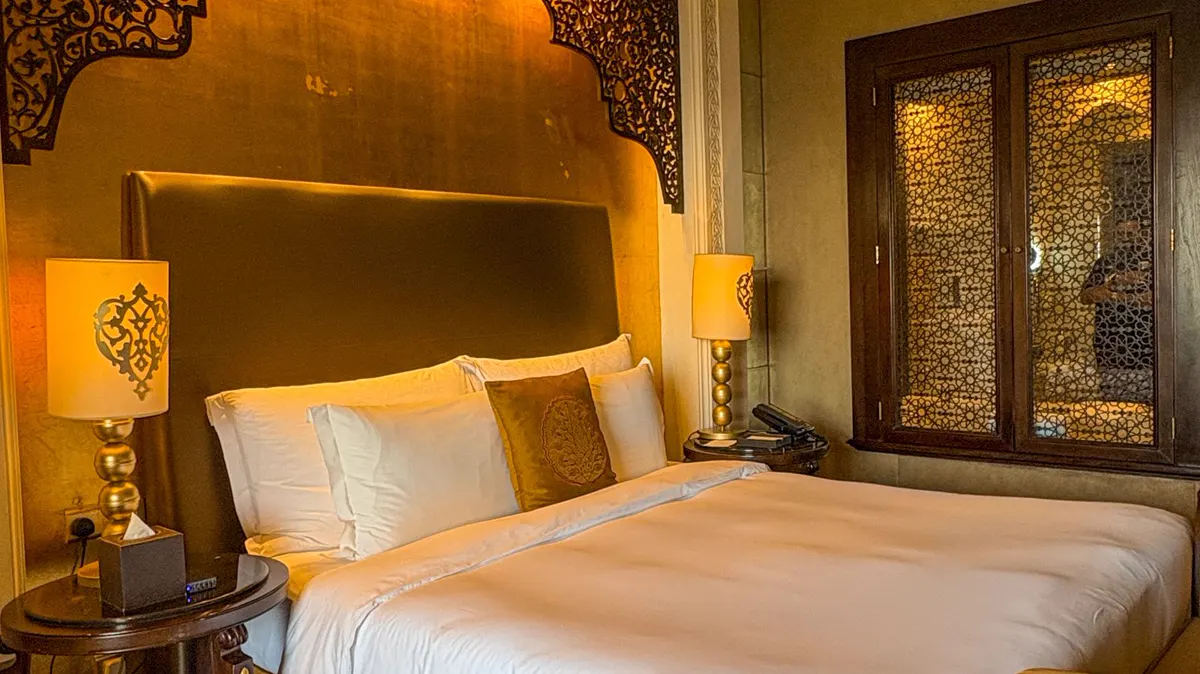
A Relais & Châteaux townhouse on the oldest street in the city, with a rooftop terrace facing Wawel.
Museum
Rynek Underground
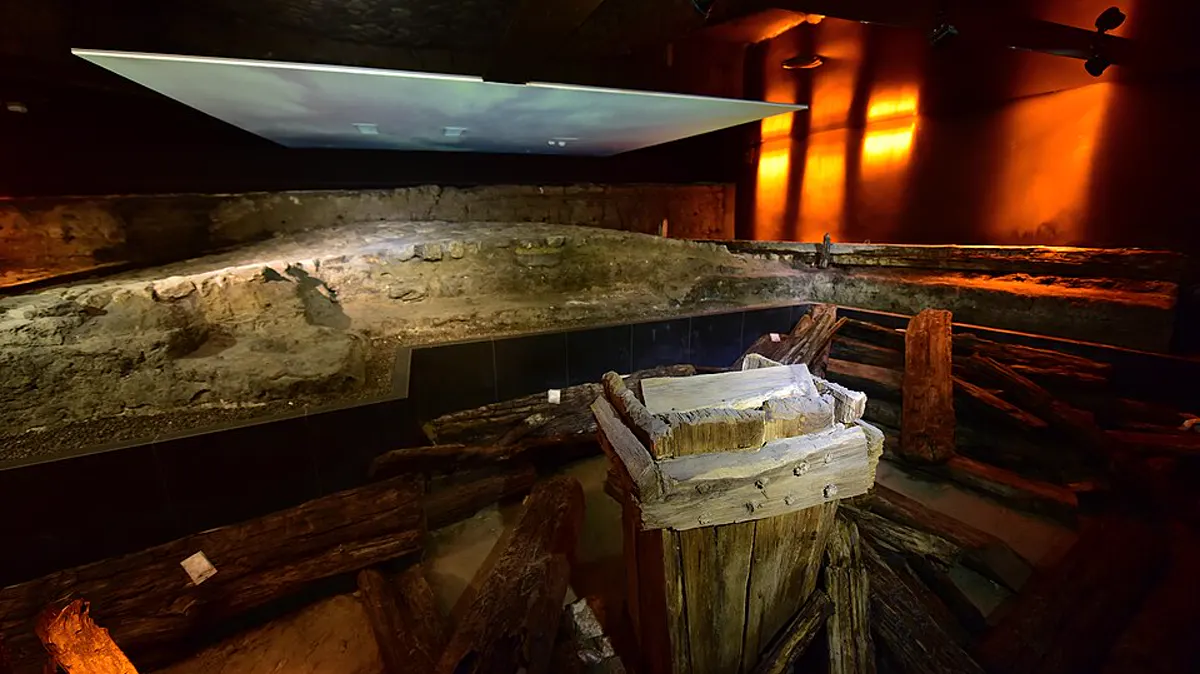
An atmospheric archaeology museum beneath the Main Square, walking you through the medieval market on its original cobbles.

Restaurant
Bar Mleczny Pod Temida
A classic milk bar on Grodzka: pierogi, soups and cutlets at prices that have barely moved in decades.
Hotel
Hotel Stary
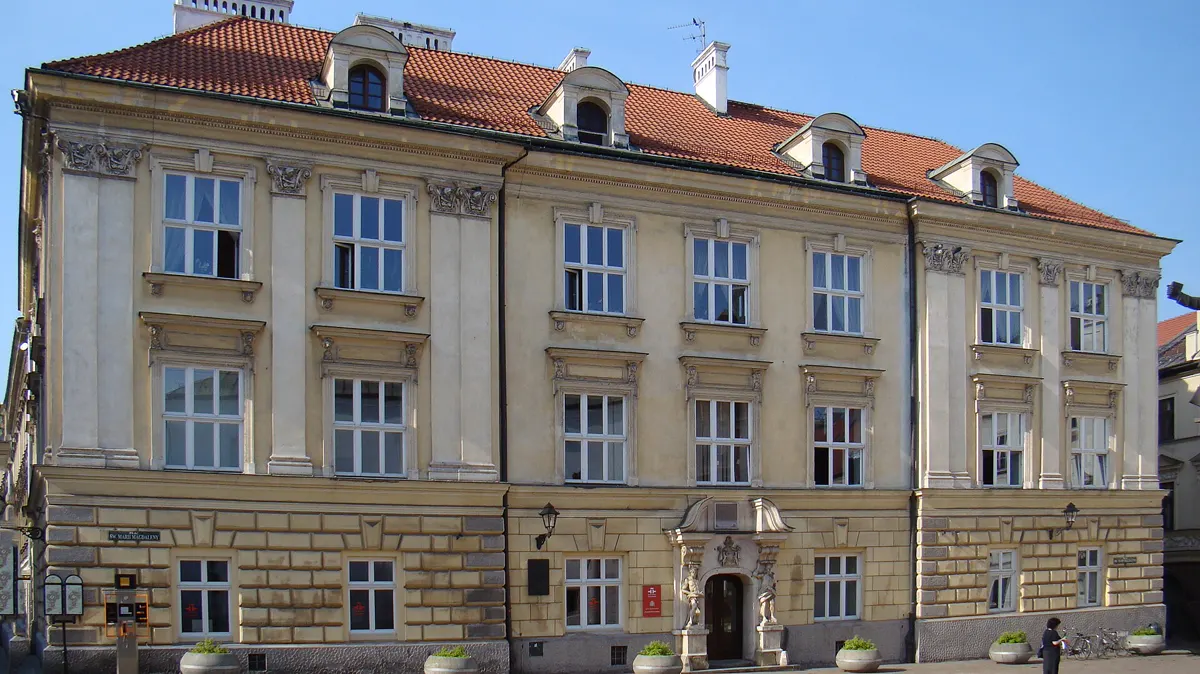
A restored 15th-century palace steps from the Square, with a spa dug into its stone cellars.