Attractions
Attractions in Poland
The sights worth building a day around.
Poland's attractions run from the medieval market squares of Krakow and Wroclaw to the Wieliczka Salt Mine, the memorial at Auschwitz-Birkenau and the Teutonic castle at Malbork. Each page below covers what the place is, how long to spend and how to get there, grouped by city.
All Attractions in Poland
Częstochowa
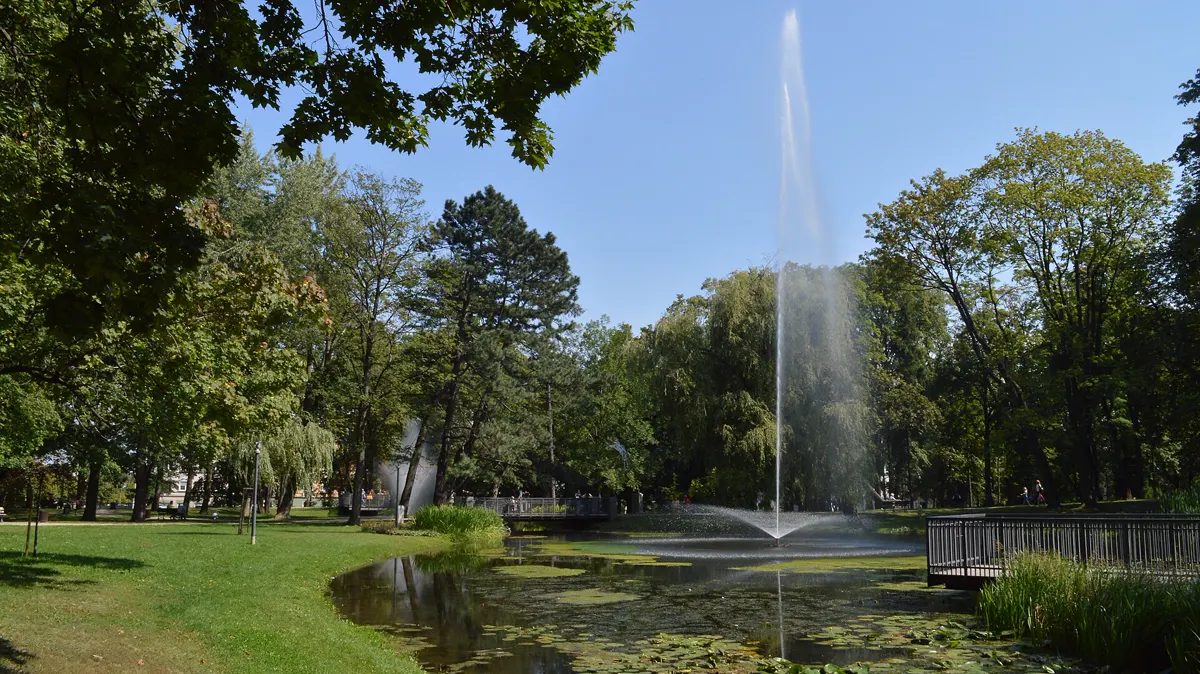
Staszic Park
Staszic Park is the oldest public park in Częstochowa, laid out in 1826 on the eastern approach to Jasna Góra. It links the Avenue of the Blessed Virgin Mary with the monastery hill and draws pilgrims and residents heading up to the sanctuary.
Gdańsk
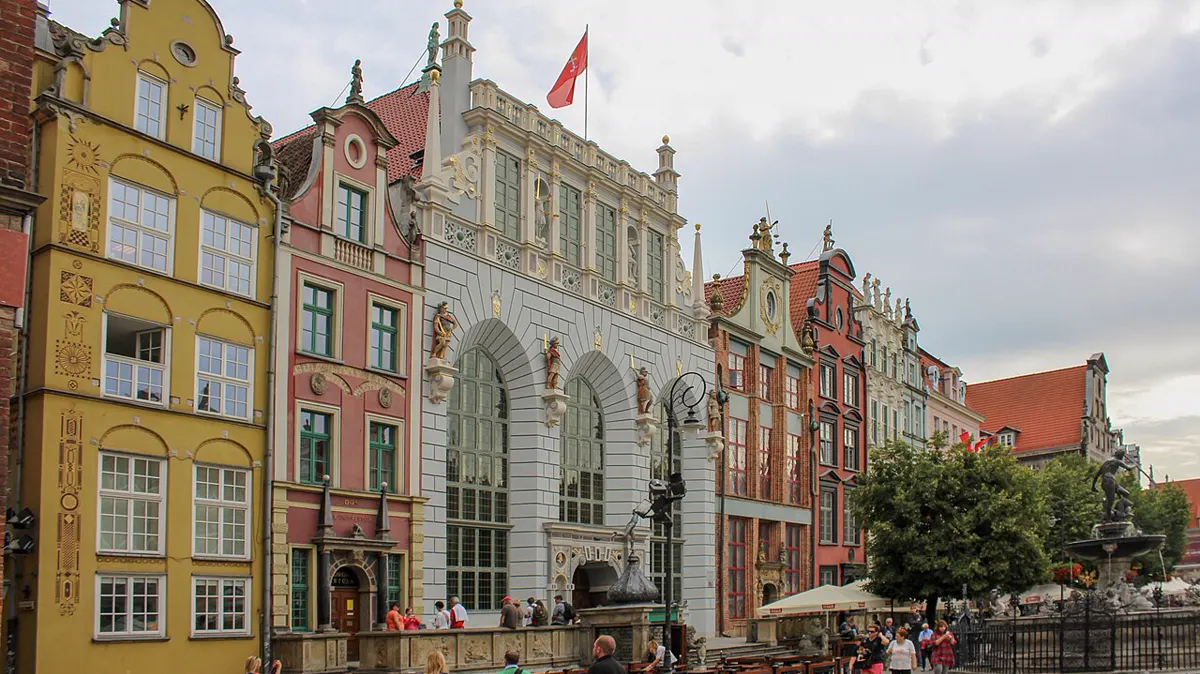
Artus Court (Dwor Artusa)
A grand merchants' meeting hall on Gdansk's Long Market, now a branch of the Museum of Gdansk, home to one of Europe's tallest tiled stoves.
Katowice
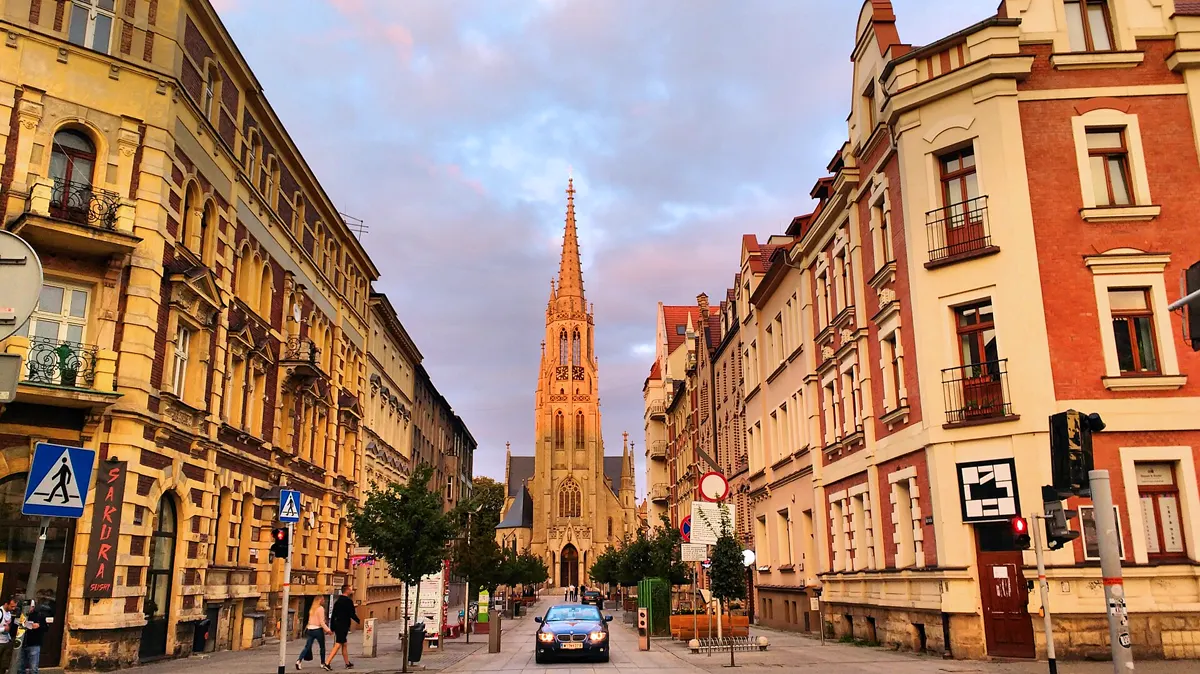
Mariacka Street (ulica Mariacka)
Mariacka Street is Katowice's pedestrian nightlife strip in the city centre, lined with bars, restaurants and cafes and shaded by cherry trees that flower in spring.
Kazimierz Dolny
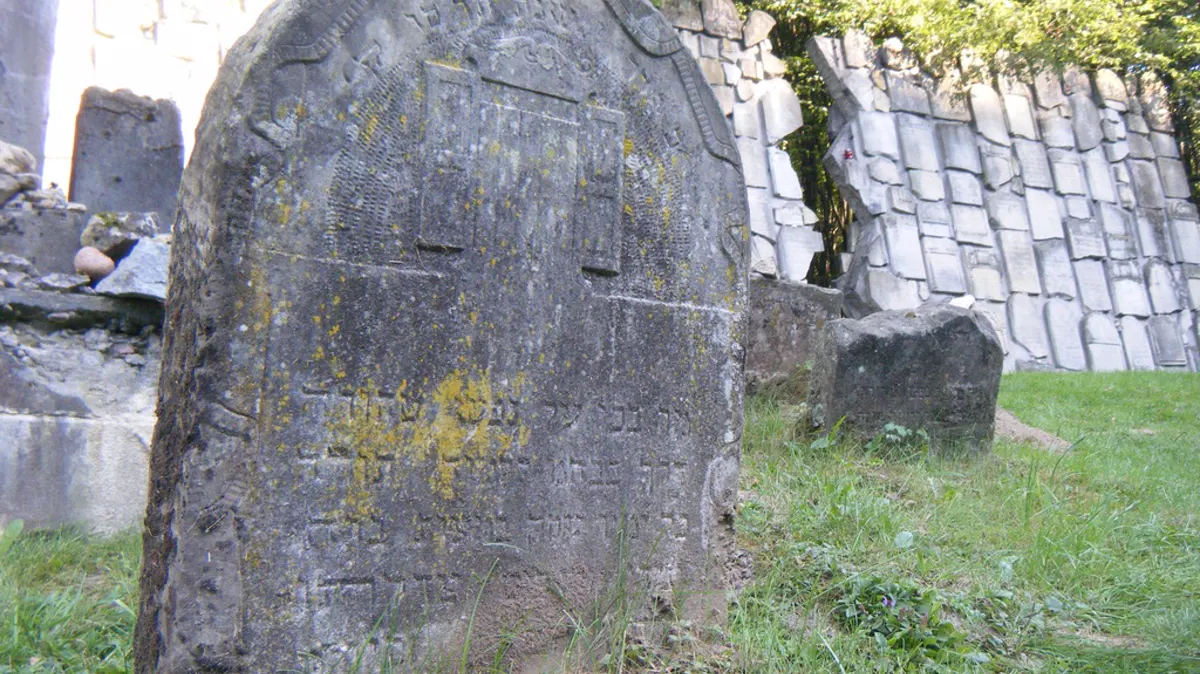
Jewish Cemetery and Wailing Wall Memorial
A memorial wall in Kazimierz Dolny built from around 600 surviving Jewish tombstones, split by a vertical crack that stands for the fate of Poland's Jews.
Kraków
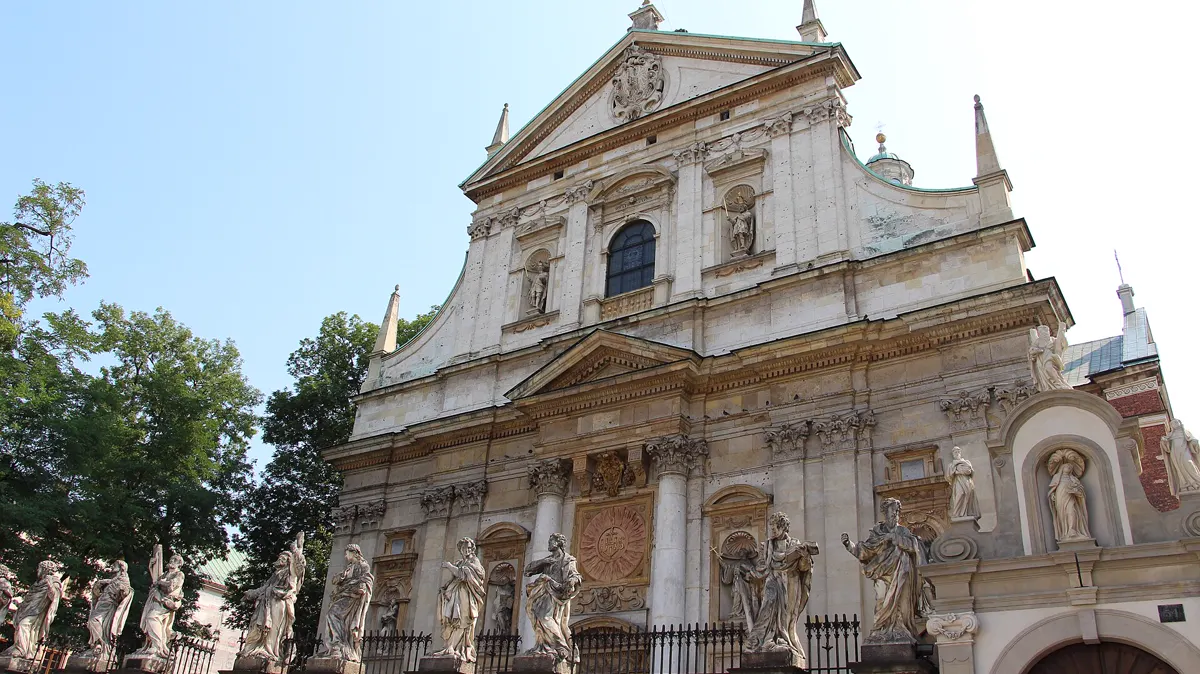
Church of Saints Peter and Paul
Kraków's first fully Baroque church, on Grodzka Street, known for its apostle statues, a national crypt and the longest Foucault pendulum in Poland.
Łódź
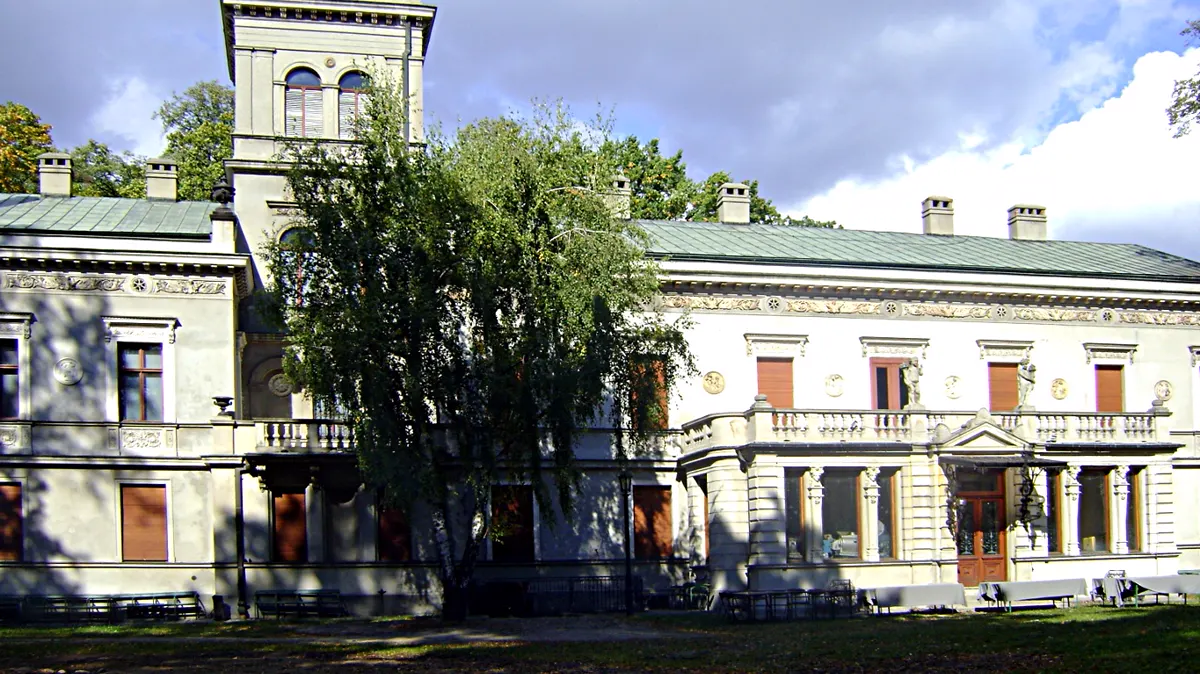
Museum of Cinematography (Scheibler Palace)
Poland's only museum devoted to film history, set inside the opulent Karl Scheibler Palace in Łódź, the city nicknamed the Polish Hollywood.
Lublin
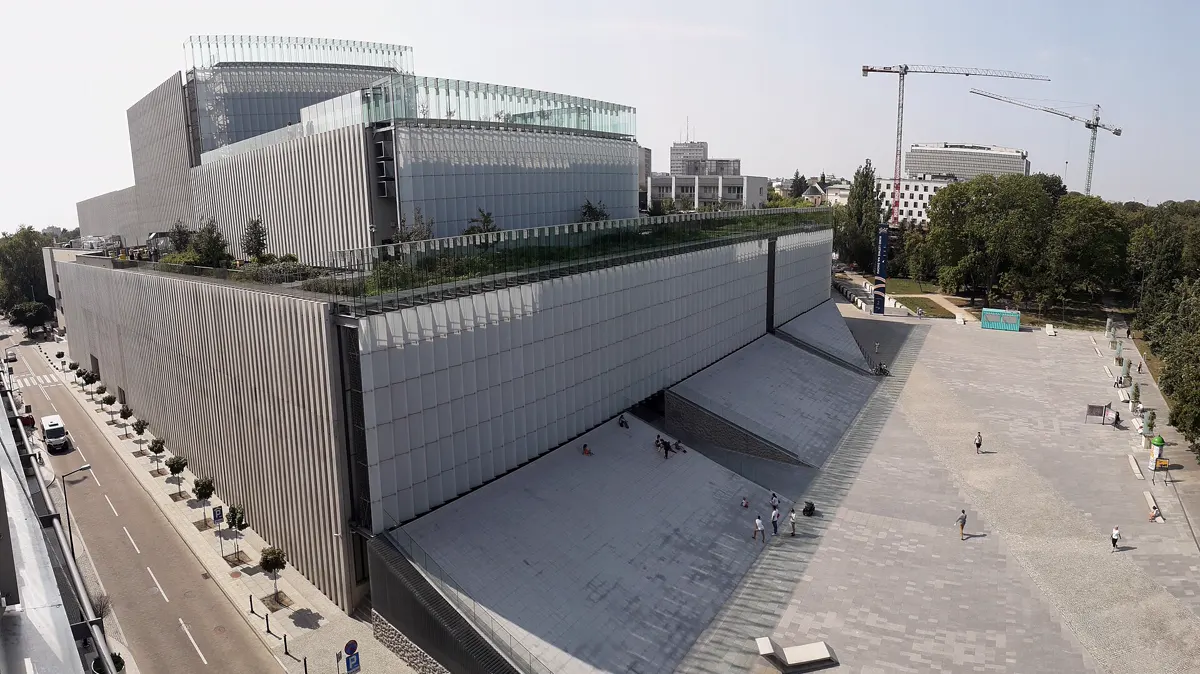
Centre for the Meeting of Cultures
A large modern cultural complex on Theatre Square in Lublin, home to the Musical Theatre, the Lublin Philharmonic and the Hans Christian Andersen Theatre, with a free terraced rooftop garden open to the public.
Olsztyn
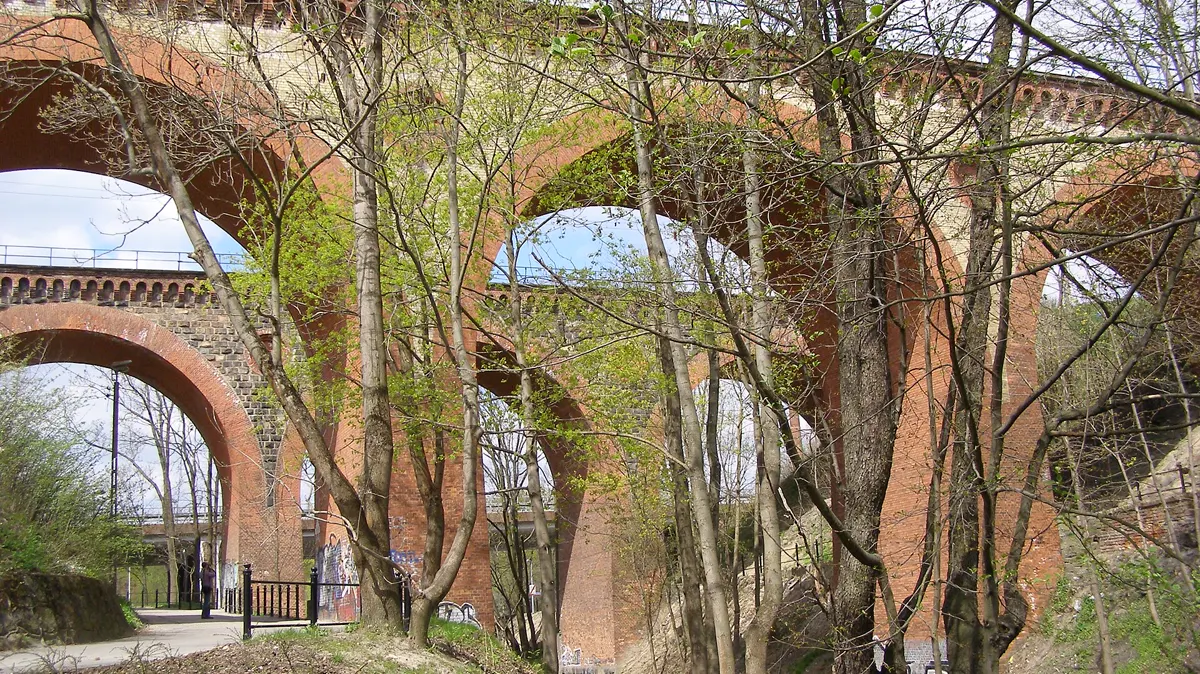
Railway Viaducts over the Łyna
A pair of monumental red-brick railway viaducts crossing the Łyna river valley in Olsztyn, the older dating from 1871-1872. Their tall arched spans and industrial architecture make them one of the valley's most photographed landmarks.
Poznań
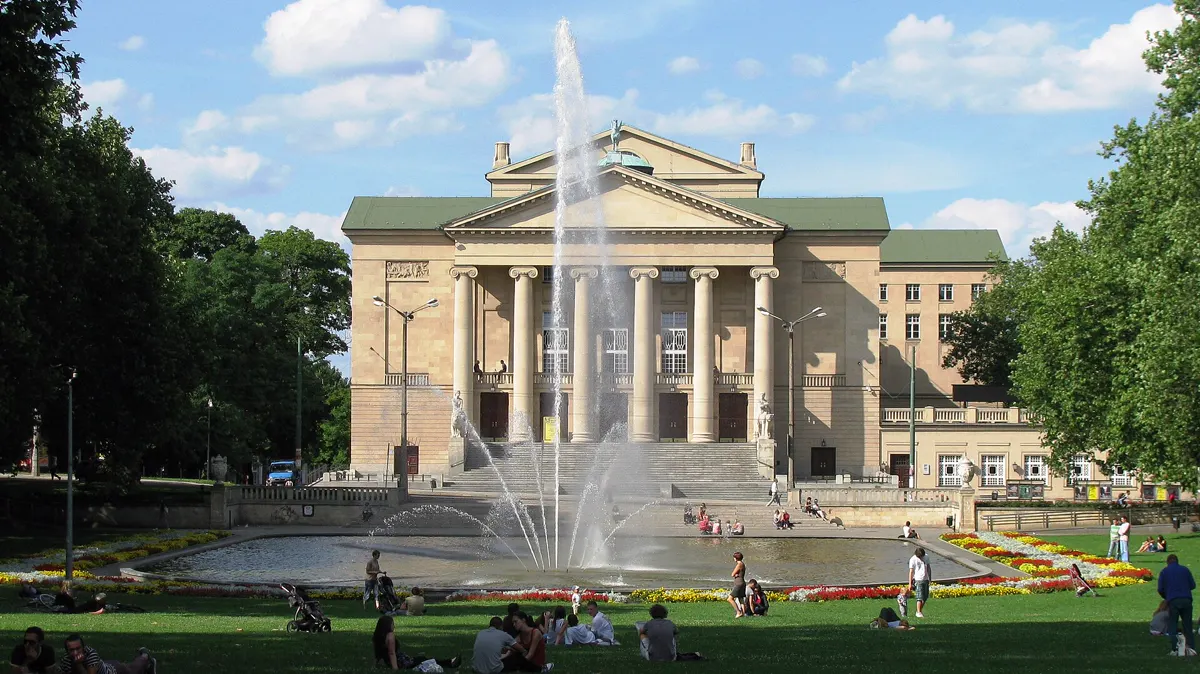
Grand Theatre (Moniuszko Opera House)
Poznań's main opera house, a neoclassical landmark from 1910 topped by a bronze Pegasus, staging opera and ballet in the city centre beside Adam Mickiewicz Park.
Sopot
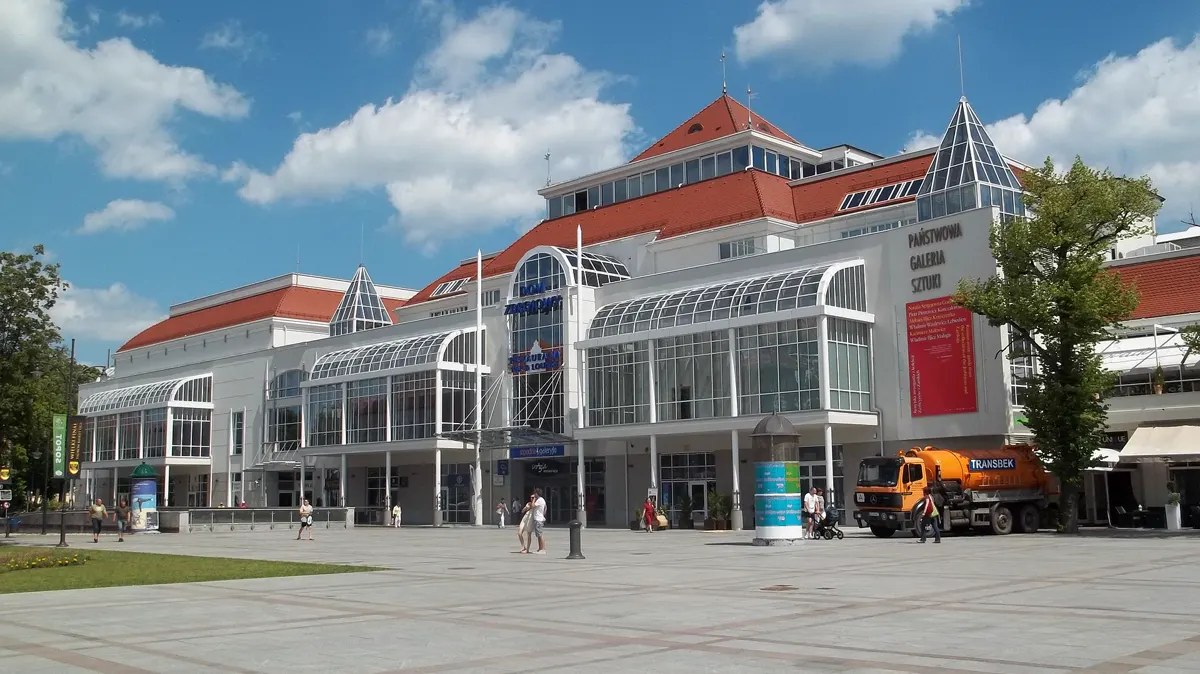
State Art Gallery (PGS)
The State Art Gallery (Państwowa Galeria Sztuki, or PGS) is one of Poland's leading contemporary art institutions, set at Plac Zdrojowy in central Sopot with changing exhibitions across three floors.
Toruń
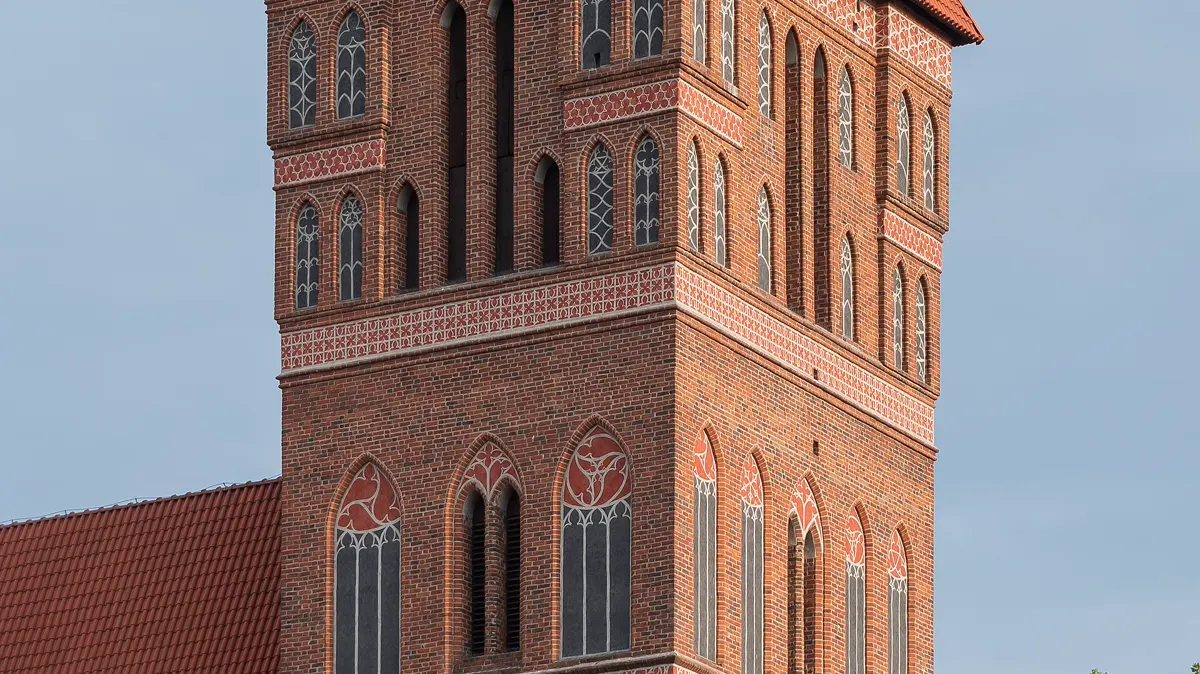
Church of St. James
The Gothic parish church of Toruń's New Town, begun in 1309 and the only true basilica among the city's medieval churches, known for its glazed brick decoration, flying buttresses and 14th-century wall paintings.
Warsaw
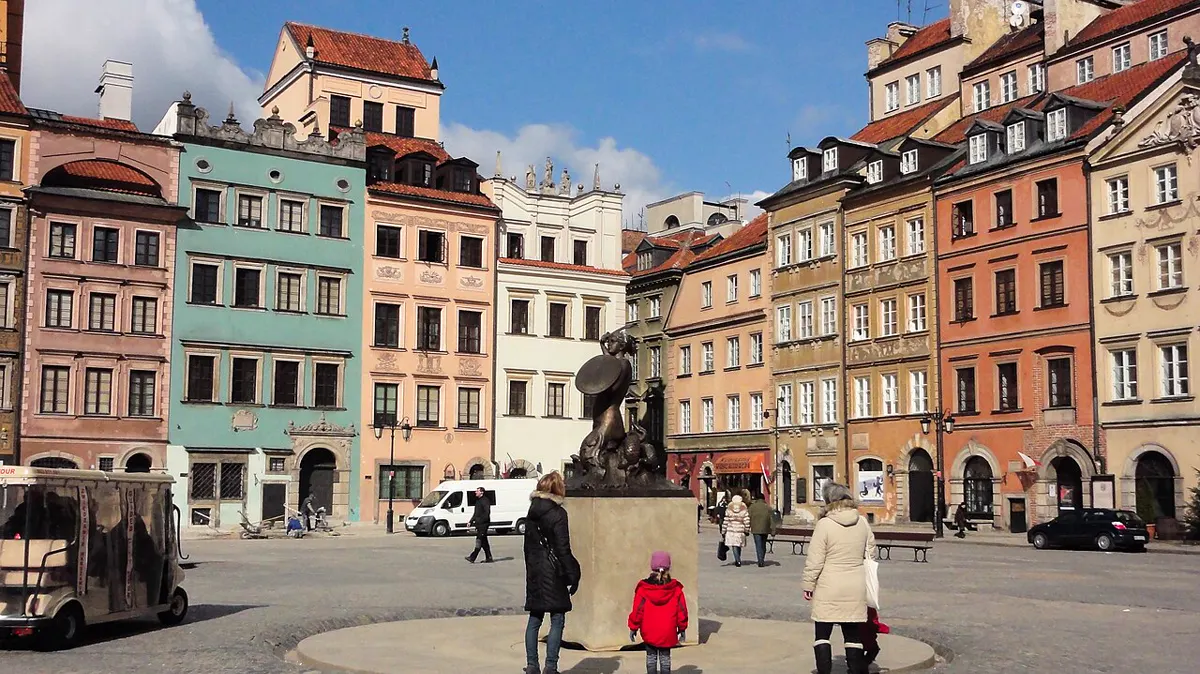
Warsaw Mermaid Statue (Pomnik Syrenki)
The bronze mermaid at the centre of Warsaw's Old Town Market Square is the city's emblem and legendary guardian, shown raising a sword and shield.
Poland fits a lot into one country: medieval market squares, a salt mine carved into underground chapels, the memorial at Auschwitz-Birkenau, mountain trails and a long Baltic coast. Seventeen places hold UNESCO World Heritage status, and most of the headline attractions cluster around the cities you are likely to base yourself in, so a first trip rarely means long transfers.
Top attractions in Krakow, Warsaw and Gdansk
Krakow has the densest cluster: the Main Market Square, laid out in 1257 and among the largest medieval squares in Europe, the underground Wieliczka Salt Mine, and the Auschwitz-Birkenau Memorial within a day trip. Warsaw rebuilt its Old Town from wartime rubble, Gdansk lines the Motlawa with tall merchant houses, and Wroclaw and Torun keep intact Gothic centres. The mountains around Zakopane and the lakes of Masuria add the outdoor side.
Top places to visit on a first trip
Group attractions by the city you are staying in rather than chasing them across the map. Krakow, Warsaw and Gdansk each reward two or three days and put more sights within an easy day trip. For the classic sights that define the country, see the best viewpoints and our city guides.
Do you need to book tickets in advance
The busiest sites use timed entry, so book Wieliczka and the Auschwitz-Birkenau Memorial ahead, especially in summer. Many state museums have one free day a week. Tickets are good value by European standards; our note on costs in Poland has the typical prices.
Attractions by city
Travel guides
Krakow Golf Cart Tours: The Four Routes, Compared
Four electric cart routes cover the Old Town, Kazimierz, the ghetto in Podgorze and Schind...
Best Castles in Poland
From the Teutonic fortress at Malbork to the royal seats at Wawel and Warsaw, the Polish c...
3 Days in Krakow
A practical three-day plan for Krakow, pairing the Old Town and Wawel with Kazimierz and o...
Things to Do in Krakow
The sights, neighbourhoods and day trips that make Krakow worth several days, ranked by ho...