Attraction in Łódź
New Jewish Cemetery (Łódź)
A vast 19th-century Jewish cemetery in the Bałuty district of Łódź, holding monumental industrialists' tombs and the mass graves of the Litzmannstadt Ghetto.
Reviewed and updated July 2026
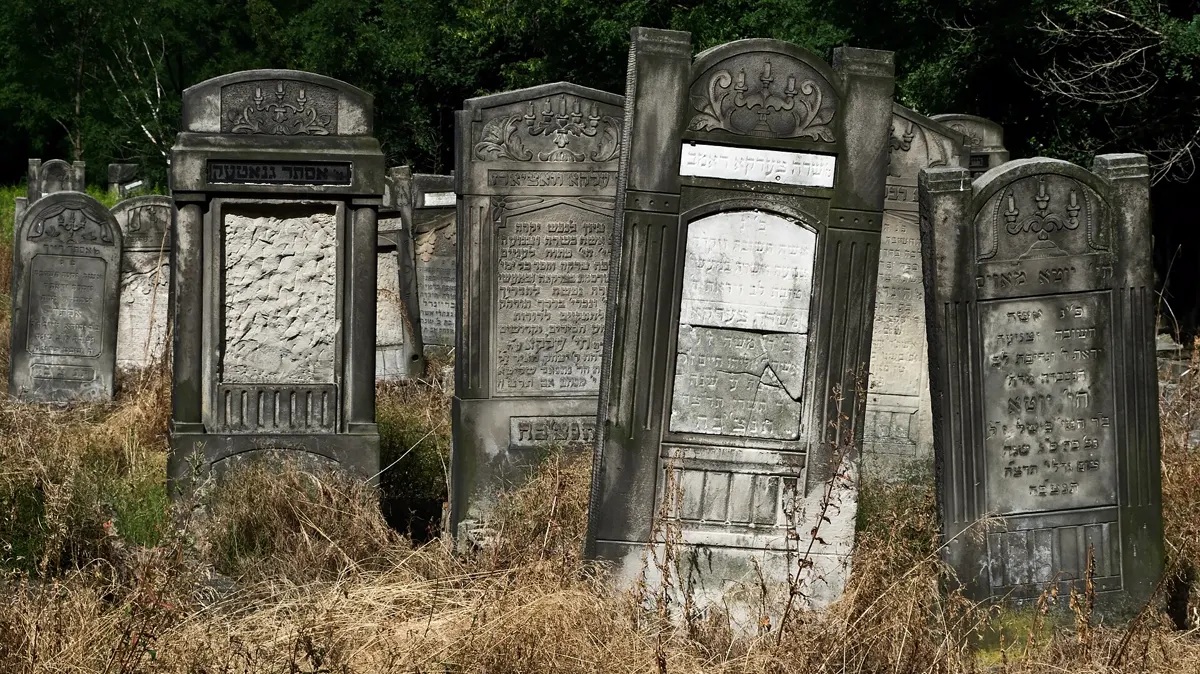
The New Jewish Cemetery in Łódź is one of the largest Jewish burial grounds in Europe, spread across more than 40 hectares in the northern Bałuty district on ul. Bracka. People come for its sheer scale, for the ornate tombs of the textile industrialists who built the city, and for the sombre Ghetto Field where tens of thousands of Holocaust victims are buried. It is a central site for anyone tracing Łódź's Jewish and wartime history.
The scale and the industrialists' tombs
With an estimated 180,000 to 230,000 graves, the cemetery is large enough that wandering its avenues takes time, and quiet stretches feel almost like woodland. The most striking monuments belong to the wealthy manufacturing families who shaped Łódź in the 19th century, including the elaborate mausoleum of Izrael Poznański, the industrialist who donated the land. Many of these tombs carry Art Nouveau detailing, carved stone and mosaic work rather than plain headstones. The contrast between these grand memorials and the simpler rows around them tells much of the city's social story.
The Ghetto Field
The cemetery's southern section, known as the Ghetto Field (Pole Gettowe), holds the mass graves of around 43,000 people who died in the Litzmannstadt Ghetto between 1940 and 1944. Rows of small, uniform markers stretch across open ground, a deliberate departure from the ornamentation elsewhere in the cemetery. This is the emotional core of any visit and the reason the site features so heavily in accounts of the Holocaust in Łódź. It is a place to walk slowly and read the memorial plaques.
History and significance
The cemetery was established in 1892 to replace an older, overcrowded Jewish burial ground closer to the city centre. For a period it was the largest Jewish cemetery in Europe, a reflection of how large and prosperous Łódź's Jewish community once was. Its survival through the war, when so much Jewish heritage was destroyed, gives it unusual importance as a physical record of that community. Today it is maintained as both a burial ground and a memorial.
Fitting it into a visit to Łódź
The cemetery sits north of the centre in Bałuty, the district that became the wartime ghetto, so it pairs naturally with other Jewish and Holocaust sites when you plan a day around that history. Set aside a couple of hours if you want to reach the Ghetto Field and the main mausoleums without rushing, as the grounds are extensive. It suits travellers with an interest in Jewish heritage, family research or the industrial past of the city rather than those after a quick photo stop. See our Łódź guide for how it connects with the rest of the city.
Good to know
The cemetery normally closes on Saturdays and Jewish holidays, and male visitors are usually asked to cover their heads, so bring a hat and check current opening hours through official channels before you go.
Frequently asked questions
More attractions in Łódź
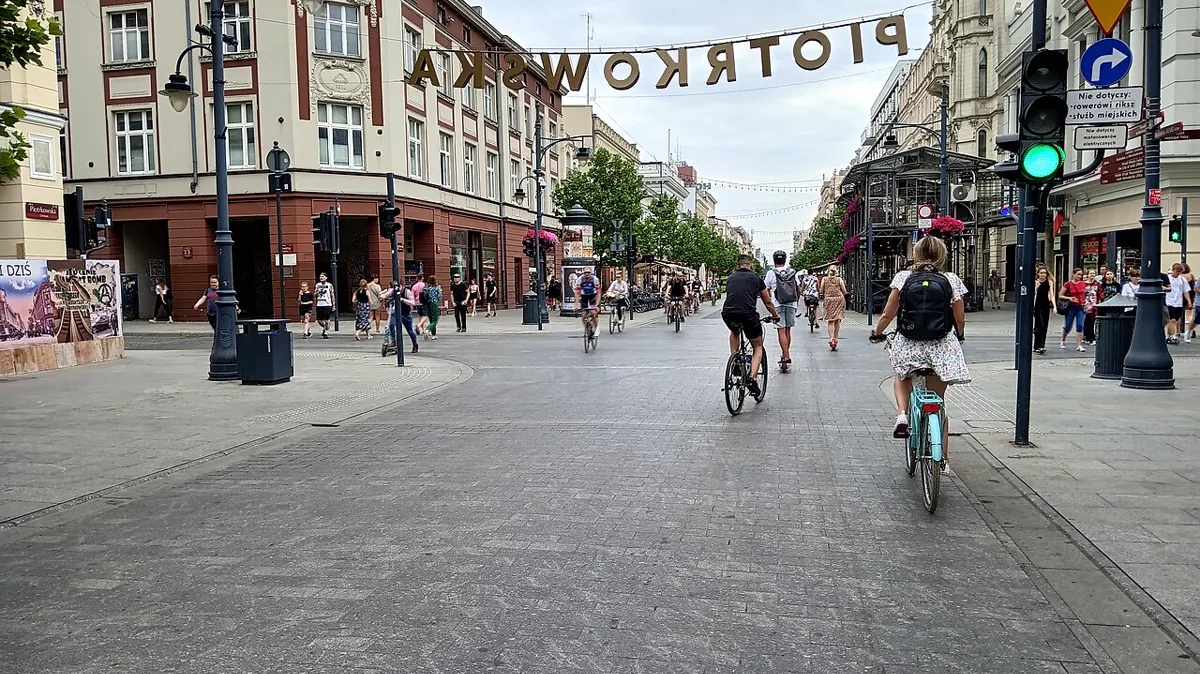
Piotrkowska Street
One of the longest commercial streets in Europe, the four-kilometre spine of Łódź, lined with the facades of its textile-era barons.
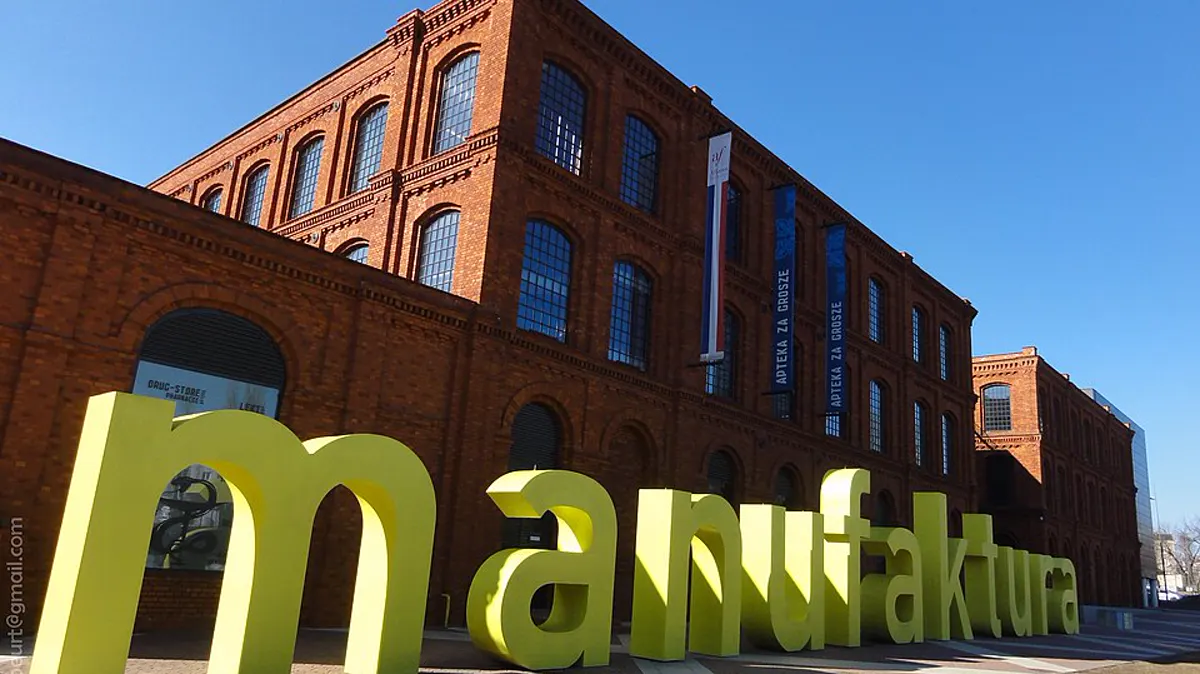
Manufaktura
A vast nineteenth-century textile mill converted into a cultural, dining and shopping quarter around a huge public square.
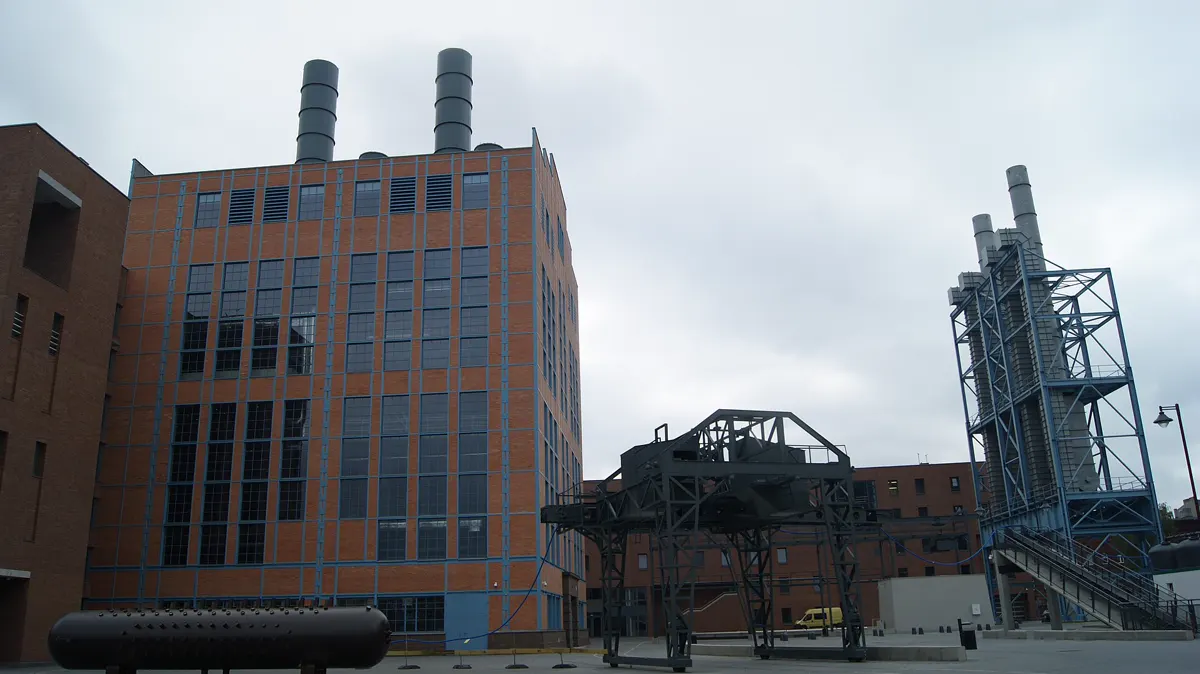
EC1 Łódź
The city's first power station, converted into a hands-on science centre and one of Central Europe's most advanced planetariums.
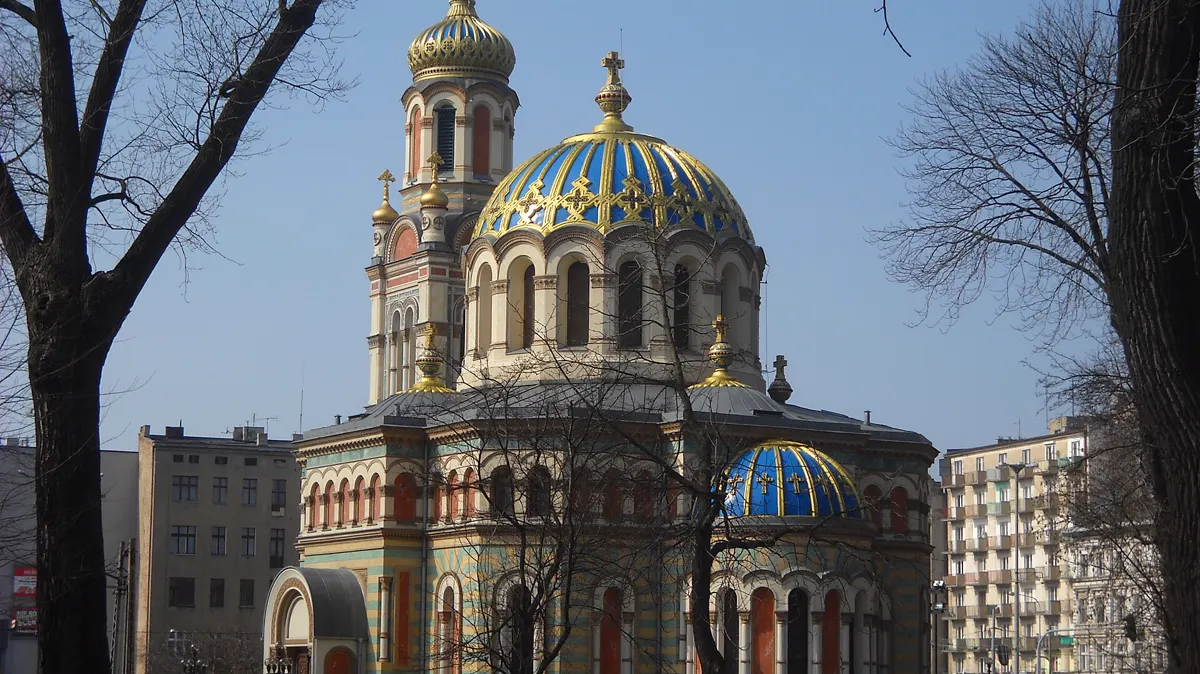
Alexander Nevsky Cathedral
A Polish Orthodox cathedral in central Łódź, built in the 1880s in a Neo-Byzantine style and known for its colourful onion domes and a richly decorated iconostasis made in St. Petersburg.
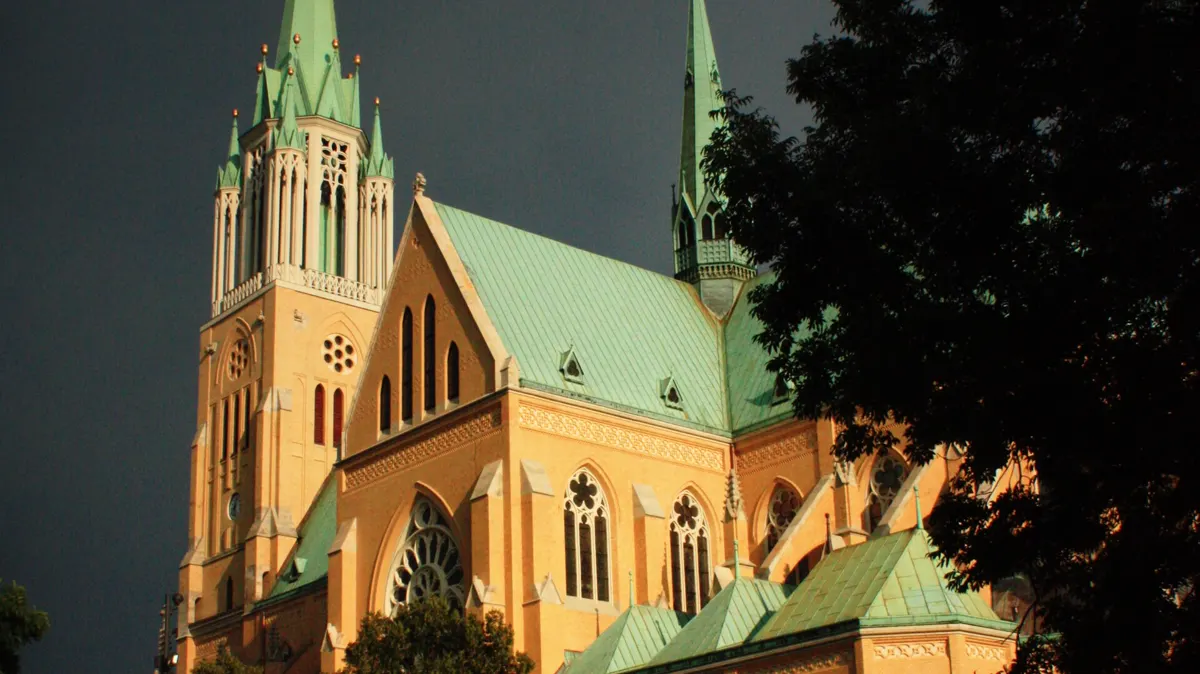
Archcathedral Basilica of St. Stanislaus Kostka
A neo-Gothic cathedral at the southern end of ul. Piotrkowska, and at 104.5 metres the tallest building in Łódź.
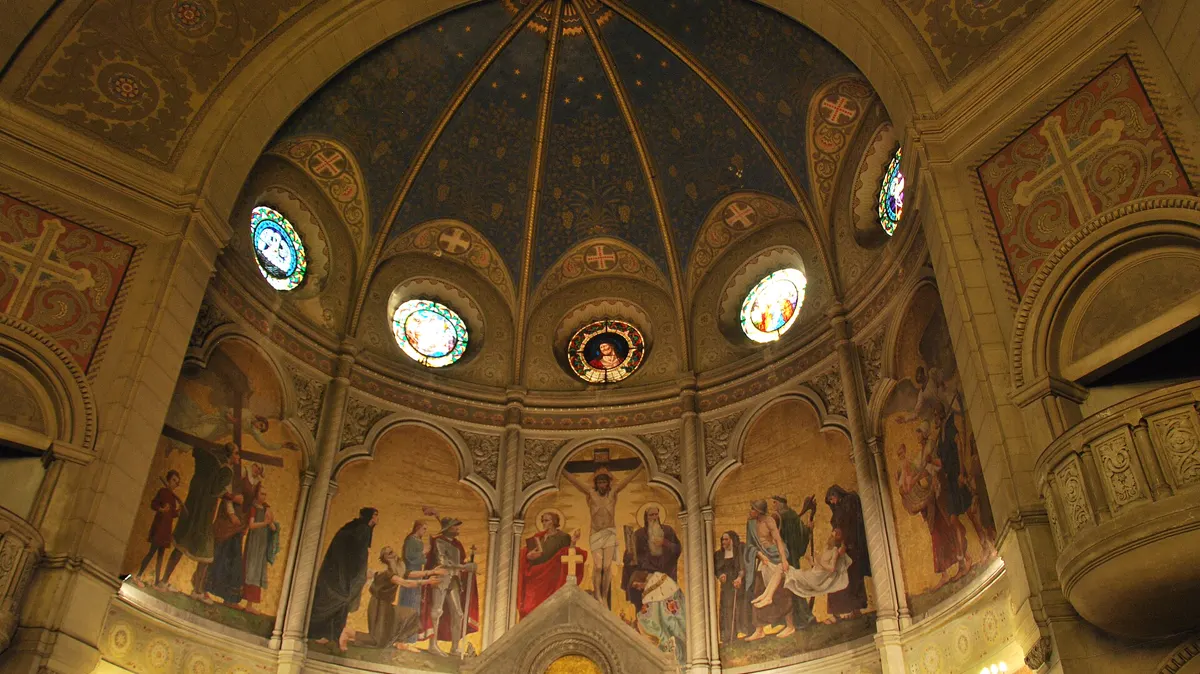
St. Matthew's Evangelical Lutheran Church
A large Lutheran church on Łódź's Piotrkowska Street, known for its domed architecture, marble altar and the organ concerts held here since 1996.
More to explore in Łódź
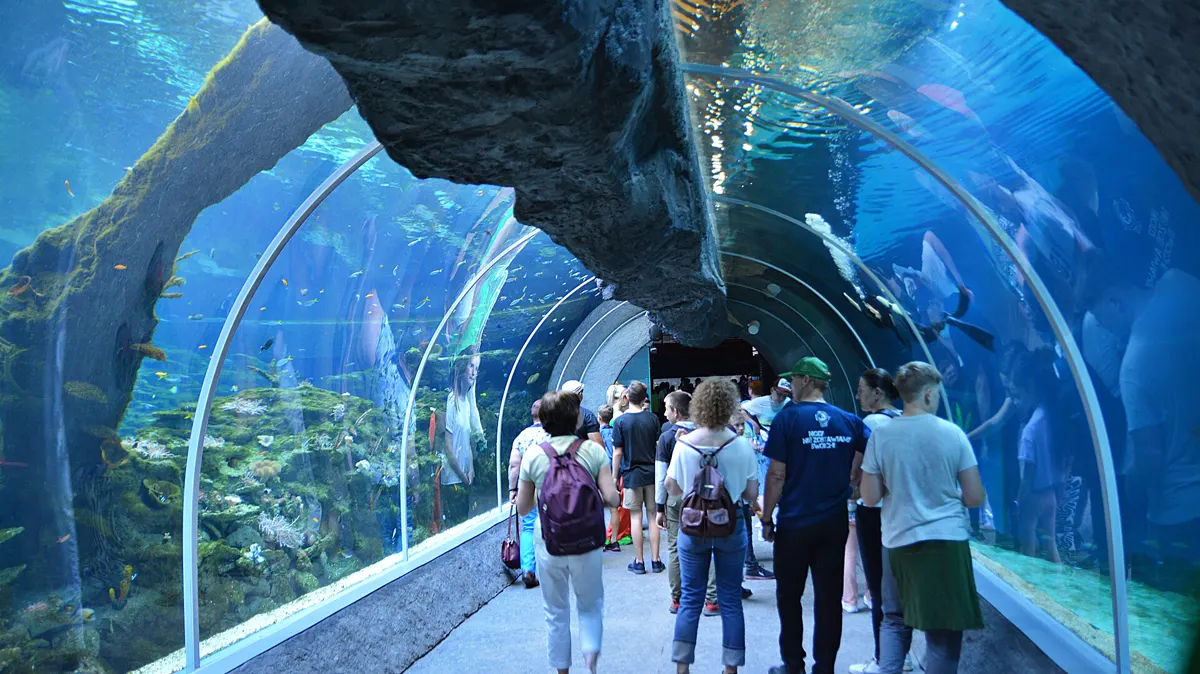
Nature
Orientarium Zoo Łódź
A modern zoo pavilion built around a South-East Asian theme, with an underwater tunnel running beneath a shark and ray tank.
Museum
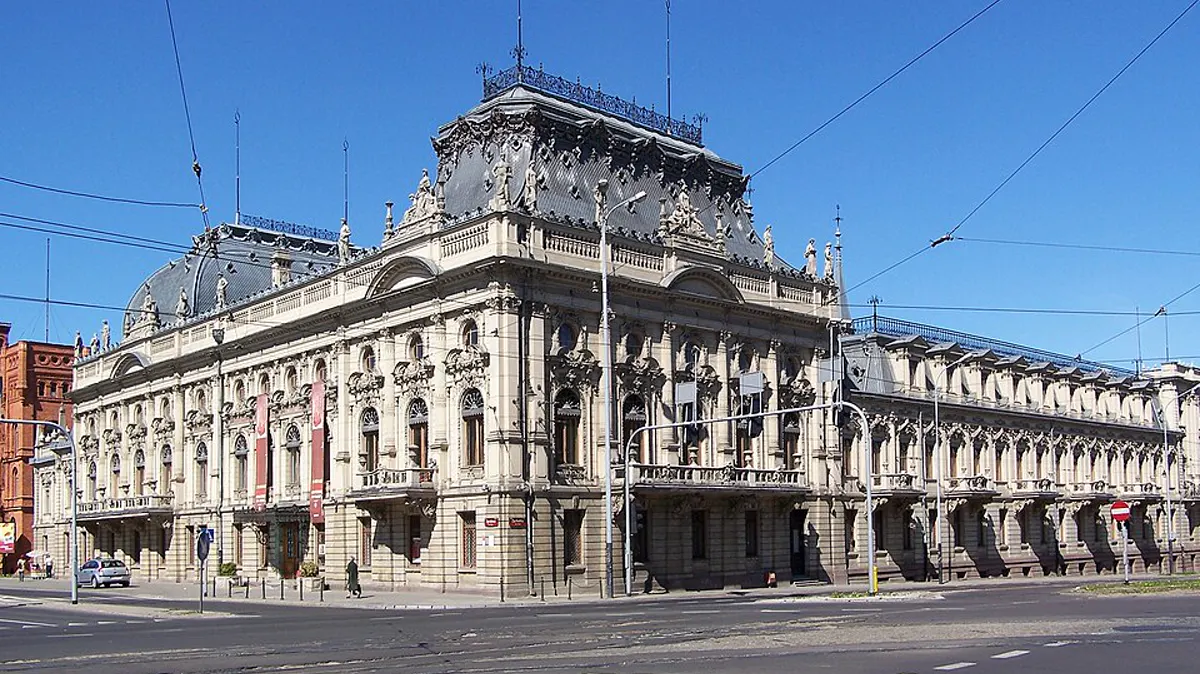
Izrael Poznański Palace (Museum of the City of Łódź)
The largest industrialist's residence in Poland, built for the Poznański cotton dynasty and now the city museum.
Museum
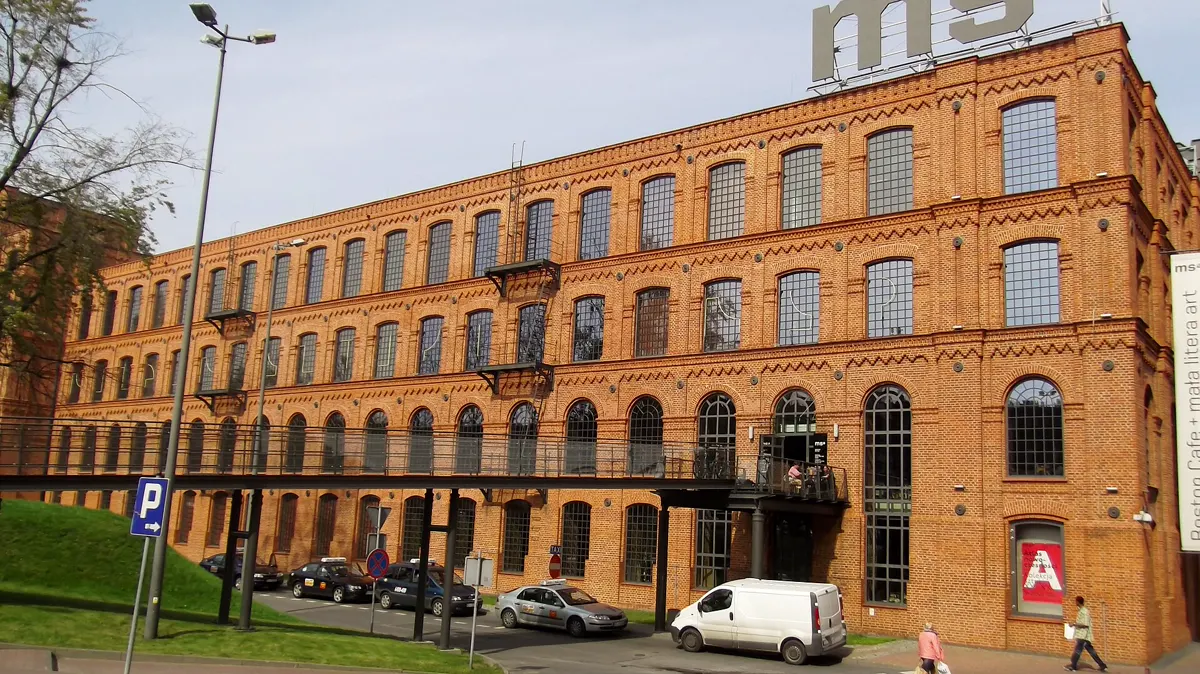
Muzeum Sztuki (ms²)
One of the world's earliest modern-art museums, whose ms² branch shows its avant-garde collection inside a converted Manufaktura mill.
Museum
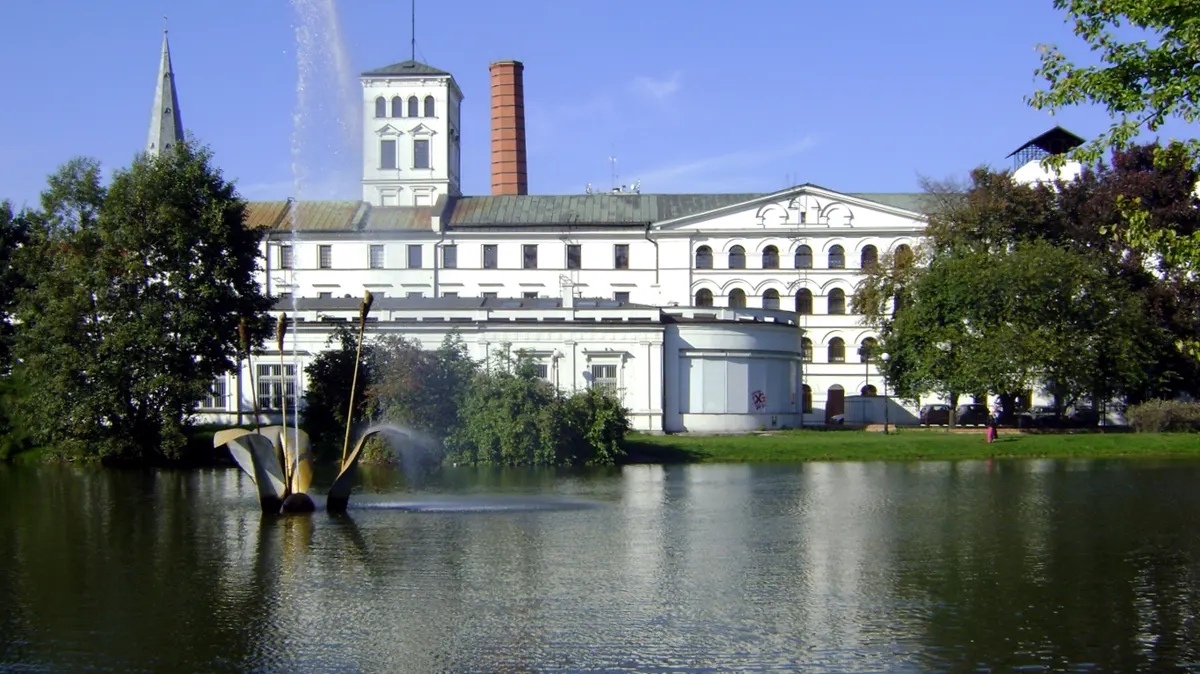
Central Museum of Textiles (White Factory)
A textile museum inside Łódź's landmark White Factory, telling the city's story through the fabric that built it.
Restaurant
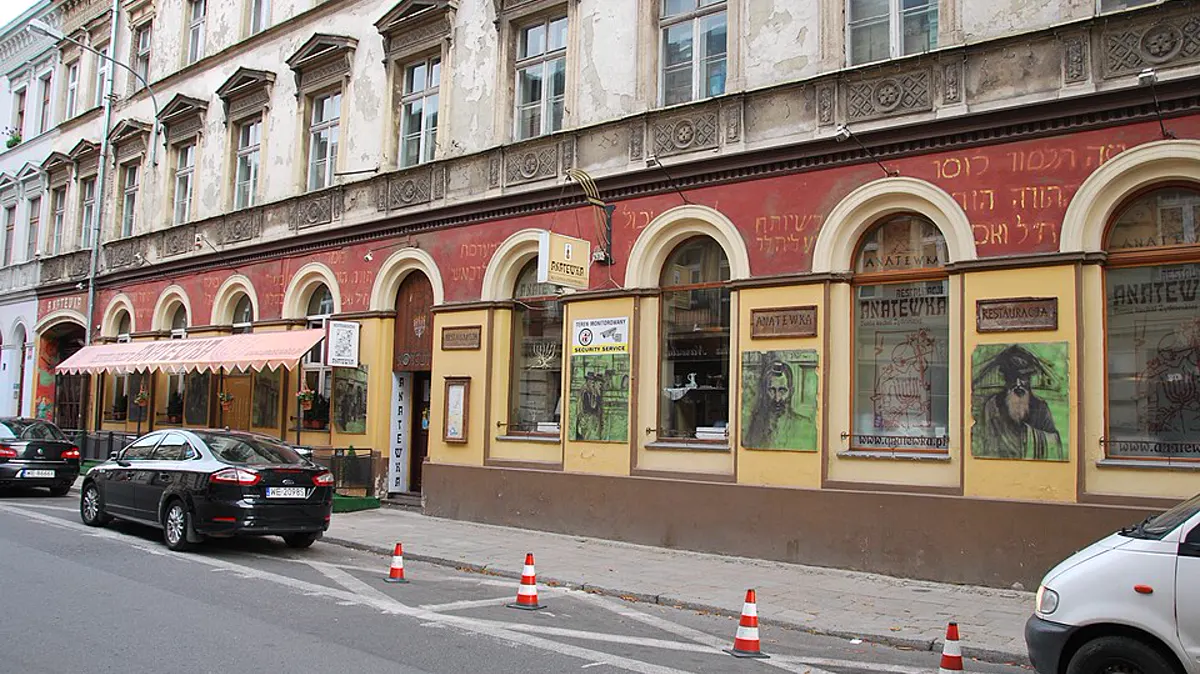
Anatewka
A long-standing Jewish restaurant off Piotrkowska Street, drawing on family recipes and Łódź's pre-war heritage.

Restaurant
Galicja Restaurant
A Manufaktura restaurant serving Polish and Central European classics across a period upstairs room and a brick cellar.