Attraction in Olsztyn
Railway Viaducts over the Łyna
A pair of monumental red-brick railway viaducts crossing the Łyna river valley in Olsztyn, the older dating from 1871-1872. Their tall arched spans and industrial architecture make them one of the valley's most photographed landmarks.
Reviewed and updated July 2026
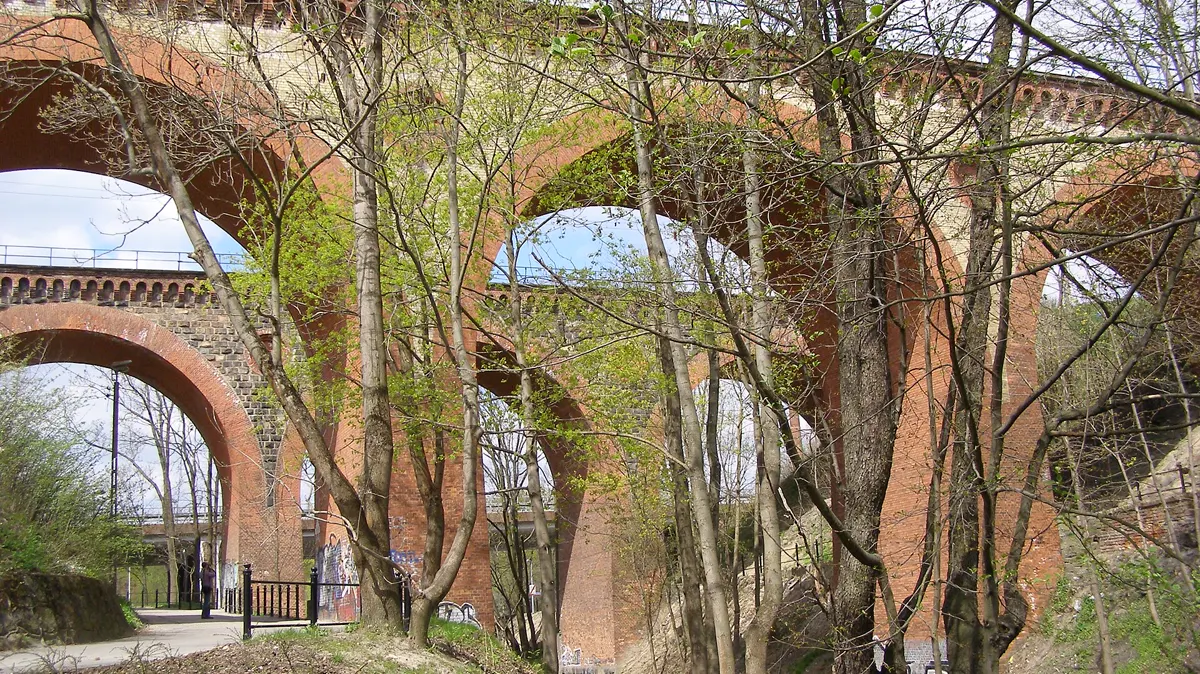
The Railway Viaducts over the Łyna are a pair of monumental red-brick railway bridges that span the Łyna river valley in Olsztyn, and people come mainly for the photographs. The older of the two was built in 1871-1872, when the railway first reached the city. Roughly 70 metres long and rising more than 21 metres above the valley floor, their tall arched spans give the landscape a strong industrial character that has made them a favourite subject for local and visiting photographers.
What you see at the viaducts
Two red-brick viaducts stand side by side across the Łyna valley, carrying rail lines high above the river and greenery below. The masonry is built up in tall arched spans, and from the valley floor you look up at more than 21 metres of brickwork stretching around 70 metres across. The scale and the repeating arches are what draw photographers, especially from the lower footpaths where you can frame the full height of the structure against the trees and water.
A railway landmark from the 1870s
The older viaduct dates to 1871-1872, the period when the railway reached Olsztyn and connected the city to the wider network. Brick viaducts of this kind were a common solution for carrying tracks across river valleys in the region, and this pair has remained a defining feature of the Łyna landscape ever since. For anyone interested in 19th-century engineering and industrial heritage, the structures are a tangible reminder of how the arrival of rail reshaped the city.
Who it suits and how to visit
The viaducts appeal most to photographers, walkers and anyone curious about railway history. They sit in the Łyna river valley, so the best views come from the paths and green areas along the water rather than from street level. There is no ticket or building to enter; this is an outdoor landmark you simply walk up to. For current details on access and any works on the active rail line, check official local channels before you go.
Fitting it into an Olsztyn visit
The viaducts pair naturally with a walk along the Łyna, which threads through Olsztyn and links several green spaces. You can combine a stop here with the city's other riverside stretches or with the historic centre, using the valley paths to move between them on foot. See the Olsztyn guide for more on the wider city and what else sits within easy reach.
Good to know
Because the viaducts carry an active rail line, view and photograph them from the valley paths below rather than from the tracks.
Frequently asked questions
More attractions in Olsztyn
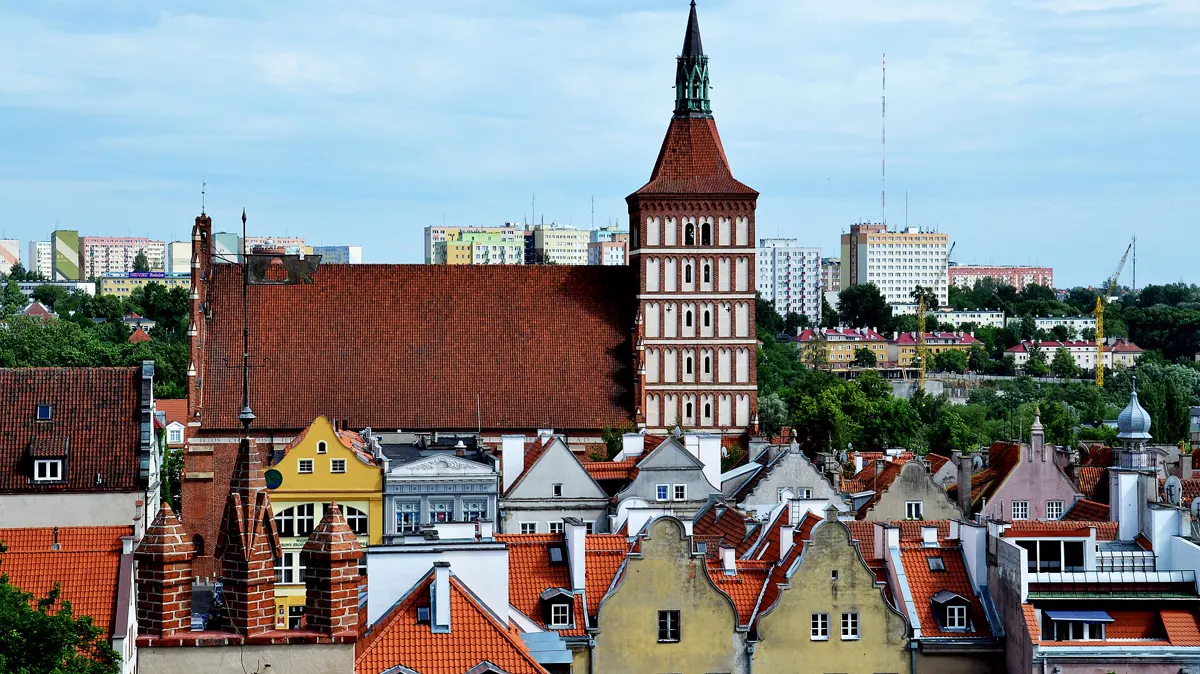
Co-Cathedral Basilica of St James in Olsztyn
A red-brick Gothic hall church at the centre of Olsztyn's Old Town, raised for a Latin greeting.
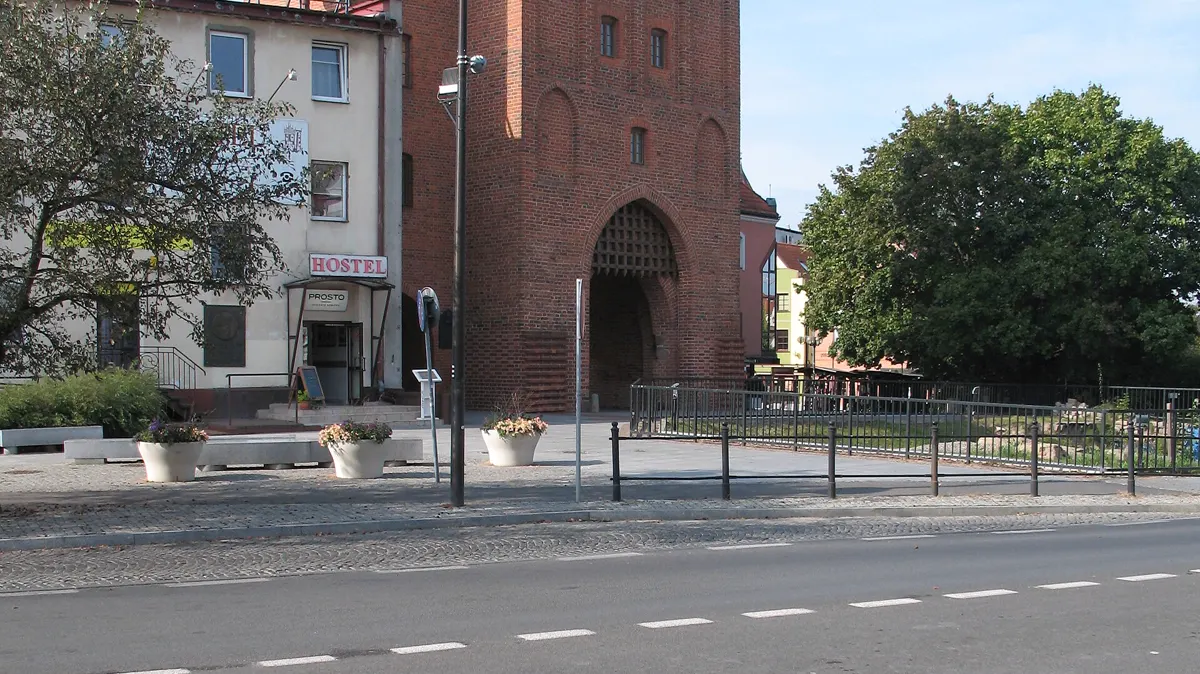
High Gate (Wysoka Brama)
The last of Olsztyn's three medieval gates and the most striking surviving piece of the old city walls.
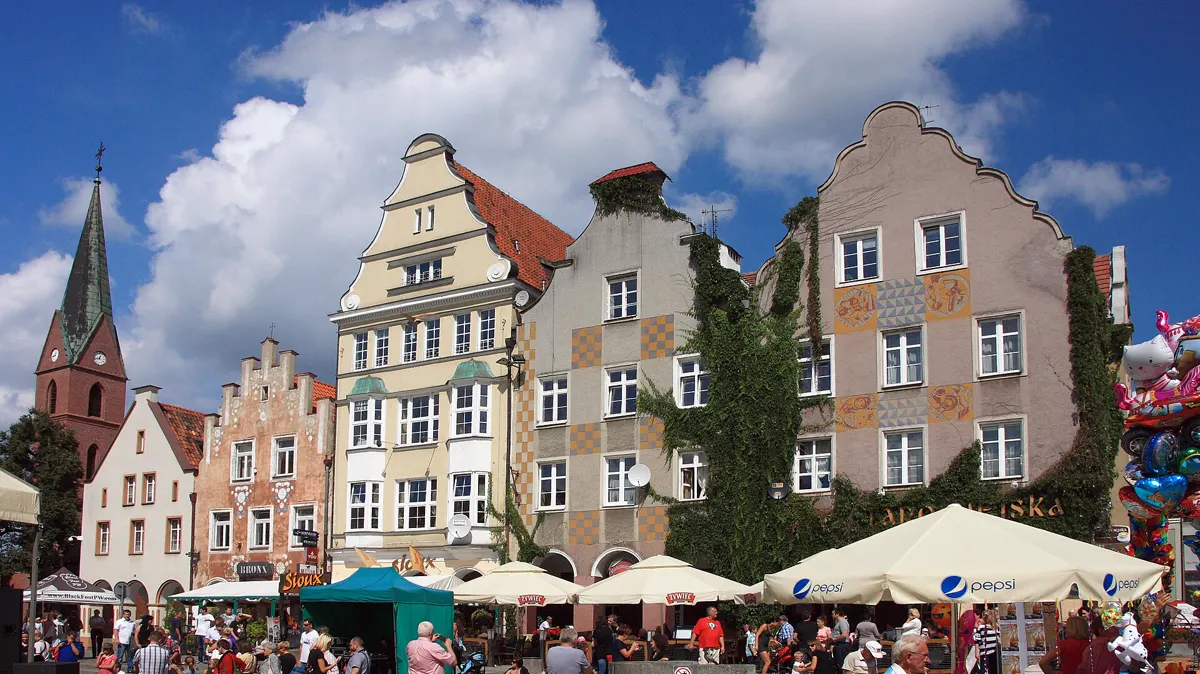
Olsztyn Old Town
A compact market square of gabled burgher houses, ringed by fragments of the medieval walls.
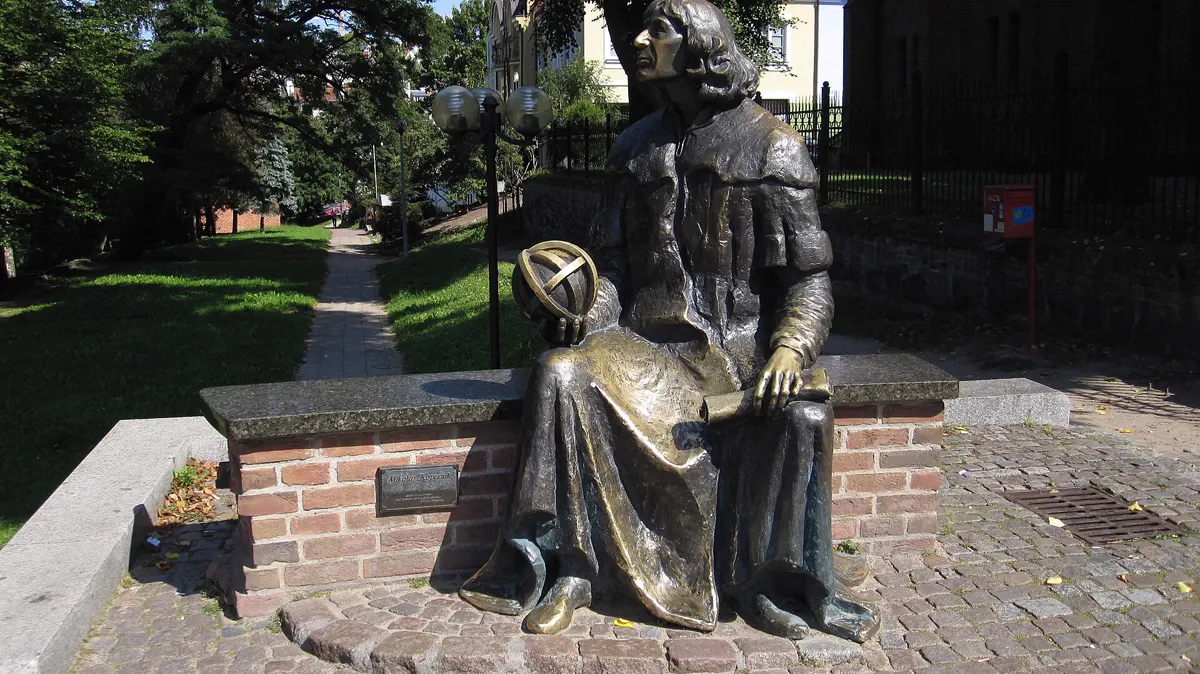
Copernicus Bench
A bronze bench monument in Olsztyn showing Nicolaus Copernicus seated with an astrolabe and a scroll, unveiled in 2003 near the castle where he once lived.
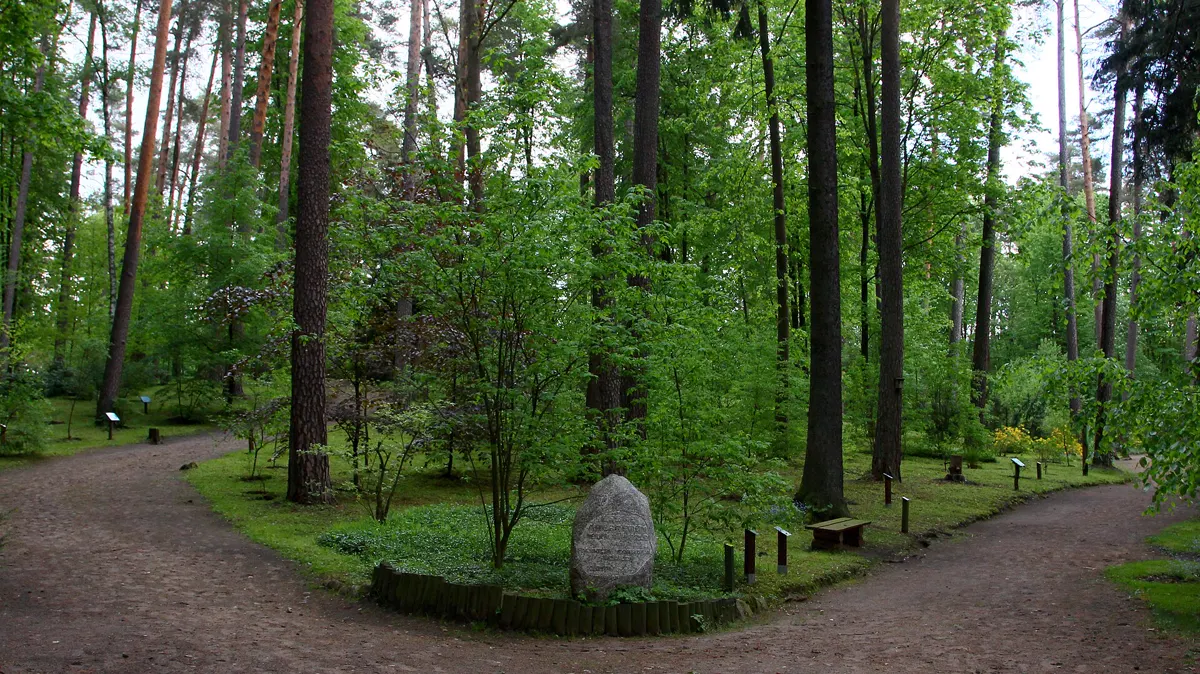
Forest Arboretum of Warmia and Mazury
A 16 hectare forest arboretum in the Kudypy area on the western edge of Olsztyn, home to over 900 plant species along marked educational trails.
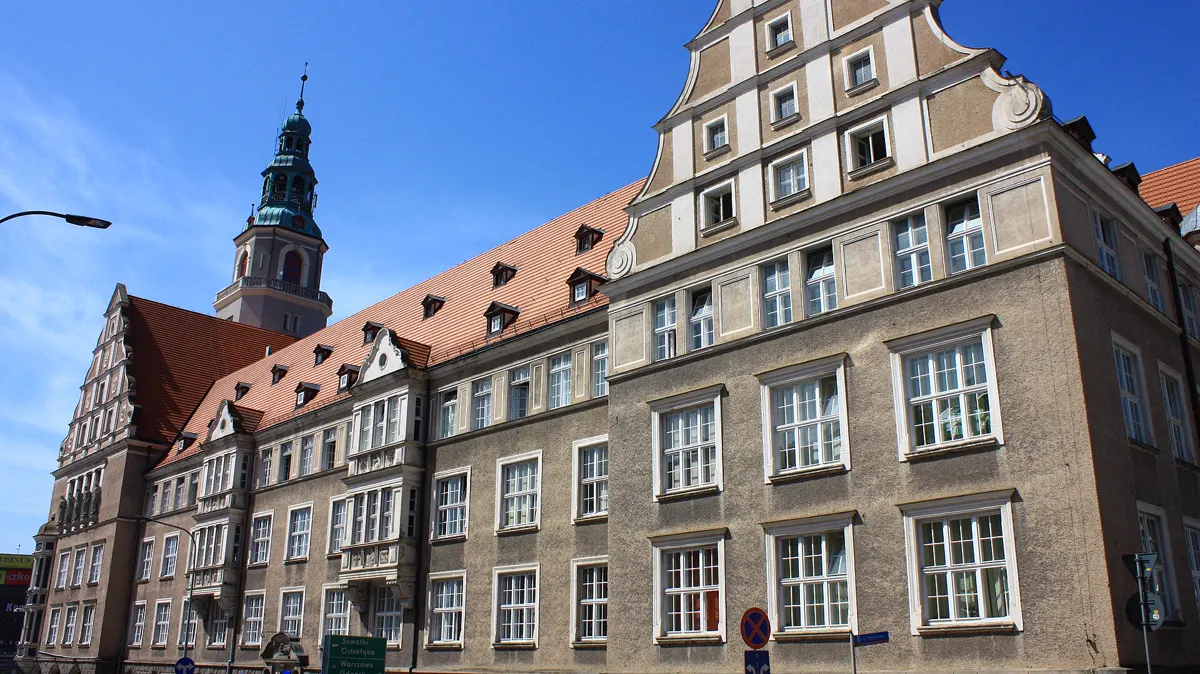
New Town Hall (Nowy Ratusz), Olsztyn
Olsztyn's Neo-Renaissance New Town Hall, opened in 1916, is the seat of the city's municipal authorities and one of its most recognisable public buildings, known for a trumpet hejnał that plays the city anthem at noon.
More to explore in Olsztyn
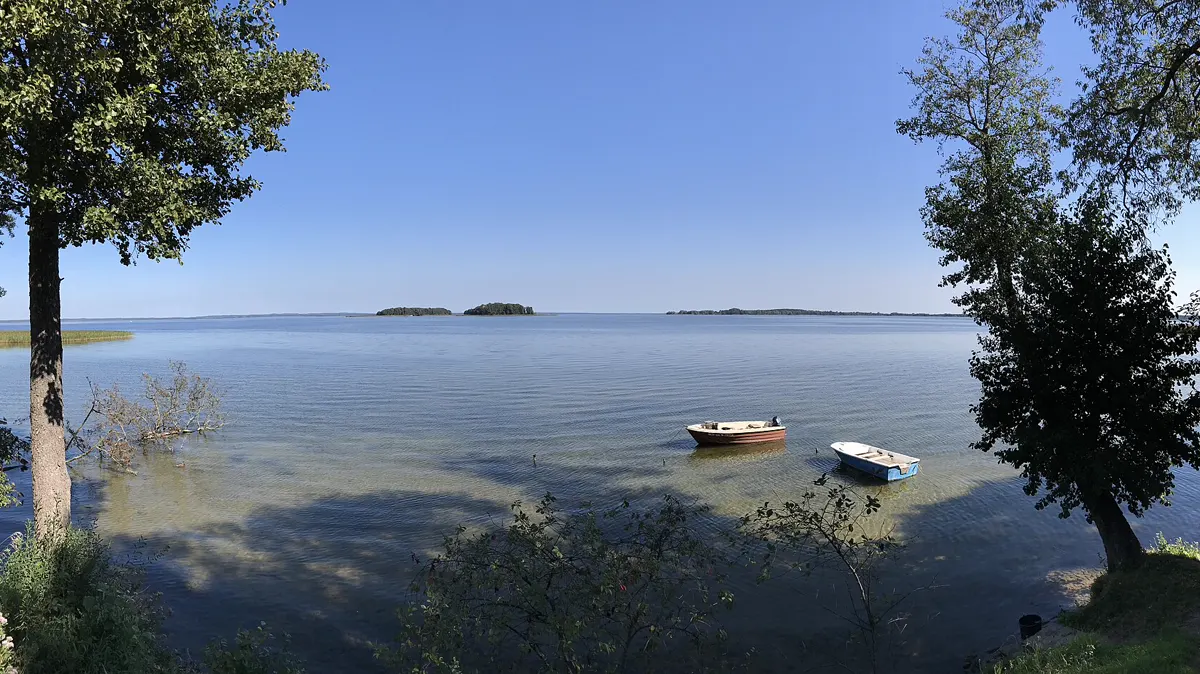
Nature
Masurian Lakes
A glacial maze of interconnected lakes and forest in the northeast, Poland's prime region for sailing, kayaking and slow summers on the water.
Castle
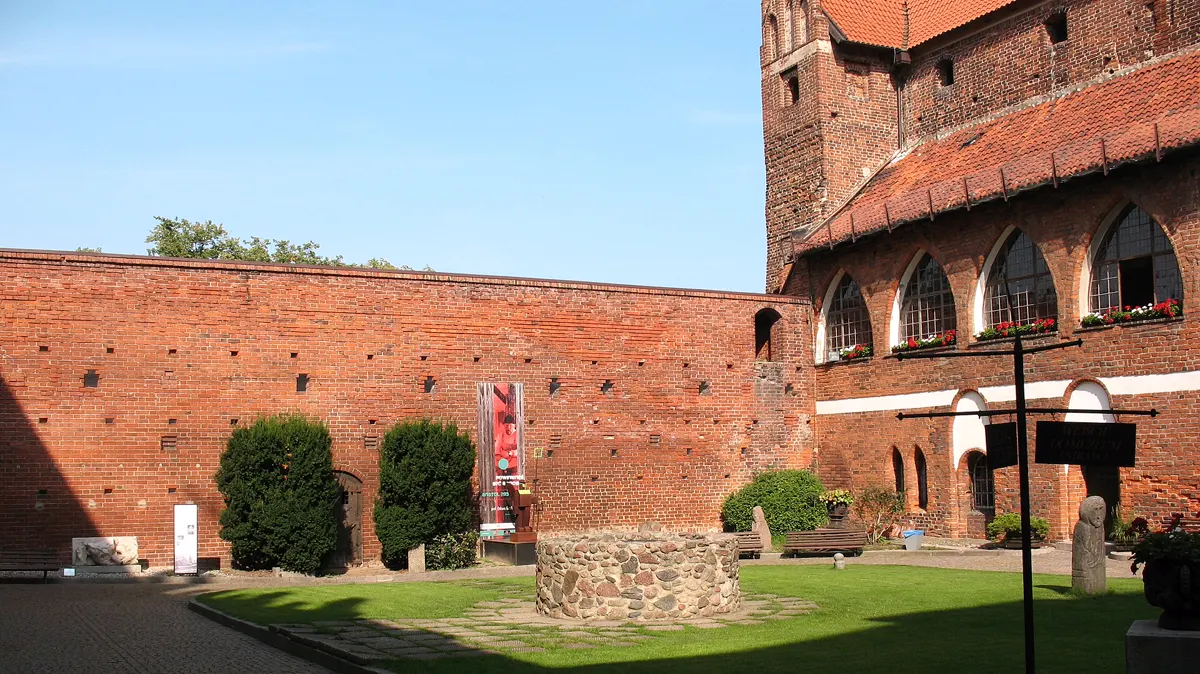
Olsztyn Castle (Castle of the Warmian Cathedral Chapter)
The 14th-century Gothic castle where Nicolaus Copernicus lived, worked and left behind the only astronomical instrument of his that survives.
Museum
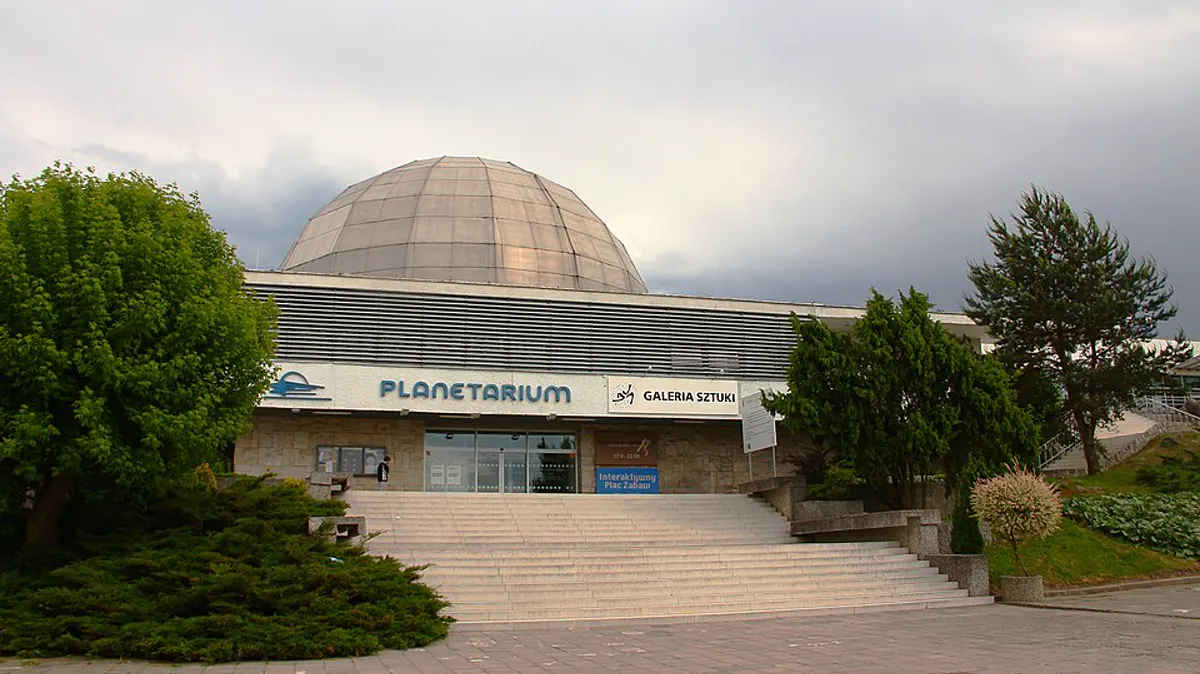
Olsztyn Planetarium and Astronomical Observatory
A Copernicus-themed planetarium under a 15-metre dome, paired with an observatory set inside a 19th-century water tower.
Nature
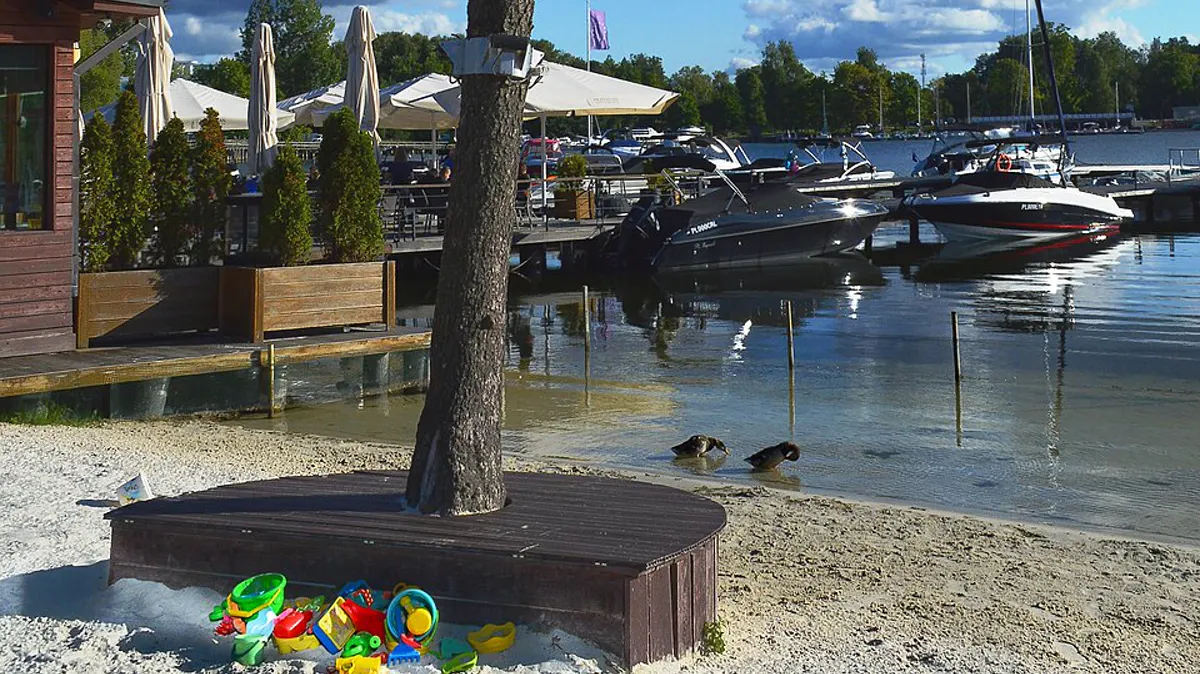
Lake Ukiel (Jezioro Krzywe)
The biggest lake inside the city itself, with a 22 km shoreline of beaches, marinas and water sports.
Restaurant
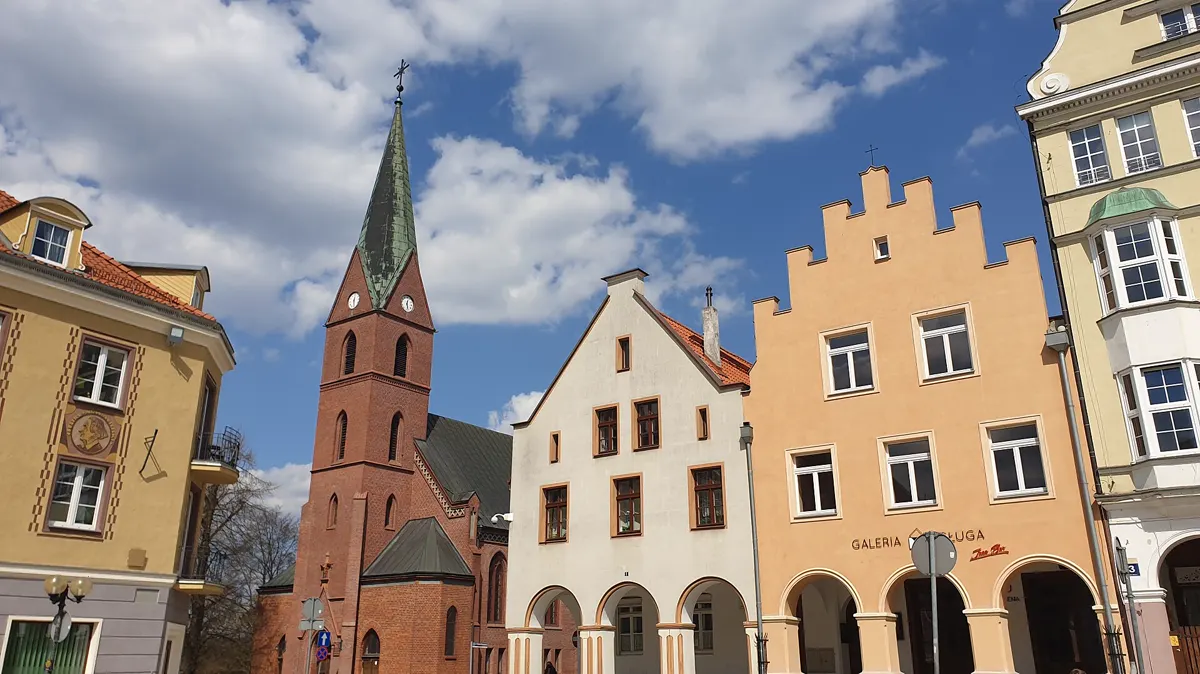
Cudne Manowce
A Warmian and Masurian kitchen set on the Old Town walls, with a terrace above the Lyna river.

Restaurant
Restauracja Przystan
A large two-level restaurant built out over the docks of Lake Ukiel, leaning on regional and freshwater dishes.