Attraction in Poznań
Grand Theatre (Moniuszko Opera House)
Poznań's main opera house, a neoclassical landmark from 1910 topped by a bronze Pegasus, staging opera and ballet in the city centre beside Adam Mickiewicz Park.
Reviewed and updated July 2026
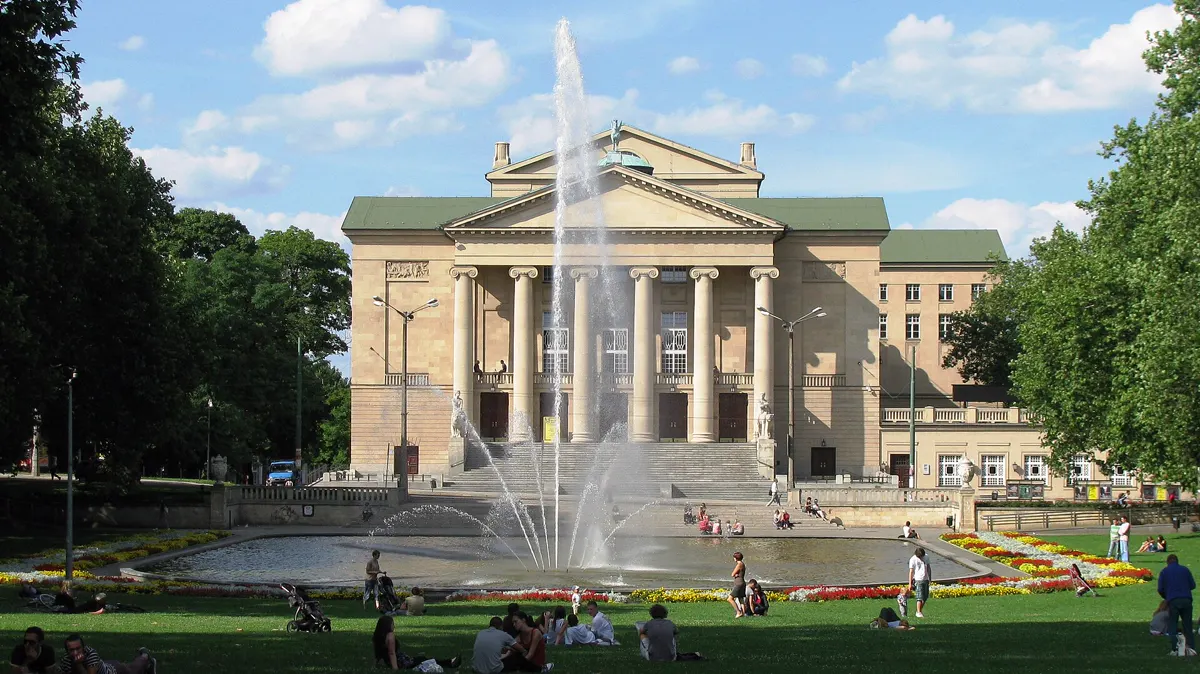
The Grand Theatre (Teatr Wielki im. Stanisława Moniuszki) is Poznań's principal opera house, a neoclassical building from 1910 that remains the city's main venue for opera and ballet. People come for the architecture, crowned by a bronze statue of Pegasus above the facade, and for a night at the opera in a hall with more than a century of history behind it.
The Pegasus and the neoclassical facade
The building was designed by German architect Max Littmann and opened in 1910, its symmetrical neoclassical front set back behind a colonnaded portico. The detail everyone looks up for is the bronze Pegasus, the winged horse of Greek myth used here as a symbol of art and inspiration, poised above the roofline. Its position by Adam Mickiewicz Park means you can take in the exterior from the green space in front, a good vantage point whether or not you have tickets for a performance.
From Prussian theatre to Polish opera
When the house opened in 1910 with Mozart's The Magic Flute, Poznań sat within the Prussian Province of Posen, and this was a German municipal theatre. After Poland regained independence the building became a Polish opera house in 1919, marking the change with a staging of Stanisław Moniuszko's Halka, a cornerstone of the national repertoire. In 1949 it was officially named after Moniuszko, the composer often regarded as the father of Polish opera, a dedication it carries to this day.
Seeing a performance
As the main opera venue in Poznań, the theatre programmes opera and ballet through the season, and an evening here suits anyone who wants to pair sightseeing with live music. If you plan to attend, check the current programme, ticket availability and start times through the theatre's official channels, as these vary by production. Even without a ticket, the facade rewards a short stop for its architecture and the Pegasus above.
Fitting it into a Poznań visit
The opera house stands in the city centre, close to Adam Mickiewicz Park, so it slots easily into a walk around central Poznań. The park and surrounding squares are within a short stroll, making it simple to combine the exterior with other sights before or after. See our Poznań guide for more on what to pair it with across the city centre.
Good to know
The theatre sits beside Adam Mickiewicz Park in the city centre, so you can view the facade and its bronze Pegasus at any time, but for performances check the programme and tickets through the theatre's official channels.
Frequently asked questions
More attractions in Poznań
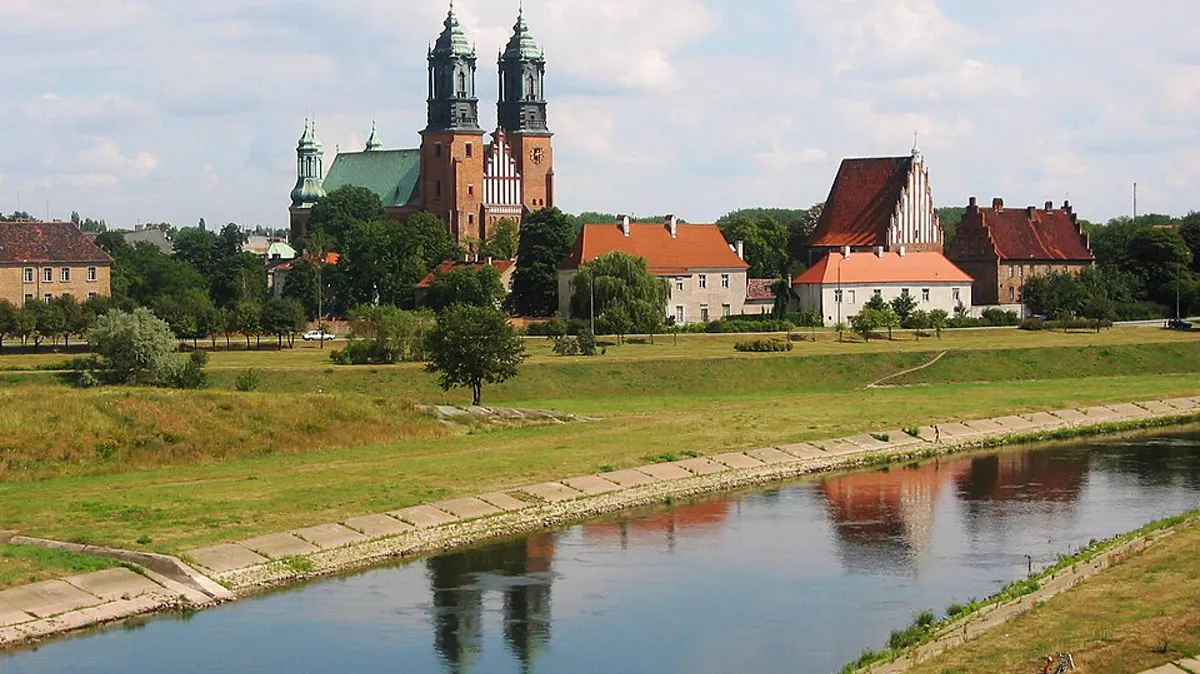
Ostrow Tumski, Poznan
The cathedral island where the Polish state and church were born in the tenth century, a short walk from the market square.
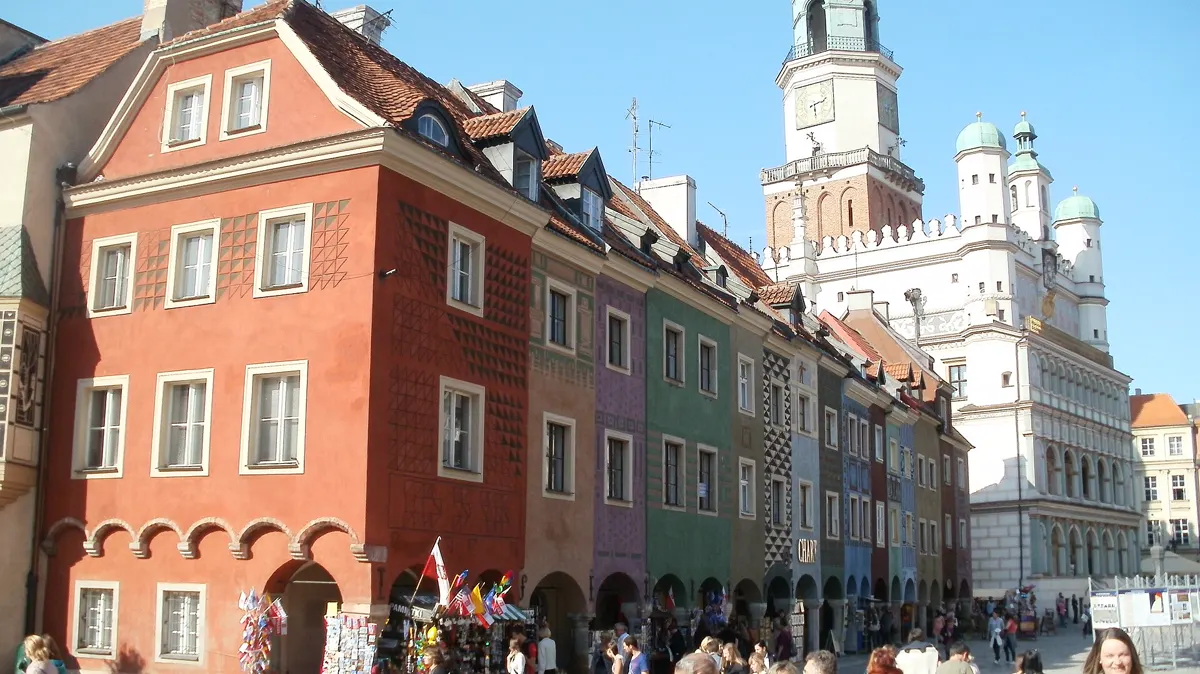
Old Market Square
The Renaissance heart of Poznan, where two mechanical goats butt heads on the town hall clock every day at noon.
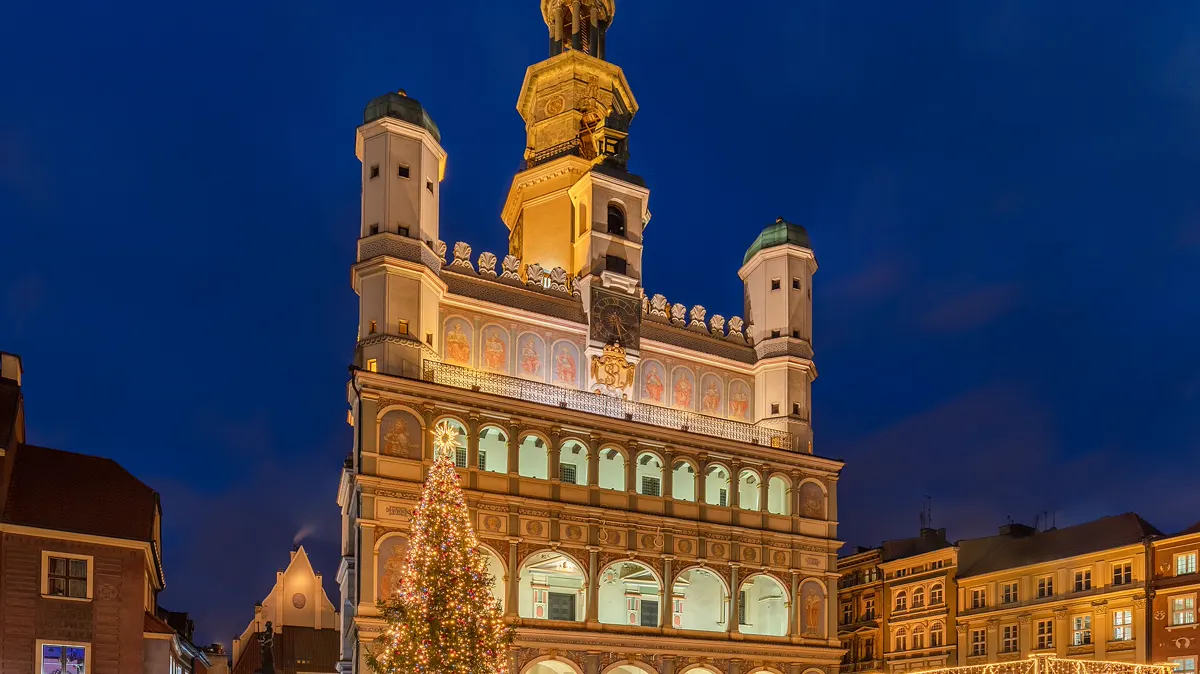
Ratusz i koziolki
At noon two mechanical billy goats emerge above the Ratusz clock and butt heads twelve times, drawing a crowd every single day. The Renaissance town hall, remodelled by Giovanni Battista di Quadro, also houses the city's history museum.
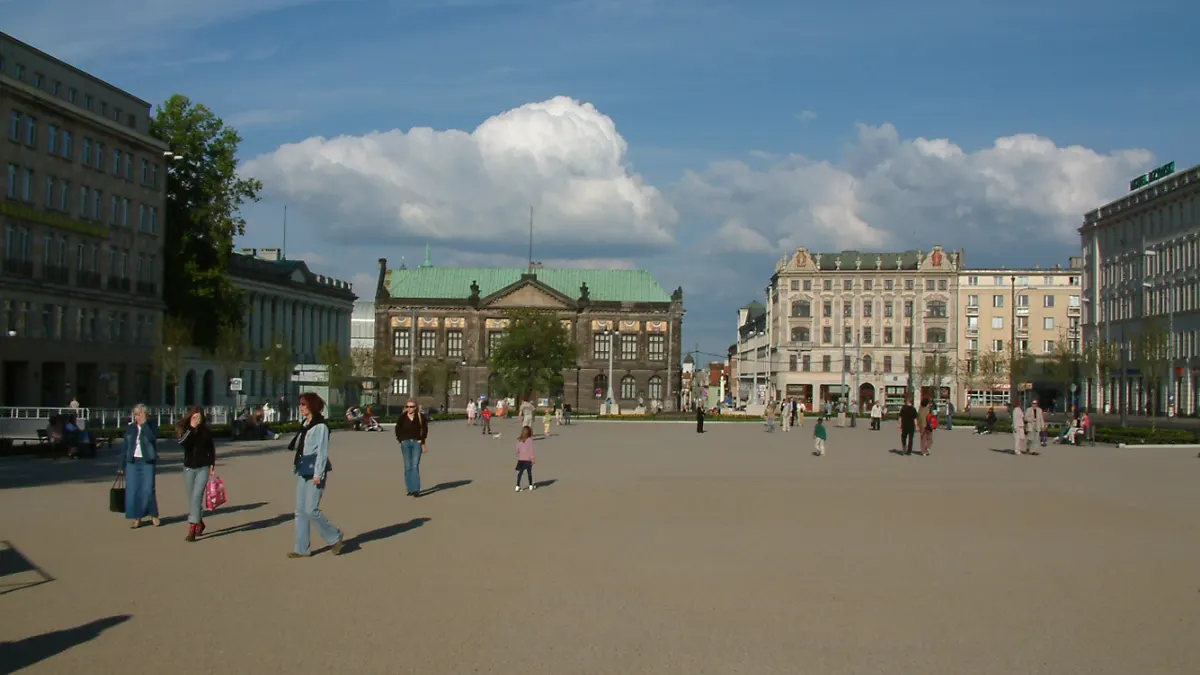
Freedom Square (Plac Wolności)
A large classicist square just west of Poznań's Old Town, ringed by grand civic buildings and used as a central meeting and event space.
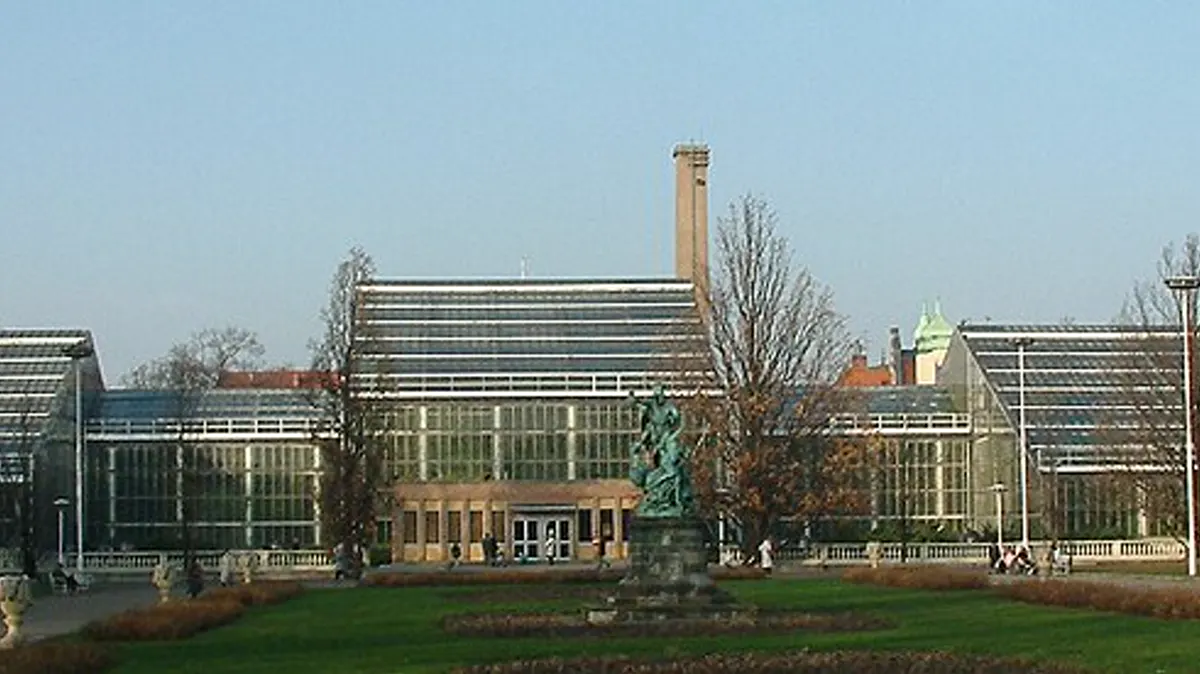
Palmiarnia
One of the largest palm houses in Europe, sheltering thousands of plant species across ten climate pavilions. Towering palms, cacti and a freshwater aquarium fill the glass halls in Wilson Park.
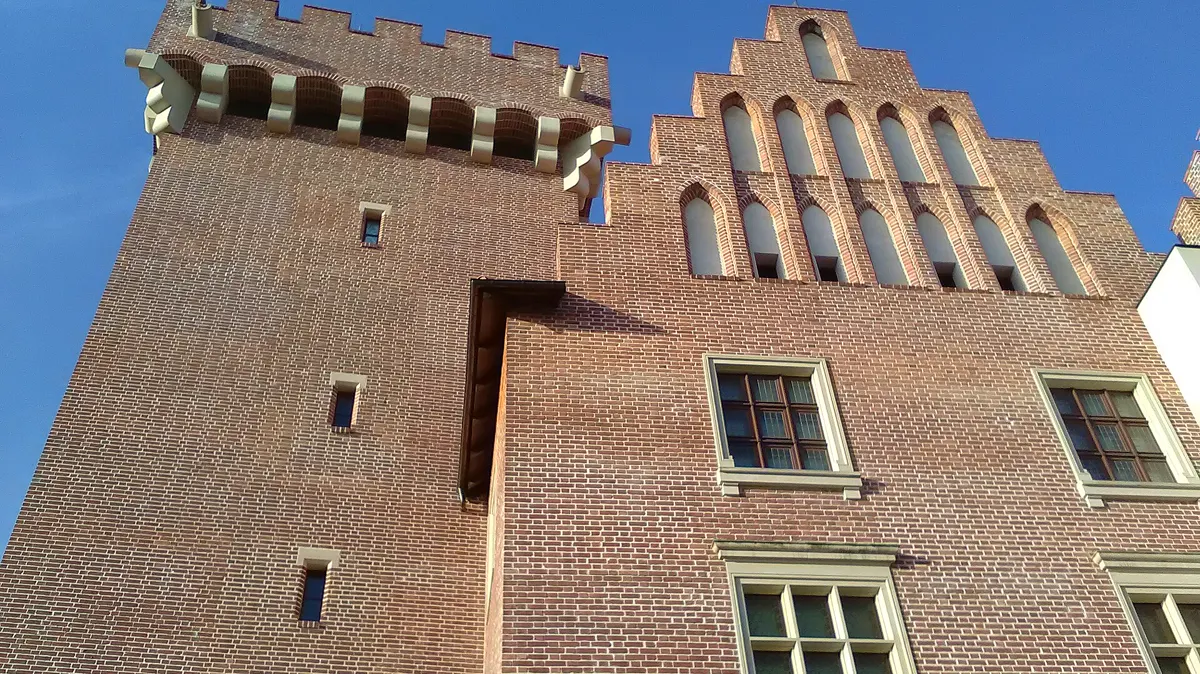
Royal Castle and Museum of Applied Arts
A reconstructed royal castle on Przemysł Hill above Poznań's Old Market Square, now home to the Museum of Applied Arts and a 43-metre view tower.
More to explore in Poznań
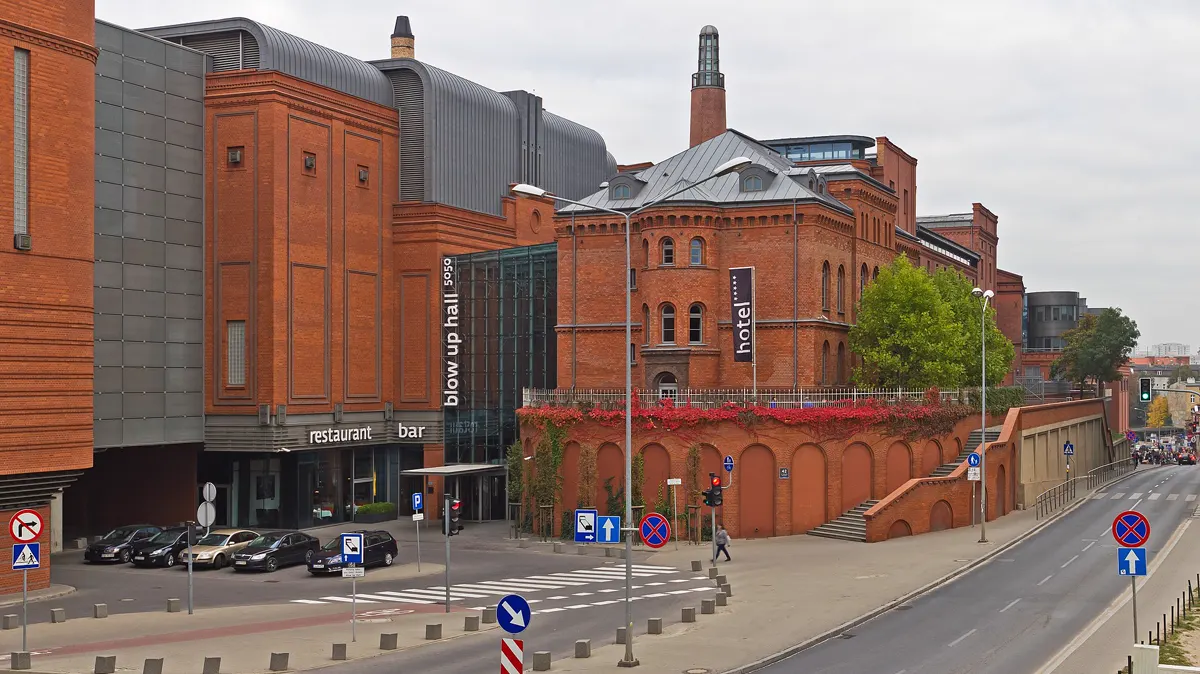
Hotel
Blow Up Hall 5050
A striking art-design hotel inside the Stary Browar complex, with keyless art-app rooms.
Nature
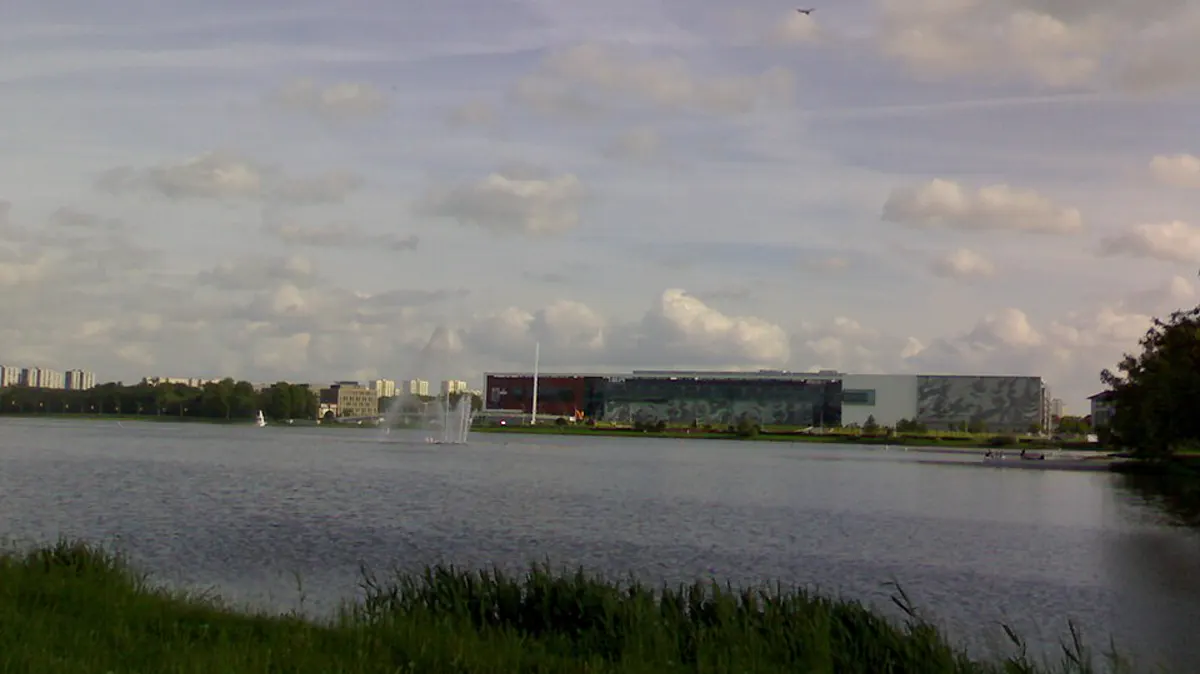
Lake Malta
A long artificial lake close to the centre, lined with trails, a ski slope and a summer resort.

Restaurant
Bamberka
A handsome restaurant right on the Old Market Square serving Greater Poland classics.
Restaurant
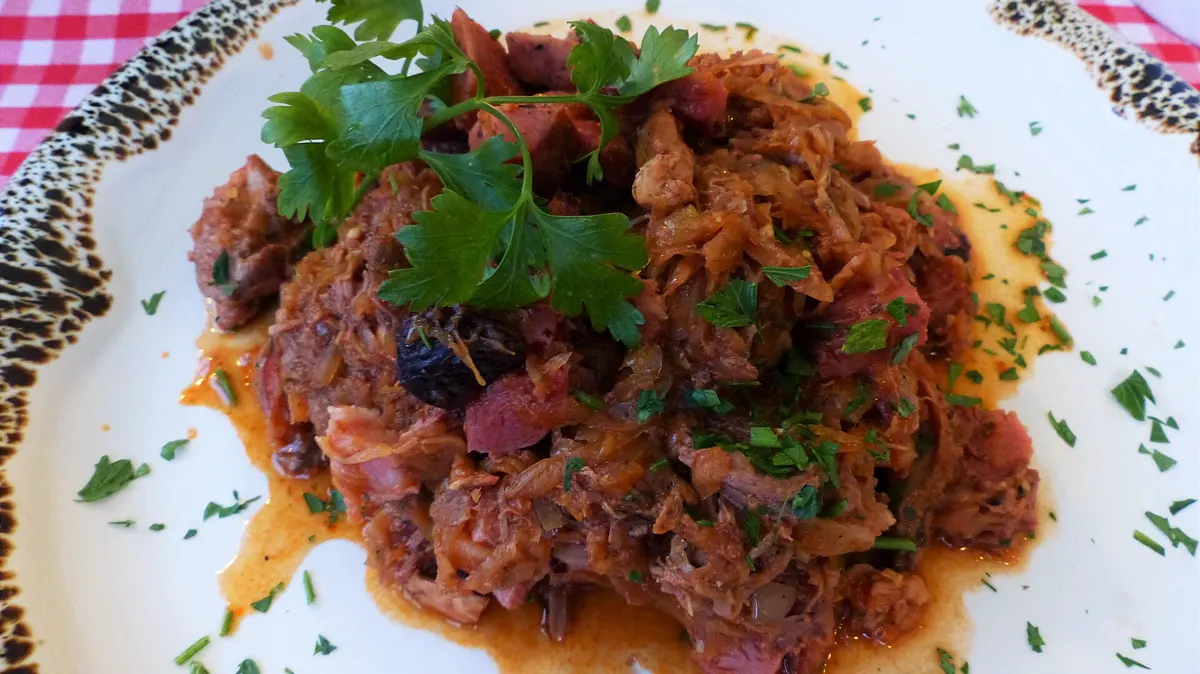
Ratuszova
A vaulted cellar on the square, a long-standing choice for hearty regional plates.
Hotel
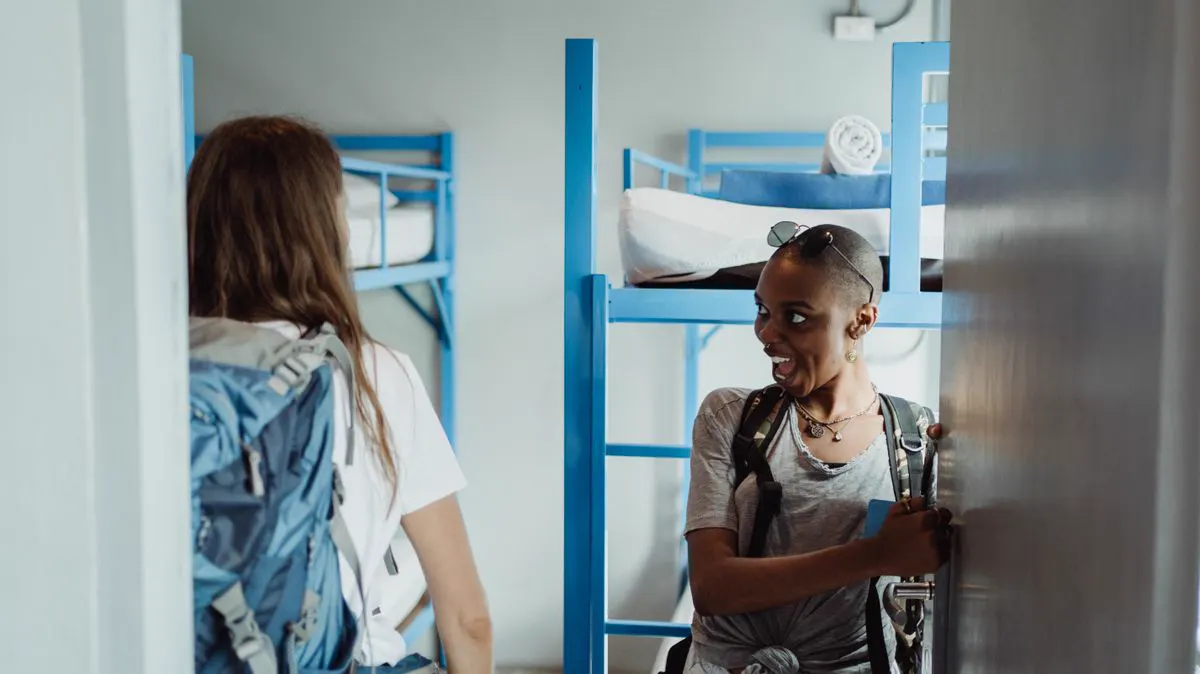
Blooms Boutique Hostel & Apartments
A friendly central hostel and apartment mix a short walk from the Stary Rynek, with dorms and private rooms. A budget base close to the sights.
Hotel
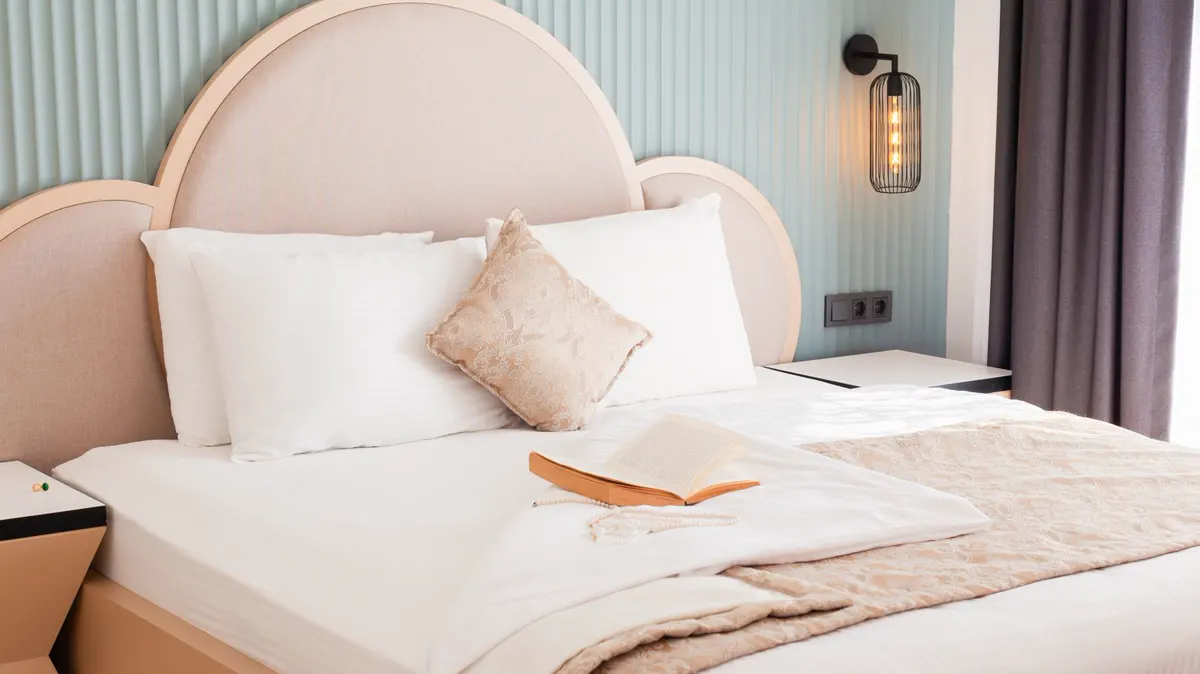
PURO Poznan Stare Miasto
A design hotel near the Old Market with a relaxed bar and bikes for guests.