Attraction in Toruń
Church of St. James
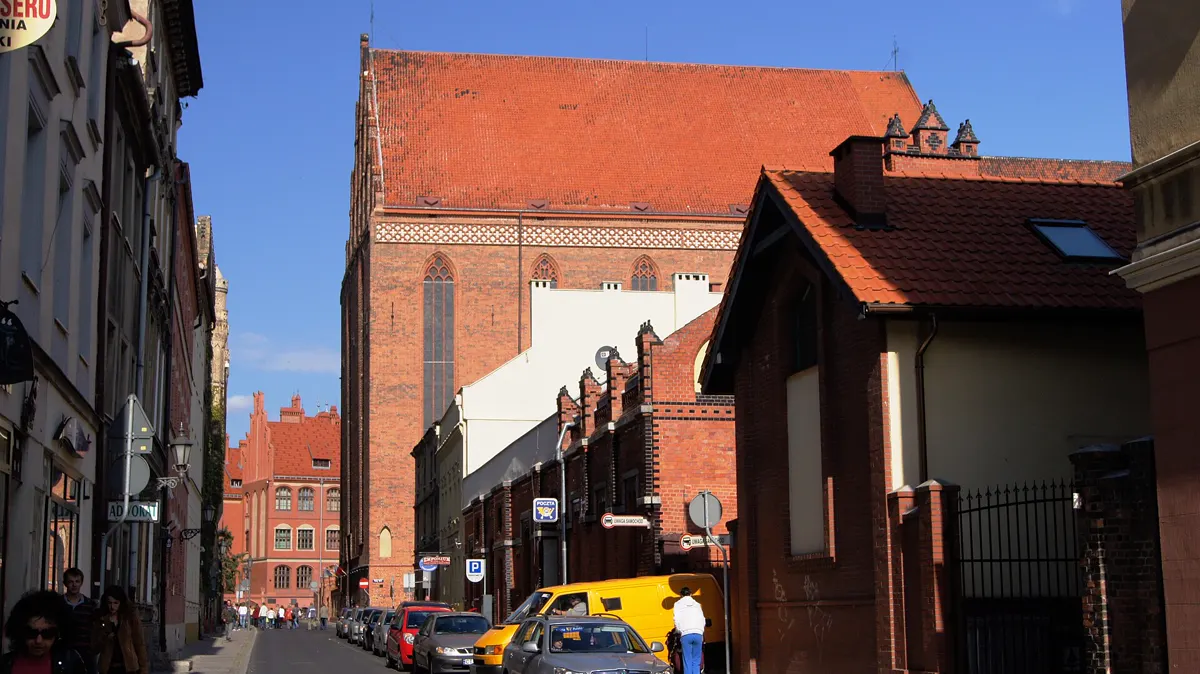
The Gothic parish church of Toruń's New Town, begun in 1309 and the only true basilica among the city's medieval churches, known for its glazed brick decoration, flying buttresses and 14th-century wall paintings.
Reviewed and updated July 2026
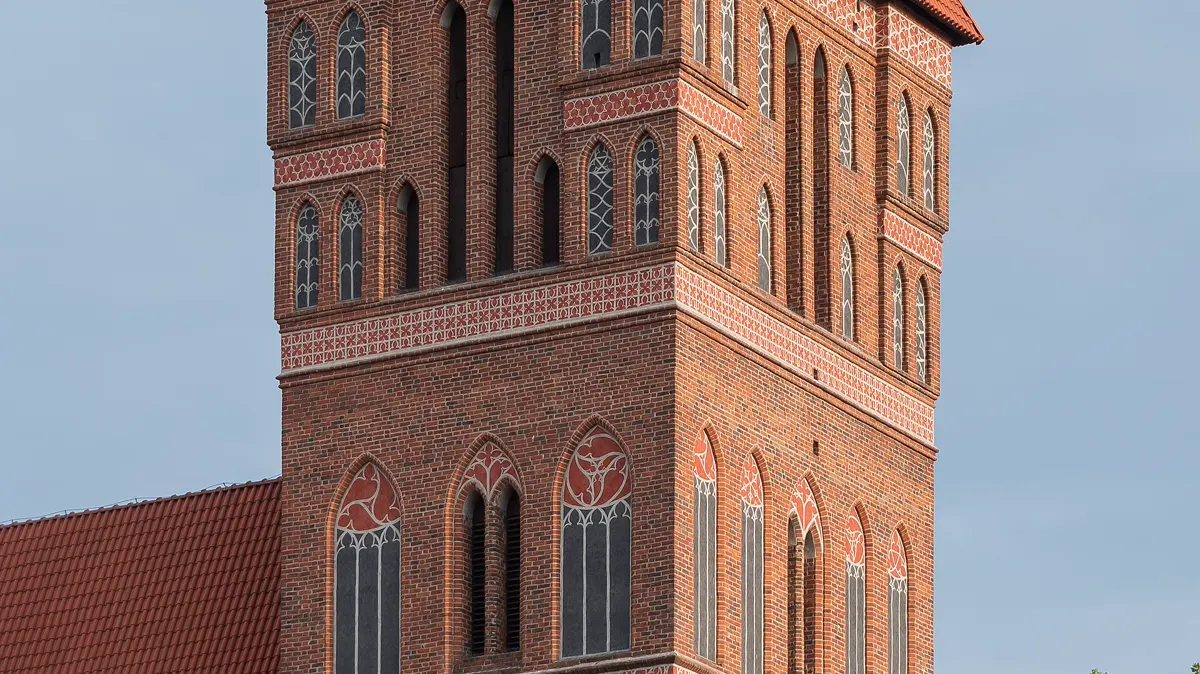
The Church of St. James (Kościół św. Jakuba) is the Gothic parish church of Toruń's New Town, begun in 1309 and the only true basilica, with a central nave raised above the aisles, among the city's medieval churches. People visit for its rare combination of glazed brick decoration and flying buttresses, an architectural approach unusual in the brick Gothic of the Baltic region, and for a Gothic interior that still holds 14th-century wall paintings and a monumental 'Tree of Life' crucifix.
What to see inside and out
The exterior is where the church stands apart from its neighbours: glazed brick worked into the walls adds pattern and colour to the red brick, and flying buttresses support the raised central nave, a feature you rarely find in Baltic brick Gothic. Step inside for the 14th-century wall paintings that survive on the church's surfaces, and for the monumental Gothic crucifix known as the 'Tree of Life', a striking piece of medieval religious carving. The raised nave gives the interior the tall, light-filled character of a proper basilica, which sets it apart from the hall churches elsewhere in Toruń.
A basilica among Toruń's Gothic churches
Construction started in 1309, when the New Town of Toruń was a separate municipality with its own market square, and St. James served as its parish church. Its basilica form, with the middle nave lifted higher than the flanking aisles, makes it the only genuine basilica among the medieval churches of the city. That distinction, together with the glazed brickwork and buttressing, marks it out as an ambitious statement of the New Town's status. The building is part of the medieval town of Toruń inscribed on the UNESCO World Heritage list.
Who it suits and how to visit
The church appeals to anyone interested in medieval architecture, Gothic art or the layered history of Toruń, and rewards a slower look at both the exterior detailing and the paintings inside. It remains an active place of worship, so visiting hours can be shaped by services; check the parish or local tourist information for current opening times before you go. The setting on the New Town Market Square means you can pair it with a walk around the quieter, less visited of Toruń's two medieval squares.
Fitting it into a Toruń visit
St. James sits on the New Town Market Square, a short walk from the better-known Old Town square, so it slots easily into a day exploring the medieval centre. Seeing it alongside the Old Town churches makes its basilica form and glazed brick stand out by comparison. For ideas on combining it with the Old Town, the gingerbread museums and the riverside, see our Toruń guide.
Good to know
The church is on the New Town Market Square, a short walk from the Old Town square, and remains an active parish, so check current visiting hours with the parish or tourist office as they can vary around services.
Frequently asked questions
More attractions in Toruń
Torun Old Town
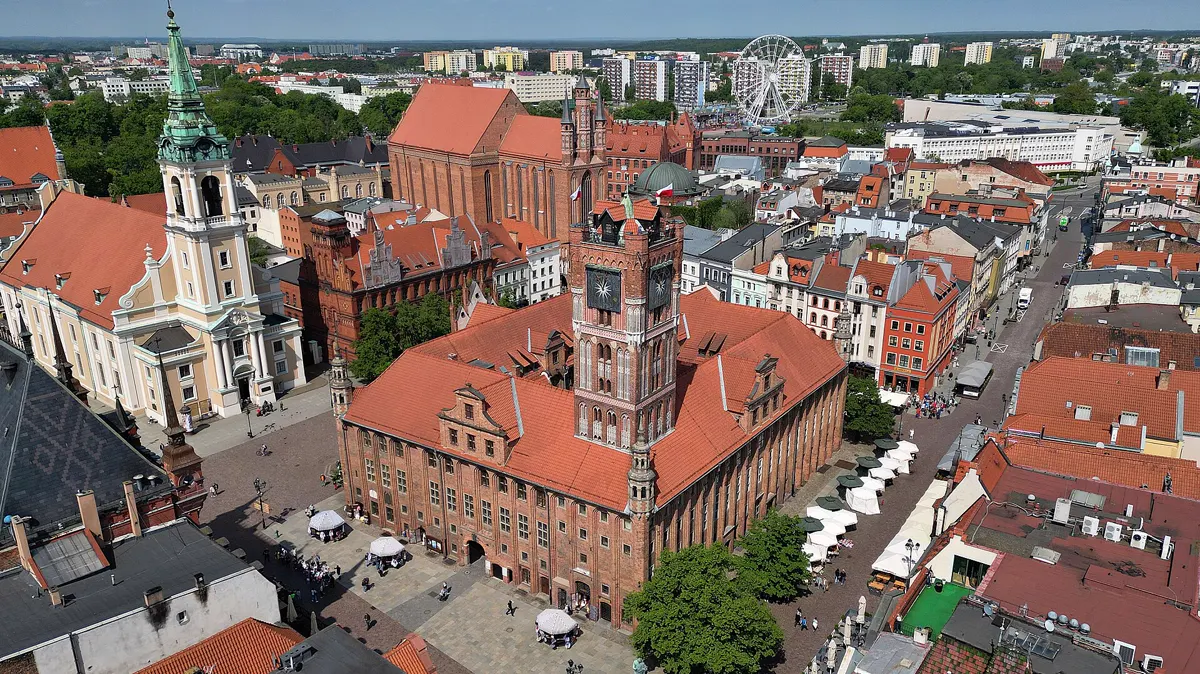
A genuine, war-survived medieval centre of brick Gothic churches, granaries and gabled houses around the Old Town Market Square.
Ratusz Staromiejski
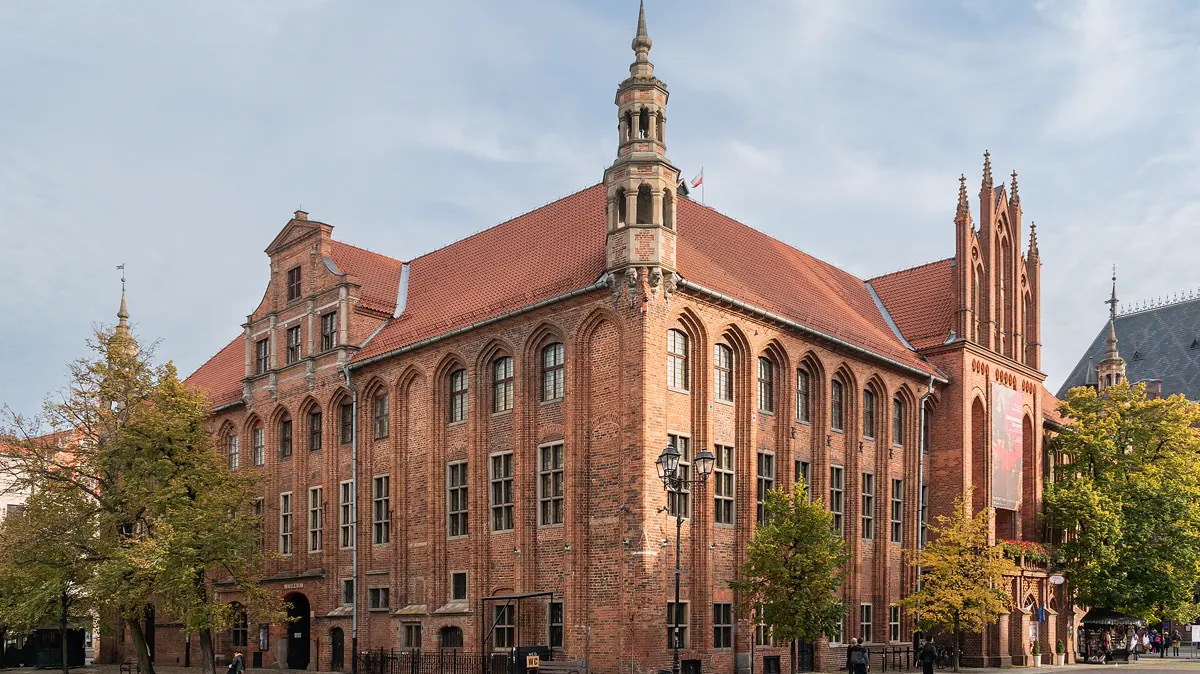
One of the finest municipal Gothic buildings in Central Europe, the Old Town Hall dates from the late 14th century and now houses the District Museum. Its tall tower offers sweeping views over the red-roofed old town and the Vistula.
Dom Kopernika
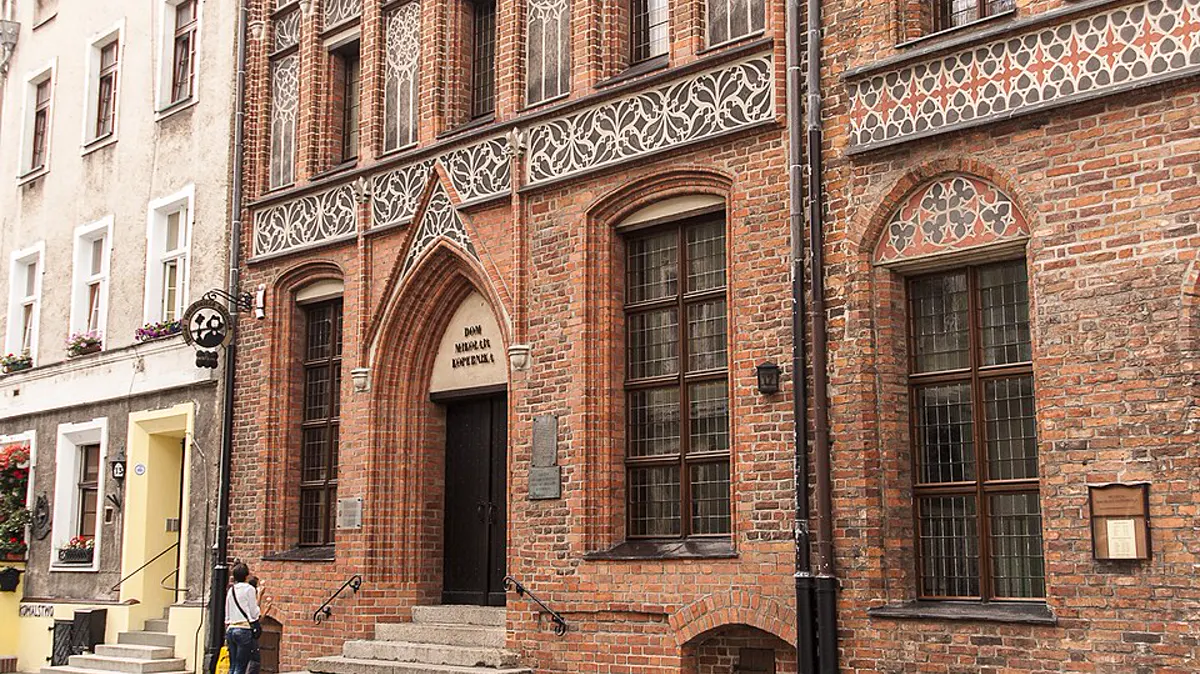
A pair of Gothic burgher houses believed to be the birthplace of Nicolaus Copernicus in 1473, now a museum devoted to the astronomer's life and era. Exhibits recreate a 15th-century merchant household and display period instruments.
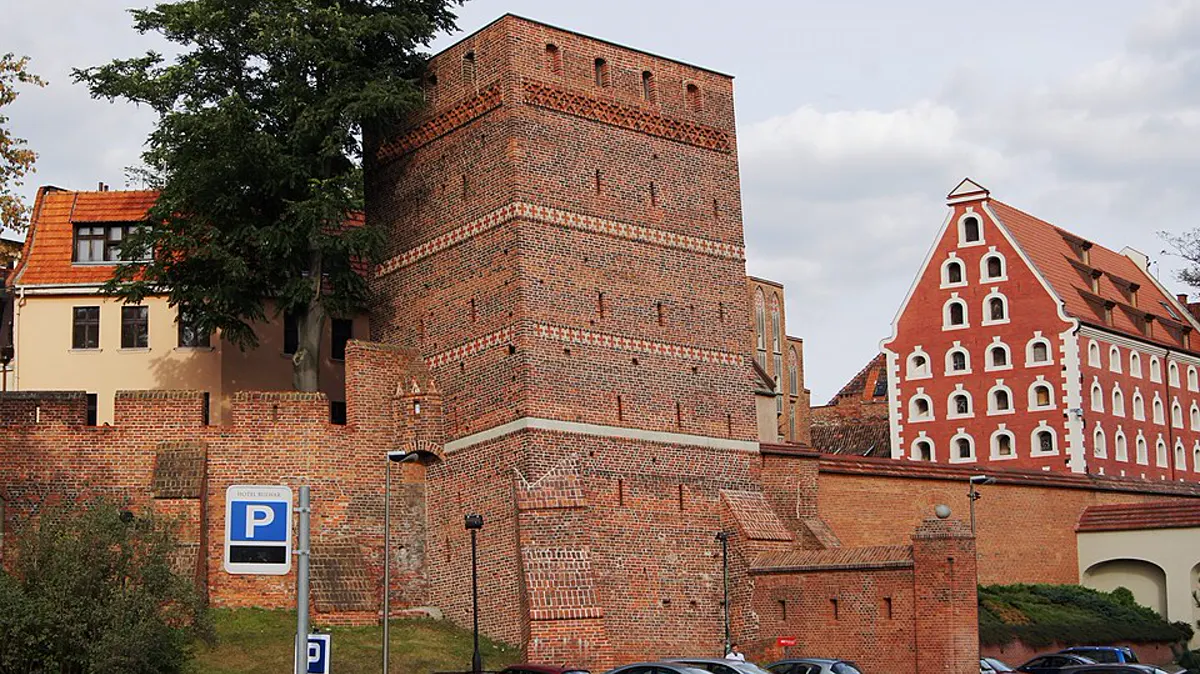
Krzywa Wieza
The Leaning Tower is a 14th-century defensive tower that tilts about 1.5 metres from vertical due to its foundation on unstable riverside ground. Local legend ties the lean to a Teutonic knight's broken vow.
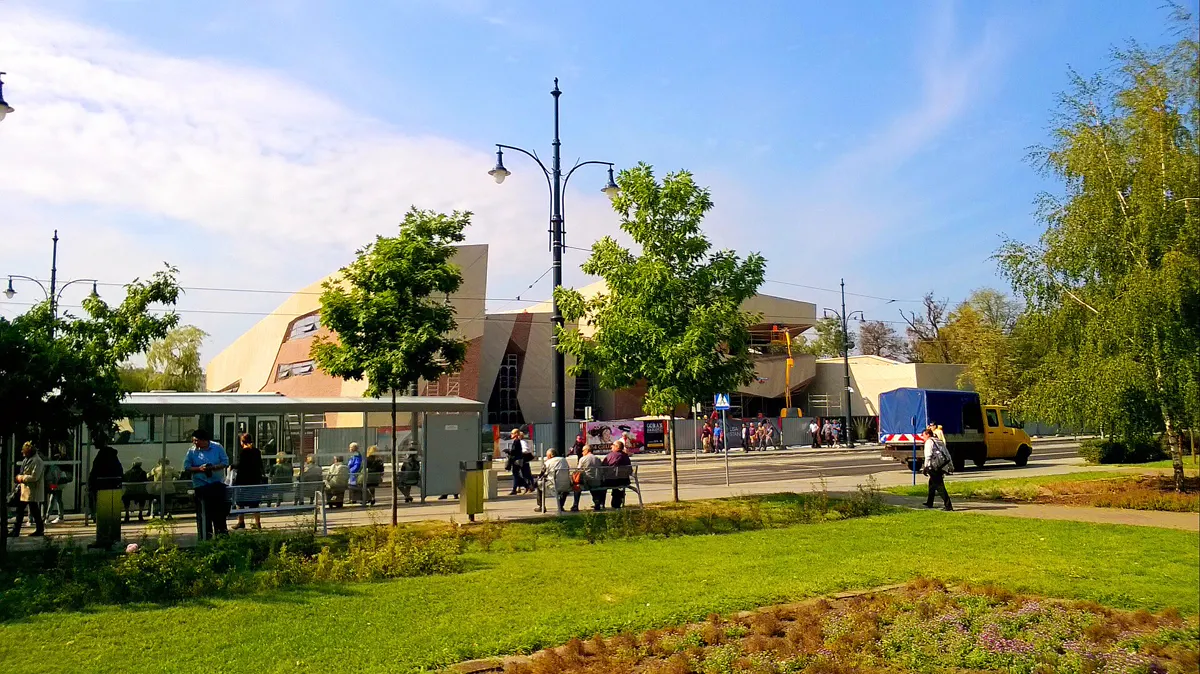
CKK Jordanki Concert and Congress Hall
A sculptural modern concert and congress centre near Toruń's Old Town, home to the Toruń Symphony Orchestra and a repeat winner of international architecture awards.
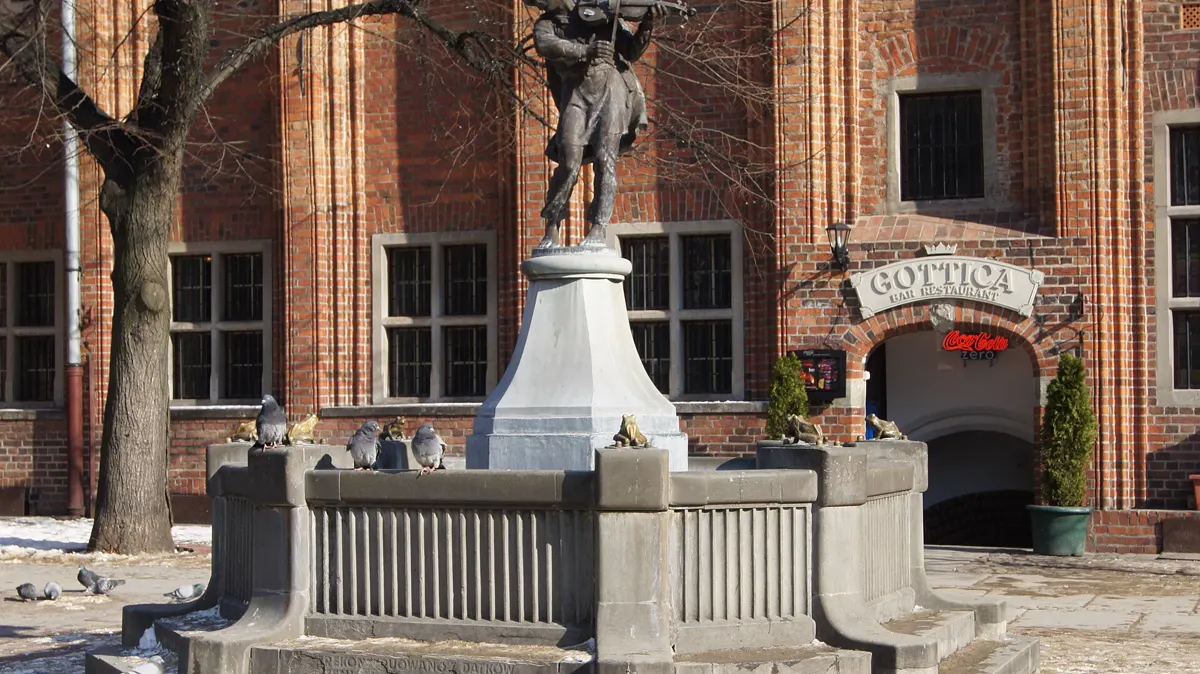
Raftsman Fountain (Flisak Monument)
A small 1914 fountain on Toruń's Old Town Market Square showing a raftsman playing a violin among bronze frogs, tied to a local legend about a plague of frogs.
More to explore in Toruń
Restaurant
Manekin
A local legend for enormous sweet and savoury pancakes at gentle prices.
Hotel
1231 Hotel
A design hotel inside a 13th-century mill by the moat, with a spa and a well-regarded restaurant.

Restaurant
Karczma Gesia Szyja
A rustic inn in the old town leaning into goose and other regional specialities.
Hotel
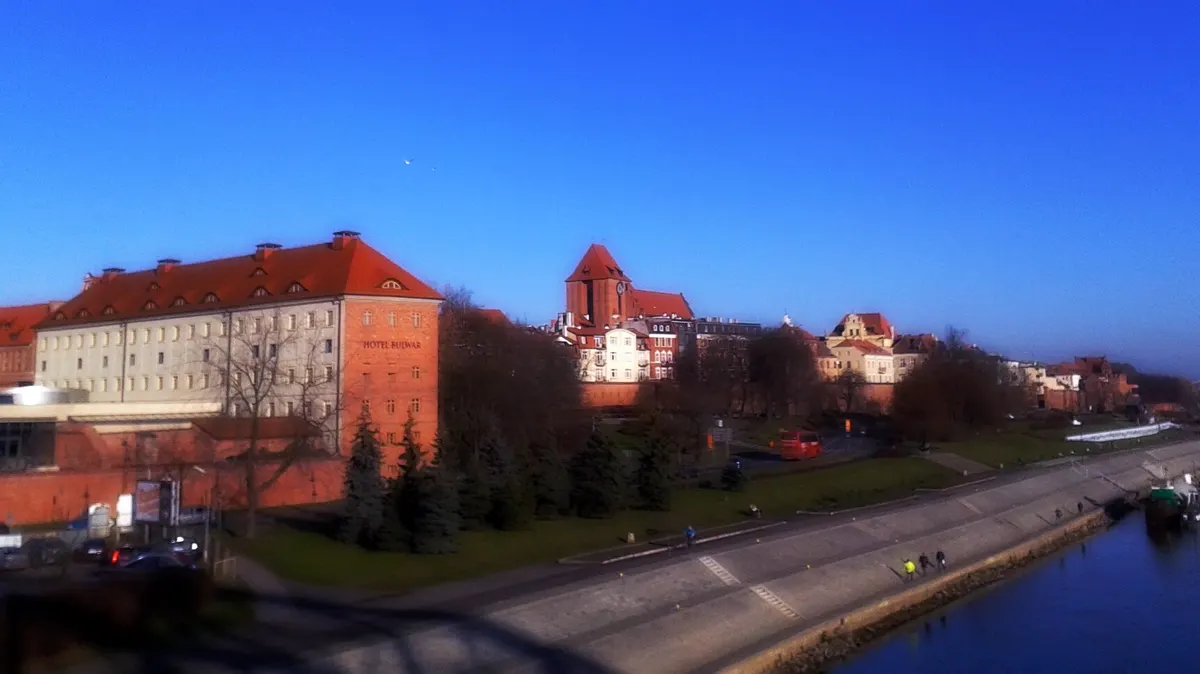
Hotel Bulwar
A comfortable hotel on the Vistula boulevard with the best gingerbread-skyline views.
Restaurant
Jan Olbracht Browar Staromiejski
A brewpub inside a Gothic granary on Szczytna, brewing its own beer served in vaulted brick cellars with pub food.
Hotel
Hotel Gotyk
A small, characterful hotel inside a 14th century townhouse on ul. Piekary, inside the Old Town.