Attractions
Attractions in Poland
The sights worth building a day around.
Poland's attractions run from the medieval market squares of Krakow and Wroclaw to the Wieliczka Salt Mine, the memorial at Auschwitz-Birkenau and the Teutonic castle at Malbork. Each page below covers what the place is, how long to spend and how to get there, grouped by city.
All Attractions in Poland
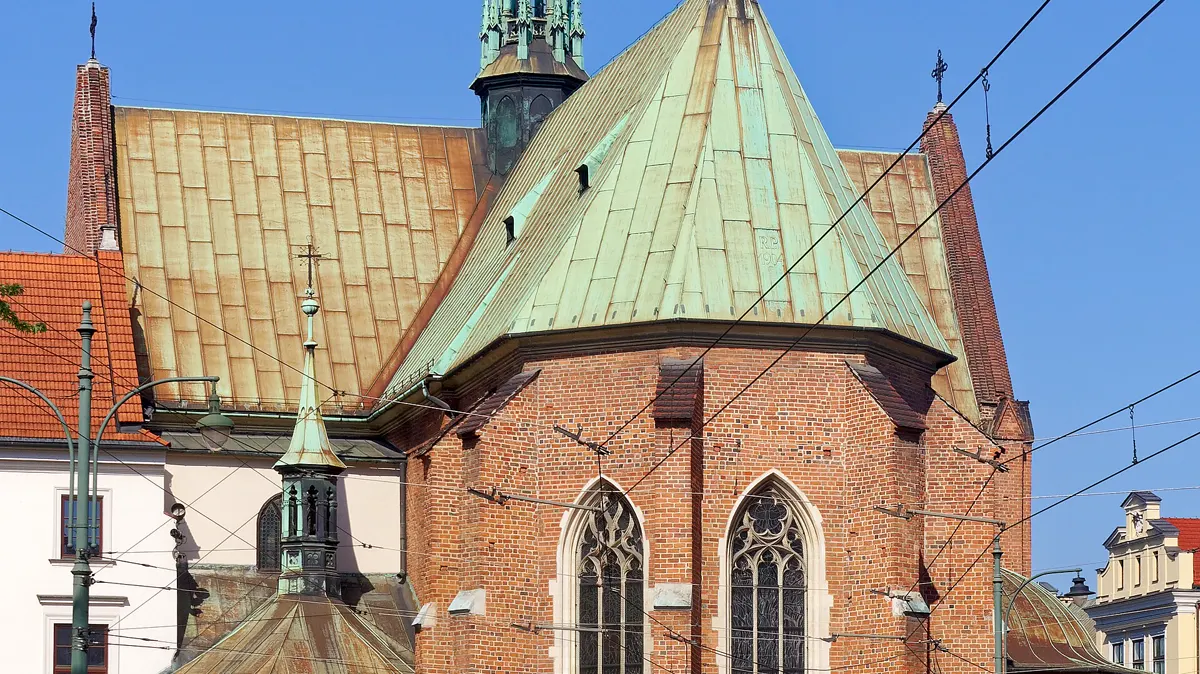
Kraków
Basilica of St. Francis of Assisi
A 13th-century Franciscan church in Kraków's Old Town, known for its Art Nouveau interior by Stanislaw Wyspianski, including his monumental stained-glass window of God the Father.
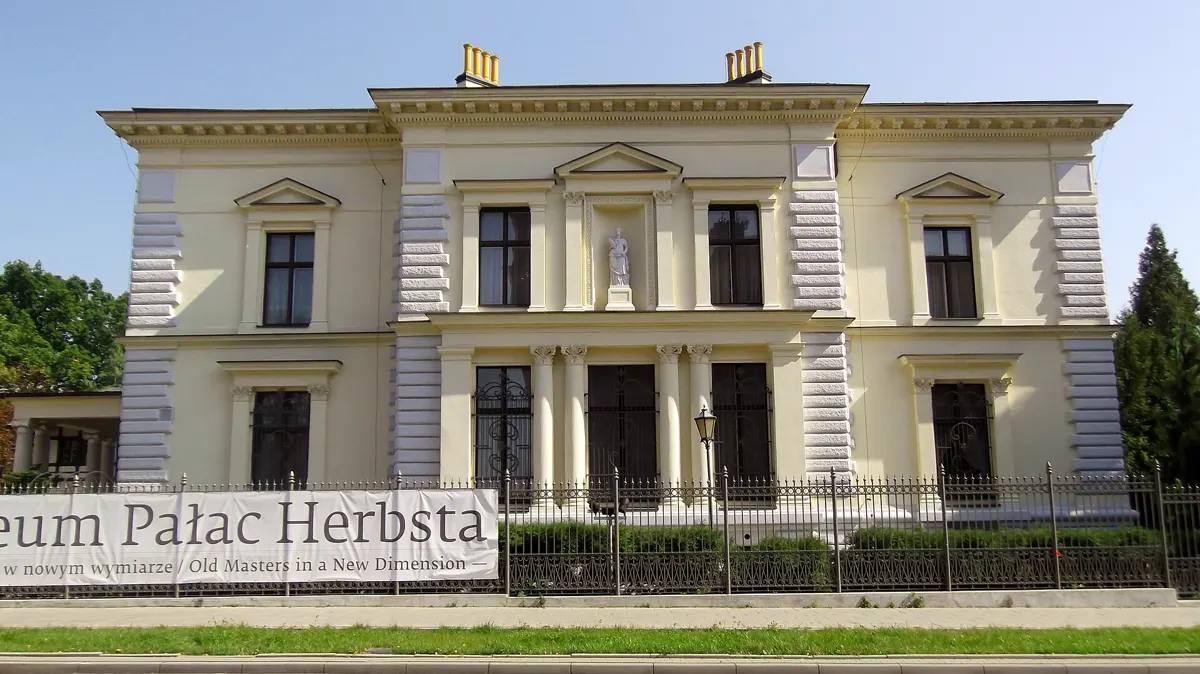
Łódź
Herbst Palace Museum
A restored neo-Renaissance villa in Łódź's Księży Młyn district, once home to the Herbst family, now a branch of the Muzeum Sztuki with period interiors and 19th-century art.
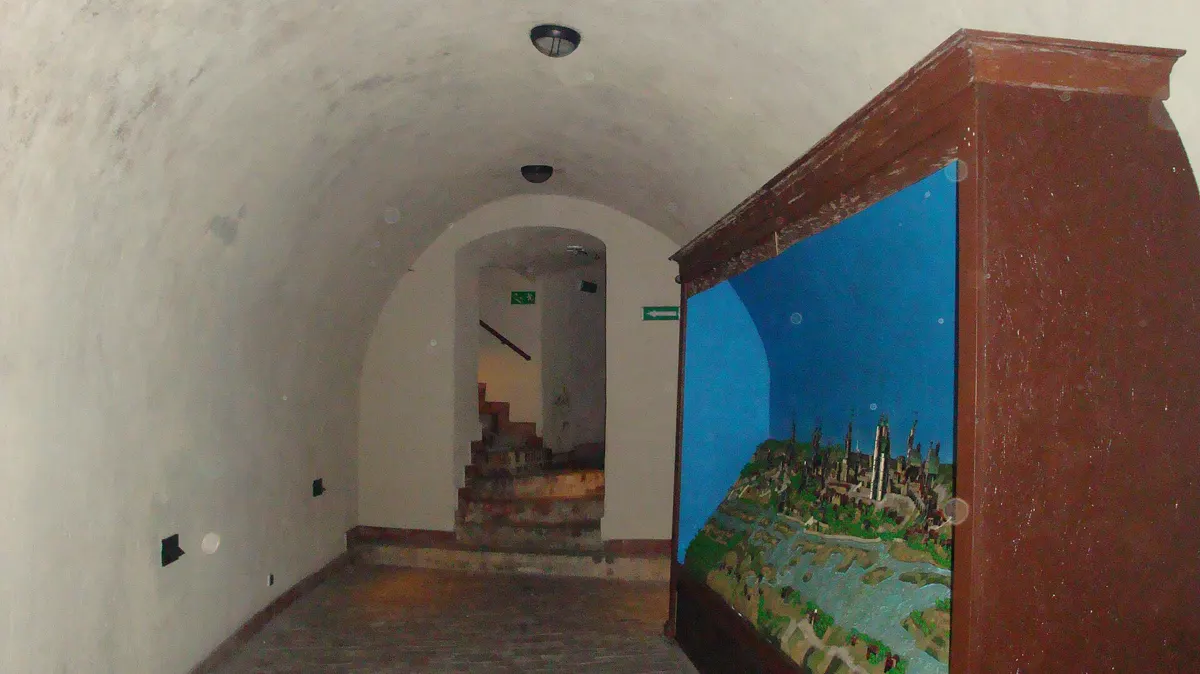
Lublin
Lublin Underground Route
A 280-metre trail through connected merchant cellars beneath Lublin's Old Town, where 14 chambers of scale models tell the city's story from the 8th to the 18th century.
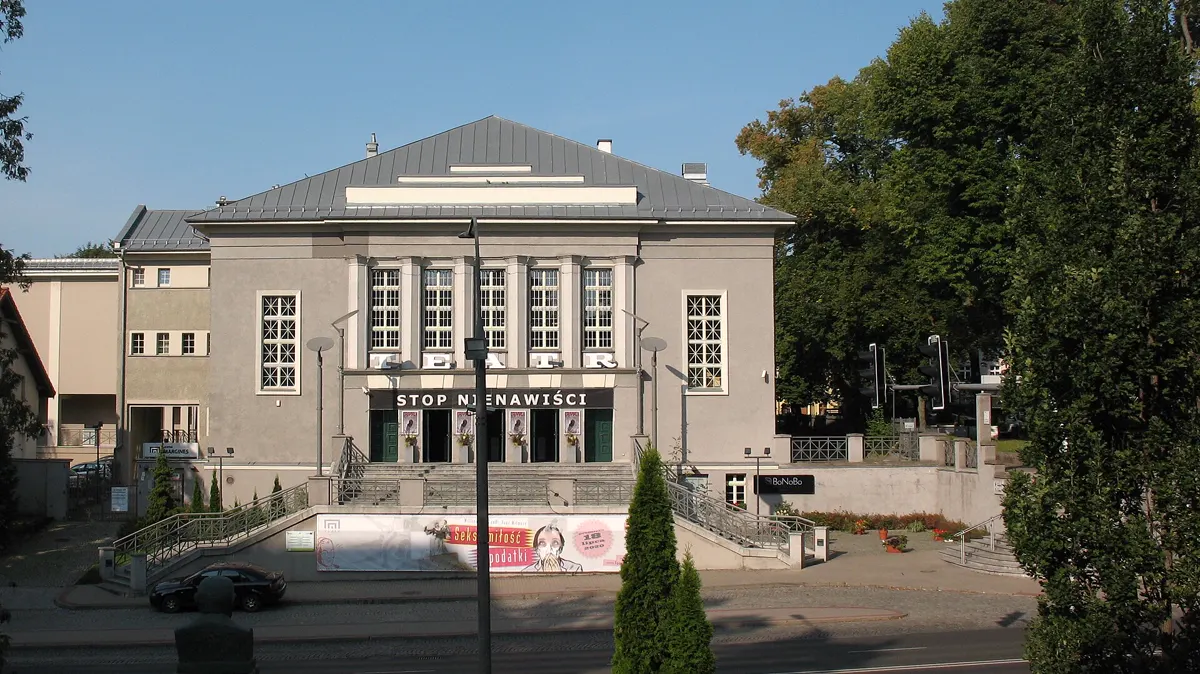
Olsztyn
Stefan Jaracz Theatre
Olsztyn's main drama theatre, housed in a 1920s municipal building and named after the actor Stefan Jaracz. Its grey symmetrical facade is a recognisable city centre landmark.
Poznań
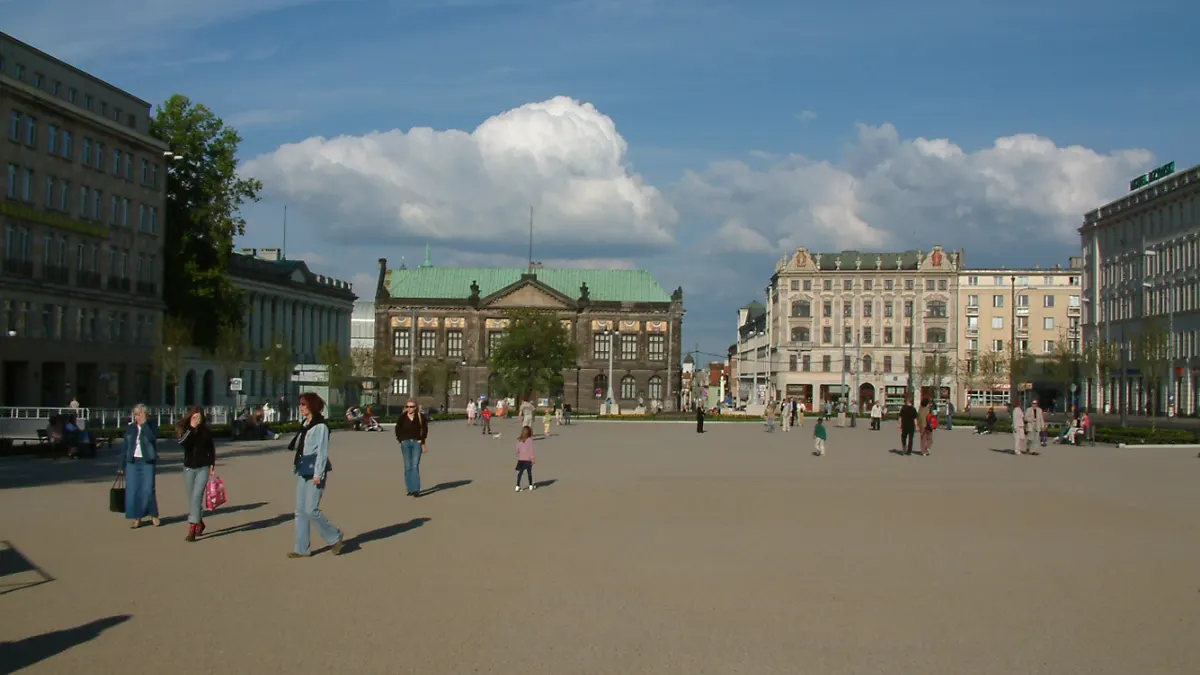
Freedom Square (Plac Wolności)
A large classicist square just west of Poznań's Old Town, ringed by grand civic buildings and used as a central meeting and event space.
Sopot
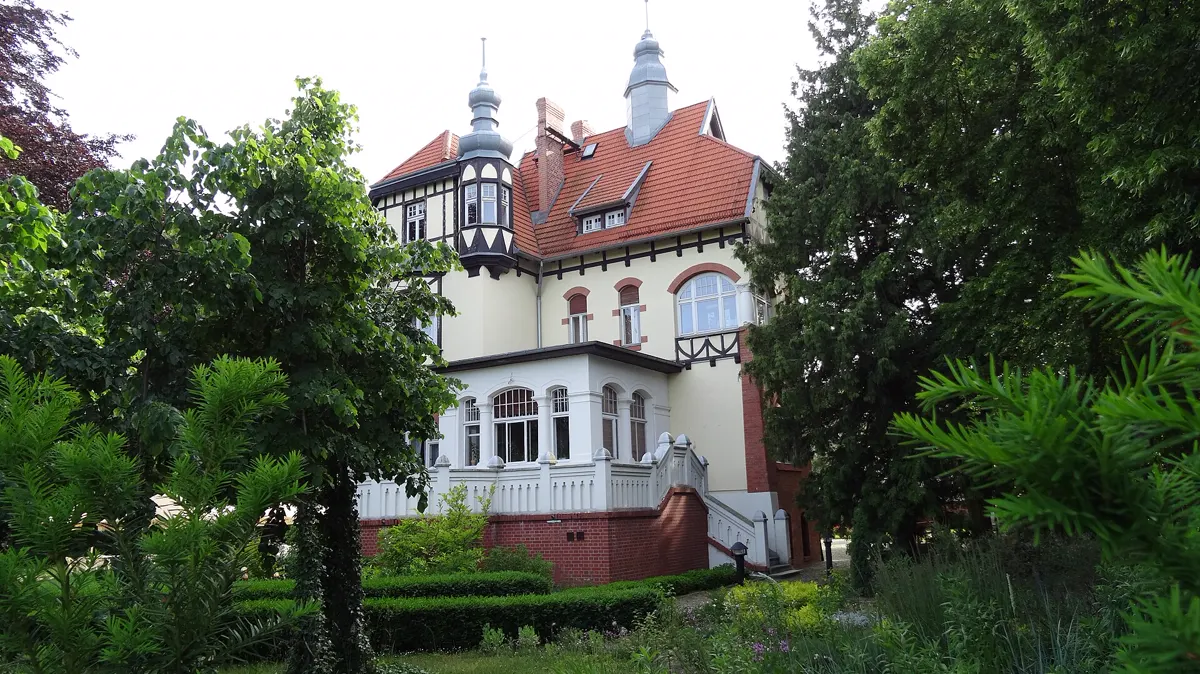
Sopot Museum (Muzeum Sopotu)
A local history museum set in a 1903 to 1904 seaside villa, where restored ground-floor interiors and changing exhibitions trace the story of Sopot as a Baltic resort.
Toruń
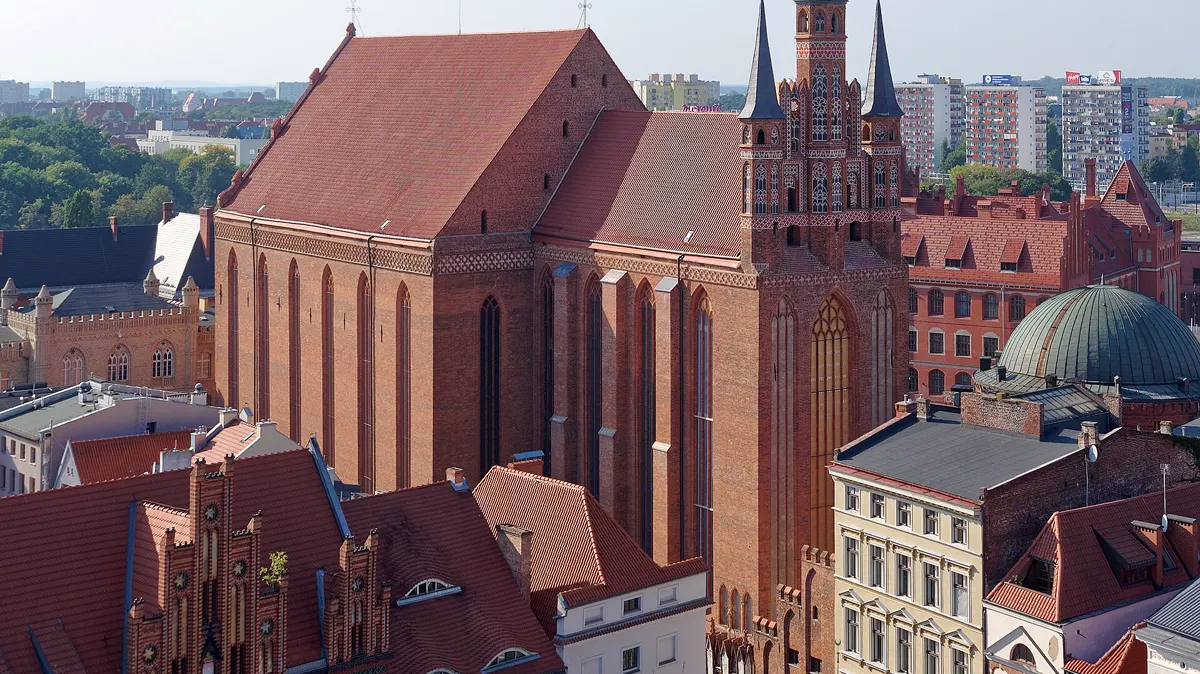
Church of the Assumption of the Blessed Virgin Mary
A large Gothic former Franciscan church in Toruń's Old Town, considered the finest Gothic church in the Chełmno region, with 14th-century frescoes and the mausoleum chapel of Anna Vasa.
Warsaw
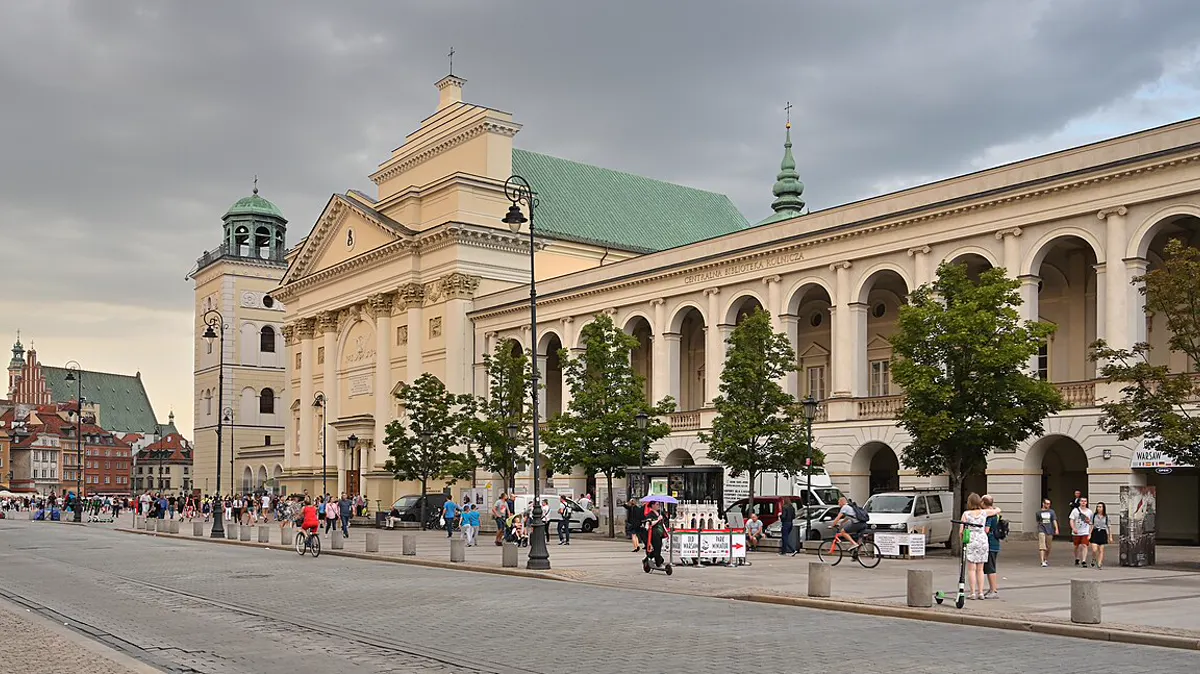
St. Anne's Church
One of Warsaw's finest Baroque churches, set beside Castle Square, with a richly decorated interior and a bell tower you can climb for wide views over the Old Town.
Wrocław
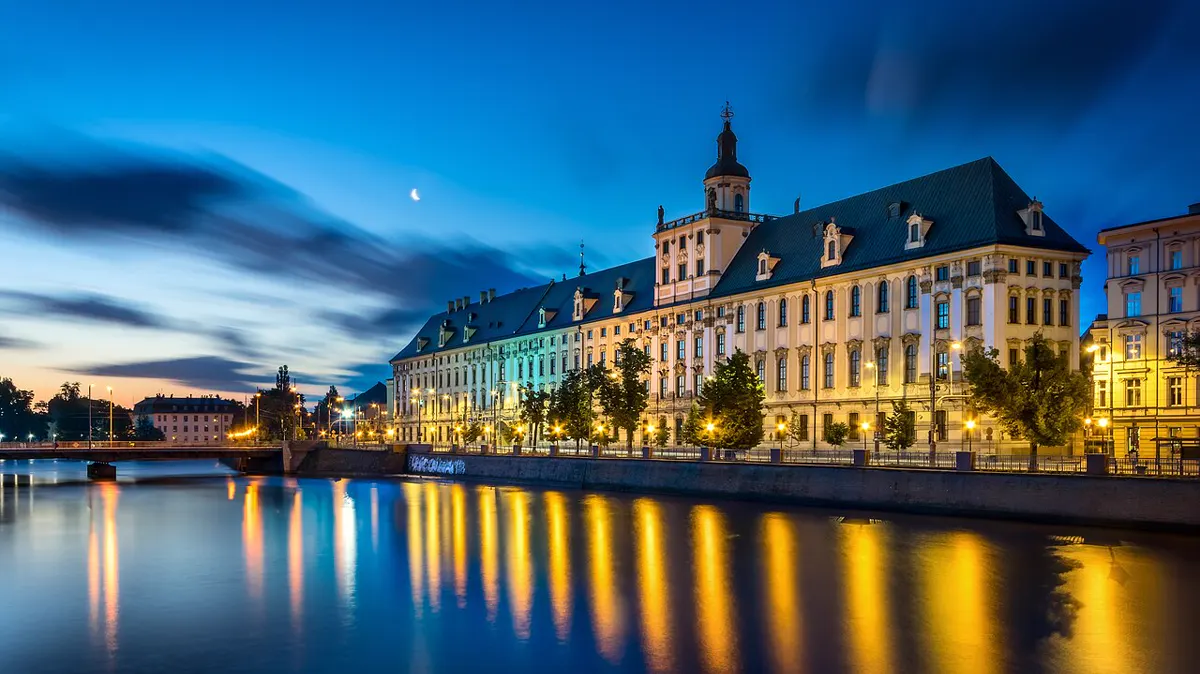
University of Wrocław Main Building (Aula Leopoldina and Mathematical Tower)
The main building of the University of Wrocław holds the Aula Leopoldina, a lavish Baroque ceremonial hall, along with the Oratorium Marianum concert room and a climbable observatory tower overlooking the Old Town.
Zakopane
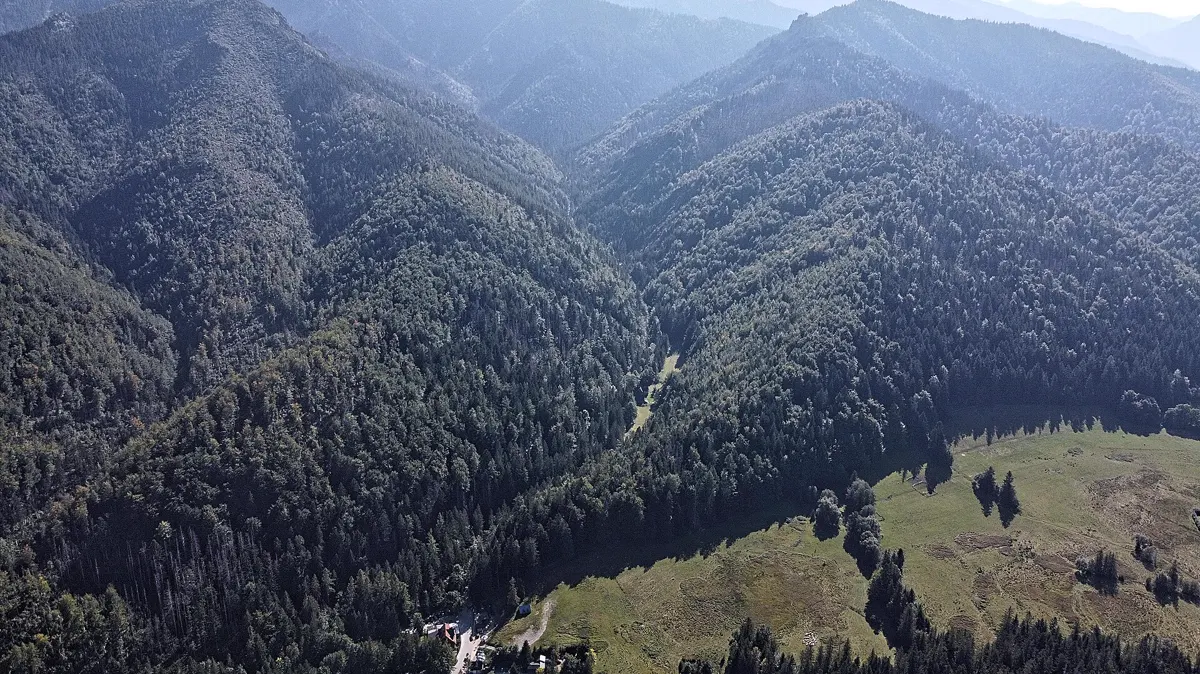
Strazyska Valley (Dolina Strazyska)
A short, easy valley walk that starts right in Zakopane and follows a stream through forest to the Siklawica waterfall below Giewont.
Zamość
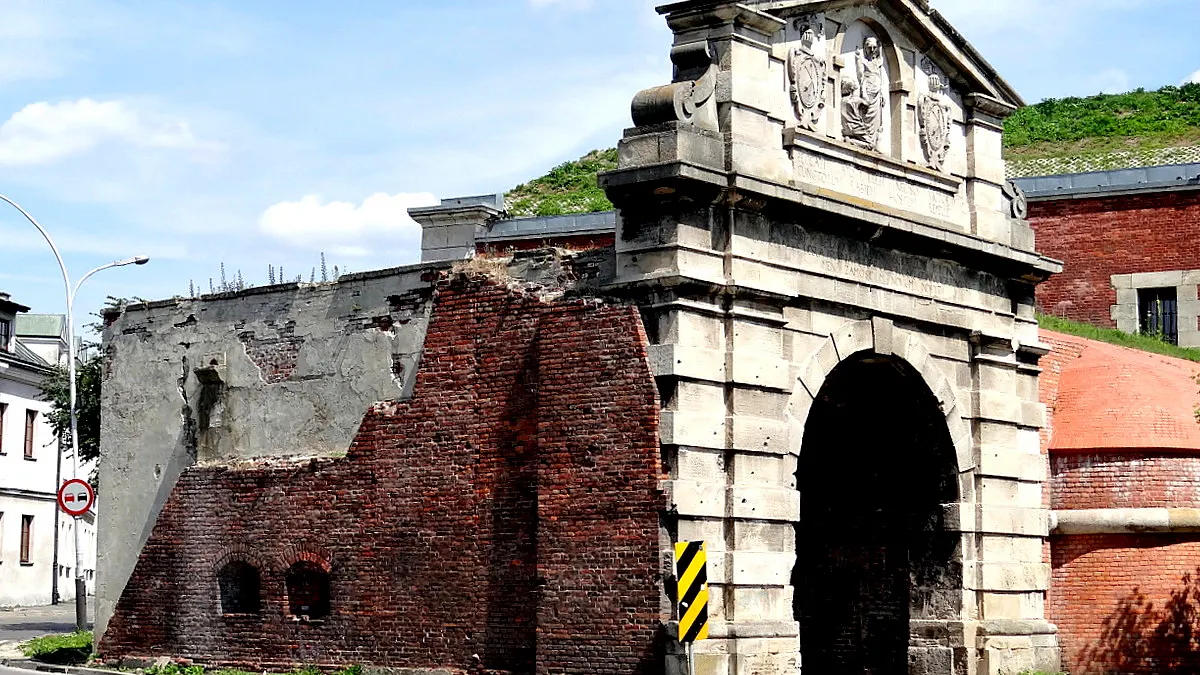
Lwów Gate (Lviv Gate)
A Mannerist gateway built around 1597 to 1599 on the southeastern edge of Zamość's fortified Old Town, once fitted with a drawbridge on the road toward Tomaszów and Lviv.
Białowieża
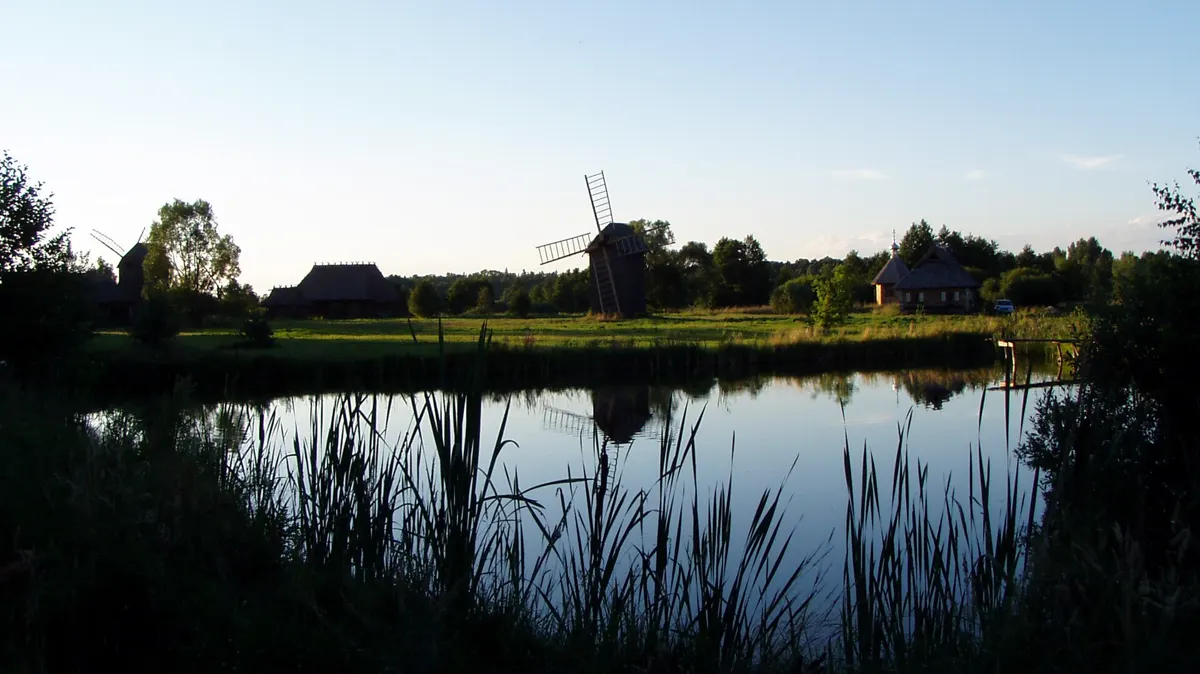
Open-Air Museum (Skansen) in Białowieża
An open-air folk-architecture museum in Białowieża village that gathers traditional wooden rural buildings of the region, including dwellings, a barn, two windmills and an octagonal chapel.
Poland fits a lot into one country: medieval market squares, a salt mine carved into underground chapels, the memorial at Auschwitz-Birkenau, mountain trails and a long Baltic coast. Seventeen places hold UNESCO World Heritage status, and most of the headline attractions cluster around the cities you are likely to base yourself in, so a first trip rarely means long transfers.
Top attractions in Krakow, Warsaw and Gdansk
Krakow has the densest cluster: the Main Market Square, laid out in 1257 and among the largest medieval squares in Europe, the underground Wieliczka Salt Mine, and the Auschwitz-Birkenau Memorial within a day trip. Warsaw rebuilt its Old Town from wartime rubble, Gdansk lines the Motlawa with tall merchant houses, and Wroclaw and Torun keep intact Gothic centres. The mountains around Zakopane and the lakes of Masuria add the outdoor side.
Top places to visit on a first trip
Group attractions by the city you are staying in rather than chasing them across the map. Krakow, Warsaw and Gdansk each reward two or three days and put more sights within an easy day trip. For the classic sights that define the country, see the best viewpoints and our city guides.
Do you need to book tickets in advance
The busiest sites use timed entry, so book Wieliczka and the Auschwitz-Birkenau Memorial ahead, especially in summer. Many state museums have one free day a week. Tickets are good value by European standards; our note on costs in Poland has the typical prices.
Attractions by city
Travel guides
Krakow Golf Cart Tours: The Four Routes, Compared
Four electric cart routes cover the Old Town, Kazimierz, the ghetto in Podgorze and Schind...
Best Castles in Poland
From the Teutonic fortress at Malbork to the royal seats at Wawel and Warsaw, the Polish c...
3 Days in Krakow
A practical three-day plan for Krakow, pairing the Old Town and Wawel with Kazimierz and o...
Things to Do in Krakow
The sights, neighbourhoods and day trips that make Krakow worth several days, ranked by ho...