Attractions
Attractions in Poland
The sights worth building a day around.
Poland's attractions run from the medieval market squares of Krakow and Wroclaw to the Wieliczka Salt Mine, the memorial at Auschwitz-Birkenau and the Teutonic castle at Malbork. Each page below covers what the place is, how long to spend and how to get there, grouped by city.
All Attractions in Poland
Zamość
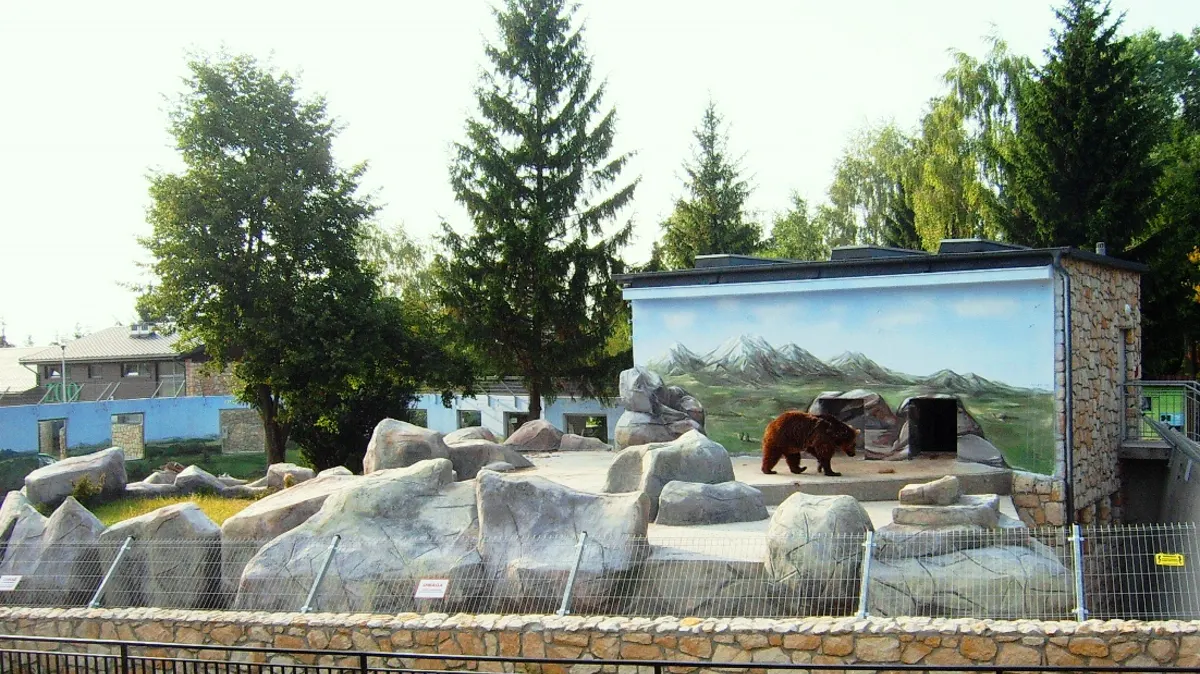
Zamość Zoo (Stefan Miler Zoological Garden)
One of Poland's oldest zoos, started in 1918 as a school project by teacher Stefan Miler and now spread over about 13 hectares.
Kazimierz Dolny
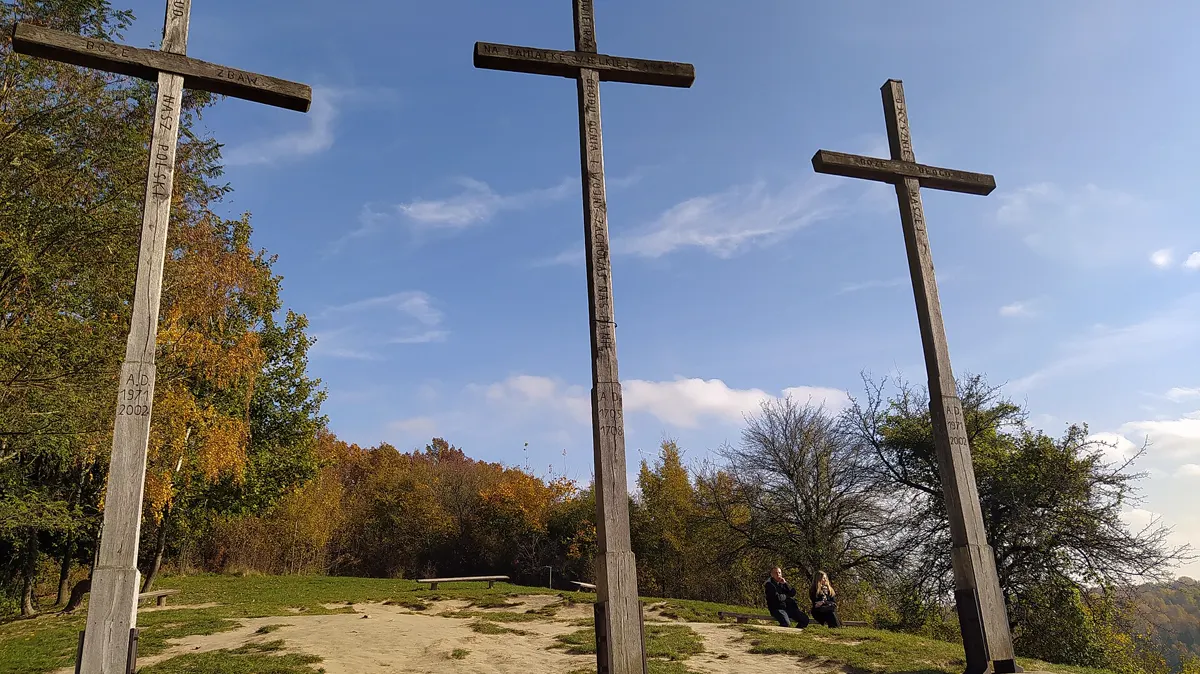
Three Crosses Mountain (Gora Trzech Krzyzy)
A short climb to three hilltop crosses raised after a 1708 plague, with the best wide view over the town and the Vistula bend.
Kazimierz Dolny
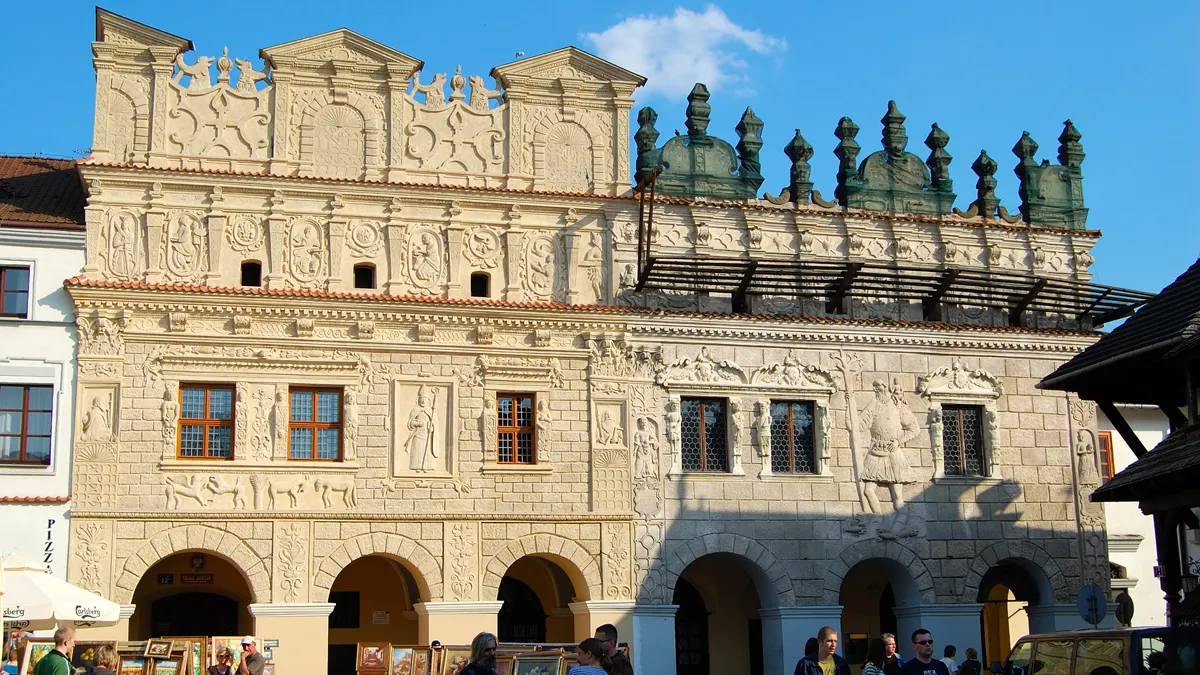
Przybyla Houses on the Market Square
Two richly carved Renaissance merchant houses of about 1615, whose facades of saints dominate the market square.
Kazimierz Dolny
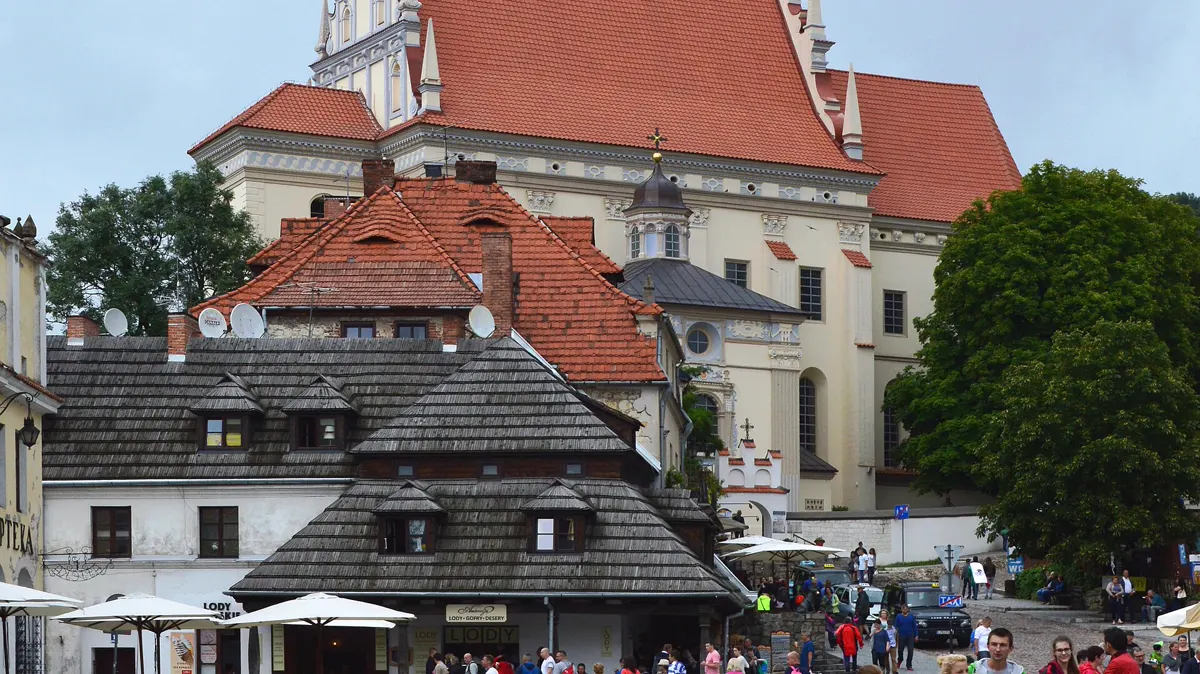
Parish Church of St John the Baptist and St Bartholomew (Fara)
The town's white-fronted parish church, rebuilt in the 1610s, home to one of Poland's oldest preserved organs.
Kazimierz Dolny
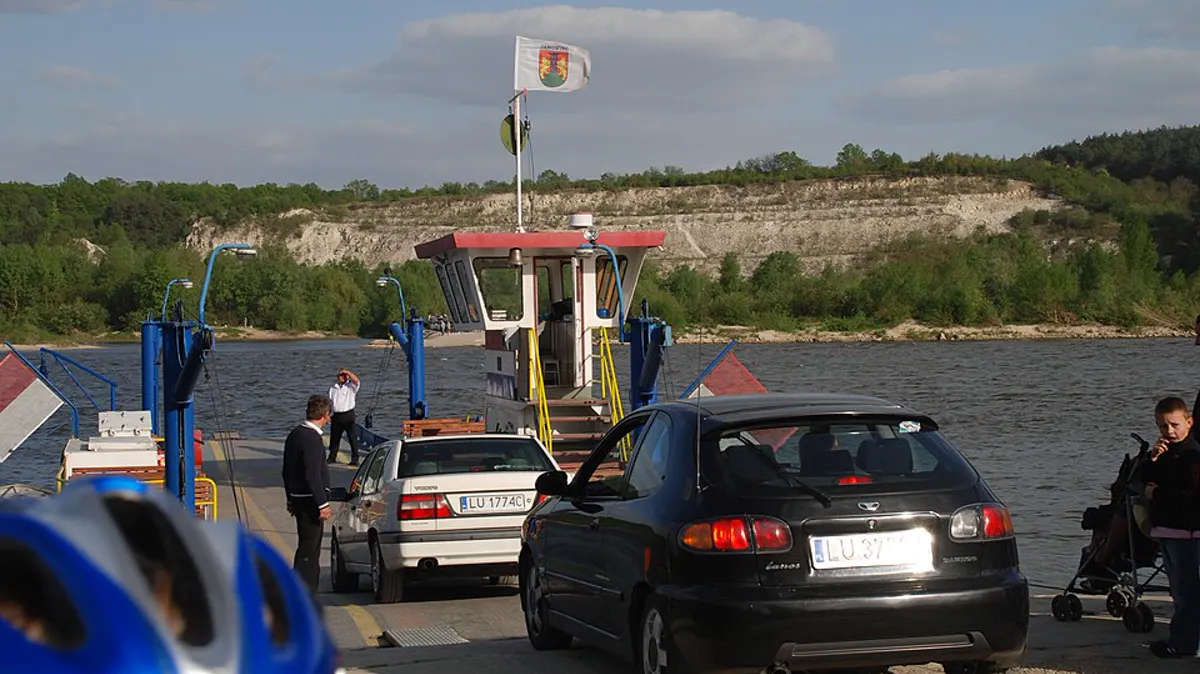
Kazimierz Dolny to Janowiec Ferry
A short Vistula ferry crossing to Janowiec and its Renaissance castle ruins, running on a route used for centuries.
Białowieża
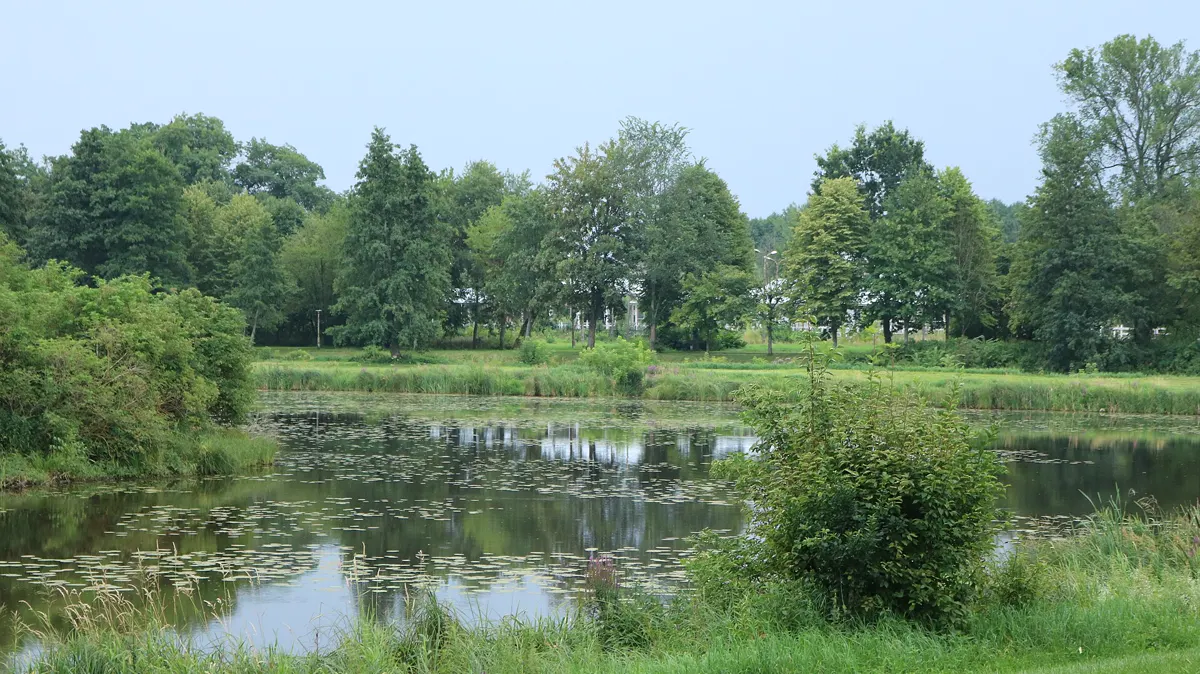
Palace Park (Park Pałacowy)
Landscaped grounds around the site of the tsars' burned hunting palace, now the setting for the national park museum.
Białowieża
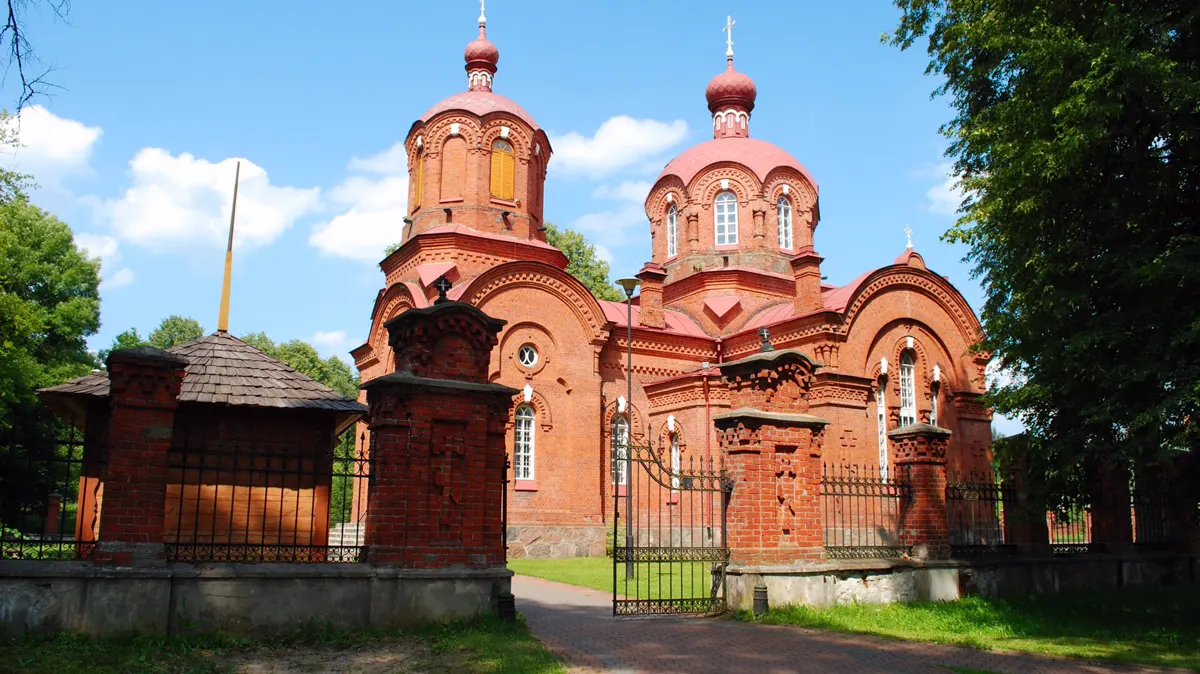
Orthodox Church of St Nicholas
A tsarist-era Orthodox church holding a rare glazed-ceramic iconostasis, unusual in Poland.
Łódź
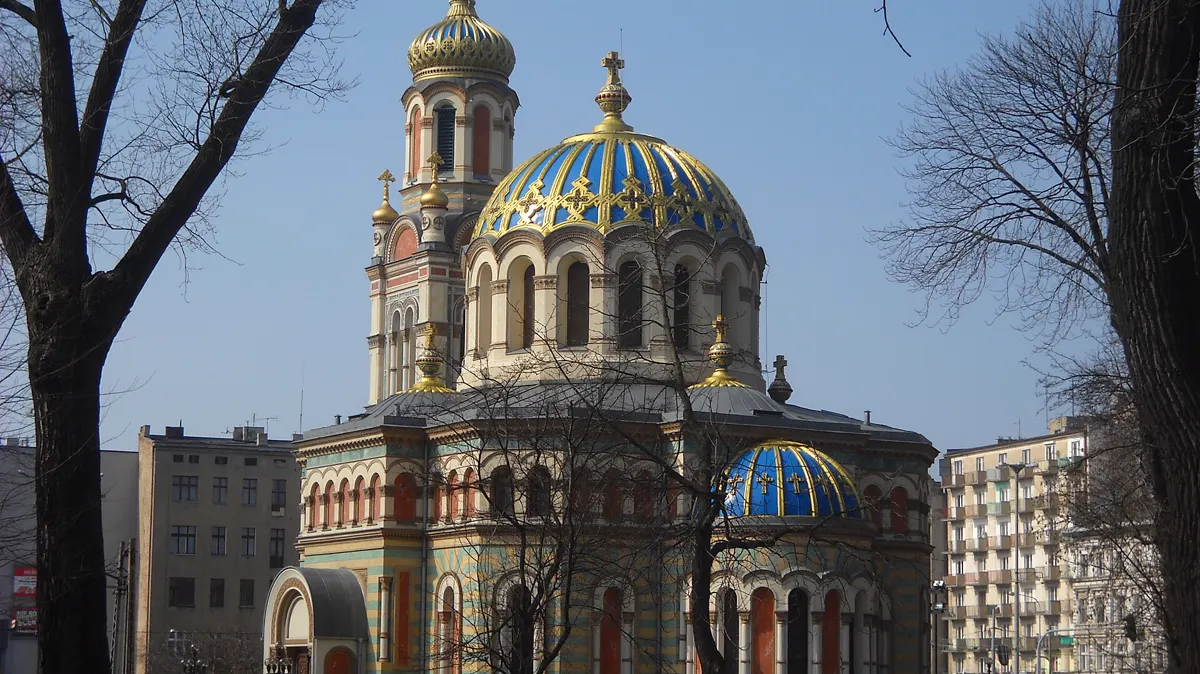
Alexander Nevsky Cathedral
A Polish Orthodox cathedral in central Łódź, built in the 1880s in a Neo-Byzantine style and known for its colourful onion domes and a richly decorated iconostasis made in St. Petersburg.
Warsaw
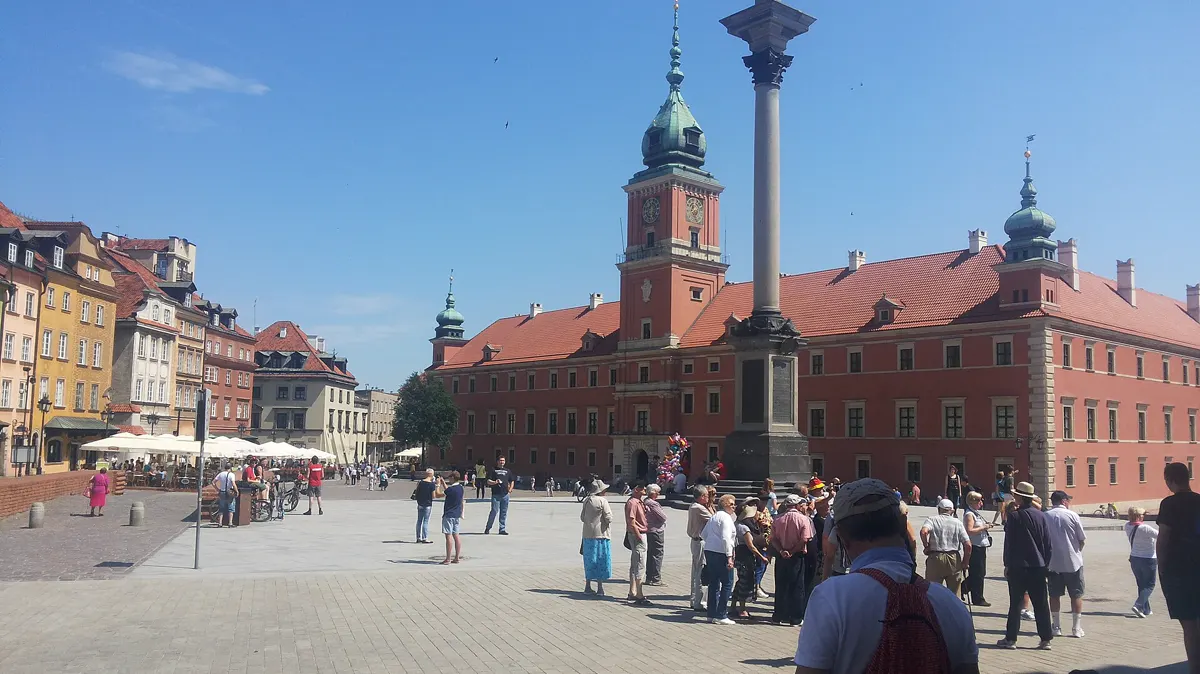
Castle Square and Sigismund's Column
Castle Square is the triangular plaza at the entrance to Warsaw's Old Town, centred on Sigismund's Column, the city's oldest secular monument and one of its most recognisable landmarks.
Katowice
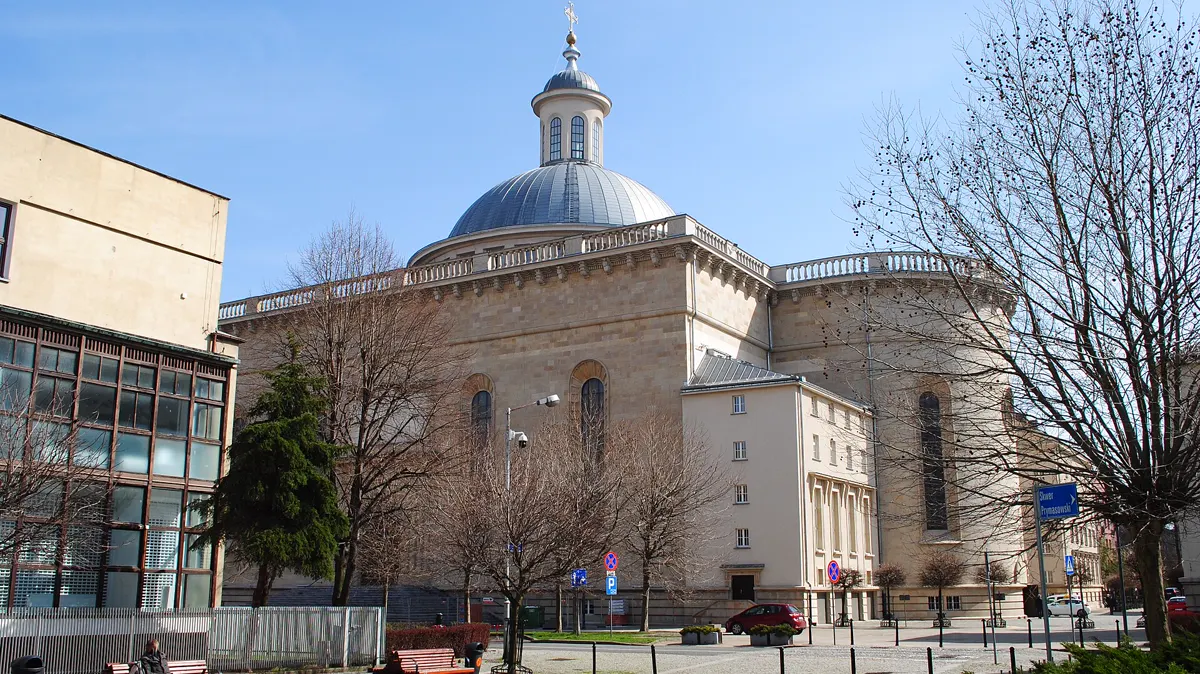
Cathedral of Christ the King
The largest cathedral in Poland by volume, built in monumental Neoclassical style and crowned by a tall central dome rising high above the interior. It is the seat of the Archdiocese of Katowice.
Kazimierz Dolny
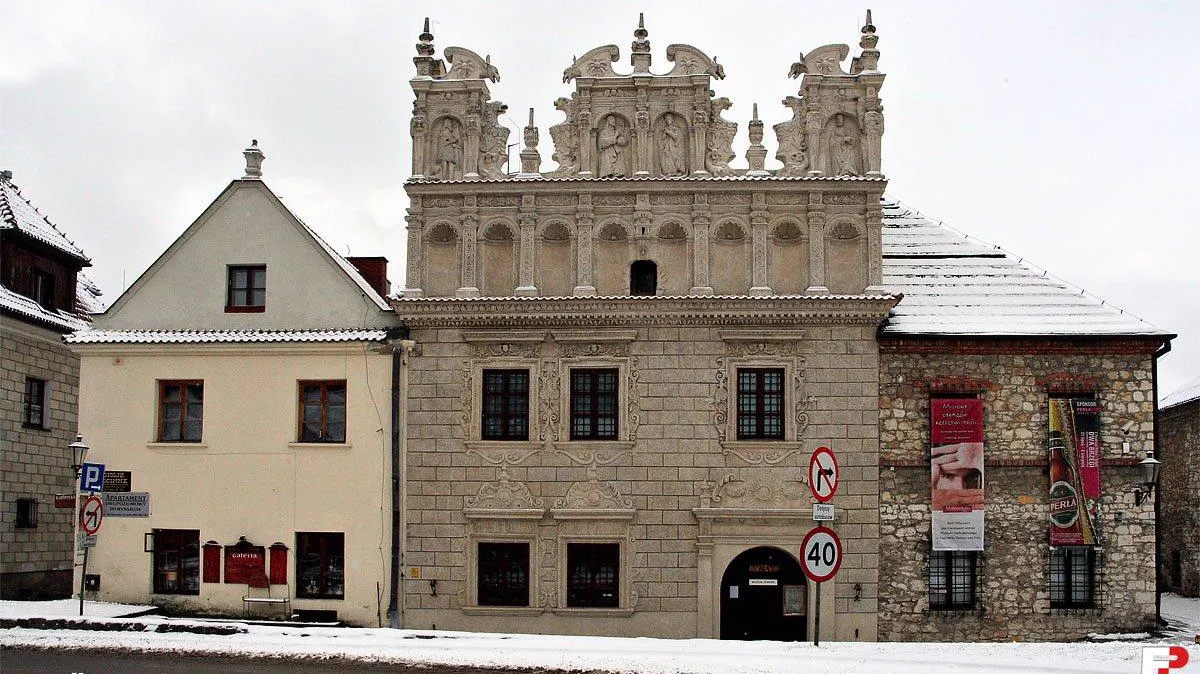
Celej House (Nadwislanskie Museum)
A Renaissance-era merchant townhouse on Senatorska Street, famous for its elaborate carved gable and now home to a gallery of paintings and portraits from old Kazimierz Dolny.
Zakopane
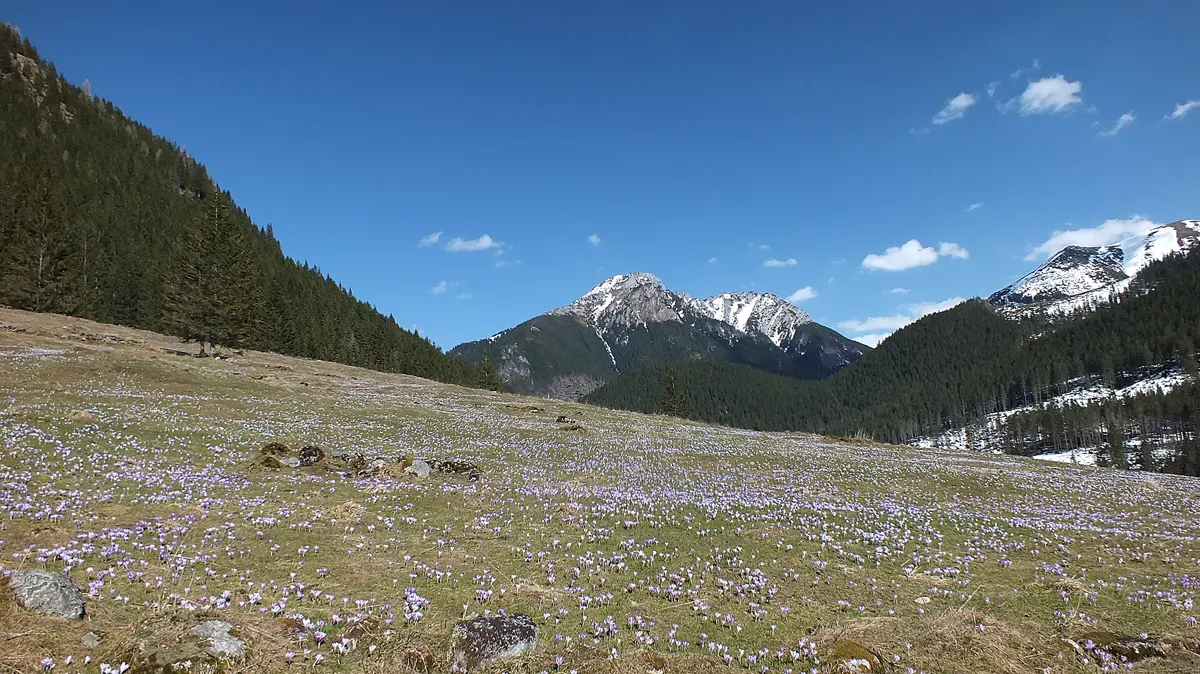
Chochołowska Valley (Dolina Chochołowska)
Chochołowska Valley is the longest and largest valley in the Polish Tatras, best known for the roughly 14 million crocuses that bloom across its meadows each spring.
Poland fits a lot into one country: medieval market squares, a salt mine carved into underground chapels, the memorial at Auschwitz-Birkenau, mountain trails and a long Baltic coast. Seventeen places hold UNESCO World Heritage status, and most of the headline attractions cluster around the cities you are likely to base yourself in, so a first trip rarely means long transfers.
Top attractions in Krakow, Warsaw and Gdansk
Krakow has the densest cluster: the Main Market Square, laid out in 1257 and among the largest medieval squares in Europe, the underground Wieliczka Salt Mine, and the Auschwitz-Birkenau Memorial within a day trip. Warsaw rebuilt its Old Town from wartime rubble, Gdansk lines the Motlawa with tall merchant houses, and Wroclaw and Torun keep intact Gothic centres. The mountains around Zakopane and the lakes of Masuria add the outdoor side.
Top places to visit on a first trip
Group attractions by the city you are staying in rather than chasing them across the map. Krakow, Warsaw and Gdansk each reward two or three days and put more sights within an easy day trip. For the classic sights that define the country, see the best viewpoints and our city guides.
Do you need to book tickets in advance
The busiest sites use timed entry, so book Wieliczka and the Auschwitz-Birkenau Memorial ahead, especially in summer. Many state museums have one free day a week. Tickets are good value by European standards; our note on costs in Poland has the typical prices.
Attractions by city
Travel guides
Krakow Golf Cart Tours: The Four Routes, Compared
Four electric cart routes cover the Old Town, Kazimierz, the ghetto in Podgorze and Schind...
Best Castles in Poland
From the Teutonic fortress at Malbork to the royal seats at Wawel and Warsaw, the Polish c...
3 Days in Krakow
A practical three-day plan for Krakow, pairing the Old Town and Wawel with Kazimierz and o...
Things to Do in Krakow
The sights, neighbourhoods and day trips that make Krakow worth several days, ranked by ho...