Attractions
Attractions in Poland
The sights worth building a day around.
Poland's attractions run from the medieval market squares of Krakow and Wroclaw to the Wieliczka Salt Mine, the memorial at Auschwitz-Birkenau and the Teutonic castle at Malbork. Each page below covers what the place is, how long to spend and how to get there, grouped by city.
All Attractions in Poland
Olsztyn
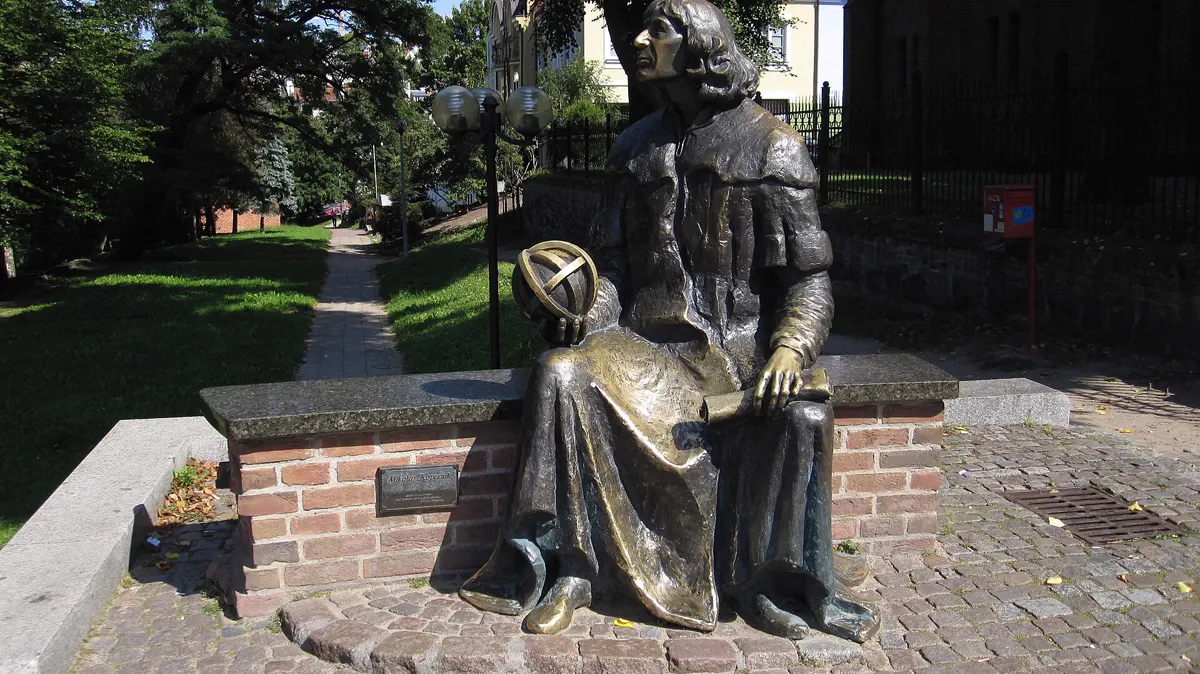
Copernicus Bench
A bronze bench monument in Olsztyn showing Nicolaus Copernicus seated with an astrolabe and a scroll, unveiled in 2003 near the castle where he once lived.
Częstochowa
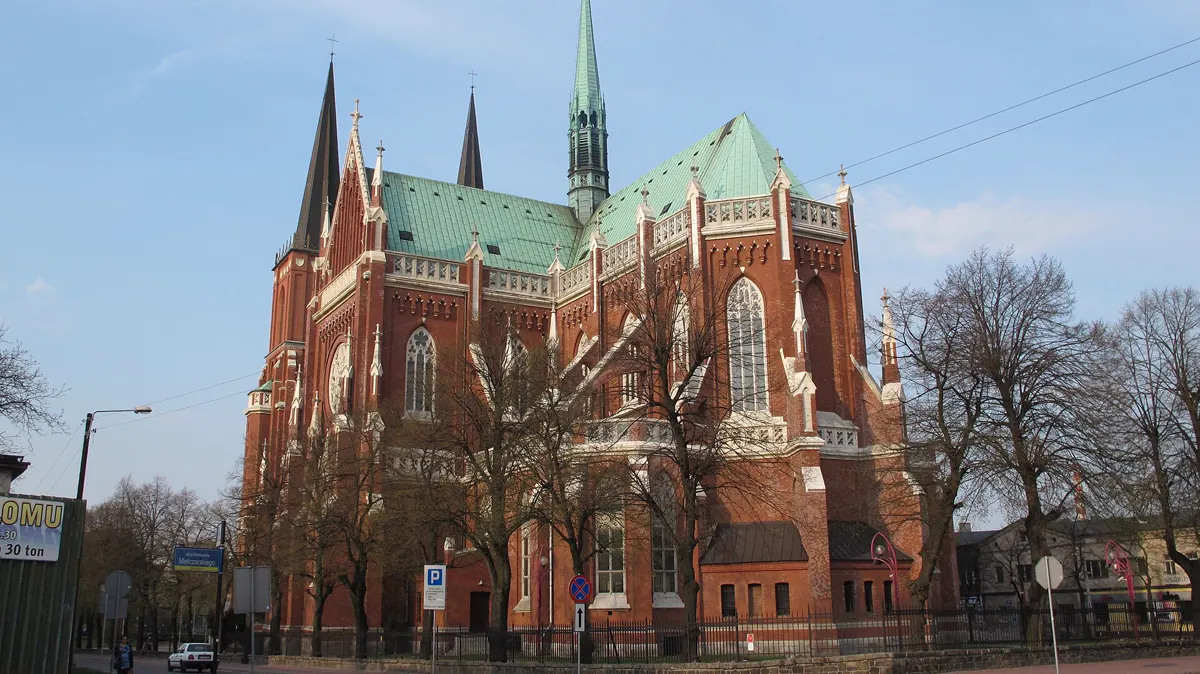
Częstochowa Cathedral (Cathedral Basilica of the Holy Family)
A monumental red-brick neo-Gothic basilica in central Częstochowa, and one of the largest churches in Poland, known for its twin 80-metre towers and vast three-nave interior.
Lublin
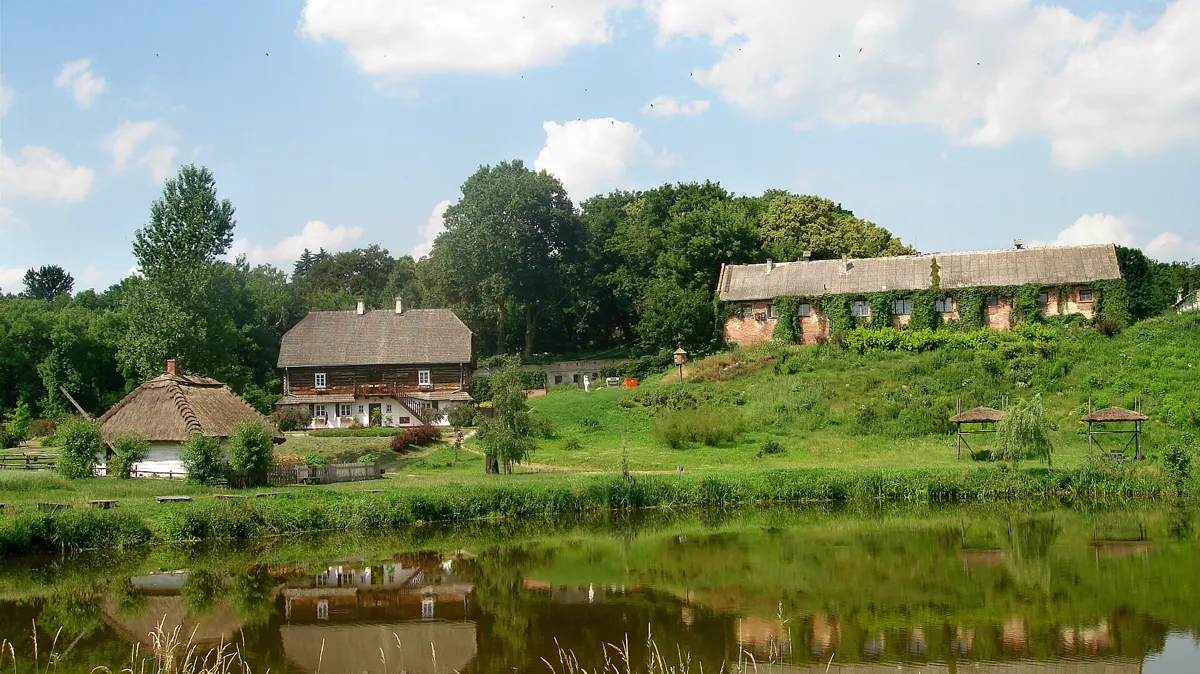
Lublin Open-Air Village Museum (Skansen)
An open-air ethnographic museum on the northwest edge of Lublin, where dozens of relocated historic buildings recreate the rural life of the Lublin region in the 18th and 19th centuries.
Gdańsk
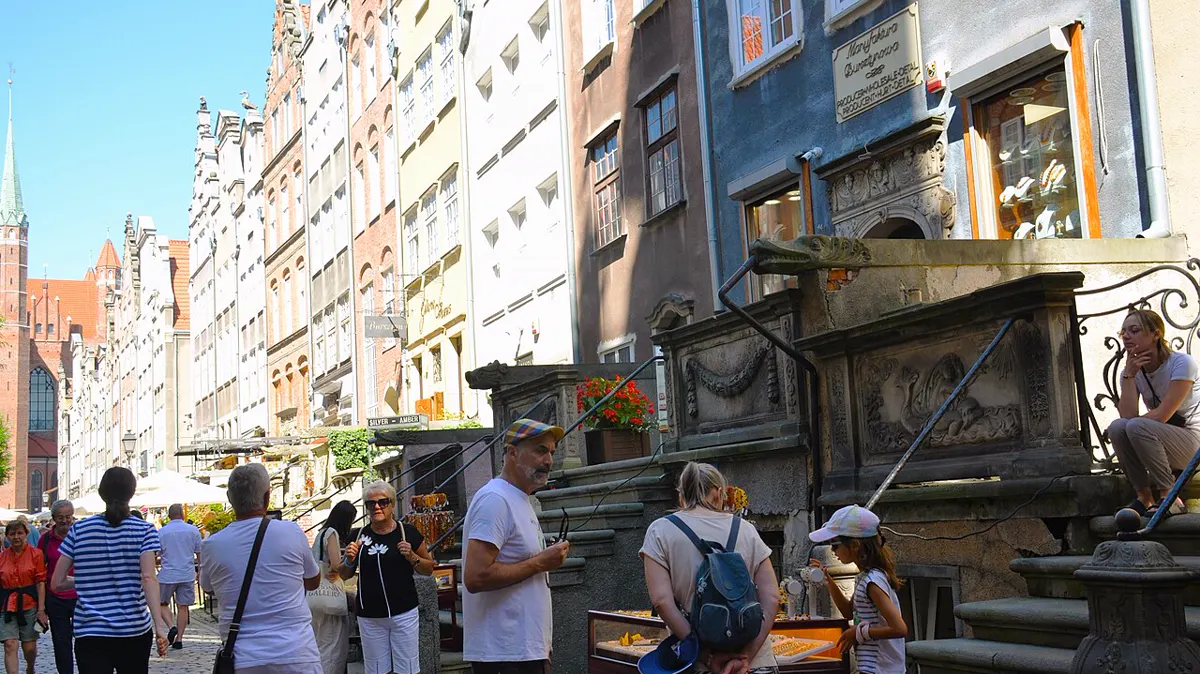
Mariacka Street (ulica Mariacka)
A short cobbled lane in Gdansk running between St. Mary's Basilica and the Motlawa waterfront, lined with reconstructed patrician houses and amber shops. It is widely called the most photogenic street in the city.
Toruń
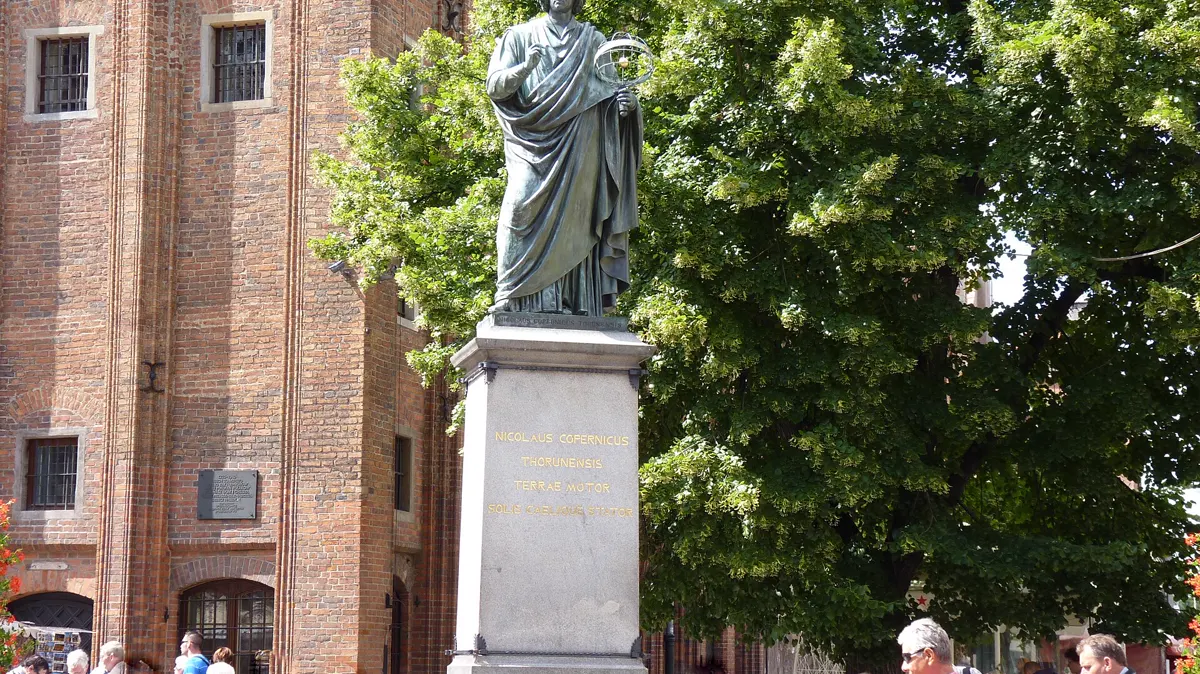
Nicolaus Copernicus Monument
A bronze statue of the astronomer Nicolaus Copernicus standing in front of Toruń's Old Town Hall, unveiled in 1853 and the city's classic meeting point and photo spot.
Poznań
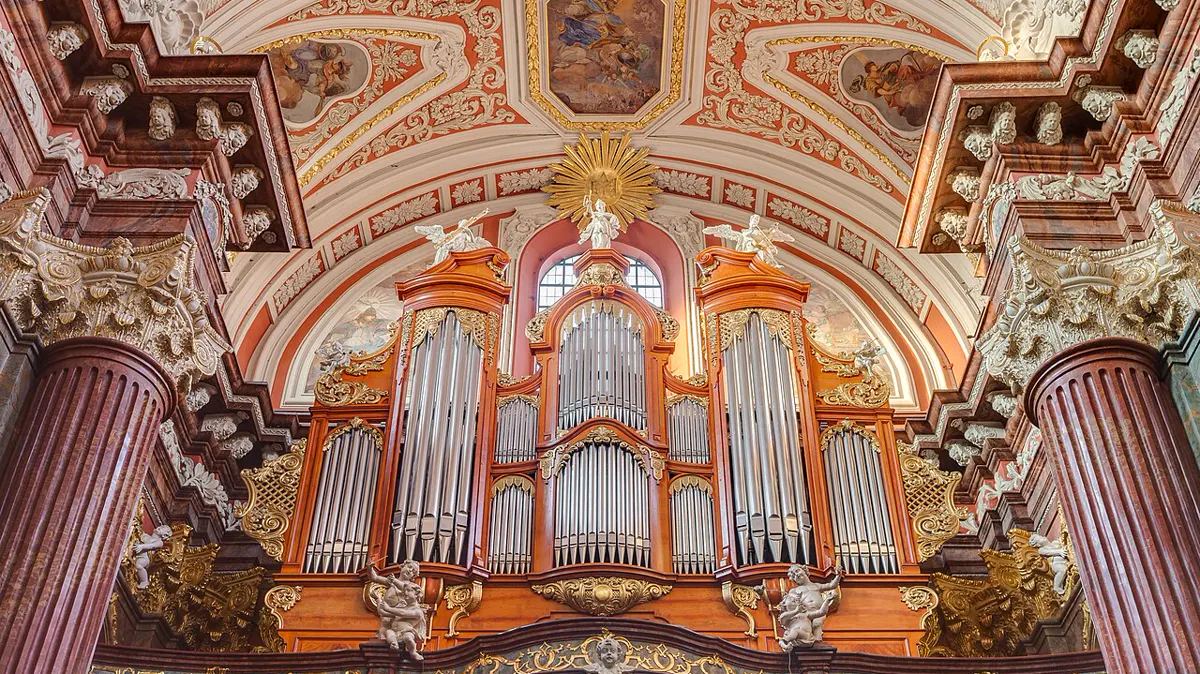
Poznań Fara (Parish Church of St. Stanislaus)
Poznań's grand Baroque parish church, known for its pink facade, towering Corinthian columns and a famous 19th-century Ladegast organ that plays at free recitals.
Sopot
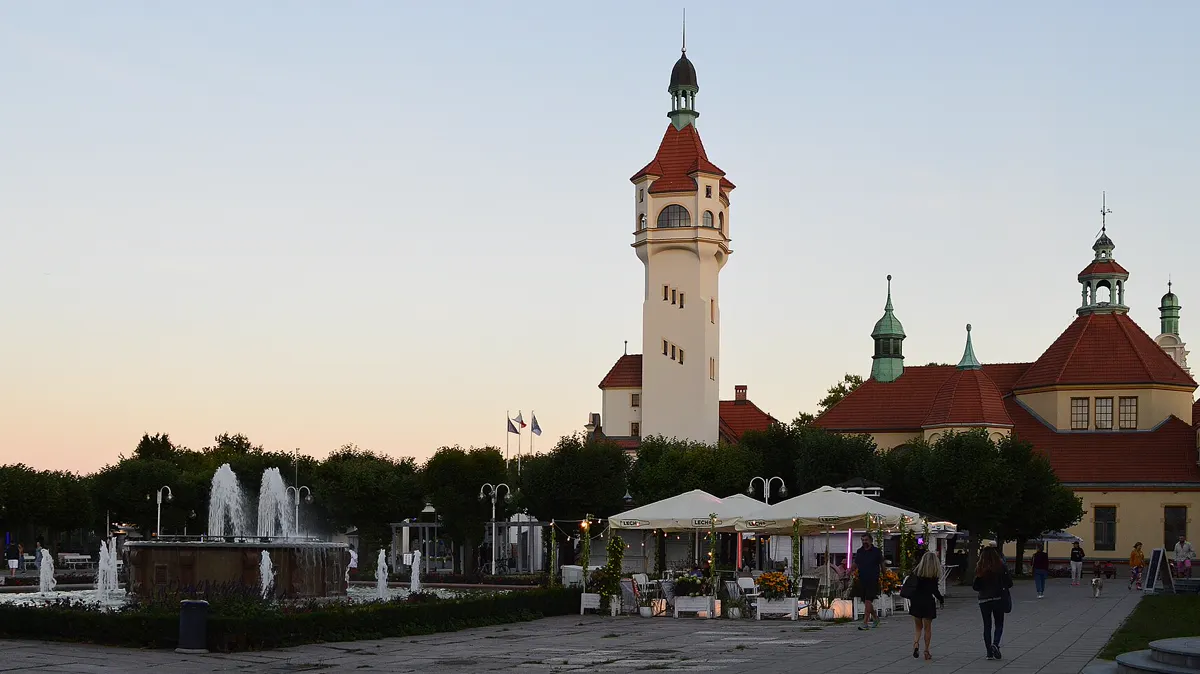
Sopot Lighthouse
A 30-metre tower by the pier entrance in Sopot, climbable by a spiral staircase to a viewing platform with 360-degree views over the coast.
Wrocław
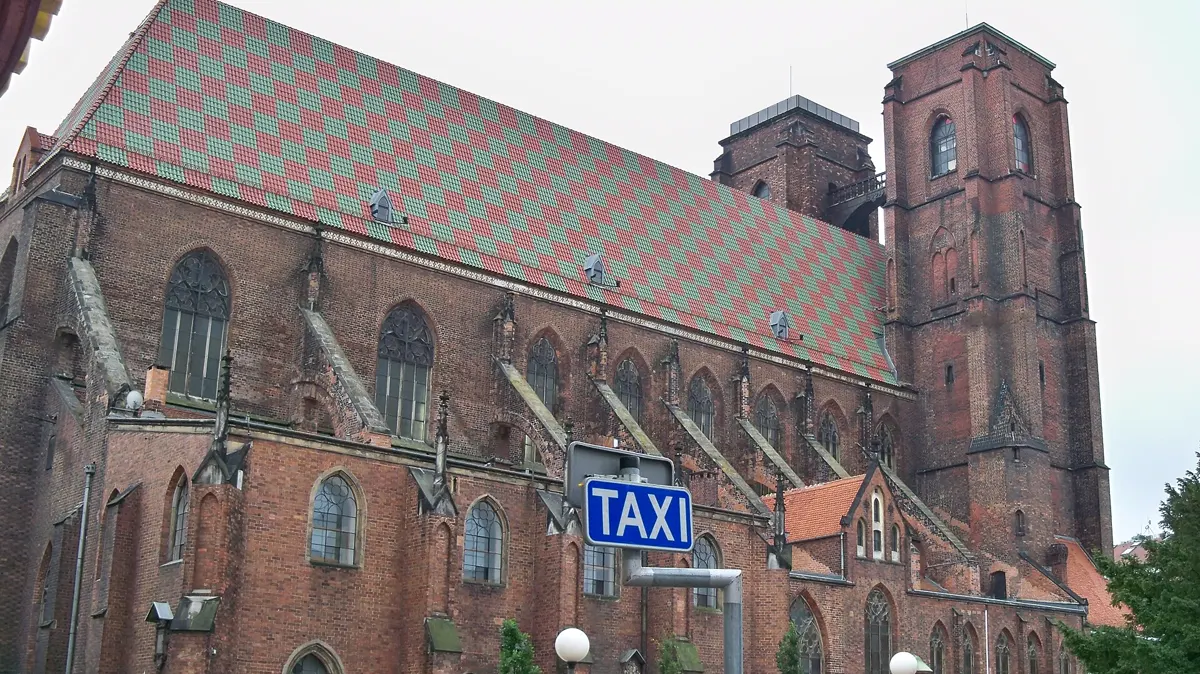
St. Mary Magdalene Church and the Penitents' Bridge
A Gothic brick church east of Wroclaw's Market Square whose twin towers are linked near the top by an open-air footbridge, reached by climbing to a viewpoint about 45 metres up.
Białowieża
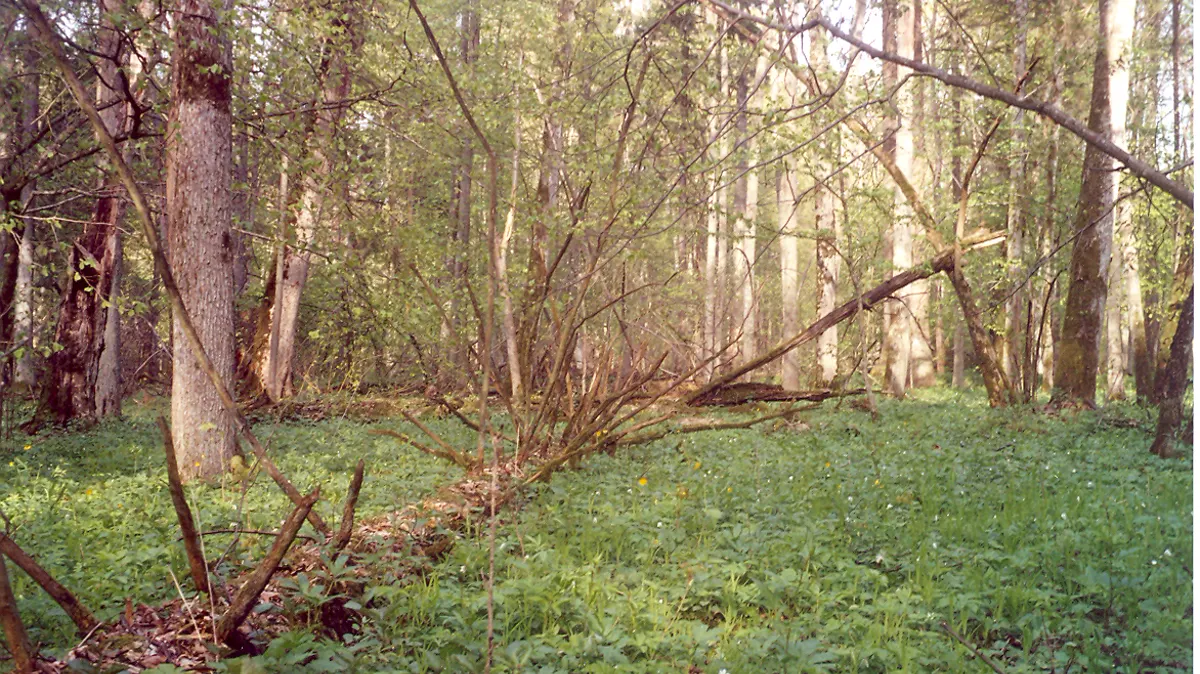
Strict Nature Reserve, Białowieża (Guided Primeval Forest Walk)
The strictly protected core of the Białowieża primeval forest, a UNESCO World Heritage site entered only on foot with a licensed park guide. Visitors walk through old-growth woodland that has never been cleared.
Kraków
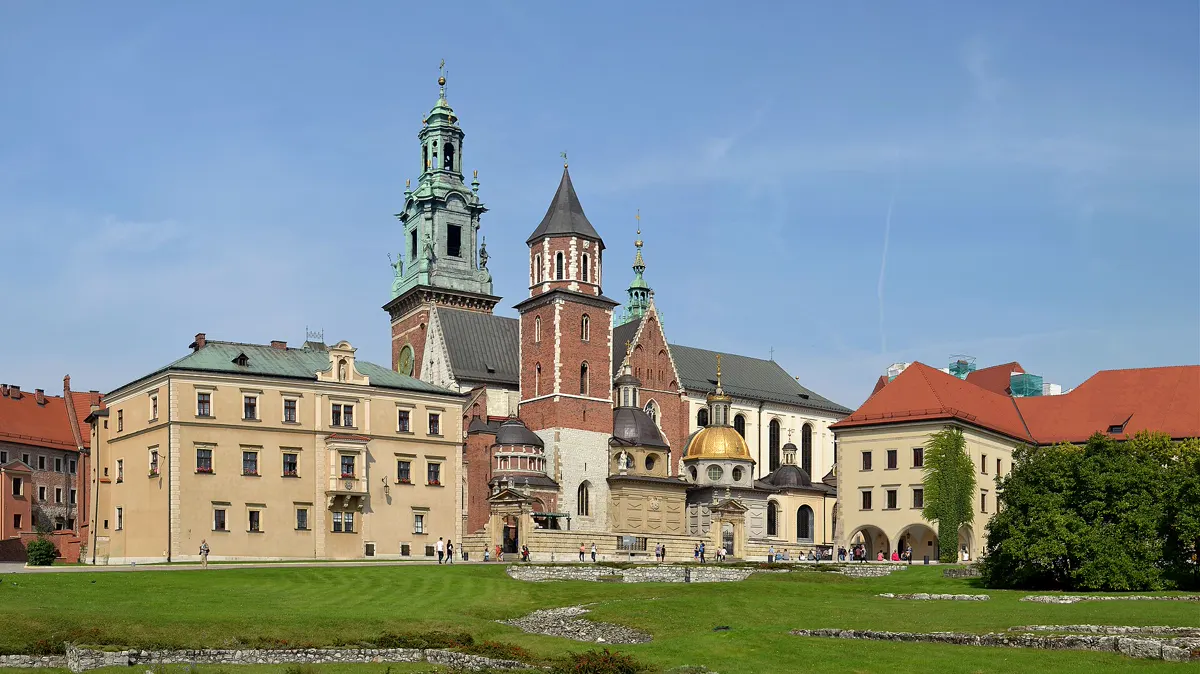
Wawel Cathedral
The coronation and burial church of Polish kings on Wawel Hill, holding royal tombs, national heroes and the famous Sigismund Bell.
Zamość
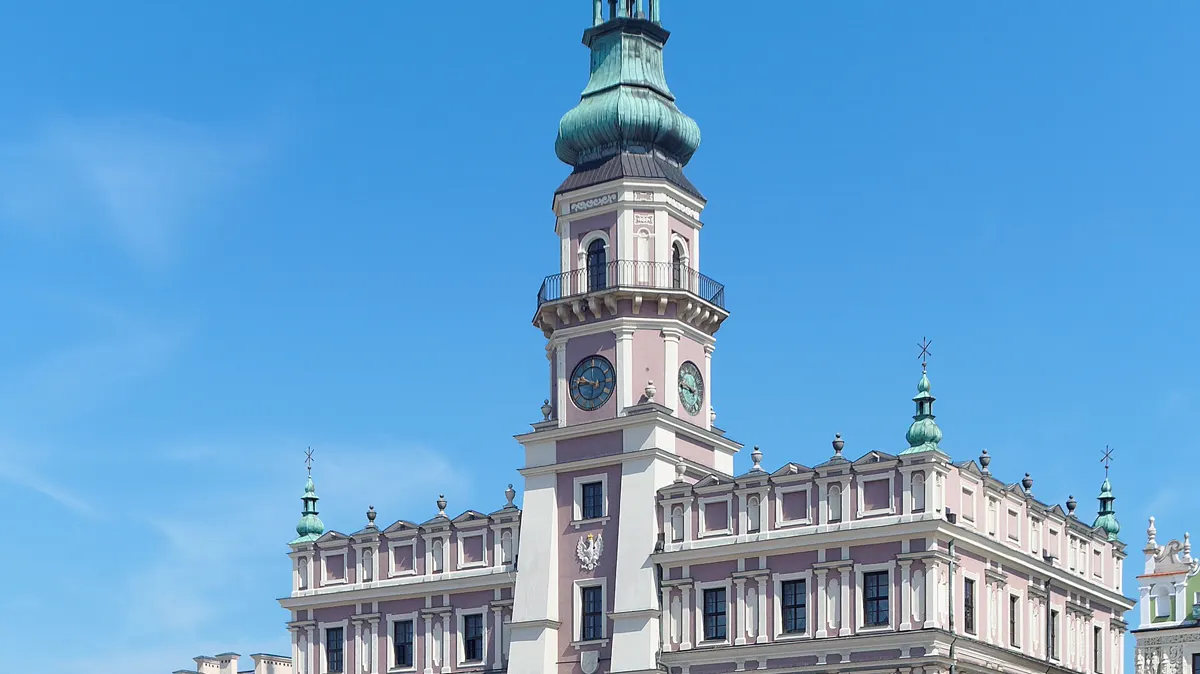
Zamość Town Hall
The pink-and-white town hall on the north side of Zamość's Great Market Square, with a 52-metre clock tower and a fan-shaped double staircase that sweeps down into the square. It is the most photographed building in the city.
Łódź
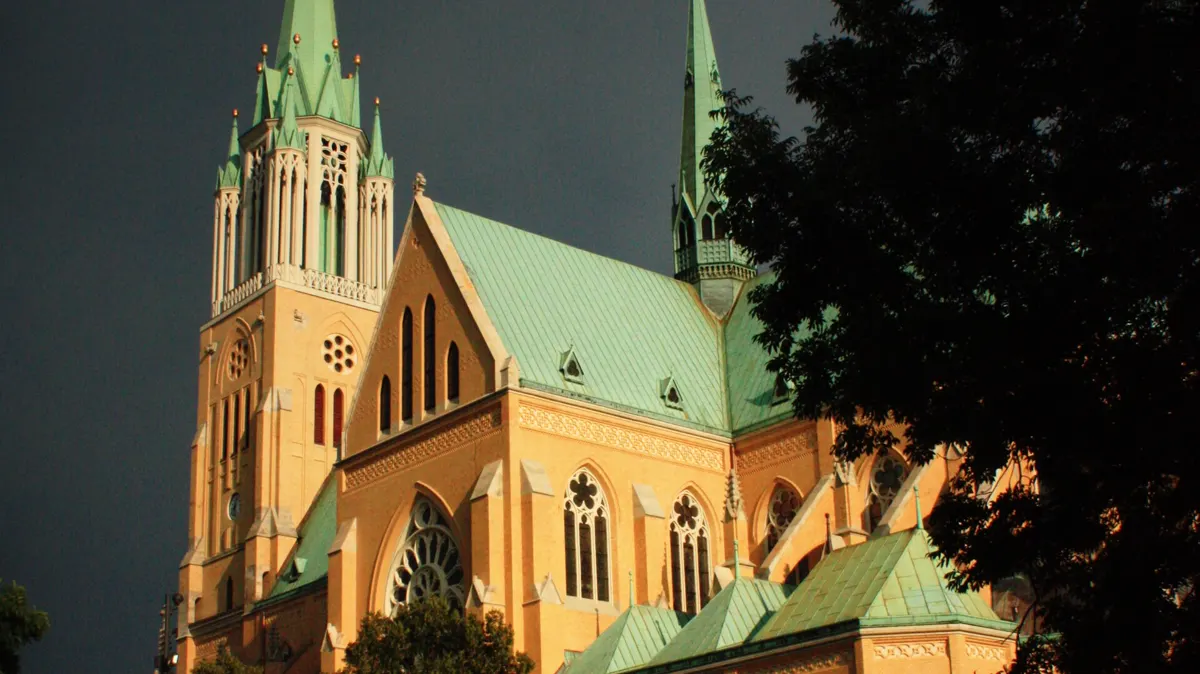
Archcathedral Basilica of St. Stanislaus Kostka
A neo-Gothic cathedral at the southern end of ul. Piotrkowska, and at 104.5 metres the tallest building in Łódź.
Poland fits a lot into one country: medieval market squares, a salt mine carved into underground chapels, the memorial at Auschwitz-Birkenau, mountain trails and a long Baltic coast. Seventeen places hold UNESCO World Heritage status, and most of the headline attractions cluster around the cities you are likely to base yourself in, so a first trip rarely means long transfers.
Top attractions in Krakow, Warsaw and Gdansk
Krakow has the densest cluster: the Main Market Square, laid out in 1257 and among the largest medieval squares in Europe, the underground Wieliczka Salt Mine, and the Auschwitz-Birkenau Memorial within a day trip. Warsaw rebuilt its Old Town from wartime rubble, Gdansk lines the Motlawa with tall merchant houses, and Wroclaw and Torun keep intact Gothic centres. The mountains around Zakopane and the lakes of Masuria add the outdoor side.
Top places to visit on a first trip
Group attractions by the city you are staying in rather than chasing them across the map. Krakow, Warsaw and Gdansk each reward two or three days and put more sights within an easy day trip. For the classic sights that define the country, see the best viewpoints and our city guides.
Do you need to book tickets in advance
The busiest sites use timed entry, so book Wieliczka and the Auschwitz-Birkenau Memorial ahead, especially in summer. Many state museums have one free day a week. Tickets are good value by European standards; our note on costs in Poland has the typical prices.
Attractions by city
Travel guides
Krakow Golf Cart Tours: The Four Routes, Compared
Four electric cart routes cover the Old Town, Kazimierz, the ghetto in Podgorze and Schind...
Best Castles in Poland
From the Teutonic fortress at Malbork to the royal seats at Wawel and Warsaw, the Polish c...
3 Days in Krakow
A practical three-day plan for Krakow, pairing the Old Town and Wawel with Kazimierz and o...
Things to Do in Krakow
The sights, neighbourhoods and day trips that make Krakow worth several days, ranked by ho...