Attraction in Olsztyn
High Gate (Wysoka Brama)
The last of Olsztyn's three medieval gates and the most striking surviving piece of the old city walls.
Reviewed and updated July 2026
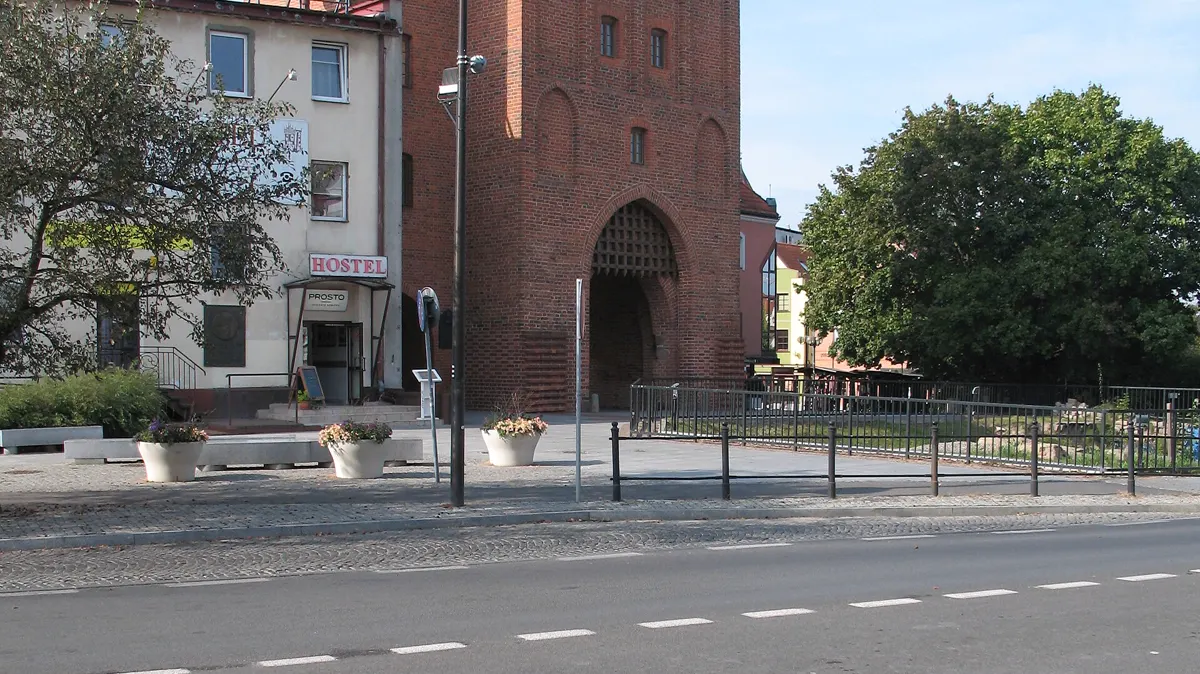
What the High Gate in Olsztyn is
Wysoka Brama, the High Gate, dates from the end of the 14th century and is the only survivor of the three gates that once pierced Olsztyn's defensive walls, the others being the Lower Gate and the Mill Gate. It is the most substantial remnant of the medieval fortifications.
The changing uses of Wysoka Brama
Across the centuries the gate has held very different roles, serving as an armoury and a prison and at one point sheltering the homeless. Today the building houses a hotel, a rare chance to stay inside a piece of the city walls.
Where to find the High Gate in the Old Town
The gate marks the traditional northern entrance to Olsztyn's Old Town and is an easy landmark to navigate by. It sits within a short walk of the market square, St James Co-Cathedral and the castle.
Frequently asked questions
More attractions in Olsztyn
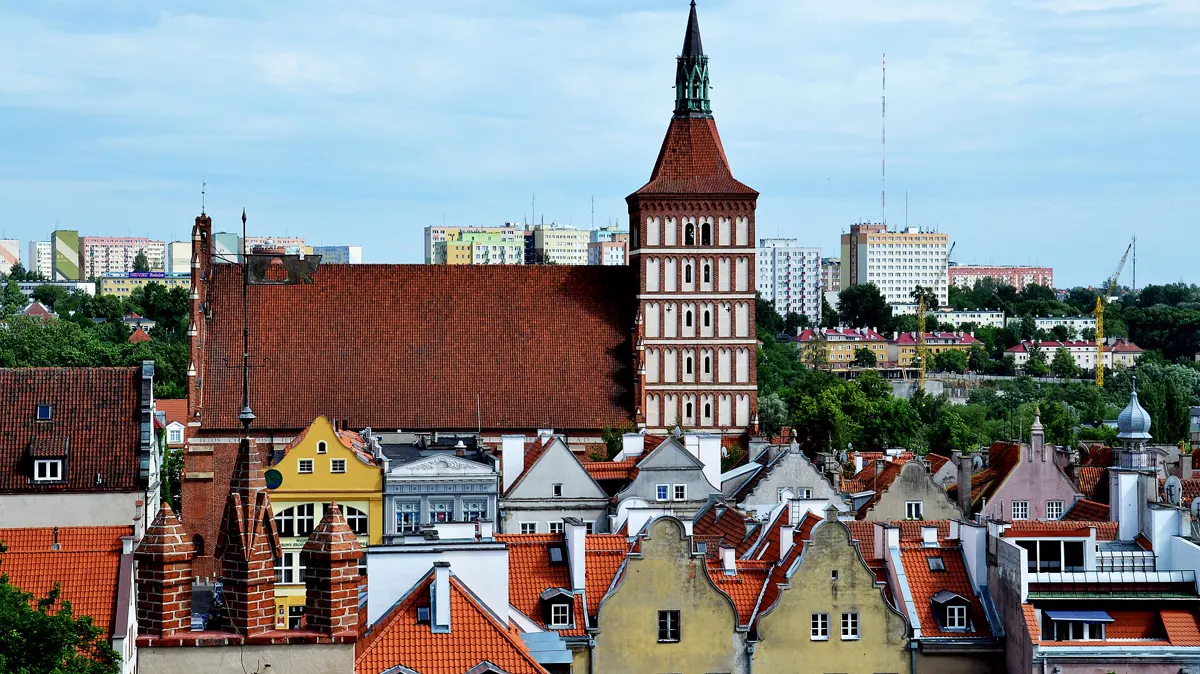
Co-Cathedral Basilica of St James in Olsztyn
A red-brick Gothic hall church at the centre of Olsztyn's Old Town, raised for a Latin greeting.
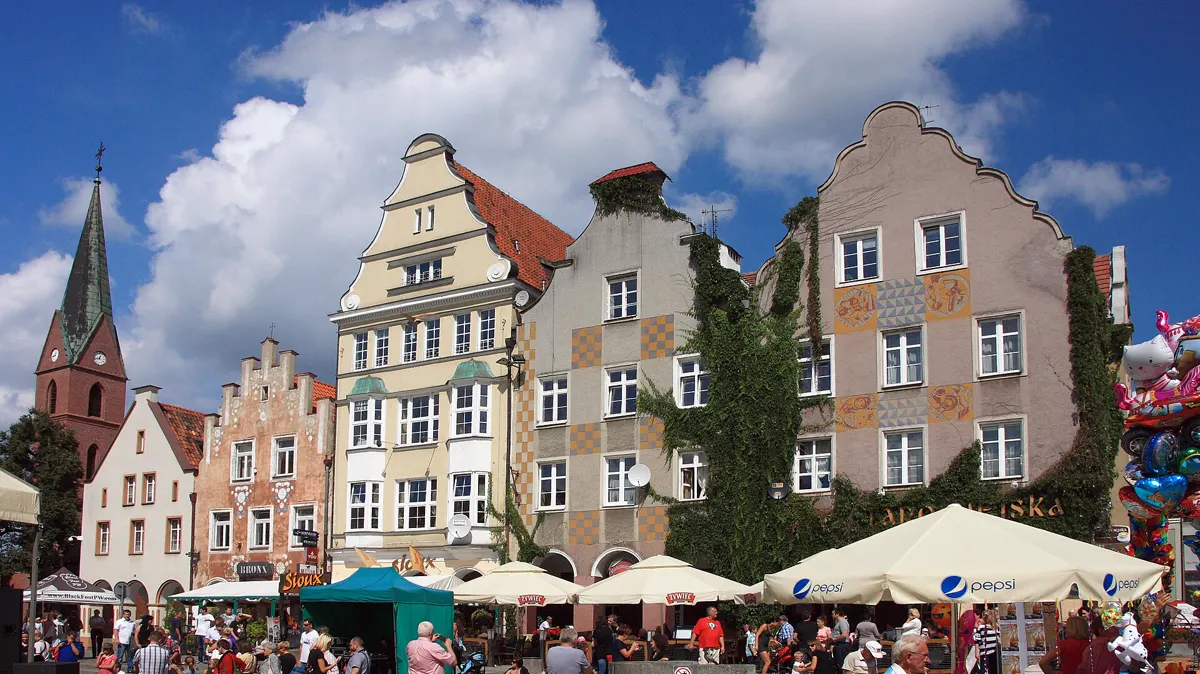
Olsztyn Old Town
A compact market square of gabled burgher houses, ringed by fragments of the medieval walls.
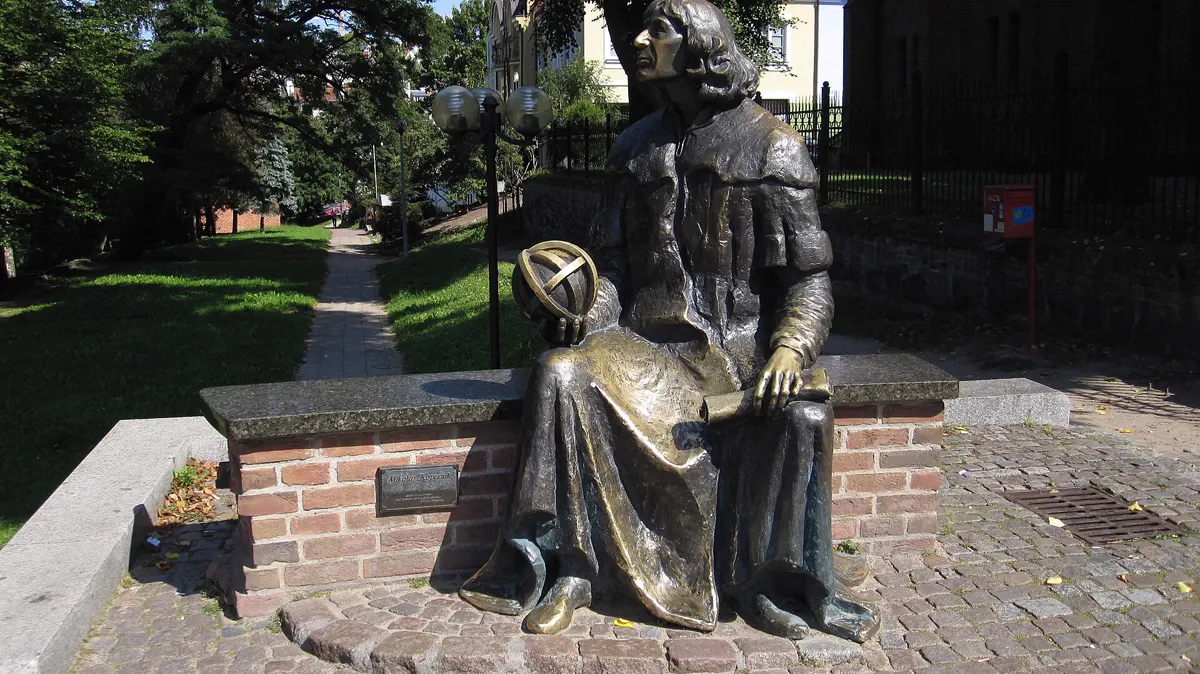
Copernicus Bench
A bronze bench monument in Olsztyn showing Nicolaus Copernicus seated with an astrolabe and a scroll, unveiled in 2003 near the castle where he once lived.
Railway Viaducts over the Łyna
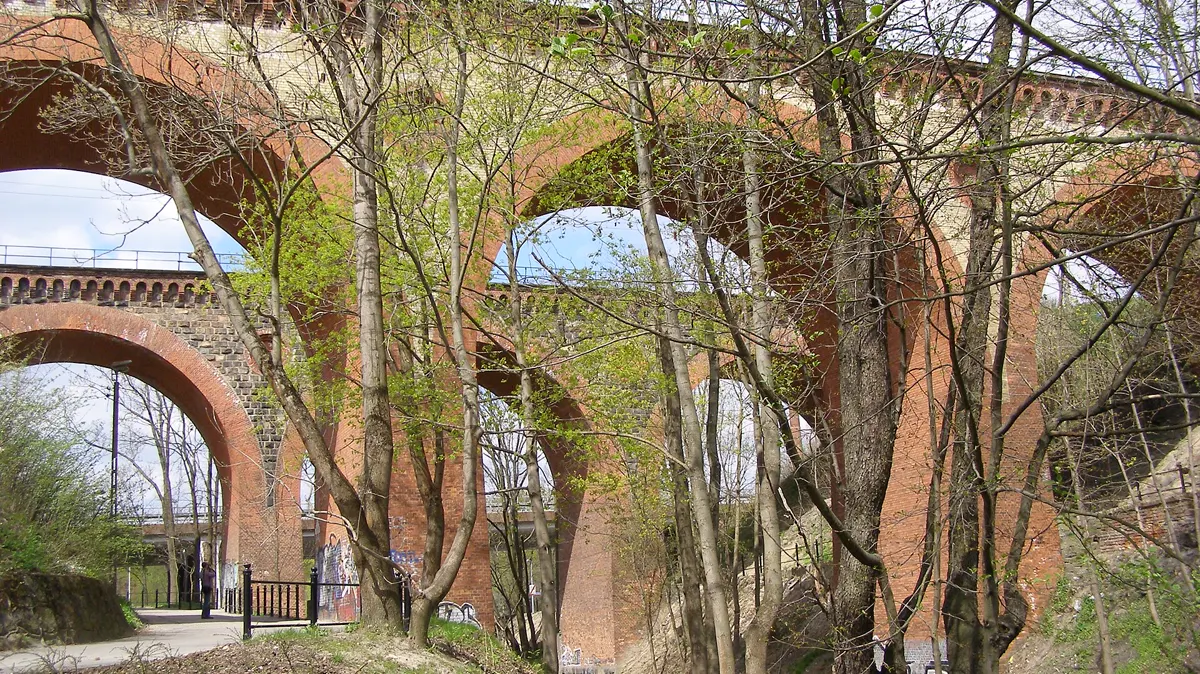
A pair of monumental red-brick railway viaducts crossing the Łyna river valley in Olsztyn, the older dating from 1871-1872. Their tall arched spans and industrial architecture make them one of the valley's most photographed landmarks.
Castle Park (Podzamcze Park)
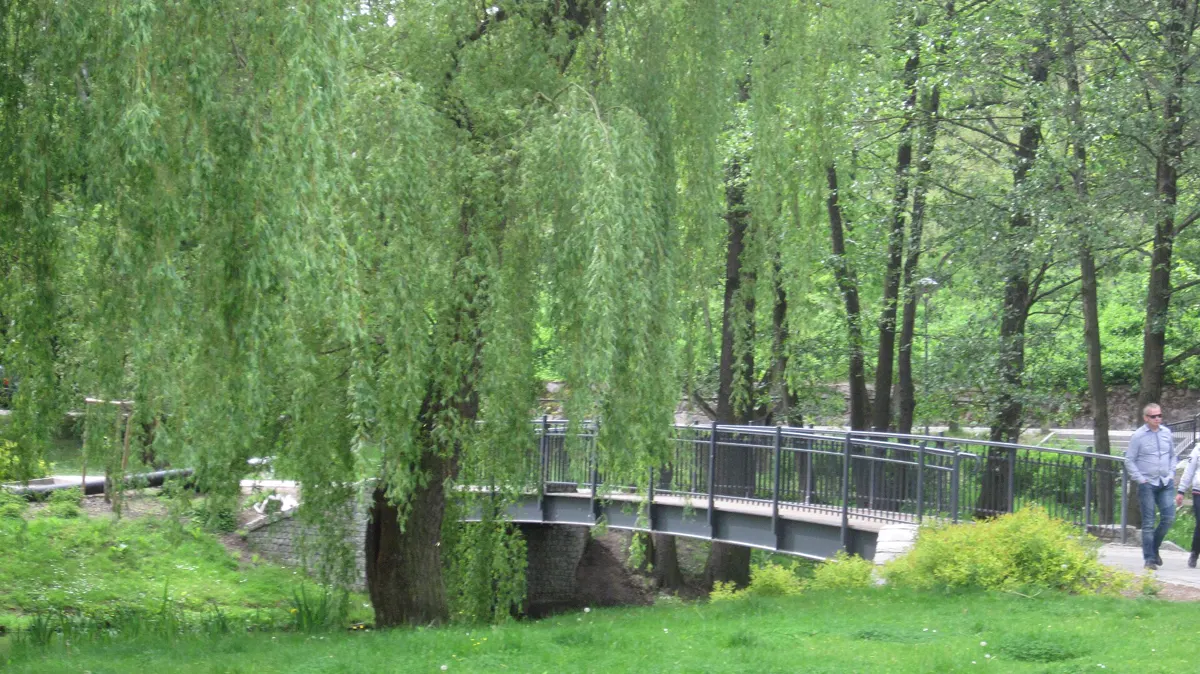
A landscaped riverside park below Olsztyn's Warmian Chapter Castle, set on the site of former water mills and revitalised in the late 2010s, near the neighbouring Central Park.
Museum of Modernity (Muzeum Nowoczesności)
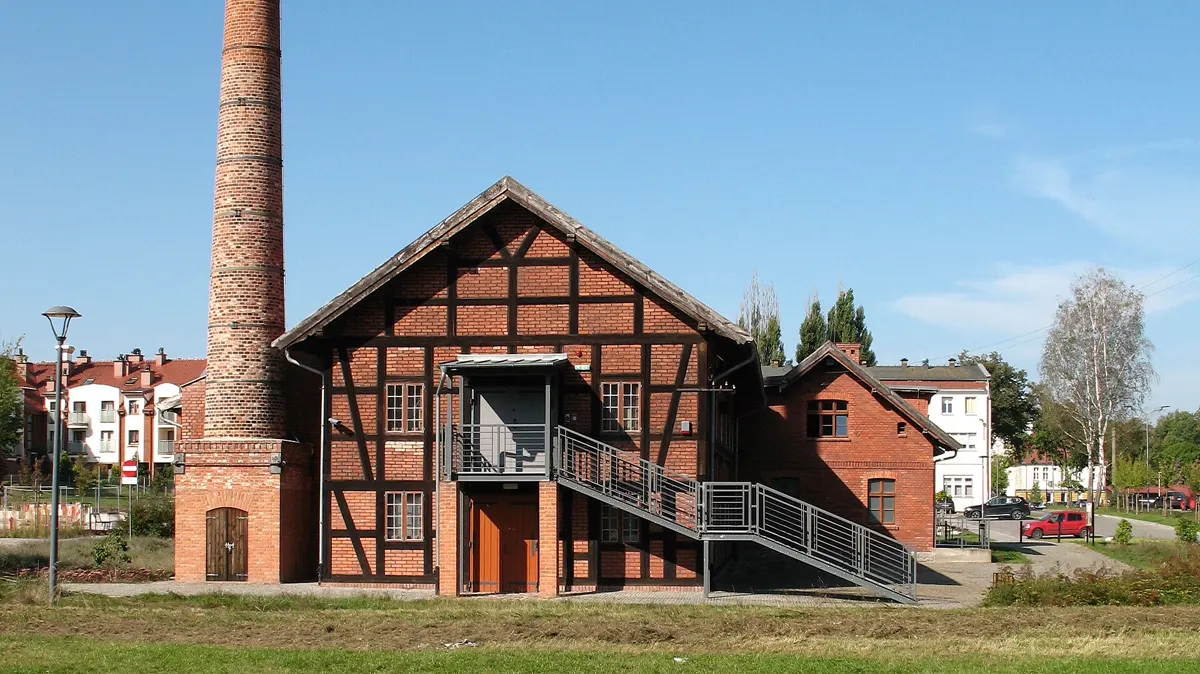
A museum in a restored 1884 timber mill by the Łyna river, tracing how Olsztyn and the Warmia-Mazury region industrialised across the 19th and 20th centuries.
More to explore in Olsztyn
Nature
Masurian Lakes
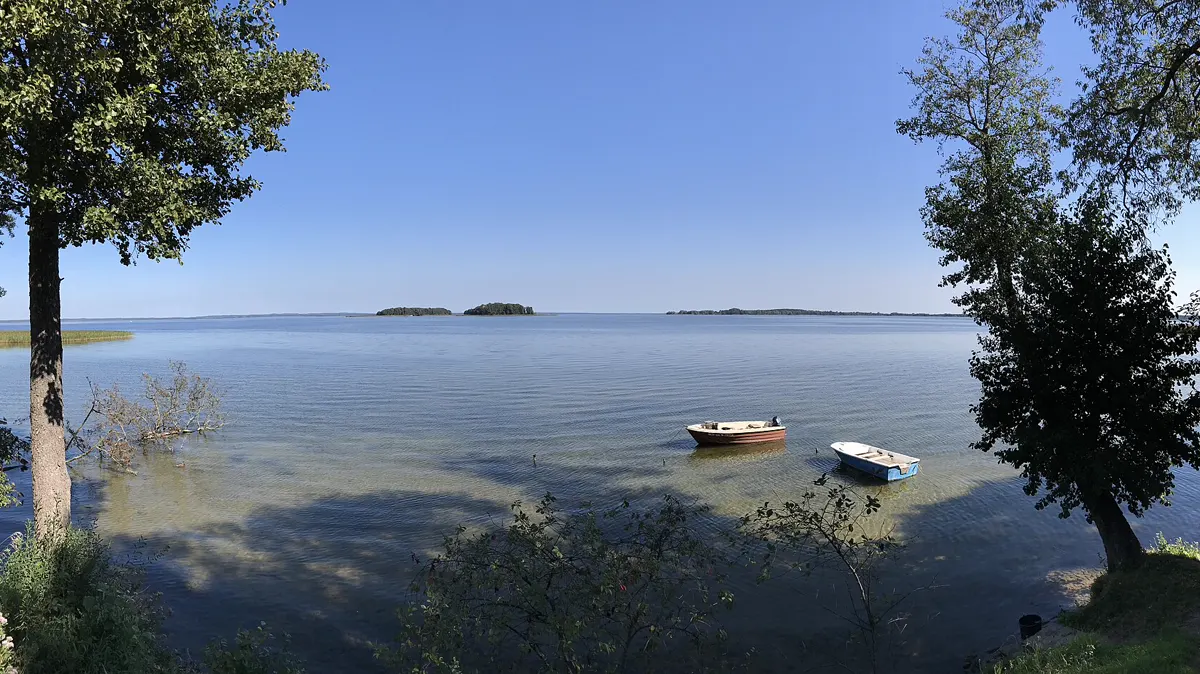
A glacial maze of interconnected lakes and forest in the northeast, Poland's prime region for sailing, kayaking and slow summers on the water.
Castle
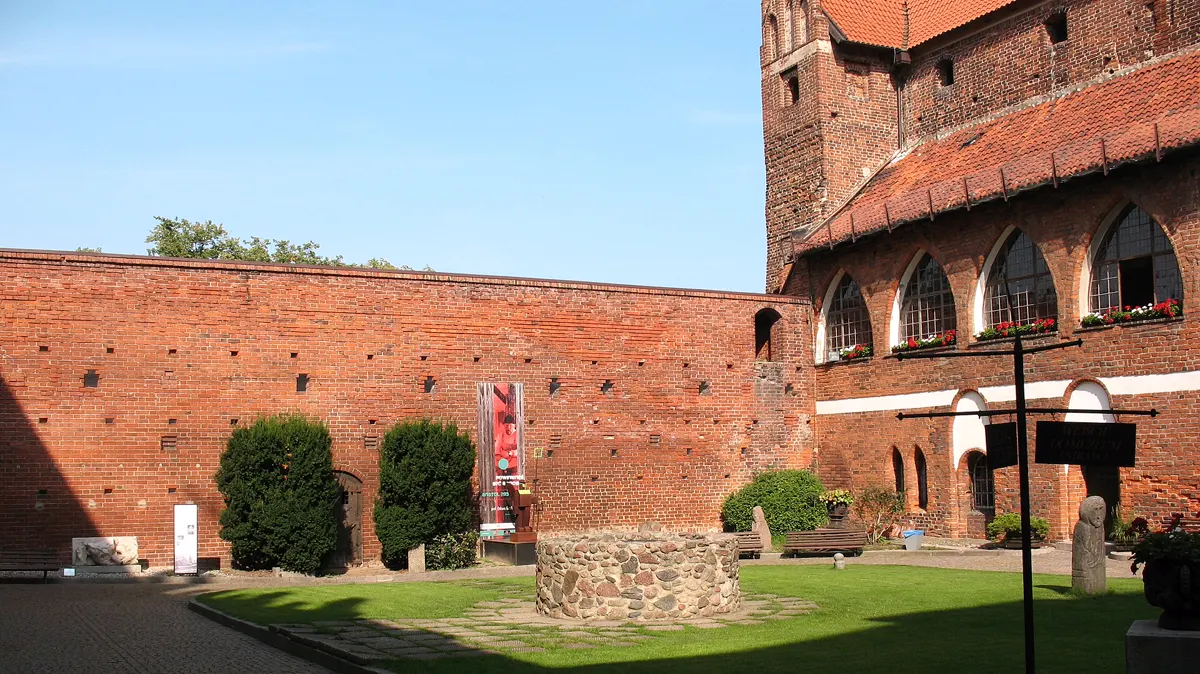
Olsztyn Castle (Castle of the Warmian Cathedral Chapter)
The 14th-century Gothic castle where Nicolaus Copernicus lived, worked and left behind the only astronomical instrument of his that survives.
Museum
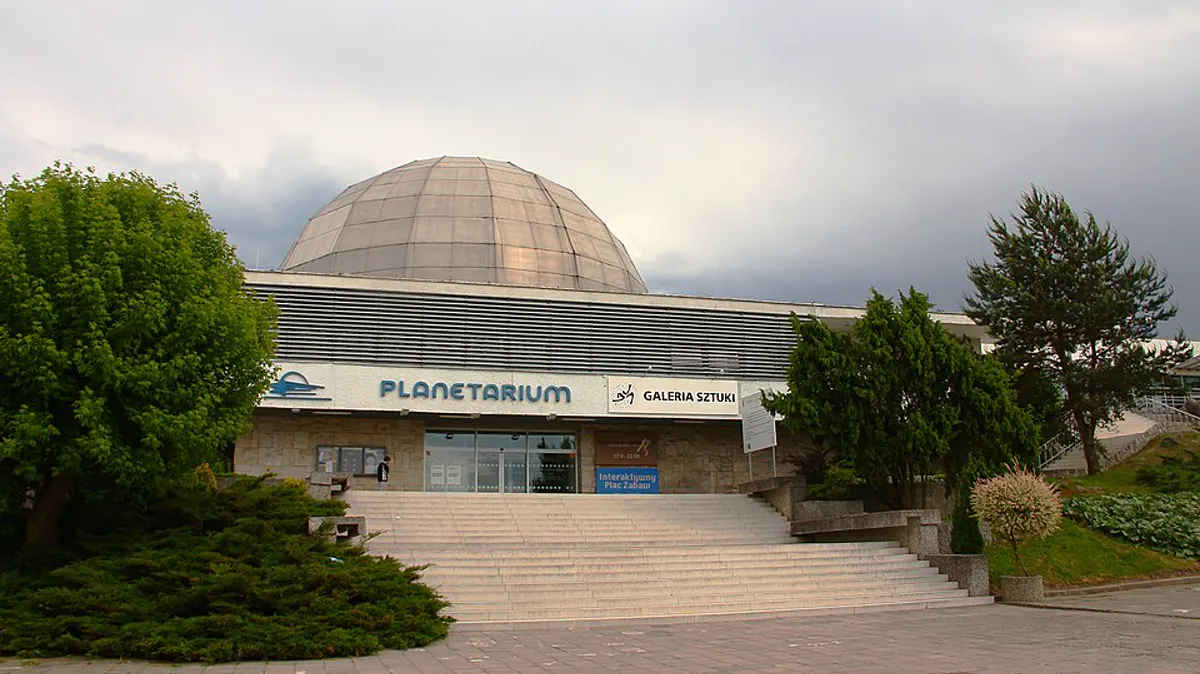
Olsztyn Planetarium and Astronomical Observatory
A Copernicus-themed planetarium under a 15-metre dome, paired with an observatory set inside a 19th-century water tower.
Nature
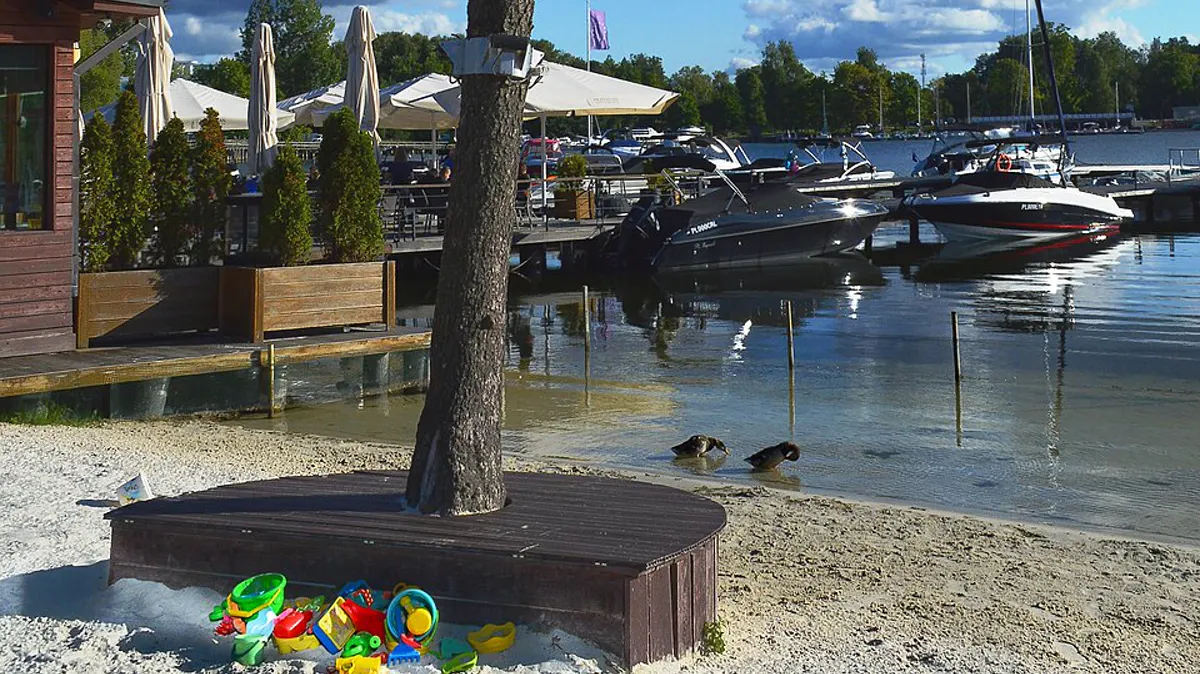
Lake Ukiel (Jezioro Krzywe)
The biggest lake inside the city itself, with a 22 km shoreline of beaches, marinas and water sports.
Restaurant
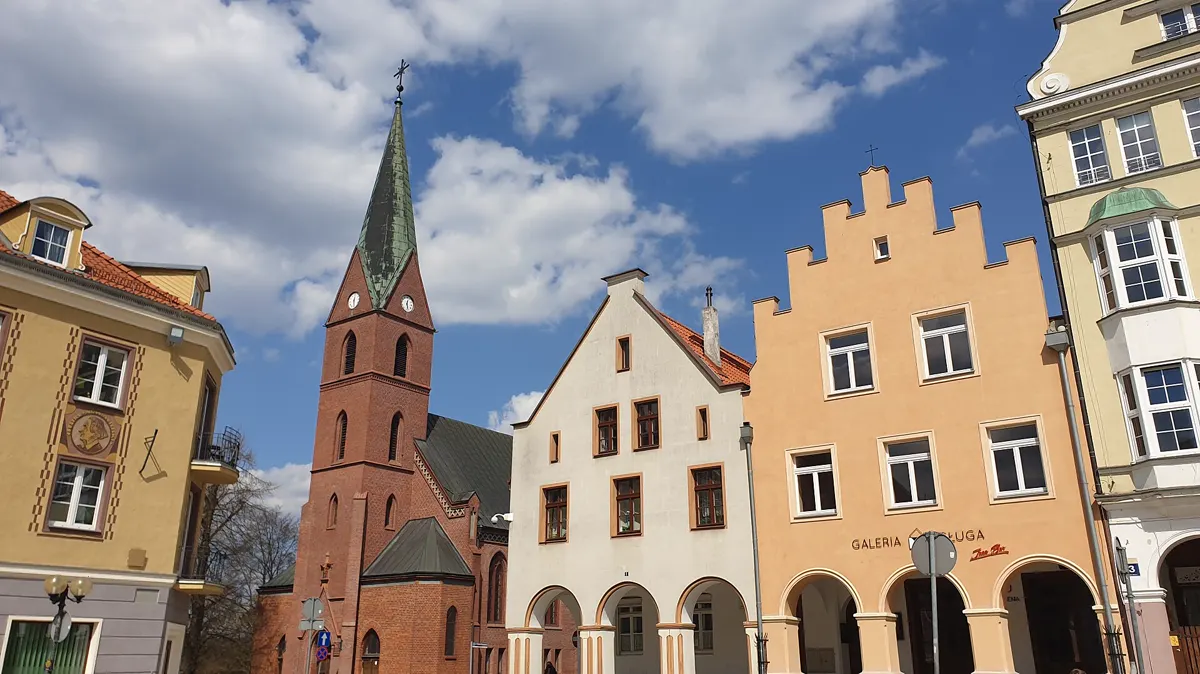
Cudne Manowce
A Warmian and Masurian kitchen set on the Old Town walls, with a terrace above the Lyna river.

Restaurant
Restauracja Przystan
A large two-level restaurant built out over the docks of Lake Ukiel, leaning on regional and freshwater dishes.