Attraction in Zamość
Former Poor Clares Church of St. Anne
A late 17th-century church on the Water Market square in Zamosc's Old Town, built with a Poor Clares convent whose former buildings now house a music school.
Reviewed and updated July 2026
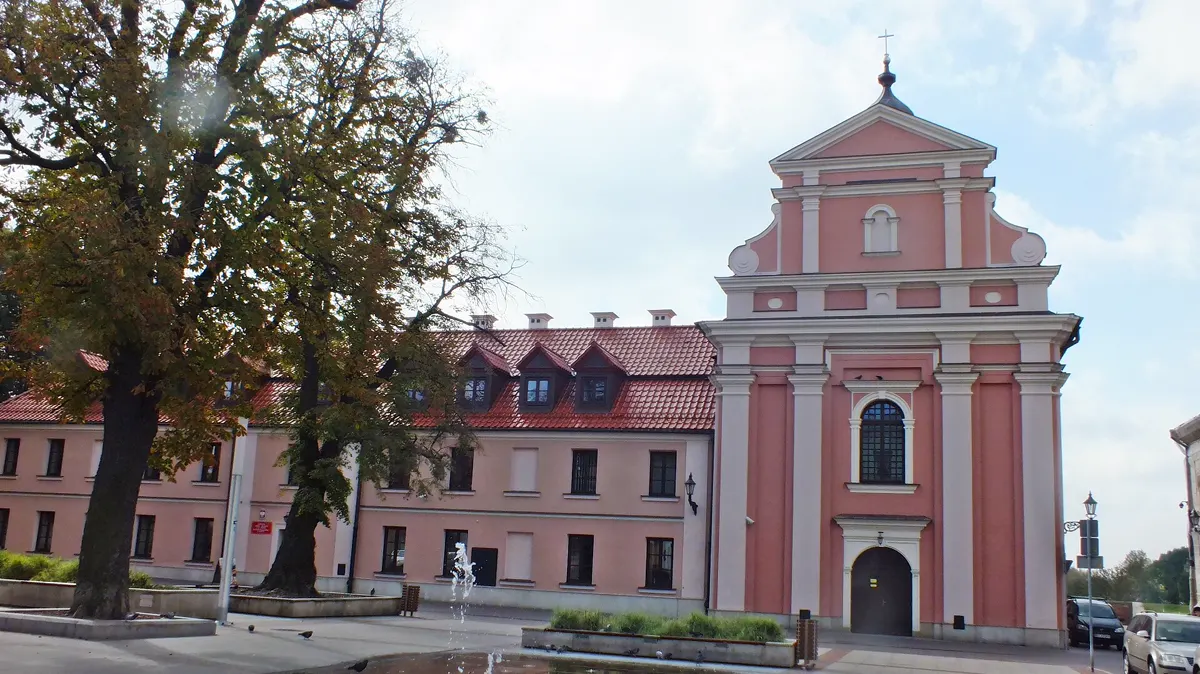
The Former Poor Clares Church of St. Anne is a late 17th-century church on the Water Market square (Rynek Wodny) in Zamosc's Old Town, and it draws visitors as a surviving piece of the city's monastic past that anchors the southern edge of the historic centre. Built together with its convent under the patronage of St. Anne, it went through a military phase under Russian rule during the partitions, and today the old monastery buildings serve as a music school. It is a good stop for anyone walking the quieter side streets away from the Great Market Square.
What you will see on the Water Market
The church stands over the Water Market square, one of Zamosc's three historic market squares and the smaller counterpart to the Great Market Square a short walk north. Its bulk dominates this corner of the southern Old Town, so it reads as a landmark from several of the surrounding streets. The adjoining former convent buildings now hold a music school, which means the complex is often active rather than a sealed monument, though the interior is not a standard tourist attraction, so it is worth checking whether the church itself can be visited before you plan around it.
From convent church to Russian barracks
The church was built at the end of the 17th century together with a convent for the Poor Clares, a contemplative order, under the patronage of St. Anne. That original religious use did not last through the following century. During the partitions of Poland the Russian authorities converted the building for military purposes in the early 19th century, part of a wider pattern in which Zamosc was turned into a working fortress town. Understanding that shift explains why the complex today functions as a music school rather than an active monastery.
Who it suits
This is a place for travellers who like tracing how a city's buildings changed hands over the centuries, rather than one built around a single famous interior. If you are interested in Zamosc's monastic history, its time as a Russian fortress, or simply the architecture of the Water Market corner, the exterior alone rewards a short detour. Photographers will find the square less crowded than the main Renaissance showpieces, and the setting works well as part of a slower loop through the southern streets.
Fitting it into a Zamosc visit
The Water Market sits within easy walking distance of the Great Market Square, so the Church of St. Anne pairs naturally with the town hall, the cathedral and the other landmarks of the UNESCO-listed centre. Treat it as one stop on a walk through the southern Old Town rather than a destination in its own right, and combine it with the surrounding fortifications and squares. For the wider context and other sights, see our Zamosc guide.
Good to know
Because the former convent now operates as a music school and the church is not a standard visitor site, check official channels or ask locally about access before planning to go inside.
Frequently asked questions
More attractions in Zamość
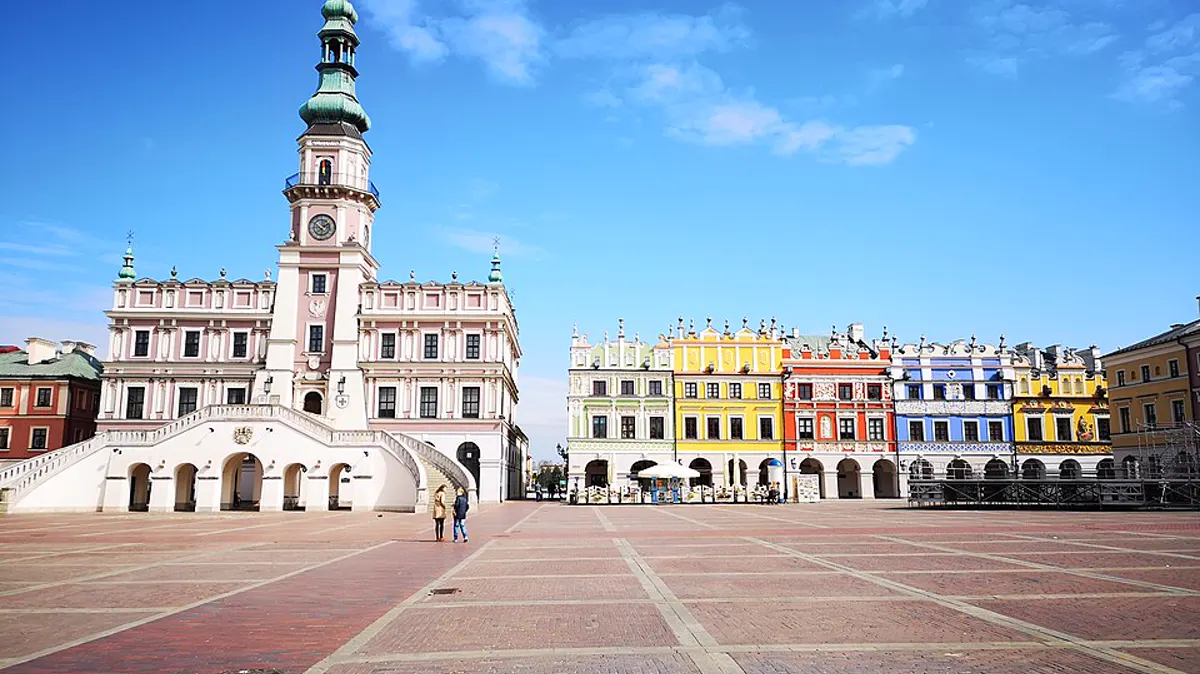
Great Market Square, Zamosc
A near-perfect Renaissance square of arcaded, pastel burgher houses, the centrepiece of a sixteenth-century ideal city.
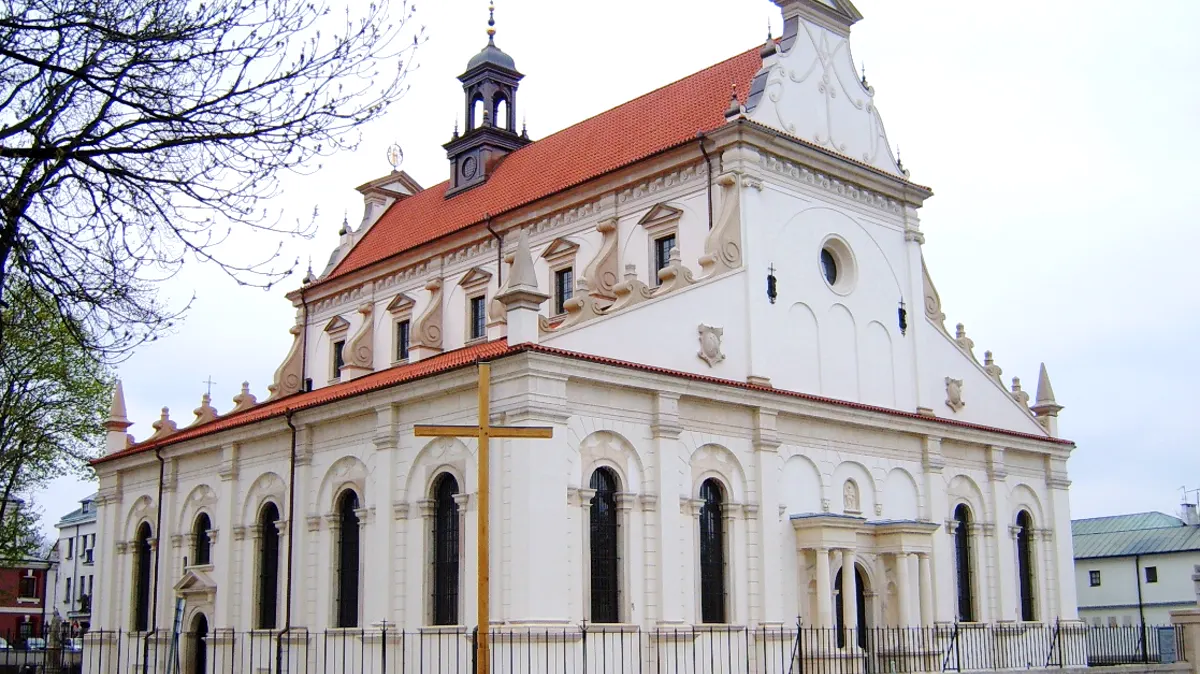
Zamość Cathedral (Cathedral of the Resurrection and St Thomas the Apostle)
One of Poland's finest Renaissance churches, designed by Bernardo Morando and paid for by Jan Zamoyski, raised to cathedral rank in 1992.
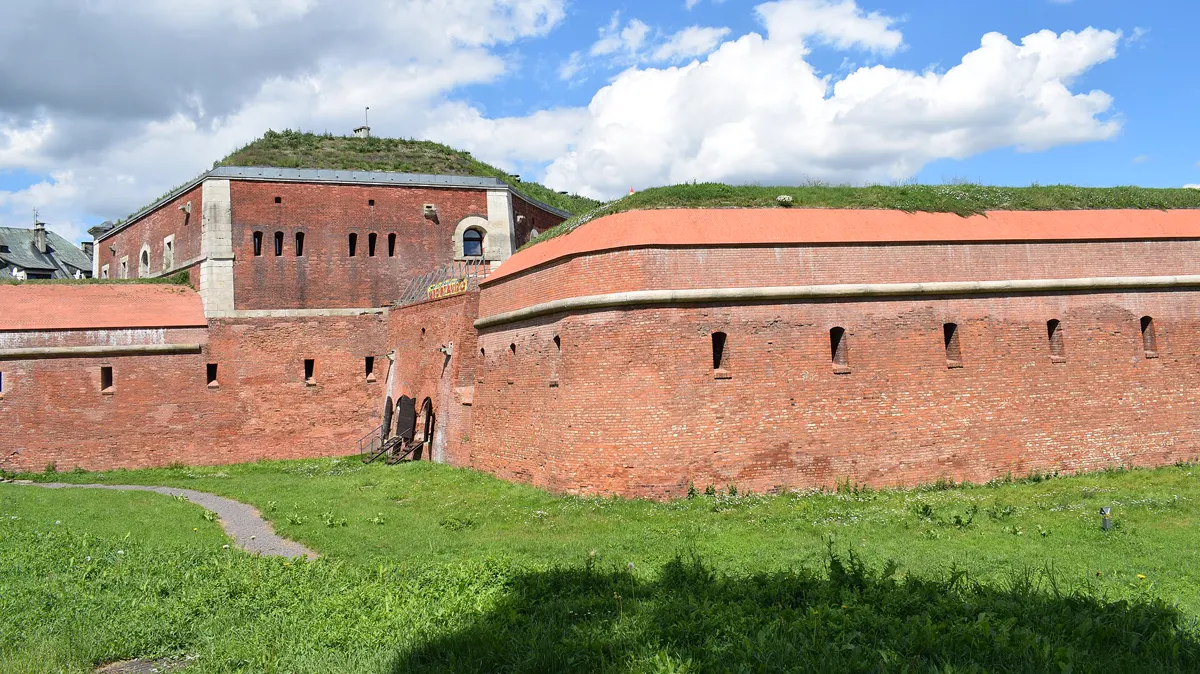
Bastion VII Underground Tourist Route (Nadszaniec)
A half-kilometre walk through the casemates and galleries of Bastion No 7, the biggest bastion of a fortress that was never taken by an enemy.
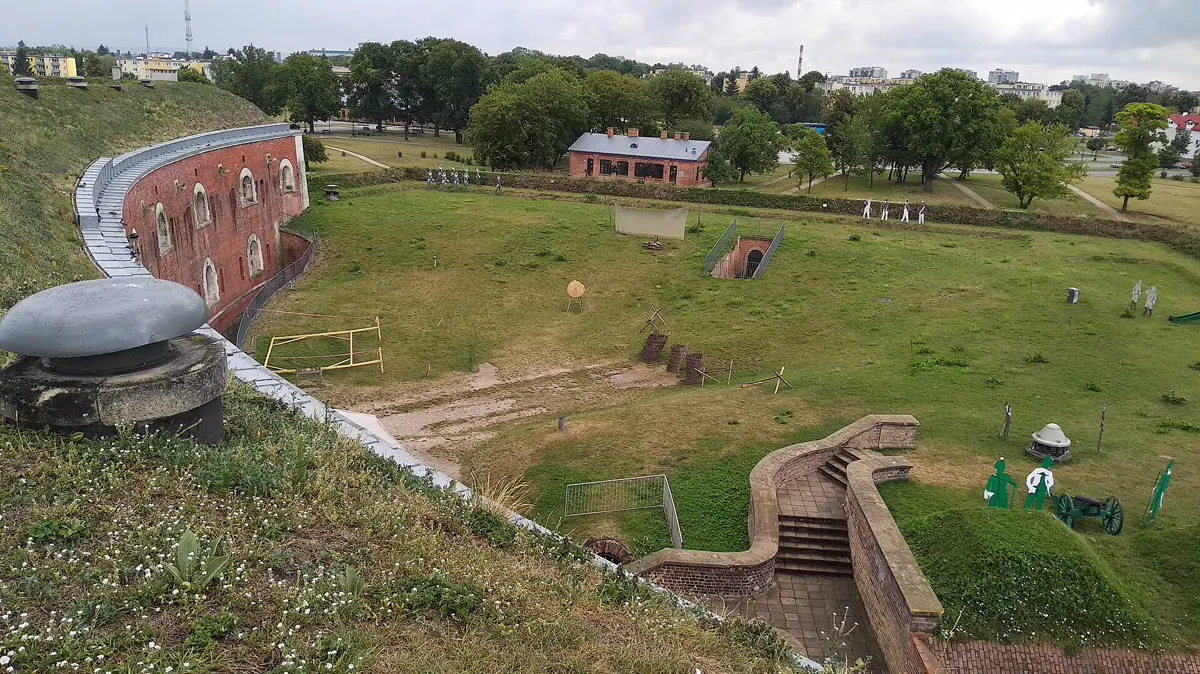
Zamość Fortress
Zamość Fortress is one of Poland's best-preserved star fortresses, with restored bastions and curtain walls that now form a walking route around the historic centre.
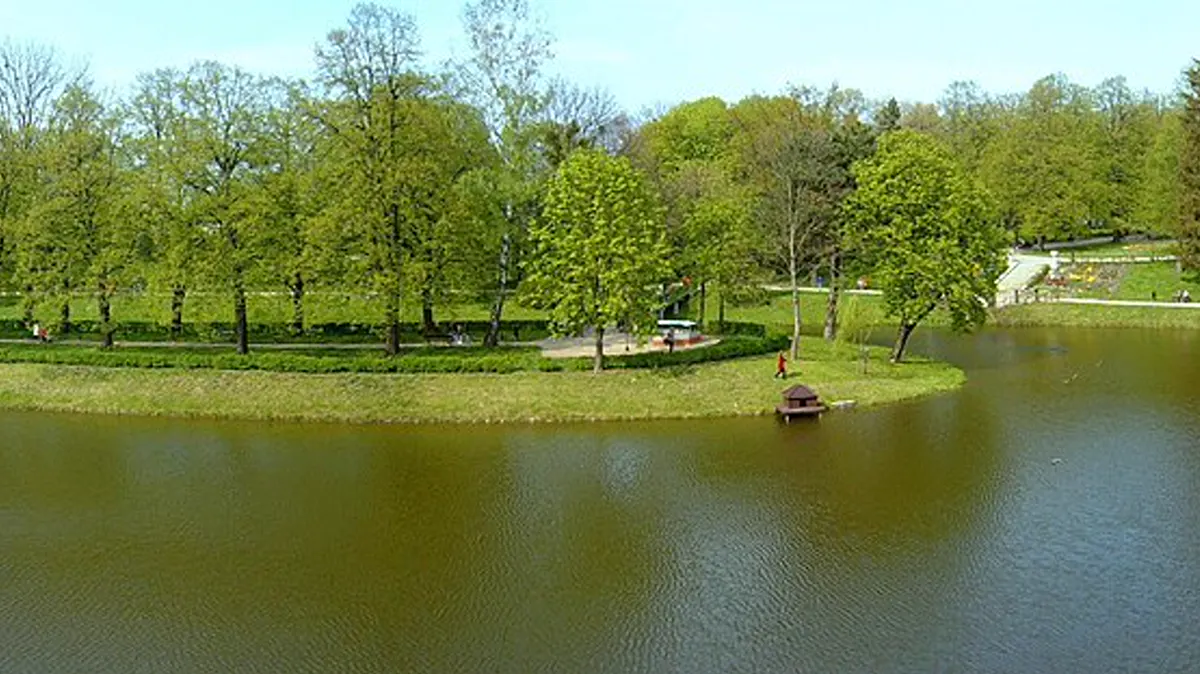
Zamość City Park (Park Miejski)
A landscaped park of about 11 hectares wrapping the northern edge of Zamość's Old Town, laid out in the 1920s on former fortress moats and earthworks. It is a green belt around the historic centre, with a pond and preserved fortification relics.
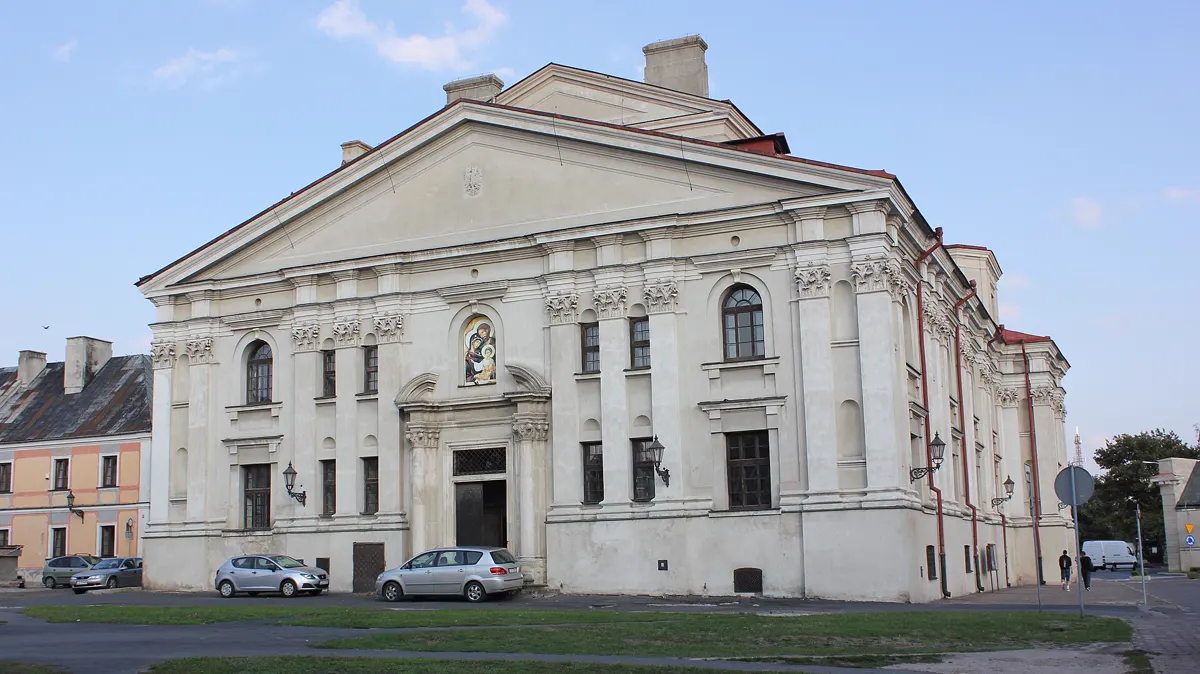
Franciscan Church (Church of the Annunciation)
The Franciscan Church of the Annunciation is the largest church in Zamość, a monumental Baroque building near Rynek Wielki whose white facade rises close to 40 metres.
More to explore in Zamość
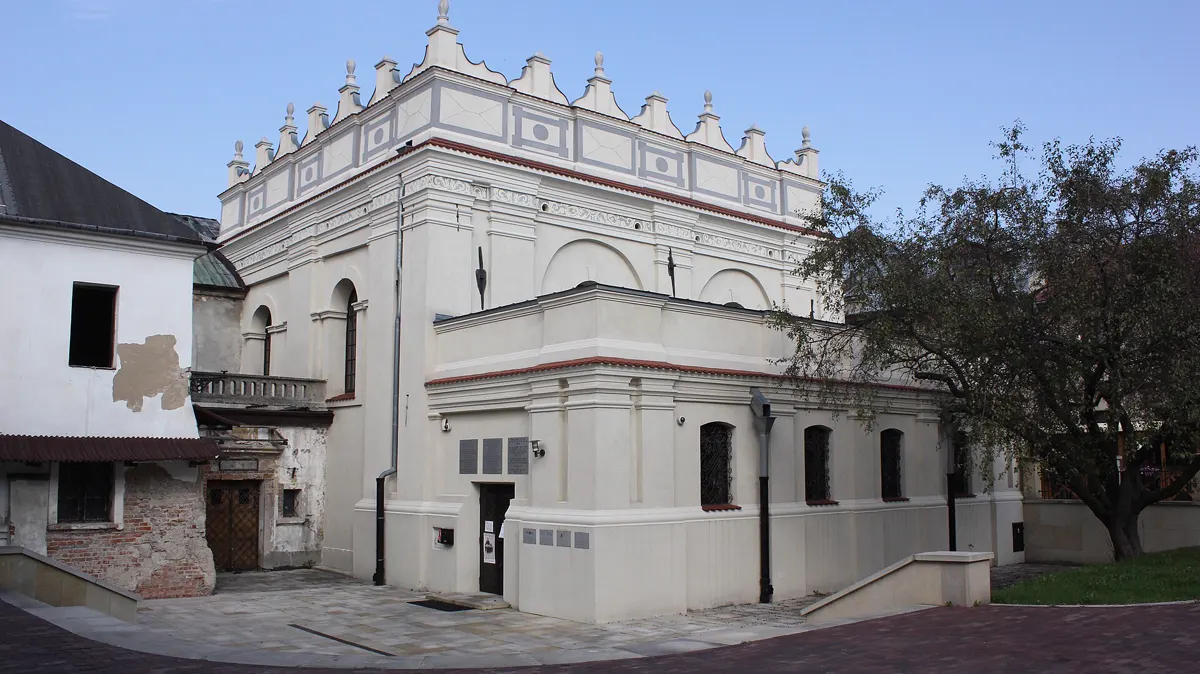
Museum
Zamość Synagogue (Synagogue Centre)
A rare surviving Renaissance synagogue of about 1618, restored by the Foundation for the Preservation of Jewish Heritage and reopened in 2011 as a cultural centre with a multimedia exhibition on the town’s Jewish heritage.
Museum
Zamość Rotunda (Museum of Martyrdom of the Zamość Region)
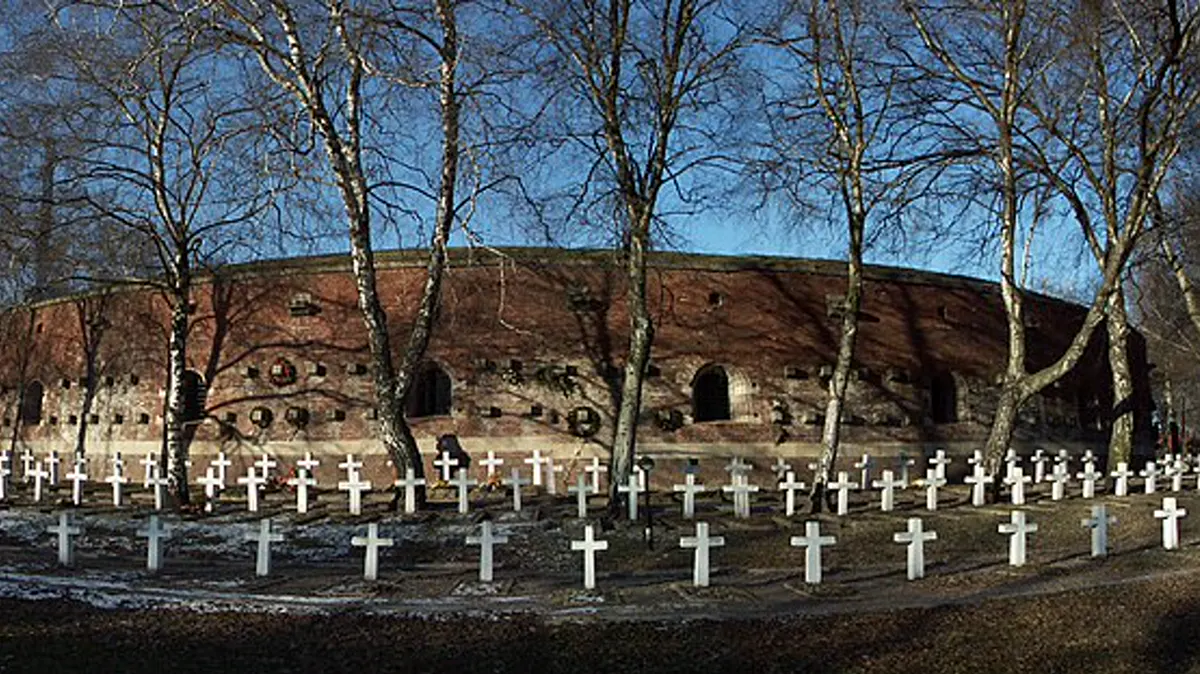
A 19th-century circular fort that the Gestapo turned into a place of execution during WWII, now a museum of martyrdom for the Zamość region.
Museum
Muzeum Zamojskie (Museum of Zamość, Armenian Houses)
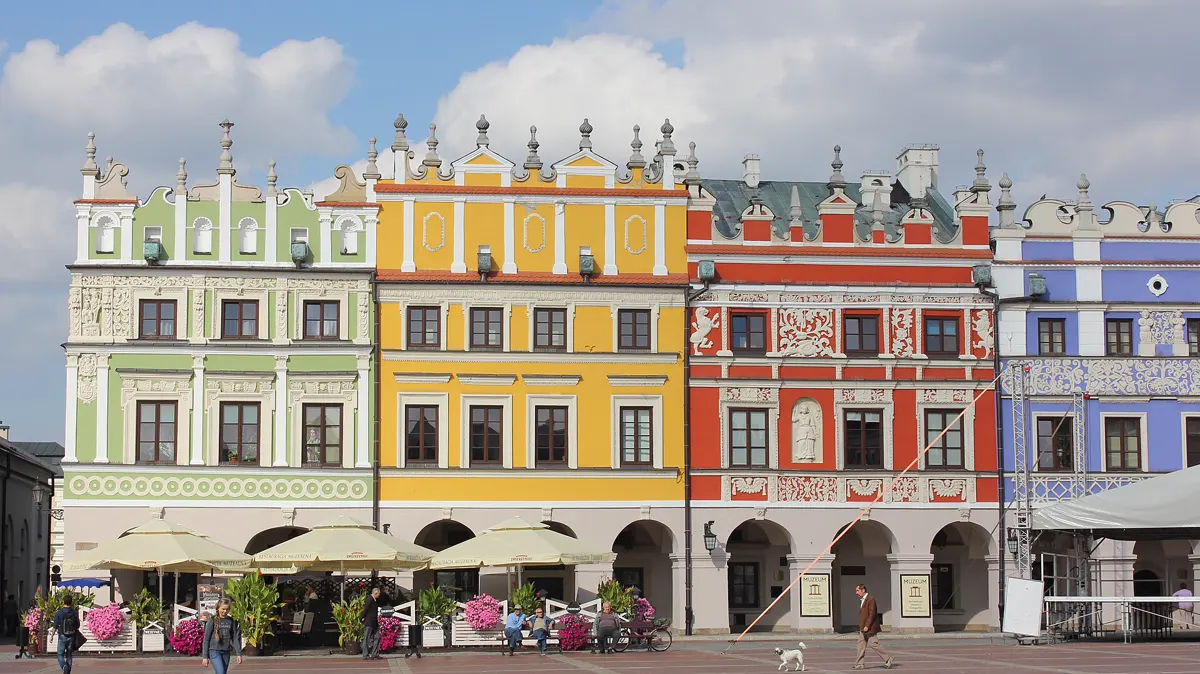
The town museum set inside the ornately decorated 17th-century Armenian houses on the Great Market Square.
Restaurant
Restauracja Muzealna Ormiańskie Piwnice
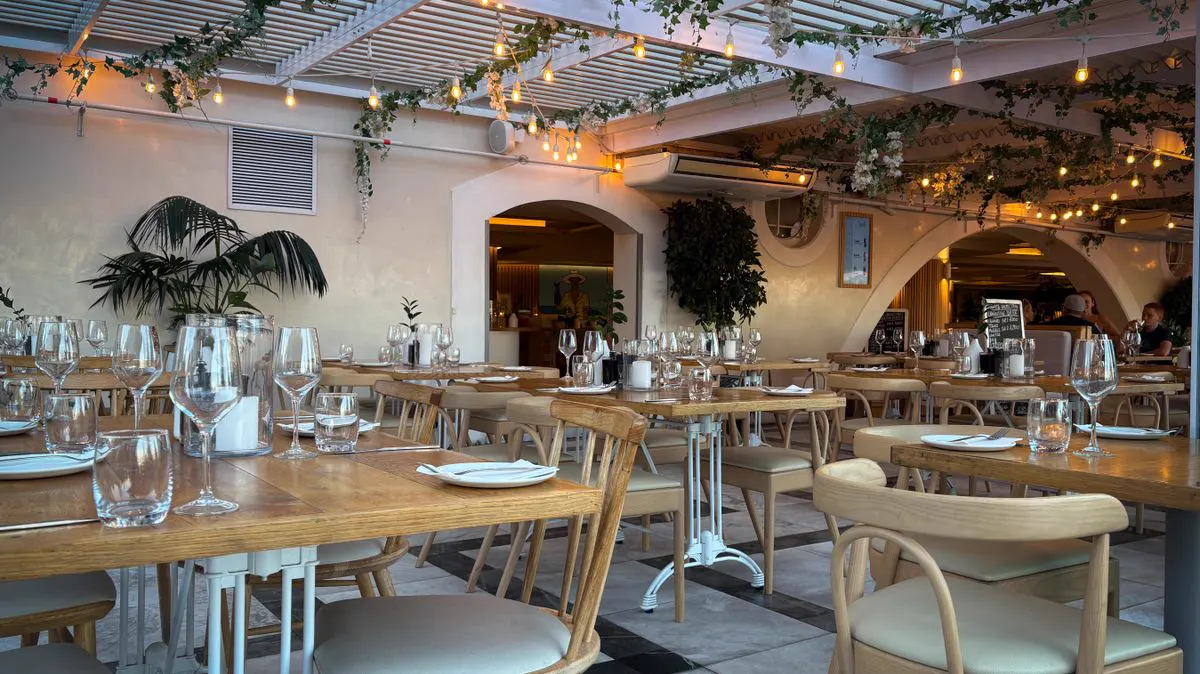
Armenian and regional cooking served in the vaulted cellars of a 17th-century Armenian house beside the Town Hall.
Restaurant
Restauracja Bohema
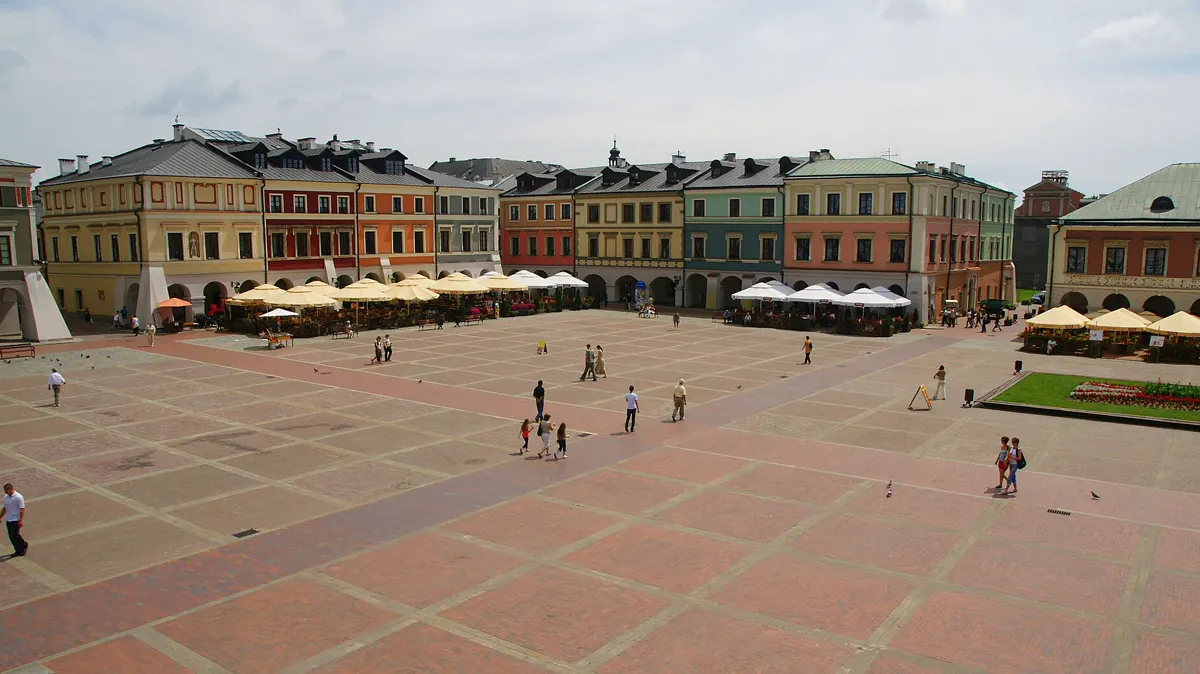
A long-running restaurant on a corner of the Great Market Square, with big outdoor tables looking onto the arcades.
Hotel
Hotel Renesans
A three-star hotel inside the Old Town, a few minutes' walk from the Great Market Square.