Attraction in Warsaw
Praga District
Praga is Warsaw's district on the eastern bank of the Vistula, one of the few areas to survive the war intact, now a centre for artists, galleries and nightlife set among genuine pre-war tenements.
Reviewed and updated July 2026
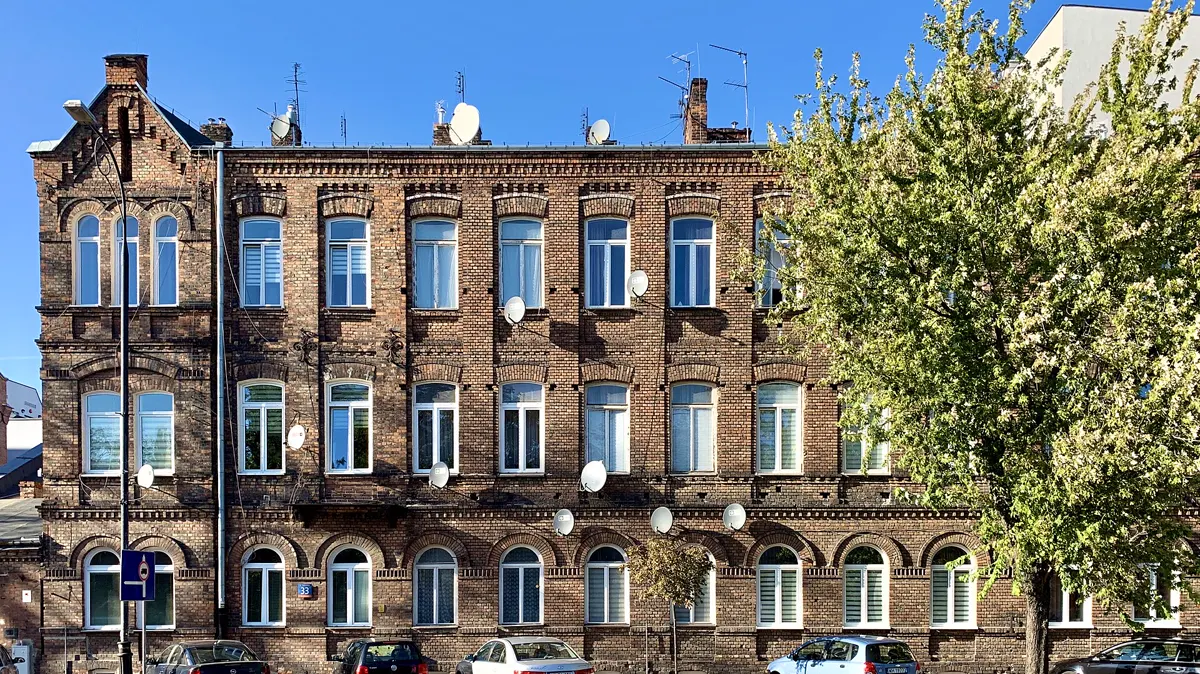
Praga is the district on the eastern bank of the Vistula that most visitors cross the river to reach, and it is worth the trip because it is one of the few parts of Warsaw that largely escaped wartime destruction. While much of the city was rebuilt from ruins, Praga kept its original brick tenements and courtyards, and over the past couple of decades this long working-class quarter has drawn artists, galleries and craft studios that trade on that raw, lived-in backdrop.
What to see in Praga
The pull of Praga is the contrast between old fabric and new use. The Orthodox Cathedral of St Mary Magdalene, with its distinctive domes, is one of the district's landmarks, and the Praga street shrines, small religious niches built into tenement courtyards, are a local tradition you will not find in the same density elsewhere in the city. Two former industrial sites anchor the creative side: the Koneser vodka distillery, now a complex of bars, shops and museums, and Soho Factory, a converted works given over to studios and galleries.
Why Praga survived the war
Praga's character comes down to geography and history. Sitting on the far bank of the Vistula, it was spared the systematic demolition that flattened central Warsaw, so its pre-war architecture is authentic rather than reconstructed. For a long time that meant a reputation as a rough, edgy quarter, and some of that grit remains in the peeling facades and back courtyards. The shift towards artists, craft workshops and nightlife has built on the district's honesty rather than erasing it.
Who Praga suits
Praga rewards travellers who want a different side of the capital from the restored Old Town across the river. It suits people interested in street-level architecture, contemporary art, independent bars and evenings out, and anyone curious to see how Warsaw looked before 1939. It is less about ticking off major monuments and more about wandering courtyards and former factories, so allow time to walk and let the district reveal itself.
Fitting Praga into a Warsaw trip
Praga works well as a half-day or evening addition to a broader visit, and it pairs naturally with the sights on the western bank covered in our Warsaw guide. It is reached in minutes by metro or on foot and by tram over the Vistula bridges, so you can cross from the centre, spend time around Koneser or Soho Factory, and head back without much planning. Many visitors save it for later in the day, when its bars and venues come alive.
Good to know
Praga sits directly across the Vistula from the centre and is a short metro ride or a walk over the bridges, so you can combine it with sights on the western bank in a single day.
Frequently asked questions
More attractions in Warsaw
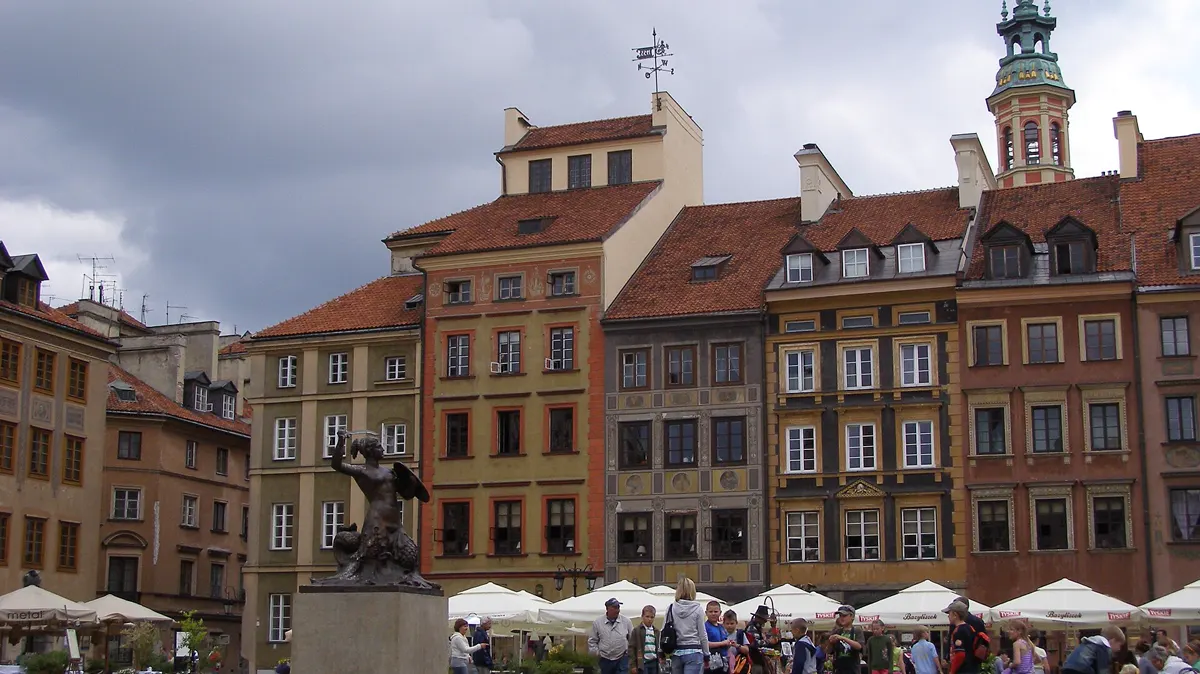
Old Town Market Square
The reconstructed heart of Warsaw Old Town, a UNESCO-listed feat of post-war rebuilding ringed by colourful townhouses.
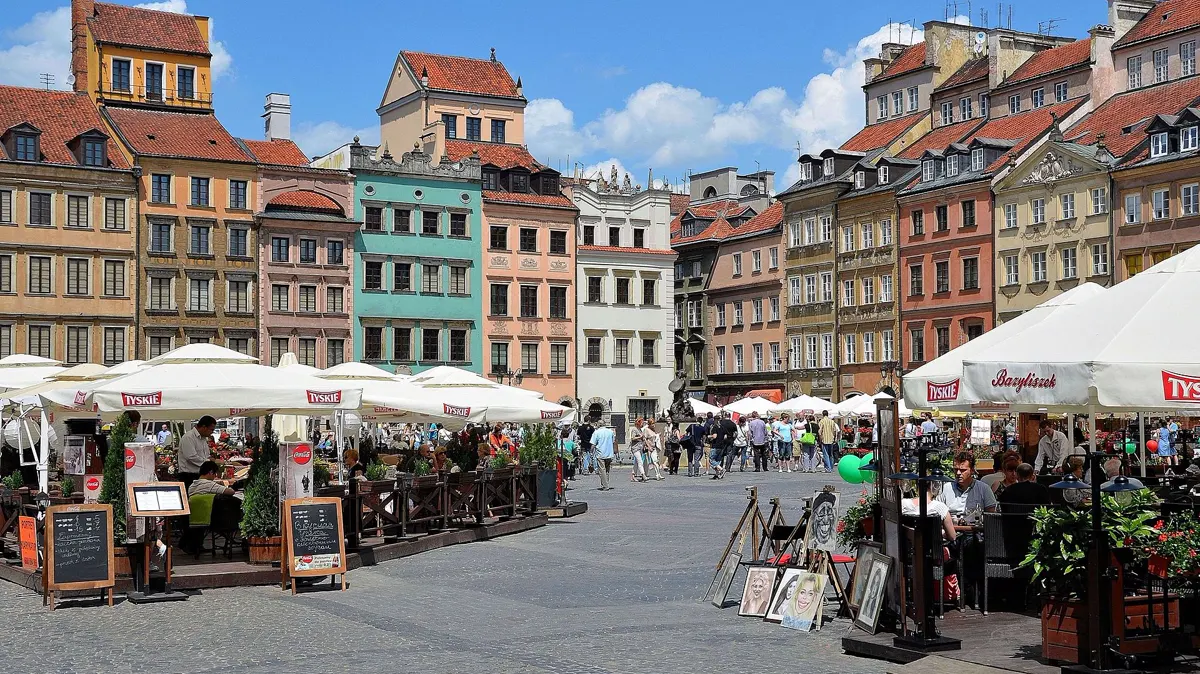
Stare Miasto (Warsaw)
Warsaw's Old Town was rebuilt from rubble after World War II so faithfully that UNESCO added it to the World Heritage list. Its Market Square is lined with pastel merchant houses and centred on the bronze Mermaid statue, the city's symbol.
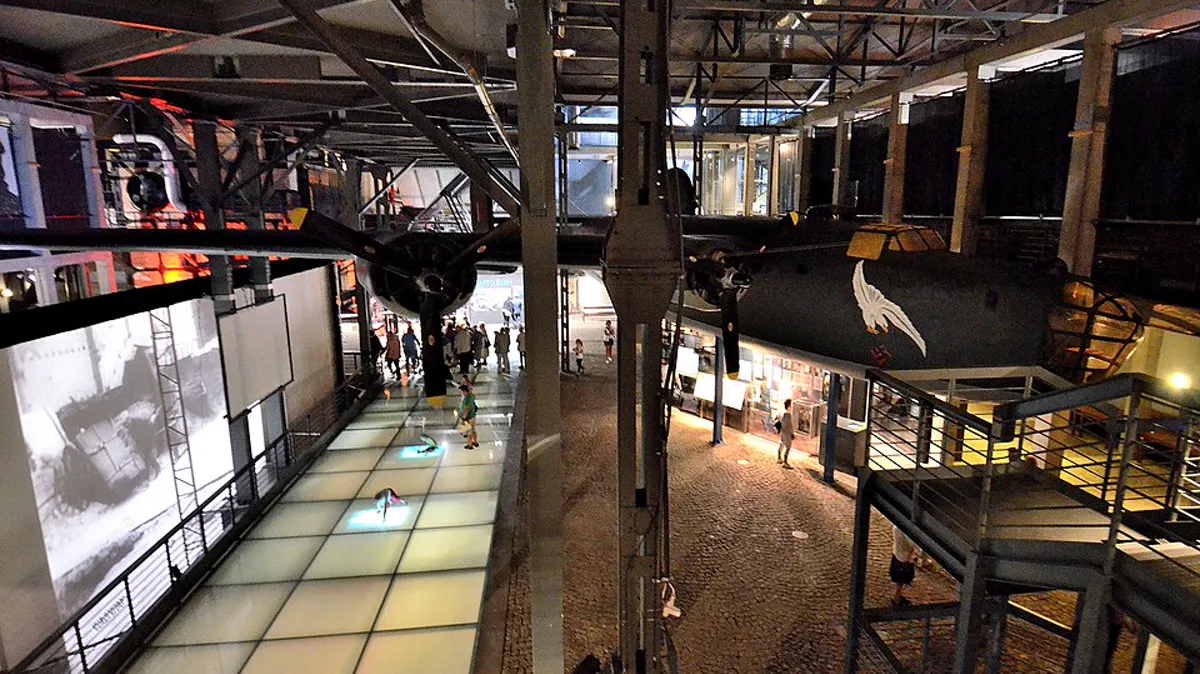
Muzeum Powstania Warszawskiego
The Warsaw Uprising Museum documents the 63-day insurrection of 1944 through survivor recordings, a replica Liberator bomber, and a beating-heart sound installation. It sits in a former tram power station in the Wola district.
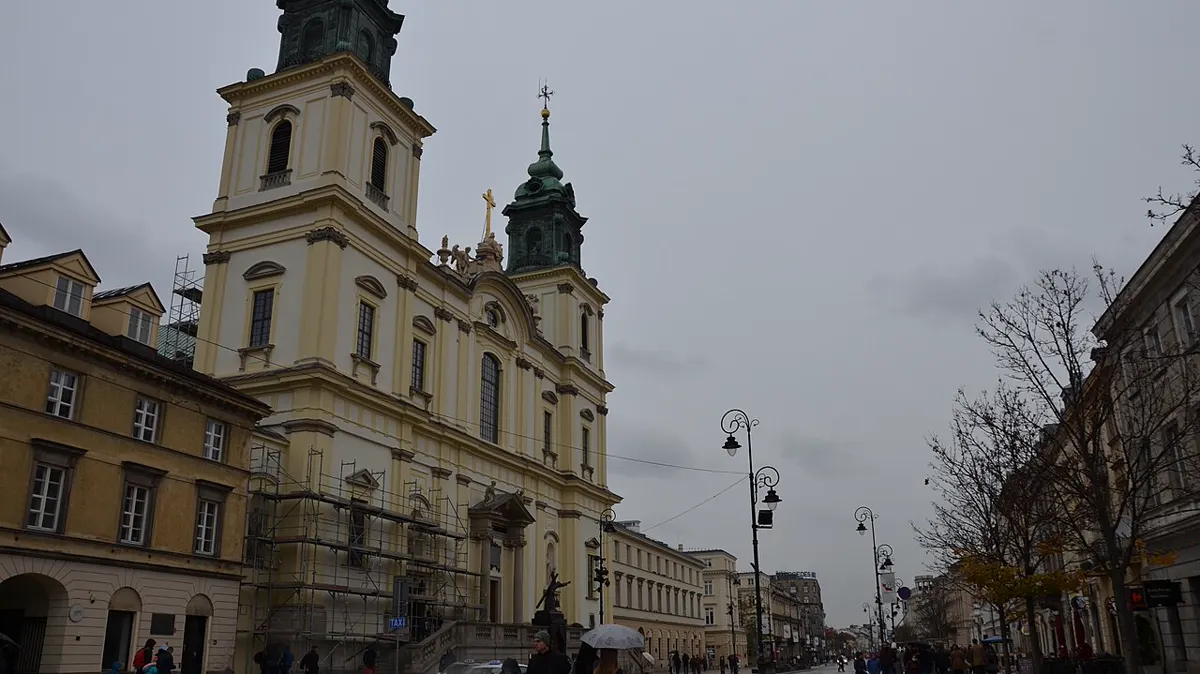
Holy Cross Church (Kosciol sw. Krzyza)
A major Baroque church on Warsaw's Royal Route, best known as the resting place of Frederic Chopin's embalmed heart, sealed inside a pillar of the nave.
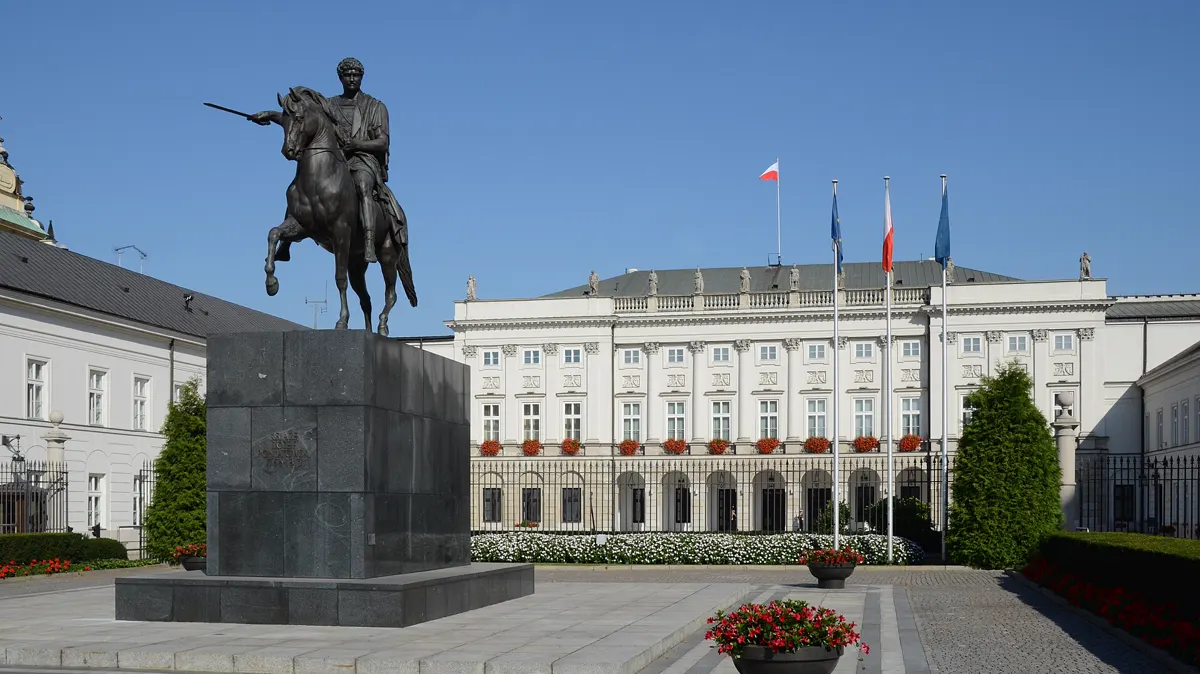
Presidential Palace (Palac Prezydencki)
Warsaw's largest palace and the official seat of the President of Poland, a Neoclassical landmark on the Royal Route fronted by Thorvaldsen's statue of Prince Jozef Poniatowski.
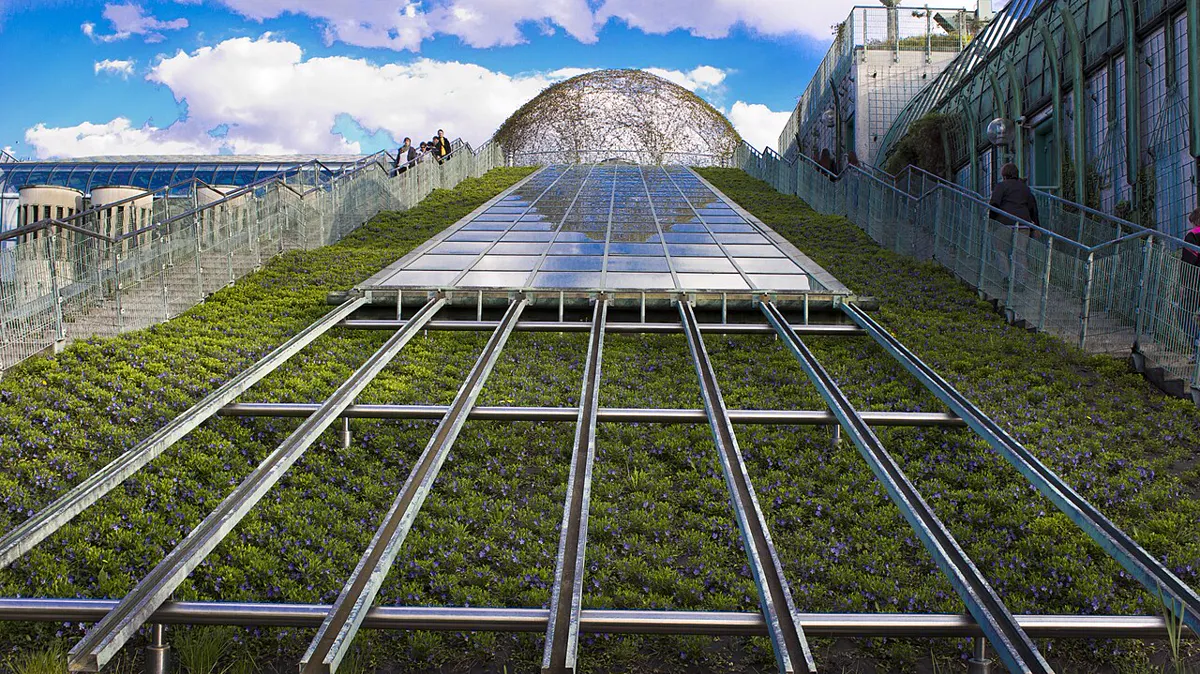
University of Warsaw Library Roof Garden
A free rooftop garden atop the University of Warsaw Library in Powisle, ranking among the largest of its kind in Europe, with open views over the Vistula and the city skyline.
More to explore in Warsaw

Restaurant
Nolita
A Michelin Guide-listed kitchen turning Polish produce into precise modern tasting menus.
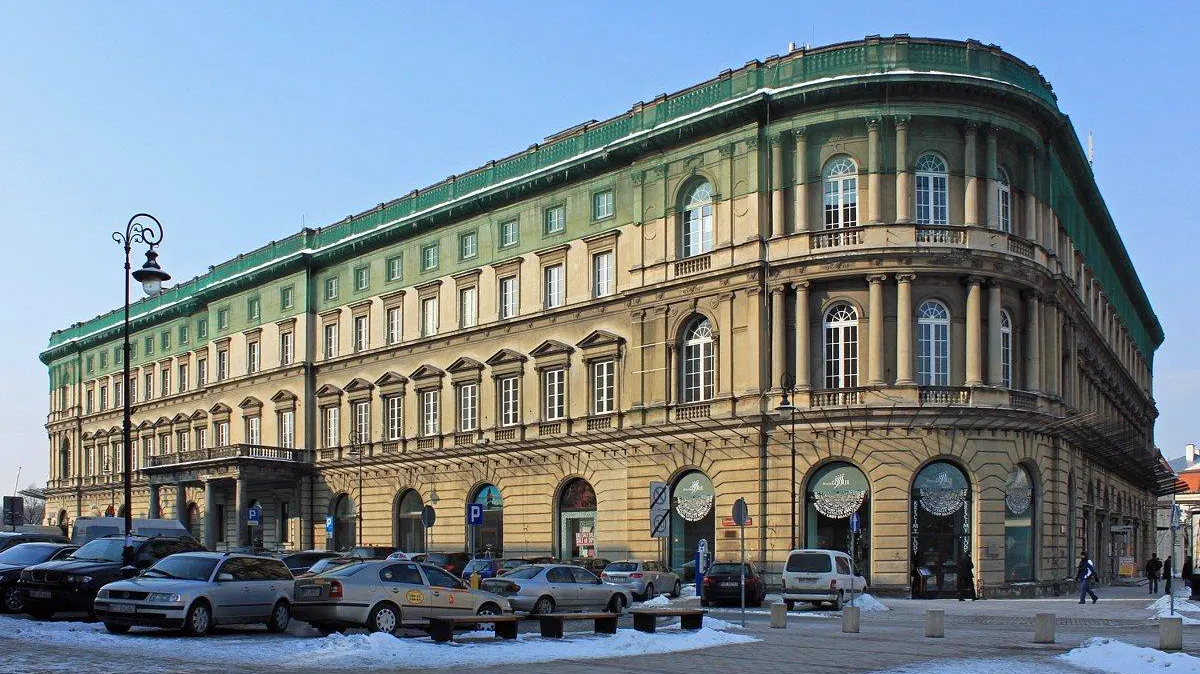
Hotel
Raffles Europejski Warsaw
A landmark 19th-century hotel on the Royal Route, reborn with a serious art collection.
Castle
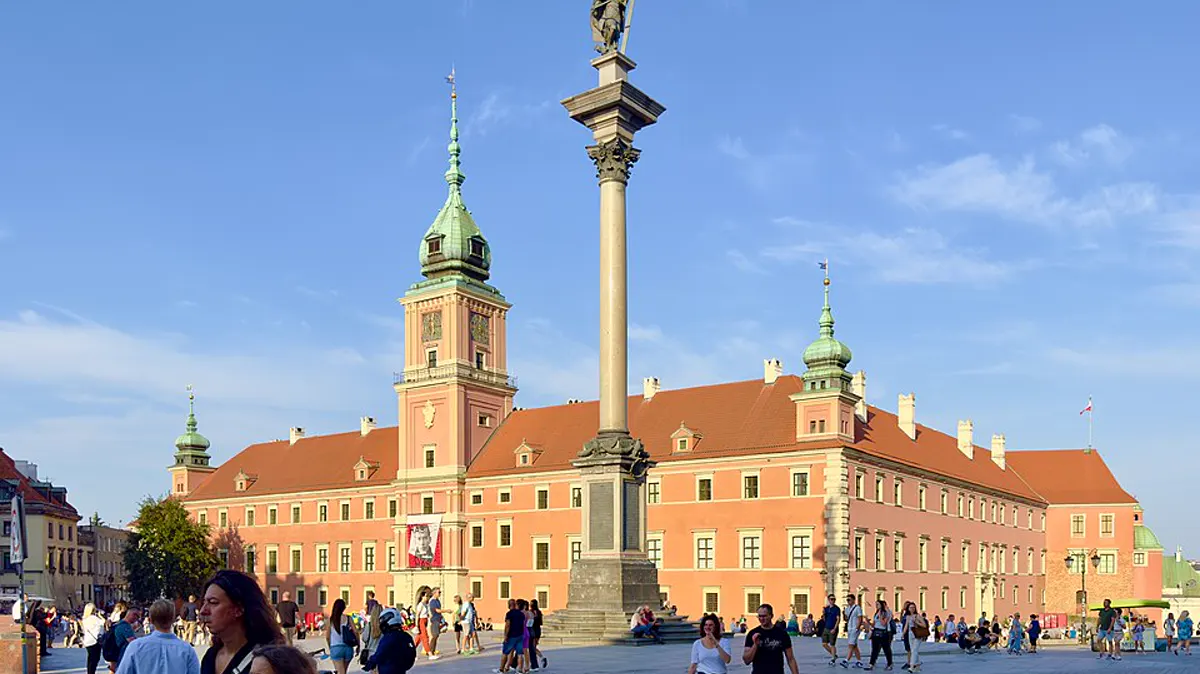
Royal Castle
The reconstructed seat of Polish kings and parliament on Castle Square, rebuilt from rubble after wartime destruction.
Museum
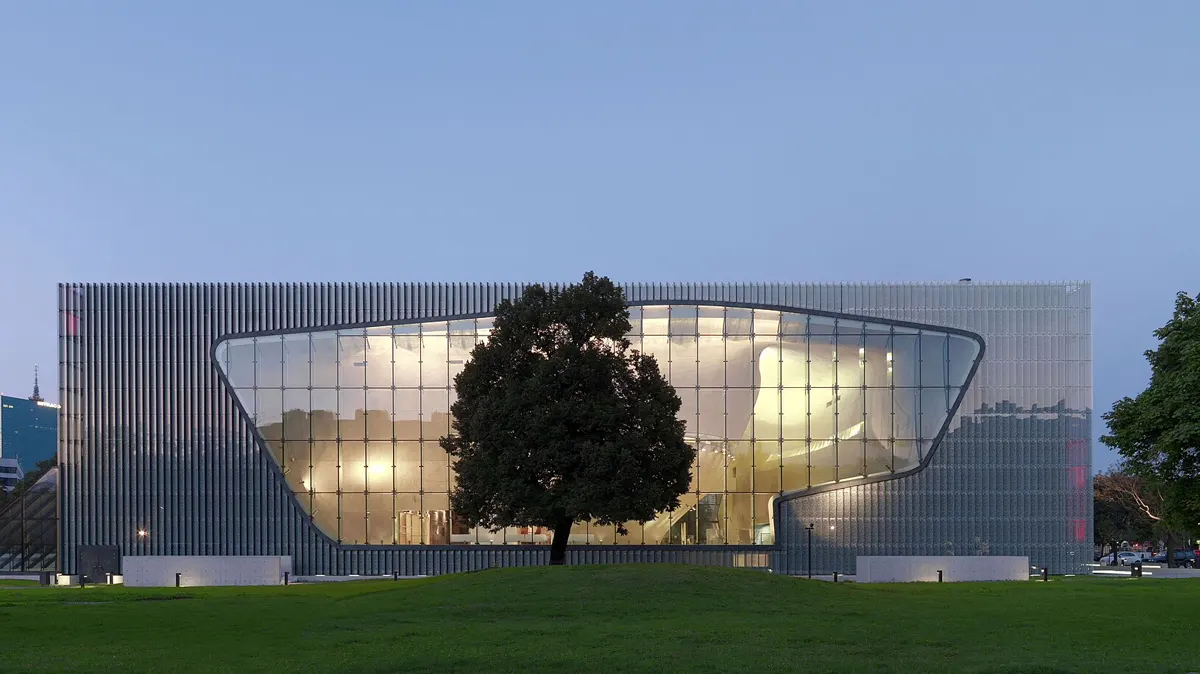
POLIN Museum of the History of Polish Jews
An award-winning museum tracing a thousand years of Jewish life in Poland, on the site of the former Warsaw Ghetto.
Nature
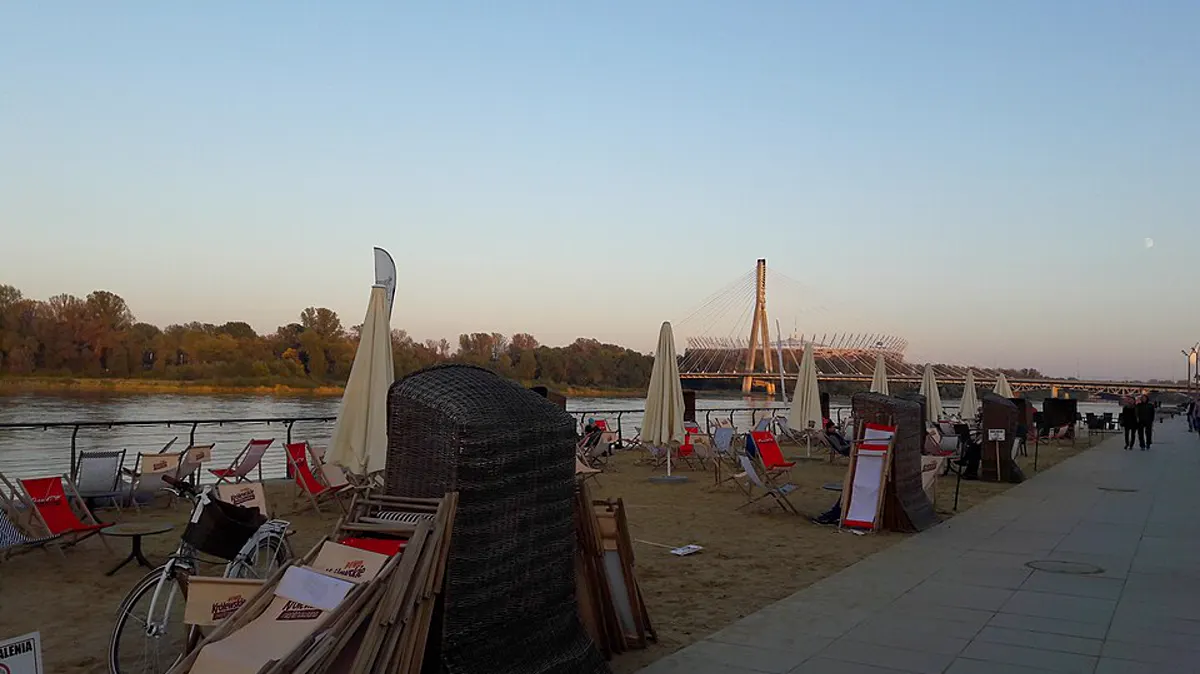
Vistula Boulevards
The revamped riverfront promenade, all bars and beaches on one bank facing wild woods on the other.

Restaurant
Woda Ognista
An intimate cocktail bar off Plac Zbawiciela mixing seasonal drinks with Polish spirits and infusions. Small, dim, and best booked at weekends.