Attraction in Kraków
Krakus Mound (Kopiec Krakusa)
A prehistoric earthen mound on Lasota Hill in Podgorze, tied to Kraków's legendary founder and one of the best free viewpoints over the city.
Reviewed and updated July 2026
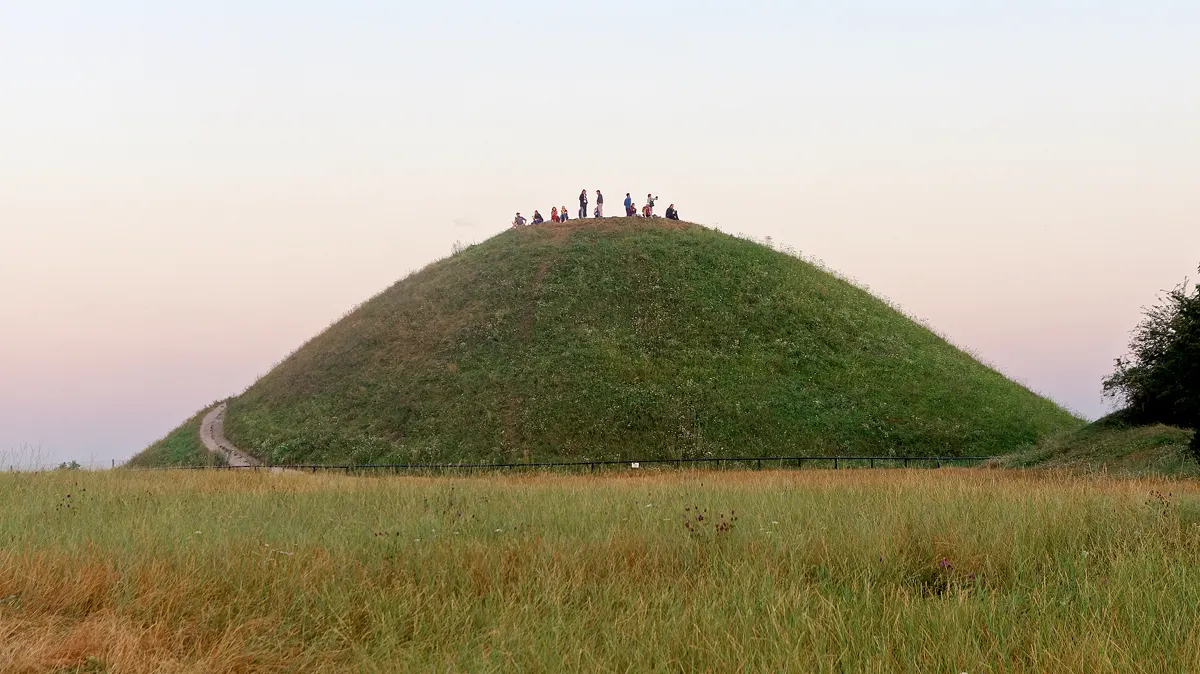
Krakus Mound (Kopiec Krakusa) is a prehistoric earthen tumulus on Lasota Hill in the Podgorze district, and people climb it for wide panoramic views over Kraków, particularly at sunset. Standing about 16 metres high on a base roughly 60 metres across, it is one of the city's oldest structures and carries the name of King Krakus, Kraków's mythical founder. Access is free and the grassy summit is open sky in every direction.
The view from the top
The reward for the short walk up is a full sweep of Kraków from a raised grassy platform. From the summit you can pick out the Old Town, the Vistula river and, on a clear day, the ridge of hills beyond the city. Late afternoon and sunset draw the most people, when the light falls across the rooftops, so it helps to arrive with time to find a spot on the flat top.
An ancient mound and a founding legend
Krakus Mound is, together with the nearby Wanda Mound, the oldest man-made structure in Kraków. Artifacts found inside have been dated to roughly the 8th to 10th centuries, and some theories place its origins even earlier, though its exact purpose is still debated. Tradition links it to King Krakus, the legendary ruler said to have founded the city, which is where both the mound and Kraków itself take their name.
Who it suits and what to bring
This is an easy outing for anyone happy with a gentle uphill walk on an unpaved path, and it works well for families, photographers and travellers who want a break from the streets. There is no ticket office, no cafe and little shelter at the top, so bring water and dress for the wind, which is stronger up on the exposed summit. Sturdy shoes make the grassy slope easier, especially after rain.
Fitting it into a Kraków visit
The mound sits in Podgorze, on the south side of the Vistula, so it pairs naturally with a walk around that district and its riverside. It is a calm counterpoint to the busier sights across the water in the Kraków guide, and a good half-hour to hour detour rather than a full day out. Combining it with a Podgorze stroll before heading back over the river makes for an easy afternoon.
Good to know
Entry is free with no set opening hours, but the final path is unpaved and unlit, so time your climb for daylight or bring a torch if you stay for sunset.
Frequently asked questions
More attractions in Kraków
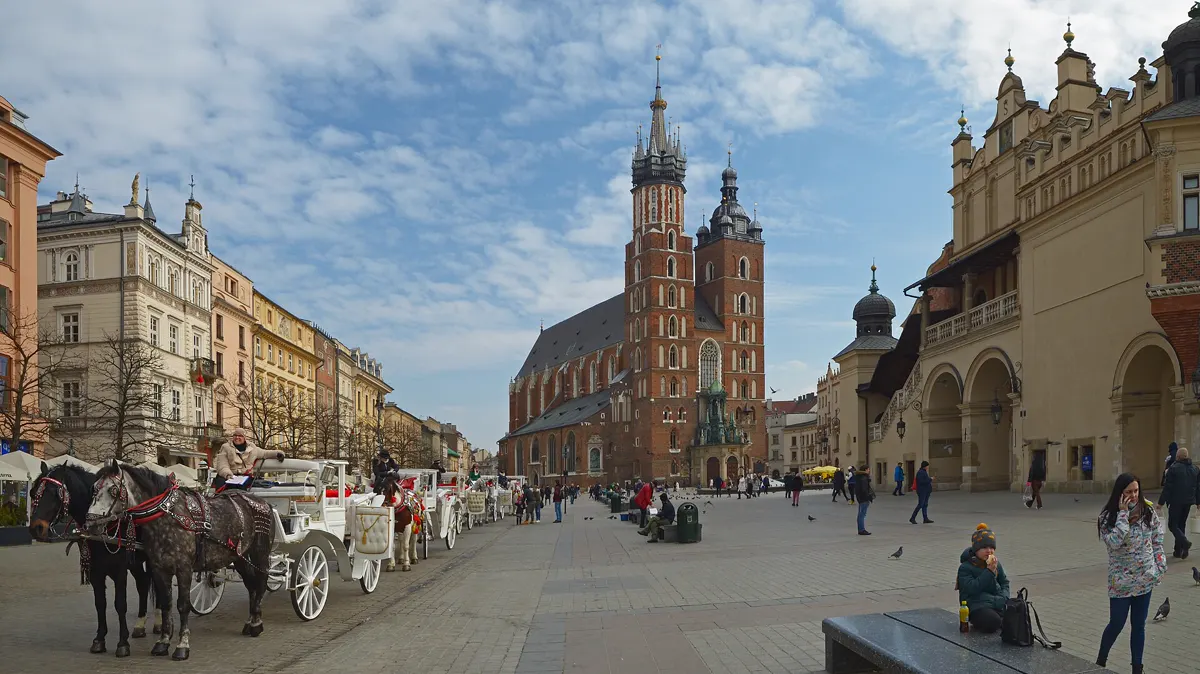
Main Market Square
Europe's largest medieval market square, the social centre of Krakow, with the Cloth Hall running down its middle.
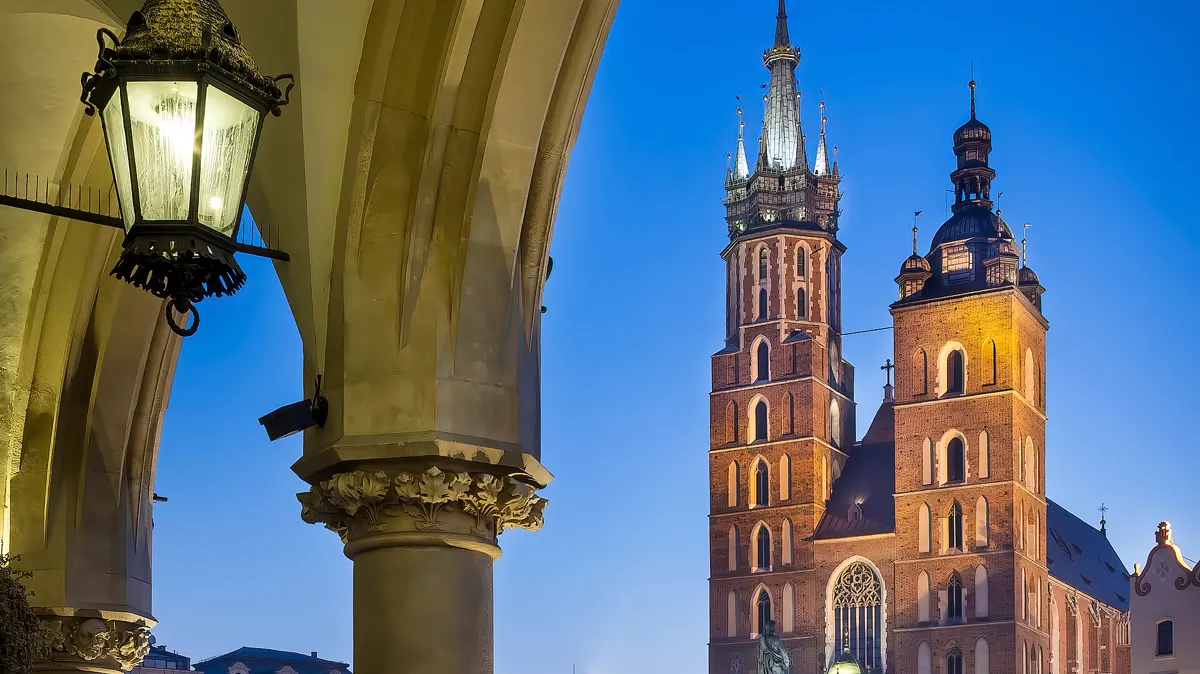
St Mary's Basilica
The brick Gothic church on the main square, famous for its mismatched towers and a carved wooden altarpiece by Veit Stoss.
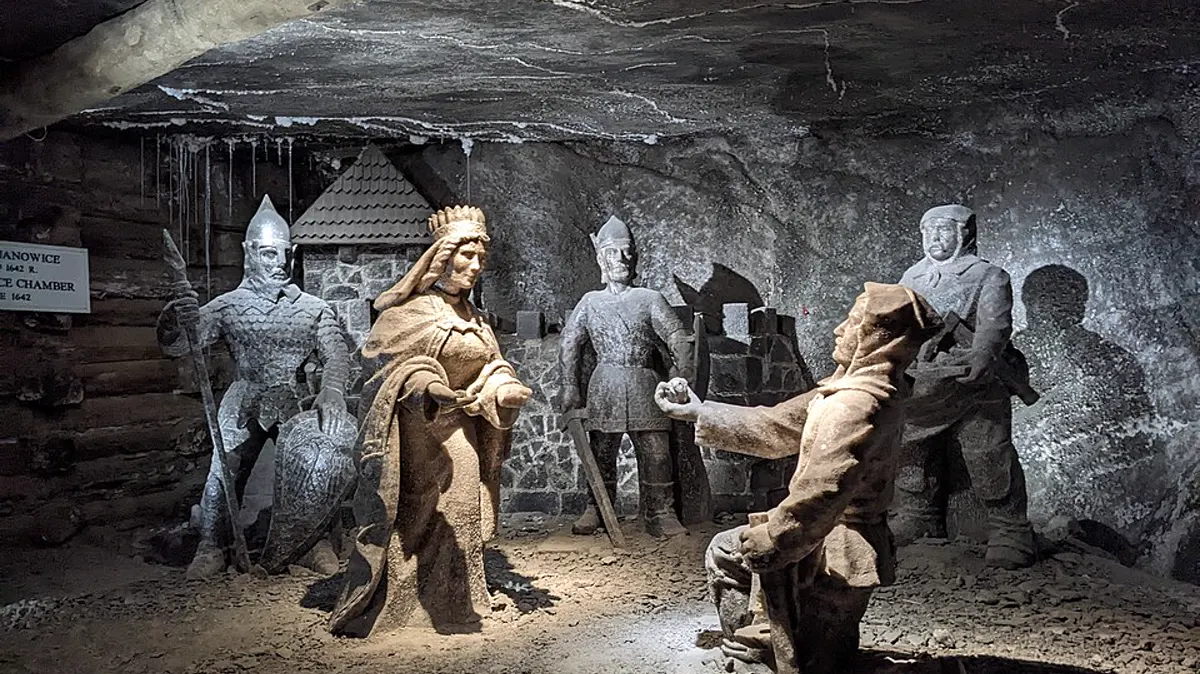
Wieliczka Salt Mine
A UNESCO-listed salt mine worked for seven centuries, with underground chapels, lakes and chambers carved entirely from rock salt.
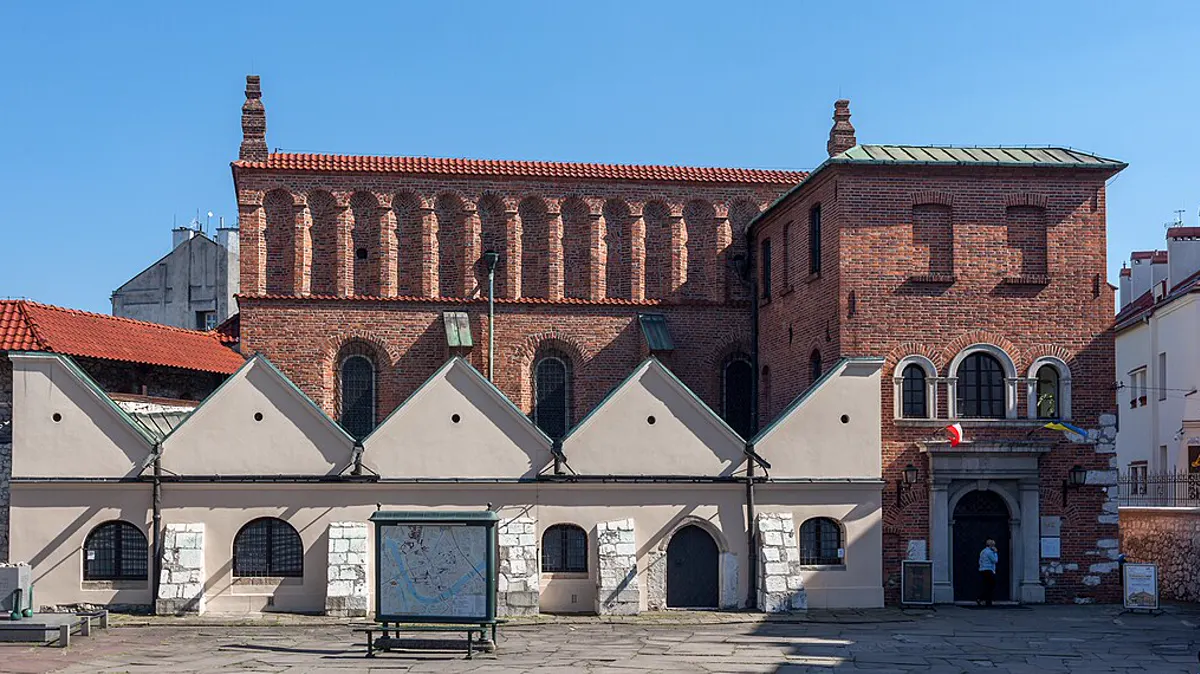
Old Synagogue (Stara Synagoga)
The Old Synagogue at 24 Szeroka Street is the oldest surviving synagogue building in Poland and now a branch of the Museum of Kraków telling the story of the city's Jews.
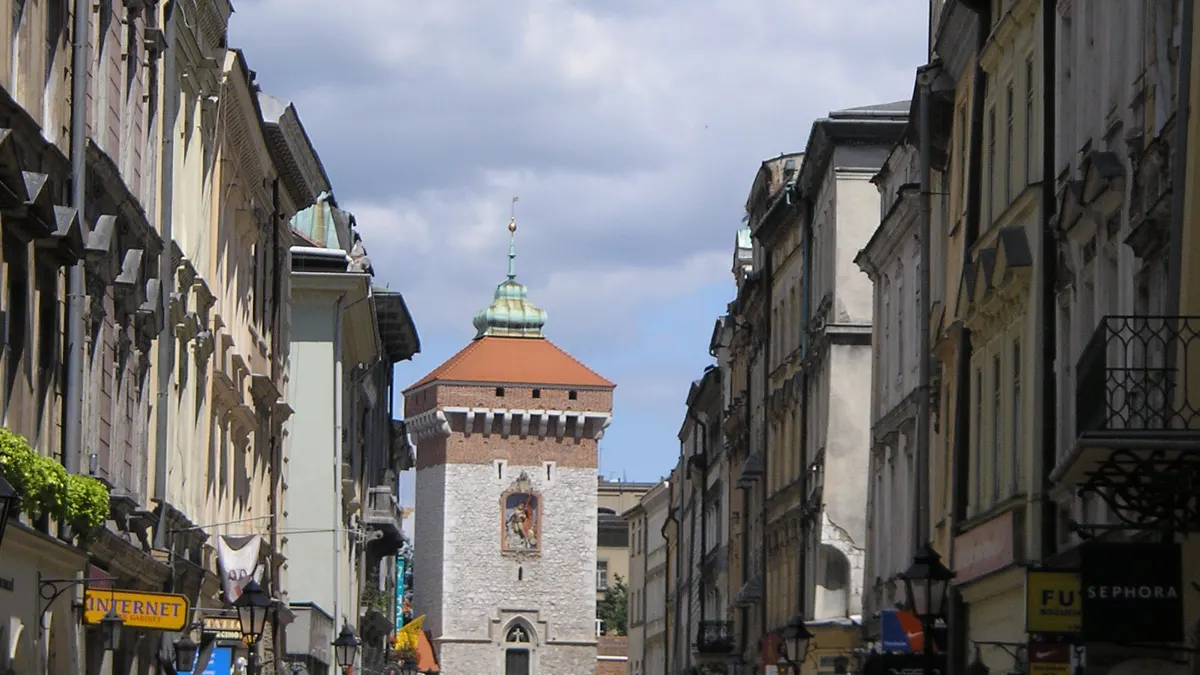
Ulica Florianska
The elegant medieval street running from the Barbican and Florian Gate down to the main square, part of the historic Royal Route. Lined with townhouses, cafes and shops, it ends at the last surviving Gothic city gate, Brama Florianska.
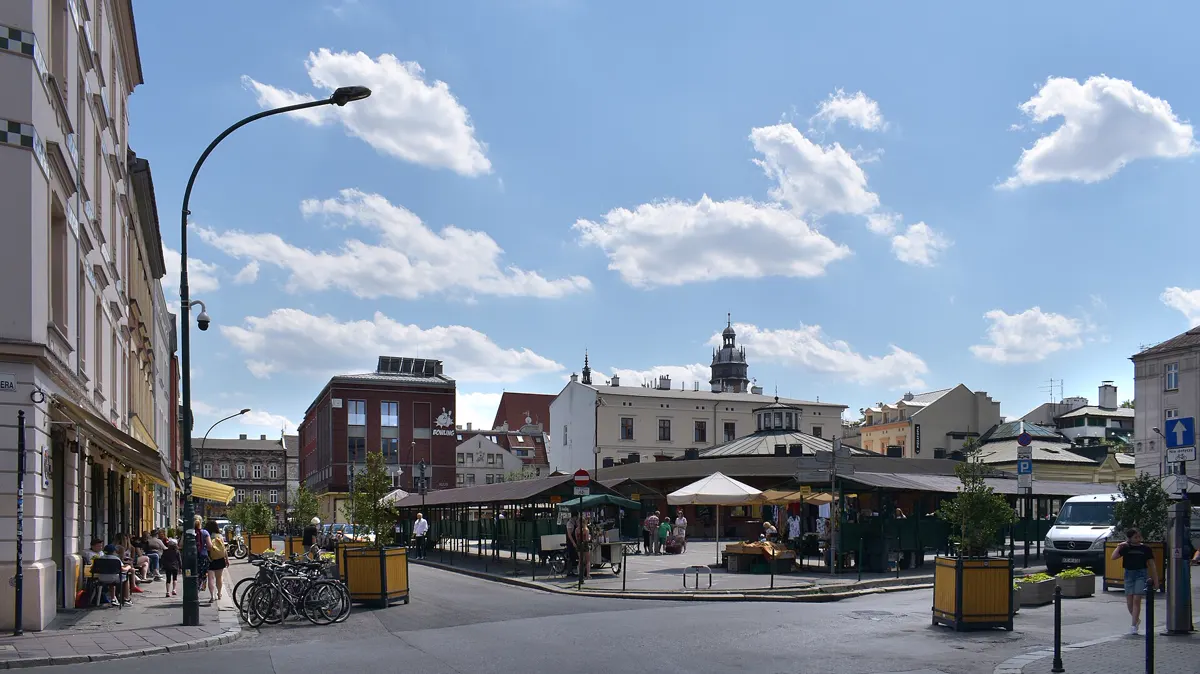
Plac Nowy (New Square)
Plac Nowy is the social centre of Kraków's Kazimierz district, a trapezoidal 19th-century square built around a round market hall whose windows now sell the city's famous zapiekanki.
More to explore in Kraków
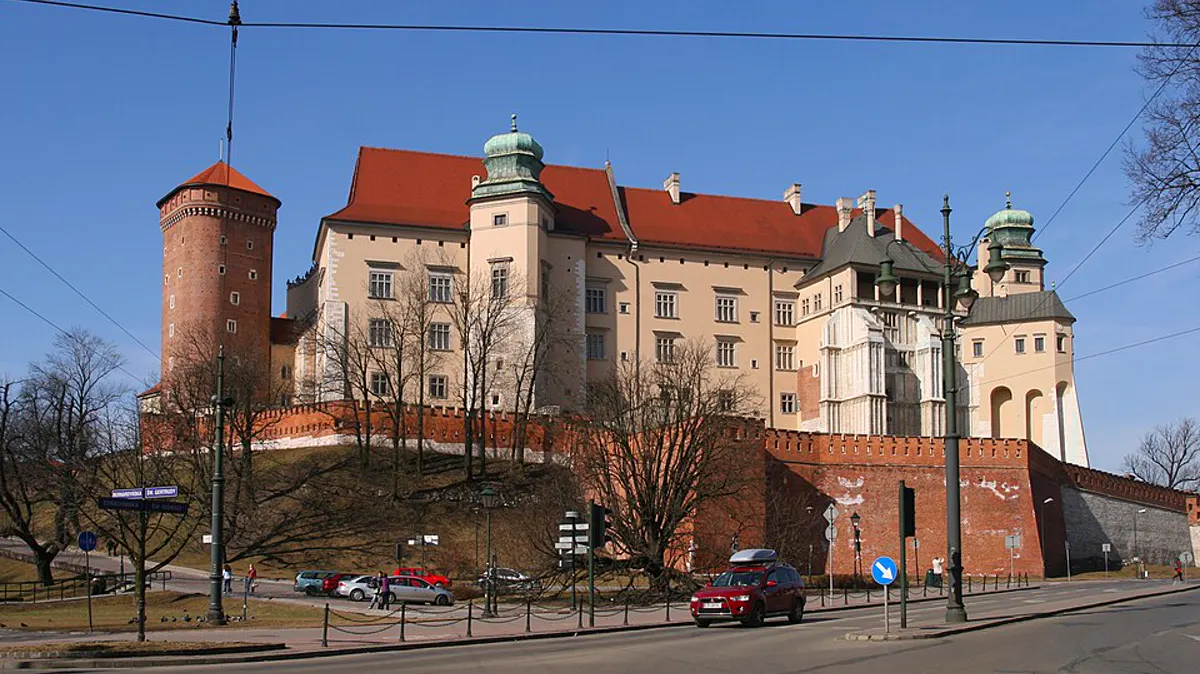
Castle
Wawel Castle
The royal castle and cathedral on the hill above the Vistula, the symbolic heart of the Polish nation for a thousand years.

Restaurant
Bottiglieria 1881
Krakow's Michelin-starred tasting-menu room, a modern Polish kitchen paired with a deep wine cellar.
Hotel
Hotel Copernicus
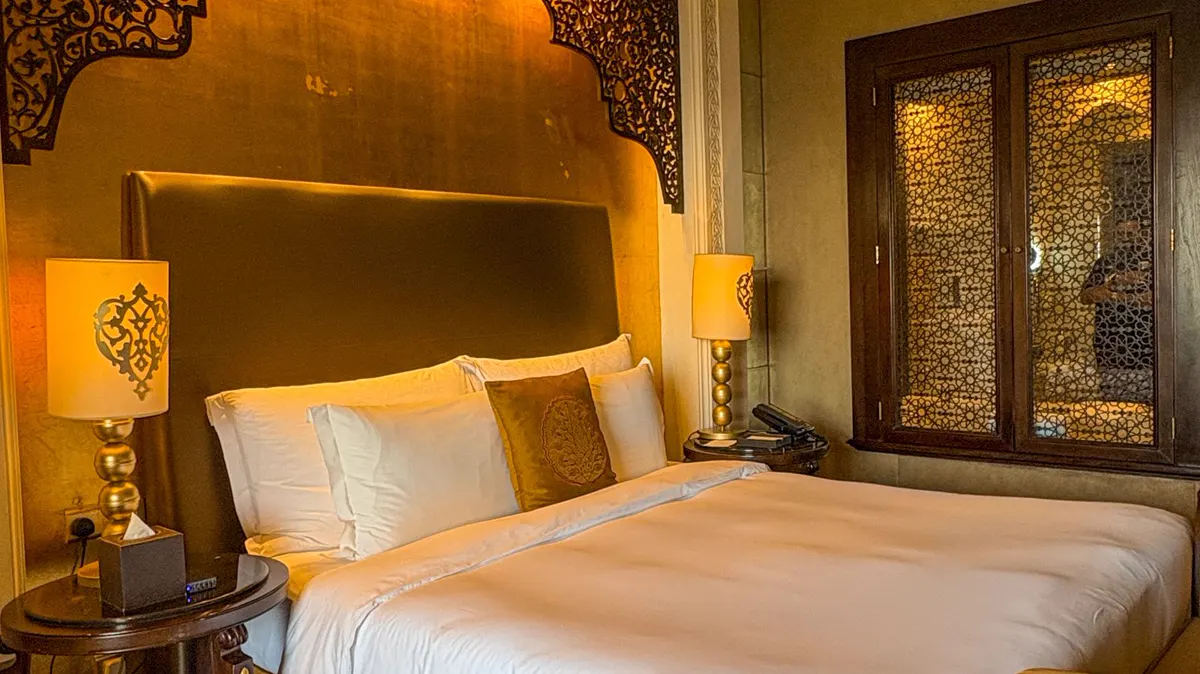
A Relais & Châteaux townhouse on the oldest street in the city, with a rooftop terrace facing Wawel.
Museum
Rynek Underground
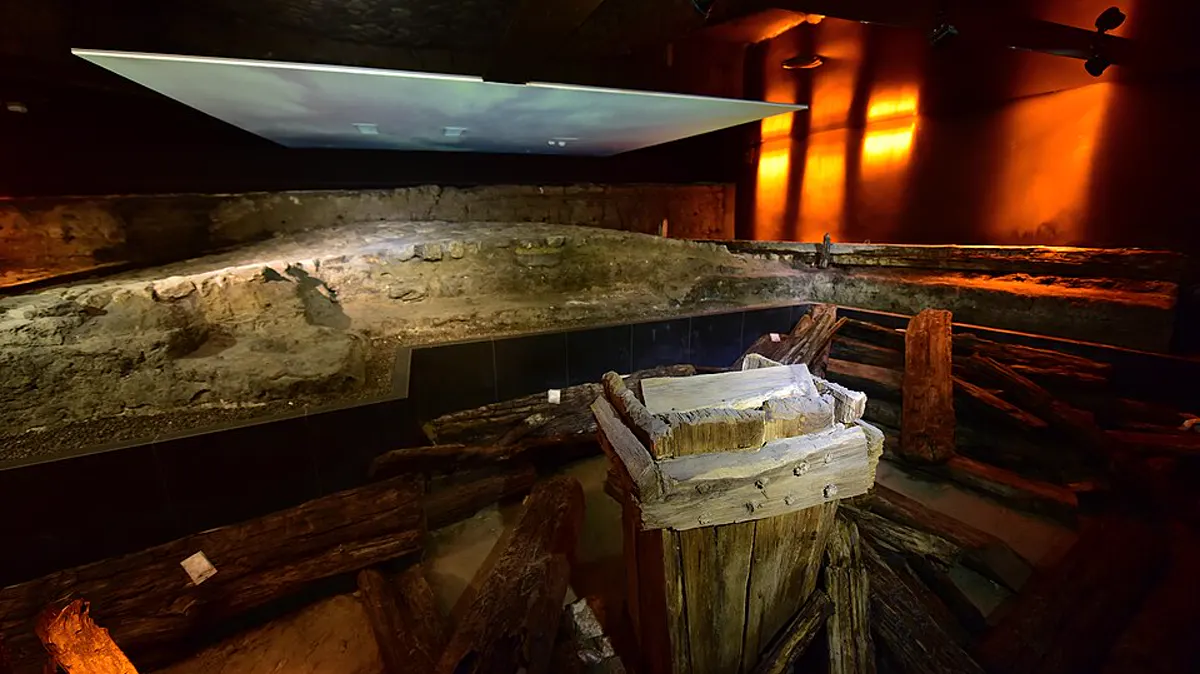
An atmospheric archaeology museum beneath the Main Square, walking you through the medieval market on its original cobbles.
Restaurant
Wodka Café Bar
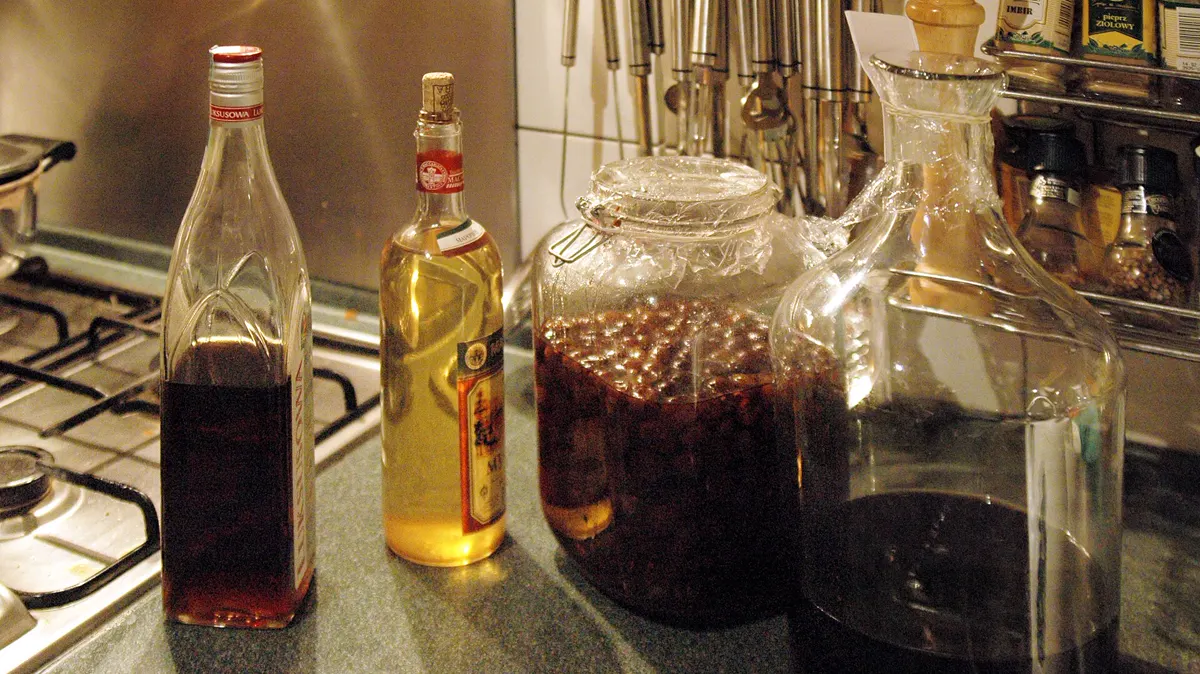
A tiny room with dozens of infused and flavoured vodkas lined up behind the bar.
Restaurant
Charlotte
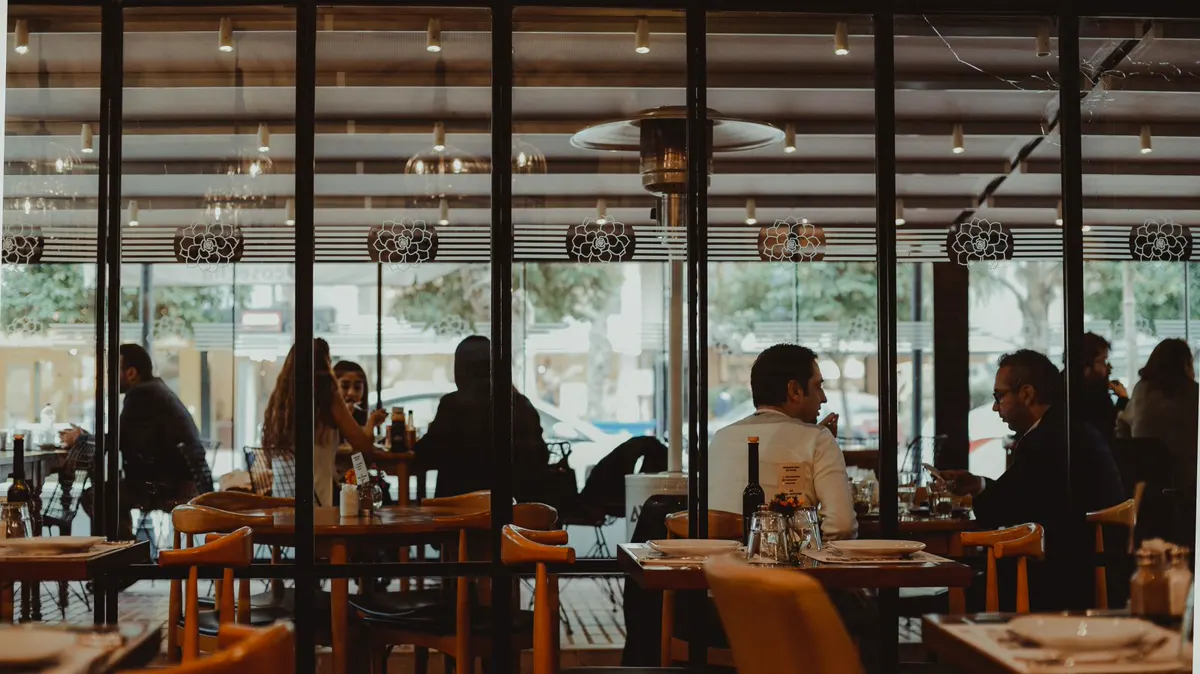
A French bakery-café on Plac Szczepanski with morning croissants, fresh bread and coffee under the trees.