Attraction in Częstochowa
Jewish Cemetery in Częstochowa
One of the largest Jewish cemeteries in Poland, founded around 1799 on ul. Złota, with thousands of surviving tombstones now overgrown by forest.
Reviewed and updated July 2026
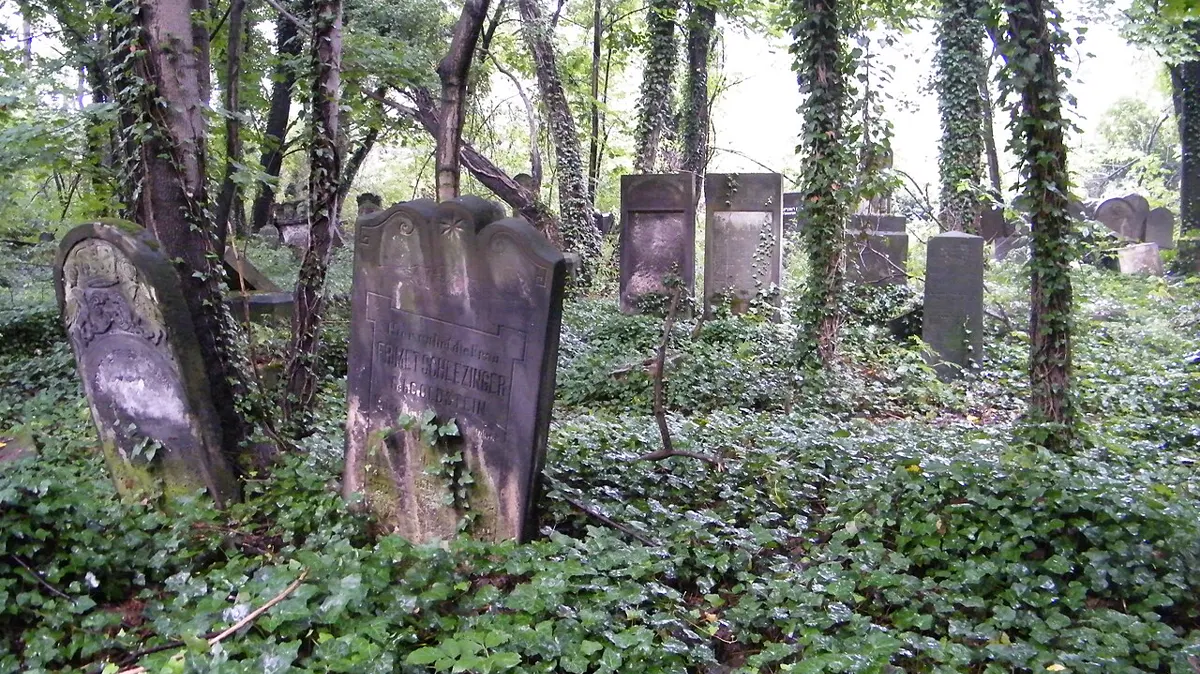
The Jewish Cemetery in Częstochowa is a walled burial ground on ul. Złota in the Zawodzie-Dąbie district, established by the local Jewish community around 1799 and today one of the largest surviving Jewish cemeteries in Poland. People come to walk among an estimated 4,000 to 5,000 tombstones inscribed in Hebrew and Polish, most of them half-swallowed by forest and ivy, and to reflect at a place that also carries the memory of the city's wartime Jewish population.
What you see on the grounds
The cemetery covers roughly 8.5 hectares, enclosed by a boundary wall with a restored entrance gate. Inside, thousands of matzevot (Jewish gravestones) stand, lean and lie scattered across ground that has largely returned to woodland, so ivy and tree roots have grown over and between many of the stones. Inscriptions appear in both Hebrew and Polish, and the older sections in particular reward slow, careful walking. Because the site is so overgrown, sturdy shoes and a respectful, quiet pace suit it best.
History and why it matters
Founded around 1799, the cemetery served Częstochowa's Jewish community for well over a century and grew into one of the largest of its kind in the country. It also holds grim traces of the Second World War, when Jews from the local Częstochowa ghetto were executed here. The boundary wall and entrance gate were restored during the 1980s, and in 1986 the site was entered into the register of monuments, recognising both its scale and its role as a place of remembrance.
Who it suits and how to visit
This is a place for people drawn to Jewish heritage, wartime history or quiet, contemplative sites rather than polished tourist attractions. The cemetery sits away from the city centre near the grounds of the former Częstochowa steelworks, so plan how you will get there in advance. Access can be limited and the grounds are wild, so it is best to check current arrangements through the local Jewish community or the tourist information office before setting out, and men are usually expected to cover their heads at Jewish cemeteries.
Fitting it into a Częstochowa trip
Most visitors to the city head first to Jasna Góra and its famous monastery, and this cemetery offers a very different, sombre counterpoint on the eastern side of town. Pairing the two gives a fuller picture of Częstochowa's layered religious and cultural past. If you are building a wider itinerary, see the Częstochowa guide for how the cemetery fits alongside the city's other sights.
Good to know
The grounds are heavily overgrown and access is not always open, so confirm entry arrangements with the local Jewish community or Częstochowa tourist information before you go.
Frequently asked questions
More attractions in Częstochowa
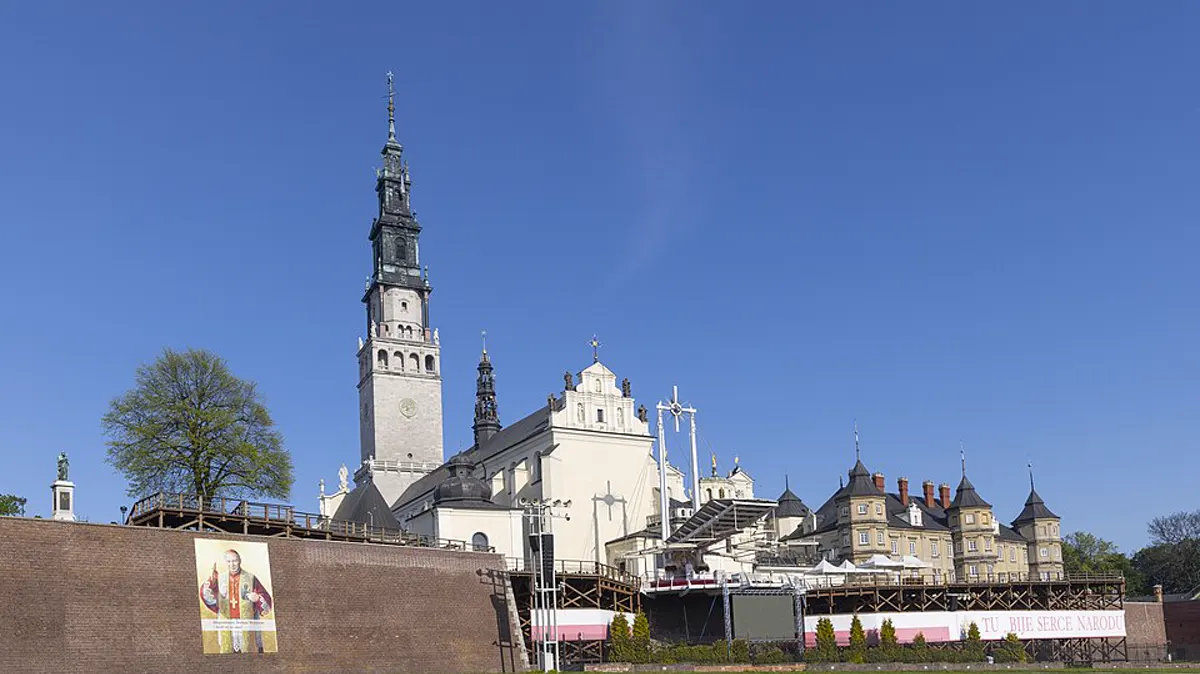
Jasna Gora Monastery
The fortified hilltop monastery that guards the Black Madonna icon, the most important Catholic pilgrimage site in Poland.
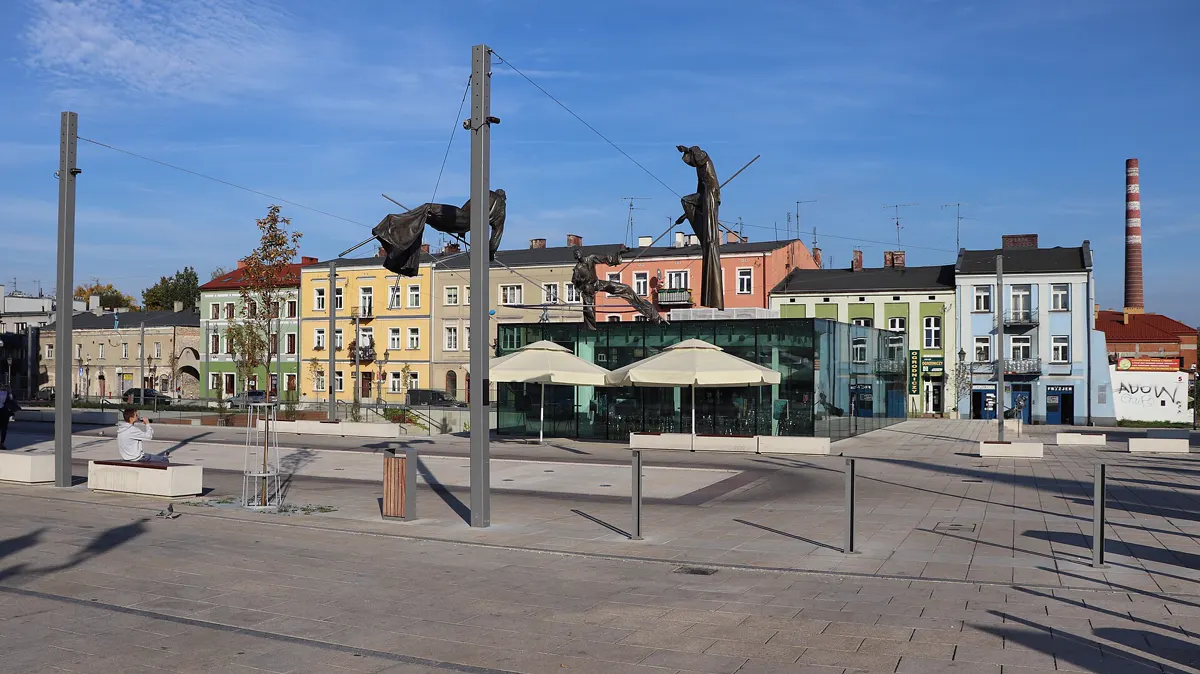
Old Market Square (Stary Rynek)
The revitalised Stary Rynek carries a permanent open-air gallery of Jerzy Kędziora's balancing sculptures, run by the Częstochowa Museum.
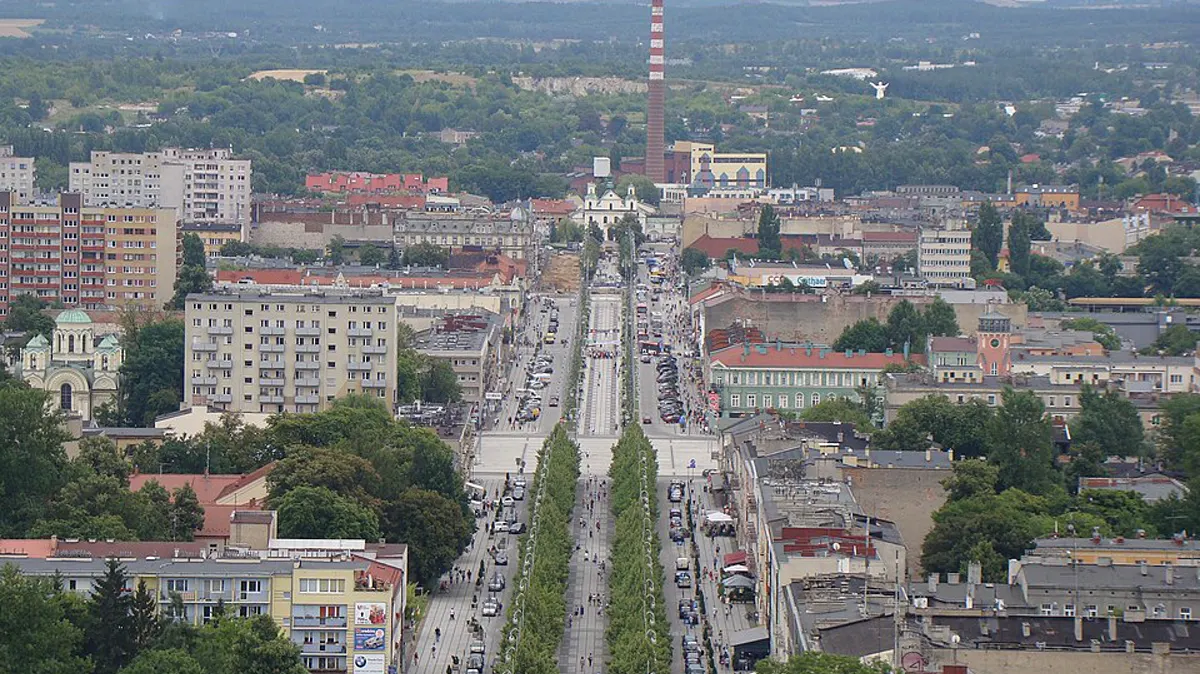
Aleja Najświętszej Maryi Panny (Avenue of the Blessed Virgin Mary)
The Avenue of the Blessed Virgin Mary is Częstochowa's main axis, running from the old town towards Jasna Góra and walked by generations of pilgrims.
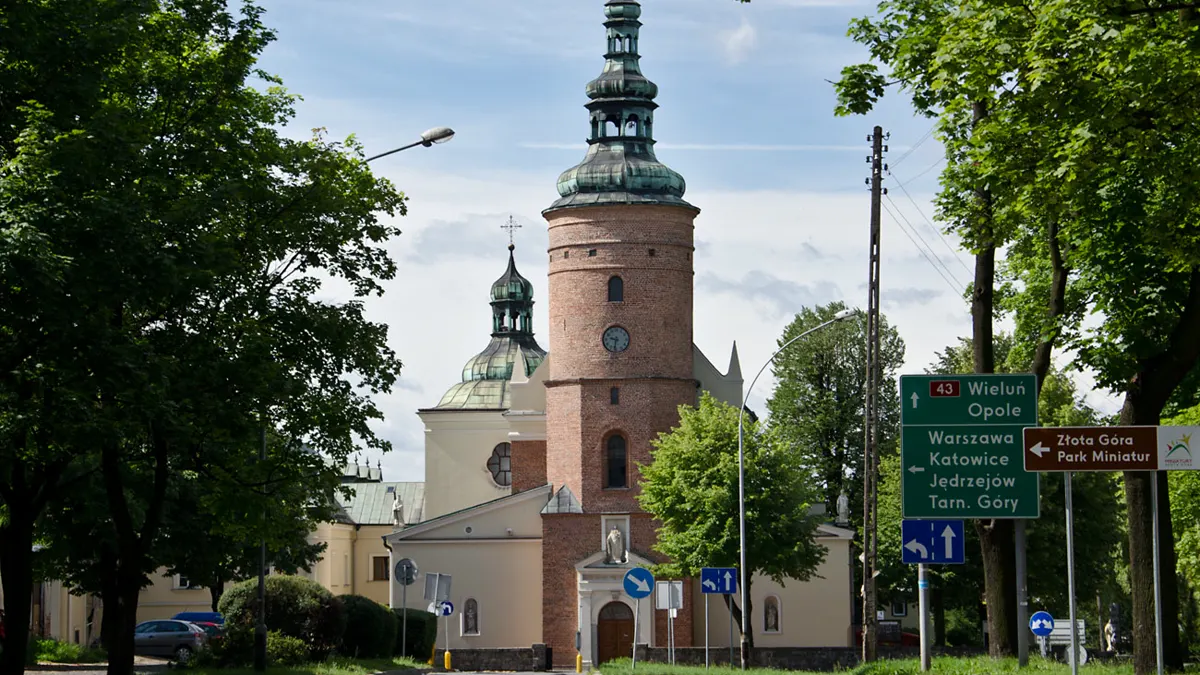
Church of St. Barbara and St. Andrew
A Pauline monastery church in Częstochowa built over the spring where, by tradition, the miraculous icon of Our Lady was cleansed in 1430. It is a common second stop for pilgrims visiting nearby Jasna Góra.
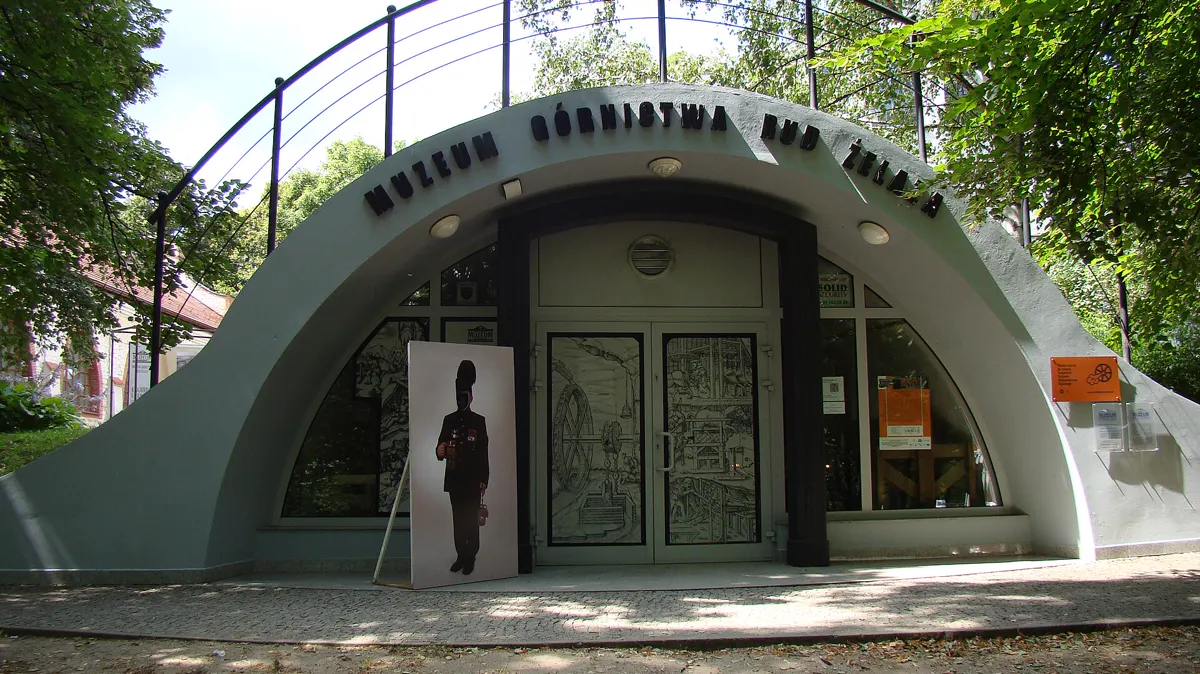
Museum of Iron Ore Mining
A museum in Częstochowa's Staszic Park that recreates underground iron-ore mine workings as walk-through corridors, commemorating the mining industry that shaped the region.

Museum of Coins and Medals of John Paul II
A private museum in Częstochowa dedicated to Pope John Paul II, holding over 11,000 exhibits, including around 2,000 coins and many medals, displayed under a dramatic lighting scheme.
More to explore in Częstochowa
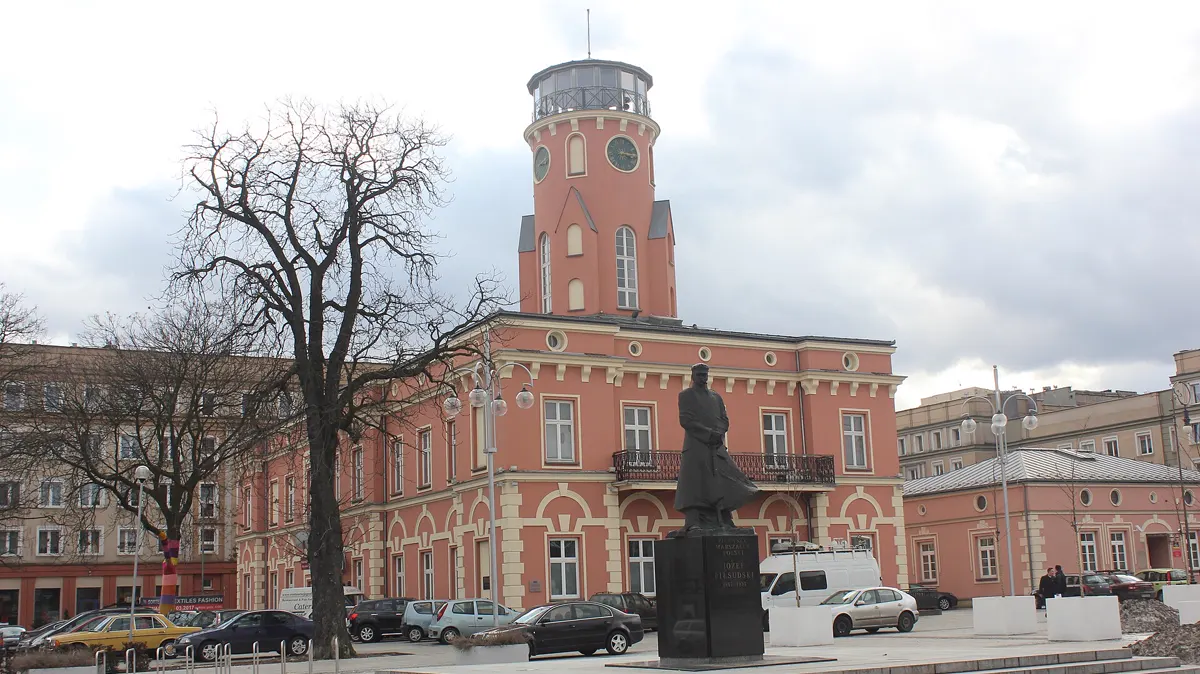
Museum
Częstochowa Museum (Muzeum Częstochowskie)
The Częstochowa Museum spreads across eight venues, from the Town Hall on plac Biegańskiego to branches covering history, art and archaeology.
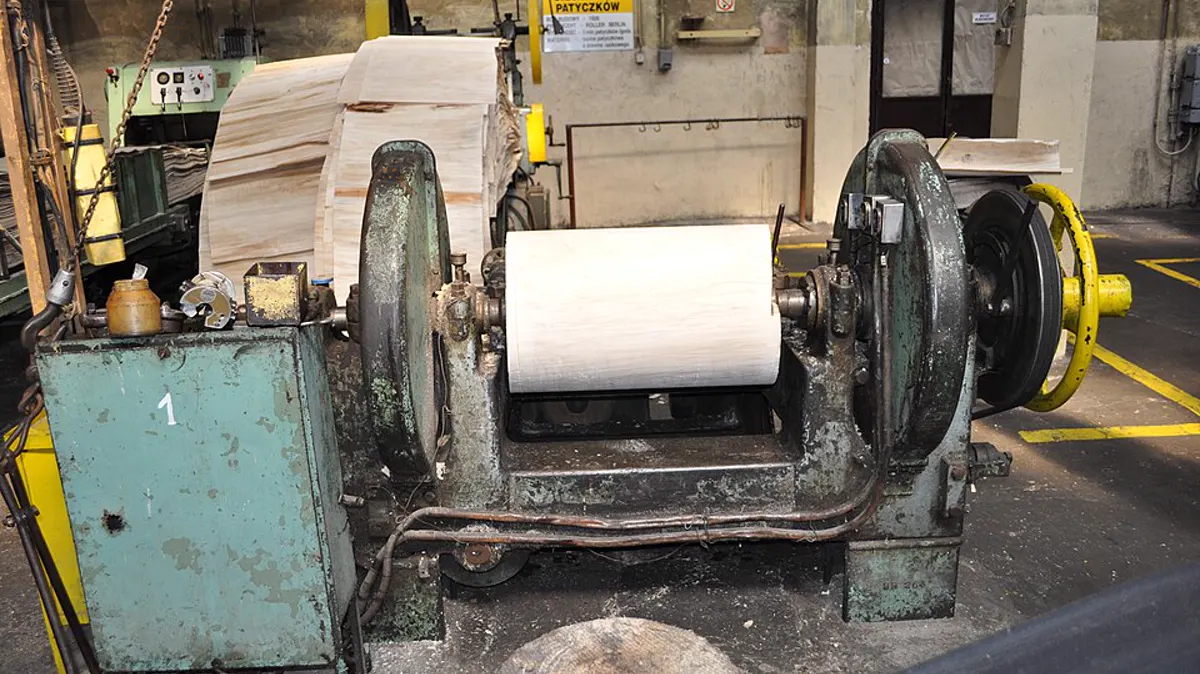
Museum
Museum of Match Production (Muzeum Produkcji Zapałek)
The Museum of Match Production keeps a 1930s factory line in a plant dating to 1882, described as the only working match museum in Europe.
Museum
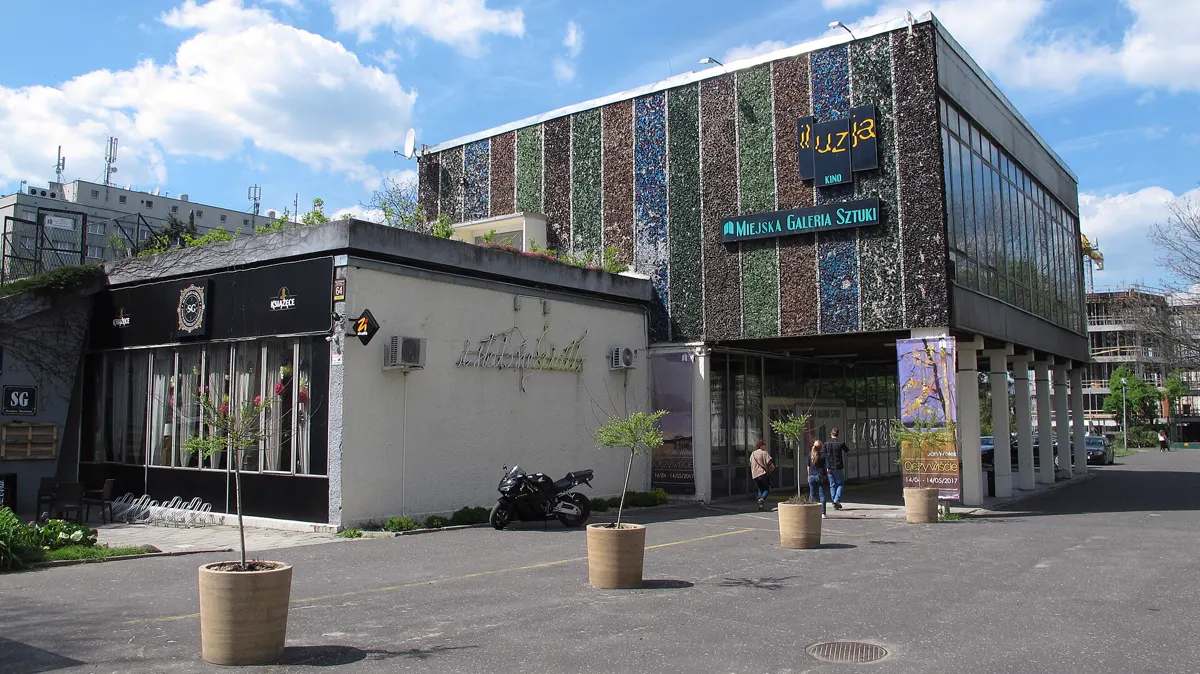
City Art Gallery (Miejska Galeria Sztuki) and Beksiński display
The City Art Gallery on Aleja NMP shows a permanent Beksiński collection of paintings and drawings given by collectors Anna and Piotr Dmochowski.
Museum
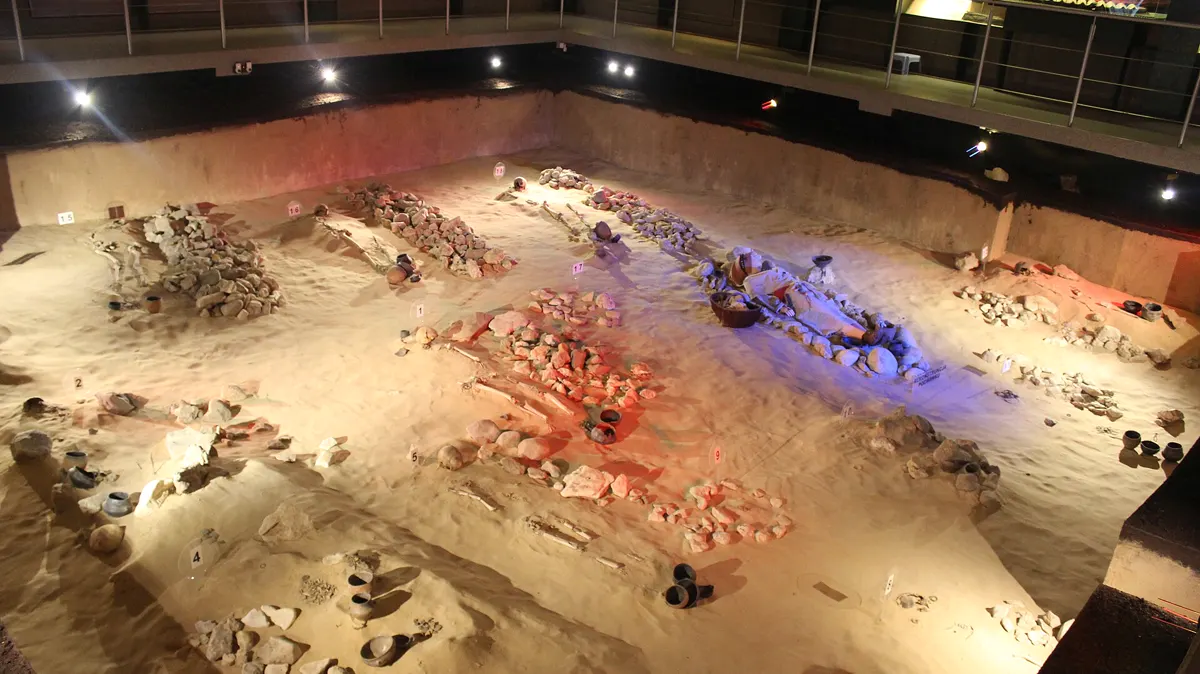
Archaeological Reserve (Rezerwat Archeologiczny)
The Archaeological Reserve protects an early Iron Age Lusatian cemetery, kept in the ground exactly where it was dug up.
Restaurant
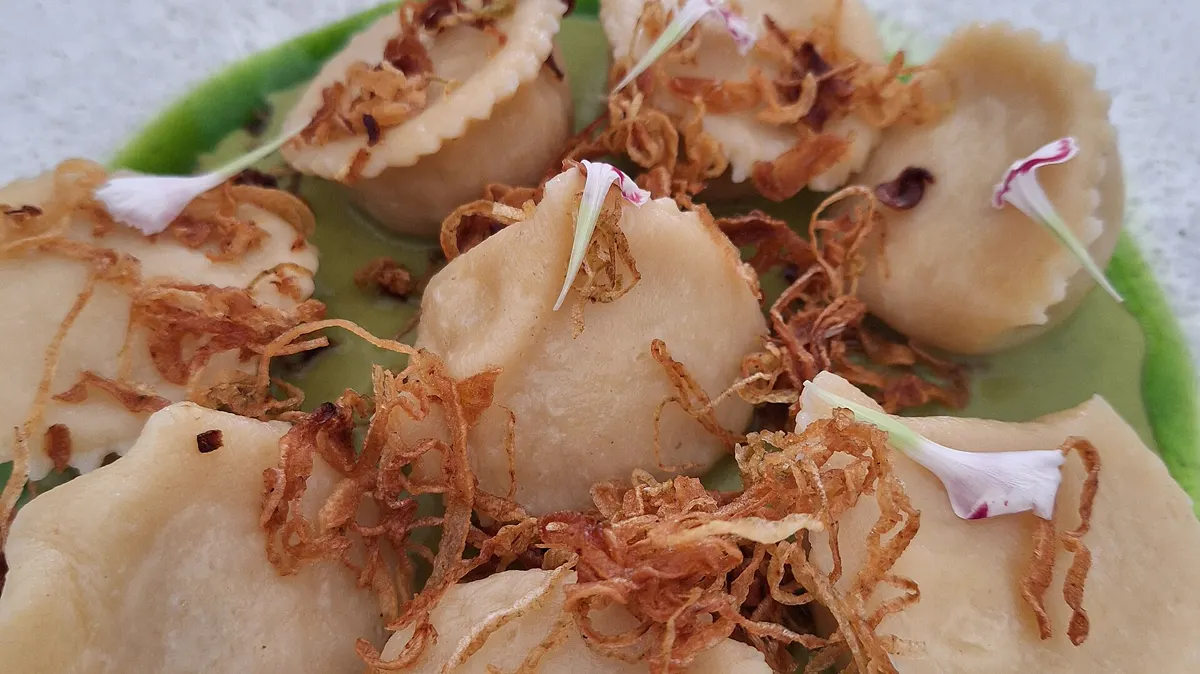
Cafe & Restaurant Dobry Rok
Cafe & Restaurant Dobry Rok sits on Aleja NMP, serving Polish and Italian dishes across a menu that works for lunch, dinner or coffee.
Restaurant
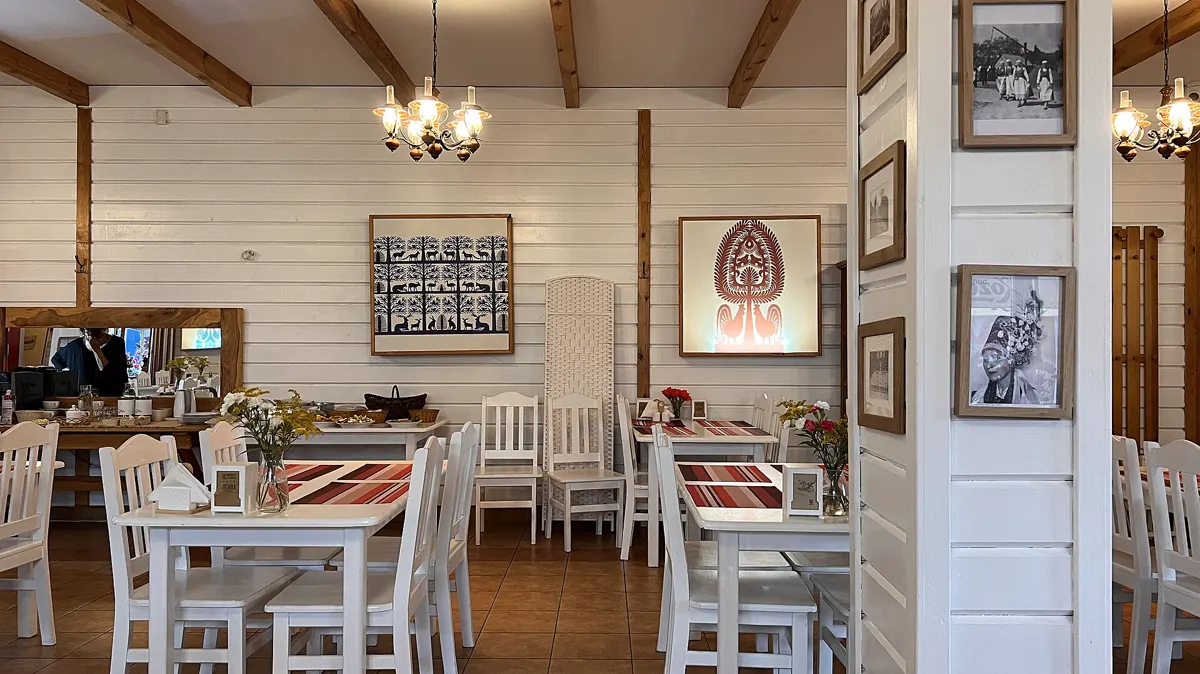
Restauracja U Braci
Restauracja U Braci serves Polish cooking alongside Italian and Mediterranean plates at 7 Kamienic in Częstochowa.