Attraction in Kraków
Skałka (Church on the Rock)
A Baroque Pauline church on Skałeczna Street in Kazimierz, built on the spot linked to the killing of Bishop Stanislaus in 1079, with a crypt that serves as a national pantheon for eminent Poles.
Reviewed and updated July 2026
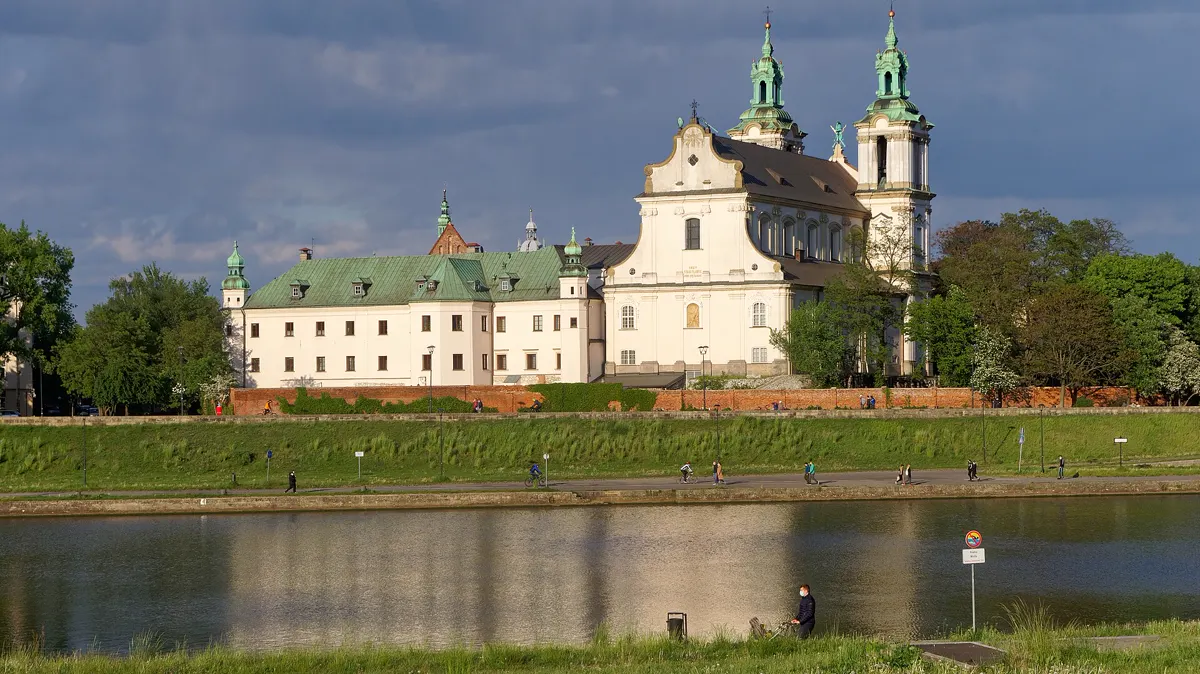
Skałka, or the Church on the Rock, is a Baroque church run by the Pauline order in Kraków's Kazimierz district, and people visit for two linked reasons: it marks the site tied to the death of Bishop Stanislaus of Szczepanów in 1079, and its crypt holds the tombs of some of Poland's most important cultural figures. Tradition places the bishop's killing here, on the order of King Bolesław II the Bold, an event that sent the king into exile and eventually made Stanislaus a patron saint of Poland. The present church took its Baroque form between 1733 and 1751 and stands beside a small pool tied to the saint's legend.
What you see at the site
The church you enter today is the Baroque building completed in the mid eighteenth century, set back from the street beside a small pool that legend connects to Saint Stanislaus. The interior follows the ornate style of its period, and the setting on Skałeczna Street keeps it quieter than the churches around Kraków's main square. Below the church lies the reason many people come, the Crypt of Distinguished Poles, reached separately from the main nave.
The crypt and its national pantheon
Skałka's crypt is one of Poland's national pantheons, a resting place reserved for figures who shaped the country's culture and thought. Among those interred here are the painter and playwright Stanisław Wyspiański, the composer Karol Szymanowski and the poet Czesław Miłosz, who won the Nobel Prize in Literature. For visitors interested in Polish art, music and letters, the crypt gathers several of those names in one place, which few other sites in the country can offer.
The story of 1079 and why it matters
The church owes its standing to a single event. In 1079 Bishop Stanislaus of Szczepanów was slain here, according to tradition, on the order of King Bolesław II the Bold, after a conflict between the two. The killing led to the king's exile, and Stanislaus was later canonised and recognised as a patron saint of Poland. That saintly connection turned the spot into a place of pilgrimage and gave it lasting weight in Polish religious and national memory.
Fitting Skałka into a Kraków visit
Skałka sits within Kazimierz, so it pairs naturally with a walk through the district's other churches, squares and the former Jewish quarter, and it is a reasonable stroll from the historic centre covered in our Kraków guide. It suits travellers drawn to Polish history and culture more than those looking only for street life, and the crypt in particular rewards anyone who knows the names it holds. Because opening times for the church and the crypt can differ and change with the season, check the parish's official channels before you go.
Good to know
The Crypt of Distinguished Poles is accessed separately from the main church and often keeps limited hours, so confirm current times through the parish's official channels before visiting.
Frequently asked questions
More attractions in Kraków
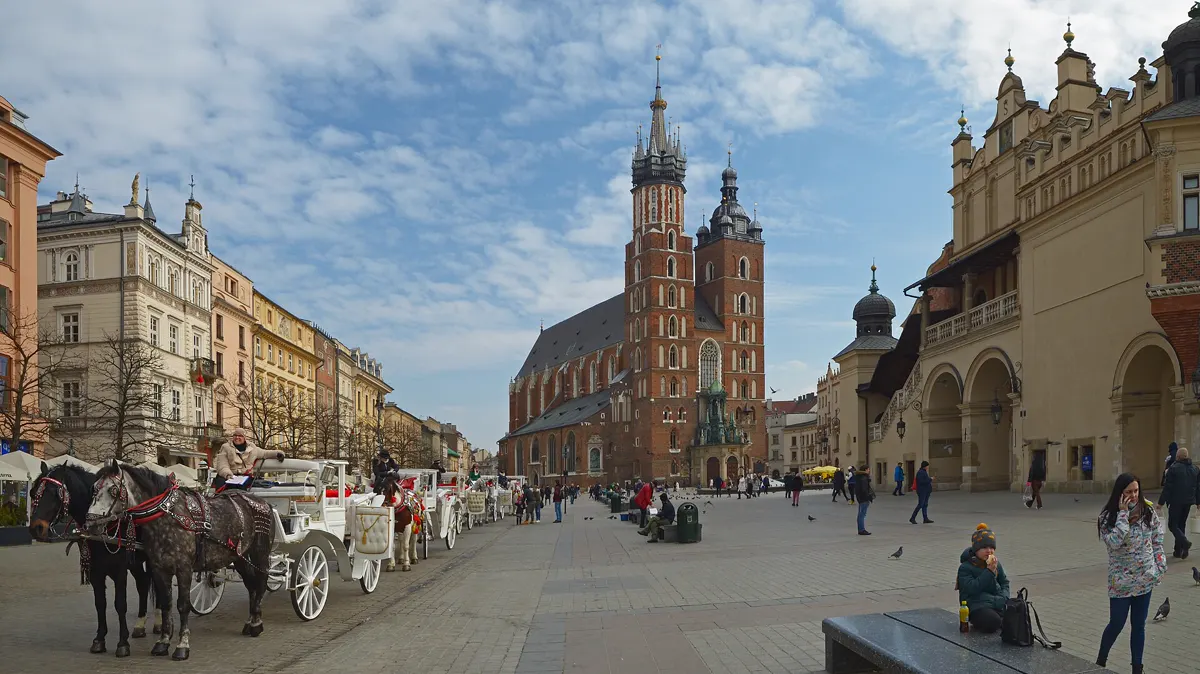
Main Market Square
Europe's largest medieval market square, the social centre of Krakow, with the Cloth Hall running down its middle.
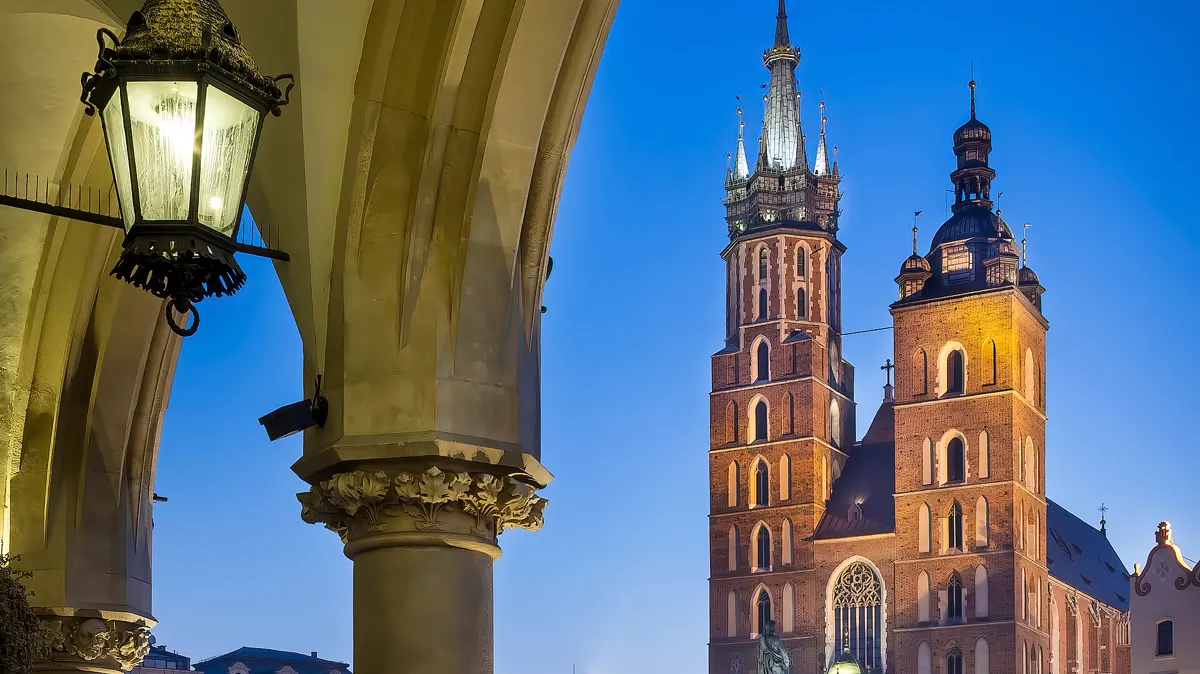
St Mary's Basilica
The brick Gothic church on the main square, famous for its mismatched towers and a carved wooden altarpiece by Veit Stoss.
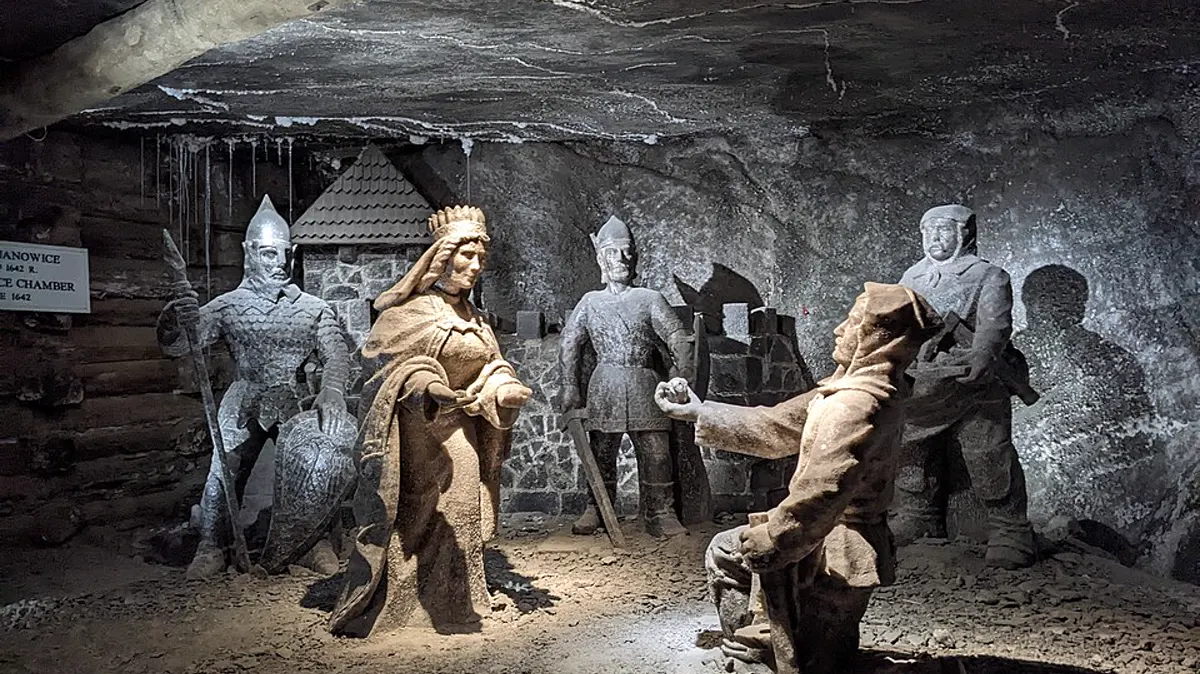
Wieliczka Salt Mine
A UNESCO-listed salt mine worked for seven centuries, with underground chapels, lakes and chambers carved entirely from rock salt.
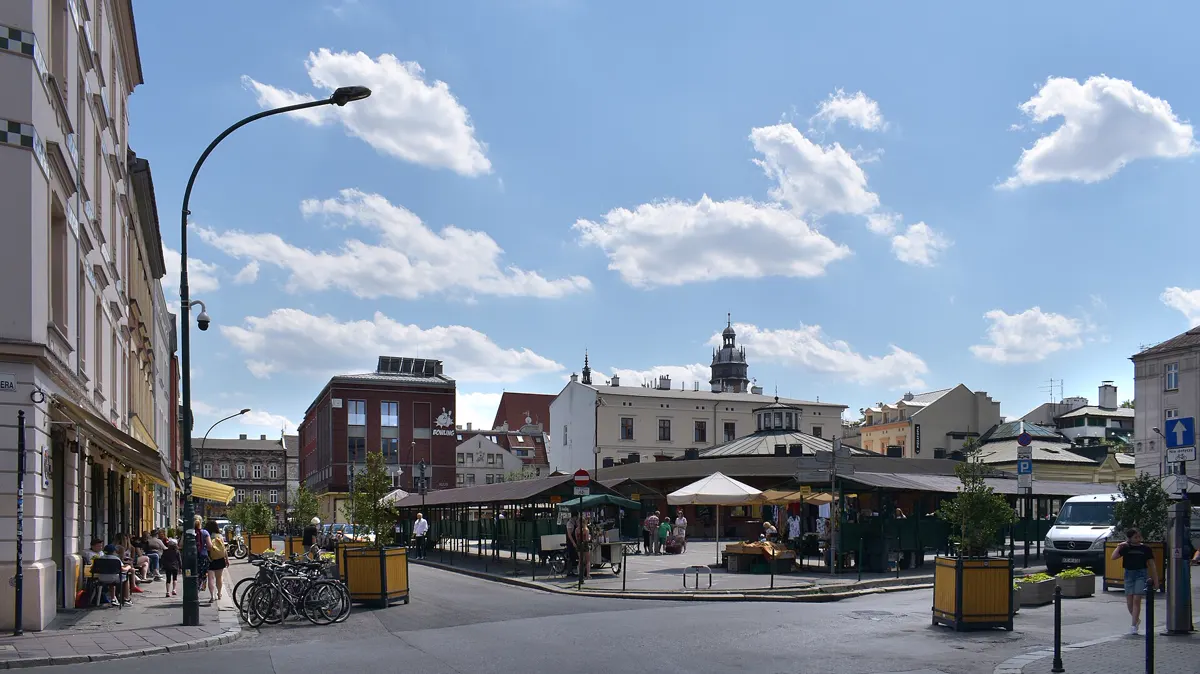
Plac Nowy (New Square)
Plac Nowy is the social centre of Kraków's Kazimierz district, a trapezoidal 19th-century square built around a round market hall whose windows now sell the city's famous zapiekanki.
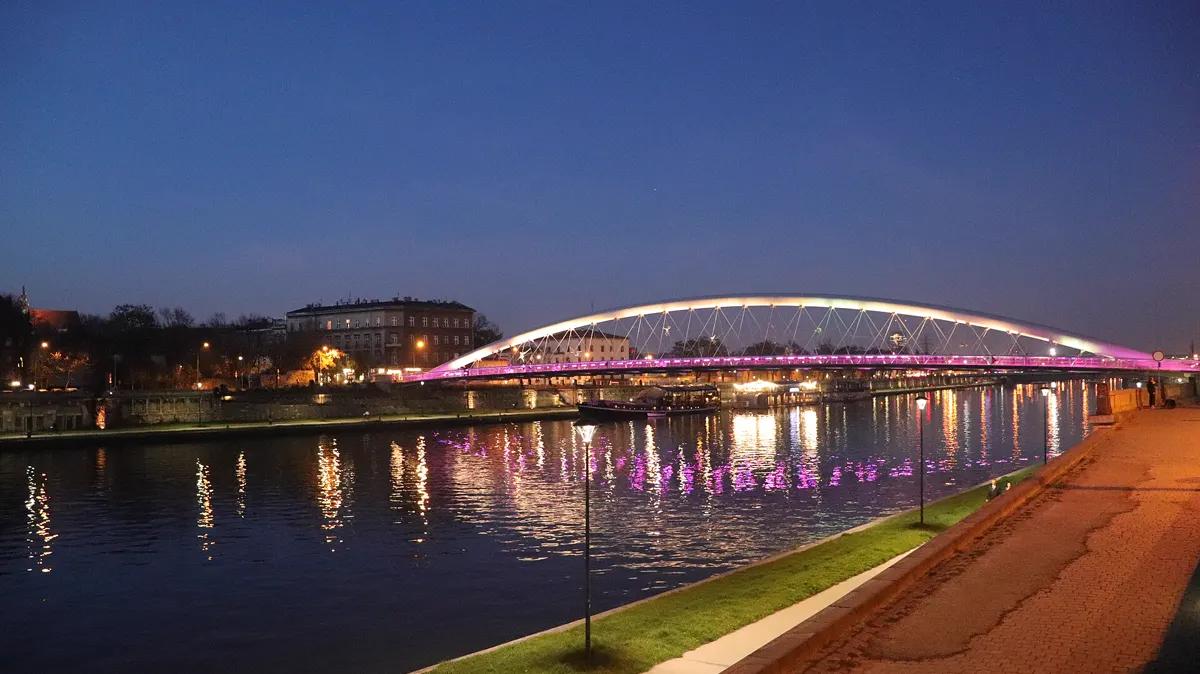
Father Bernatek Footbridge
A pedestrian and cycle bridge over the Vistula that connects Kazimierz with Podgorze, known for nine acrobat sculptures suspended above the water and its collection of love padlocks.
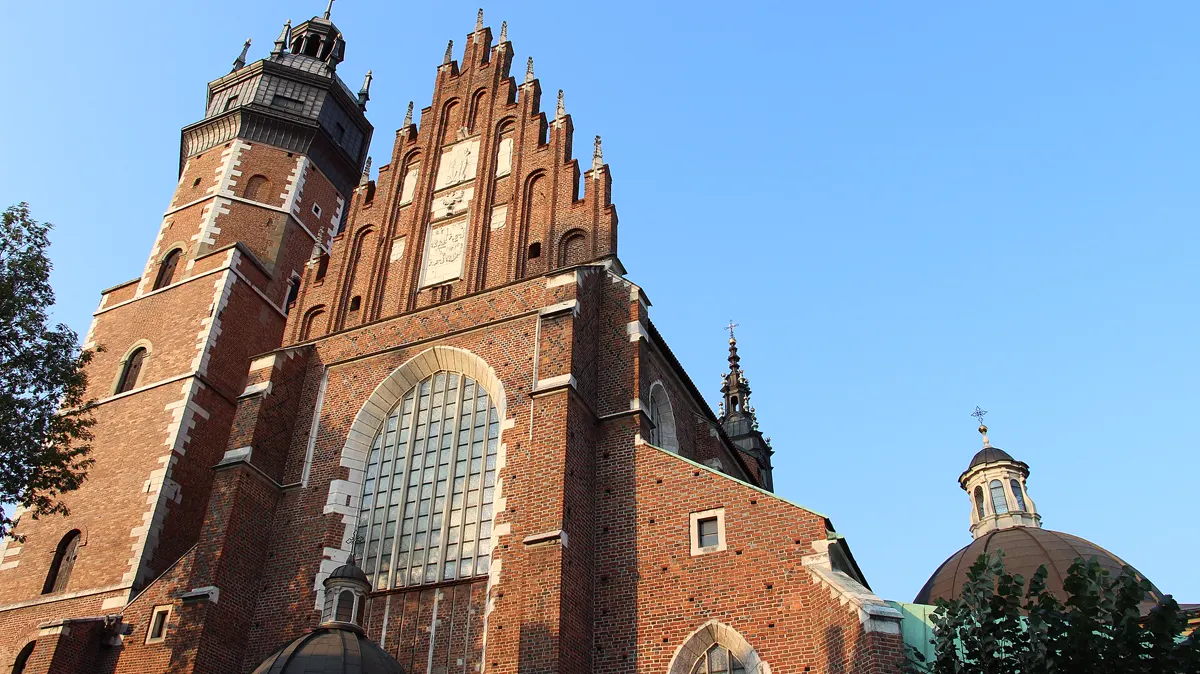
Corpus Christi Basilica
A towering Gothic basilica in Kraków's Kazimierz district, founded by King Casimir III the Great in 1335 and known for its 70-metre tower, five historic bells and a rare boat-shaped Baroque pulpit.
More to explore in Kraków
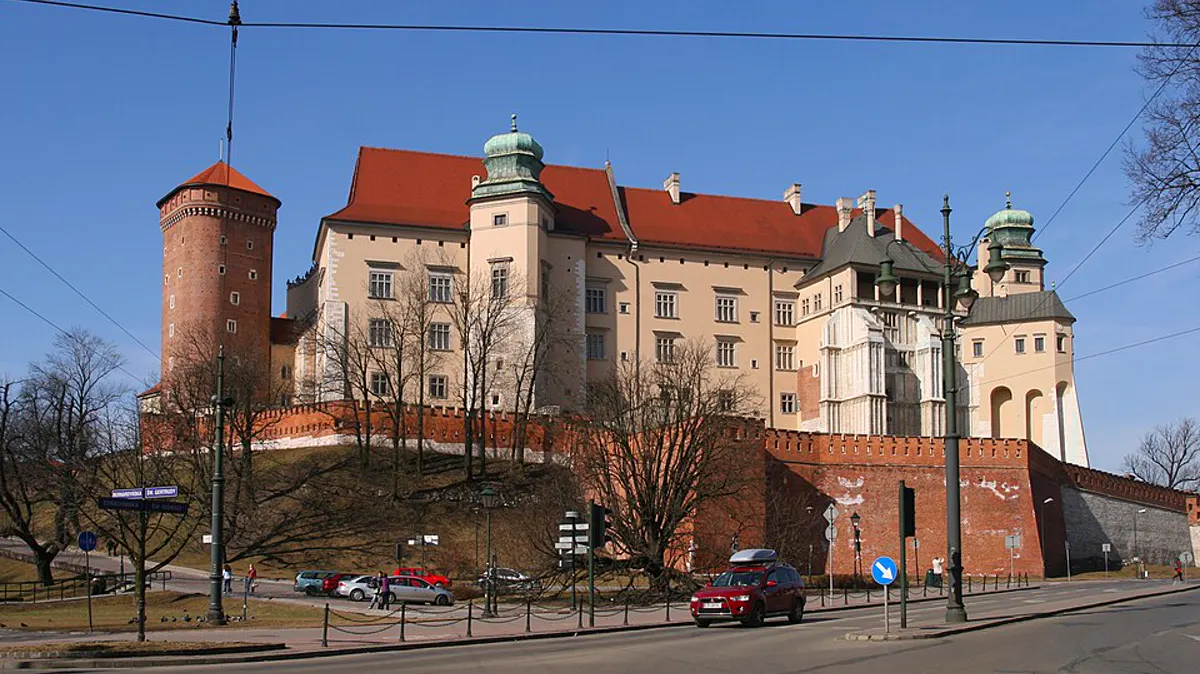
Castle
Wawel Castle
The royal castle and cathedral on the hill above the Vistula, the symbolic heart of the Polish nation for a thousand years.

Restaurant
Bottiglieria 1881
Krakow's Michelin-starred tasting-menu room, a modern Polish kitchen paired with a deep wine cellar.
Hotel
Hotel Copernicus
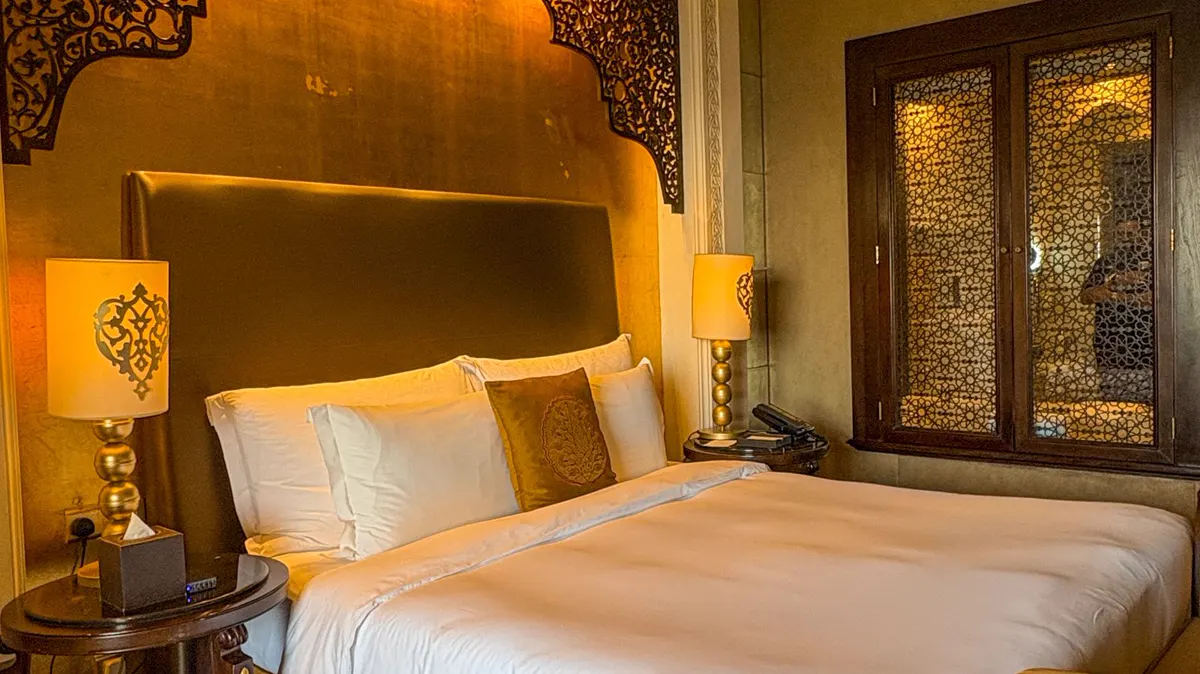
A Relais & Châteaux townhouse on the oldest street in the city, with a rooftop terrace facing Wawel.
Museum
Rynek Underground
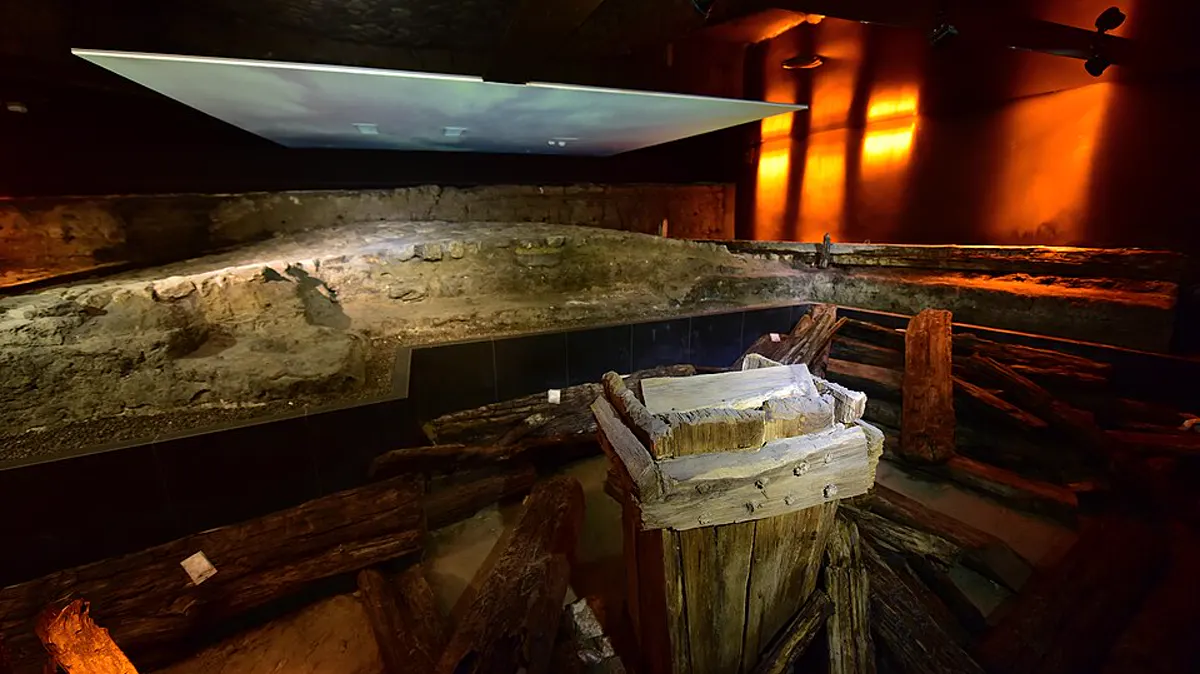
An atmospheric archaeology museum beneath the Main Square, walking you through the medieval market on its original cobbles.
Restaurant
Bar Mleczny Tomasza
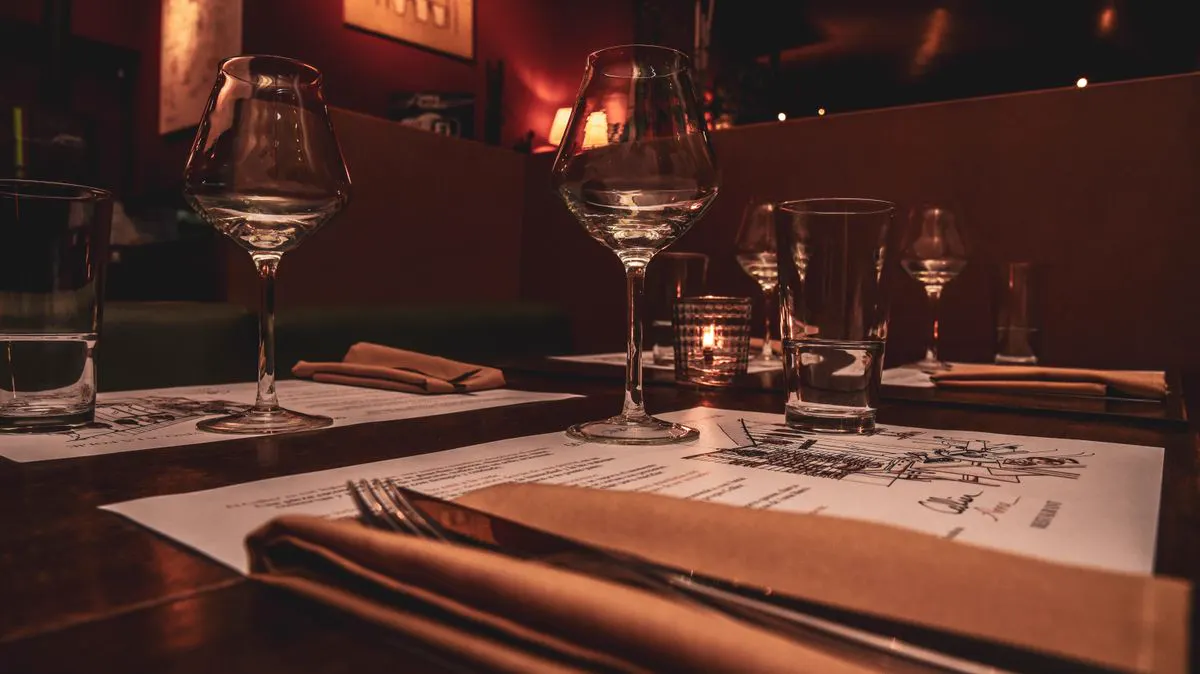
A modern milk bar off the Rynek plating pierogi, pancakes and soups at canteen prices. The go-to for a filling Polish lunch without the tourist markup.
Museum
Auschwitz-Birkenau Memorial
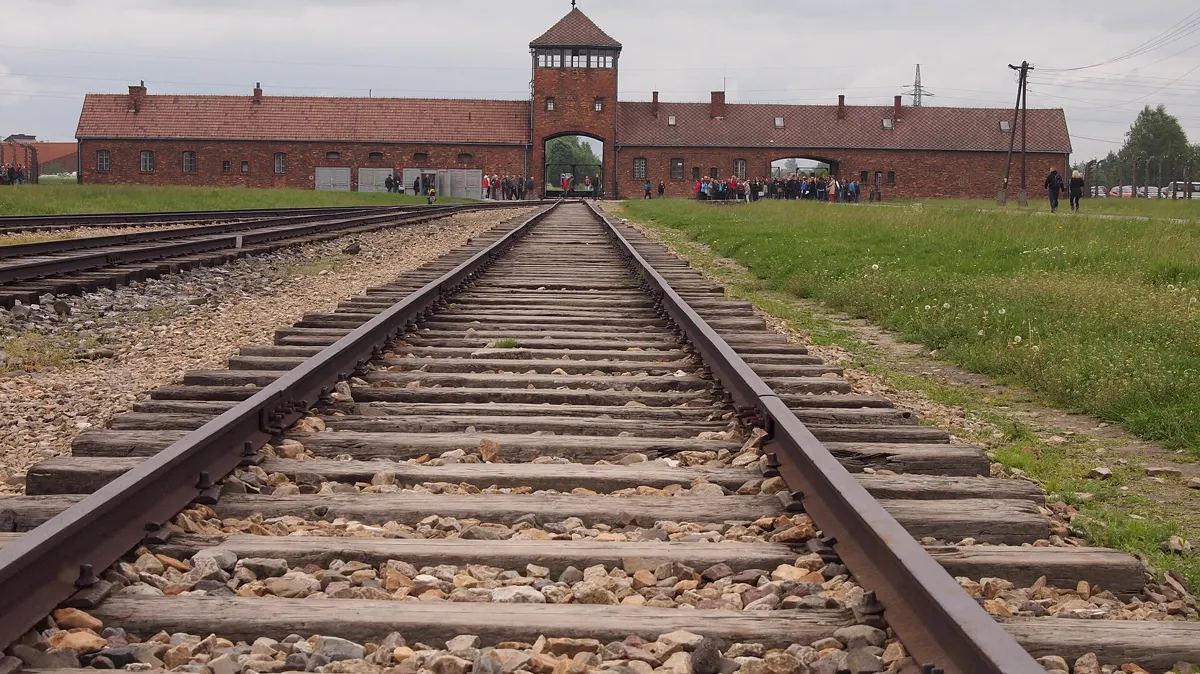
The preserved site of the largest German Nazi concentration and extermination camp, now a memorial and museum to its victims, west of Krakow.